How to Make Perfect Brownies like your Grandma’s

Published by Thursday, February 16, 2012 Permalink 0

How to Make Perfect Brownies like your Grandma’s

We love this beautifully illustrated recipe for making the perfect brownies. This is a keeper!

Brownies stacked on a plate.


The explanations are better than a video because they let you go on with your work and refer back to the photos when you need to.

Click here to go to the recipe.

Never miss a post
Name: 
Your email address:*
Please enter all required fields
Correct invalid entries

Is Focaccia Pizza’s Rival?

Published by Thursday, February 16, 2012 Permalink 0

by Diana Zahuranic

“It’s the most dangerous competitor of pizza,” said the president of Recco’s Consorzio near Genova. What could possibly pose a risk to the hallowed Italian dish? The risk lies in a similar bread known as focaccia, an olive-oily, salt-crunchy, inch-thick fluffy white dough often cut into squares in the piazza’s panetteria, or bakery. Tomato sauce and ciliegini cherry tomatoes, may be dropped on top, as well as anchovies, thin potato slices with rosemary sprigs, zucchini, eggplant, olives and tomato – basically any ingredient that goes on a pizza sits comfortably on its fluffy focaccia pillow, too. And like pizza, mozzarella cheese is basically a given.


If focaccia is pizza’s most serious contender, then Focaccia di Recco is the Achilles of this battle – but Recco’s focaccia has no weak spot.

I went with my class from the University of Gastronomic Sciences, a Slow Food-founded school based in Piemonte, Italy, to the 150-year old Ristorante Vitturin. The owner applied for the IGP label for his focaccia, and is now waiting for it to pass. If the bread earns this Indicazione di Geografica Protetta, or Protected Geographic Indication, that will make it the first restaurant product with that label. Naples’ pizza likely regrets not applying for one every time a new “Napoletano style” pizzeria erects its greasy walls in small suburbs and big cities. If it gains the IGP label, then that’s Point One for Focaccia di Recco.

We walked down a flight of steps into a moodier section of the restaurant and the kitchen, open with a line of windows framing the working chefs who flip paper-thin focaccia dough in the air and mix potions of ingredients to create pestos and sauces. The bustle of a restaurant kitchen was unapparent, non-existent, at 2:30 in the afternoon. The chef had time to show us how to make Focaccia di Recco.

Three long tables were set up in a U at the end of the room, set with dough, flour and long, thin rolling pins that were more like sticks. The chef was cheerful and energetic and even a bit cheeky to the very sincere Consorzio leader/ restaurant owner, who explained to us why the Focaccia di Recco deserved the IGP label.

“We use a farina di forza,” he explained. This “flour of strength” is 100% Manitoba flour, its forza derived from the high gluten content. The chef let us feel the fine, fine flour. He began to roll out soft, warm piles of dough very quickly into a thin layer on the table.

“The cheese must be this kind,” he said, showing us the Formaggio fresco latte ligurie tracciato. It was a big, white, squishy brick. The chef laid out the first layer over the tray, and then pinched off chunks with his hands of this fresh goat’s cheese from Liguria and plopped them evenly onto the pie.

“We’ve used the same recipe since 1800,” said the owner. The recipe is also written on the brochure of the restaurant (although the cheese is described as crescenza, an Italian-style Philadelphia cream cheese, because few people will ever get their hands on the crucial ligurie tracciato cheese). We were pinching off moist bits of this rich, creamy cheese and popping them into our mouths as we watched the chef toss his next piece of dough high into the air until it was so thin it was transparent.

Formaggio fresco di latte ligurie tracciato

The chef gently laid the fragile dough over the cheesy bottom layer. Some cheese chunks broke through, which would burst through in an exquisite, oily sizzle when in the oven. He drizzled it with extra virgin olive oil, cut off the excess dough in one deft motion using the rolling pin, and smashed the leftovers into another dough ball. “We don’t waste anything,” he said. In fact, we ate hand-rolled corkscrew-shaped pasta later, called trofie or trofiette, made out of that very dough ball.

The focaccia was carefully cooked on hot coals, the traditional method, especially for us. When it was ready, it was sent up to the ground level by a veritable focaccia carousel – a large wheel with level platforms where focaccia was placed, sent up, up, up and lifted off by the waiter to be served, pizza-style, at the table. The place is known as the “restaurant of the wheel.”

The cheesy Focaccia di Recco was crunchy in all the right places, soft and gooey where you wanted it, and underlined by the wholesome nuttiness and vegetal taste of the extra virgin olive oil. My preference was the Focaccia di Recco covered in zesty, herby, house-made pesto. Interestingly, they proudly deemed this una ricetta nuova, a new recipe. Tradition runs strong in Italy, where changes are tested slowly and considered seriously.
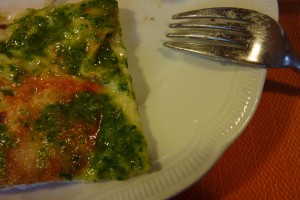
The pesto version of focaccia

Perhaps this answers the questionable “difference” between a focaccia and pizza. Focaccia is often thicker, and it is sometimes sold as “pizza a taglio,” “pizza by the slice,” even though everyone knows it is focaccia. In Italy, pizza is never one slice – it is a pie per person. And in Recco, the focaccia is thin and served on a round dish, one per person. These qualifications bring it dangerously close to pizza. When I asked the question, I was told that the ingredients in the dough are different than that of pizza dough.

And so it seems that pizza will remain pizza, focaccia will remain focaccia, and they will continue to be sold alongside one another for a long, long time as they always have. Don’t worry, pizza. Focaccia isn’t out to get you. Just don’t set up shop in Recco.

Related articles

Never miss a post
Name: 
Your email address:*
Please enter all required fields
Correct invalid entries

Food Art: Deep Dark Chocolate Truffles, food photography by Meeta Khurana Wolff

Published by Wednesday, February 15, 2012 Permalink 0

See more food photo compositions at Meeta K. Wolff. She runs a popular food blog, What’s for Lunch Honey.

Never miss a post
Name: 
Your email address:*
Please enter all required fields
Correct invalid entries

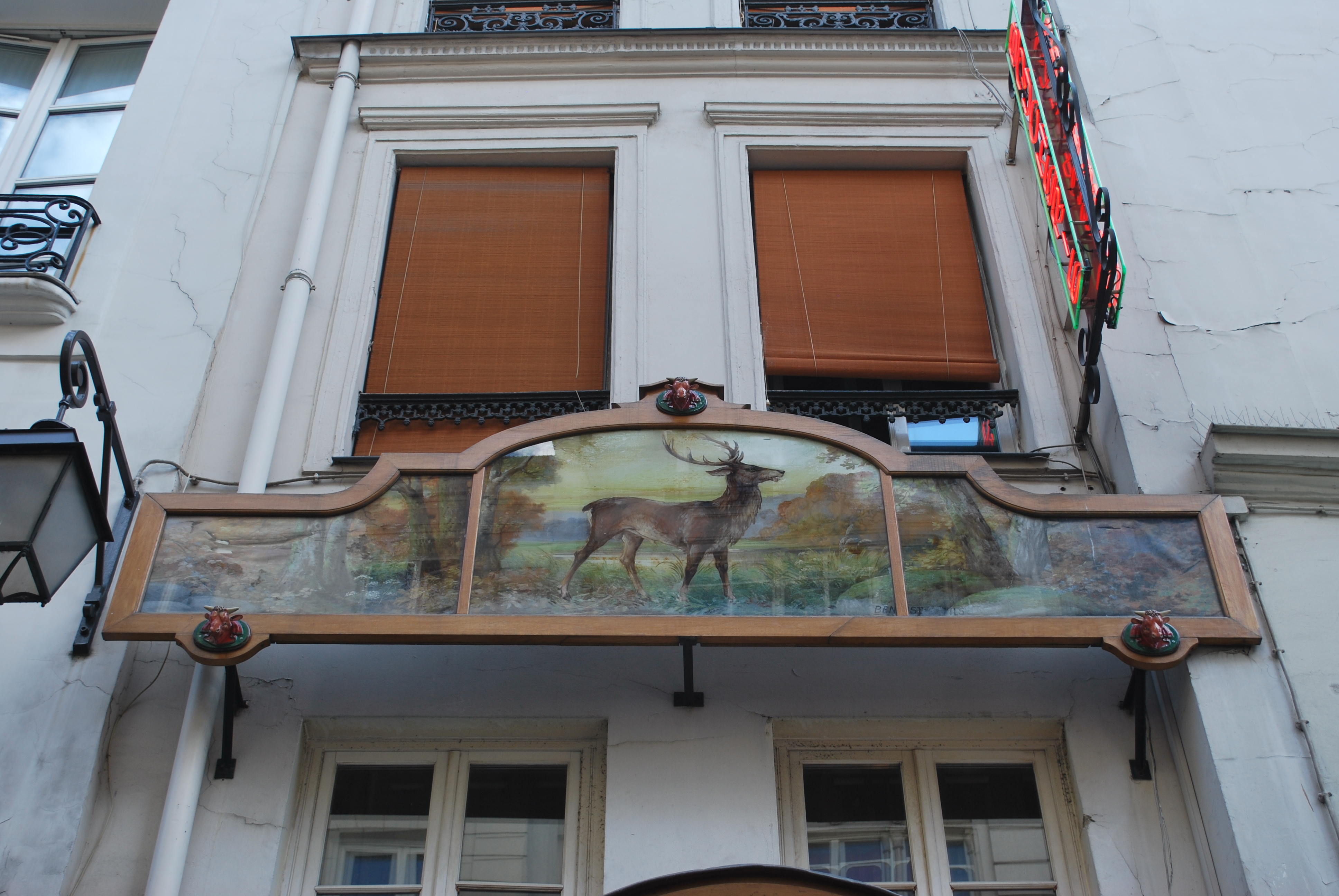
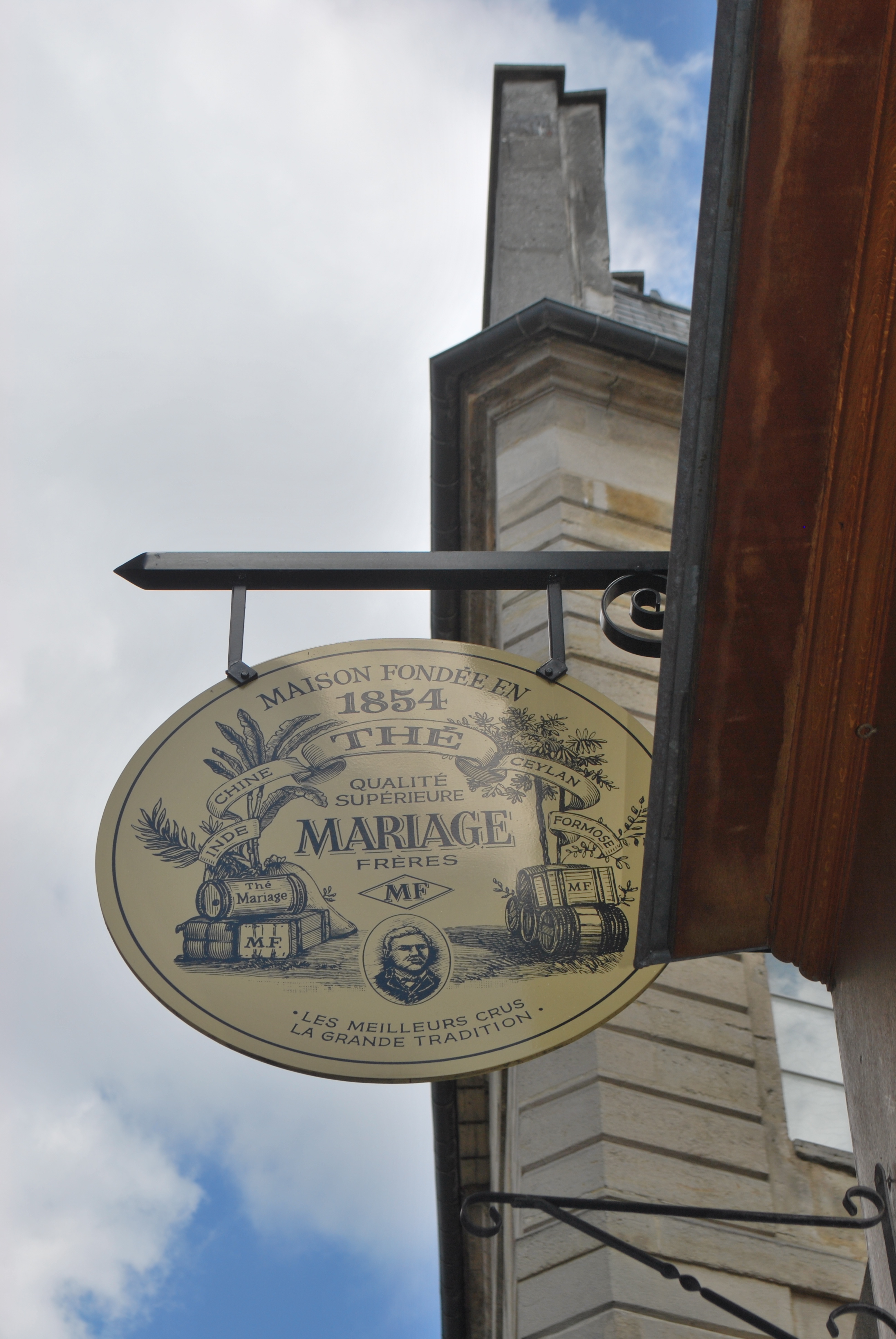
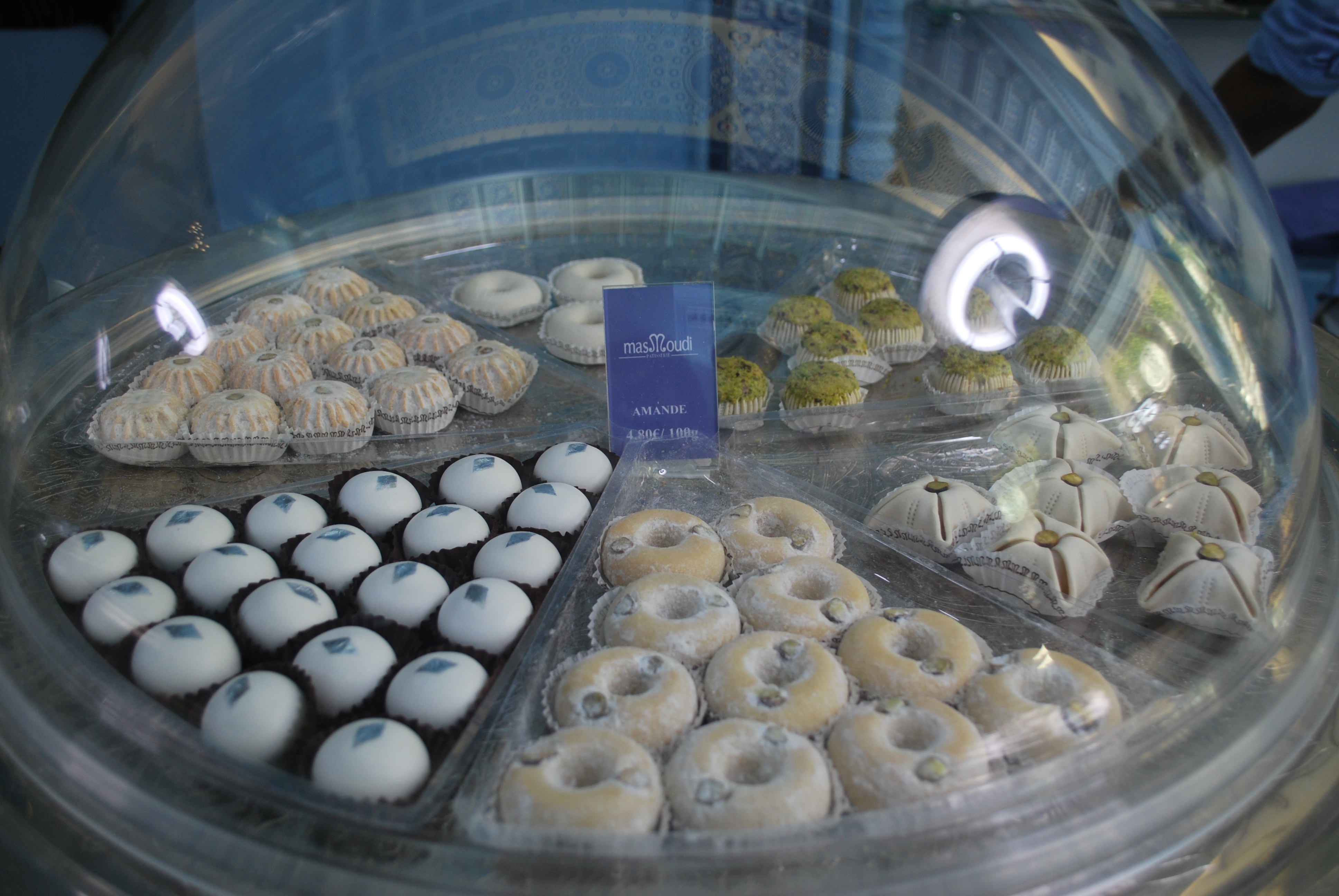
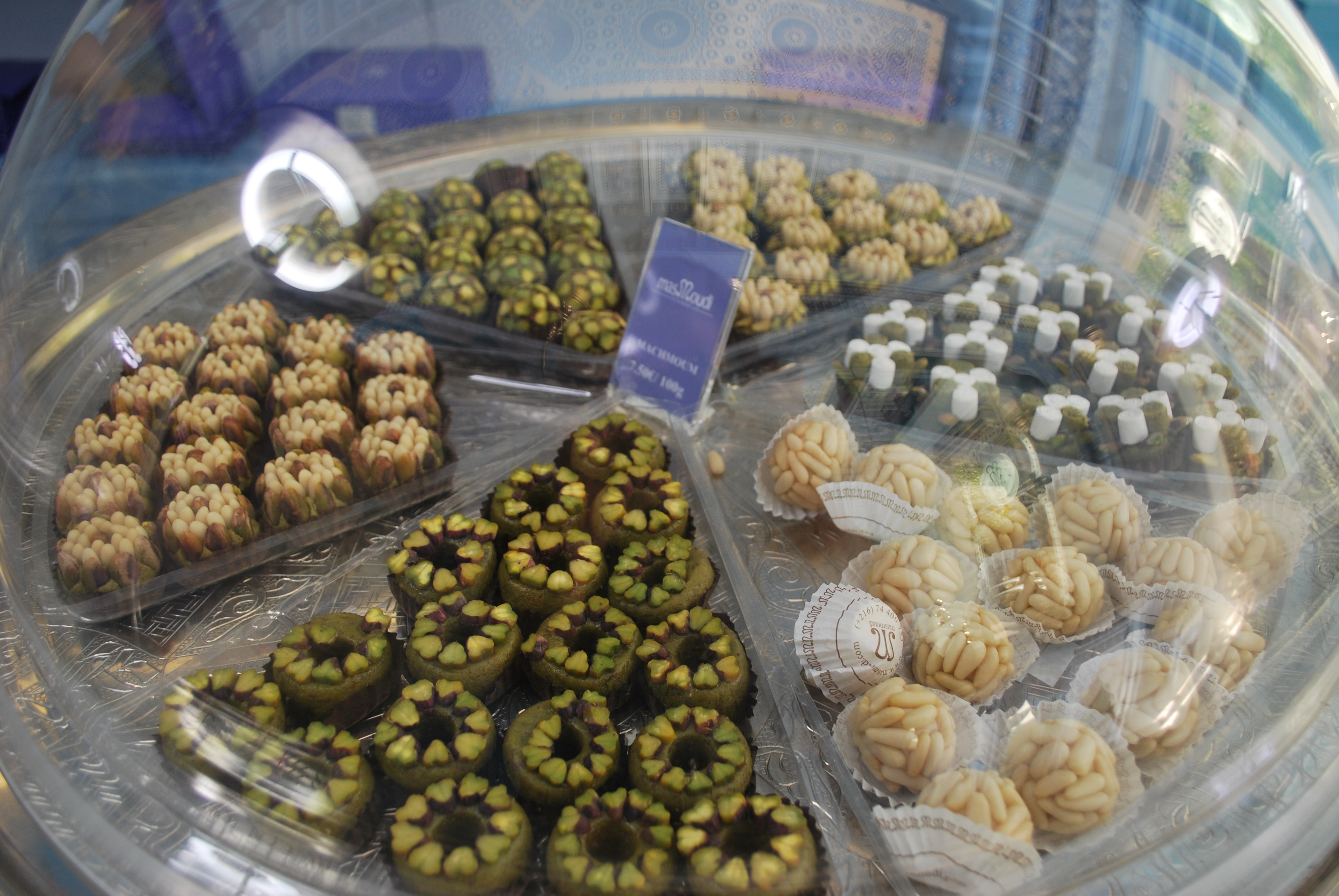
Jonell eats her way through Paris: a photo documentary

Published by Wednesday, February 15, 2012 Permalink 0
Never miss a post
Name: 
Your email address:*
Please enter all required fields
Correct invalid entries

On The Chocolate Trail: Valentine’s Day: For Love or Chocolate?

Published by Tuesday, February 14, 2012 Permalink 0

by Christina Daub

Let’s face it if you have to choose, you can’t go wrong with chocolate. You’re not falling into anything, although a nice vat of it could be inviting and you’re certainly not pining for the one who left you. Chocolates: you take them or you leave them. Even if you leave them, they stay in their box till you come back and want them again.

Unless you live with a chocoholic. Then you have twelve-step programs like Choc Anon, CODACE (Codependent Anonymous Chocoholic Enablers) and various other support groups where people wear brown, eat brown, drink and think brown. I’ve even heard talk of this day becoming a national holiday replete with parades…can’t you just see the marching strawberries slipping on their chocolate cloaks, the brownie floats, the truffle-shaped Porsche inching along where Miss Chocolate 2011 stands waving in her edible Amazon-wear, hot off the Paris runways?

Continue Reading…

Never miss a post
Name: 
Your email address:*
Please enter all required fields
Correct invalid entries

Chocolate News: iPhone application, 6-ton chocolate bar, chocolate as medicine, chocolate myths debunked

Published by Tuesday, February 14, 2012 Permalink 0

by Jonell Galloway

At the New York Botanical Garden, the Medicine Hunter takes a close look at the tree that can help boost your mood, heart health and brain power in the video Chocolate as Medicine.

Continue Reading…

Never miss a post
Name: 
Your email address:*
Please enter all required fields
Correct invalid entries

On the Chocolate Trail: Itsy Bitsy Bakery in the US of A

Published by Tuesday, February 14, 2012 Permalink 0

by Christina Daub

Too Little Chocolate, Too Little Time

There’s a new bakery in Kensington, Maryland. Tiny, charming and open early. This is great news for a town which has so little to offer on the culinary front, you might think you were in North Dakota.

Continue Reading…

Never miss a post
Name: 
Your email address:*
Please enter all required fields
Correct invalid entries

Culinary Chemistry: Tempered Chocolate for Valentine’s

Published by Tuesday, February 14, 2012 Permalink 0

by Jenn Oliver

I love to make food creations as gifts for holidays, because I communicate through food (definitely better than through words). With words I find myself trying to be very precise, searching rather unsuccessfully for the most succinct way to express a thought. However, with cooking, I let loose a little more – I find the constraints and structures of recipes to actually encourage a bit of play. It’s one of the reasons why I have come to love gluten-free cooking, because the restriction in effect serves as an impetus for ingenuity; so amidst all of the rules surrounding the preparation of food, I find the freedom to express myself. Today, I tempered chocolate to tell my husband, “I love you” for Valentine’s.
Tempering chocolate is one of those techniques that is all about rules. It takes care, patience, and most of all, constant attention. A bit of a hassle if you don’t have a temperature controlled device – but, if dipping fruit or other chocolaty Valentine’s confections, there are definitely some advantages to using tempered chocolate. For one, the melting point of the chocolate is higher, so it doesn’t melt as easily, making it less messy to eat. Tempered chocolate is also prettier. It has a more glossy sheen to it, and snaps a bit when you break it apart. Besides aesthetics, tempered chocolate is less likely to bloom – the process where fat rises to the surface giving chocolate unattractive gray splotches.

Continue Reading…

Never miss a post
Name: 
Your email address:*
Please enter all required fields
Correct invalid entries

On the Chocolate Trail: The Elizabeth Taylor Special, the Chocolatini

Published by Tuesday, February 14, 2012 Permalink 1

by Christina Daub

Who invented the chocolatini?

With all we remember about chocolatini, her legendary eyes and films and husbands and tireless efforts on the behalf of AIDS victims, the Hollywood queen was also, by the way, an icon of the chocolate world.

In 1953, her face sold Whitman’s chocolates ads for Valentine’s that year. In 1955, she and Rock Hudson invented the Senator John Warner, a concoction of vodka, Kahlua and Hershey’s syrup after working long hours on the set of Giant in Marfa, TX. Taylor proclaimed it “the best drink I ever tasted.”

But my favorite Taylor contribution to the chocolate world was one you could order just five blocks from the White House. During her marriage to National Velvet, she frequented the show restaurant in Washington DC, Dominique’s. It may not have had the best food in town, but its patrons attracted attention like no one else and people went to see and be seen. Autographed photographs of Ted Kennedy and Tony Bennett, Robert Redford and others glammed the walls while exotic mounted animals, an alligator, a lion and several other large creatures loomed near diners craning their necks between bites.

I don’t remember what I ate for dinner at Dominique’s since already in those days, my sole focus was on dessert. And the Elizabeth Taylor Special was as extravagant as she was. I ordered it every time.

It looked heavenly, a large cloud of whipped cream, but inside this cumulus pouf hovering on the signature Dominique plate, were the real jewels: five chocolate truffles, brown diamonds every one.

Dominique’s no longer exists having been sold by its original owner in 1987, but that dessert will float on in my memory more than Cleopatra, poet or any other work Liz Taylor graced with her fierce talent and jaw-dropping beauty.

—————

On The Chocolate Trail: Christina Daub is an American The Poet’s Cookbook who has spent her life traveling around the world in search of great chocolate. She is also the editor of the Food Poetry section. Published in The Poet’s Cookbook series, she has work in the first volume, which included poems and recipes from Tuscany (in English and Italian), and the second (in German and English), published by the Goethe Institute. She teaches creative writing at George Washington University in Washington, D.C.


Never miss a post
Name: 
Your email address:*
Please enter all required fields
Correct invalid entries

Food Art: Chocolate-covered Ice Cream Lollipops in Strawberry Coulis Tapa, food photography by Steve Homer

Published by Tuesday, February 14, 2012 Permalink 0

Food photographer Steve Homer of Sabor de Almería in the southeast of Spain is a regular contributor to our site.

Never miss a post
Name: 
Your email address:*
Please enter all required fields
Correct invalid entries

UA-21892701-1