A Brief History of Confit and Food Preservation in France
Une ingénuité confite de vieille fille. / The preserved naivité of a spinster.–Colette, La Naissance du Jour / Break of Day
I like my man to be a bit confit. Confit is my favorite French word. It can mean many things, but the meaning always implies intensity to the point of being almost sweet, and sometimes sickly sweet.
The word comes from the Latin, conficiere, meaning “to do” or “to make,” and is the root of other familiar words like confiture and confection,” says Kate McDonough. “It can equally describe flavoring and preserving foods in other substances, as fruit in sugar, olives in oil, pickles in vinegar, or capers in salt.”

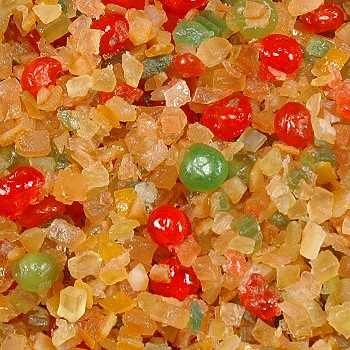
In the food world, there are two main meanings, although the term basically means “preserved;” there are, of course, many ways of preserving food. The first refers to something candied or crystallized, such as the fruits confits so popular in France, especially at Christmas and during other holiday periods. The second refers to a savory food either cooked in its own juices or preserved.
The French confit we know best is canard confit, or duck confit, which is traditionally cooked in a copper pot over a fire for up to 24 hours so that its fat oozes out and envelops it. It is then stored in its own fat and conserved in a jar for up to a year.
Pickles and salted capers also count as confits. Another common one is tomates confites, or confit tomatoes, which are slow-cooked like duck in a low-temperature oven until they become almost sweet like candy. Intense, yes.
|
|