A Woodcock, Girolles, A Baguette, and a French Inn

Published by Wednesday, October 23, 2019 Permalink 0

Bécasse*, a story in two parts: A Hundred Years of Bécasse: Part I

by Dorette Snover

I wanted to fix what was wrong, here, in this – this place, this time I remembered so well. When I loved. Where I loved. And yet how ironic as here was where everything started unraveling on the first night of the Bécasse.

The drive into the setting sun from Agen made me wish we hadn’t missed our earlier train. But we had. It was my fault, but how could I leave Paris without visiting Rue Daguerre and picking up a perfect brie, rosy pears, a few chestnuts? 
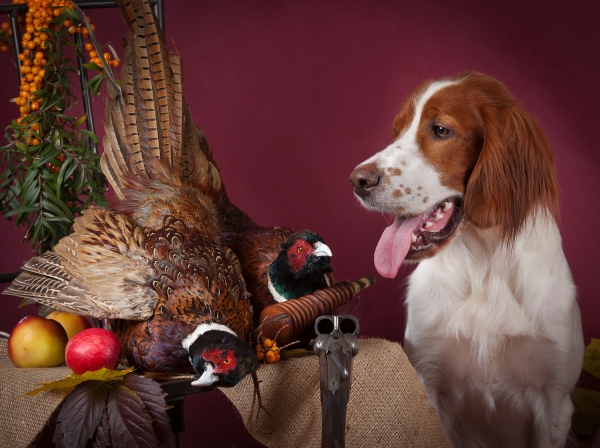
The Hunt: woodcock and hunting dog.

After the hunt: woodcock and hunting dog.

We pulled into the Auberge and barely missed hitting the stone wall. The millhouse still sat undisturbed by time, hell, it was time itself. Flanked by the millpond and the rushing river, the river Gélise coursed through it, cleansing and cooling the fires inside.

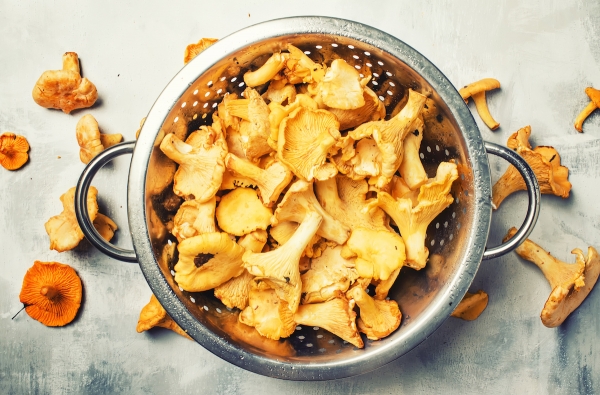
Once inside it seemed important not to disturb the shadows and gentle aura by flicking a switch and turning on a light. That would be too easy. I wanted to remember, I had to be careful. With the last little bit of sun on the kitchen, I found a white plate for the bruised tomatoes from the Paris market. The girolle mushrooms looked small and insufficient, but they had survived better than the poor tomatoes; all they needed was heat and a little butter. There was plenty of time for that in the morning. I was already relishing coming down in the morning and hearing the whoosh of the burners.

French baguette/bread.


In the shadows of the kitchen, the baguette might be a knotted tree, the baker’s slashes on the crust that birthed the ears and eyes of the bread. My husband drew the knife from the block and pressed its teeth against the curved length. I gently took it away and slid the saw-toothed beast back in its slot.

“Wait. “ I touched his arm. “Open the wine, while I light a fire?”

“I’m starving!” he said.

I was nervous to get it going, adjusting the air and the draft. The wood was damp, and my mind leaped ahead to the next day and perhaps finding cèpes or porcini in the forest. The bottle slowly emptied. Maybe she wouldn’t let the fire begin again. She being grand-mère. Had she forgiven me? I had kept her secret. I hadn’t told the tale of what happened here. Yet, that time was over now. It was safe to begin again. We sat back and raised our glasses. The flames twirled like the bird in the tapestry, the Bécasse, flying past the whispers of clouds over the moon, and the millhouse.

Cooking woodcocks or bécasse over a wood fire.

Cooking woodcocks or bécasse over a wood fire.

 The Auberge was unchanged, I breathed, wasn’t it? Twenty years was nothing in a place already hundreds of years old.

Much to his satisfaction we broke the crust, and playfully teased the heels of the baguette over the fire, turning and toasting. Smearing the hot pain with soft cheese.

I peered around the dark room, the fire reflecting our forms in the picture window.

To be continued.

***

*A bécasse in French is a woodcock.


Influenced by French heritage and traditions of the Pennsylvania Dutch country where she was born and raised, Dorette Snover graduated from the Culinary Institute of America, was a private chef to the rich and eccentric, a food stylist, NPR commentator, and now teaches les bases de la cuisine at her cooking school, C’est si Bon!

In writing, Dorette’s plat du jour is strong female characters woven from her thirty years in the world of cuisine. and her personal journey through landscapes of culinary history. Dorette also leads tours to France for adults looking for truffles in all the right places and for teens interested in exploring the world through a culinary map.


Never miss a post
Name: 
Your email address:*
Please enter all required fields
Correct invalid entries

WHAT TO EAT IN FRANCE: FOIE GRAS

Published by Tuesday, May 19, 2015 Permalink 0

WHAT IS FOIE GRAS? READ THE FINE PRINT!

by Jonell Galloway

The French eat 90% of the foie gras they make themselves. That’s how much they like it, but they didn’t invent it. Although the Egyptians might have force-fed their birds, we’re not sure that they ate foie gras. The Greeks probably did, since the 4th-century Greek poet Archestratus wrote about it in his Gastronomy. The liver is the soul of the goose, he said.

Foie gras is made using a process called gavage, which consists of force-feeding ducks or geese through a feeding tube to fatten them. The Romans stuffed dried figs down their throats. In Latin, the word for liver even comes from fig, ficus. Scipio Metellus, a Roman chef, had the idea of soaking still warm livers in honey and milk to swell them even more before cooking.

Apart from the region of Béarn in the southwest, this practice disappeared in medieval France, coming back to life in the southwest and Alsace during the Renaissance.

French foie gras is made by force-feeding corn to geese and ducks, and still, occasionally, figs, which swells the livers.


Goose foie gras has traditionally been the most cherished because it is fattier, but it cannot be produced year round. Duck liver is less fatty, and can be produced year round and industrially, meeting the ever-increasing demand.

The fattened liver can be made into terrine, pâté, mousse, parfait, and a host of other things, and, in more recent times, there is a trend of cutting fresh foie gras into thin slices and pan-searing it. It can be eaten fresh or preserved in glass jars, and can be seasoned with truffles, port, Armagnac or Sauternes. Southwesterners prefer a simple, less perfumed foie gras, while Alsacians like to add flavor.

When purchasing, there are legal distinctions in names that indicate the purity and therefore determine the price:

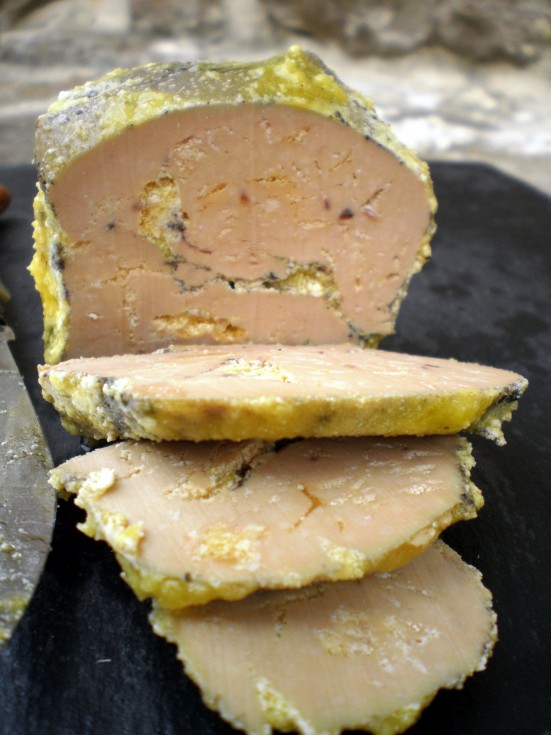
  1. Foie gras entier means that it contains the actual lobes of the liver. The only legally allowed addition is truffles. As it’s solid, you cut it with a knife, just like you do extra-tender beef filet.
  2. Foie gras consists of pieces of liver that are put back together and pressed.
  3. Bloc de foie gras is reconstituted liver combined with other ingredients, but containing at least 50% foie gras for goose, and 30% for duck .
  4. Parfaits are preparations containing 75% foie gras and made by mechanical means, to which regular, unfattened liver is added.
  5. Médaillon or pâte de foie de canard or d’oie contains 50% duck or goose foie gras or bloc de foie gras in the middle, surrounded by forcemeat.
  6. Galantine is a butcher’s mixture of meats and other forcemeats, with no defined percentage of foie gras.
  7. Mousse contains 50% foie gras mixed with forcemeat, giving it the texture of foie gras.

Terrine is pure foie gras pressed into pâté shape.

Forcemeat can consist of one or several ingredients, including pork, veal or chicken fat; pork or chicken liver; scraps from deveining; poaching fat; eggs; milk; lactoproteins; flour, and starch.

Foie gras comes in a jar, plastic package or can or fresh from the butcher. When purchasing, be aware of the different cooking preparations, since the temperature at which it is cooked and the method of cooking change the flavor and shelf-life. Generally speaking, fresh is better.

It is important to make sure you are being sold what you ask for in both restaurants and shops. As a consumer, you have a legal right.

The French don’t eat foie gras every day. Traditionally, it is for special occasions and holiday meals, especially Christmas and New Year’s celebrations.

Coming soon: What to Eat with Foie Gras

Continue Reading…

Never miss a post
Name: 
Your email address:*
Please enter all required fields
Correct invalid entries

UA-21892701-1