
 by
by I learned to taste wine through the medium of blind tasting. Contrary to popular perception, blind tasting does not involve fumbling around a table laden with wine glasses with your sight impeded by blindfolds. Rather, it simply means the identification of wine is unknown before tasting and assessing the wine. Without knowledge of the wine’s origin, prestige or price you can assess a wine objectively and without the prejudice of knowing the label. It is the method of tasting employed by wine professionals at most wine competitions and is an important component of Master of Wine and sommelier examinations.
Steven Spurrier, wine expert, Paris
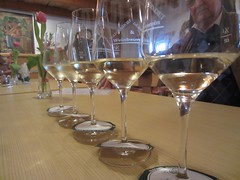
Famously, a blind tasting organised by Steven Spurrier in 1976 – the Judgement of Paris – shattered the perception of France as the supreme producer of wine. Top whites (Chardonnay) and reds (Cabernet Sauvignon dominated blends as found in Bordeaux) from both California and France were submitted to a blind tasting in Paris. Eleven judges, nine of whom were French, assessed the wines blind for their quality with the surprising result that California came out on top in a number of categories. The tasting has proved controversial for many; nevertheless, it served to highlight the importance of objectivity when tasting wine and not to pay undue attention to the label!
|
|


