Chartres Festival of Lights 2013 & Autumnal Equinox for a Food and Wine Tasting Masterclass

Published by Tuesday, August 6, 2013 Permalink 0

Join us at the Chartres Festival of Lights 2013 & Autumnal Equinox for a
Food and Wine Tasting Masterclass, given by Jonell Galloway, master food taster, and James Flewellen, master wine taster

The Beauce and the Loire Valley: Taste Unlocked

19 to 22 September 2013


A romantic getaway, a tasting Masterclass, and a big dose of
Druidic and Christian history, all in one long weekend at the autumnal equinox


Chartres Cathedral Lighted, creative common license, photographer unknown


Package:A 4-day Food and Wine Tasting Masterclass in the romantic, historical setting of Chartres. Classes are held in a 1,000-year-old chapel converted into Jonell’s home, just 2 minutes’ walk from the world-renowned Chartres Cathedral and 10 minutes from the train station. The Masterclass is held during the spectacular Chartres Festival of Lights, celebrated every year since 2003 on the weekend of the autumnal equinox.

Date: 19 to 22 September 2013

Click here for more detailed information and to reserve.

 12 – 14 hours of instruction and workshop tasting, including discussion periods and Q&A

Lodging is in B&Bs and hotels within walking distance of the event, but lodging is not included in our price. Click here to find accommodations in all categories.

All meals and wine are included, except breakfast.

Price per person: 750 Euros

Limited to 12 participants. Early booking strongly advised.

Down payment: 250 Euros on reservation, remainder 30 days before event.

Possibility of purchasing the wines tasted during the weekend.

Click here to see more details of programme and wine below.

Click on the Paypal button at the top right of the sidebar to pay by Paypal or credit card, or the  blue Contact Us button at the top right of the home page to pay by bank transfer.

[wp_paypal_payment_box email=”jonell@theramblingepicure.com” options=”Down payment 250 Euros|Full payment 750 Euros”]

Click here for more detailed information and to reserve.


Never miss a post
Name: 
Your email address:*
Please enter all required fields
Correct invalid entries

Elements of Wine 4: Body

Published by Tuesday, August 6, 2013 Permalink 0


//

James Flewellen photo, wine tasting expert, The Art of Tasting Wine: James FlewellenElements of Wine 4: Body

by James Flewellen

When we talk about the ‘body’ of a wine, we mean the overall feel the liquid has in the mouth. It’s a subjective term and difficult to quantify, but you could consider the difference in how, say, water and milk feel in the mouth and relate that sensation to different wines.

Wine body, (CC) photo by Wine Folly on Evernote, https://www.evernote.com/shard/s230/sh/130f4841-5b2e-46c1-9850-d79fa7629d0c/9258cb2197be4e31885a856c2a906ec9?noteKey=9258cb2197be4e31885a856c2a906ec9&noteGuid=130f4841-5b2e-46c1-9850-d79fa7629d0c


Body is a description in part of viscosity and liquid density. This is made up primarily of alcohol and sugar, components of all wines to a greater or lesser degree. Thus a ‘full-bodied’ red wine will usually have a high level of alcohol (14%+) giving weight to the liquid. Dessert wines are typically full-bodied on account of their sugar content, as well as alcohol.

When tasting wine, a full-bodied wine is often said to have a robust, full flavour. This is on simple account that more flavour molecules can be dissolved in the higher alcohol content of the full-bodied wine. A full-bodied wine should be balanced by sufficient acidity to ensure the wine remains refreshing. Acidity also helps carry those intense flavour molecules around the mouth after swallowing, contributing to a long finish.

At the opposite end, a light-bodied wine is typically more delicate in flavour. These are typically white. Such wines may be described as ‘weak’ or ‘thin’, but this is only a valid description if the wine is expected to have a heavier body – for instance a red wine that might underperform on account of a cool vintage. There are many styles of both white and red wines that are naturally light in body, and delicious because of that!

Sign up for Jonell Galloway and James Flewellen’s  “Celebrate the Chartres Festival of Lights & Autumnal Equinox with a Food & Wine Tasting Masterclass” in France from September 19 to 22, 2013.

Continue Reading…

Never miss a post
Name: 
Your email address:*
Please enter all required fields
Correct invalid entries

Switzerland on a Shoestring

Published by Monday, August 5, 2013 Permalink 0


//

Switzerland on a Shoestring

We’ve been looking for a guidebook for visiting Switzerland on a budget for a long time now. We’ve just happened upon this one on MySwitzerland.

It lists loads of budget lodging of all types, including mountain huts and hostels, as well as discount packages and advice about tips on how to travel on a budget. Bon voyage!


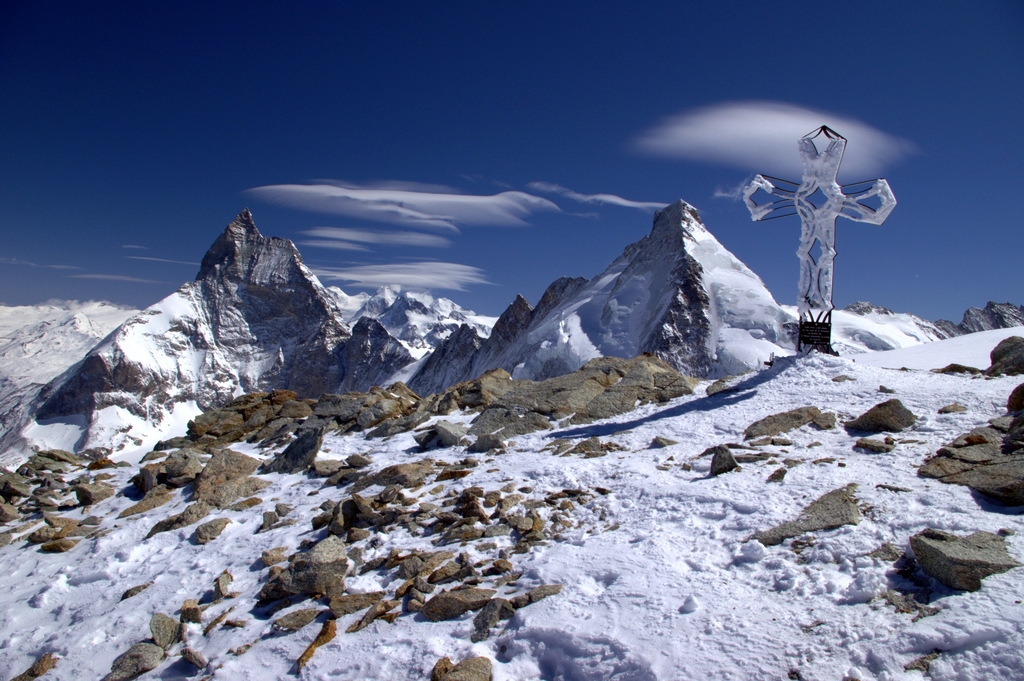
English: View of Matterhorn and Dent d'Hérens ...


Never miss a post
Name: 
Your email address:*
Please enter all required fields
Correct invalid entries

Switzerland: Ollon Wine Fair 2013, Photo Essay

Published by Monday, August 5, 2013 Permalink 0

Switzerland: Ollon Wine Fair, September 7-8, 2013

by Jonell Galloway

Balades dans le vignoble / Strolls through the Vineyards

The winemakers of Ollon in the canton of Vaud organize “Balades dans le Vignoble,” or strolls through the vineyards, every second weekend in September. You stroll through the vineyards and taste some hundred different wines from the vineyards of Ollon. It is possible to eat at numerous vineyards as well as in the restaurants and bistros in the village.

There are various means of transport, including:

  • Buses: two vintage buses as well as contemporary mini-buses to take you from one winemaker to another.
  • Mini-trains: trips through the vines.
  • Nostalgic vintage cars and sidecars: Vintage Citroën 2 CVs (see photos) and motorcycles with sidecars take visitors from one vineyard to another
  • Other transport: It is possible to walk the scenic mountain paths through the vineyards and from one vineyard to another.

Click here for details of the event: dépliant_2012.pdf (2 Mb).

Here are my photos from the 2012 wine tasting fair. Click the photos you like to enlarge them.

  • Burgundy Hail Damage May Lower Wine Output by 4 Million Bottles – Bloomberg
  • Swiss winemakers see red over duty-free plan
  • Your Cheesemonger: Understanding the Master of Milk
  • Switzerland’s real success story is not chocolates or cuckoo clocks but its economy
  • Everything Just Works Here
Never miss a post
Name: 
Your email address:*
Please enter all required fields
Correct invalid entries

Food Art: Orange Jelly, food photography by SandeeA

Published by Sunday, August 4, 2013 Permalink 0


SandeeA is our latest food photography discovery. A woman of many talents, she is also author of the Food Play column. She writes in both English and Spanish. SandeeA runs a popular food blog in Spain, La Receta de la Felicidad.

Click here for recipe.


Never miss a post
Name: 
Your email address:*
Please enter all required fields
Correct invalid entries

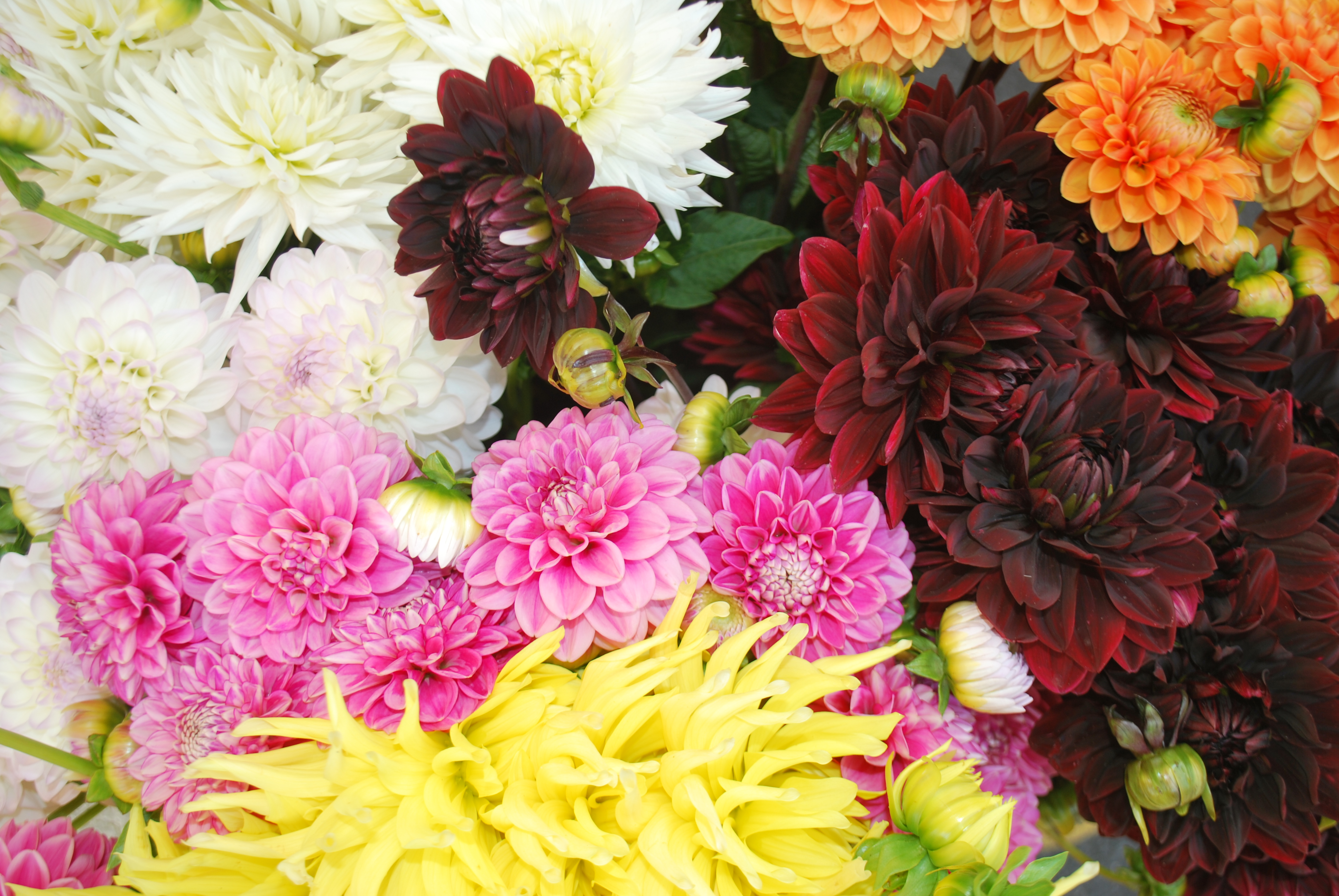
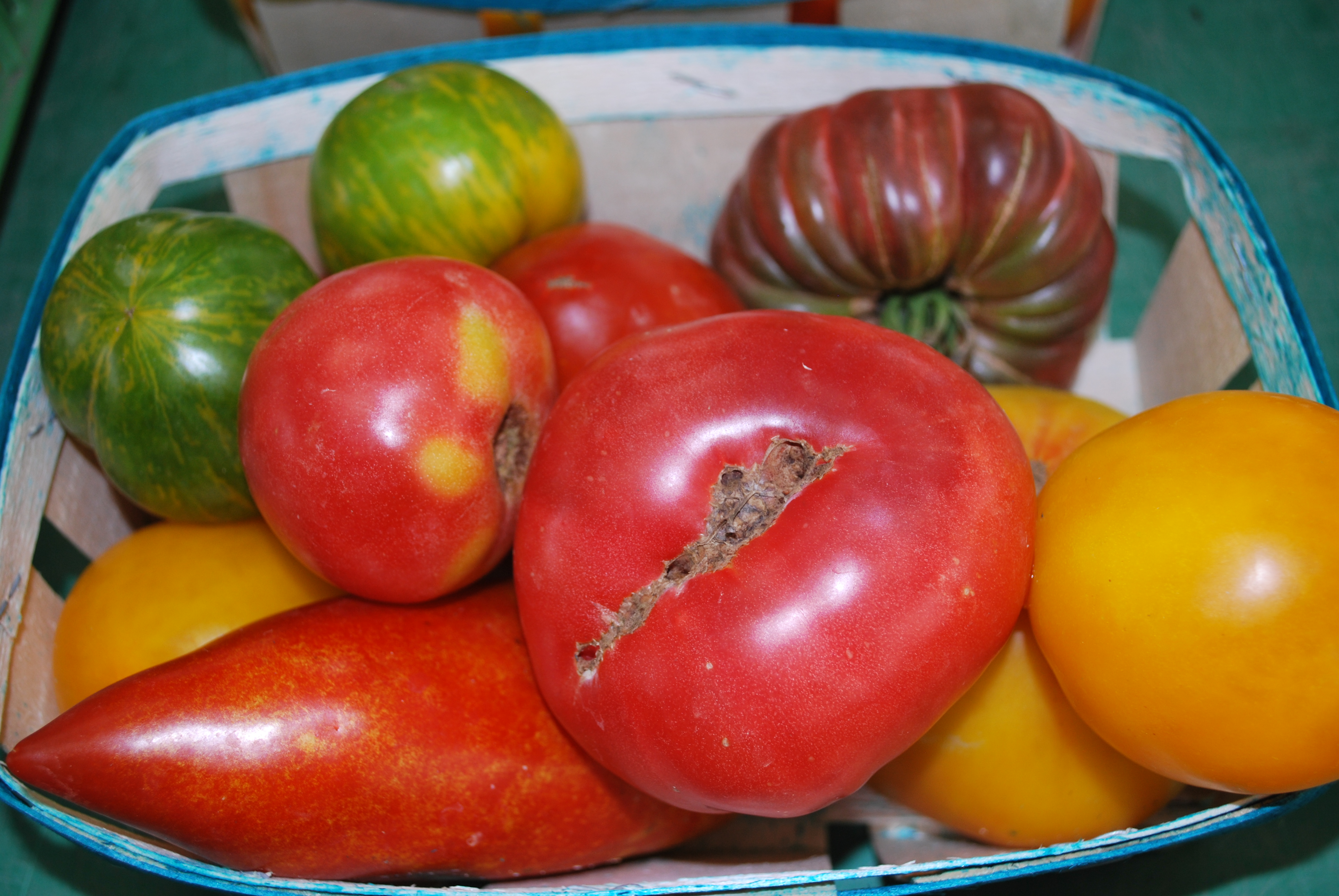
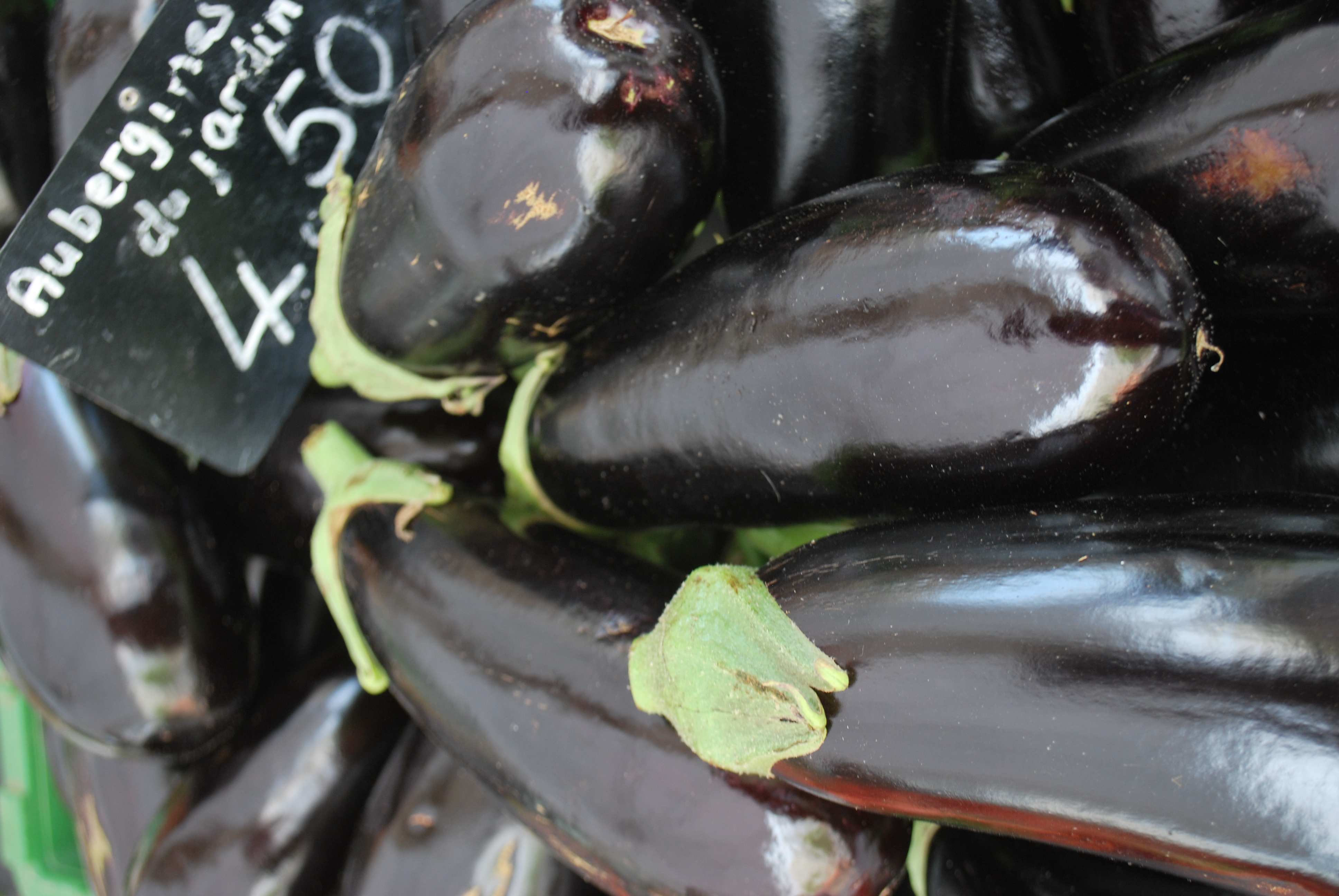
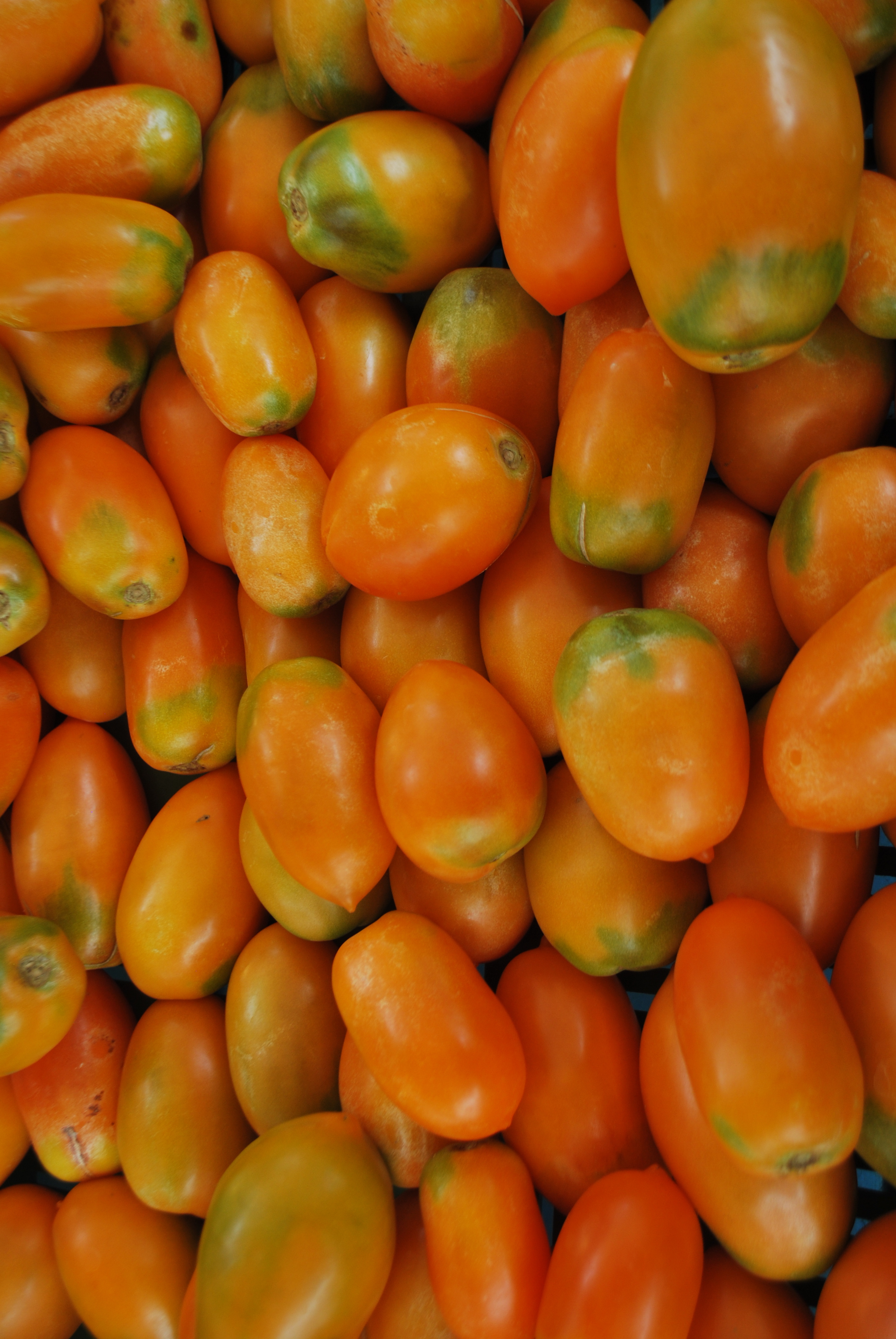
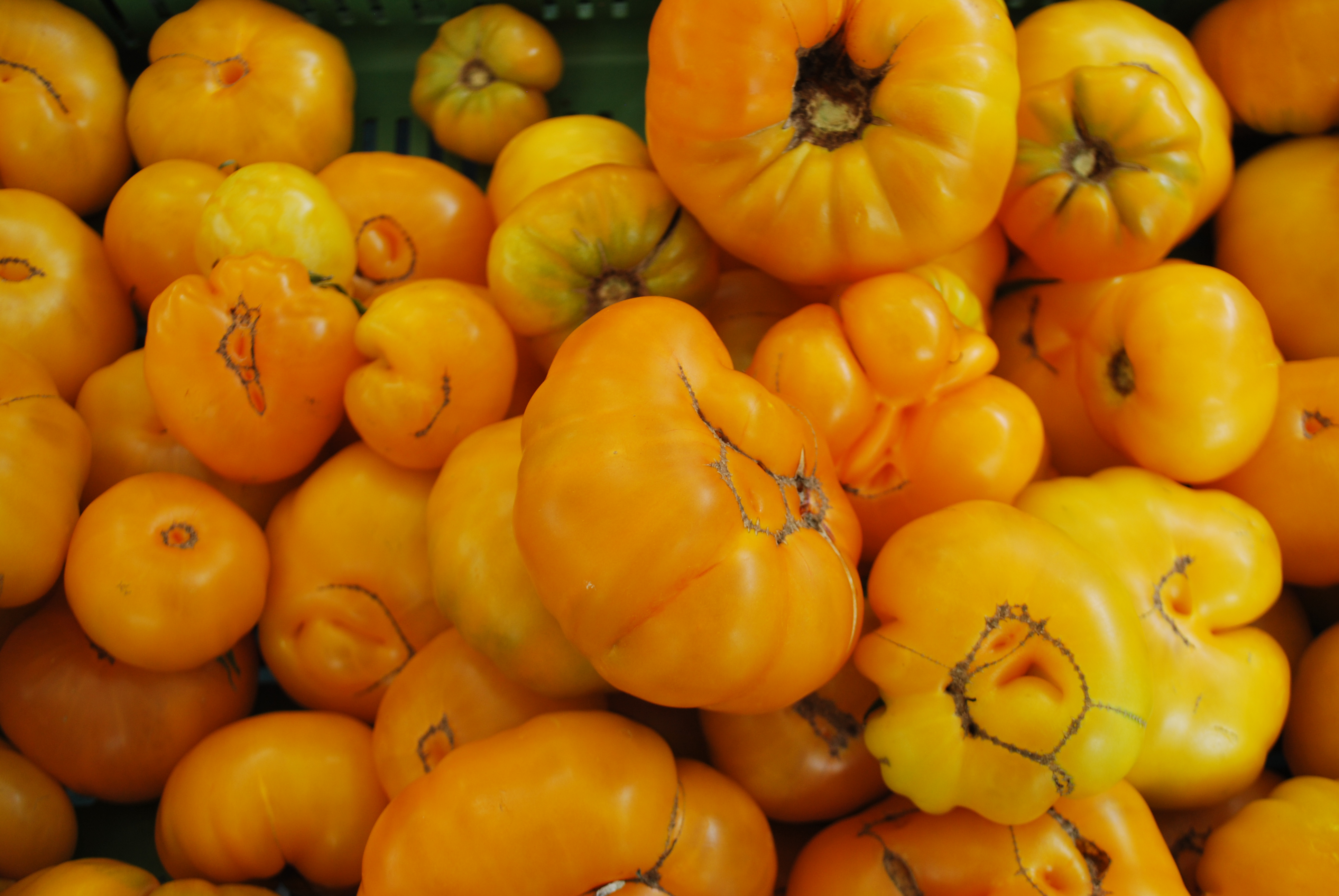
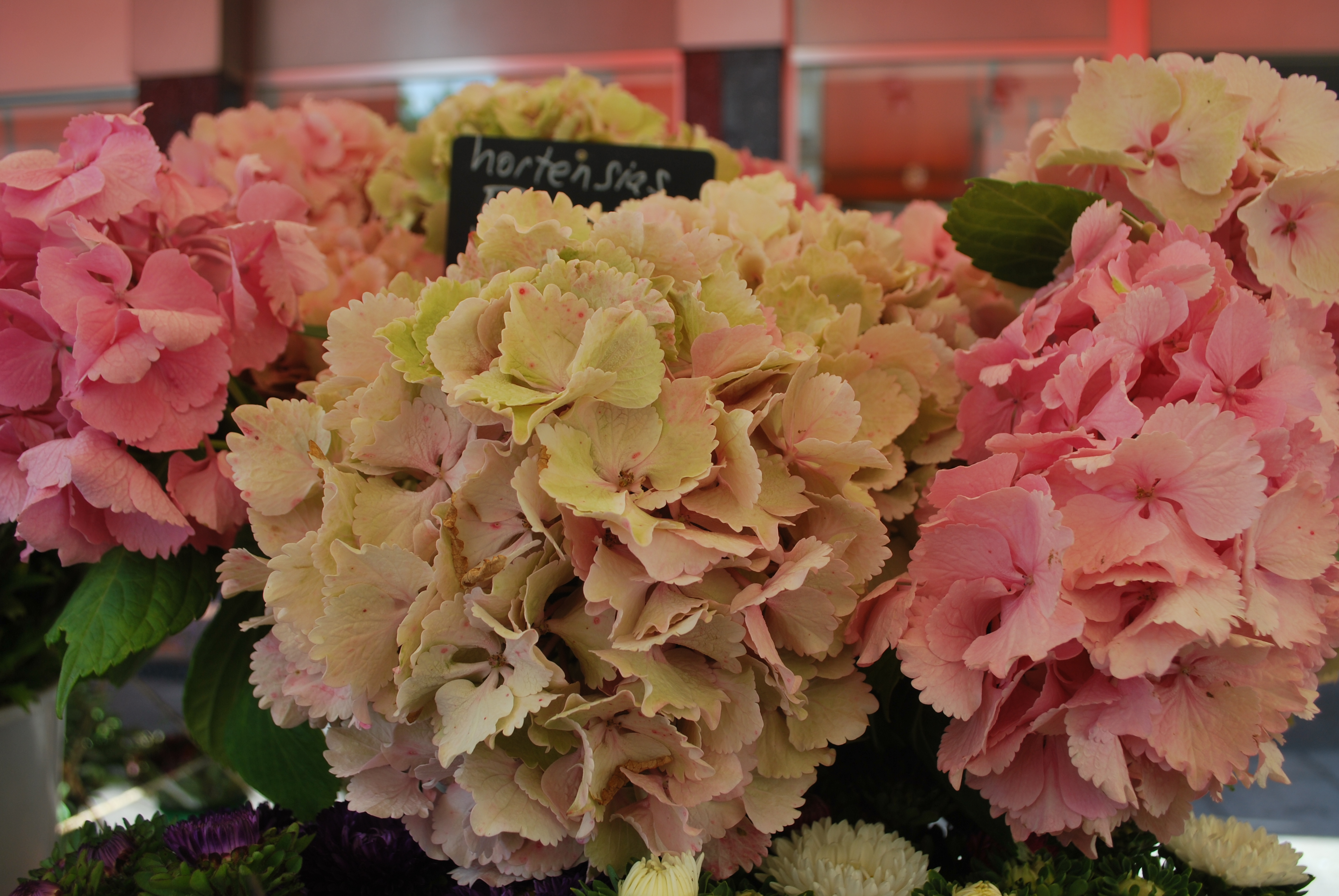
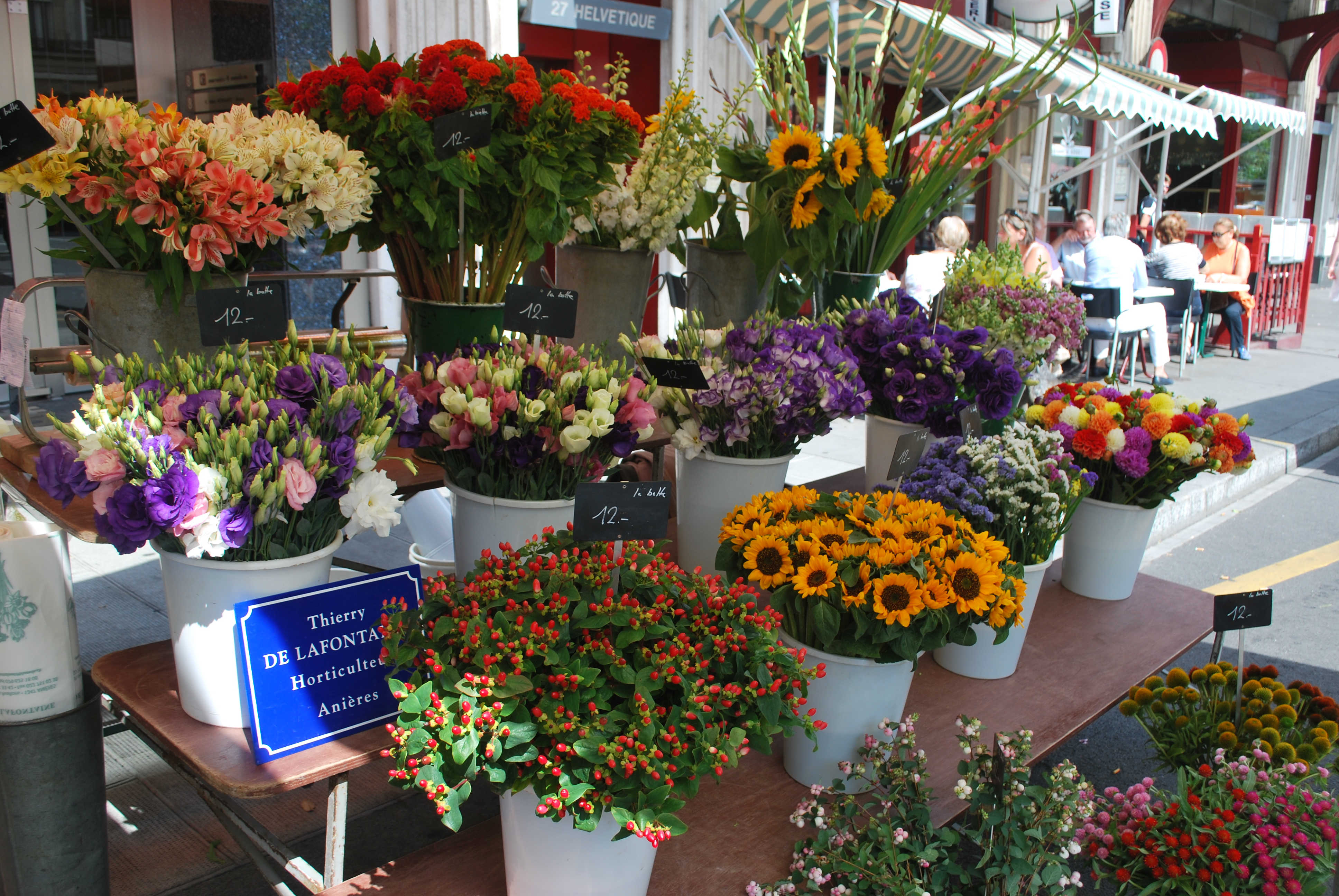
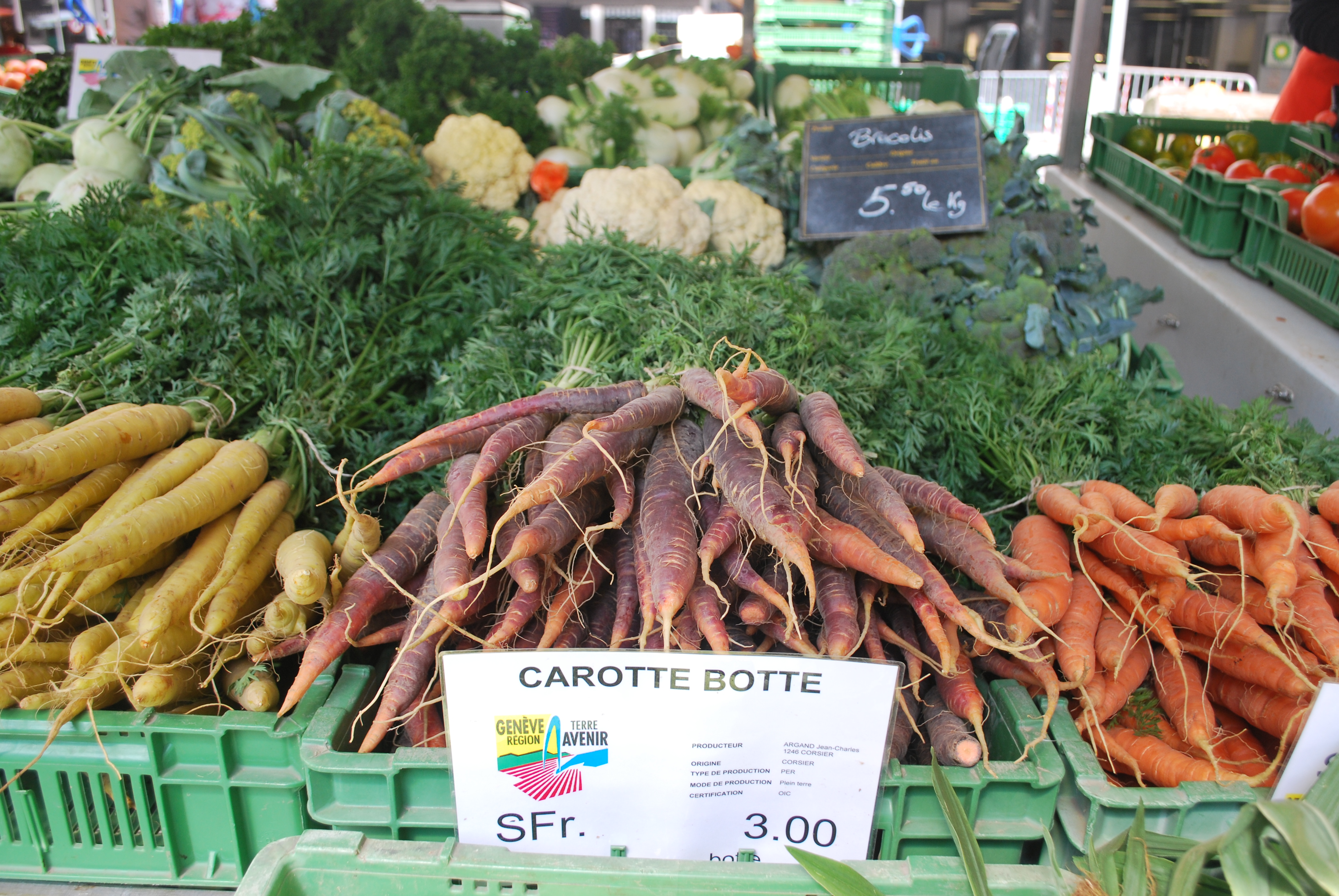
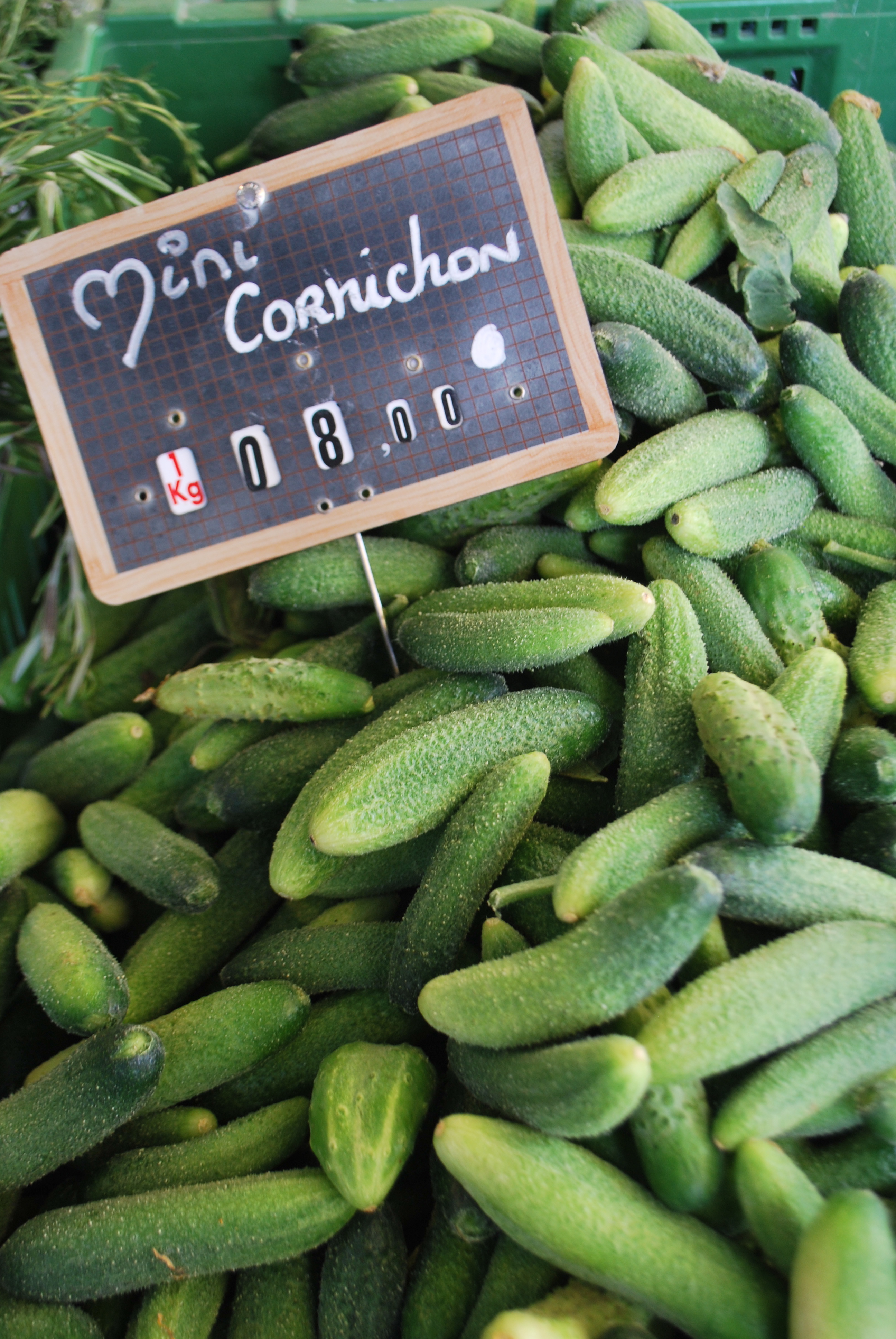
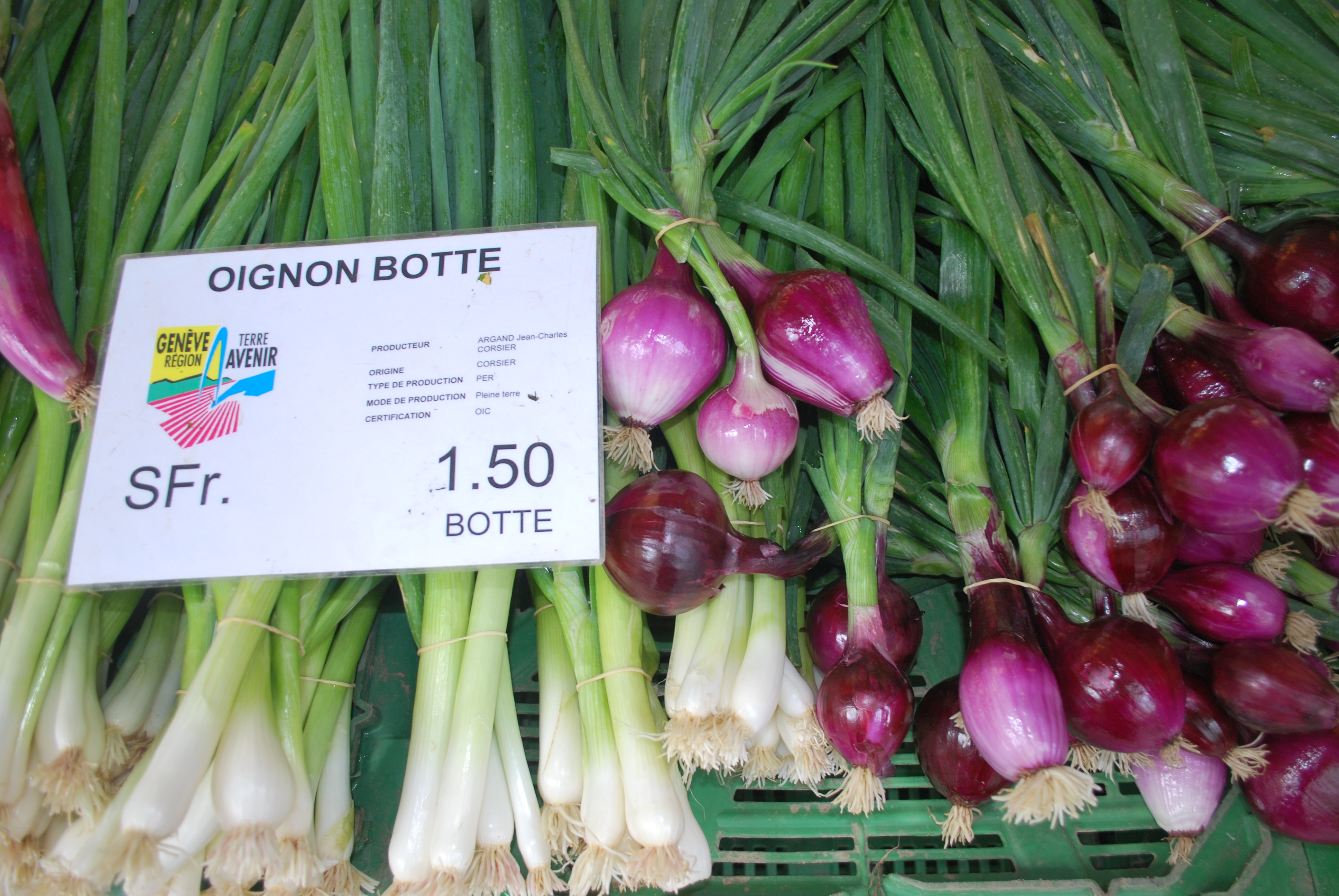
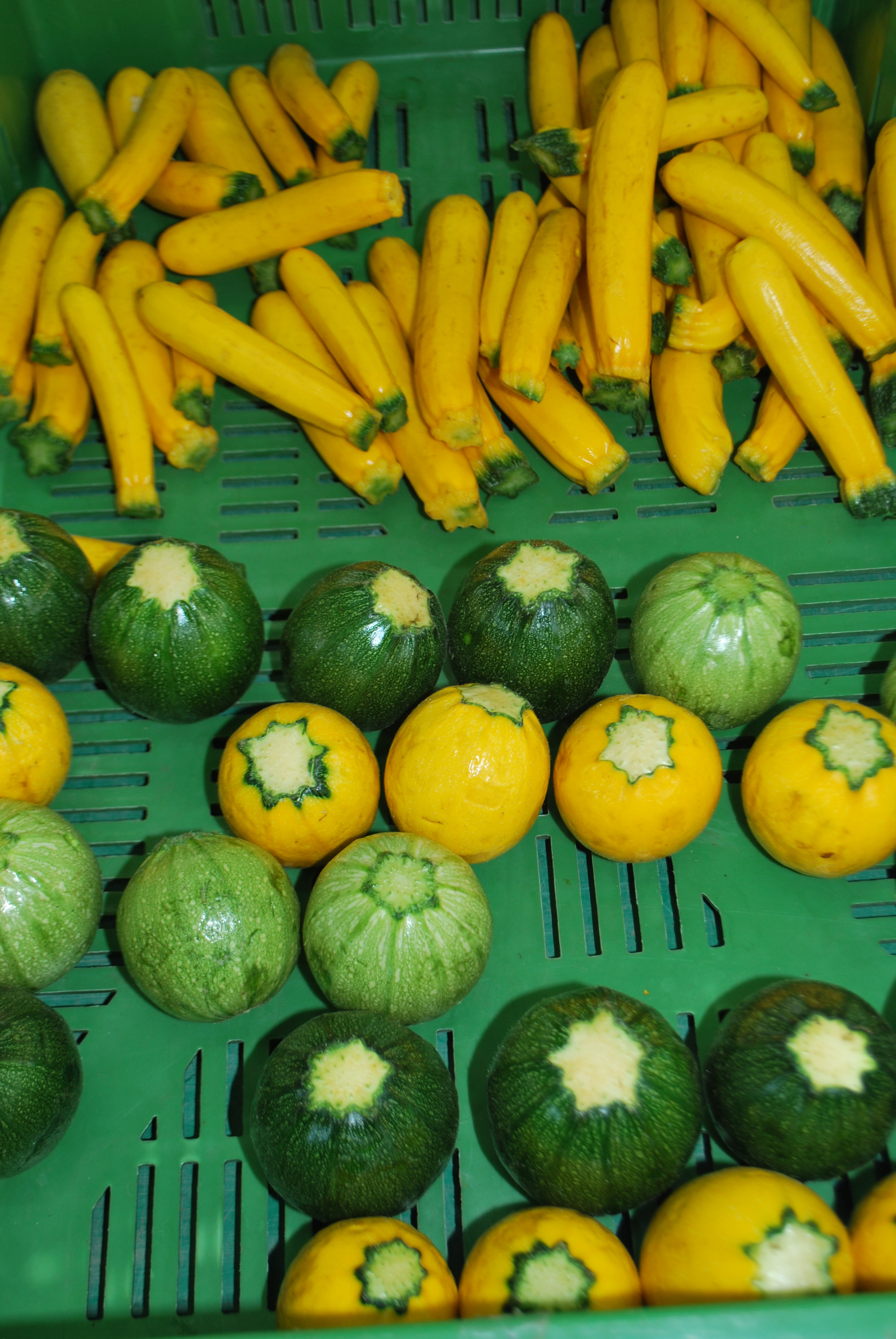
MarketDay: Farmers Market, Geneva, Switzerland, August 3, 2013

Published by Saturday, August 3, 2013 Permalink 0


Never miss a post
Name: 
Your email address:*
Please enter all required fields
Correct invalid entries

Food Art: Candy-rimmed glasses, food photography by SandeeA

Published by Saturday, August 3, 2013 Permalink 0


Sandeea is our latest food photography discovery. A woman of many talents, she is also author of the Food Play column. She writes in both English and Spanish. She develops playful recipes, and is an excellent food stylist and photographer. She runs the site La Receta de la Felicitad. She writes in Spanish and English.


Never miss a post
Name: 
Your email address:*
Please enter all required fields
Correct invalid entries

Part 2: Reasons to Ferment Food

Published by Friday, August 2, 2013 Permalink 0

Part 2: Reasons to Ferment Food

by Diana Zahuranec

From the archives

For the second post in this mini series on fermentation, let’s get into the “why” of fermentation.

Cultures from all over the world have fermented a food or drink. The principle reason has been to preserve their harvest. Over the winter months, fermented vegetables last and provide a source of calories, nutrients, and an accompaniment to the endless plates of what I imagine were sausage, jerky, smoked meat, and potatoes.

A 3 litre jar of salsa, ready to start ferment...

A 3 -litre jar of salsa, ready to start fermenting.


I like to imagine what the first aspiring fermenters thought when they heaped their extra produce into a large mound in a dark, warm, covered area, poured brine over top (or not), and – fully aware that vegetables rot – left it to stew before digging in with their hands. “Let’s see what this tastes like! Sort of sour but…”

Continue Reading…

Never miss a post
Name: 
Your email address:*
Please enter all required fields
Correct invalid entries

Swiss Supermarket Discoveries Part I: Snacks

Published by Thursday, August 1, 2013 Permalink 0

Swiss Supermarket Discoveries Part I: Snacks

by Sonja Holverson

From the archives

I have found in my world travels that one of the highlights for revealing the secrets of the local culture when in a new destination is to go to the neighborhood supermarket. Even if you don’t need anything, this visit is a must everywhere. It’s fascinating.

Even if you don’t know what some things are, it’s amazing to observe the different presentation of goods as well as the packaging, transaction techniques and social behaviors in the store. Switzerland is particularly interesting because the country has four national languages (German, French, Italian and Romansch, which is an ancient Latin language). With various cultural backgrounds in different regions, you will find different food items available, but many products are, by law, labeled in at least 3 languages. The Swiss German supermarkets’ food items are quite different from those you find in the French speaking region (called “Suisse Romande” or “Romandie” in French), even if it’s the same store chain.

Swiss sweets: photo courtesy of Ivan Mlinaric

Feeling the need for a quick snack after walking around (or mostly up and down) in the clean Swiss Alpine air? Can’t wait for the later-than-you’re-used-to Swiss dinner hour? Then head for the nearest supermarket where you will find the locals snacking away. Sometimes there are benches inside and outside the supermarket door just for this purpose! This is not to say that there is not a wonderful choice of restaurants in Switzerland. Au contraire! But as a business traveler like me, you may find yourself hungry at odd times and lunch service is usually over at 2:00 p.m. Dinner does not usualy start until 7:00 p.m. in French-speaking Switzerland and 5 p.m. in German-speaking Switzerland, or later if your Swiss friends live on Lake Geneva and are très chic. There are exceptions. The reason behind this afternoon restaurant closure is that most waiters, chefs and owners work split shifts and need a break before dinner service.

Continue Reading…

Never miss a post
Name: 
Your email address:*
Please enter all required fields
Correct invalid entries

Elements of Wine 3: Sugar

Published by Wednesday, July 31, 2013 Permalink 0


//

Elements of Wine 3: Sugar

Wine Tasting with James Flewellen

James Flewellen photo, wine tasting expert, The Art of Tasting Wine: James Flewellenby James Flewellen

As mentioned in my previous post on alcohol in wine, sugars accumulate in grapes as they ripen. At harvest time, grapes have a level of what is termed ‘potential alcohol’, that is the alcoholic strength of the future wine should all sugar in it be fermented to alcohol by the action of yeast cells. However, in some cases not all the sugar is fermented, leaving what is termed ‘residual sugar’ in the wine and a noticeable sweetness on the palate.

There are a number of ways to obtain sweetness in wine. The fermentation may be stopped deliberately, perhaps through addition of sulphur dioxide, which kills yeast, or through passing the wine through a membrane filter to remove the yeasts. This results in a wine of lower alcoholic strength and some residual sugar. A classic example is Riesling from the Mosel in Germany, which typically has 7-9% abv (Alcohol By Volume) and varying levels of sweetness depending on the initial level of ripeness of the grapes.

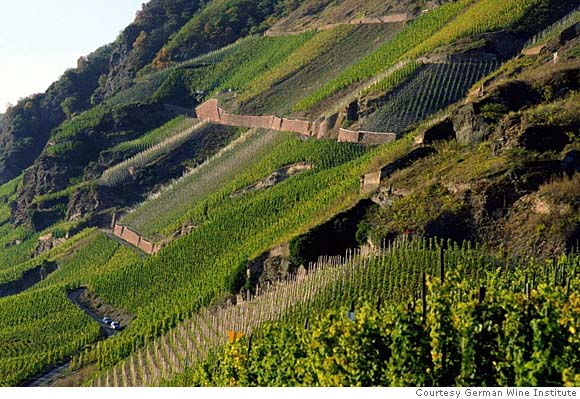
Steep Mosel vineyards in Germany, photo by http://lastingimpressionswineblog.wordpress.com/2011/02/23/german-wine-wineblog-20/

Steep vineyards of the Mosel vineyards in Germany


In other cases, there may be too much sugar for the yeast to convert it all to alcohol. Somewhere around 13-15% abv yeast stops being able to effectively ferment sugar to alcohol and naturally dies off. Super-ripe grapes will thus result in a wine with relatively high levels of alcohol and some residual sweetness. This sweetness can be quite subtle, or it can be syrupy and luscious – as found in dessert wines, which have very high concentrations of sugar in the harvested fruit.

Tasting sugar in wine is a difficult process. We can usually tell if something is ‘moderately sweet’; however it’s very hard to estimate the sweetness level in full-blown dessert wines. Wines with a little bit of residual sugar often have their sweetness masked by acidity and flavour compounds.

Sweet/Dry Wine Chart, Creative Commons photo by http://www.primermagazine.com


Sweetness in wine should be matched by a refreshing acidity for balance. This is especially true for dessert wines, which can come across as cloying without sufficient acidity. On the other hand, a touch of residual sugar, while not tasteable to most people, can give a welcome sense of roundness to a sharply acidic wine.


Sign up for Jonell Galloway and James Flewellen’s  “Celebrate the Chartres Festival of Lights & Autumnal Equinox with a Food & Wine Tasting Masterclass” in France from September 19 to 22, 2013.

___________________________


About James Flewellen

Dr James Flewellen is a biophysicist at the University of Oxford. James learned his trade in taste through the Oxford Blind Wine Tasting Society, of which he was the President from 2010-2012. During his term, he represented Oxford at many international blind tasting competitions – twice winning the prestigious ‘Top Taster’ Award in the annual Varsity blind tasting match against Cambridge University and captaining winning teams in competitions throughout Europe.

One of James’s goals is to clarify the complex and hard-to-navigate world of wine for both novice and experienced tasters. He applies his scientific training to wine education, illuminating concepts of taste, tannin and terroir in an approachable, entertaining manner. James runs wine education courses in Oxford through the The Oxford Wine Blog and is completing the WSET Professional Diploma in Wine and Spirits. He is the regular wine writer for The Rambling Epicure and is the founder of  The Oxford Wine Blog. He is also currently co-authoring The Concise Guide to Wine and Blind Tasting – a book surveying the wine regions of the world and how to blind taste.

Never miss a post
Name: 
Your email address:*
Please enter all required fields
Correct invalid entries

UA-21892701-1