Carrot Crazy: A Recipe for Pickled Carrots

Published by Thursday, October 18, 2012 Permalink 0

by Diana Zahuranec

Why did I eat half a pound of carrots before tearing myself away from the refrigerator? It is not a Vitamin A deficiency. Nor was I hungry. It was this magic “pickled” carrot recipe with drugs in the ingredients – just kidding, of course, about that last part. I am not kidding about the magic part.

These carrots aren’t exactly pickled. I suppose they could be if the water-to-vinegar ratio was double-checked for optimum bacteria inhibition, and of course if all canning and preserving steps were followed. But there’s no point in actually canning these if they’re eaten in under a week (ahem, sometimes under 4 days). Anyway, they should keep for 4 weeks refrigerated – provided they last that long.


I first tasted these crunchy, addicting snackies during a University of Gastronomic Sciences potluck dinner. A jar of carrot sticks amidst homemade quince tart, cinnamon sticky bread, cheesy focaccia, and endive leaves filled with oniony salsa – who had time for carrot sticks? But all it took was two or three unsuspecting students to reach into the jar, get hooked, and munch through 2/3 of the supplies before they kindly, reluctantly, let me in on the secret. I tried two, glanced the other way, and the carrots were gone. My friend told me they were simple to make: “Just blanch the carrots and soak them in boiled water with vinegar for a while. And I add some sugar and spices.” How long do you soak them? What spices? How much sugar? I wanted to know. My friend shrugged.

Four months later, I googled “pickled carrots” and then created my own recipe based on a mix of the ones I saw. My friend’s casually imprecise directions are pretty much the whole idea behind making these, because if you’re not pickling them, just loosely follow these instructions with your ingredients at hand or of choice. There’s little reason to actually be precise. Here it is.

Continue Reading…

Never miss a post
Name: 
Your email address:*
Please enter all required fields
Correct invalid entries

Coconut Pound Cake and Ratio Cooking

Published by Monday, October 15, 2012 Permalink 0

by Diana Zahuranec

It was soft and yellow-white with a thin, dark crust. The crust was not hard or chewy, but broke away perfectly from the rest of this pillow-y treat. It wasn’t a piece of bread, though it looked like one. Was it cake? It was on the end of a long table under a blue tent shading us from the summer sun. A gold cardboard plate presented perfect slices of this marvelous discovery.

I held the slice in my little sweaty hands, taking small bites that burst with butter, vanilla, and sugar. Its texture was half of the pleasure: smooth, moist, fine-grained, and soluble, I already wanted more. But the table was on the other side of the lawn now, and there were so many long tables laden with food with big people figures milling about, from one end to another. I never found it again.

Continue Reading…

Never miss a post
Name: 
Your email address:*
Please enter all required fields
Correct invalid entries

Simple Sustenance: Roasted Red Onion, Fennel and White Bean Soup

Published by Thursday, October 4, 2012 Permalink 0

by Renu Chhabra

The essence of pleasure is spontaneity.–Germaine Greer


Spontaneity in the kitchen can be fun sometimes and a challenge at other times. But it does get our creative juices rolling, and pushes us to bring out our best. Often times, with no set plans, and working with what we’ve got produces great results. New recipes are born, and new talents are discovered. That’s the beauty of spontaneity. Who wouldn’t like that?

Continue Reading…

Never miss a post
Name: 
Your email address:*
Please enter all required fields
Correct invalid entries

Sauce for Thought: Coming in From the Cold – An Exploration of Soup

Published by Wednesday, October 3, 2012 Permalink 0

Sauce for Thought: Coming in From the Cold – An Exploration of Soup

by Alice DeLuca

We’re turning down the new thermostat daily, stubbornly staving off the inevitable start-up of the furnace for the coming home-heating season. It’s the hot soup season and the knitting season also, so there are reasons to celebrate. Animals are busy storing everything they can get their paws on, for a long winter of curled up dreaming. I picture them underground and know why some people covet their fur coats. My coat of choice is made from the knitted wool of sheep, and to the sheep I am grateful.

Our new Nest thermostat is “smart” in that it knows what we are doing, but we maintain the illusion of control by tweaking it via tablet technology, even from remote locations. The designers thought of everything, down to the specially designed stickers for labeling the wires during installation. We’re hoping we won’t have to fool this new thermostat in to turning on when the temperature dives like a submarine, the first week of January; nor will we be tempted to put a space heater under it to keep it warm so it won’t activate the furnace, as my father used to do with his mercury-switch driven thermostat from those days.

When the temperature drops, the Canada geese start making tracks. Often they are flying south, but sometimes they appear to be confused and fly east or north, which is because some of them winter-over. The V-formations of confused geese overhead is another clear indication that the time has come to consider hot soup.

Soup, japan dish, японская кухня, суп

Japanese soup


Continue Reading…

Never miss a post
Name: 
Your email address:*
Please enter all required fields
Correct invalid entries

What we’re reading today: GMO labeling, Nancy Hachisu – Japanese Farm Food, Chocolate is Healthy

Published by Monday, September 24, 2012 Permalink 0

by Jonell Galloway

Click here to read our roundup of today’s international food news.


Never miss a post
Name: 
Your email address:*
Please enter all required fields
Correct invalid entries

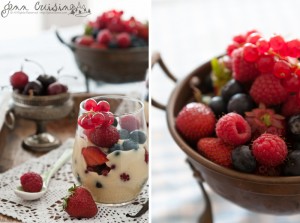
Rosa’s Musings: The Warrior Cook and Questch Plum Eton Mess

Published by Friday, September 21, 2012 Permalink 0


A cook, when I dine, seems to me a divine being, who from the depths of his kitchen rules the human race. One considers him as a minister of heaven, because his kitchen is a temple, in which his ovens are the altar.Marc Antoine Désaugiers

by Rosa Mayland

Even though being betrayed by your camera or computer, denied access to your blog platform, or lacking all inspiration is bad enough, having your cooker die on you is probably one of the worst things that any food blogger and pastry lover can experience, as it leaves you feeling completely lost and powerless. Without this essential home appliance (my personal favorite together with my KA), your major working tool, you are absolutely nothing! Well, that’s exactly what happened to me not long ago and it was one terrible and stressful nightmare, especially wince we were quasi-penniless and could not afford to buy a replacement straight away.

Continue Reading…

Never miss a post
Name: 
Your email address:*
Please enter all required fields
Correct invalid entries

Weight Loss Challenge: Eat Smaller Portions

Published by Thursday, September 13, 2012 Permalink 0

by Jonell Galloway

Eating smaller portions is not always as easy as it sounds.

In restaurants, they invariably serve portions much larger than you would take if you were serving yourself. I decided a long time ago that I would eat until I felt full, and not feel guilty about leaving the rest. My husband and children often end up eating the rest or taking it home in a doggie bag. I often solve this problem by ordering two starters and no dessert, which is a somewhat less noticeable way to go about it.

Continue Reading…

Never miss a post
Name: 
Your email address:*
Please enter all required fields
Correct invalid entries

Health Challenge: Healthy Snacking when Couch Potatoing in front of the TV

Published by Monday, September 10, 2012 Permalink 0

by Tamar Chamlian

As the winter kicks in and we are gradually easing in to cold weather, we naturally seek activities that are warmer and right in the comfort of our own homes.

In our house, we do a TV night once in a while, keeping warm, and maybe inviting a few friends over. While snacking on popcorn and chips seems to be a common and popular ritual as well as the easy solution, I suggest you try the three healthier alternatives I have listed below so you can ditch that caramel popcorn or those nachos and cheese.

  1. Mozzarella and cherry tomato skewers. Place one mozzarella ball followed by a cherry tomato on a skewer, drizzle with a tiny bit of olive oil and dried (or fresh) basil leaves.
  2. Fruit skewers. Pick any combination of two or three fruits, place them on skewers and drizzle the fruit and juice of a passion fruit for some extra kick and flavor.
  3. Make “healthy” homemade chips. Slice apples, pears, peaches, and sweet potatoes very thinly. Drizzle a very small amount of olive oil and dried mint. Grill them in a pan, and serve in a bowl as a healthy alternative to fried potato chips.

Enjoy the movie!

Never miss a post
Name: 
Your email address:*
Please enter all required fields
Correct invalid entries

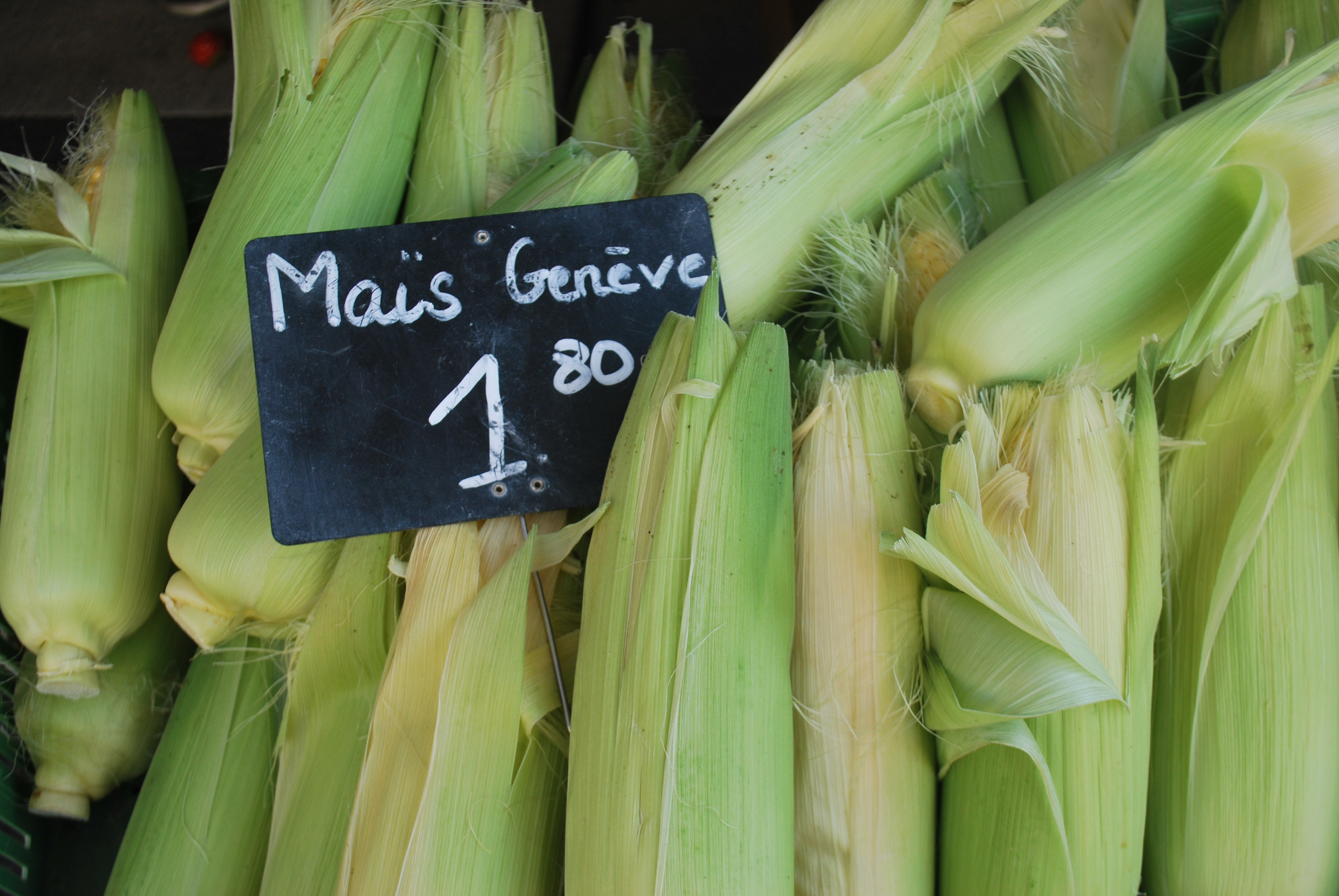
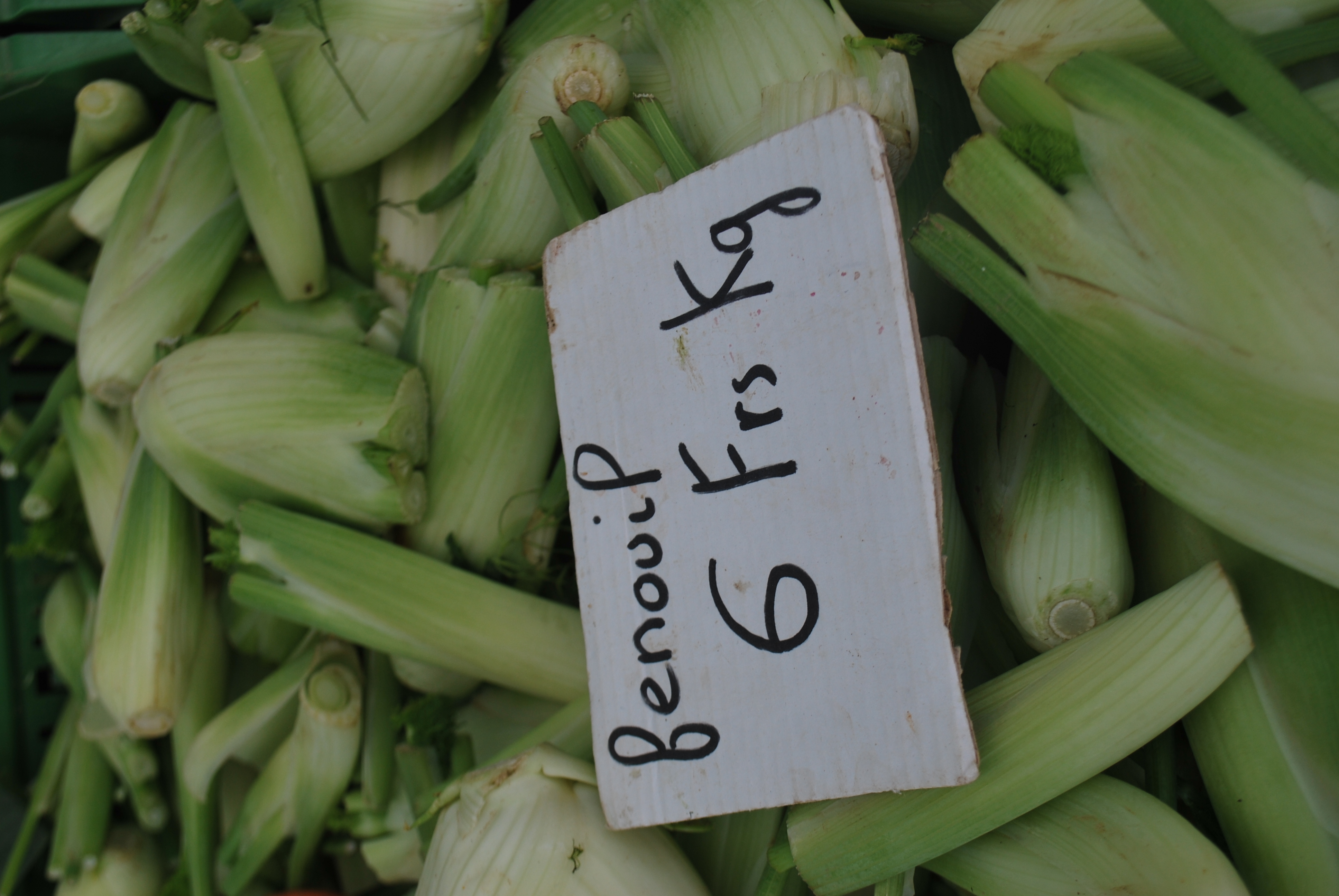
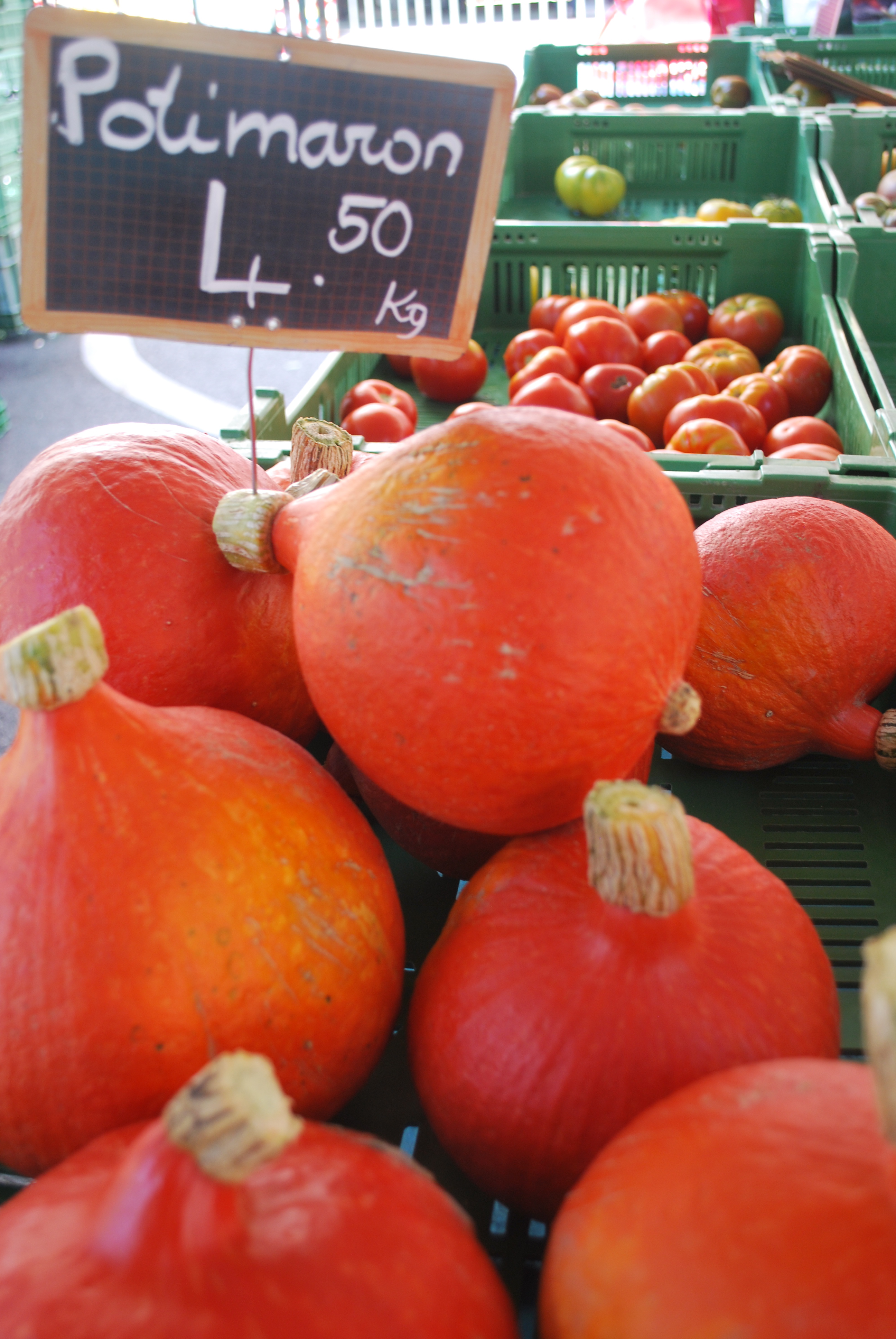
MarketDay: Swiss Farmers Market, Late August

Published by Tuesday, September 4, 2012 Permalink 0

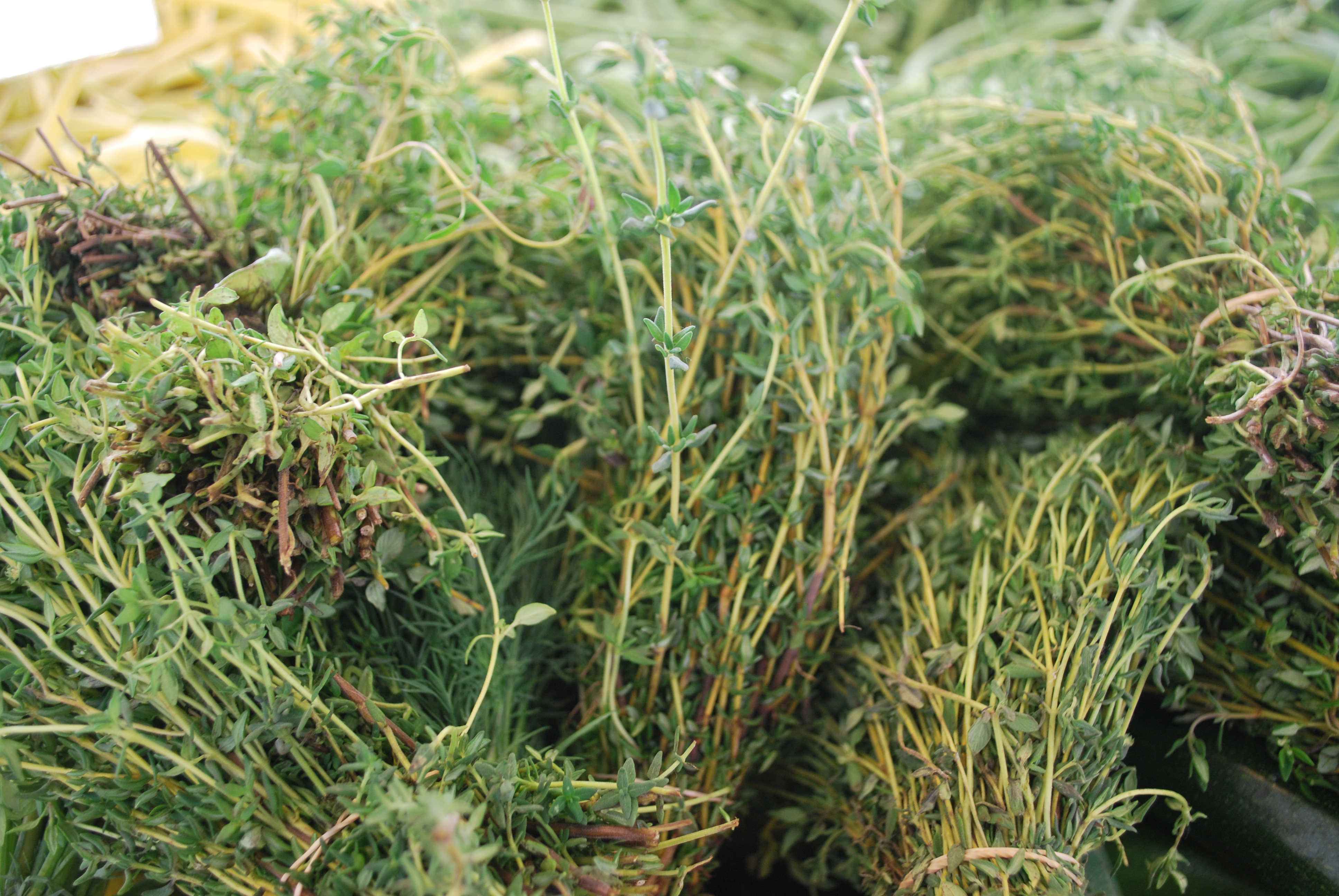
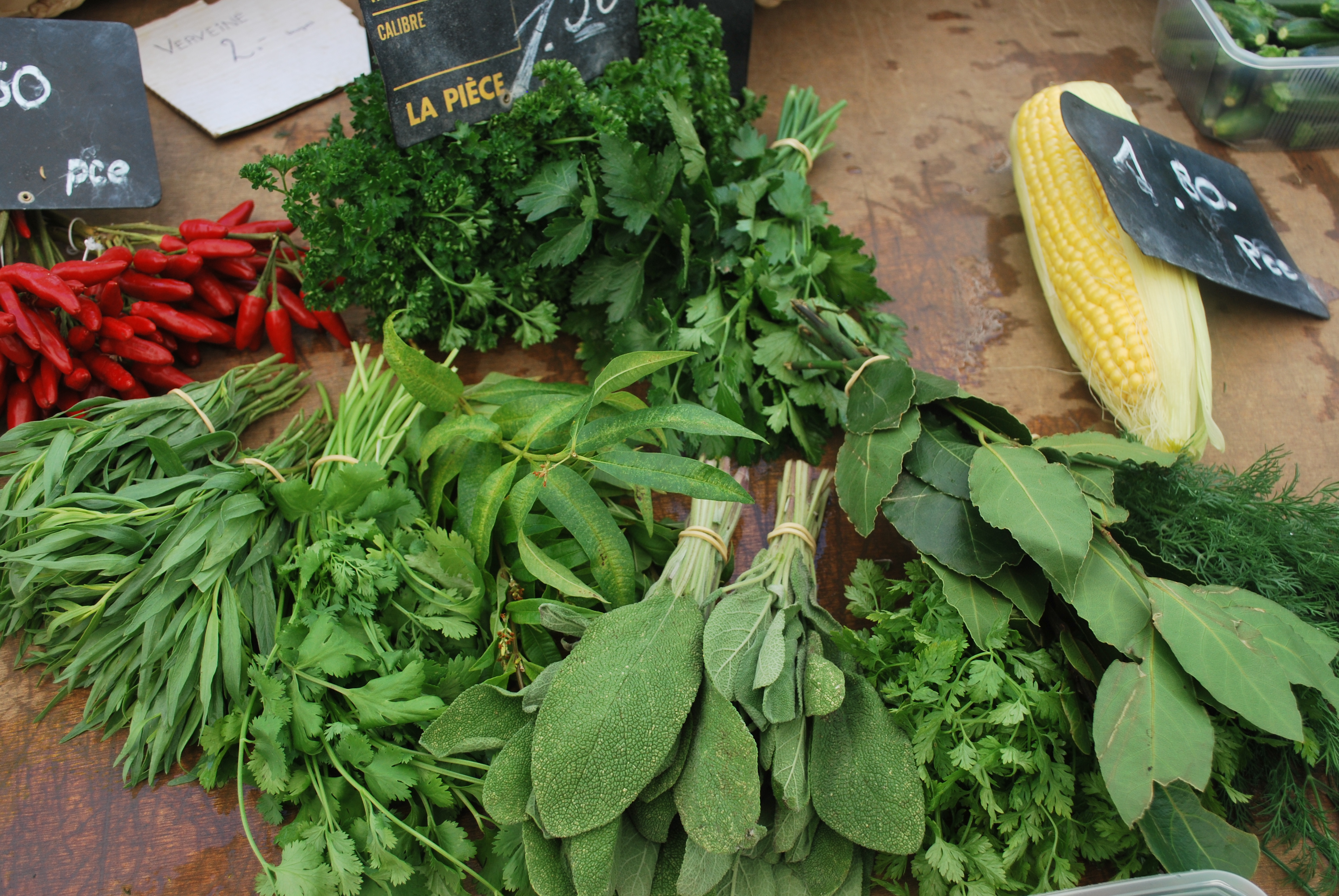
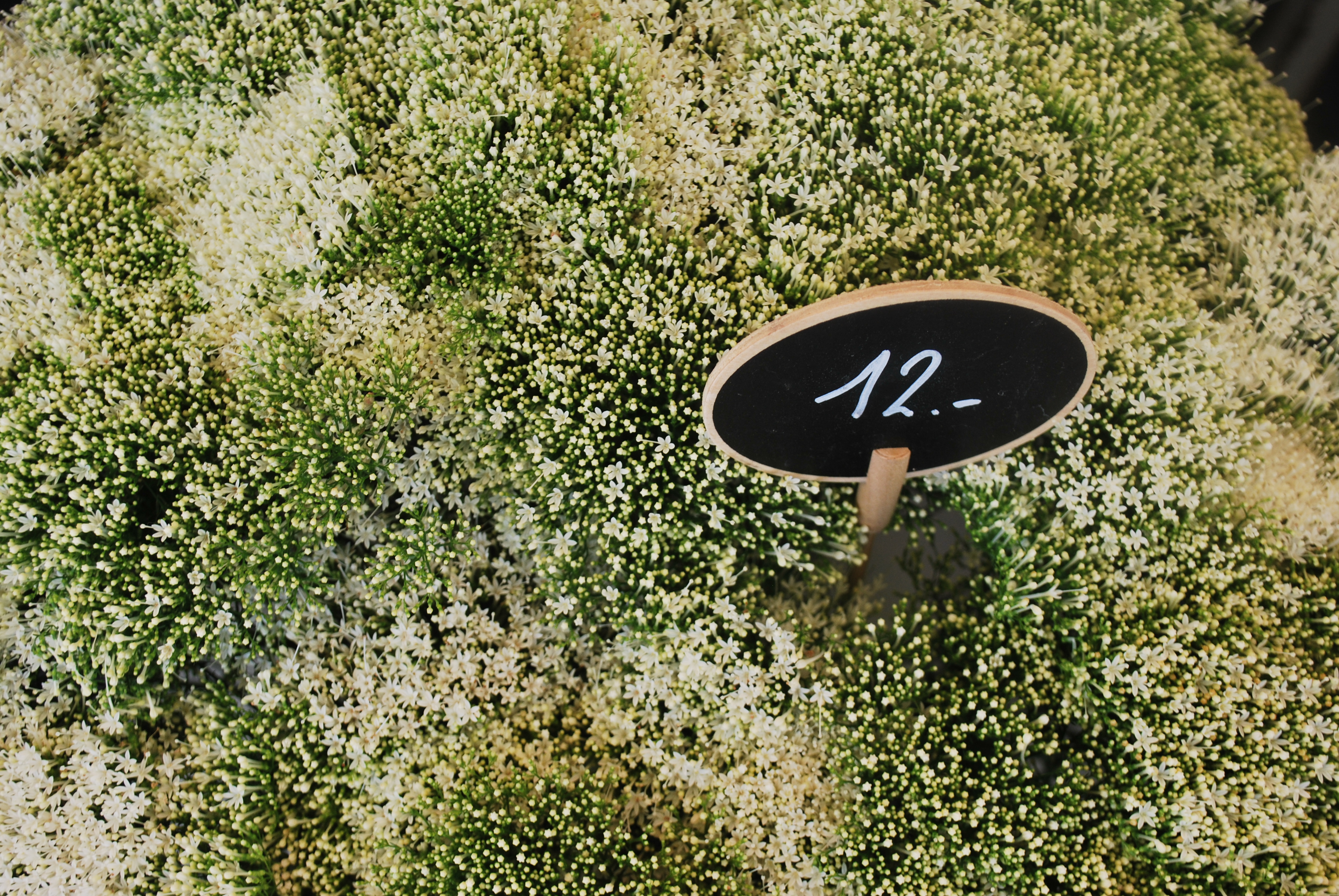
Take a walk through the late August farmers market in Switzerland with Jonell Galloway.

Never miss a post
Name: 
Your email address:*
Please enter all required fields
Correct invalid entries

Part 6 on Fermentation: Sauerkraut Success

Published by Friday, August 31, 2012 Permalink 0

Part 6 on Fermentation: Sauerkraut Success

by Diana Zahuranec

I filled two scalloped blue bowls with homemade sauerkraut and kimchi, sat down, and taste-tested.

I was hesitant, but I was encouraged by the lack of mold.

Kimchi wanna-be and sauerkraut

After two weeks of pushing down the bottles that weighed on my sauerkraut and “kimchi” (which was not actually kimchi, but will be referred to as such because that’s what I wanted it to be), I balanced the heavy, full bowls of vegetables on a flimsy, plastic tray and carried them to the kitchen counter.

I removed the bottles filled with water, the plates, and then the bags (why all this? Here’s why in Step-by-step Fermentation). I began to pour the mix into large containers of what once held 1 kg of yogurt, but I stopped when I lost too much liquid.

I assumed that the liquid of fermented vegetables contains all the healthy nutrients  that can be found in the vegetables themselves. I didn’t want to lose that, although I remain baffled as to what I could do with it, and haven’t found great sources backing up my Water-From-Fermented-Vegetables-Is-Healthy Theory (yet).

So I stuck my hand in and scooped it all out, pouring the liquid over top at the end. The liquids also help to preserve the vegetables when you store them in the refrigerator, and many say that the flavor improves as the fermentation slowly continues. And another reason to save the water: use a bit mixed in with the brine the next time you ferment vegetables, helping to jump-start the fermentation process.

According to Nourishing Days, ferments with 1-2% salt content will store for 4 to 9 months.

I filled two of those yogurt containers and some glass jars, or about roughly 13 cups of sauerkraut and kimchi from almost the same amount of vegetables. I had read that the vegetables will shrink as they lose their water, but the before:after ratio was nearly the same.

Success! They were both delicious. There was not a hint of rot. In fact, although many sources claim that it’s highly probable that you’ll lose some of your batch – especially a small one, like mine – due to air or uneven fermentation, I lost no more than a few shreds of cabbage.

Both were crunchy and flavorful. The pure cabbage had a more delicate flavor, and a bit of lactic acid tang. When I made the brine, I also added a teaspoon or two of yogurt whey to help . Sauerkraut naturally has a  lactic acid flavor, so I’m curious to see if fermented vegetables without added whey would give off that taste as strongly. Fermentation Project Number 2?

The kimchi was spicy from the chili pepper flakes and chopped hot peppers I added, and the mix of vegetable textures was delightful. The tastes all ran together – a carrot didn’t taste much different from a chard stem. And the chard stems were tougher than I wanted; but on second thought, it’s great that everything retained its crunchy structure. Mushy vegetables can be the result of not adding enough salt; I also read on Nourishing Days that tannins keep the structure of the vegetables intact, so you may be able to add grape leaves, for example, to retain crunch.

And now I’ll admit that I tentatively drank the fermented water, out of curiosity and refusal to waste something healthy. Its flavor wasn’t offensive, just mostly salty. I decided it might be healthier to forgo the salt than to absorb the other nutrients in there. And drinking fermented water just doesn’t sound very appetizing.

Never miss a post
Name: 
Your email address:*
Please enter all required fields
Correct invalid entries

UA-21892701-1