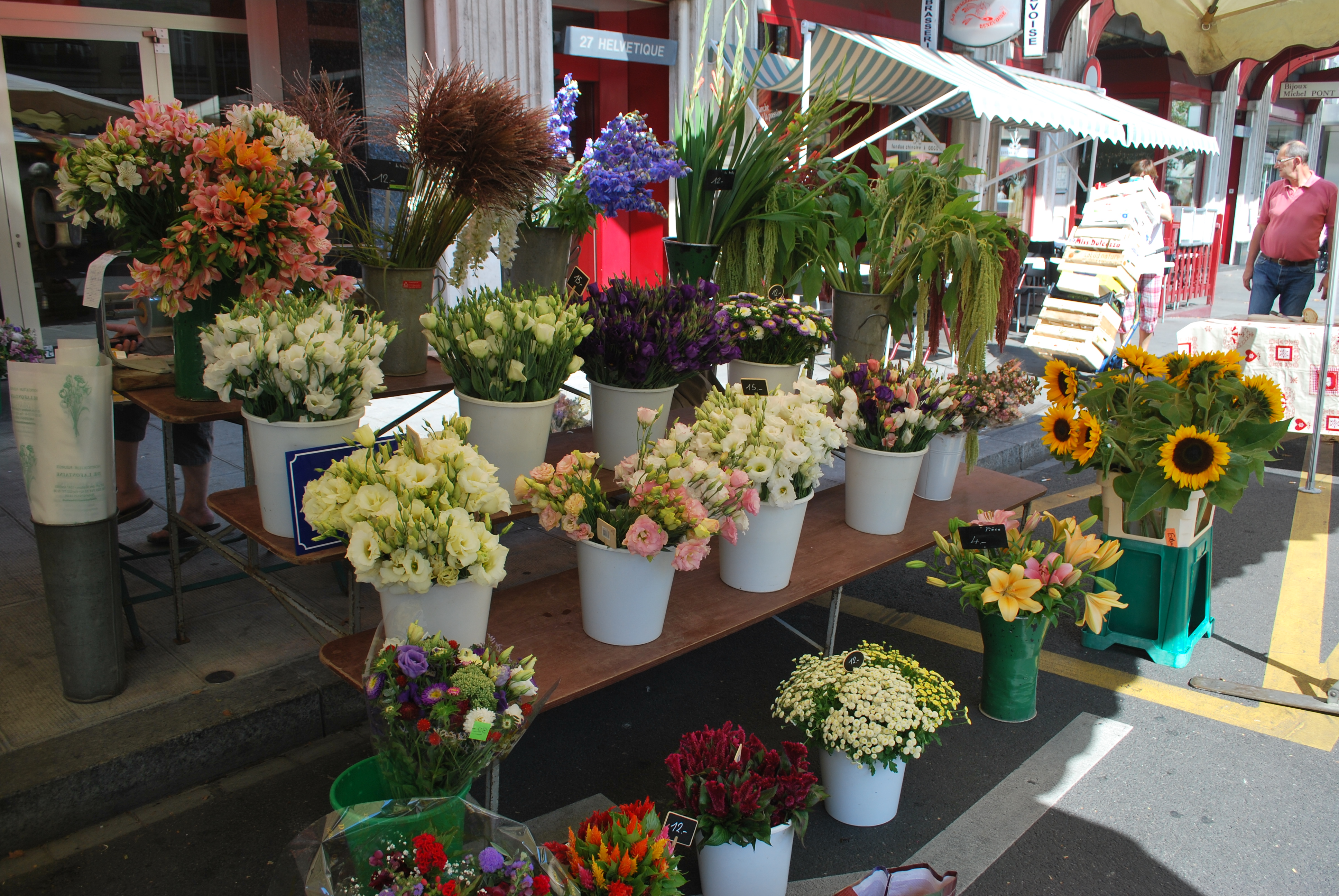
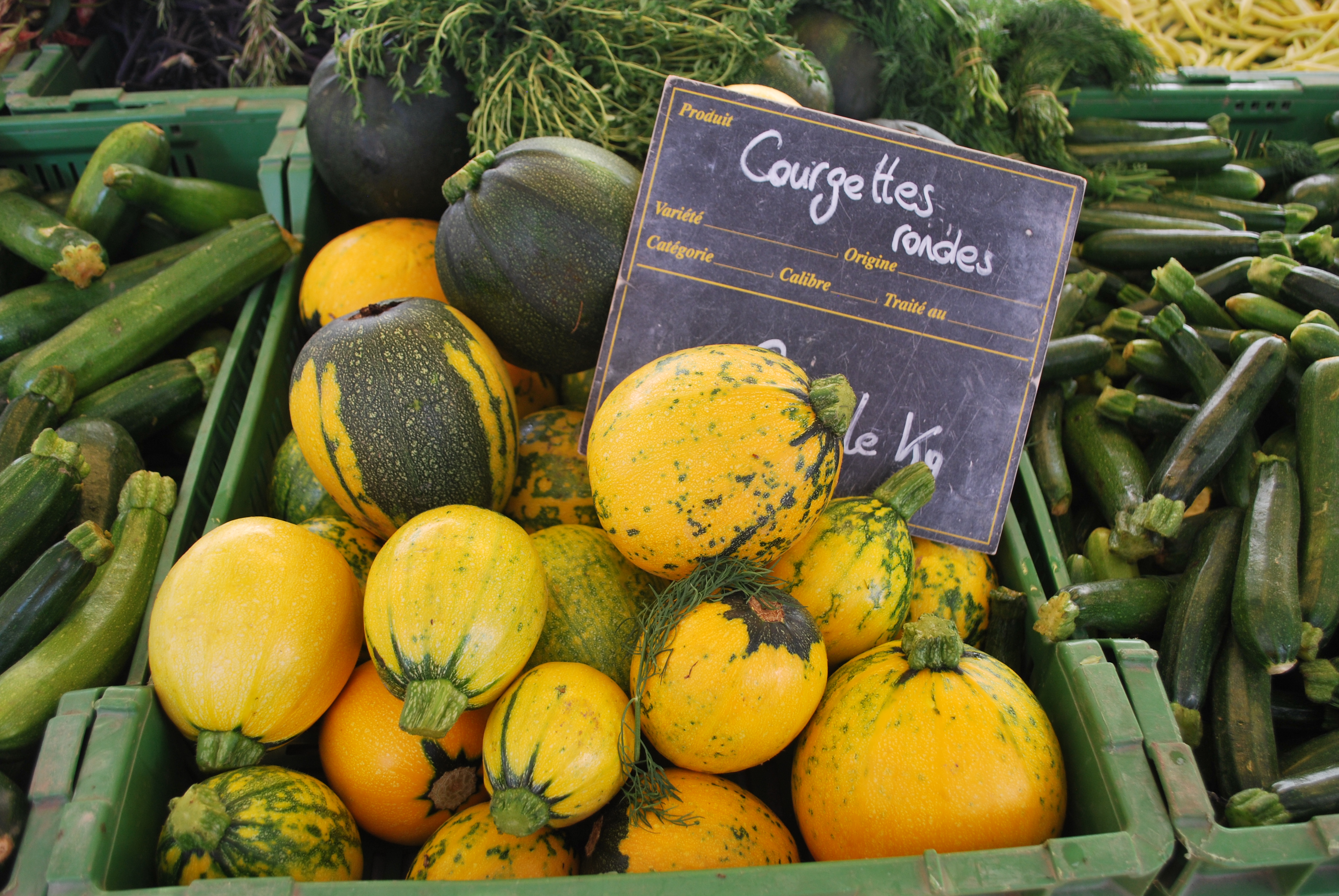
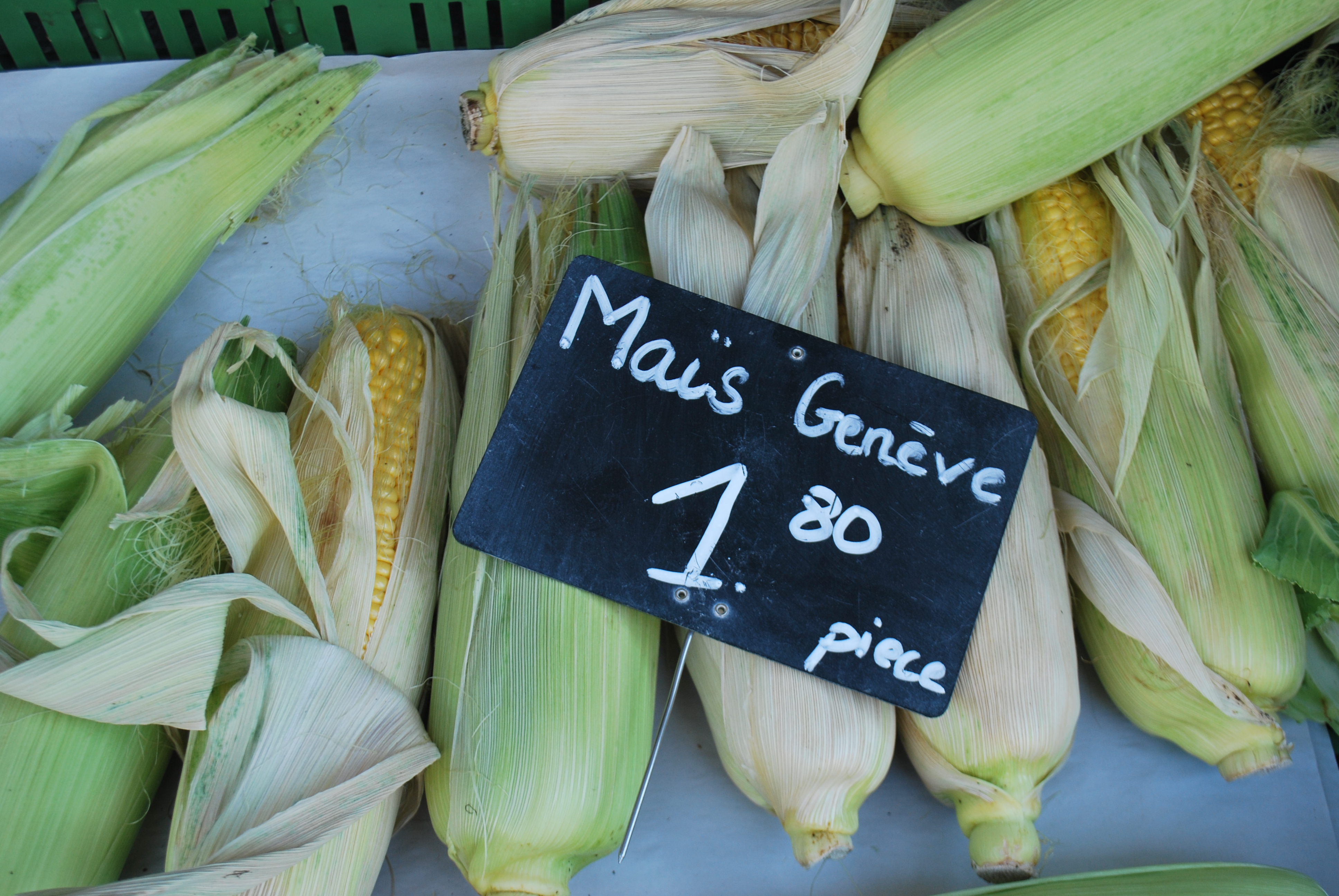
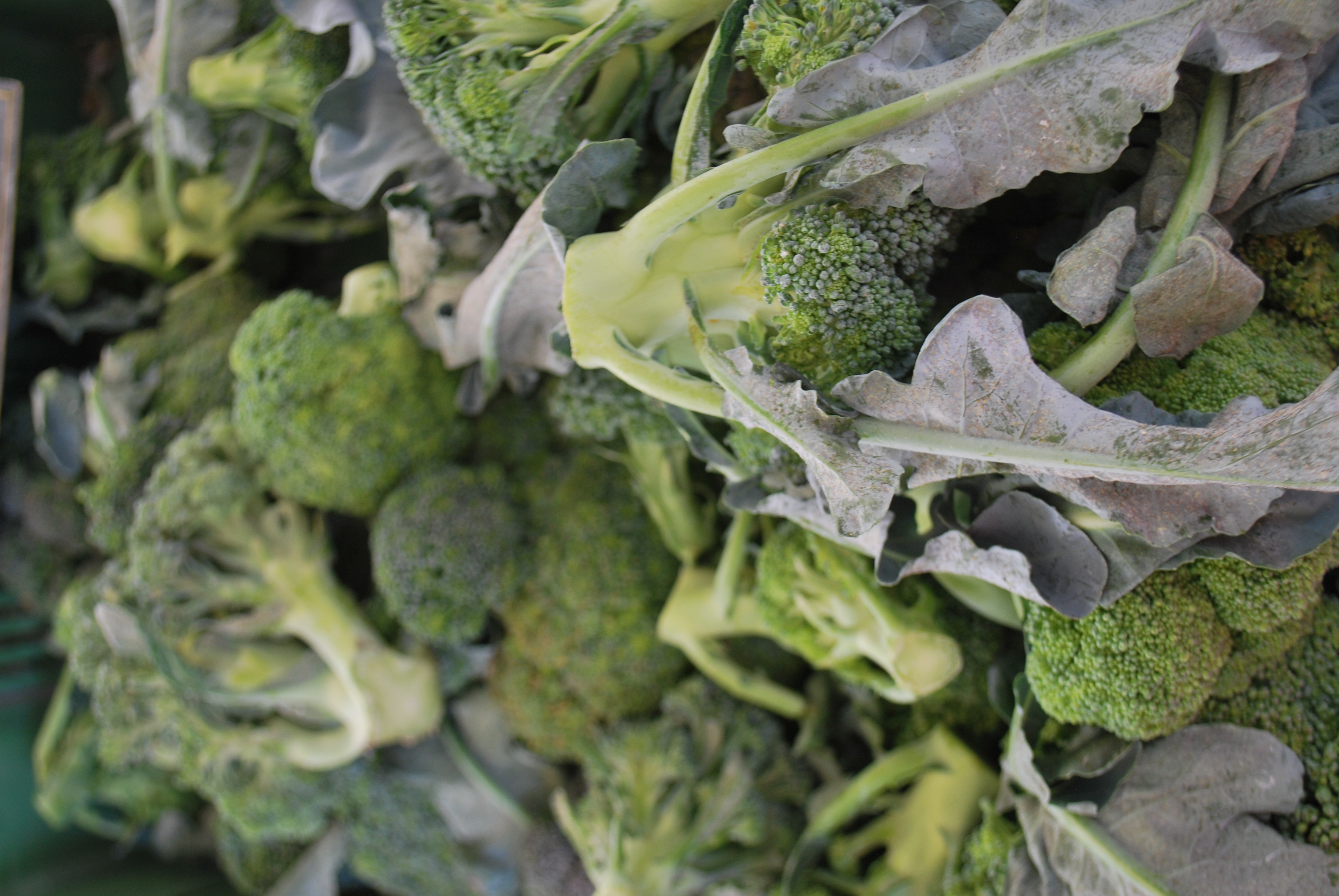
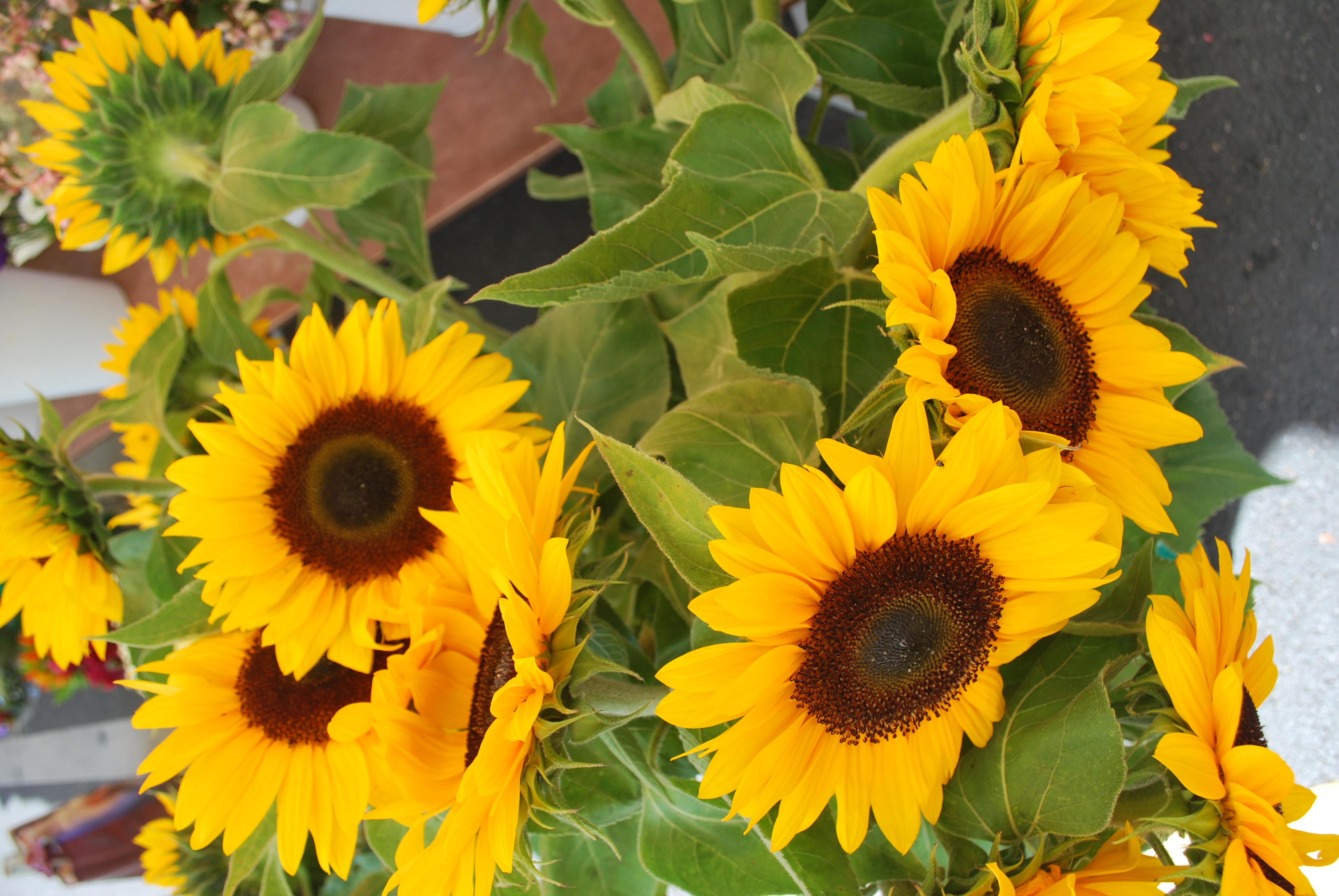
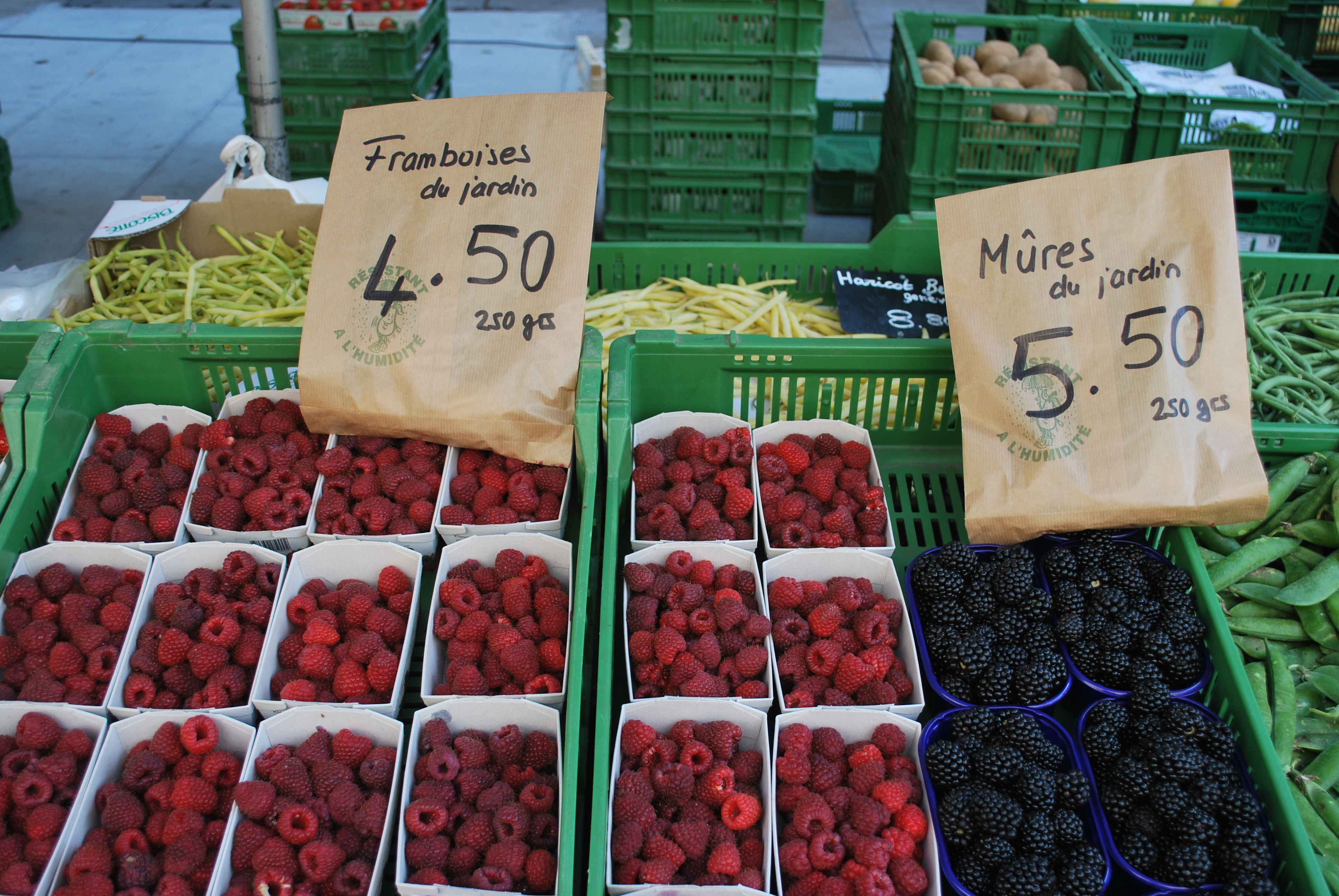
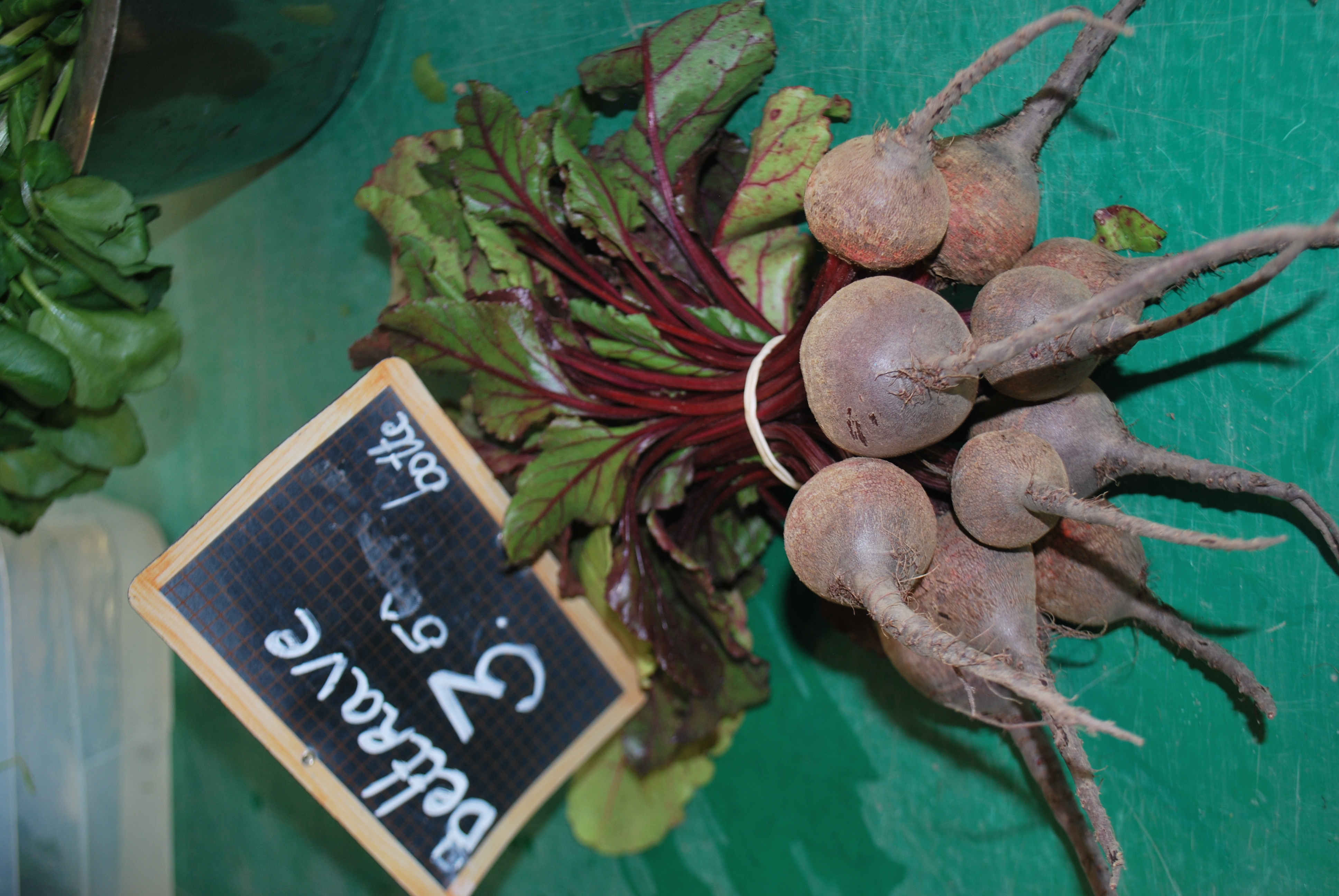
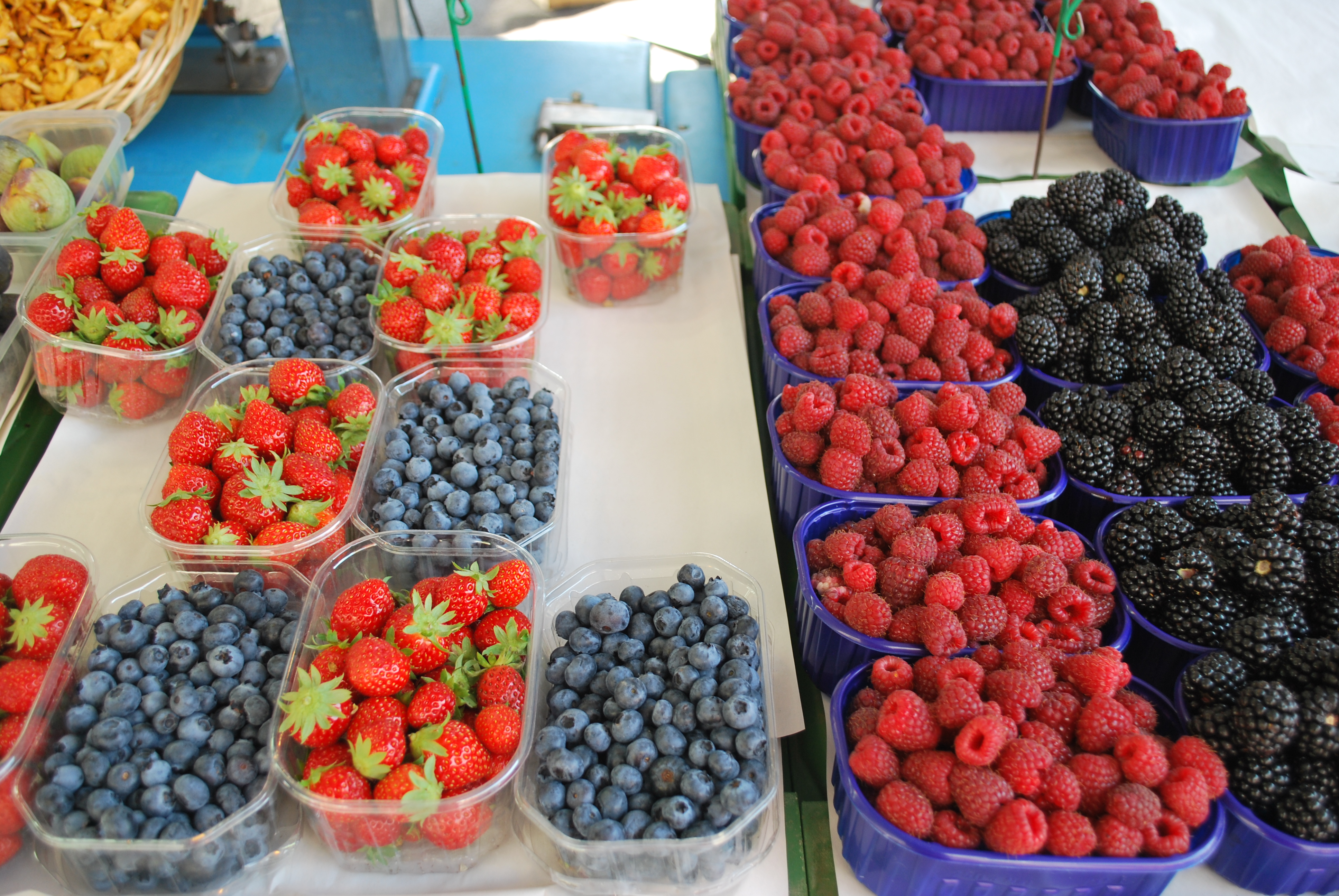
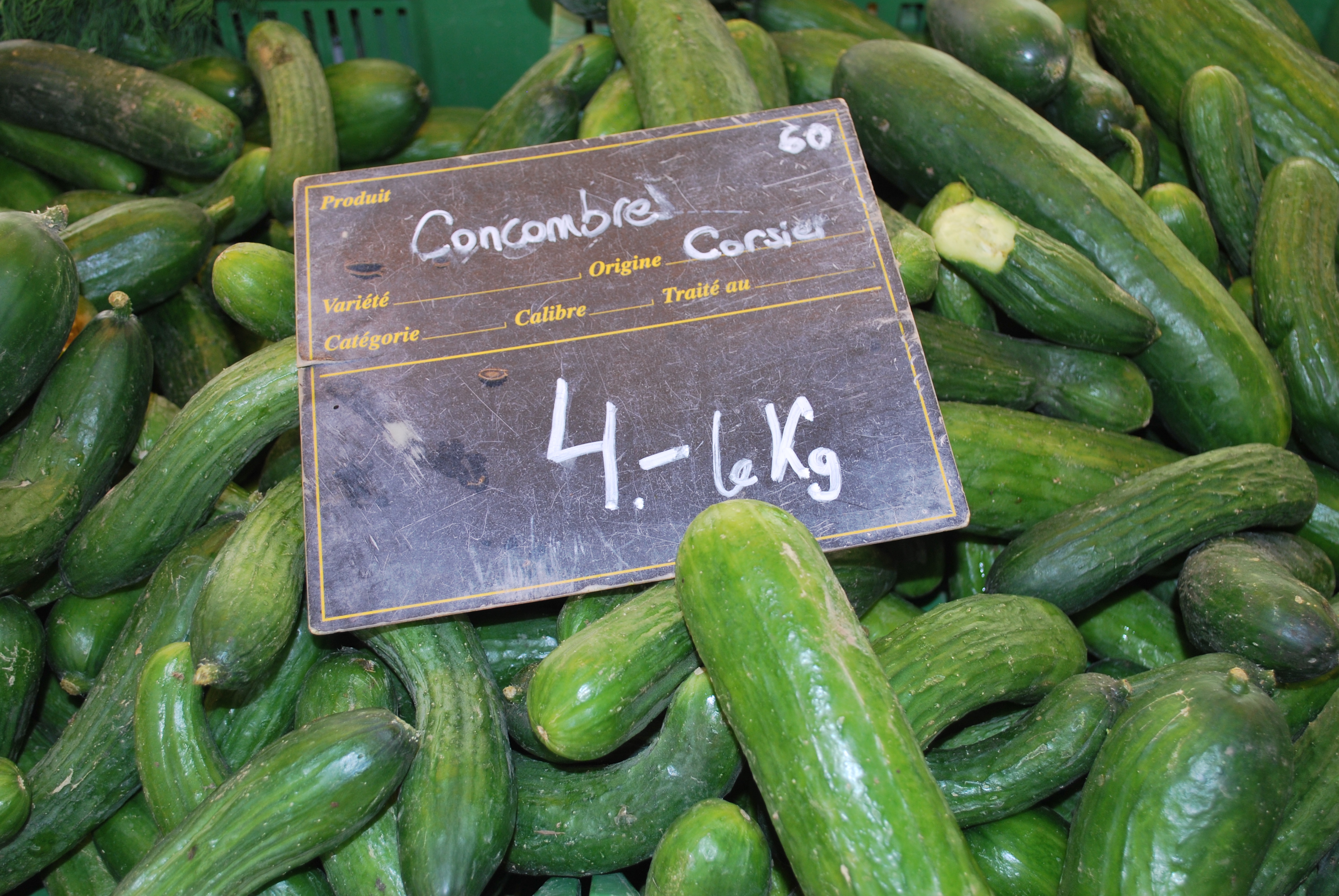
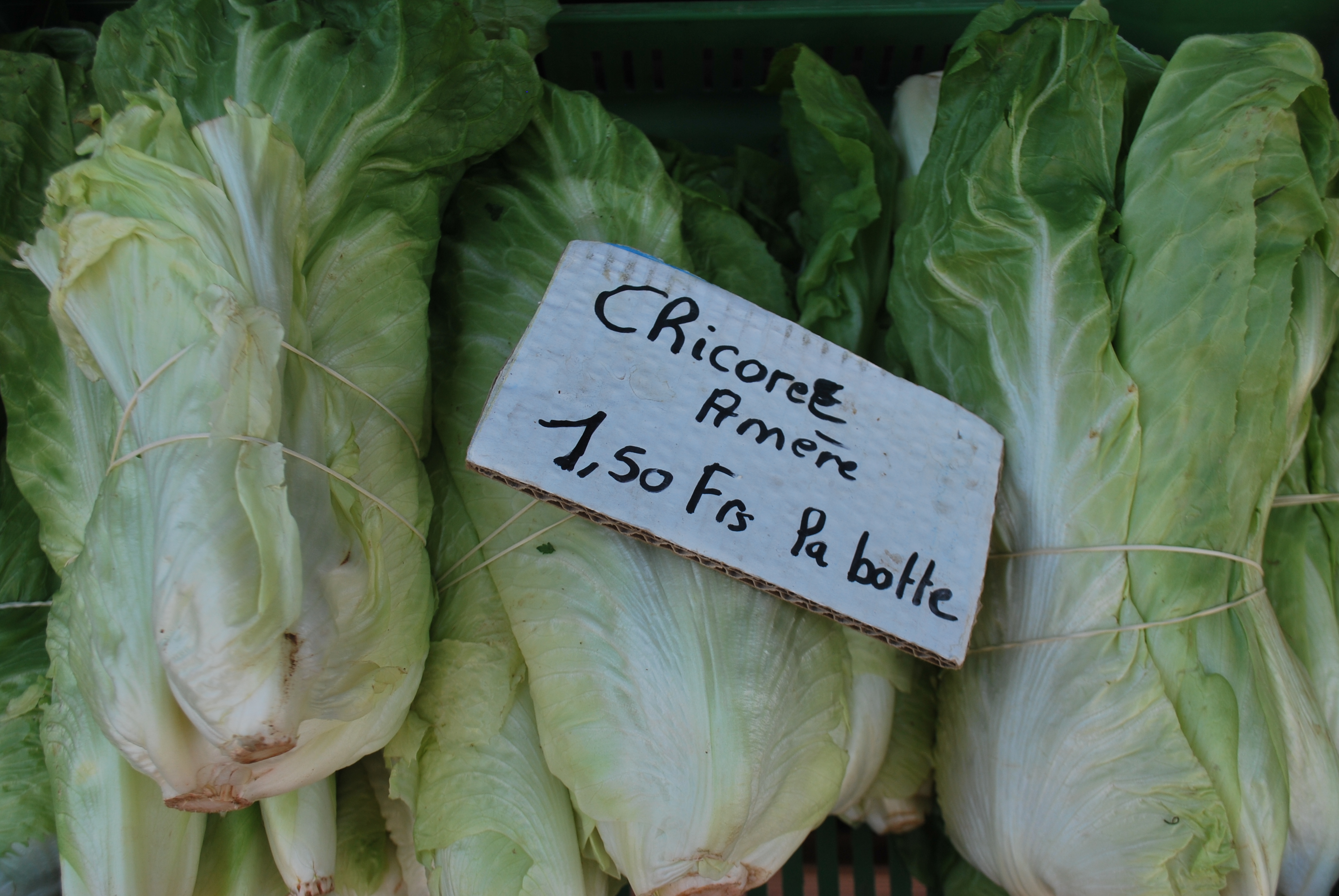
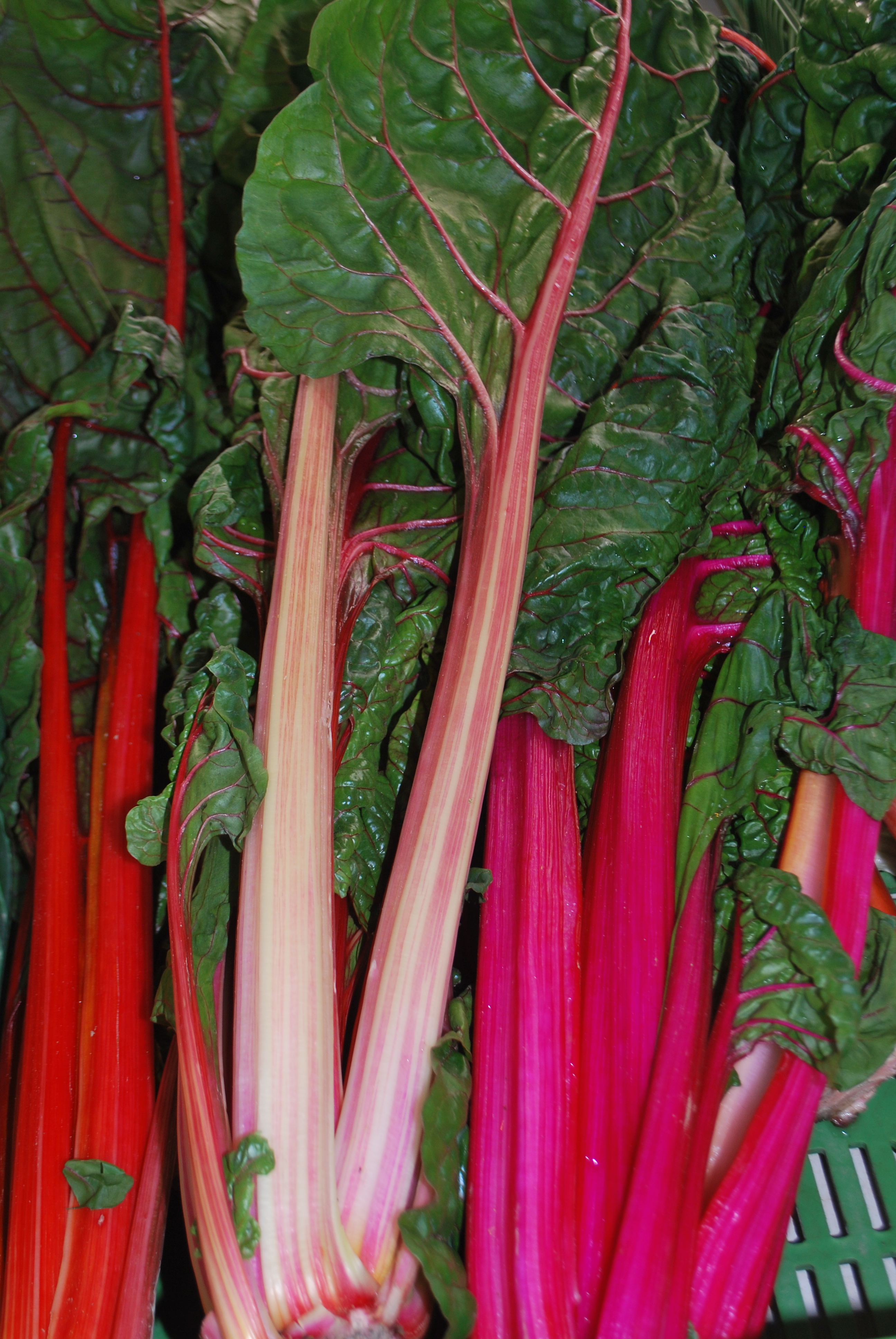
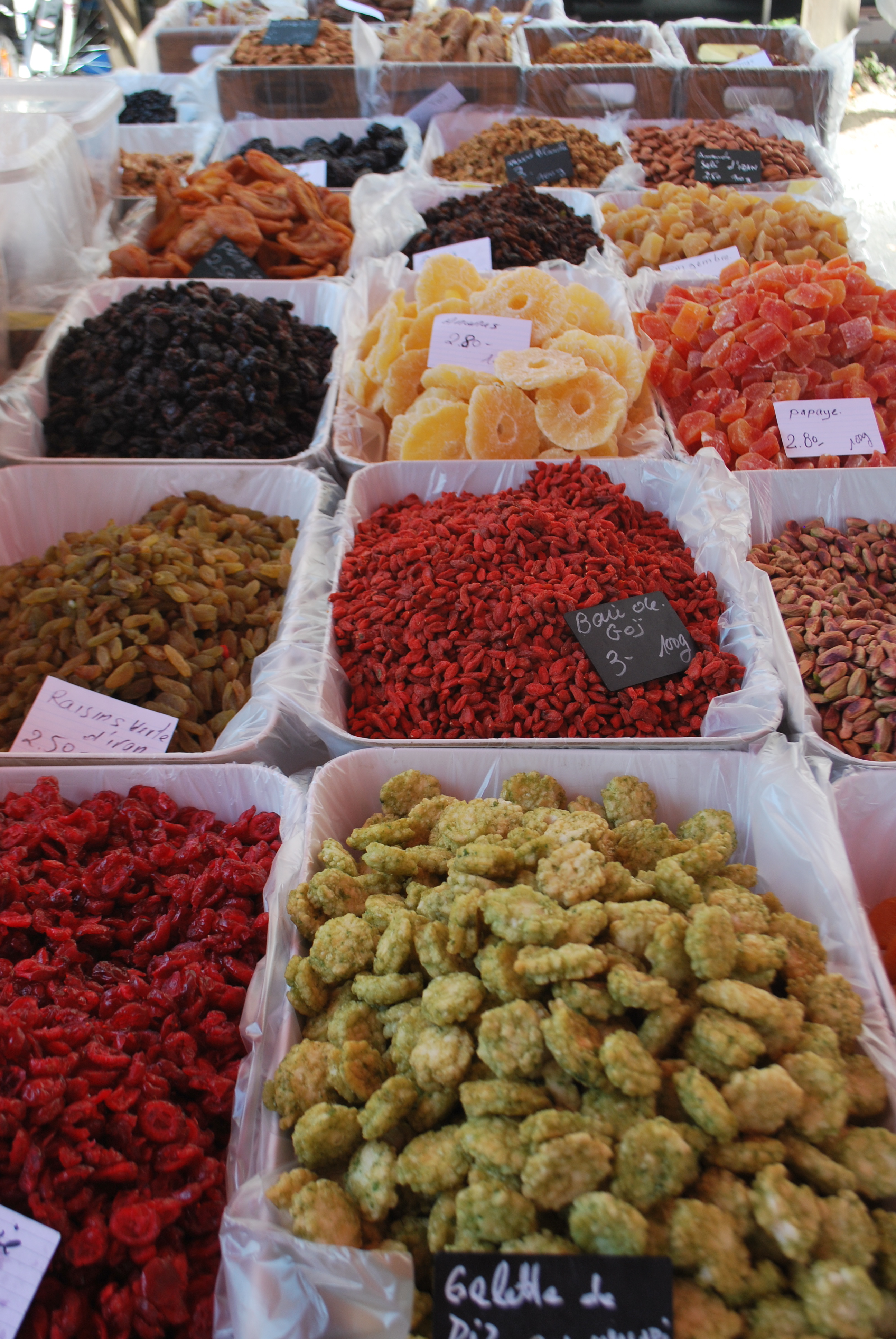
Take a walk through the late August farmers market in Switzerland with Jonell Galloway.
Related articles
|
|

A Literary Culinary Journal

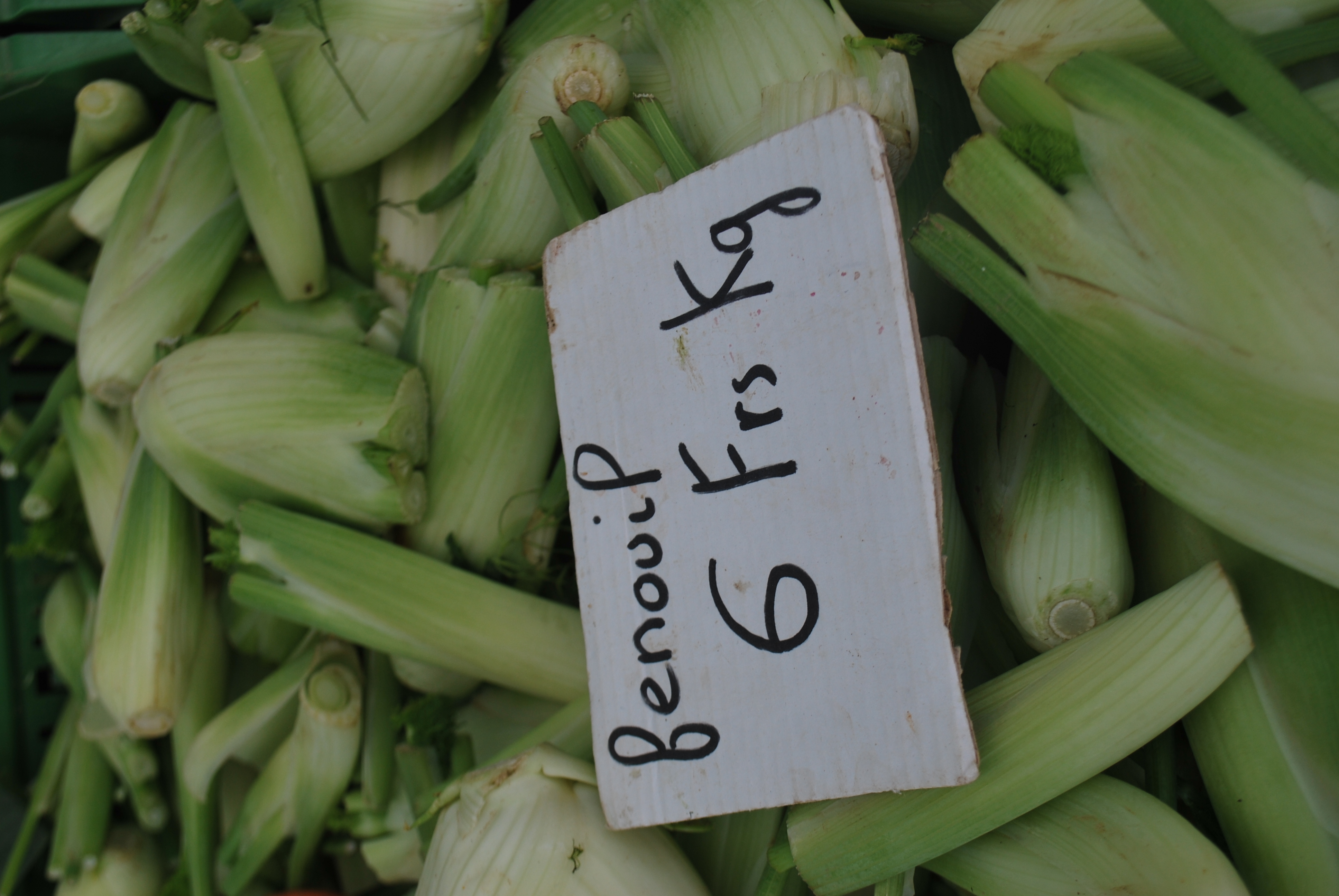
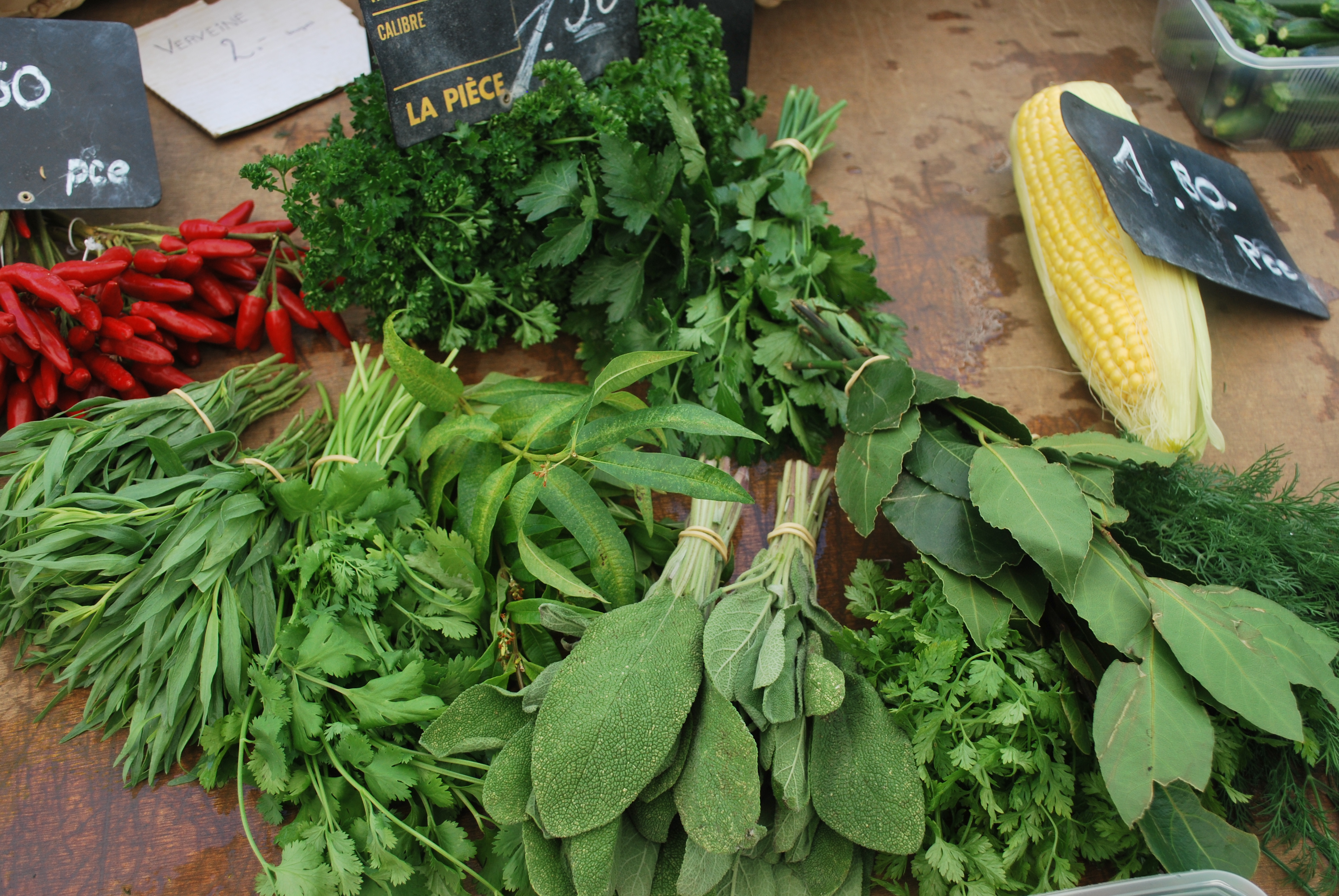




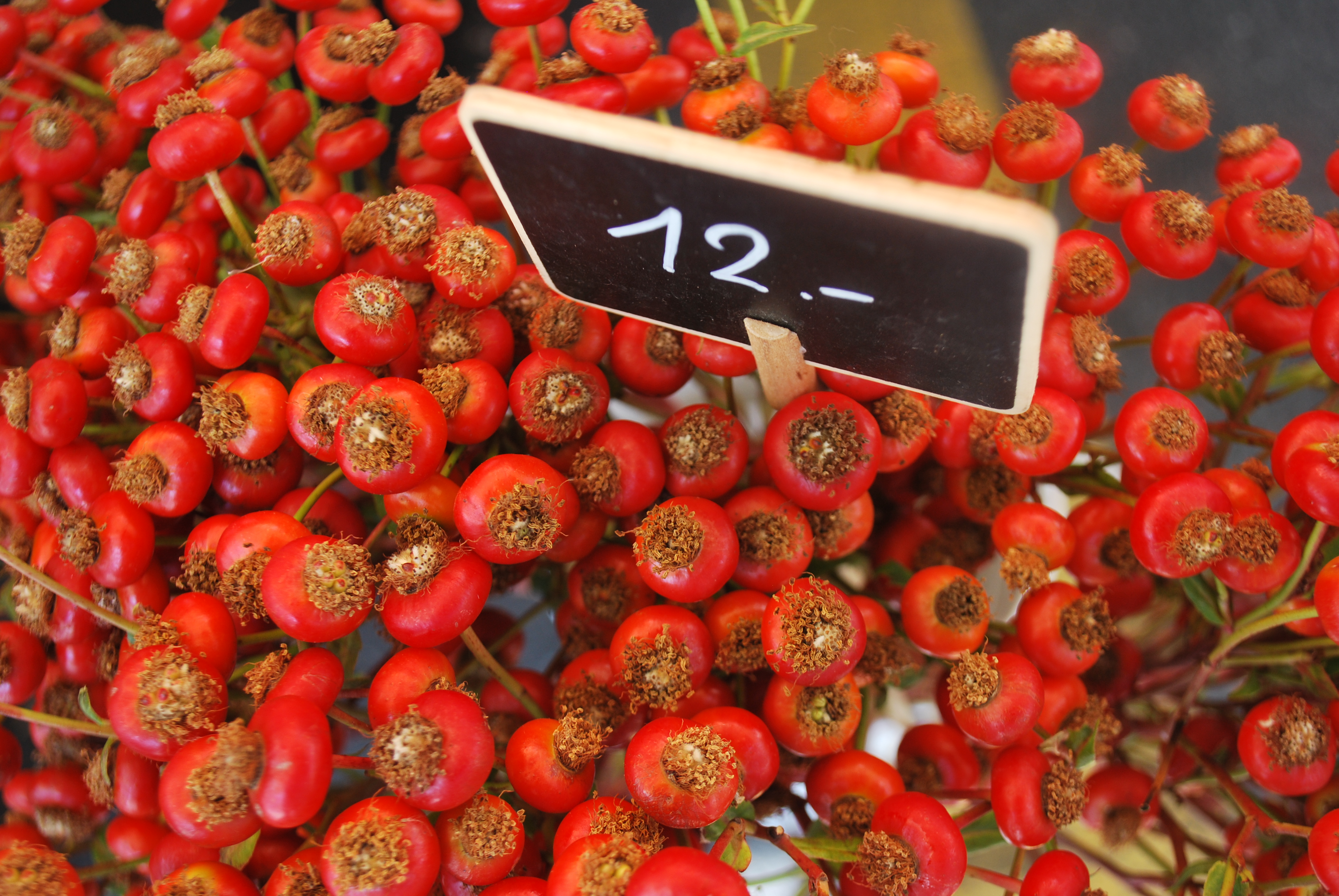



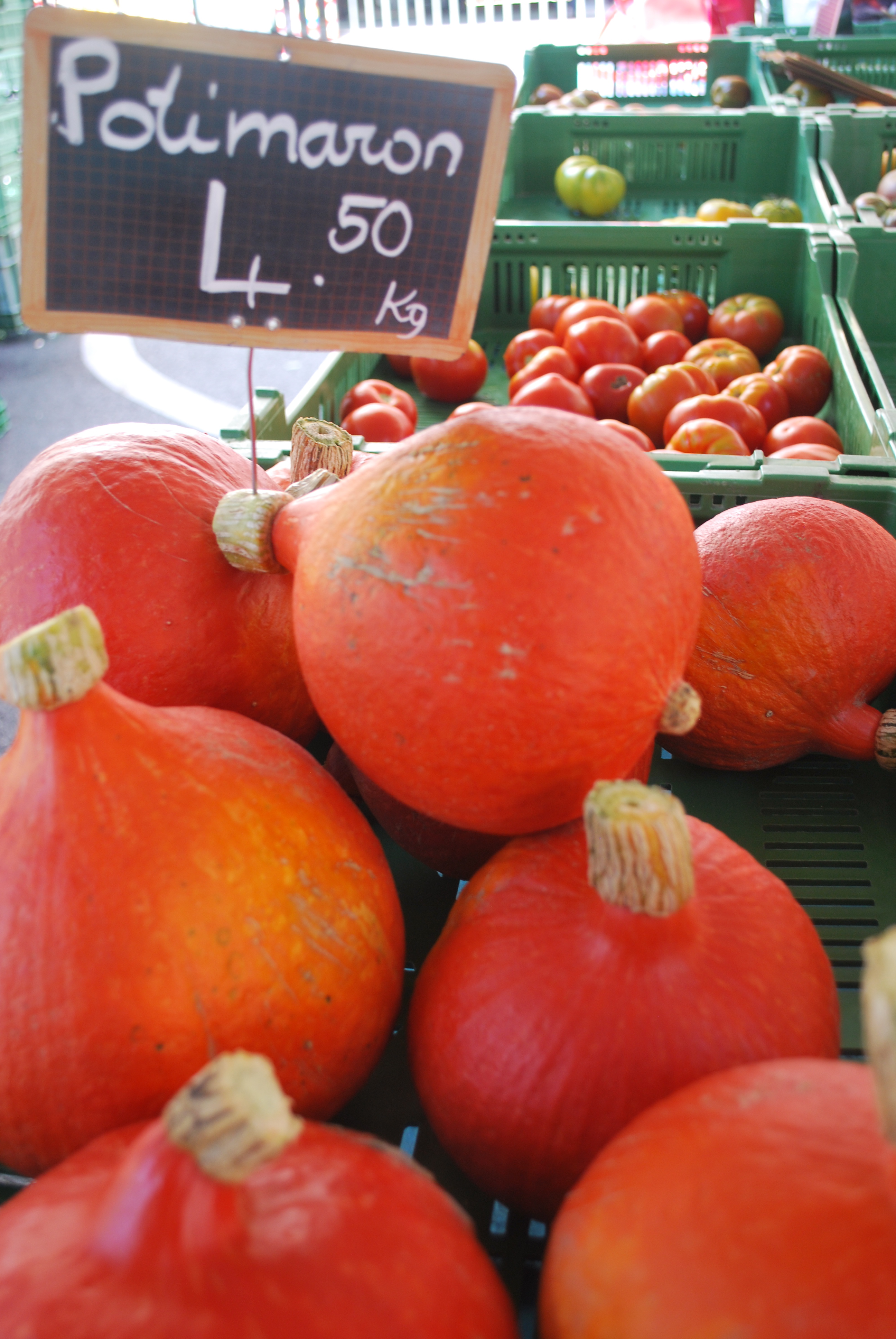

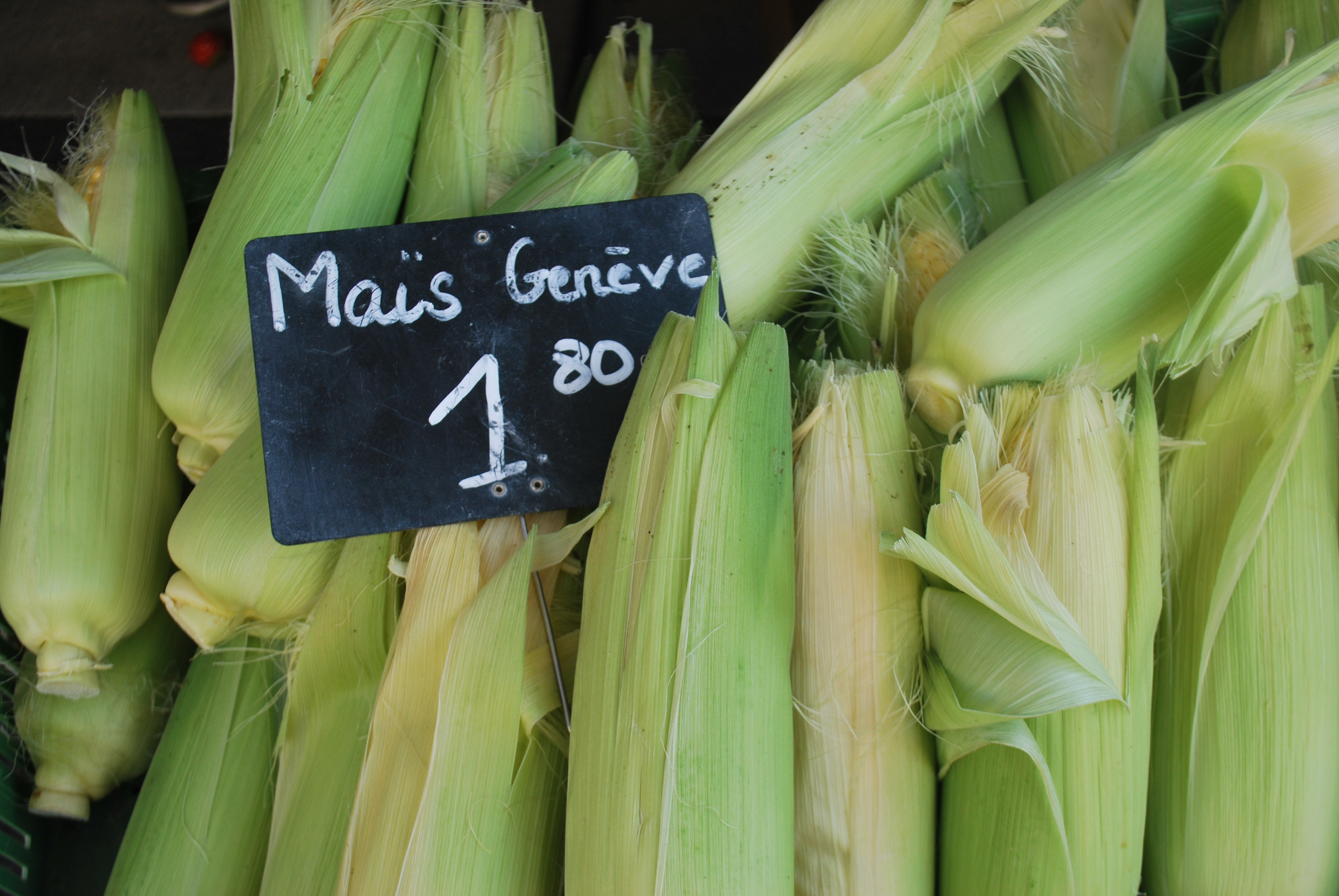


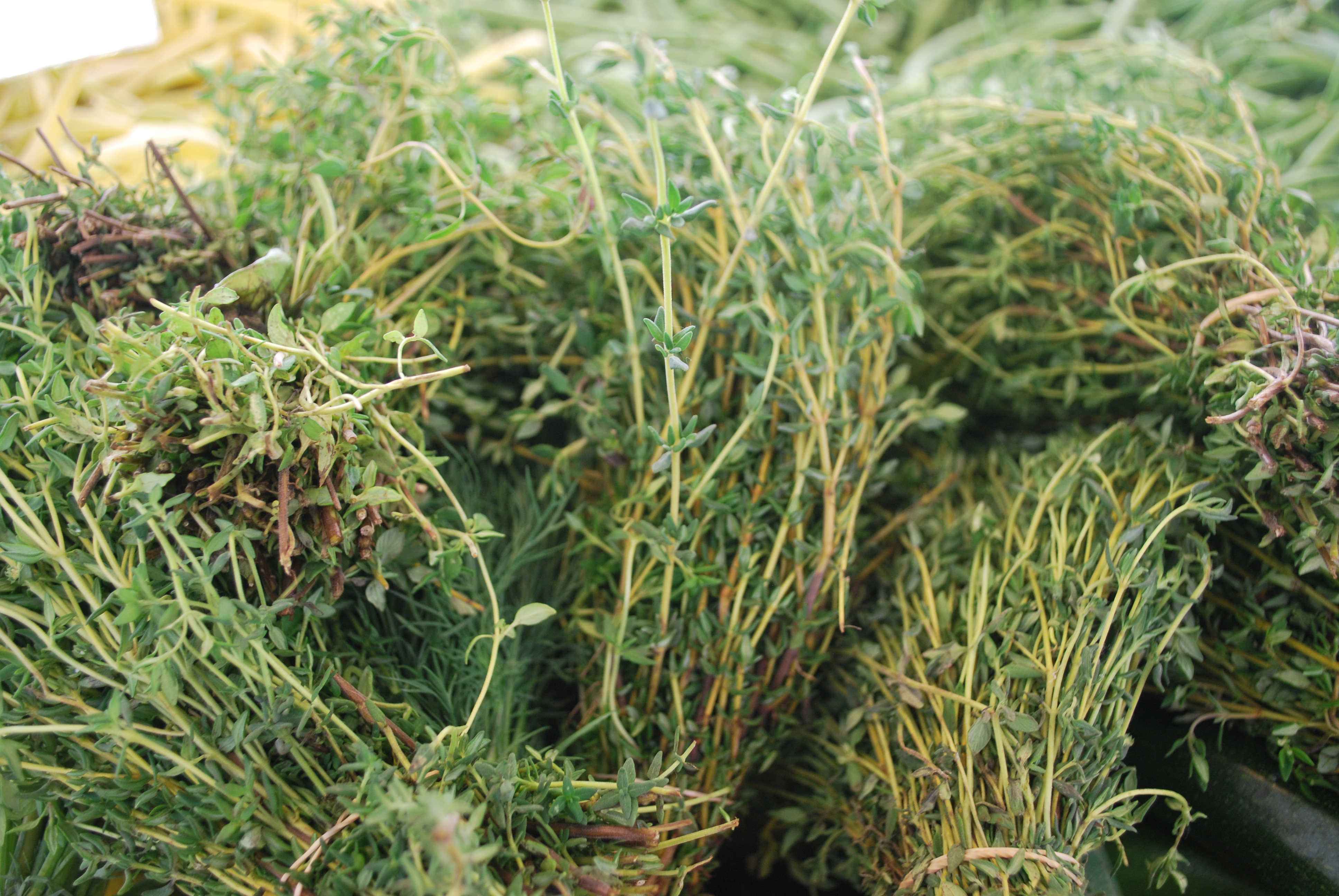
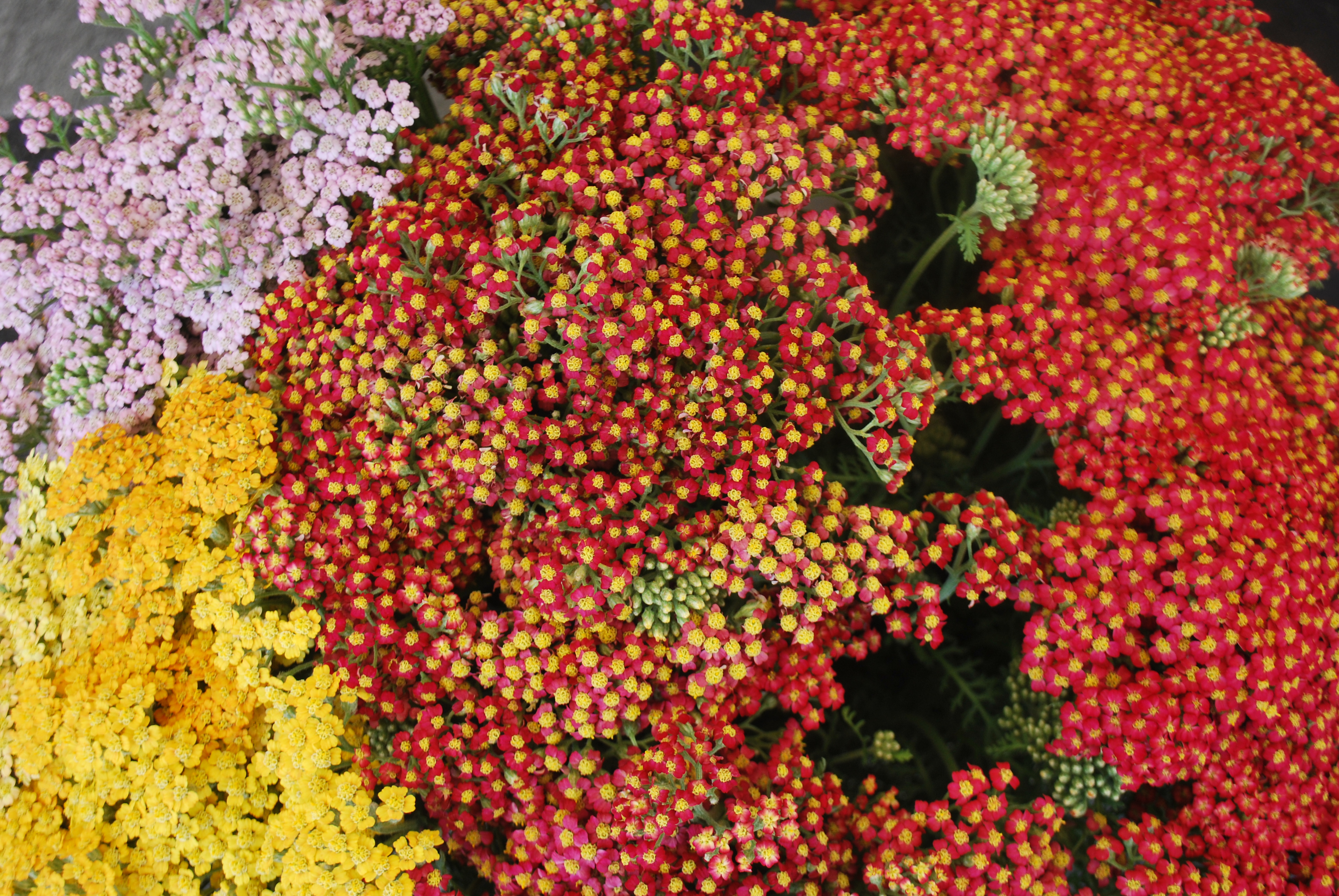
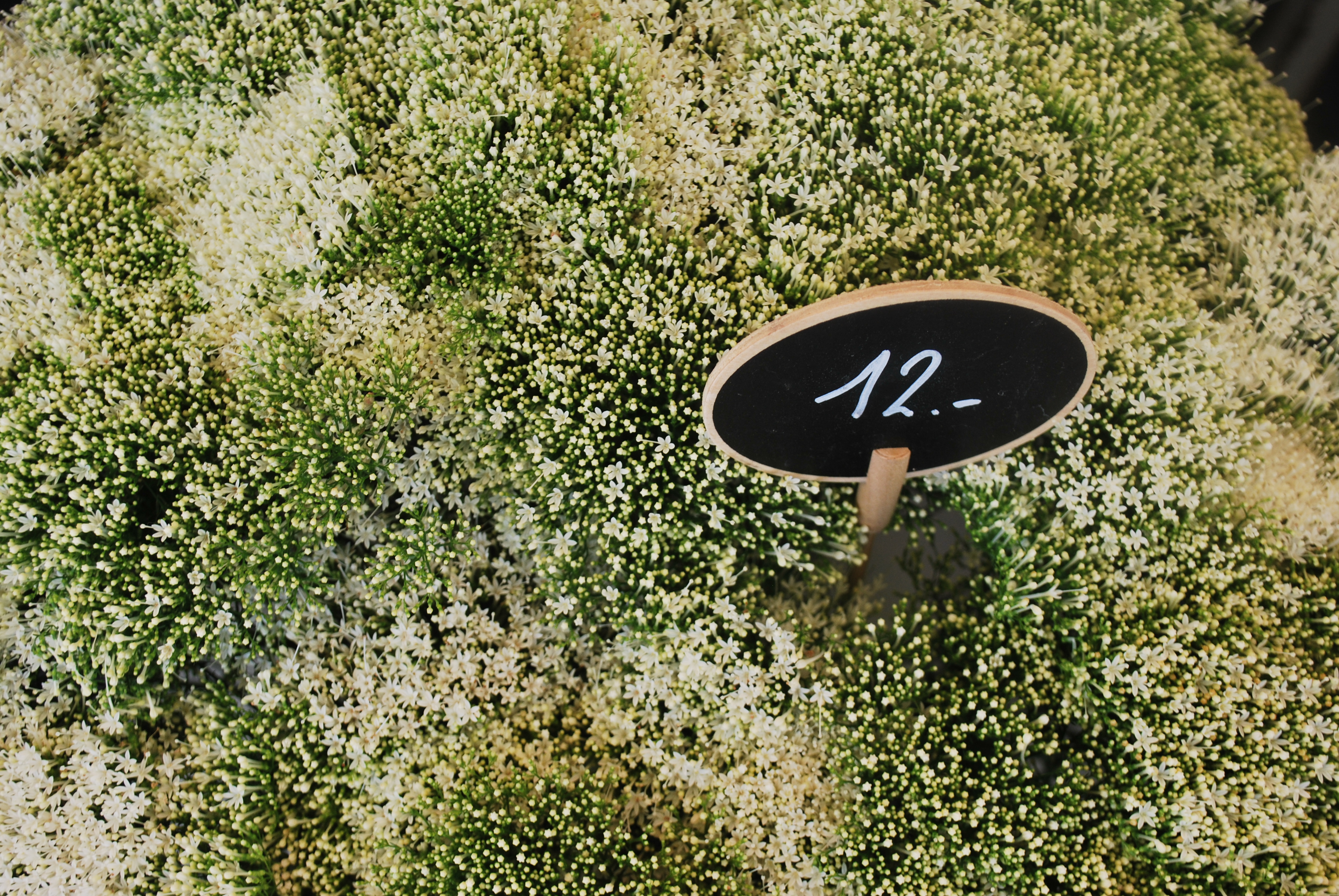


Take a walk through the late August farmers market in Switzerland with Jonell Galloway.
|
|
by Jonell Galloway
Sandrine and Olivier Chapuis in Veigy-Foncenex in France are the great specialists of juicy, full-flavored tomatoes in the Geneva area. They grow between 20 and 30 different varieties every year. There are yellow, orange, green, tiger stripe, red: a cornucopia of color and as sweet as fruit (of course they are fruit, technically speaking).

The market is flowing with oodles of summer vegetables.

The Chapuis also have the widest range of wild greens and mescluns I’ve seen in Geneva.


You can also buy directly from them in Veigy-Foncenex, but Sandrine prefers that you call beforehand because she is not always there. After all farmers have to work in the fields sometimes!
They produce all the produce they sell in the farmers market, so you can be sure that is both fresh and local. Sandrine, or “Sabi,” as she is nicknamed, has lots of great recipes in her head for every product she sells.
Since their fields are scattered out in various places, she prefers customers to tell her what they want, and she will have it ready for them when they come to pick it up. The best time is Tuesday or Friday between 4 and 8, or any other evening on appointment. The Chapuis are trying to set up a system for opening every evening, but are awaiting authorization from city authorities regarding parking, since they are right off the route nationale.
|
|
 by Rosa Mayland
INCREASE YOUR GASTRONOMIC EXPERIENCE BY EATING IN SYNC WITH THE SEASONS

With the arrival of hotter weather, I am thrilled that some of my favorite fruits are starting to grace (super)market stalls. They are so fabulous that I can never get enough of them. Not one week goes by without me making either pies, pastries, cakes, trifles, crumbles, clafoutis or cobblers in my itsy-bitsy apartment kitchen.
|
|
The agricultural promotion office for the canton of Geneva (OPAGE) lets you fill out this  , telling them what you want, where, the producer’s or company’s name, etc. so you can find just about any local agricultural product you want. It makes it so easy!
|
|
 by Jonell Galloway
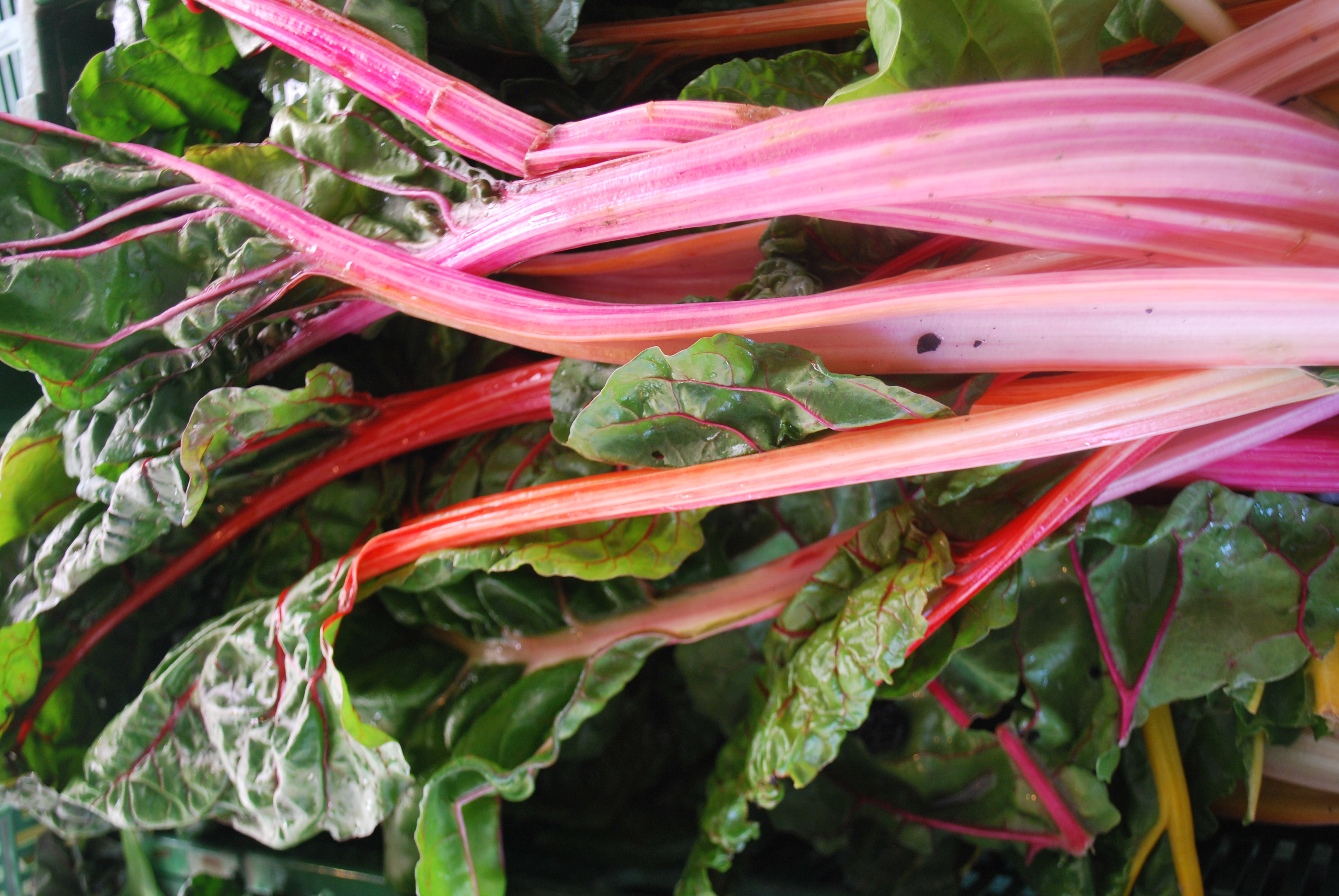
Swiss chard, along with kale, mustard greens and collard greens, is one of several leafy green vegetables often referred to as “greens”. It is a tall leafy green vegetable with a thick, crunchy stalk that comes in white, red or yellow with wide fan-like green leaves.

The Swiss variety tends to have whitish stems not dissimilar to green celery but wider and somewhat fan-shaped, while the varieties found in North America can be red, purpose or yellow. Some say chard is second only to spinach in terms of nutrients, and it is certainly full of fiber and phytonutrients.
When choosing chard, make sure the leaves are not wilted and the stems look fresh and crisp. If it looks limp in any way, pass it up.
It is one of the few vegetables that probably shouldn’t be eaten raw, due to its high acid content.
Although it is referred to as “Swiss” chard, it isn’t actually native to Switzerland. It is a Mediterranean vegetable. Already in the fourth century B.C., Aristotle wrote about “chard”, the common name used in the Mediterranean region. It probably got its name from a vegetable that it resembles, the cardoon. It is thought that the French confused the two and ended up calling them both “charde”.
In modern times, the French call Swiss chard blettes, the Swiss call them côtes de bettes, and, funnily enough, the English-speaking world has kept the name closest to the original used in ancient times: chard.

Its actual homeland lies farther south, in the Mediterranean region; in fact, the Greek philosopher Aristotle wrote about chard in the fourth century B.C. This is not surprising given the fact that the ancient Greeks, and later the Romans, honored chard for its medicinal properties. Chard got its common name from another Mediterranean vegetable, cardoon, a celery-like plant with thick stalks that resemble those of chard. The French got the two confused and called them both “carde.”
Swiss chard is in season for a good deal of the year in Switzerland, but this recipe takes advantage of summer to use some of those divine tomatoes that embellish the farmers markets.
In winter, it can be mixed with potatoes to make a lovely purée or soup.
Click here for recipe measurement converter
1 Tbsp. cooking oil
1 kg Swiss chard
500 g ripe tomatoes
1 tsp. sea salt Pepper to tasteSuggestion: For a livelier version, add garlic and garam masala.
Suggestion: To make this in to a vegetarian meal, add borlotti, cannellini beans or garbanzo beans and sprinkle with grated cheese.
Suggestion: For a livelier version, add garlic and garam masala.
Suggestion: To make this in to a vegetarian meal, add borlotti, cannellini beans or garbanzo beans and sprinkle with grated cheese.
|
|
by Jonell Galloway
Tomato season is well under way, and here are a few suggestions for using them.
Remember you can’t judge a tomato by its cover. By that I mean, the best tomatoes may well be the ugliest. They have not been sorted to meet some regulation as to size, shape and color. They can even be marked “Geneva,” “Lausanne” or “Vevey”, and never have had a root in the earth. Tomatoes can be grown hydroponically just about anywhere, so the fact that it’s marked with a local name is not absolute assurance that it will be full of flavor like a summer tomato should be and that it has been grown using traditional methods.
There are a lot of resellers in farmers markets, and then there are direct producers. Don’t hesitate to ask the vendors in your farmers market if they grew their tomatoes in a field or if they were grown hydroponically or in a greenhouse (often referred to as sous tunnel or en serre). “Field” tomatoes are obviously likely to have more taste.
The best way to be sure is of course to grow them yourself, but we do not all have the possibility, of course.
The appearance is just one factor. Smell is just as important. A natural, ripe tomato smells fragrant when you put it to your nose. A small tomato can have as much taste as a big one. Tomatoes should be soft, but not blemished or split open. If they are hard and are not aromatic, they are probably not field tomatoes.
A tomato can have hard black “calluses” on it, but that has no effect on its flavor. Simply trim them off.
In general the darker the color, the stronger the taste and the more acidic. Yellow and orange tomatoes are sweet, rather like fruit. Red tomatoes have more pizzazz. The darker, purplish ones are strong-flavored and not to everyone’s taste.
Green tomatoes tend to be more acidic. Most people prefer them cooked rather than raw, but this is a matter of taste.
There are million ways to eat tomatoes, but ripe summer tomatoes need very little.
My favorite way of eating them is simply with salt and pepper, and perhaps a drizzle of olive oil. A beautiful addition to any summer lunch is a large plate of sliced tomatoes of different colors, served in this way. It is always a hit, both aesthetically and as a dish.
Tomatoes are also good grilled over the coals. For this, choose medium-size tomatoes, so they won’t fall through the grille. Simply cut them in half and grill for about 3 minutes on each side. This intensifies the flavor, giving it what the French call a confit flavor. What it really does is evaporate most of the water, leaving behind the most flavorful part, the flesh. The natural sugar in the tomato also caramelizes, making it taste sweet rather than acidic.
Tomatoes, courgette (zucchini), and aubergines (eggplant) — the classic Mediterranean vegetables — are all in season at about the same time. There are endless recipes one can think up, but one of my favorite is to mix finely diced tomatoes, zucchini and chopped onions marinated in a generous helping of vinaigrette made with Balsamic vinegar, Chardonnay vinegar and olive oil.
And then there’s the all-time favorite: mozzarella served with tomatoes and fresh basil. This too can be livened up by using tomatoes of different colors.
This article was originally published by Geneva Lunch.
|
|
by Jonell Galloway
Indian mangoes are in season from March to May. They are the ugliest mangoes around, but for me, there is no question they are the best. Not surprising, since mangoes come from India in the first place. They have an almost spicy taste that nicely compliments the sweetness.
How to choose a mango
Indian mangoes often look bruised and half-rotten compared to other varieties when in fact they are at their very best. All you have to do is feel them to check how ripe they are. They should be slightly soft and smell full and fruity.
I buy them by the carton in Geneva’s Boulevard Helvétique market, or from Indian supermarkets. It’s all right to buy some that are not quite ripe so that you can eat them over a period of several days, or use some of them in green mango recipes. Indian mangoes ripen better off the tree than other varieties.
Mangoes keep well in the refrigerator for a week and often even two. Don’t put them in plastic. Leave them loose in the fruit bin or in the carton if you’ve bought a whole carton.
If they’re not ripe enough, put them in a paper bag and leave them at room temperature until they’re ready, just like for avocados.
India is the largest producer of mangoes in the world, with 2,143,000 hectares harvested, according to the Wikipedia. Indians eat them both ripe and green, rather like papayas, and like papayas, they contain an enzyme that aids digestion.
A single mango can contain up to 40% of the fiber you need daily, and is full of antioxidants and potassium.
The “How to Eat a Mango” section on the freshmangoes site explains step by step with illustrations for cutting and eating.
Mango chutney is good with fish, and makes a simple, healthy meal when served with Basmati rice. Green mango sauce is an easy way to liven up a piece of grilled meat or chicken. The freshmangoes site gives recipes of every imaginable type.
And of course, what is more delightful than a fresh, ripe mango to clean your palate and help you digest after a big meal.
If mangoes are your favorite fruit, and you think you can’t live without them (which is my case), Jonathan Allen’s article in the New York Times is a must.
The Buddha supposedly lived under a mango tree, and above all, this “king of fruits,” as it is often referred to, is associated with “abundance, joyousness and the carefree innocence of childhood,” says T.S. Satyan. I remember the first time I ever tasted mango juice, as they call it in India (it’s actually just puréed mango). I certainly felt enlightened!
A version of this article was originally published on GenevaLunch.
|
|
by Jonell Galloway
What’s in season: the farmers market in Switzerland this week, well, I cheat a little by slipping in the first Indian mangoes. I admit I can’t pass them up!
|
|
 Meet Jonell Galloway, a freelance writer and editor specialized in French cuisine.