Venetian Hours: Sant’Erasmo, the Vegetable Garden of Venice


|
|

A Literary Culinary Journal
|
|


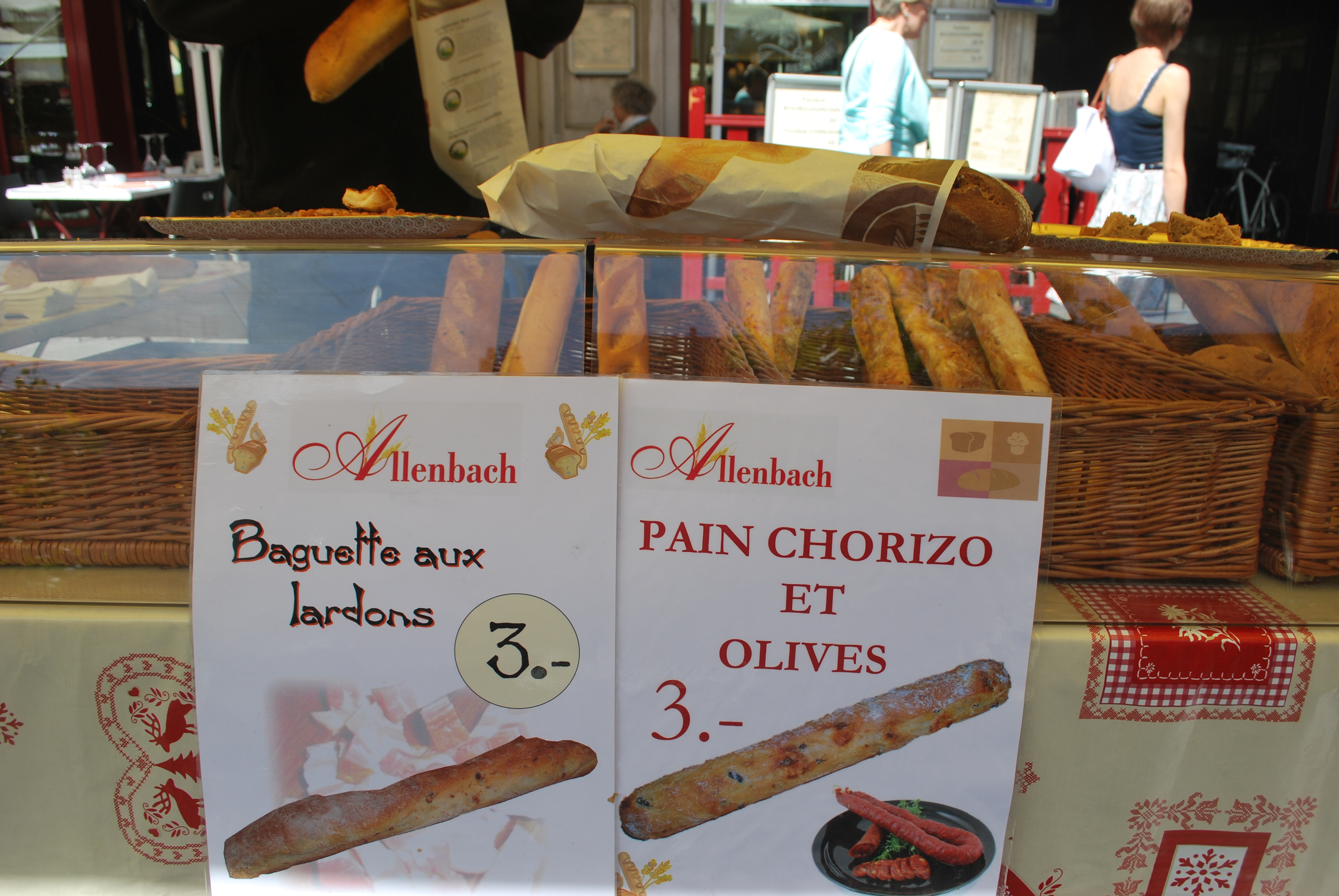
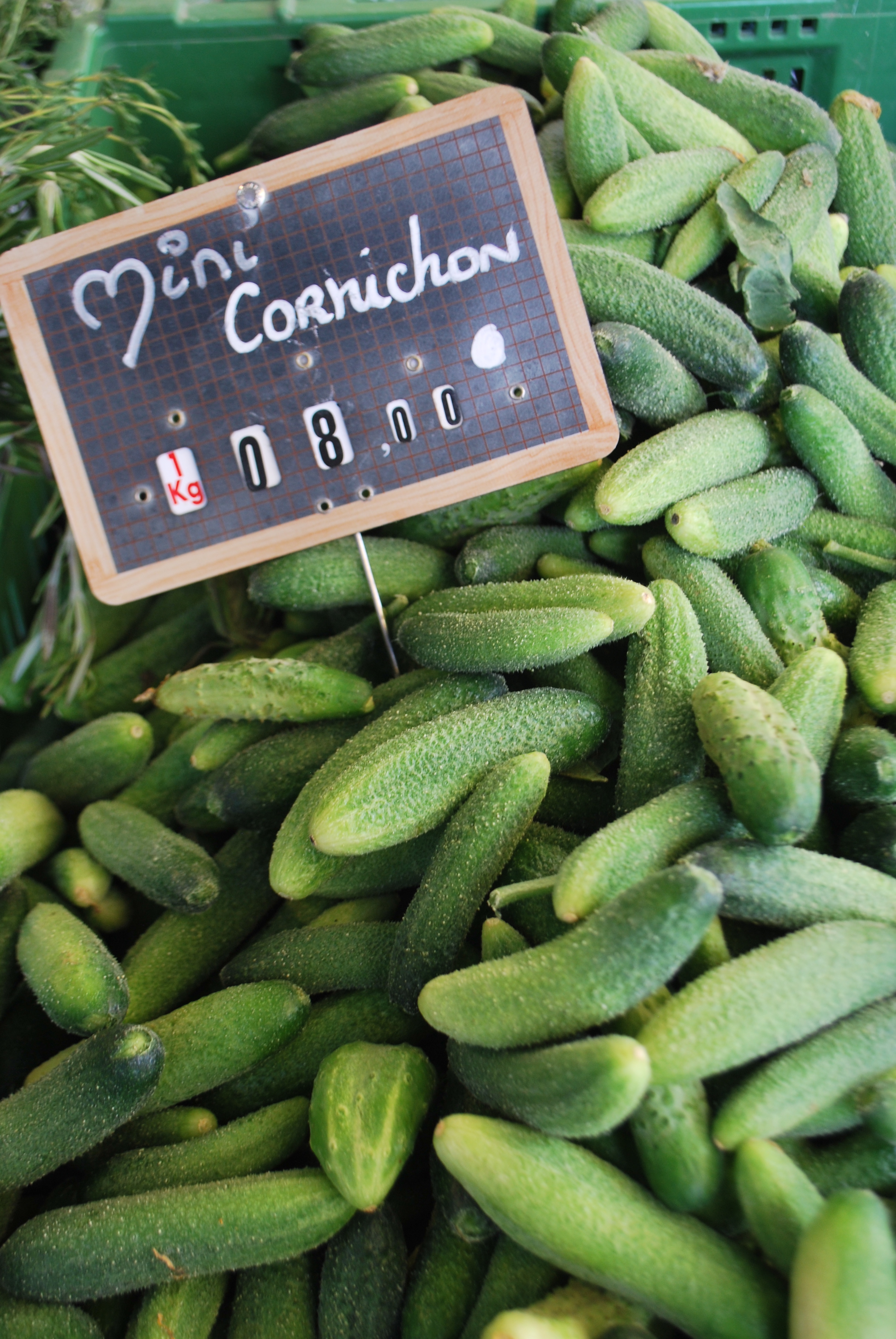


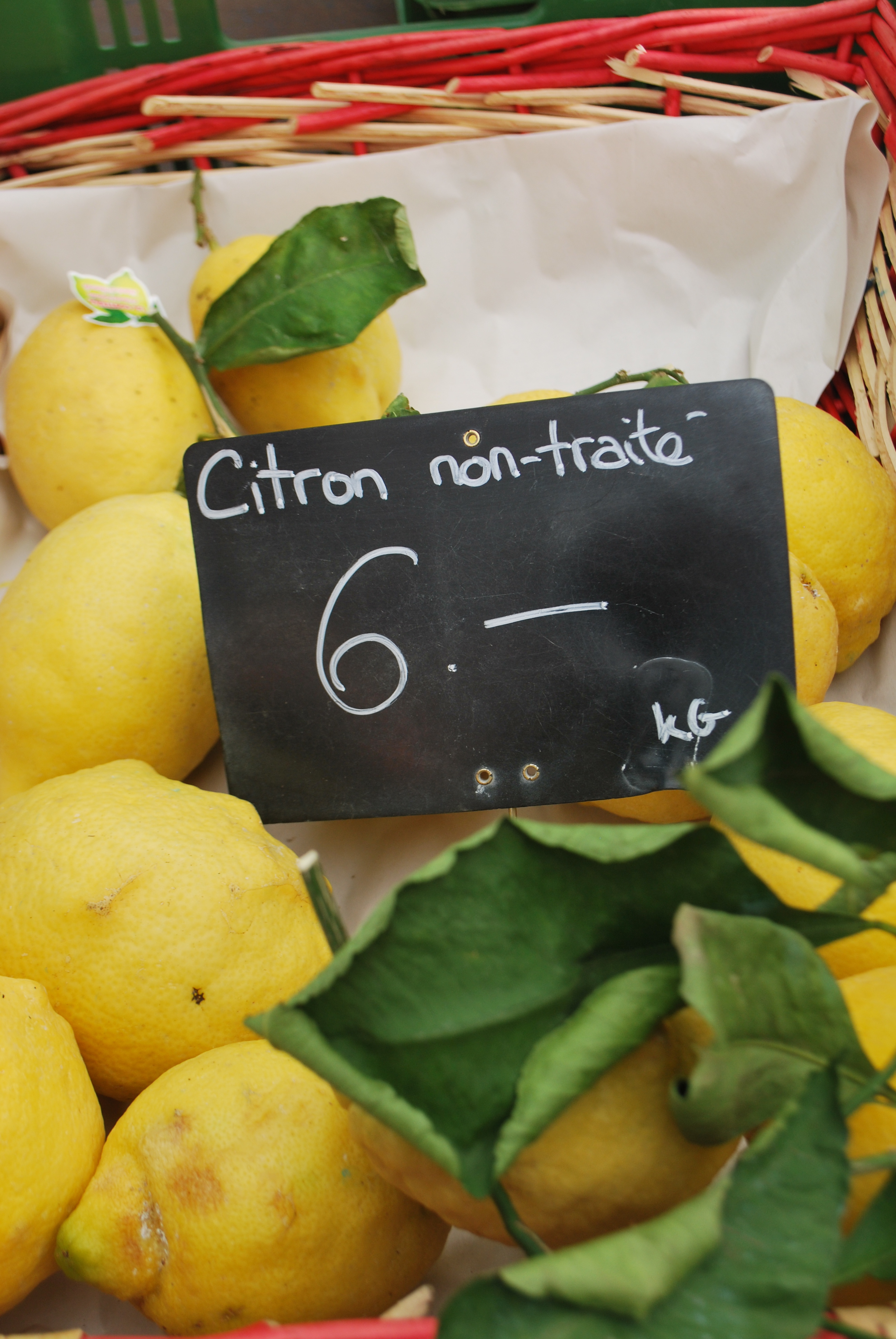


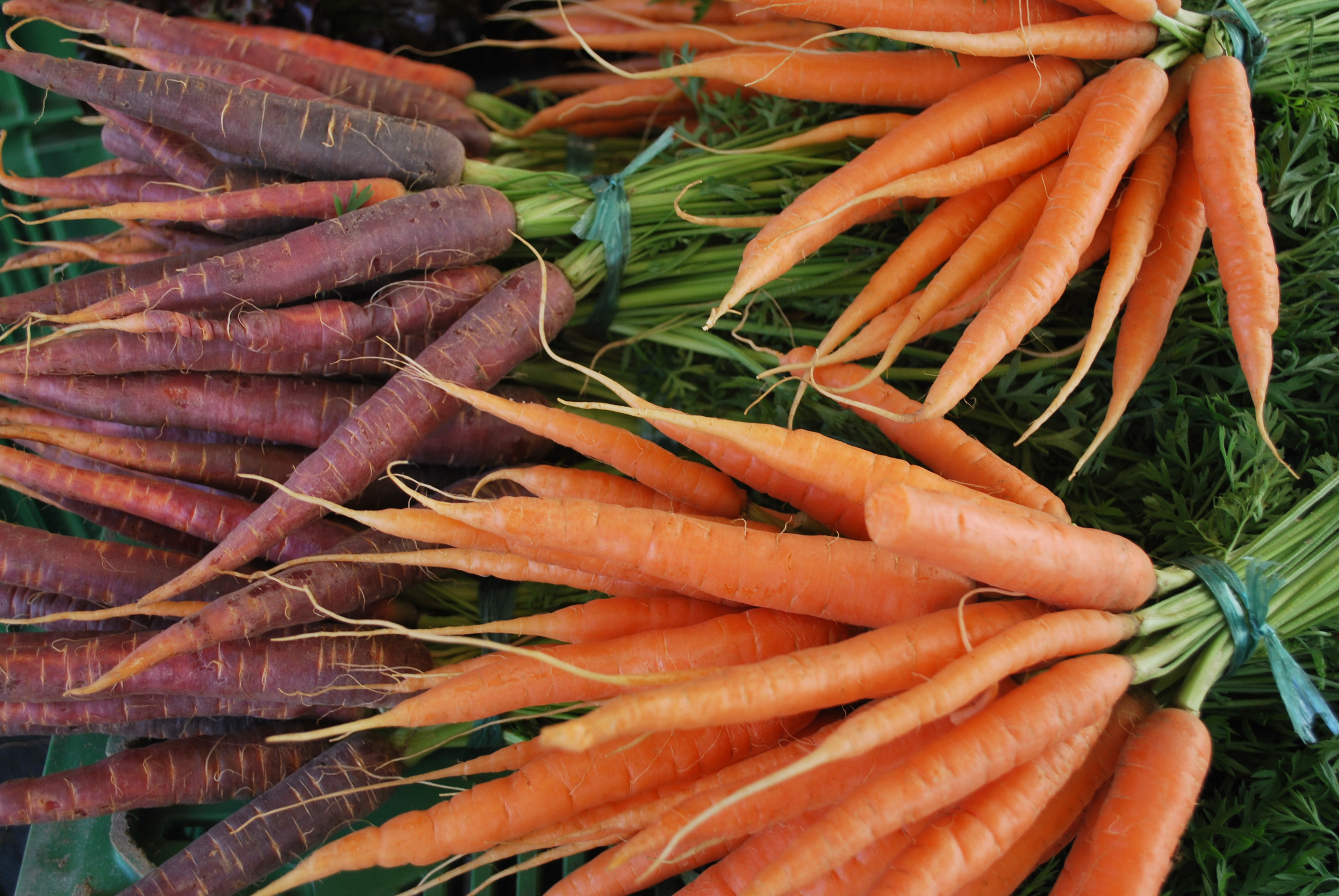


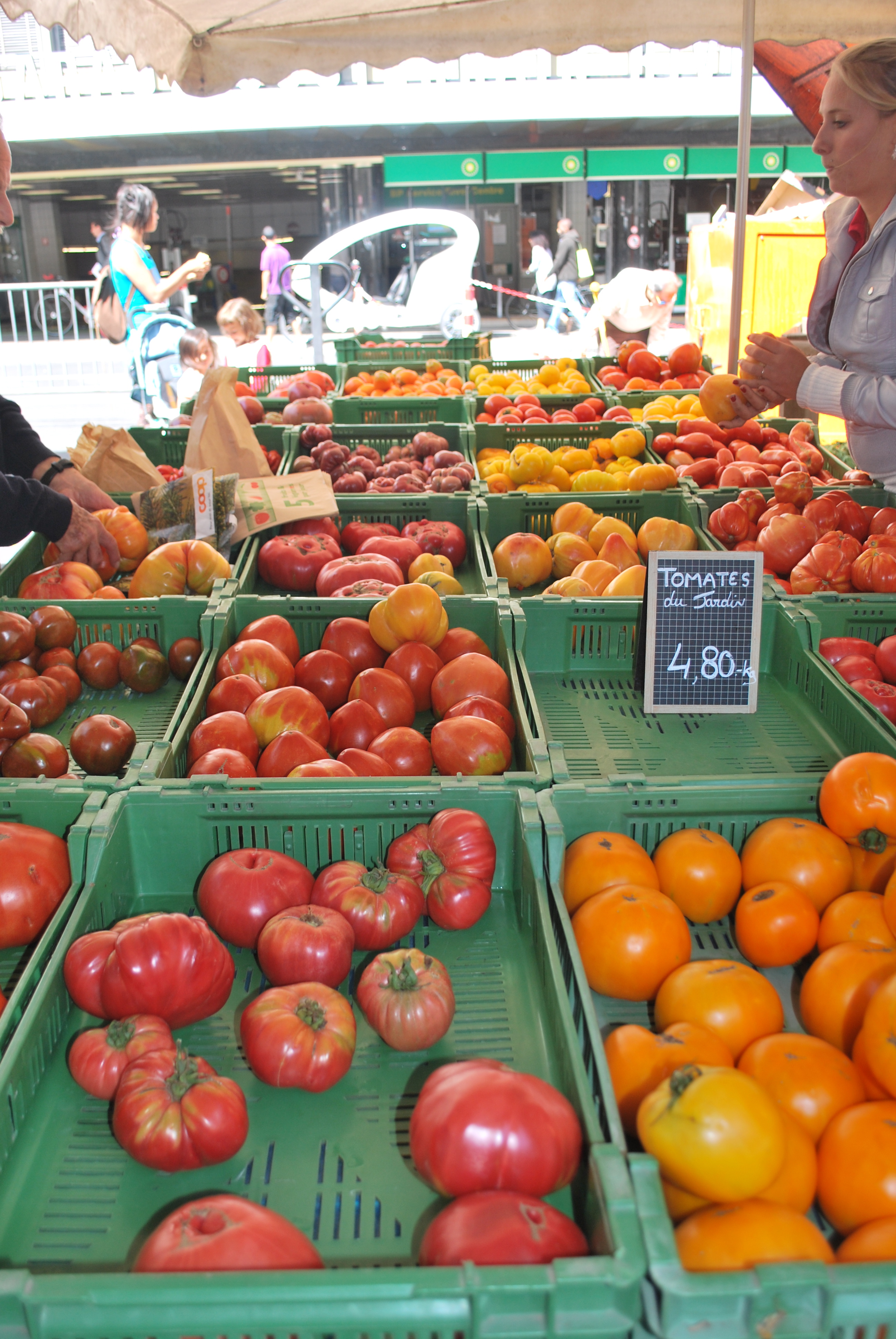


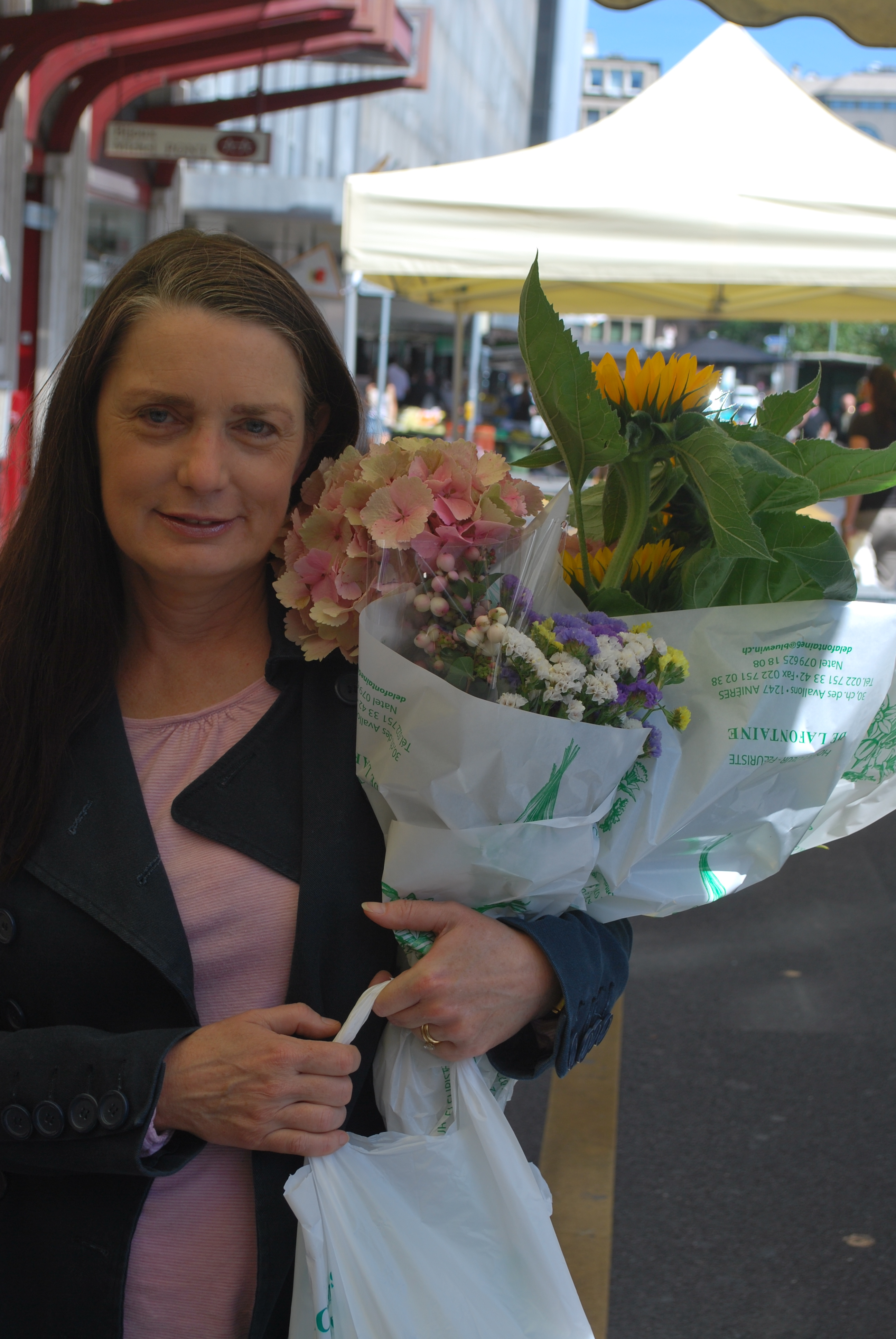


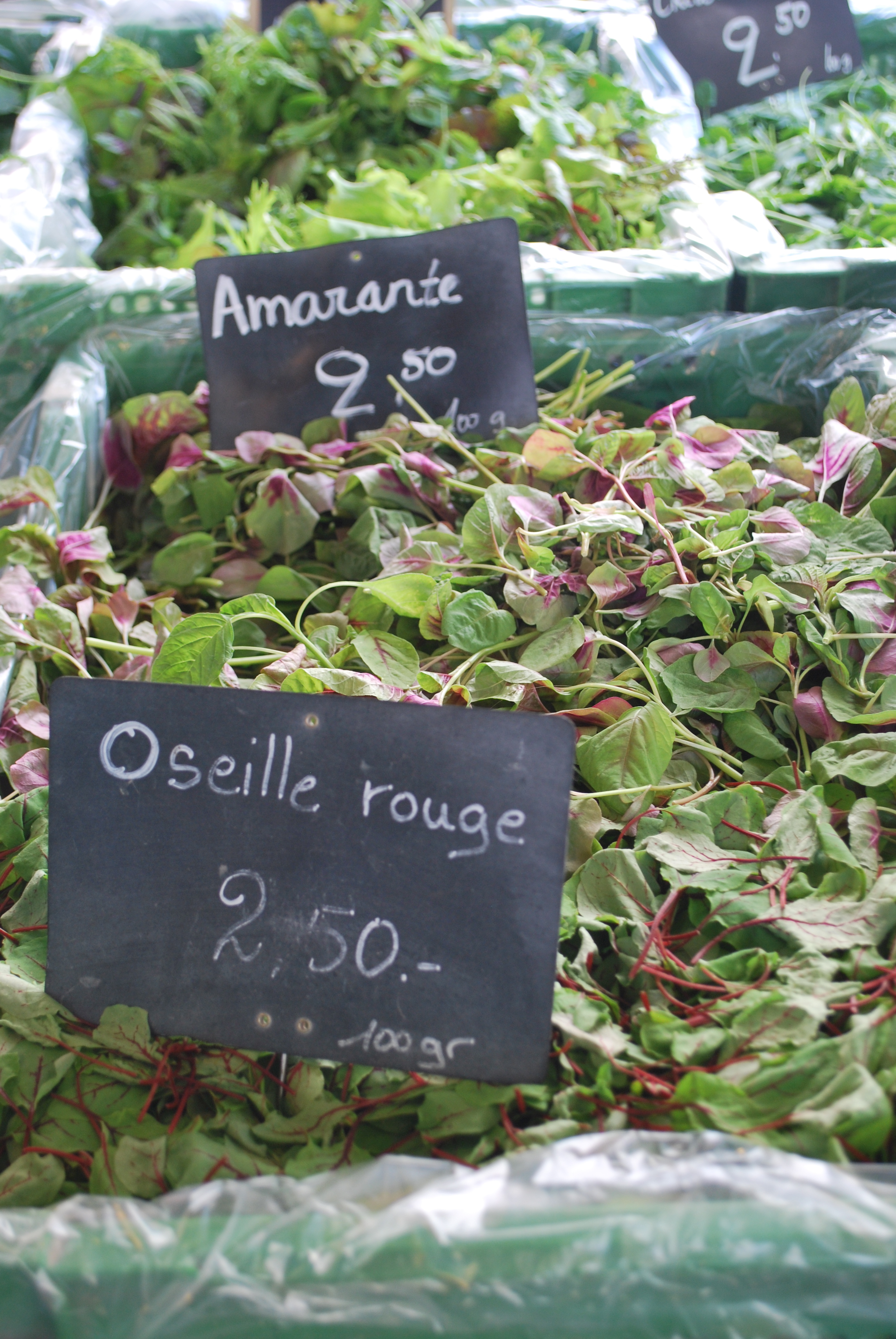

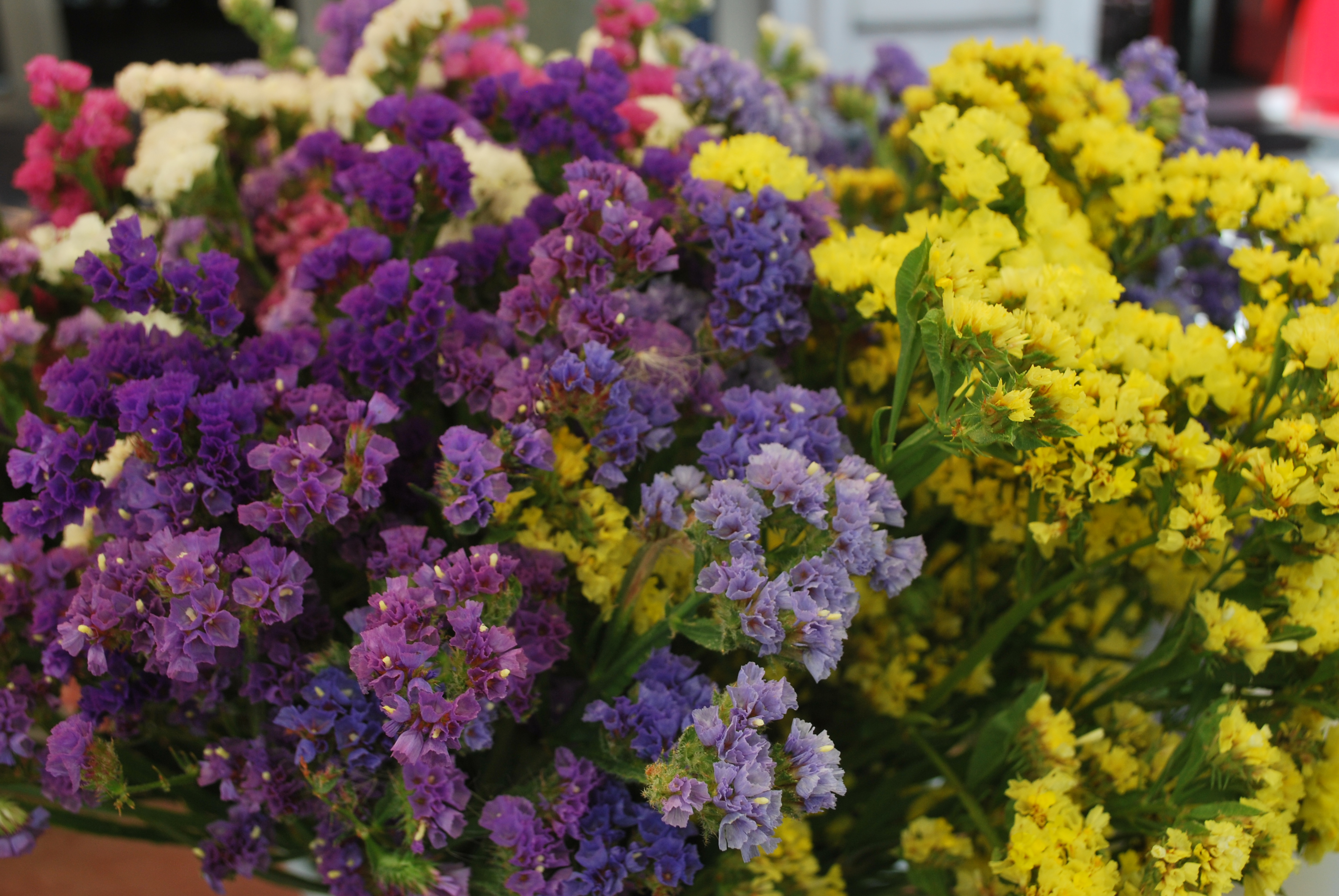
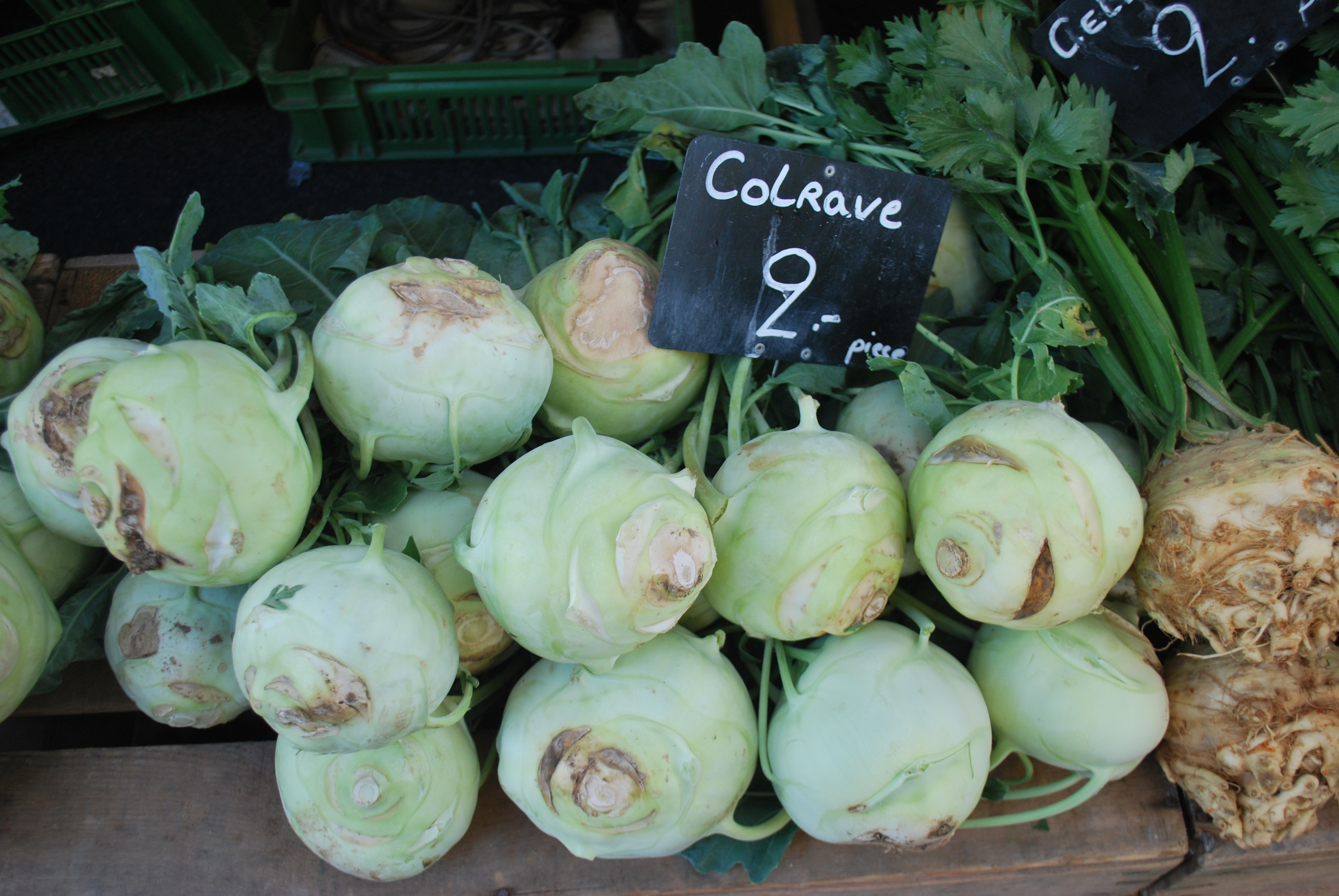


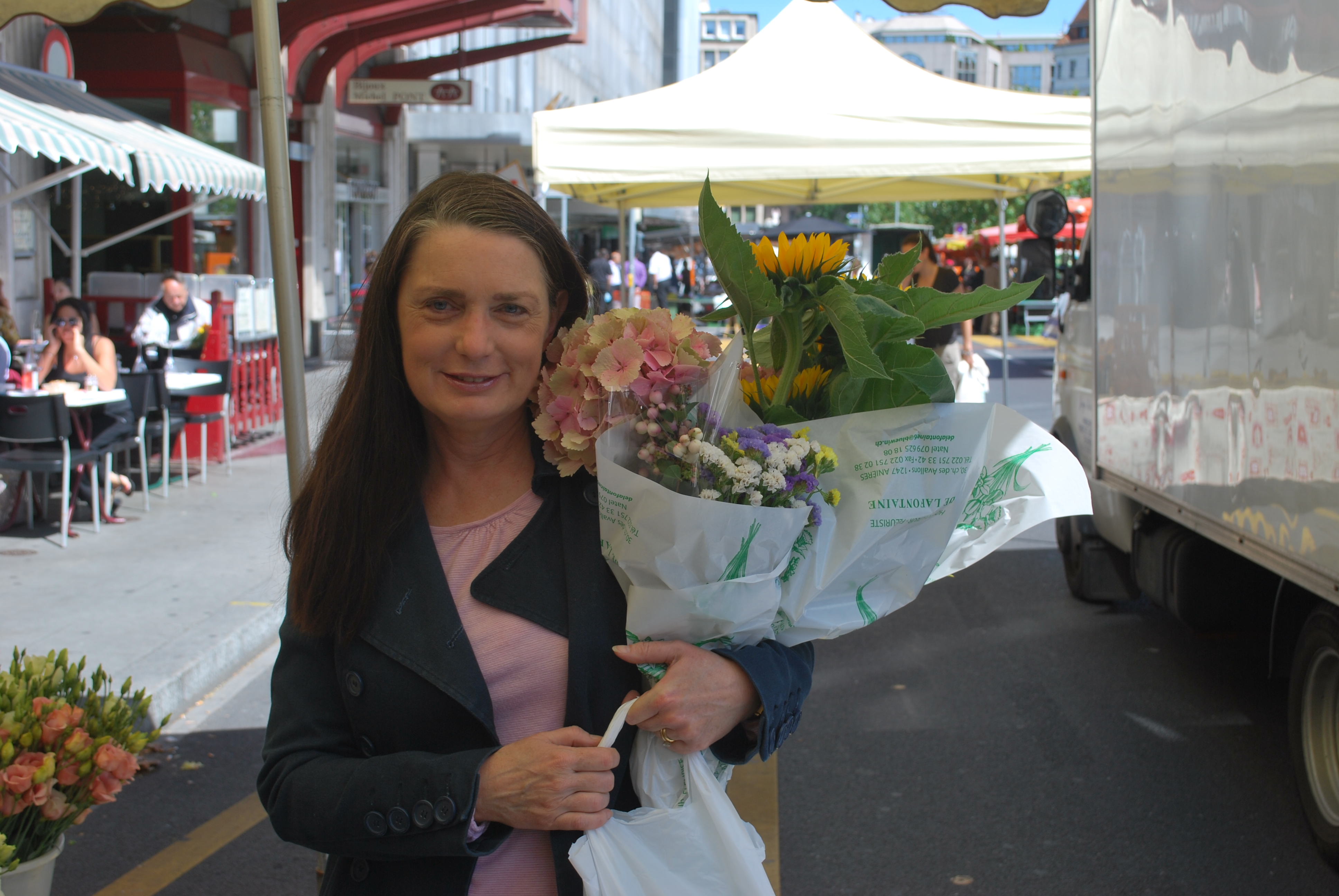

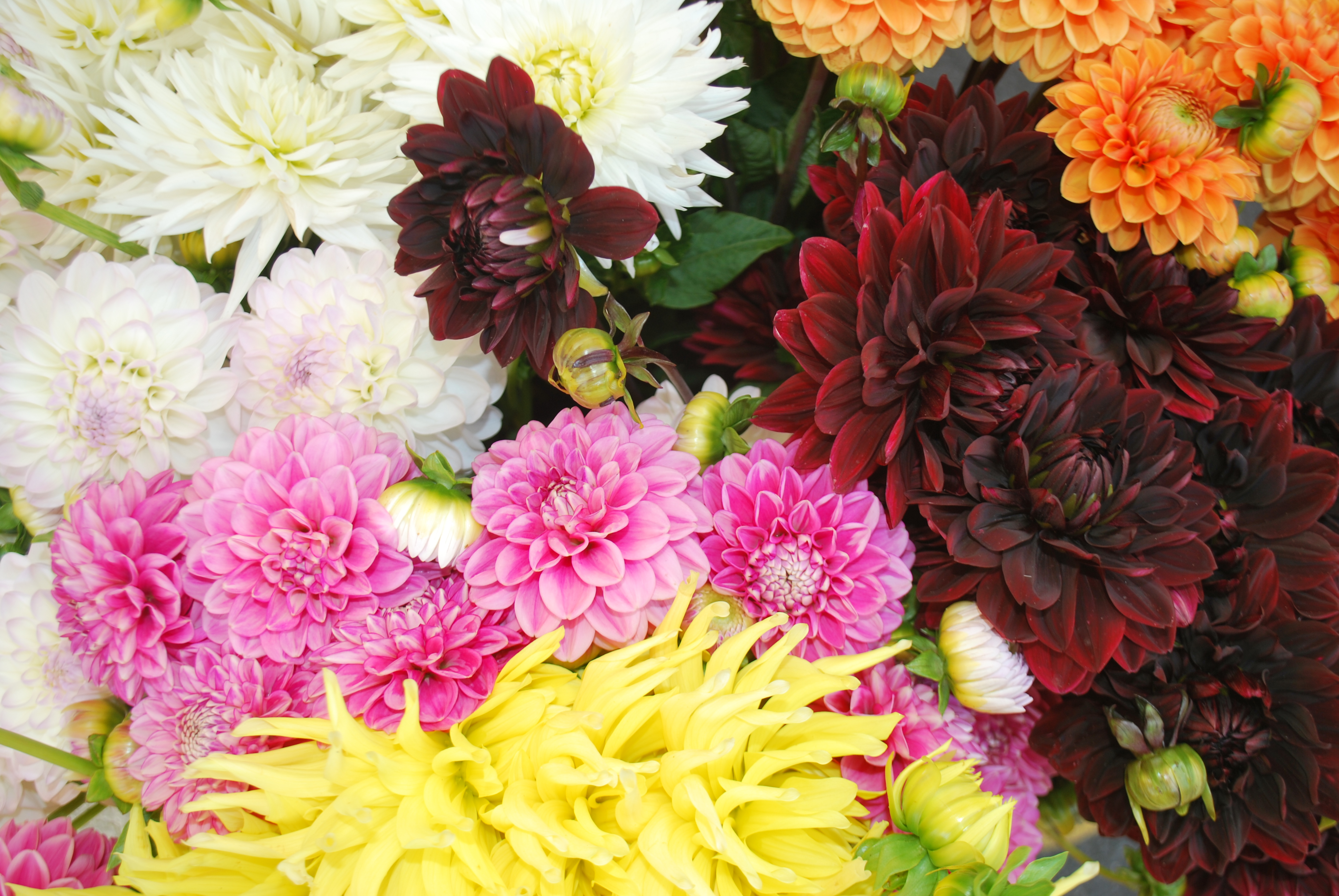
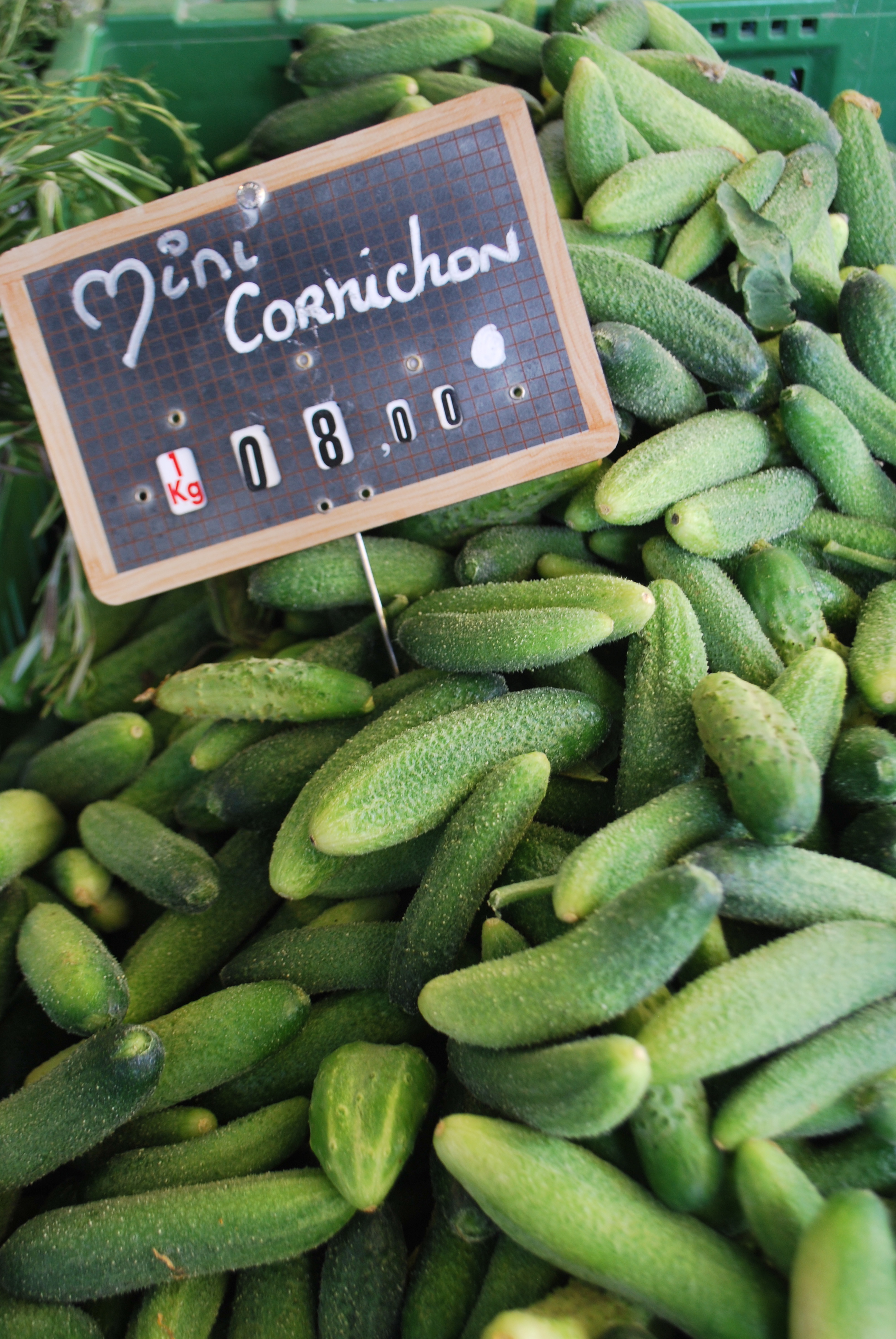
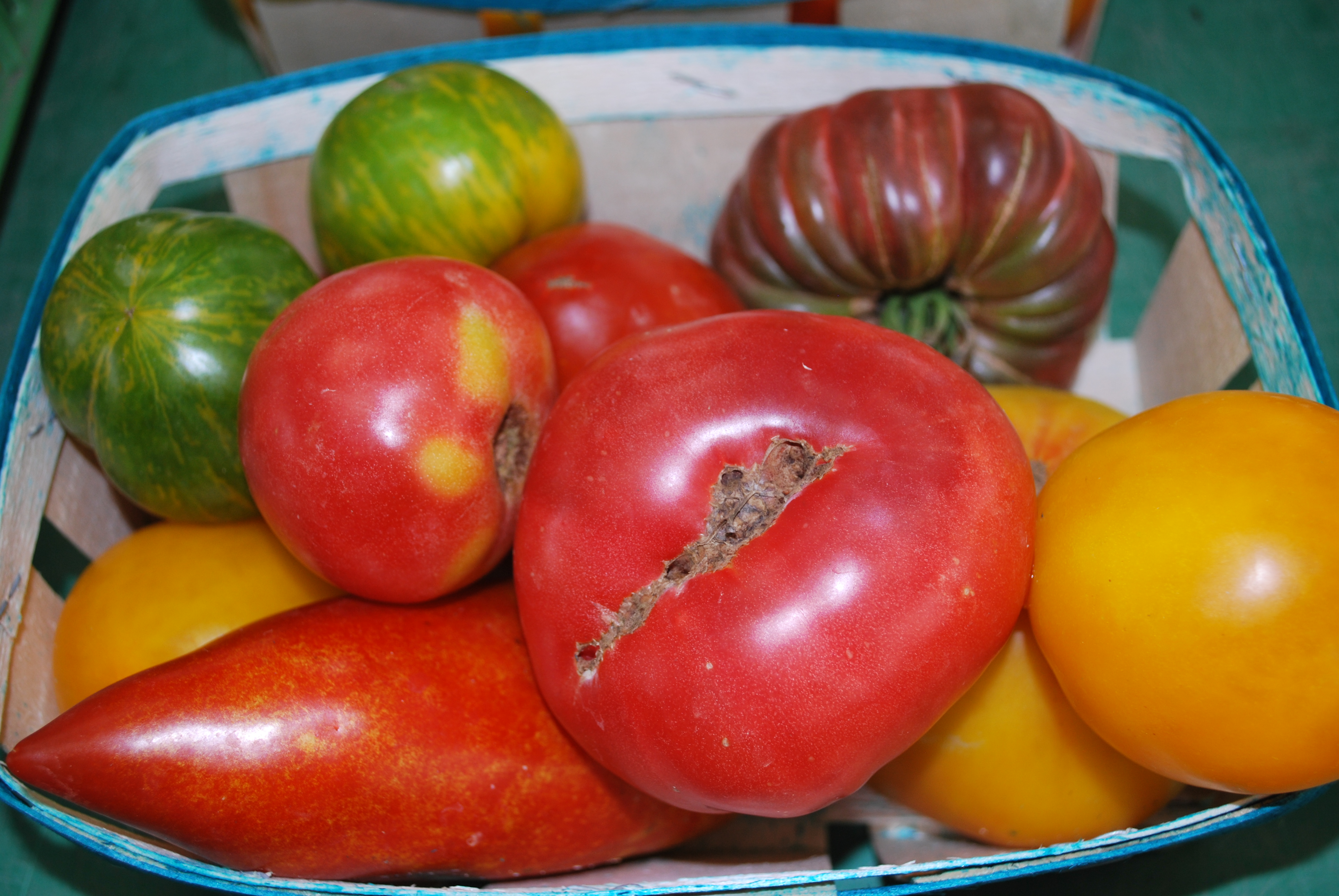
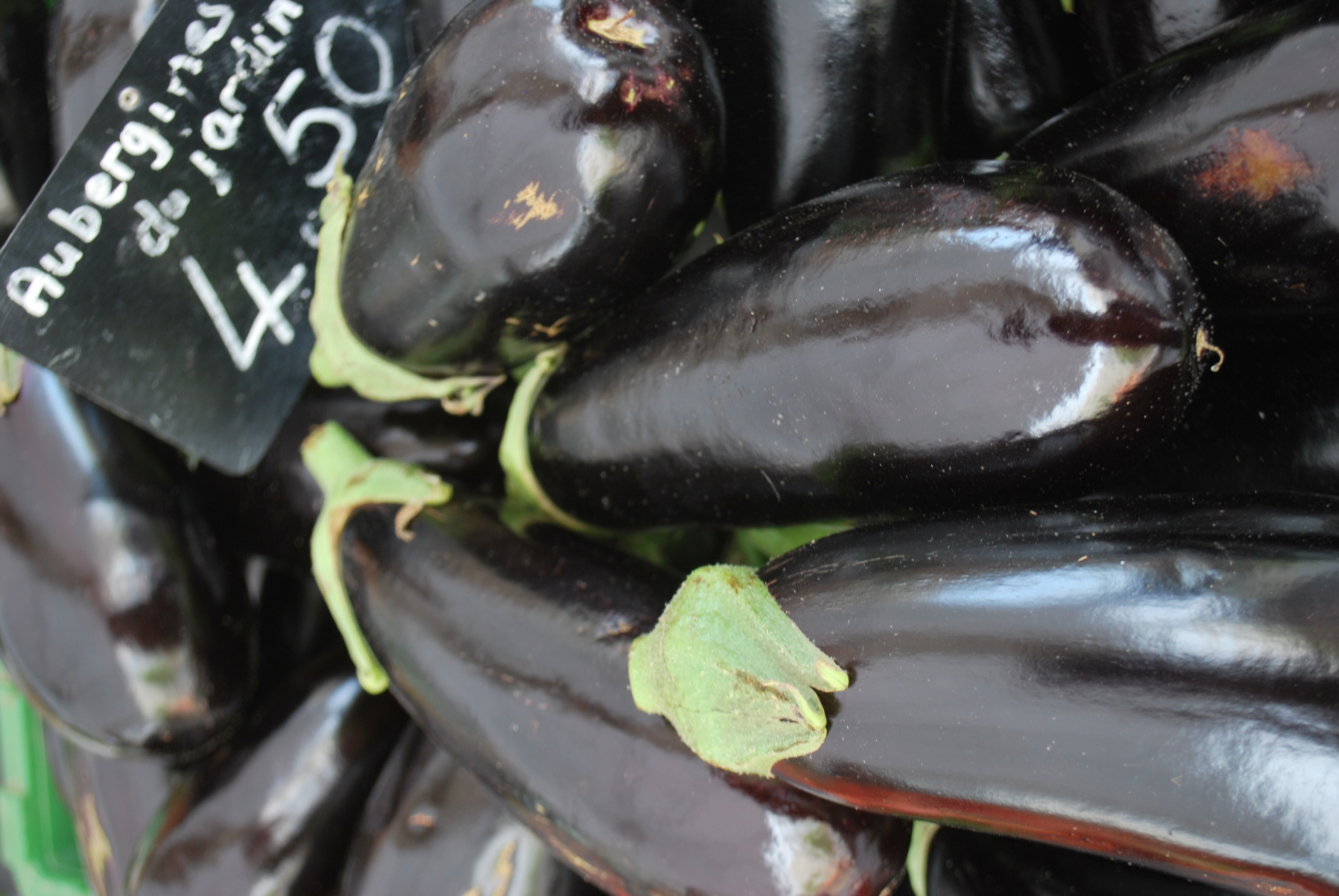
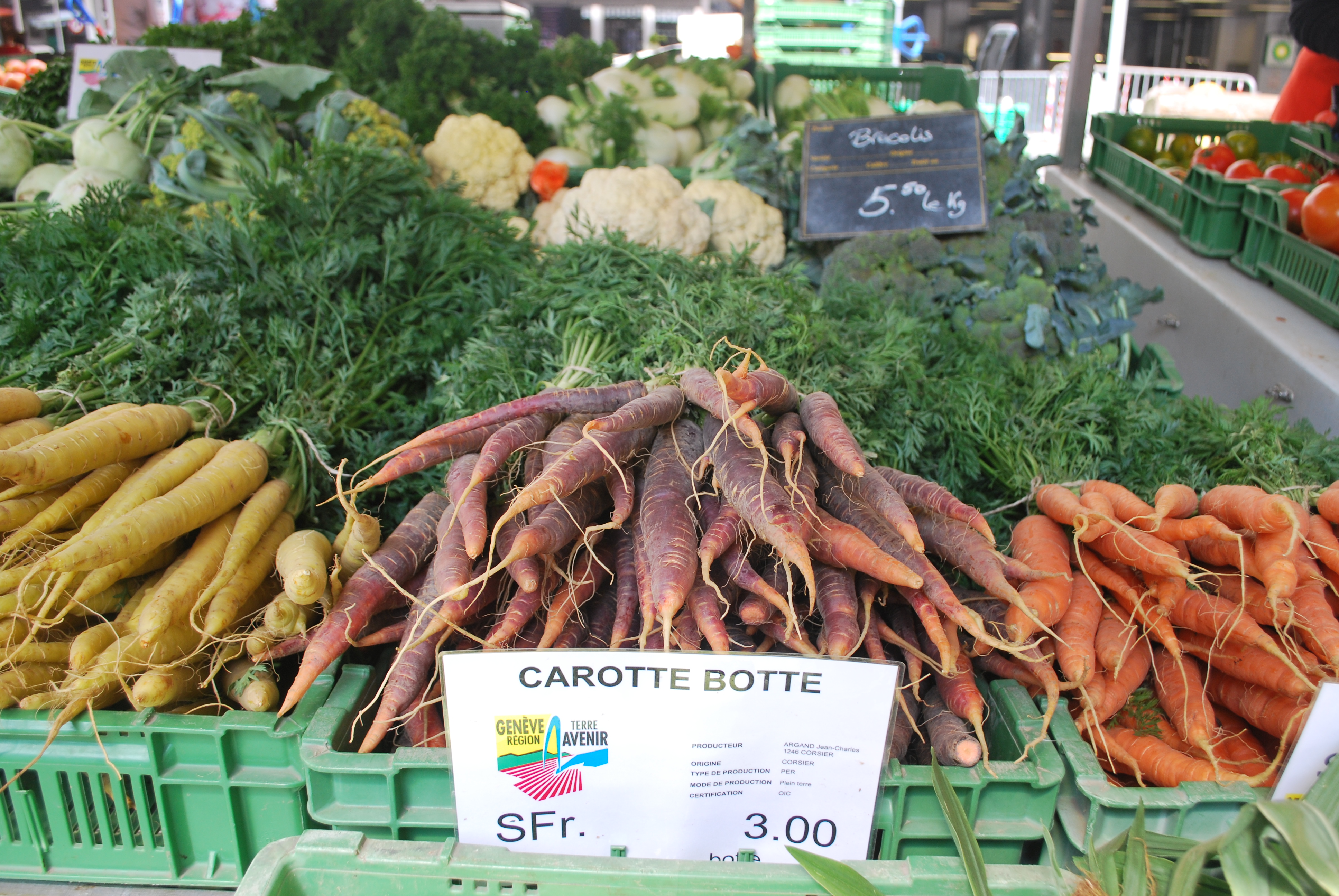
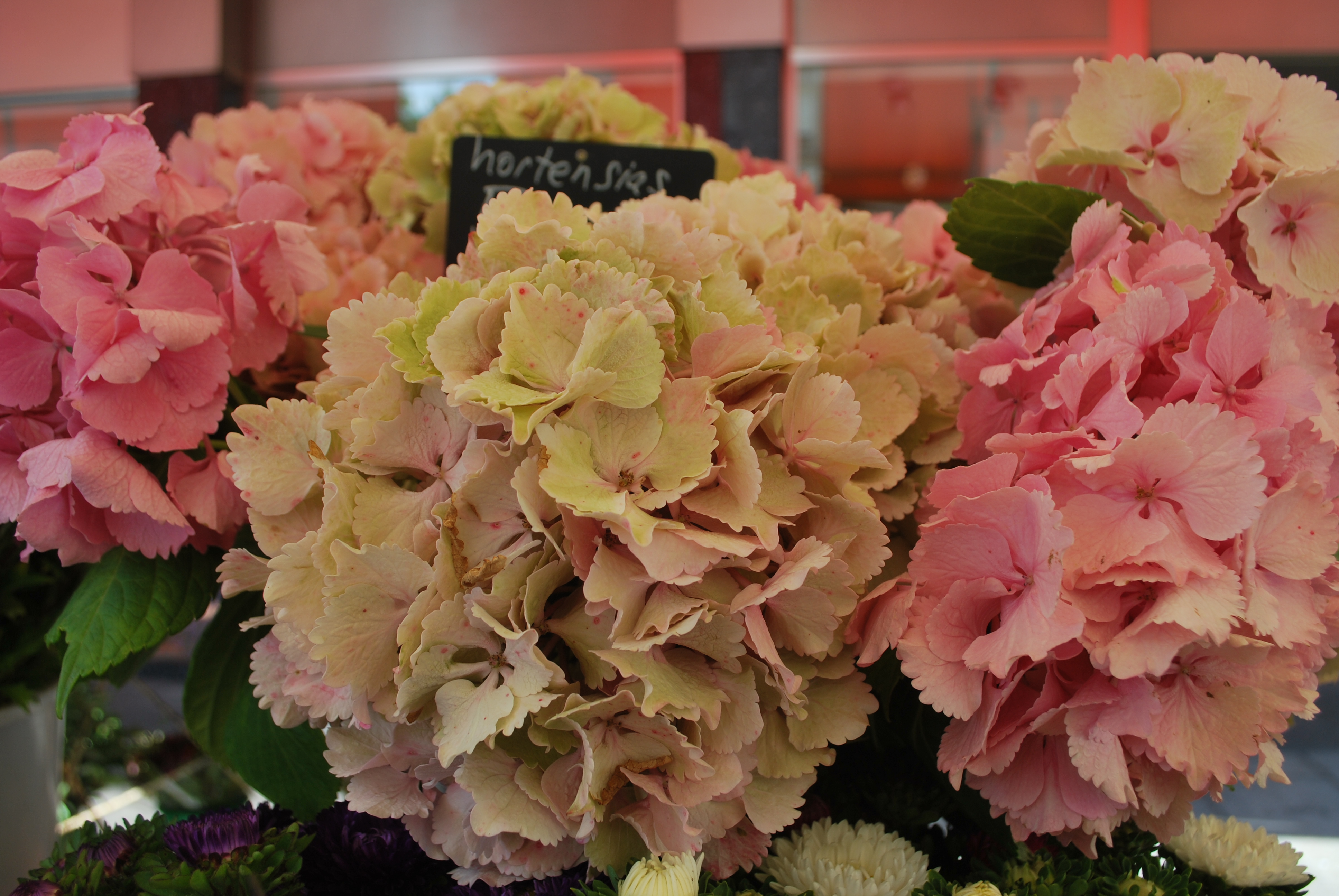
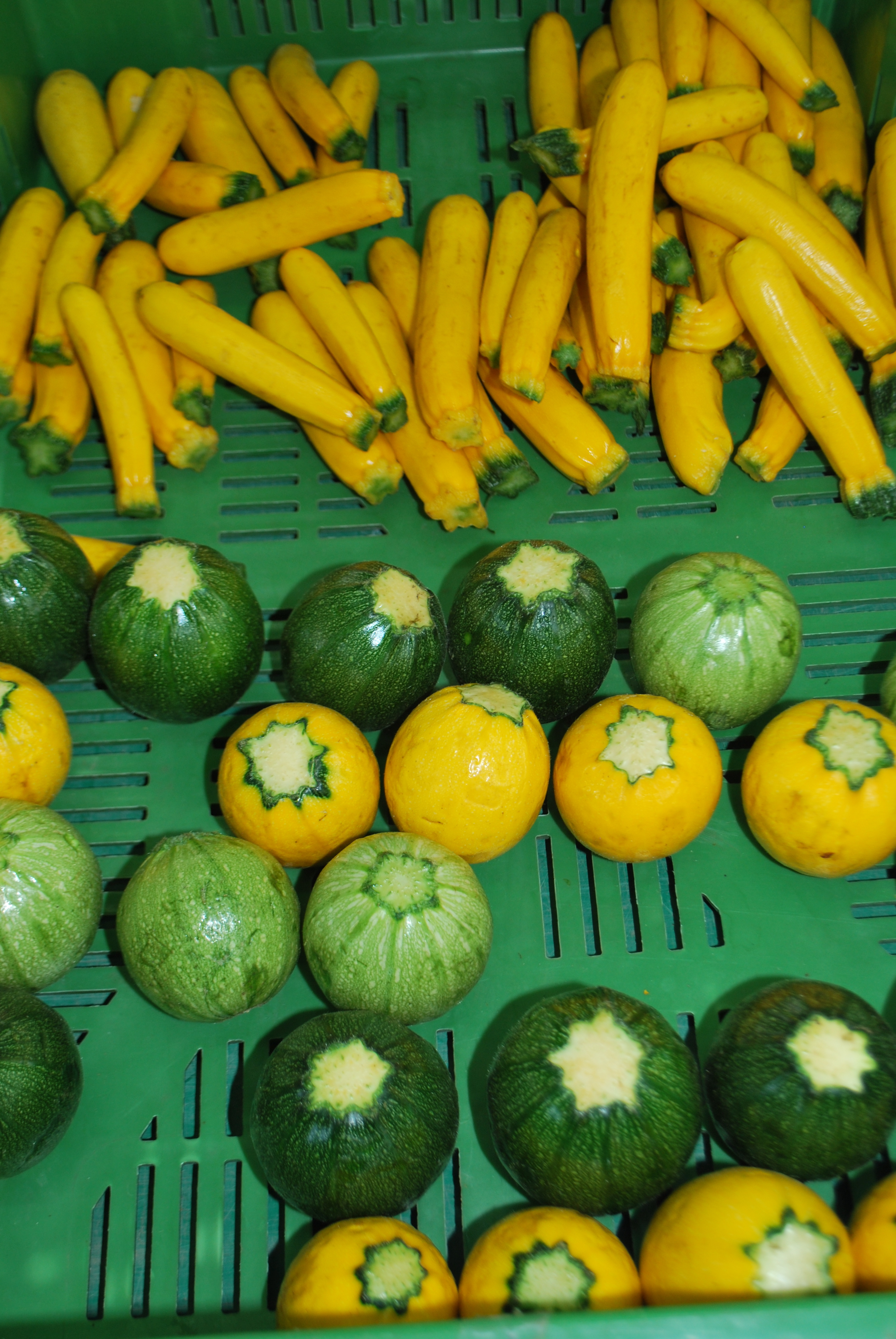
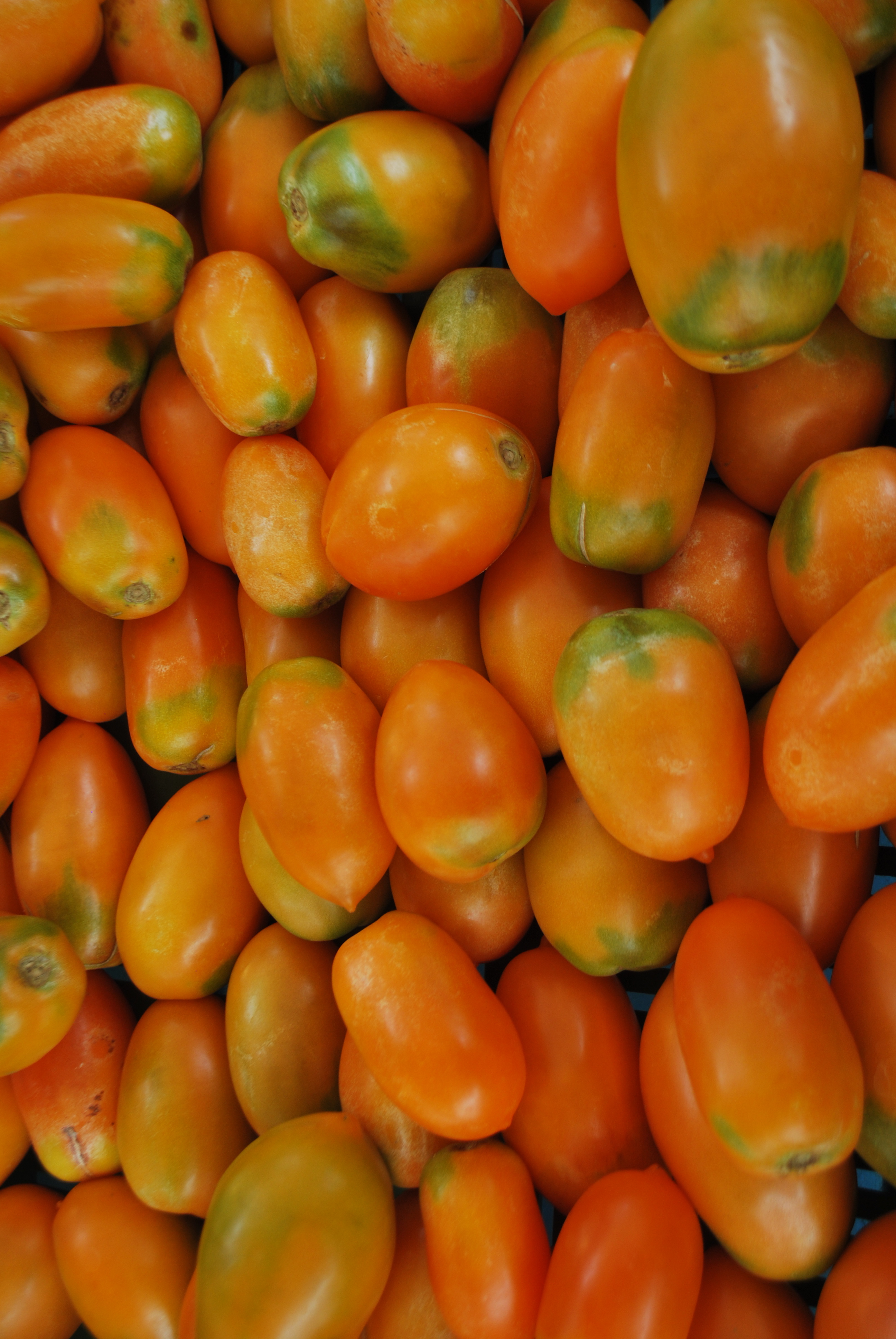
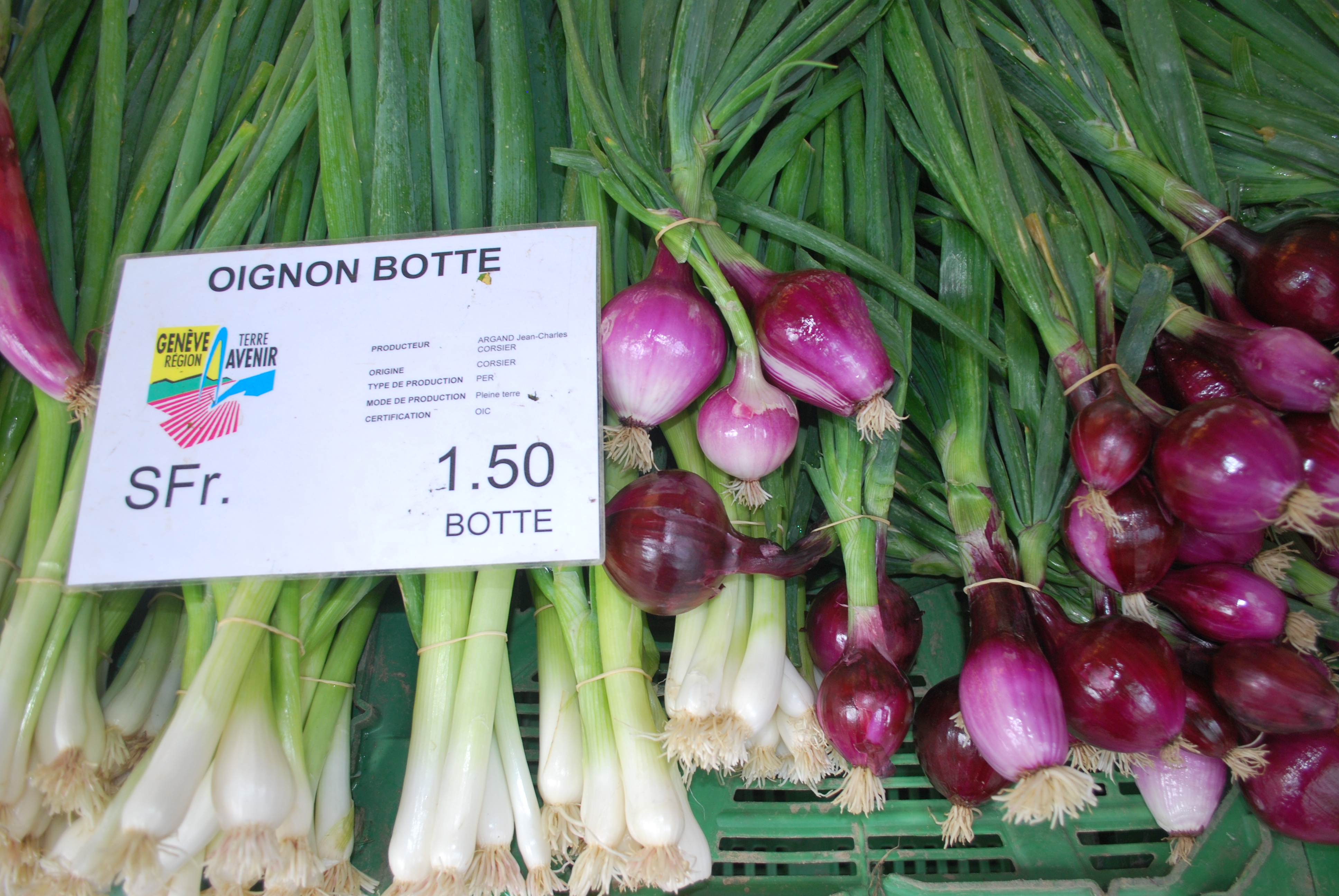
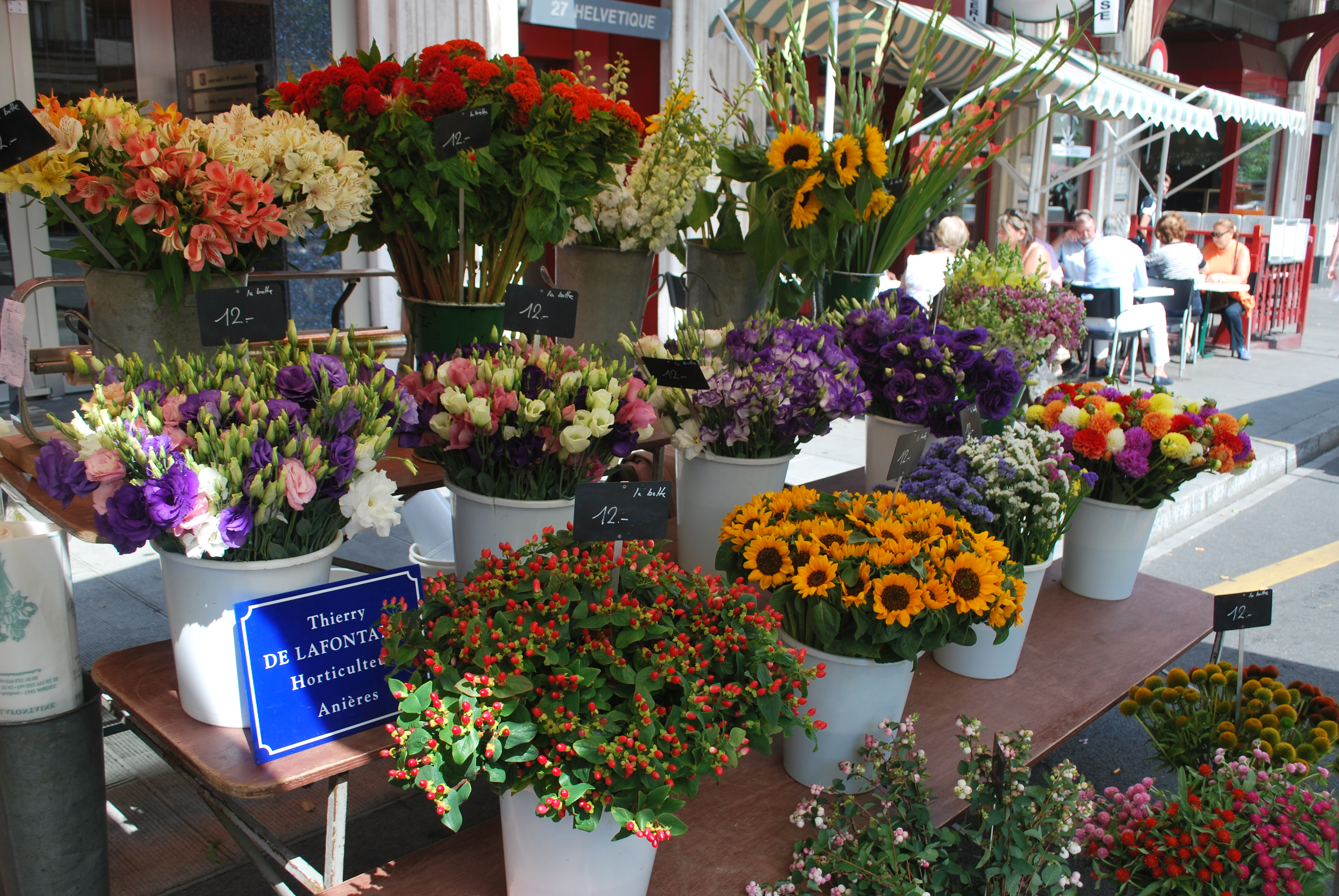
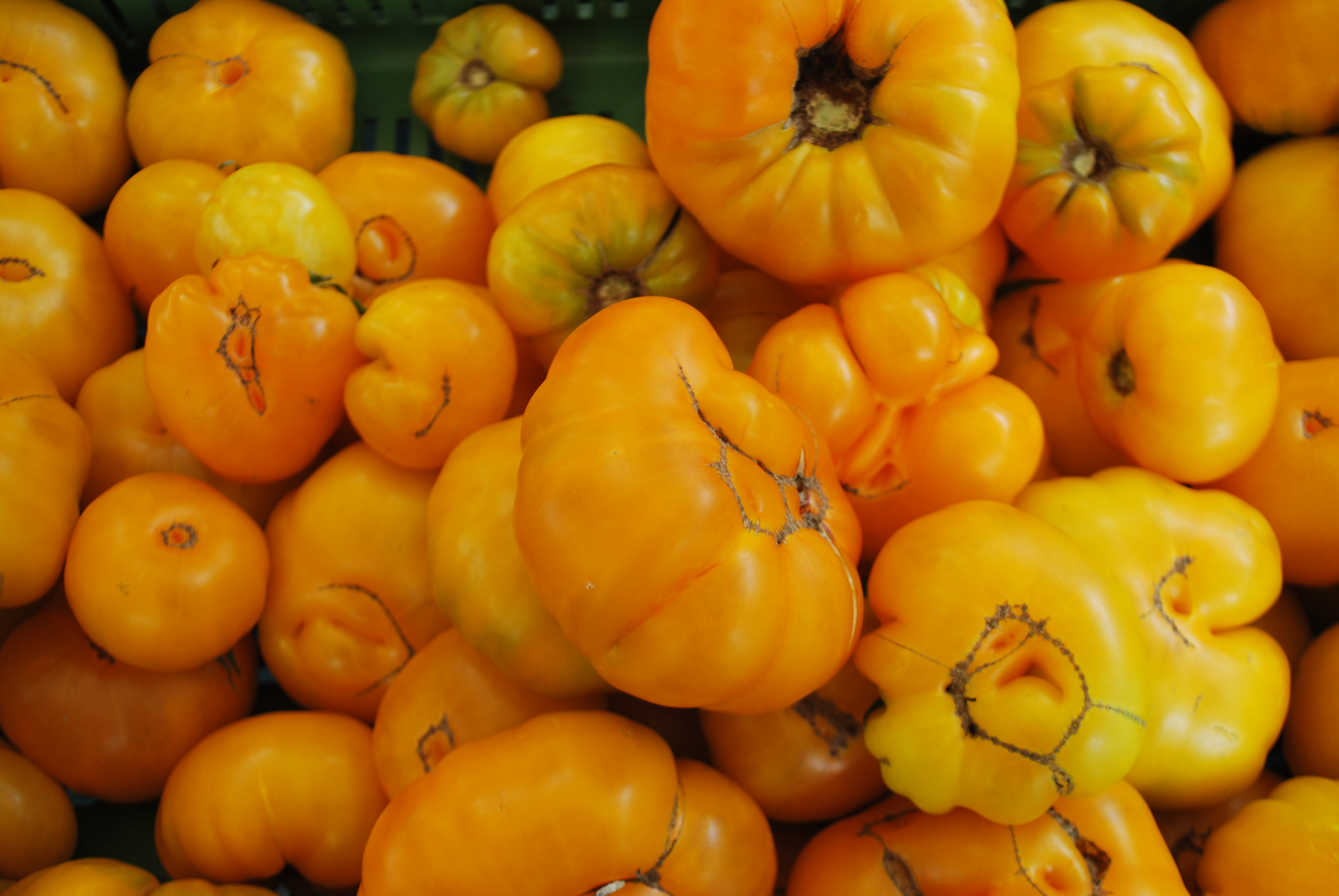
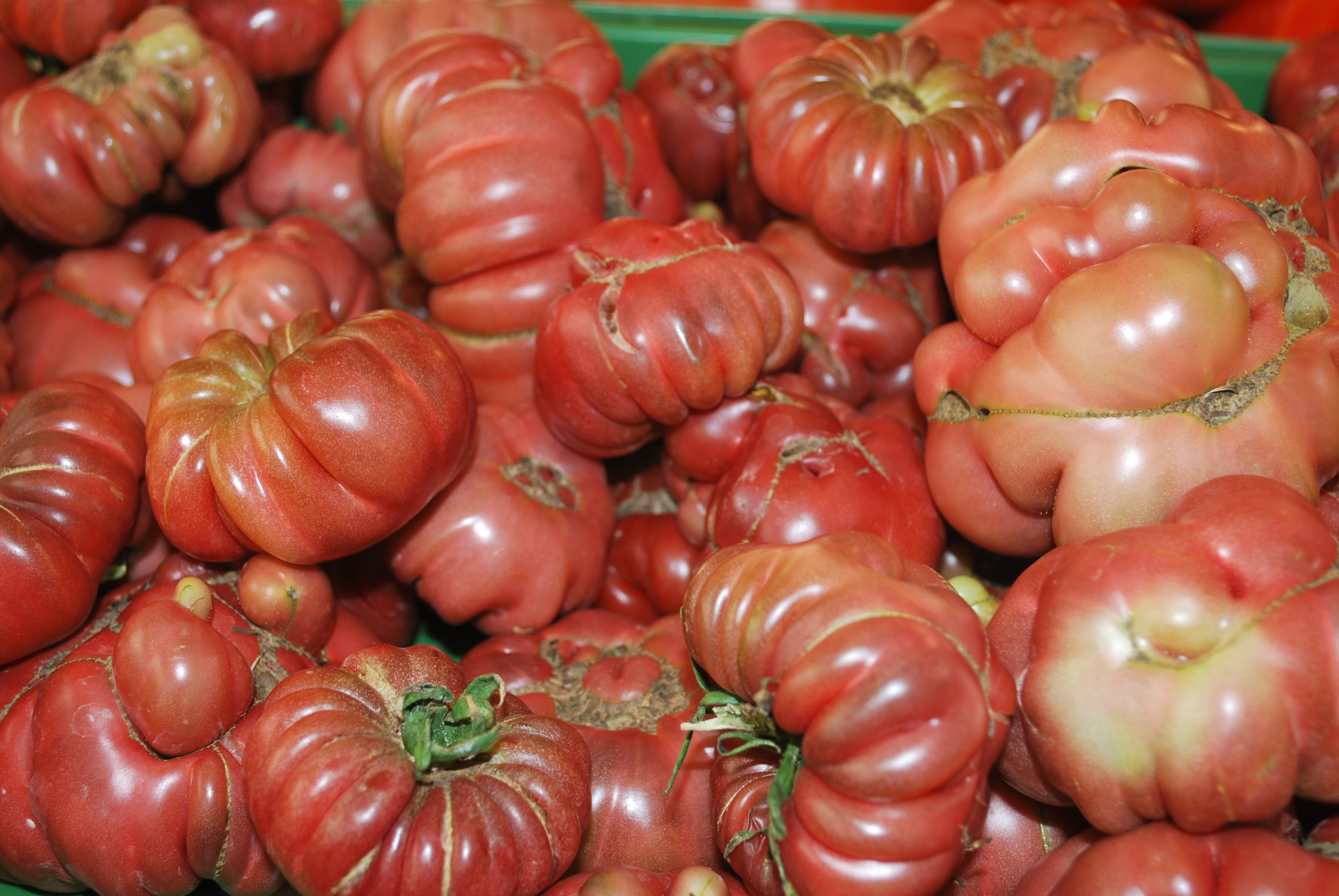
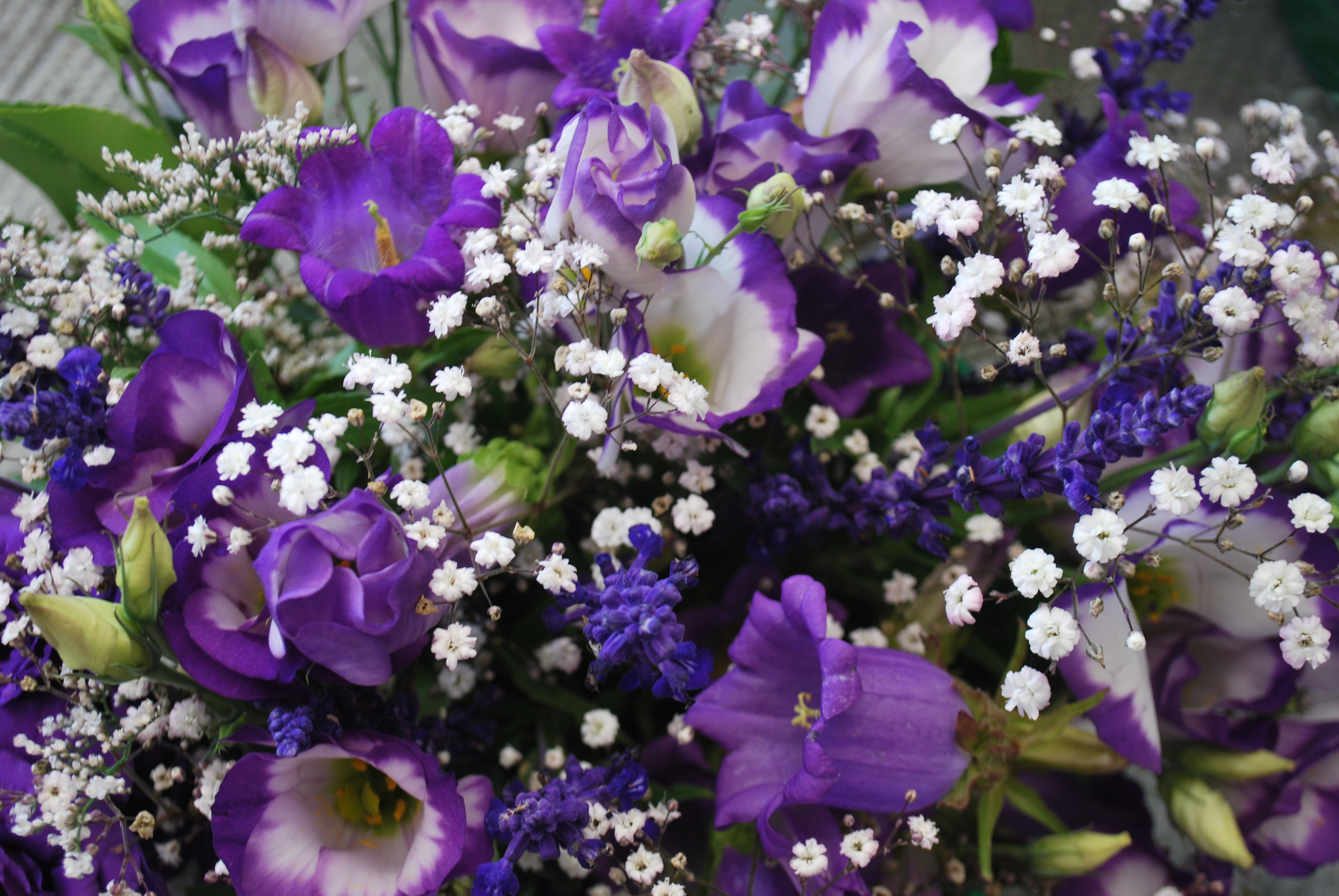
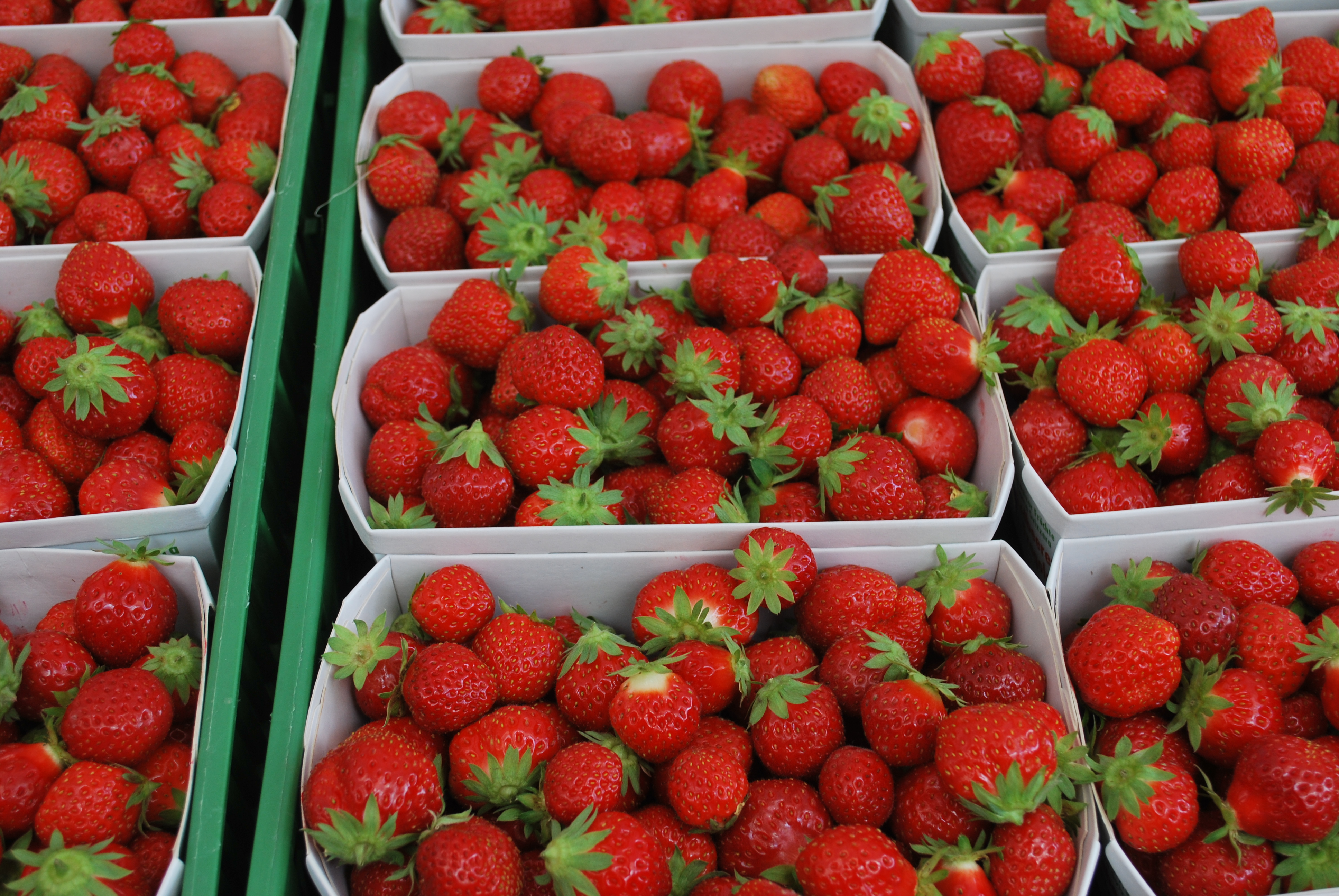
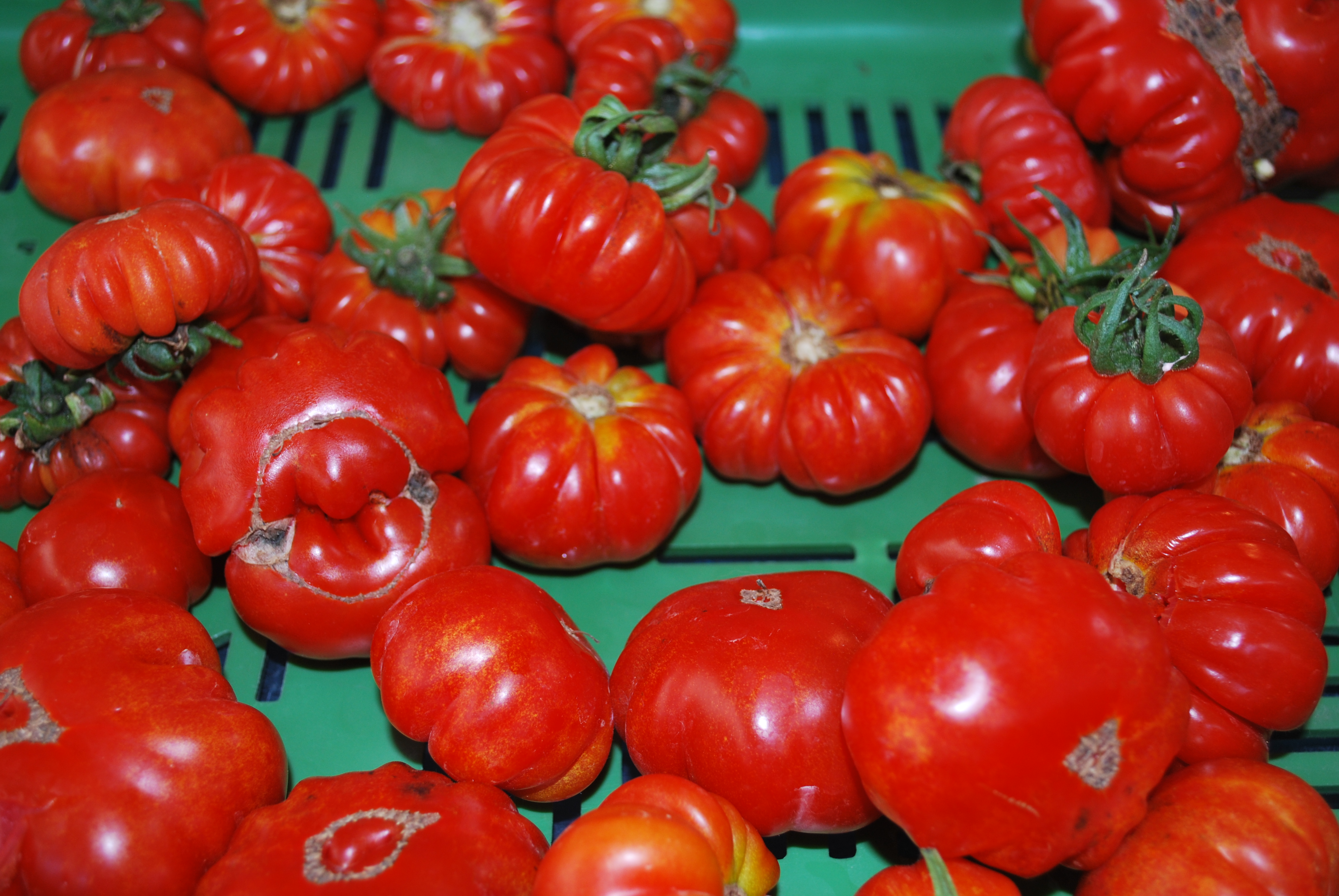
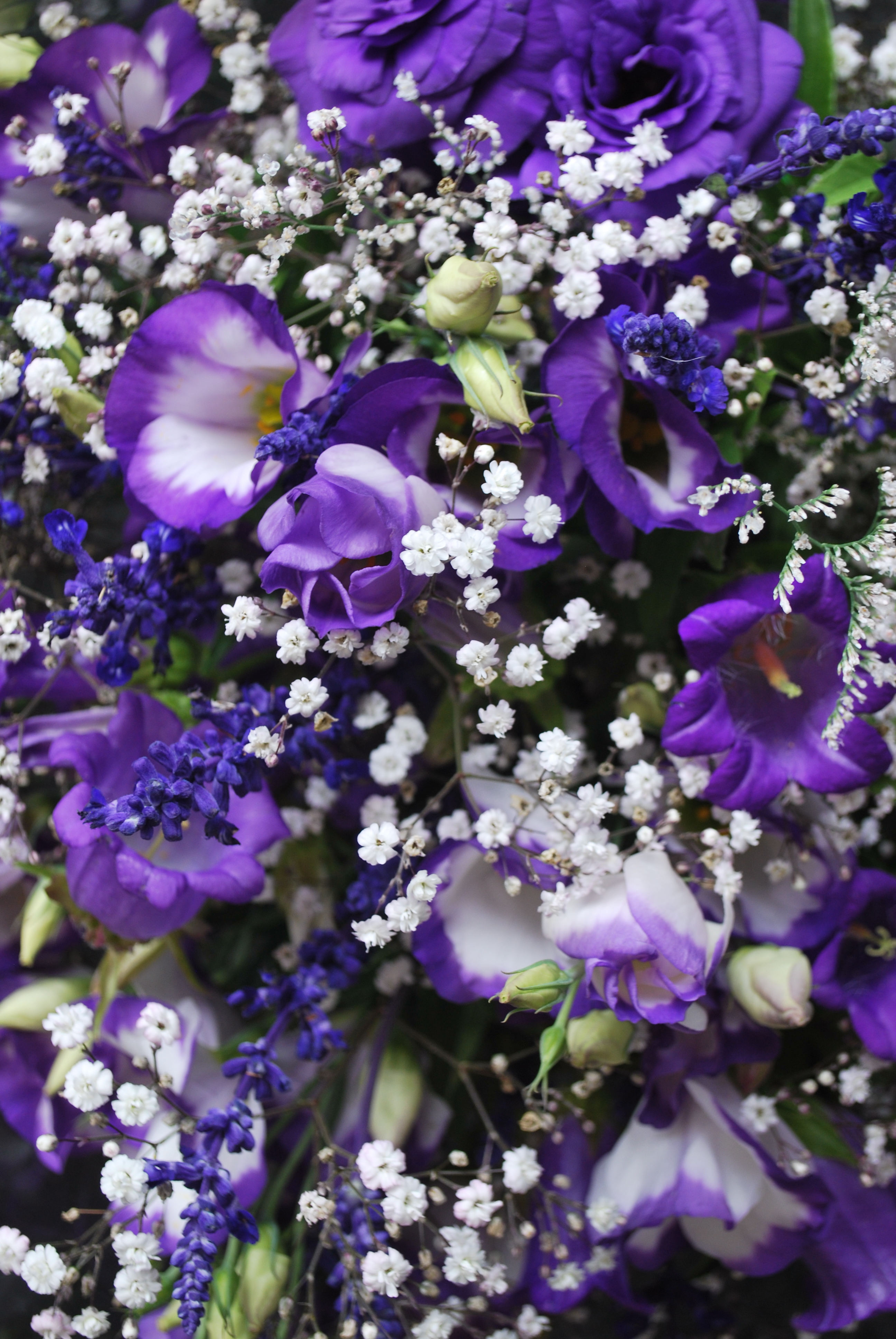
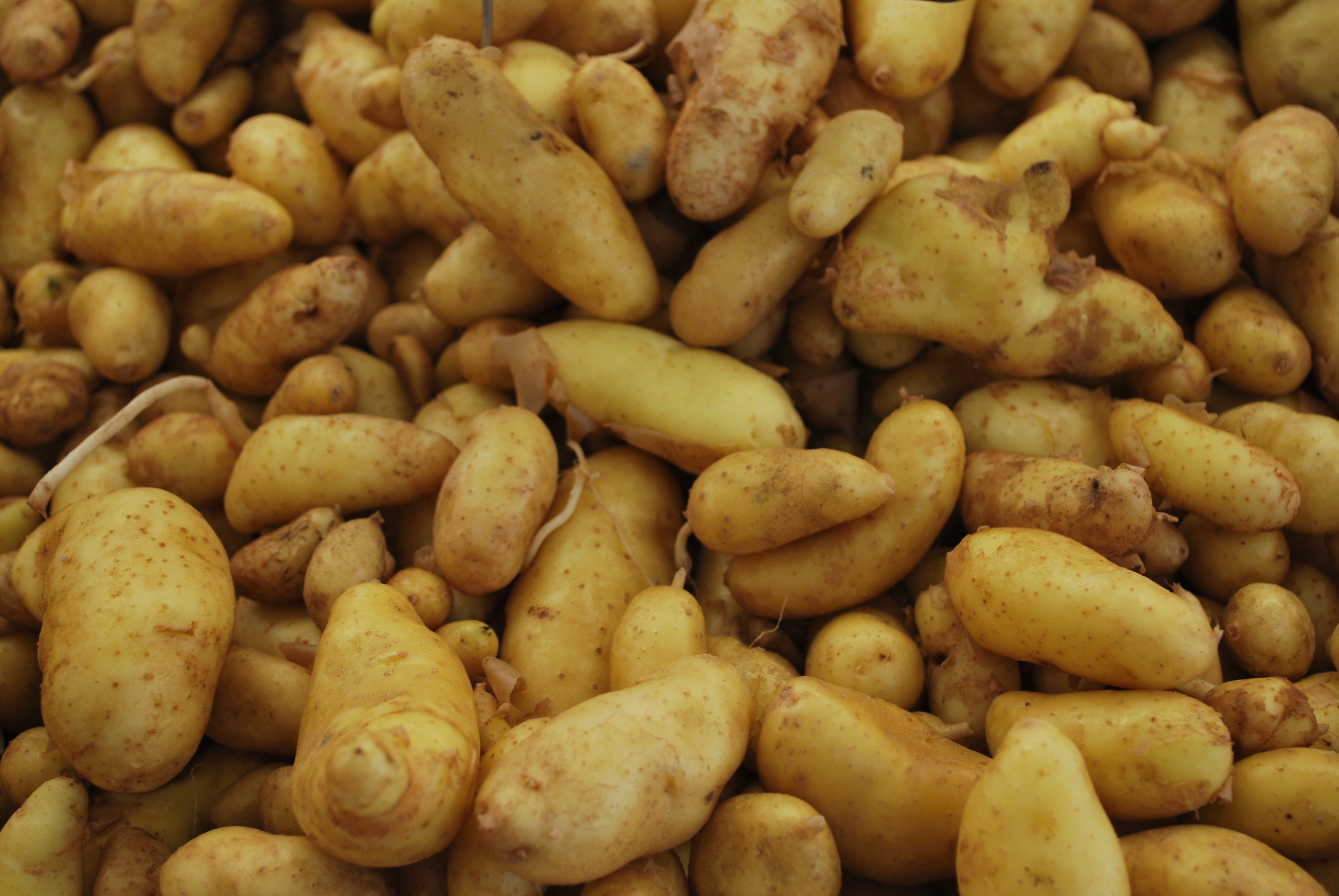
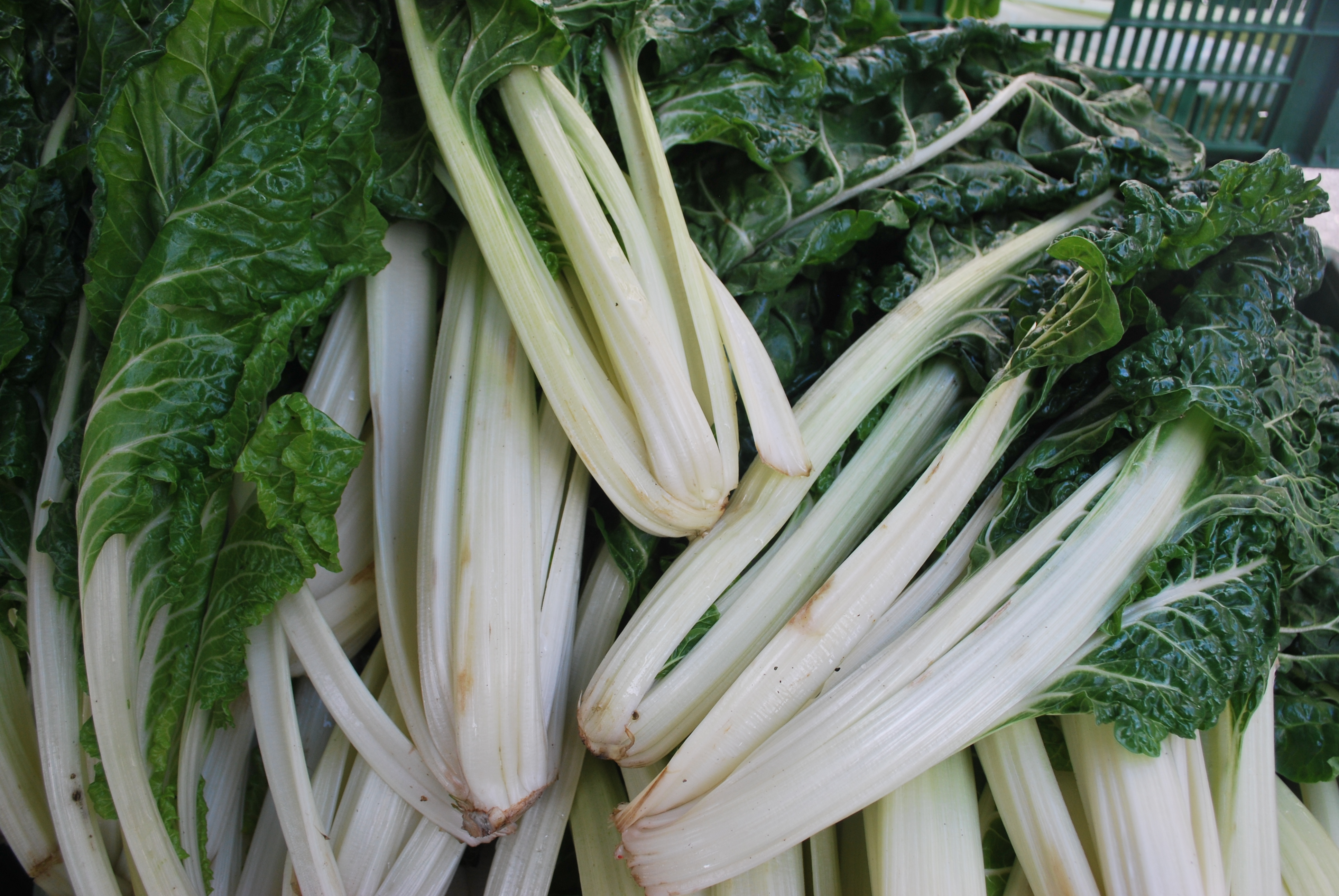
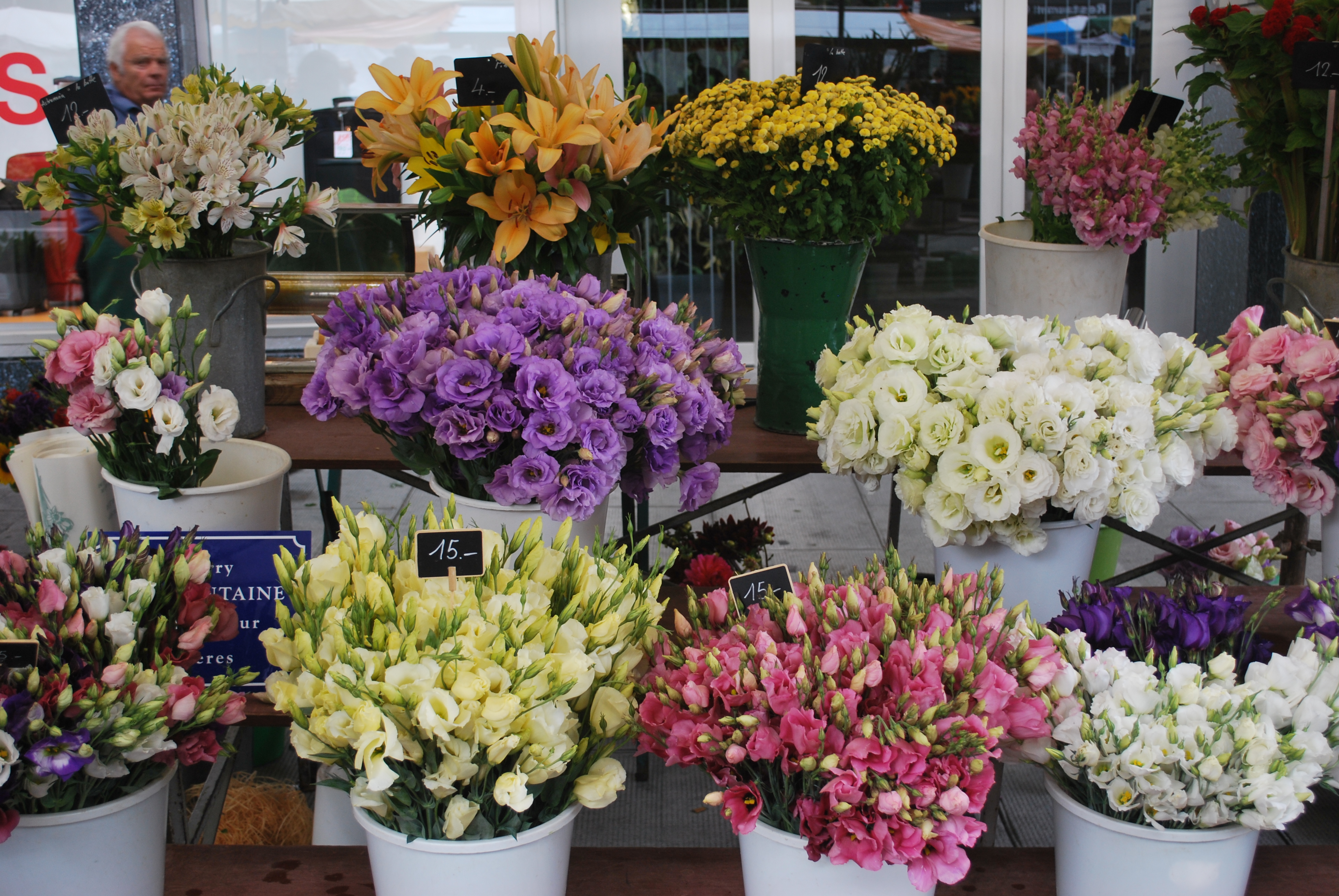
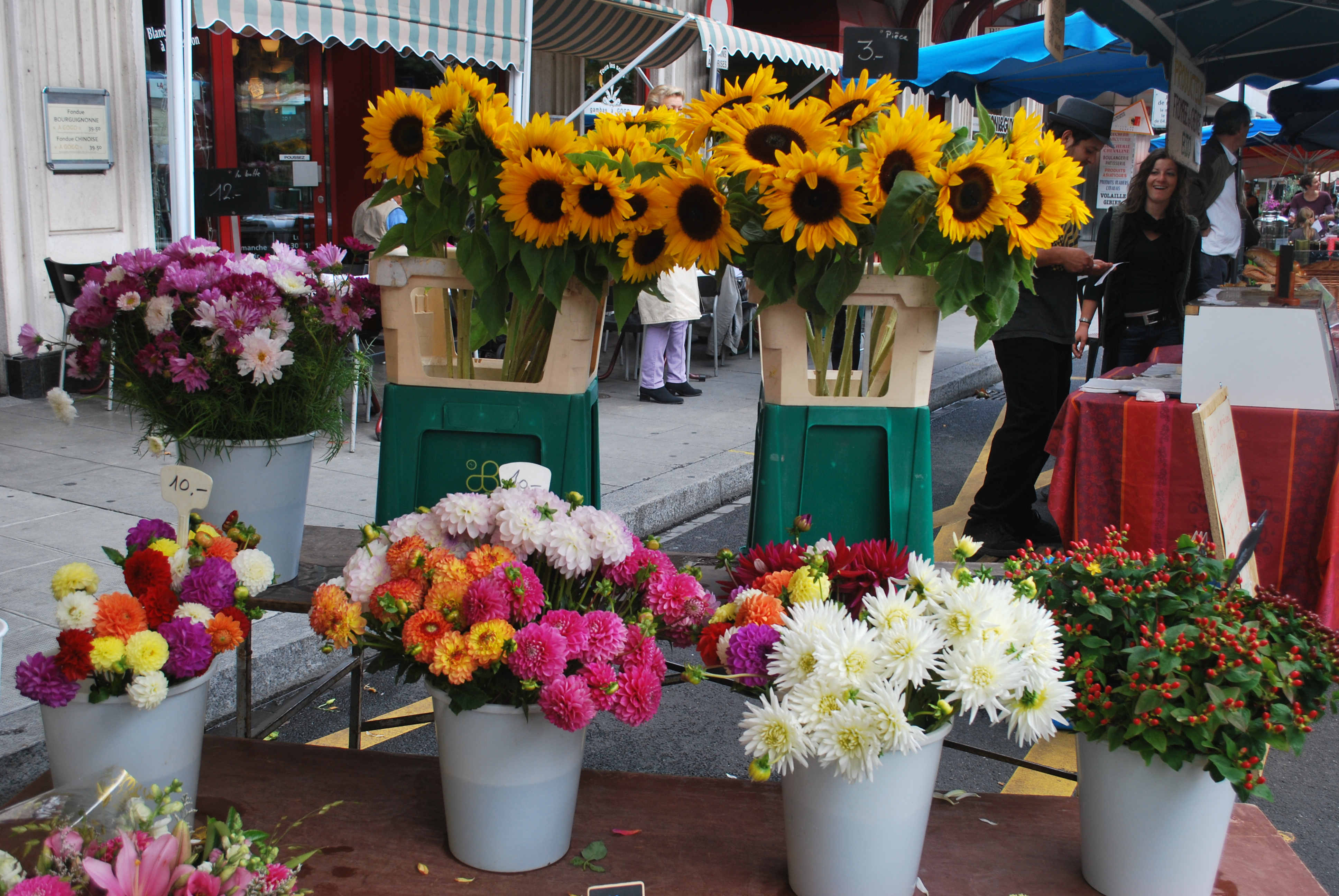
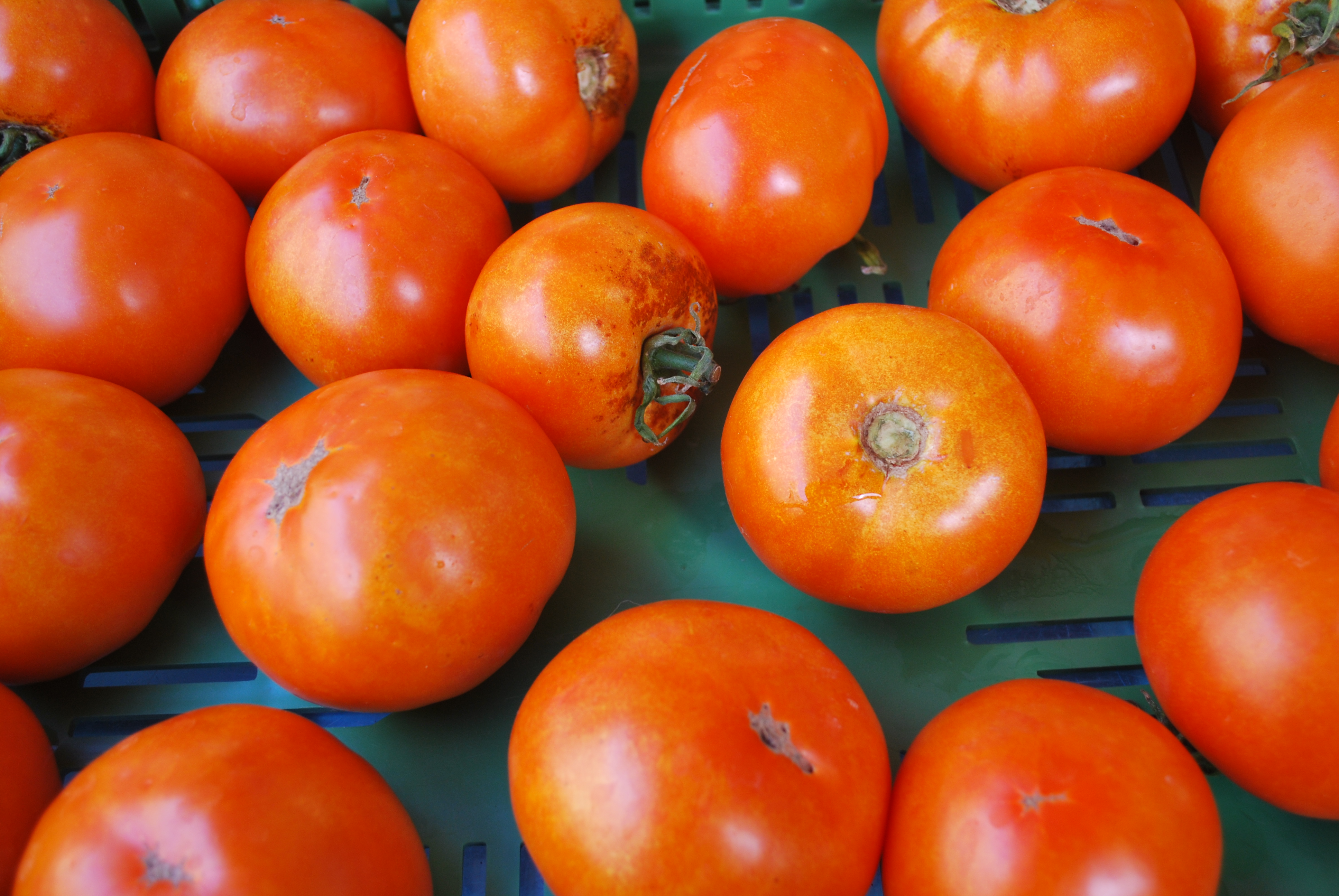
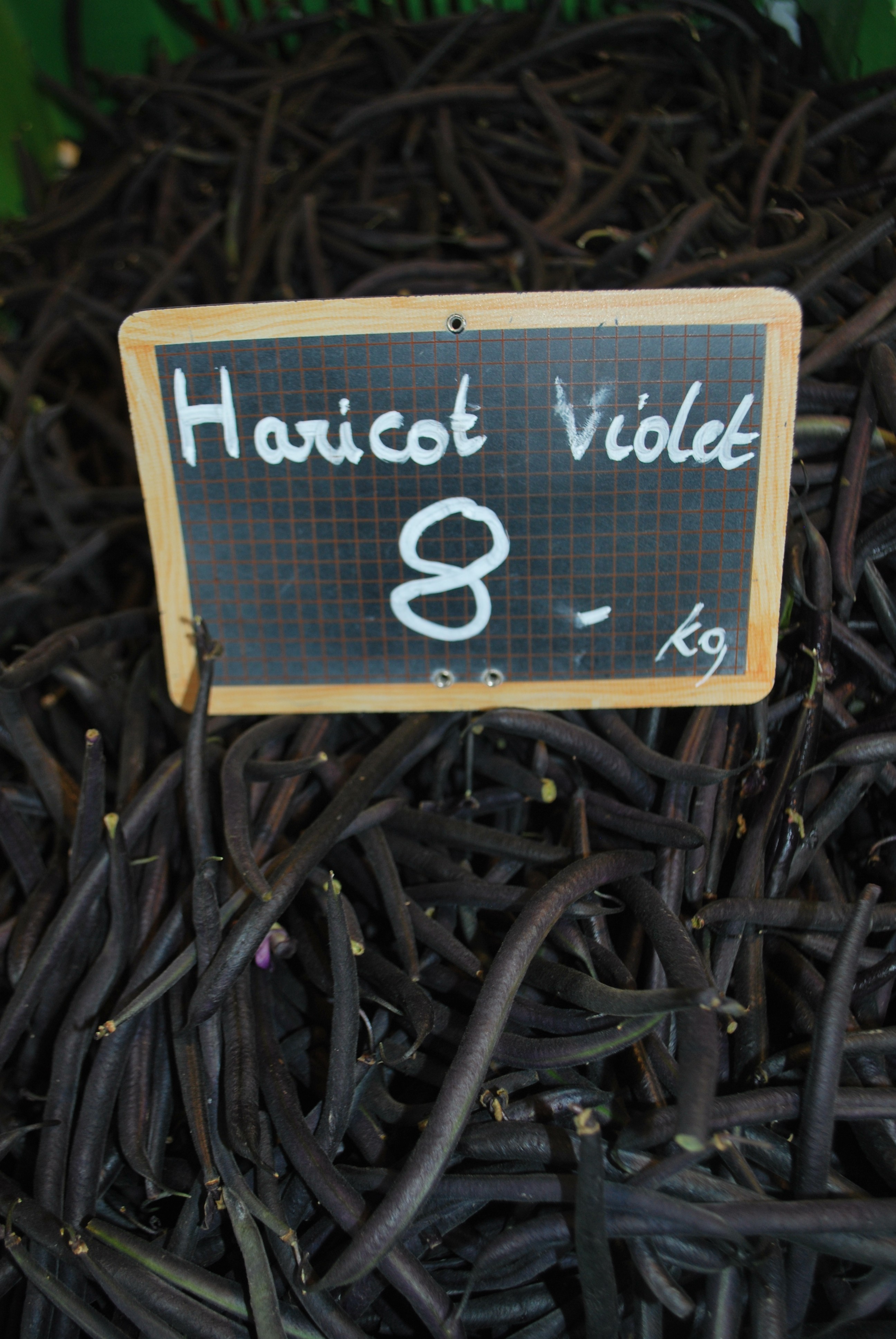
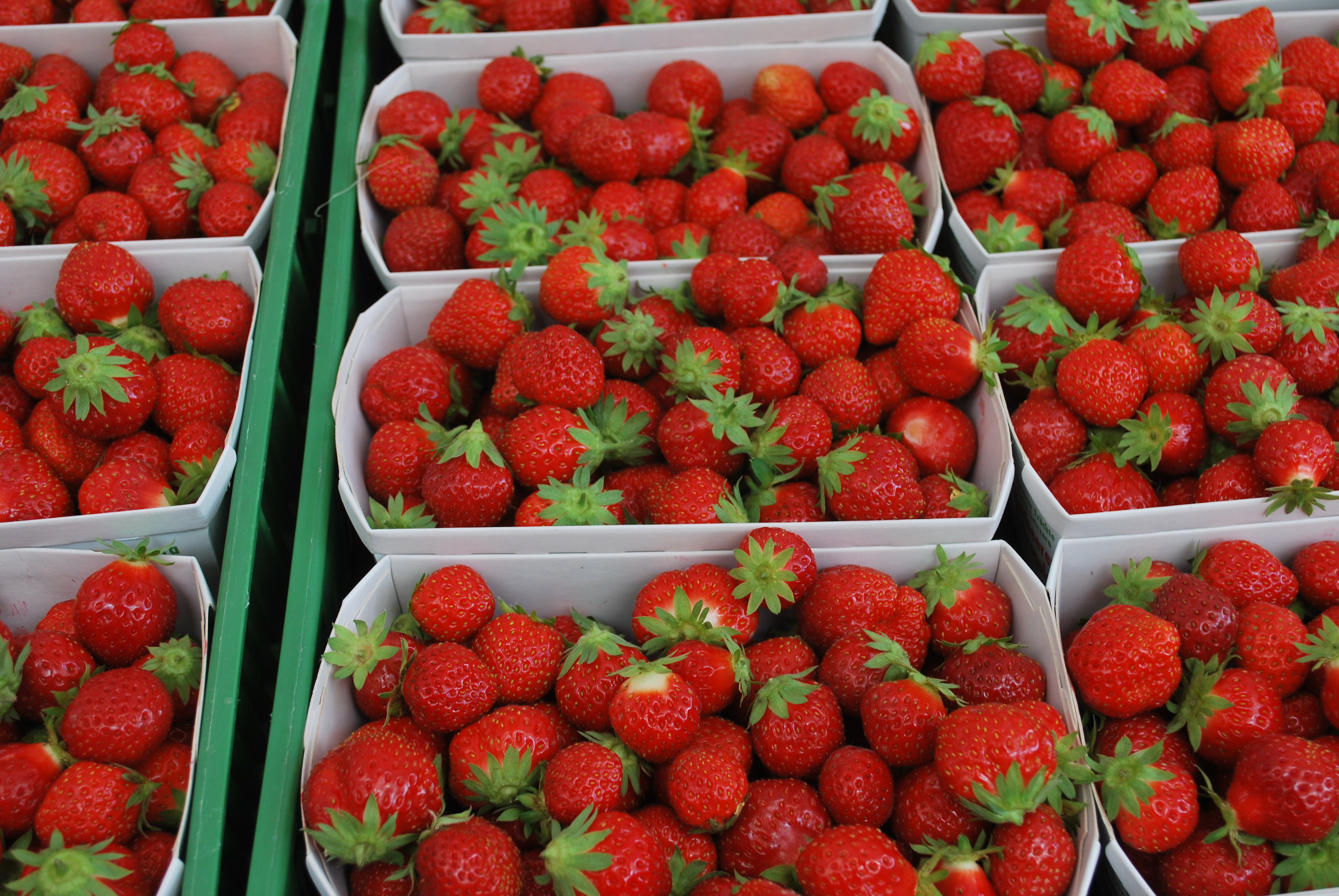
Jonell Galloway leads you through the August farmers market in Switzerland. Take a look at what’s in season!

|
|










|
|











|
|
//

 Kids in the Kitchen: Teach Your Kids How to Shop for Food
by Jonell Galloway
Going to the farmers market can be made into an exciting, weekly event. Summer offers lots of fresh fruit that they can choose to make their smoothies, to put on their breakfast cereal, or to make fruit salads. Vegetables are tastier in summer than in winter, and there is a larger selection, so it is also an occasion to encourage them to try more vegetables. If they choose fruit and vegetables themselves, they will feel more part of the process, and are more likely to eat them.
Start by discussing the fruits and vegetables that are in season with your child before you go to the market. For the Lake Geneva region, you can look at our MarketDay photo albums, published regularly, to get an idea of what you can expect to find. If you are planning on making a meal together, choose the dishes and ingredients together when making your shopping list. If it’s fruit for snacks or smoothies, let them decide which ones they prefer.
It is a good idea to put up a food pyramid and a seasonal products chart somewhere in the kitchen, so you can refer to it when planning meals with the children, and also to explain why they must eat food such as green vegetables or fruit, for example. More suggestions are available in our 9 May 2009 post A fun, interactive guide for teaching your children good eating habits.
Explain the importance of buying local when possible. It is not only cheaper, but fresher, and therefore has more vitamins.
Once you’re at the market, let them start looking for the items on the list. When they’ve spotted them, explain how to choose, by color, smell, touch, ripeness, etc., but make sure to ask the vendor if it’s all right to touch first.
This is also a time to let them look for products that have a local origin written on the tags, and to explain that if the products are local, they are also more ecological, because the cost of transport is less, and that in turn makes them more economical. It takes a lot of fuel to bring tomatoes from Holland in July and August when we have them right here in the region. Reduced transport also cuts pollution.
Buying from local producers allows children to have direct contact with the farmers, and to ask questions if they like. Farmers love to talk about what they have lovingly produced, and this in turn encourages children to appreciate farmers’ hard work and the satisfaction that it brings them. There is a reciprocity: the farmer gives you something he or she has produced with care, and you in turn get to satisfy your tastebuds.
Make kids part of the entire process by letting them help prepare the meal or dish afterwards. Once again, they are more likely to eat it if they help prepare it.
//
|
|
Photos from my culinary travels in Mannheim, Germany. Mannheim is not known for its cuisine, but it is known for its white asparagus, just like in Alsace. So we took a jaunt to the farmers market and bought the choicest spears from a vendor who sells only white asparagus. The Mannheim cheesecake we bought in the market is the best I’ve ever eaten.
|
|

Broccoli Spray, by Ilian Iliev ALL RIGHTS RESERVED (C)
Click here to catch up on your food-related reading for this week:
and much more.
|
|
//

As fall slips into winter, the open air markets in Turin, Italy push nature’s seasonal fruits and vegetables to make early appearances in the crates and boxes stacked inside each bancarella, or stand. Oranges, grapefruits, and clementines from Calabria and Sicily showed their waxy globes in the middle of October; bitter turnip tops called cime di rapa were available by the end of September; spiky artichokes, still not technically in season, have been around for weeks.
The sweet, crispy finocchio, or fennel, one of my newly-discovered favorites, entered the scene two weeks ago at the beginning of November. Last year’s discovery that I’ve waited impatiently for since the end of September is the sweet, soft kaki vaniglia, the persimmon, which has a designated corner in my refrigerator. These bombs of juicy, fruity sugar are an after dinner treat that could almost replace autumn pies. Almost.
According to the illustrated and finely detailed wheel of seasonal fruits and vegetables that I bought at Eataly, citrus fruits have just begun their yearly cycle in November. I pat myself on the back, since I resisted buying these until a few days ago. There was one mysterious exception in the form of yellow-green skinned citrus fruits, easy to peel and sour-sweet inside. They came from Calabria, and the hulking, big man that sold them ensured me they were sweet and ripe, never mind their greenness. The man who sold them seemed to have been plucked from another time and place, where people can and still do pick oranges in the fields all day for decent wages, the weakening winter sun warm on their backs. His nails were dirty and his accent thick (presumably Calabrian).
Once at a food photographer’s studio in Emilia-Romagna, the chefs and food stylists there prepared a tangy, salty, sweet salad from the South. It had been inspired by the chef’s Sicilian roots. It’s now one of my favorite meals, and I have to wait for these seasonal fruits and vegetables before I can enjoy it. It evokes flavors from a land where the sun shines across fields with rows and rows of citrus trees, bright orbs decorating the branches in a warm Christmastime.
The traditional olives to pair with this are black ones, but I had green, which I might actually prefer. Being the salt queen that I am, a shot of capers hits the spot, but I don’t know how “traditional” that is. Also, blood oranges knock the pretty factor up a notch for this already aesthetically-pleasing plate.

|
|
 by Renu Chhabra
Let us not forget that the cultivation of the earth is the most important labor of man. When tillage begins, other arts will follow. The farmers, therefore, are the founders of civilization.–Daniel Webster

These are the colors of California farms — rich and vibrant!
Summer vegetables are brimming with freshness, and the abundance! Everywhere I set my eyes, there is something that draws me to it. I can’t control myself; I want to shoot every colorful heap I see. I guess it’s the temptation to enjoy them, visually, later? After all, it is a feast for the eyes.
|
|
 Meet Jonell Galloway, a freelance writer and editor specialized in French cuisine.