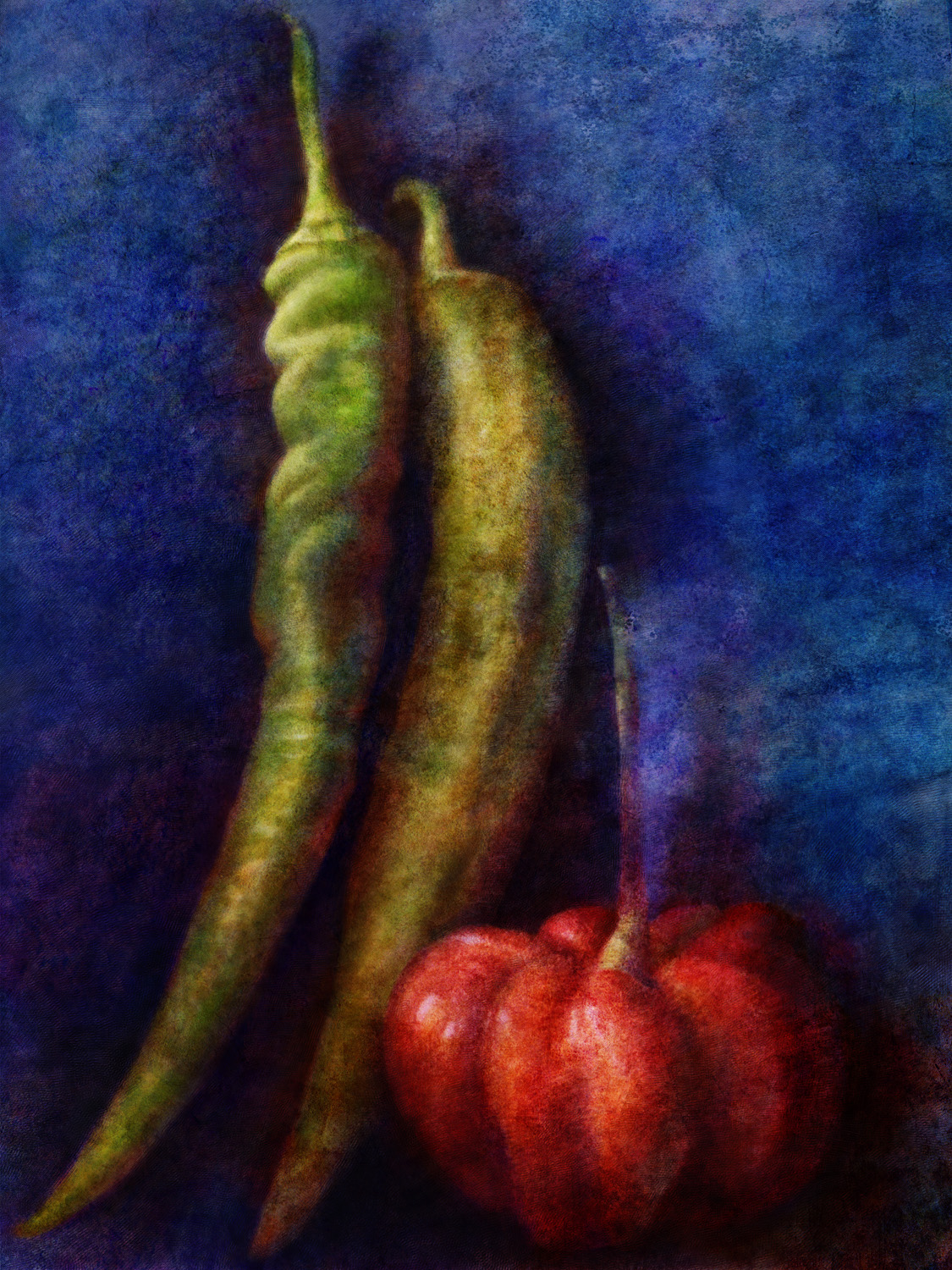
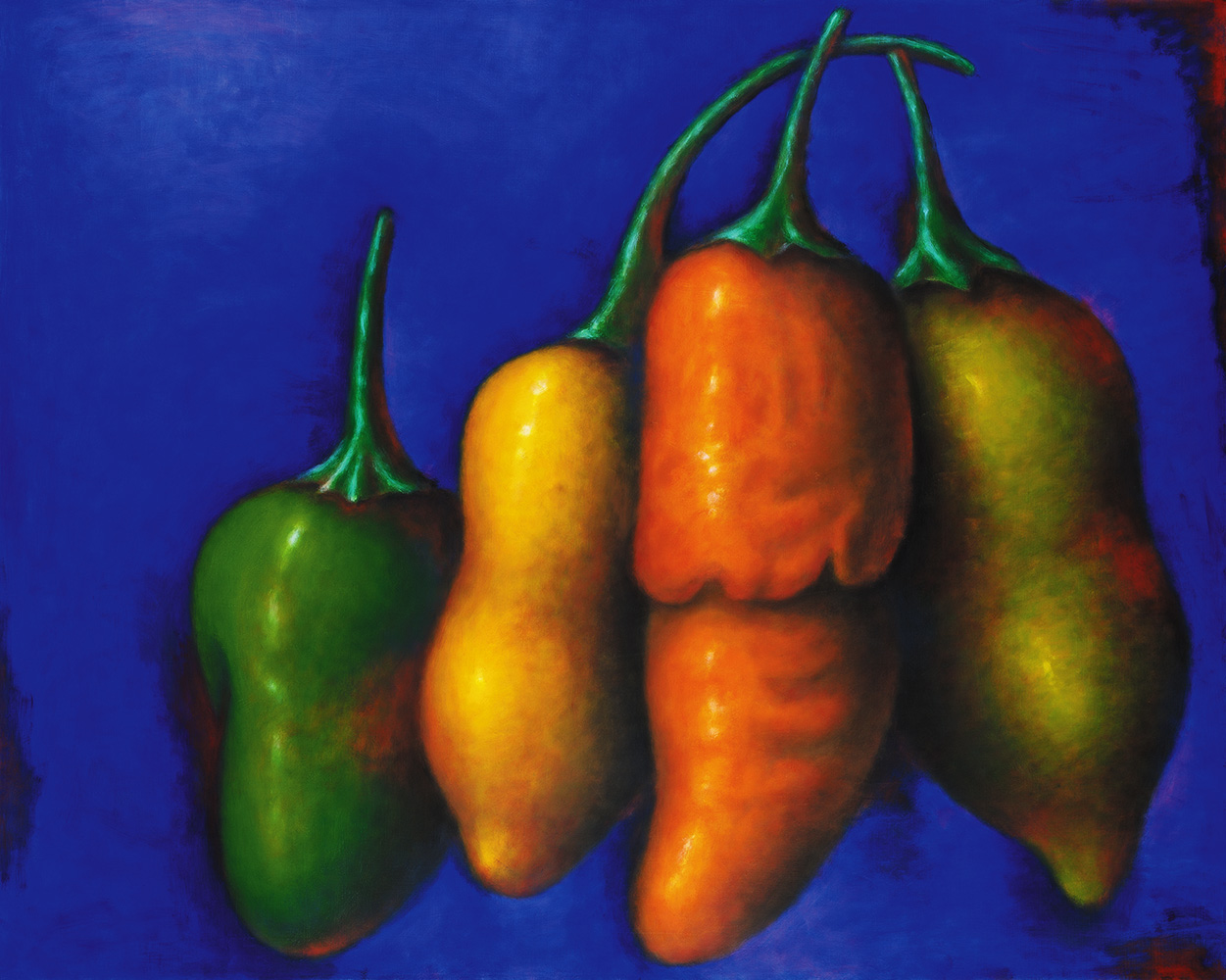
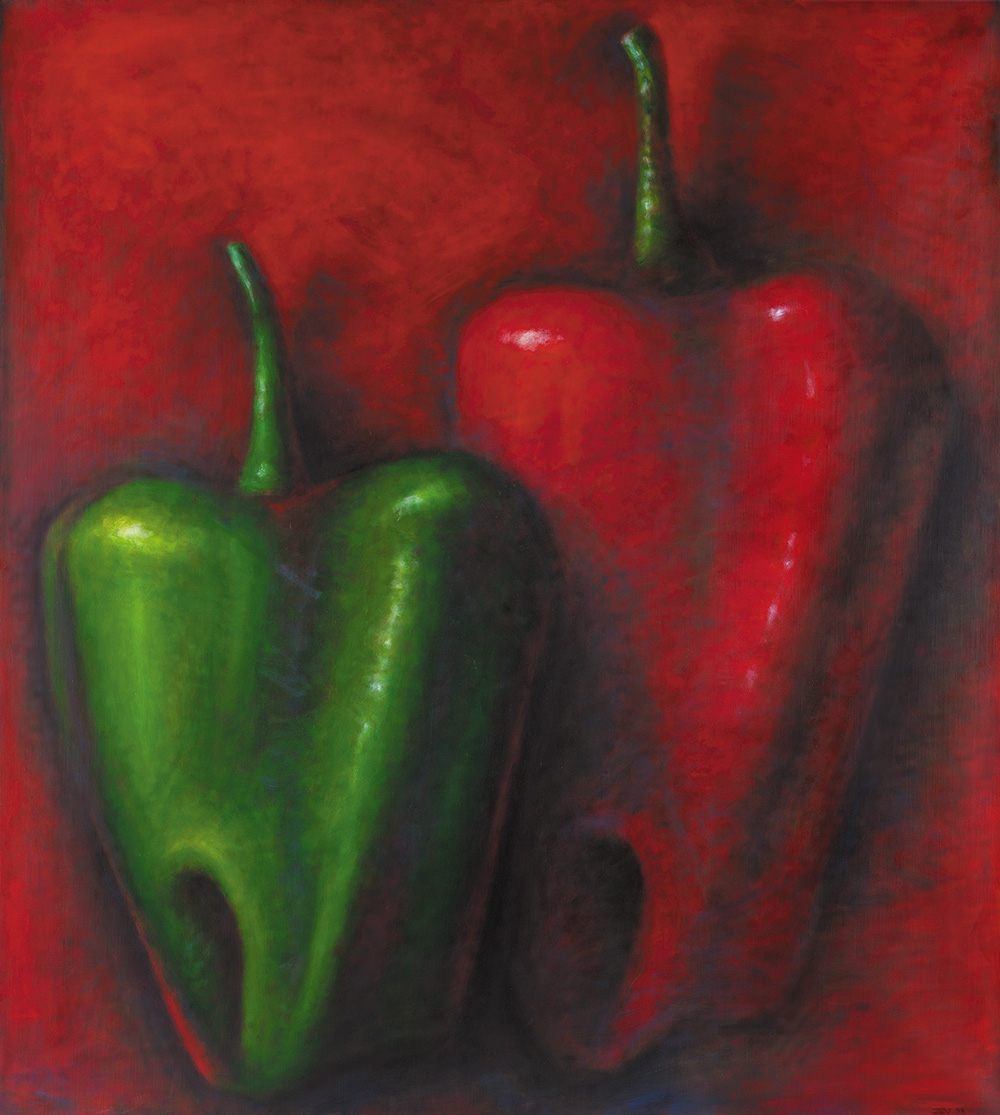
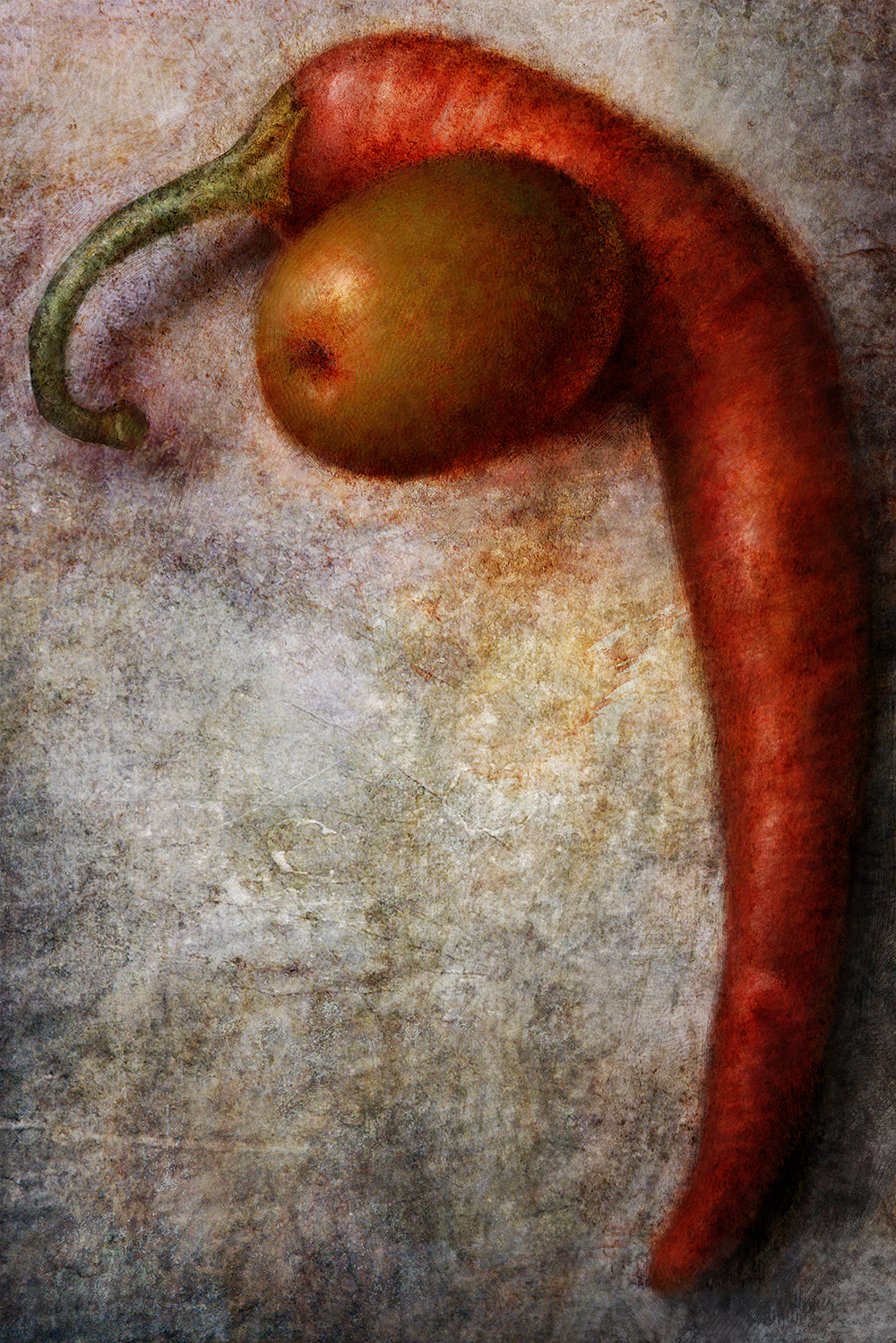
Food Art: The Many Colors of Chile Peppers, food paintings by Zev Robinson

Published by Monday, October 8, 2012 Permalink 0

Zev Robinson is a Canadian-British artist and filmmaker currently living in Valencia in Spain. After finishing his B.F.A. in Montreal in 1983, he completed his M.F.A. in New York and subsequently moved to Italy and traveled around Europe, before settling in Spain in 1991. In Spain, he married Albertina Torres. The couple moved to London in 1995, where this series of chile peppers was created.
While in London, he also started working on videos and digital art projects as part of Art After Science, formed with Adrian Marshall, creating a variety of works that have been exhibited widely, including at ARCO in Madrid, the Venice Video Art Fair, and the LOOP Video Fair in Barcelona.

Robinson returned with his family to Spain in 2005, where his video work led to a series of documentaries on wine, food and rural life in Spain. That left him with little time to paint, but in 2012 he showed a series of newly created works of Amphorae at the Dinastia Vivanco Museum. Since then, he has restarted a series of images based on film noir and pulp fiction covers.

Never miss a post
Name: 
Your email address:*
Please enter all required fields
Correct invalid entries

What we’re reading: A recipe for American decline, food labeling in Australia, halal culinary guide, Le Marche wine and much more

Published by Tuesday, October 2, 2012 Permalink 0

by Jonell Galloway

Click here to keep up with the latest in world food and wine news.

Photo by Prerna Singh


Never miss a post
Name: 
Your email address:*
Please enter all required fields
Correct invalid entries

La Vendange: The Grape Harvest on a Small Country Estate in France

Published by Monday, September 24, 2012 Permalink 0

by Vendange

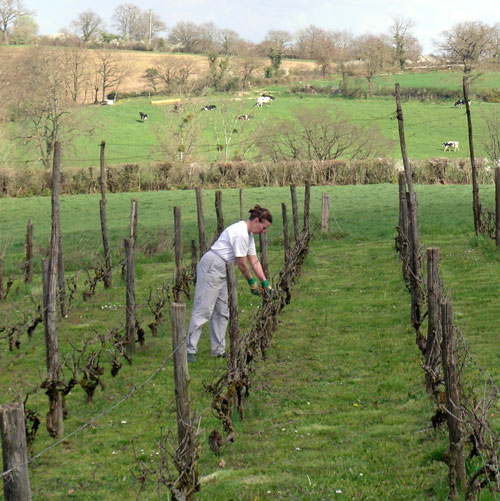
When we lived in the white wine we had vines. We were outrageously excited about the prospect of making our own wine. Of course, we were sure it would be wonderful. I mean, we had been drinking it for years, we should know how to do it, right?

Continue Reading…

Never miss a post
Name: 
Your email address:*
Please enter all required fields
Correct invalid entries

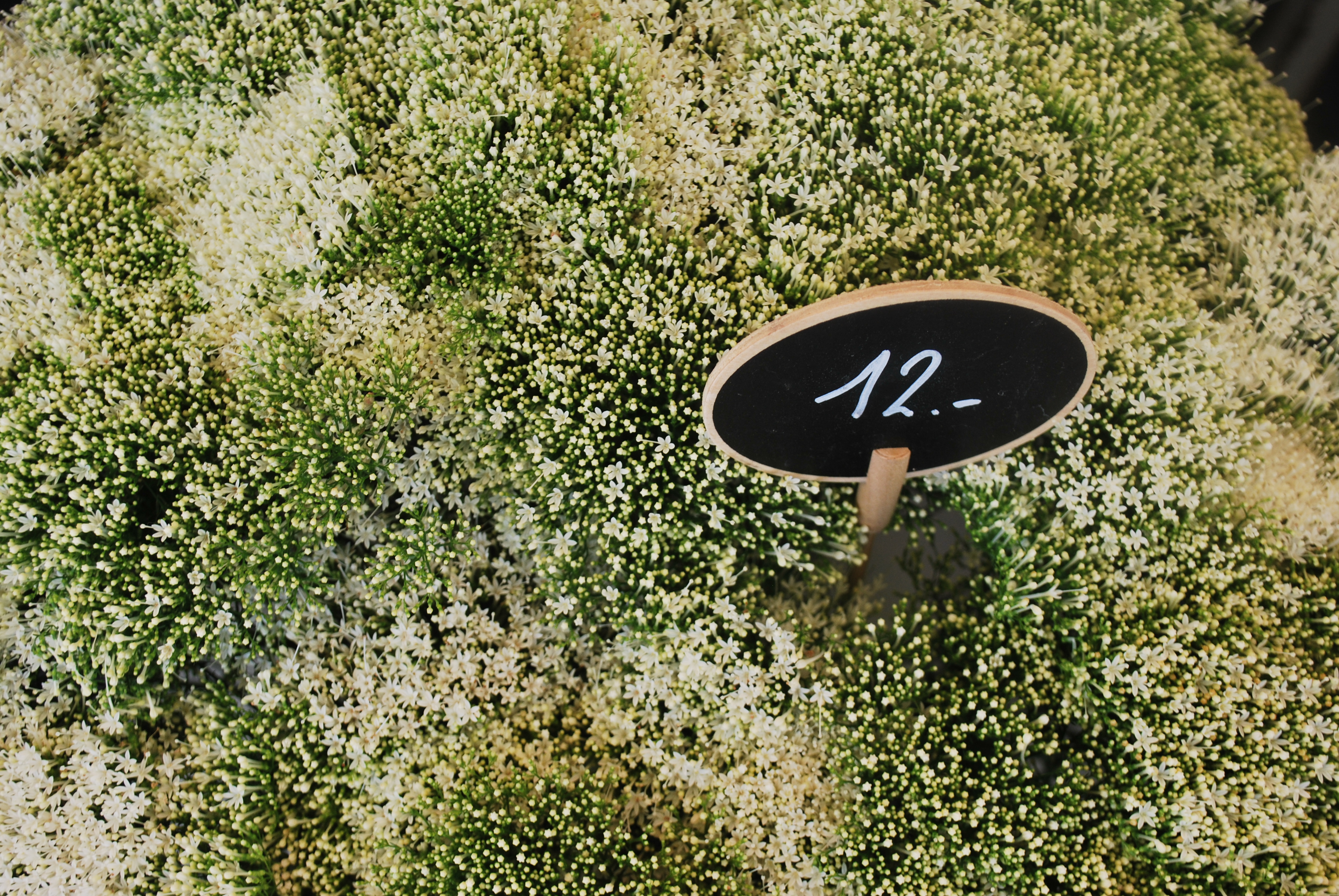
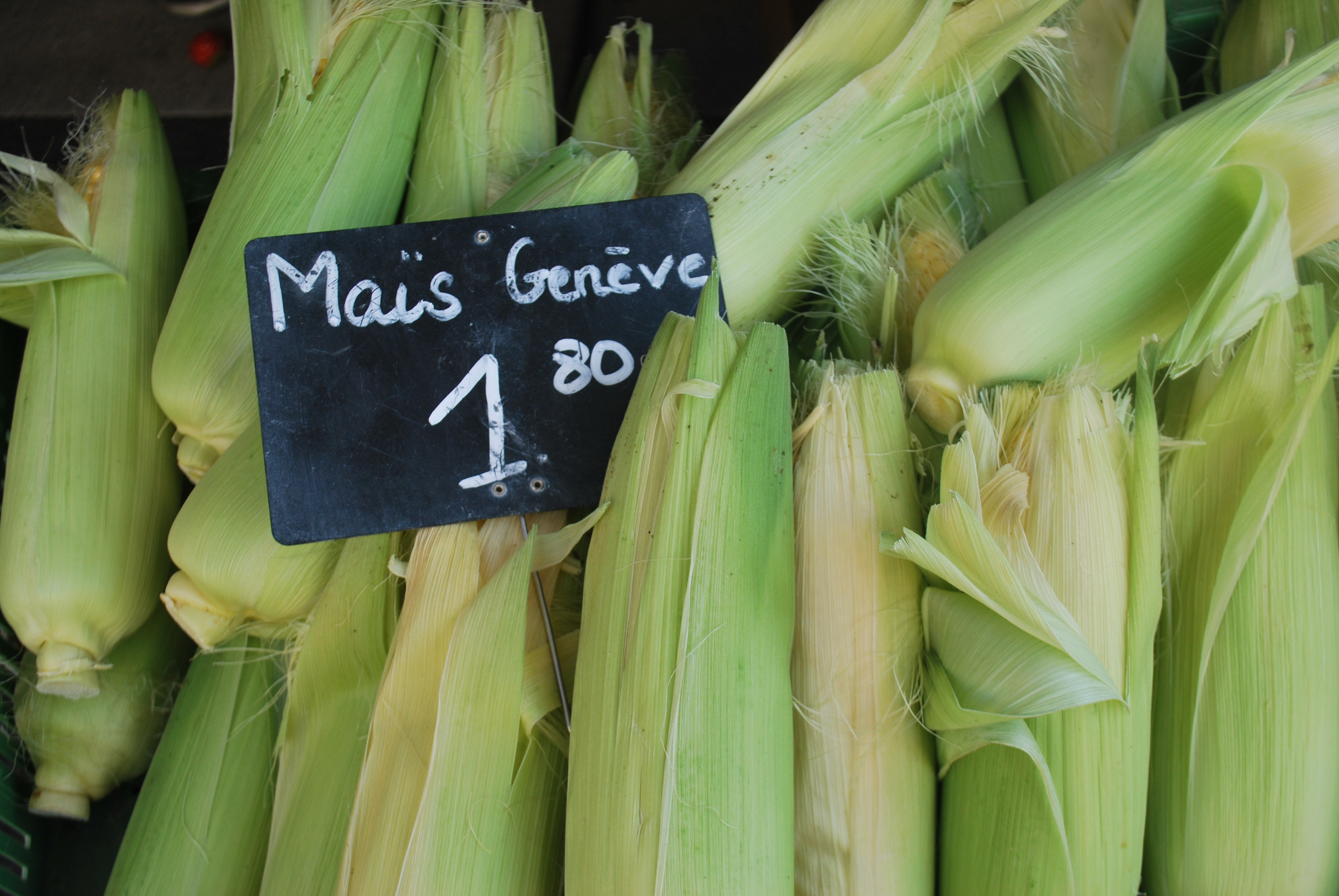
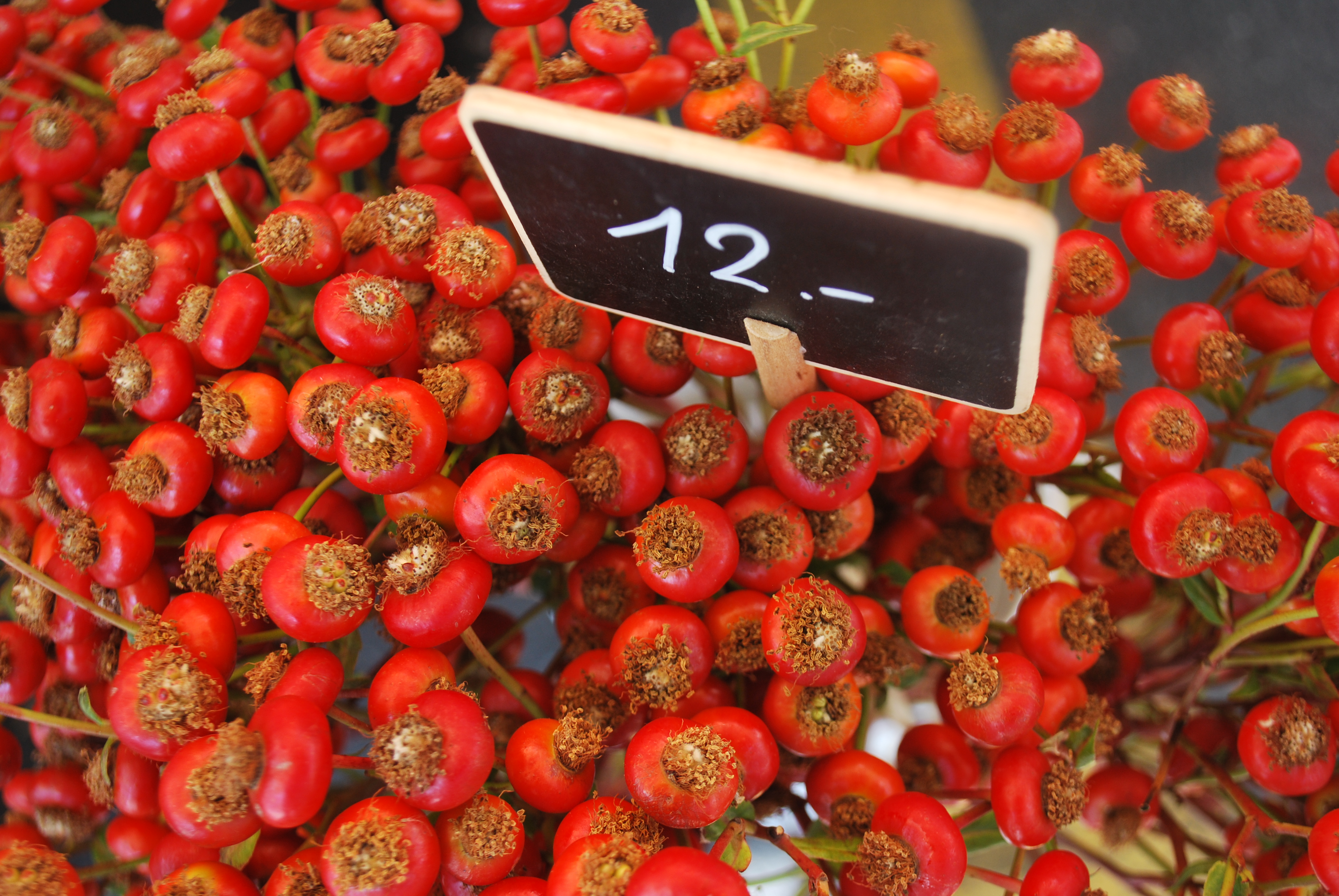
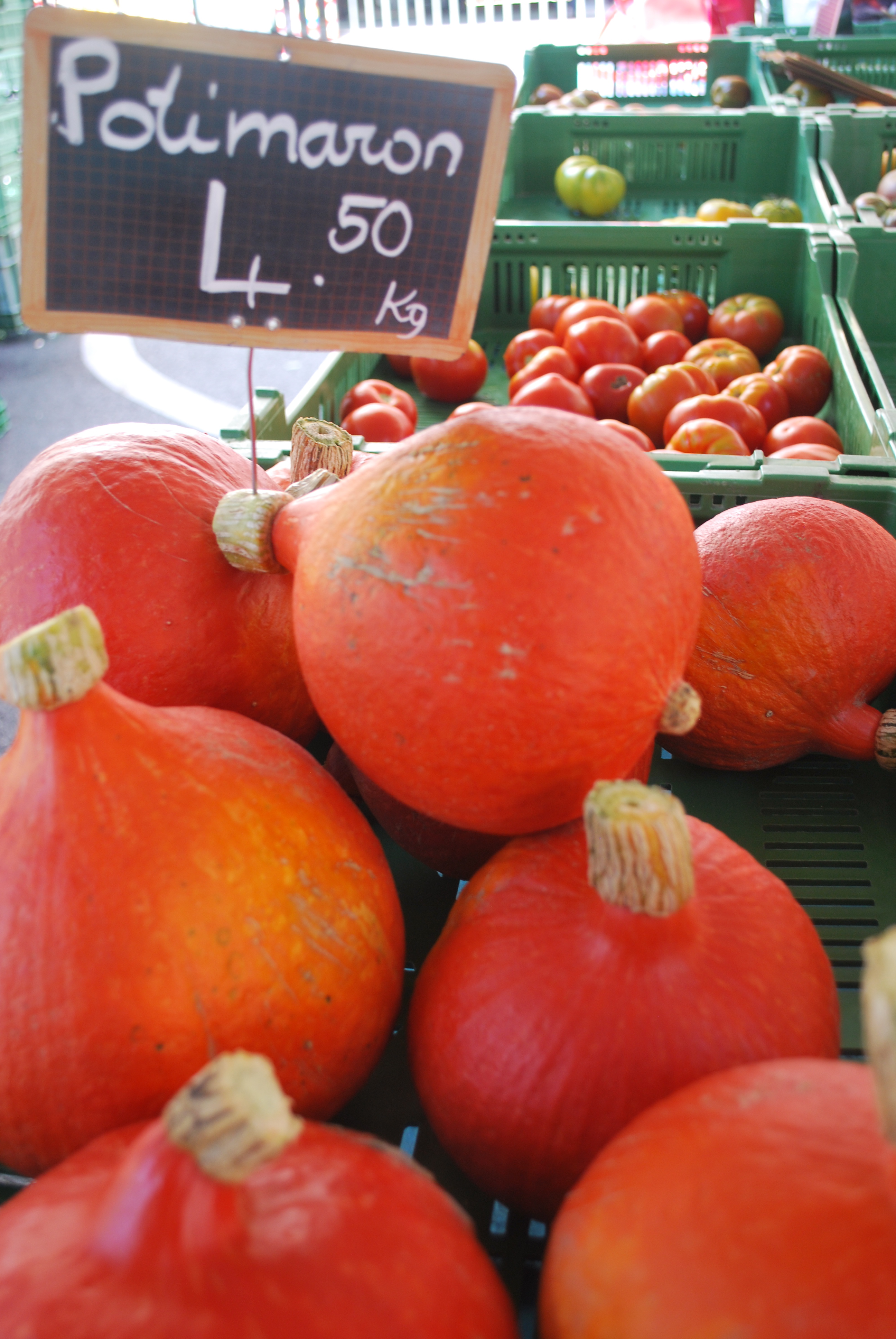
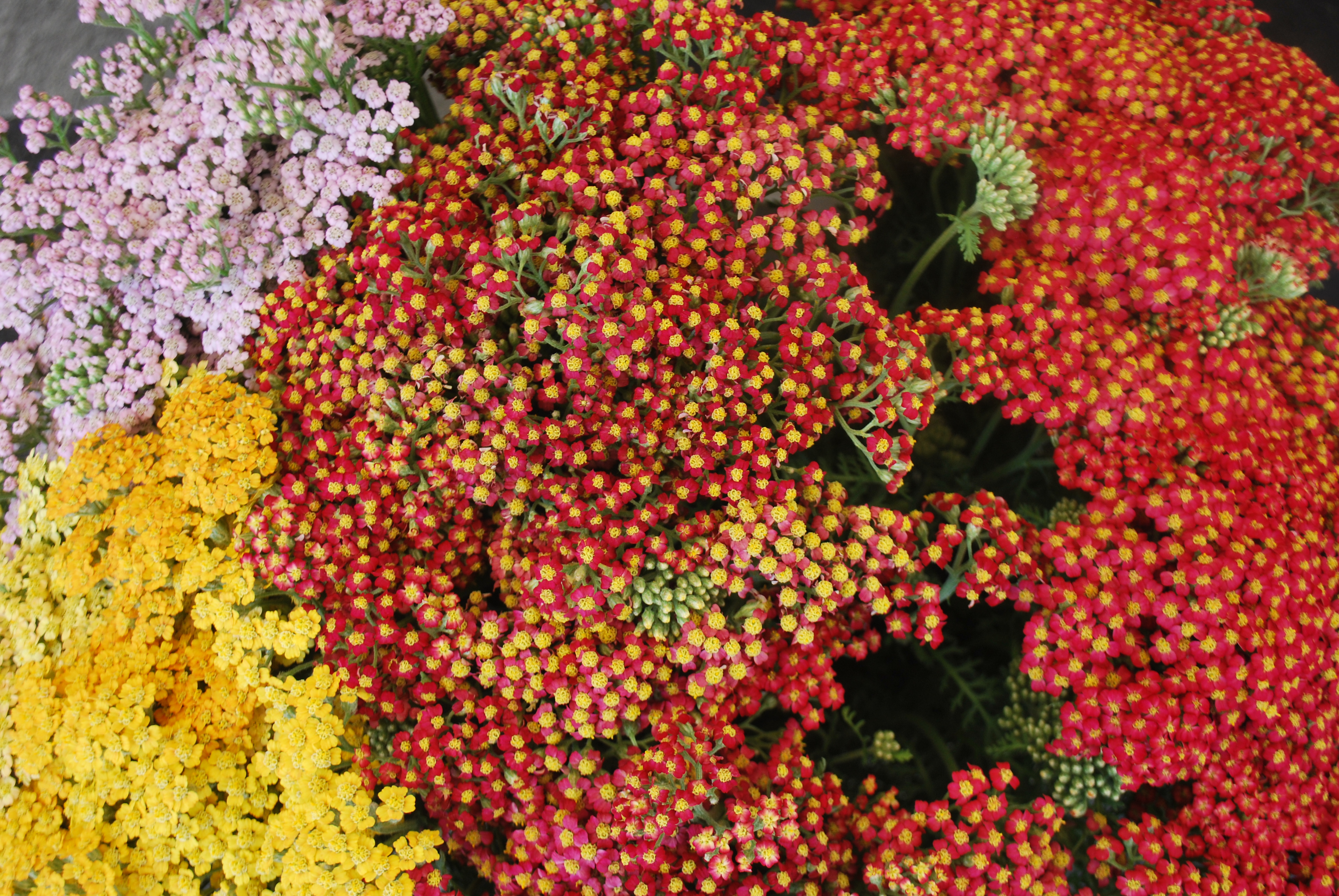
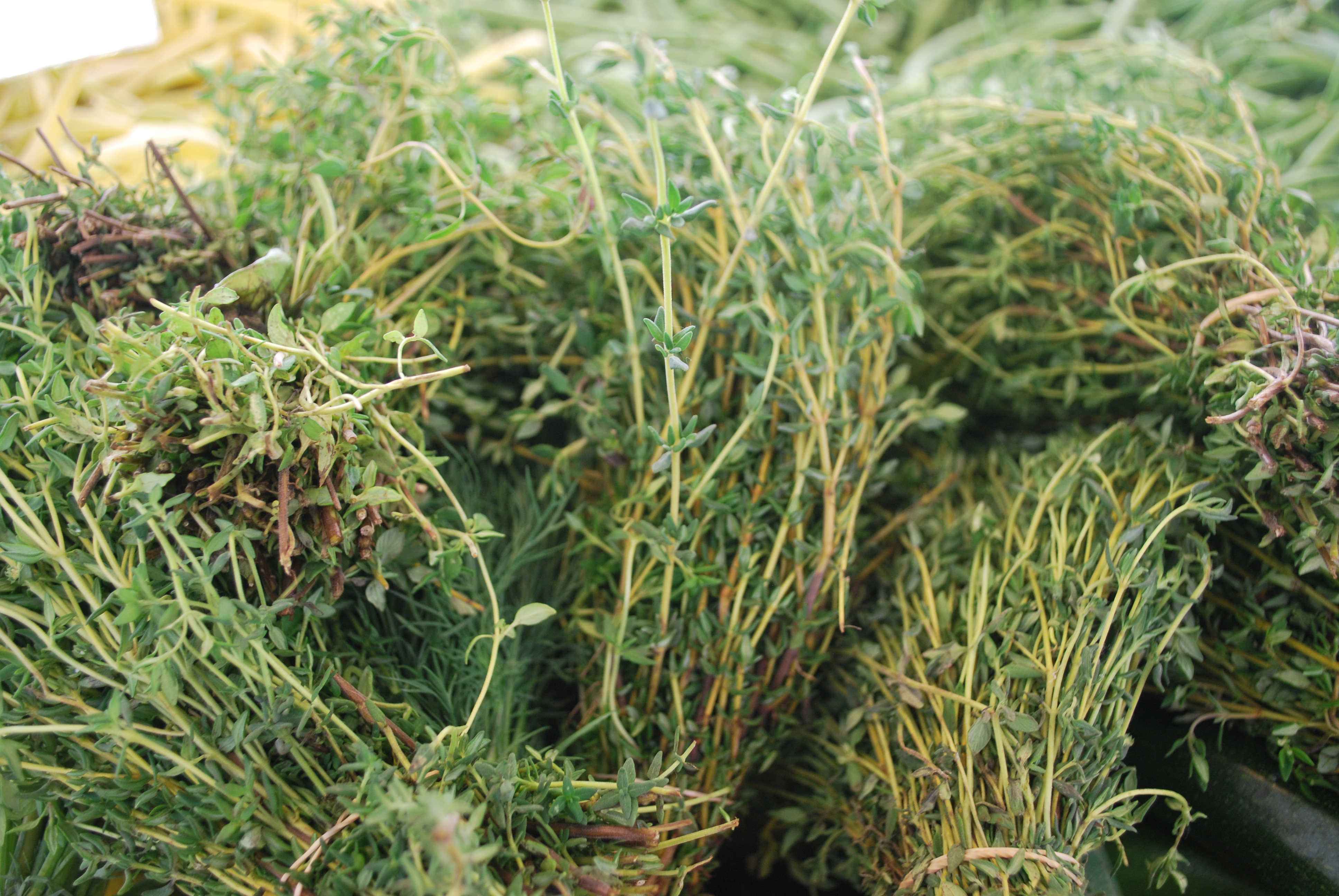
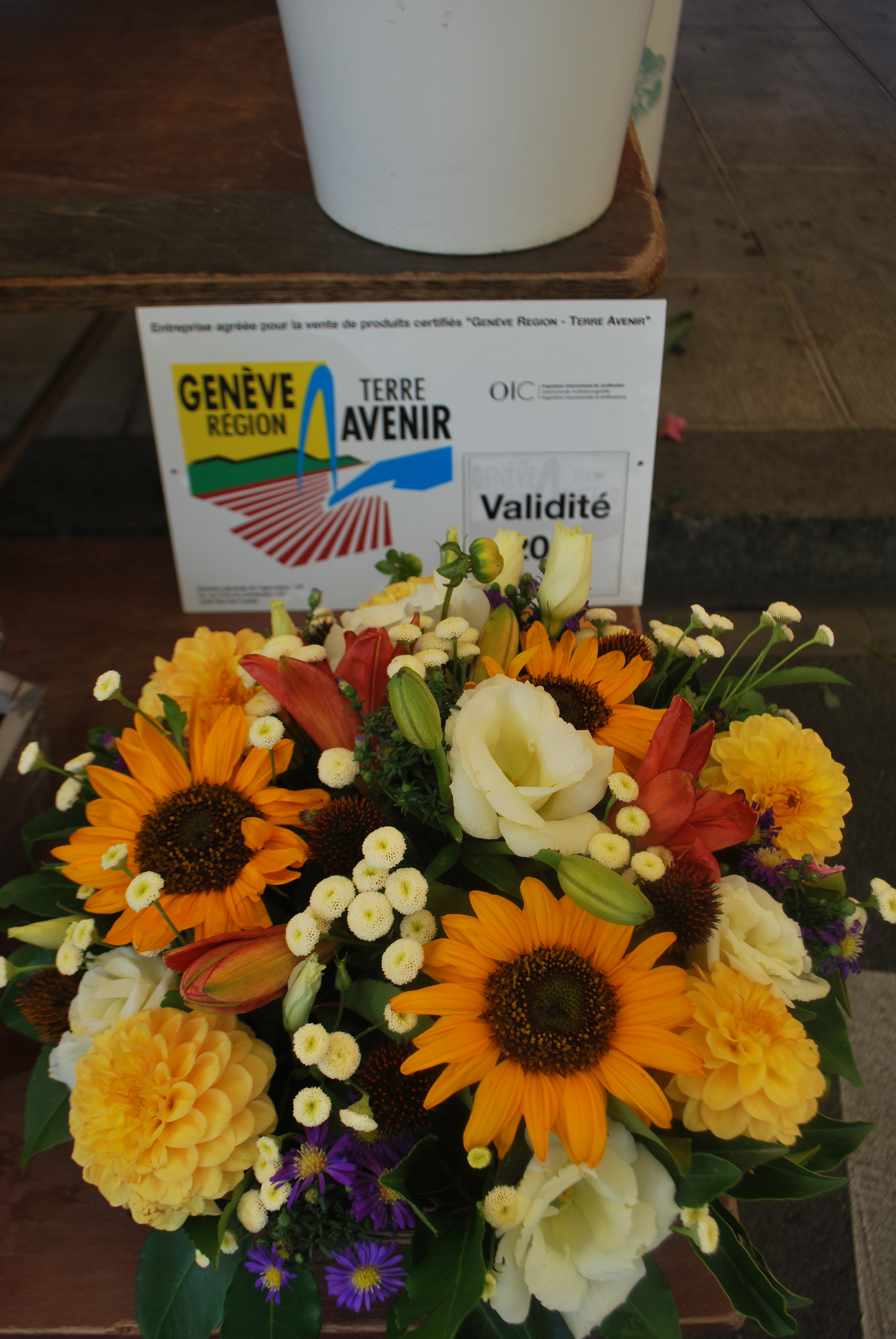
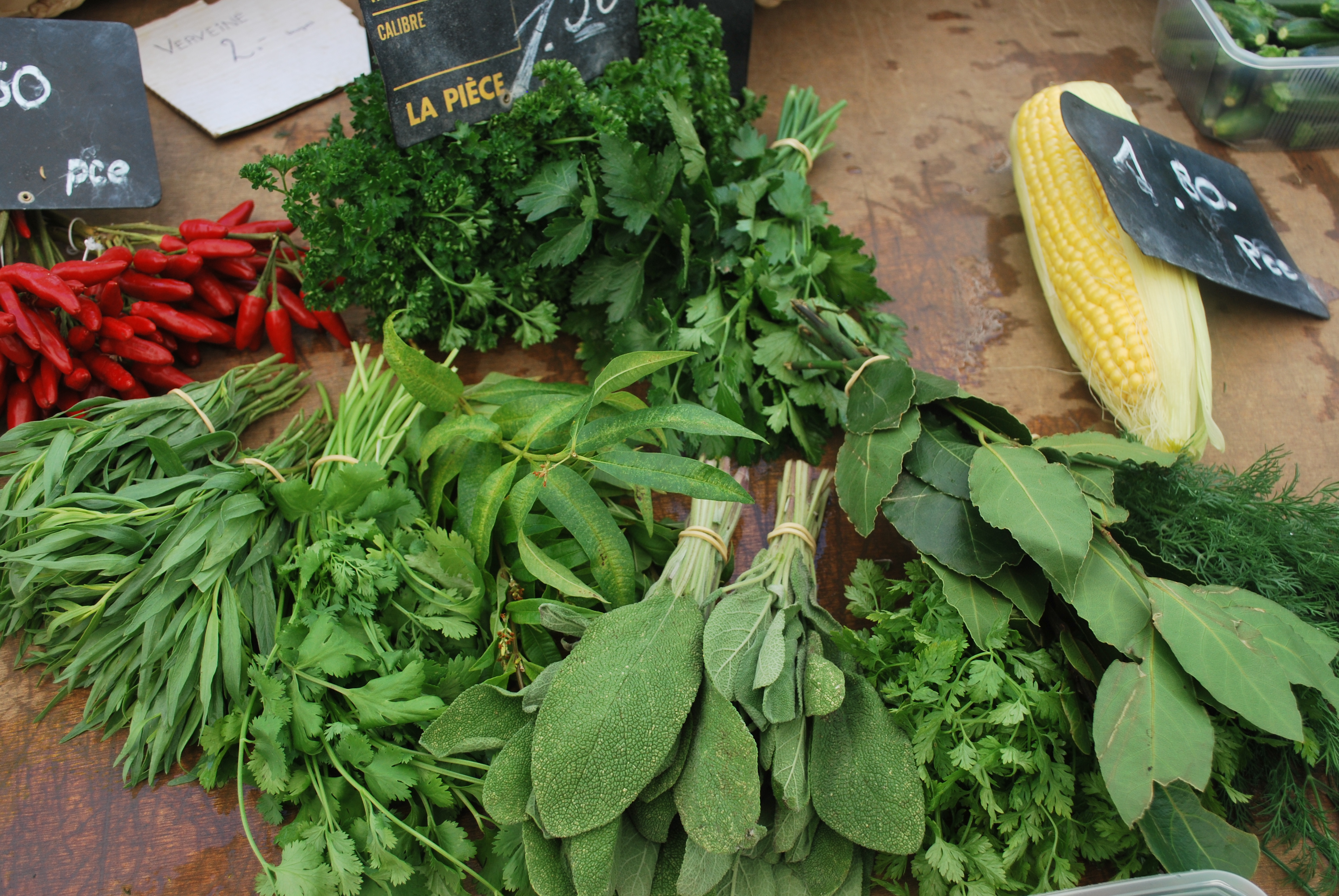
MarketDay: Swiss Farmers Market, Late August

Published by Tuesday, September 4, 2012 Permalink 0

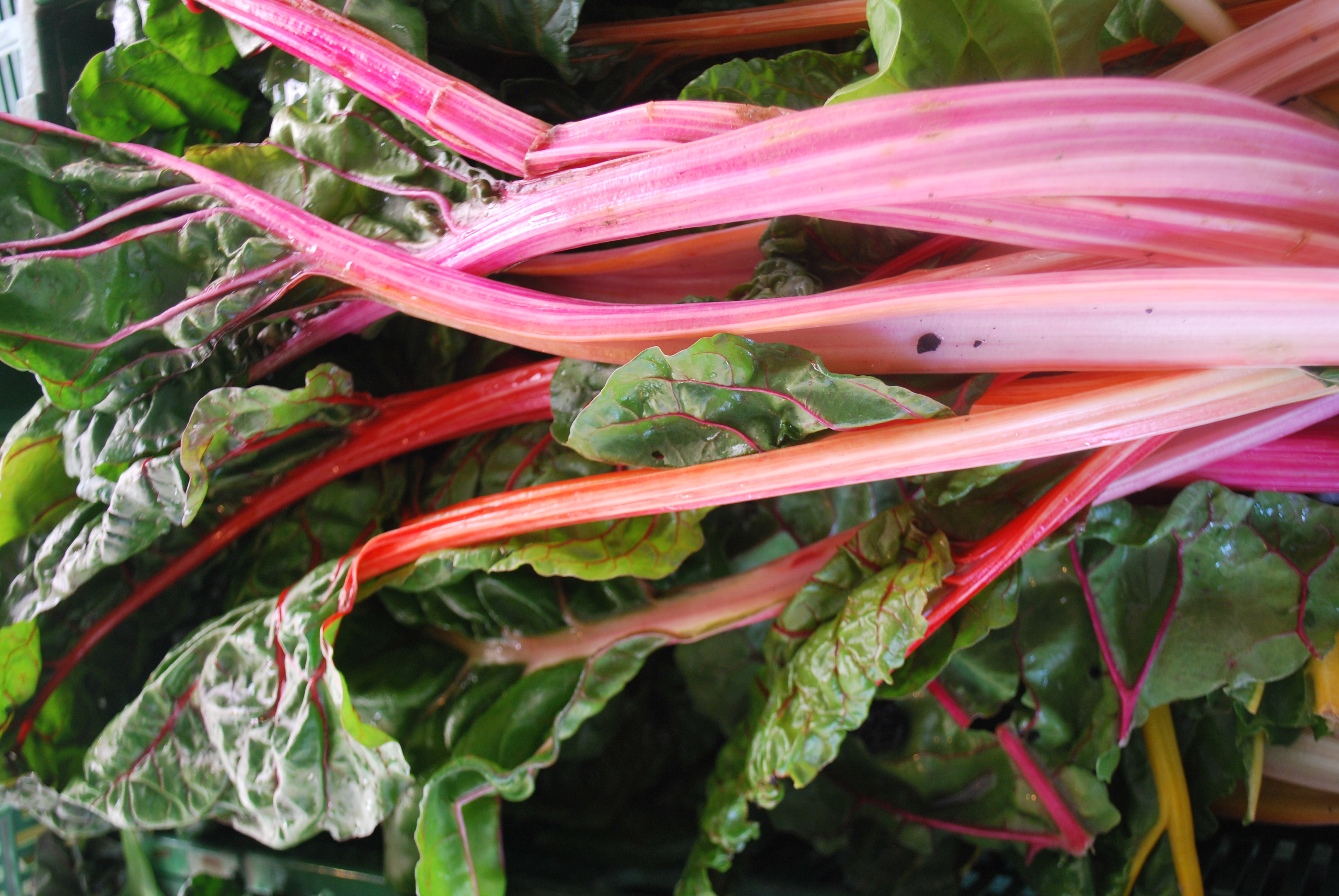
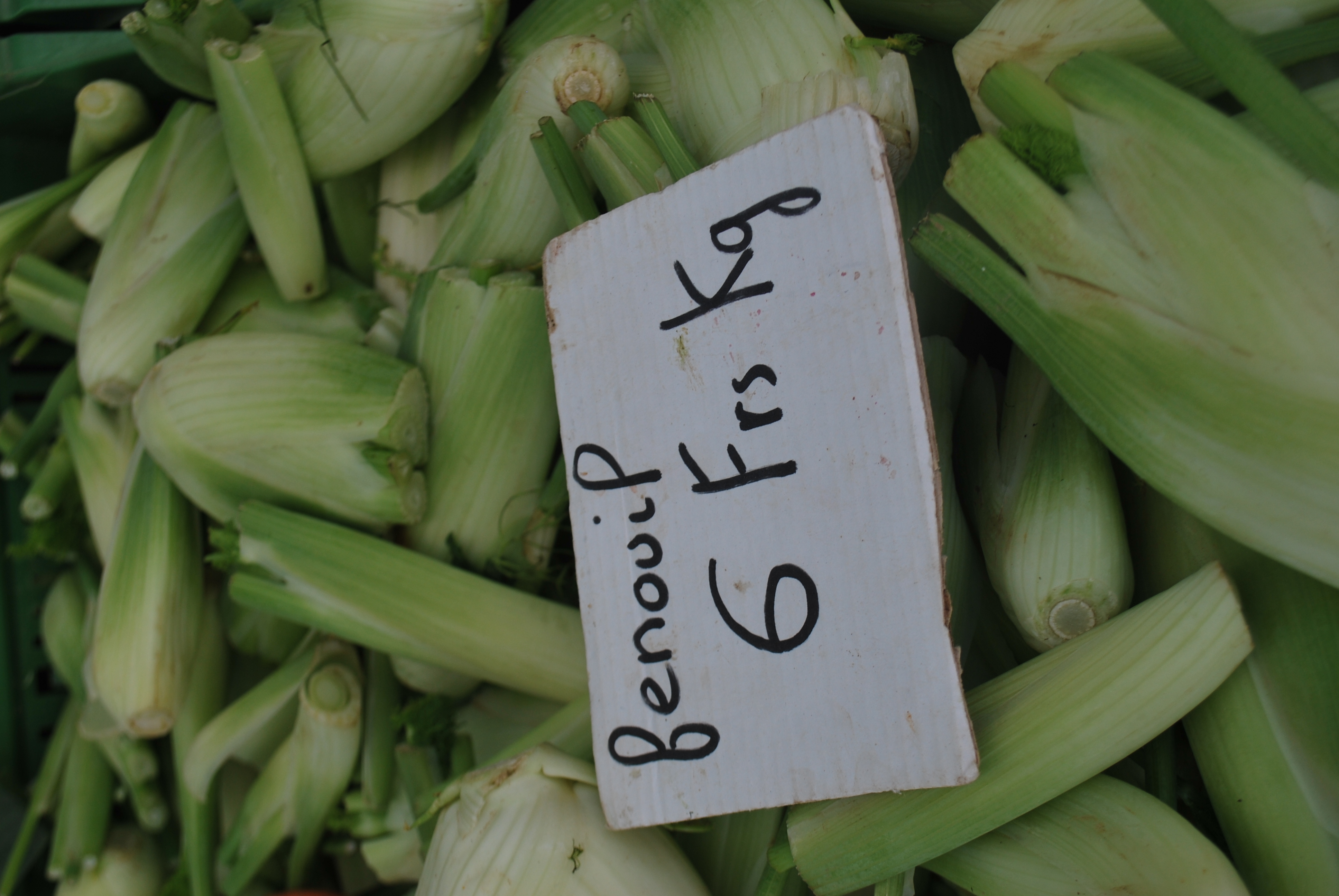
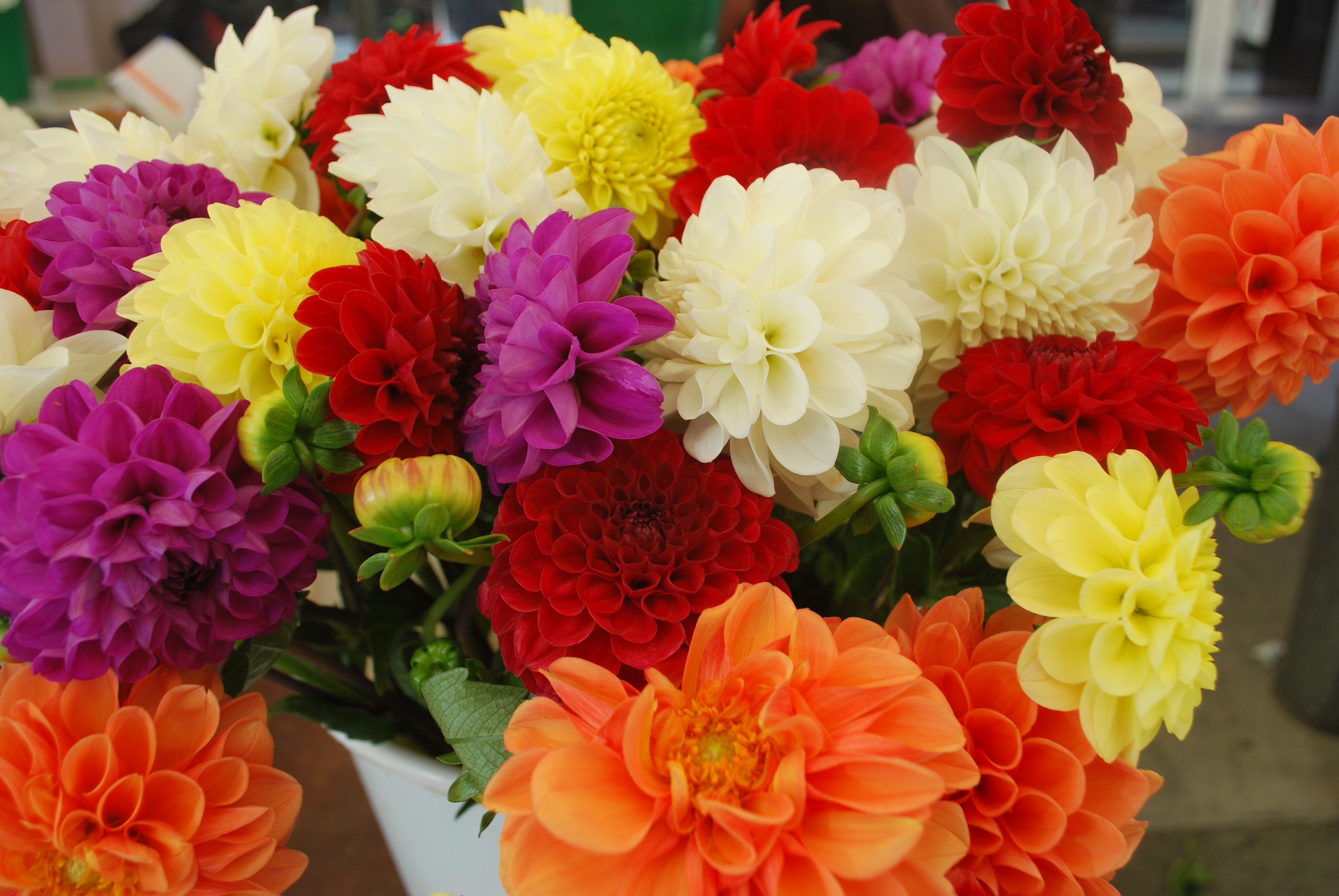
Take a walk through the late August farmers market in Switzerland with Jonell Galloway.

Never miss a post
Name: 
Your email address:*
Please enter all required fields
Correct invalid entries

Food News: Target 100, A Sustainable Australian Meat Production Industry by 2020

Published by Tuesday, April 17, 2012 Permalink 0

by Amanda  McInerney

An admirable new initiative by Meat & Livestock Australia, Target 100, aims to deliver sustainable cattle and sheep farming in Australia by 2020.

Sustainability is no recent thing for the Australian meat industry, which has been investing in environmental research and development for many years. By implementing a selection of 100 individual research, development, and extension initiatives which will be funded through the various meat industry organisations. The industry intends to focus this and reduce the resources it uses, thus reducing its footprint, improving its efficiency, and providing a focal point for environmental, social and ethical farming action in order to to ensure a sustainable food source.

Professor Tim Flannery - Target 100 launch


Continue Reading…

Never miss a post
Name: 
Your email address:*
Please enter all required fields
Correct invalid entries

Simon Says: Daily Food Quote, April 3, 2012

Published by Tuesday, April 3, 2012 Permalink 0

Simon Says: Daily Food Quote, April 3, 2012

by Simón de Swaan

I grow my own tomatoes every summer for the same reason I diet: it makes me feel righteous!–Bert Greene

Bert Greene was a cookbook author and food columnist. His food column for the New York Daily News ran from 1979 until his death in 1988, and was eventually syndicated.


Continue Reading…

Never miss a post
Name: 
Your email address:*
Please enter all required fields
Correct invalid entries

Feeding the World using Fossil Fuels vs. Without

Published by Friday, March 2, 2012 Permalink 0

A film by Marija Jacimovic and Benoit Detalle

[youtube http://youtu.be/WvyV_idFAZA nolink]


Never miss a post
Name: 
Your email address:*
Please enter all required fields
Correct invalid entries

Geneva, Switzerland: How to find food producers near you

Published by Tuesday, February 28, 2012 Permalink 0

The agricultural promotion office for the canton of Geneva (OPAGE) lets you fill out this A variety of punpkins at the Portland Farmers ..., telling them what you want, where, the producer’s or company’s name, etc. so you can find just about any local agricultural product you want. It makes it so easy!

A variety of punpkins at the Portland Farmers ...


Never miss a post
Name: 
Your email address:*
Please enter all required fields
Correct invalid entries

One Green Planet: Infographic Explaining GMOs in an Easy-to-understand Manner

Published by Friday, February 24, 2012 Permalink 0

One of our columnists, Wendy Kirby, who runs the site La Phemme Phoodie, discovered this GMO infographic on One Green Planet. It illustrates GMOs extremely well for those of us who are trying to understand it better.

Please take a look!


Continue Reading…

Never miss a post
Name: 
Your email address:*
Please enter all required fields
Correct invalid entries

New EU Labeling for Organic Wines

Published by Thursday, February 16, 2012 Permalink 0

by Jonell Galloway

On February 8, 2012, the EU organic farming committee passed new rules regarding the labeling of organic or “biologique” wines. The rules become effective as of the 2012 grape harvest.


Organic wine producers will be required to label their wine as being organic and labels must be marked with the EU’s organic logo as well as the code number of the certifier, but must continue to follow existing rules regarding wine labeling.

Rules for wine obtained using organic raisins already exist, they do not cover wine making practices, covering the entire production process, from raisin to wine.

Sorbic acid and desulfurication will not be allowed. “The level of sulfites in organic wine must be at least 30-50 mg per liter lower than their conventional equivalent and the general wine-making rules defined in the Wine CMO regulation will also apply. As well as these wine-making practices, ‘organic wine’ must of course also be produced using organic grapes,” says the European Commission.

Wine is the only sector to be covered by EU rules regarding organic agriculture.


Never miss a post
Name: 
Your email address:*
Please enter all required fields
Correct invalid entries

UA-21892701-1