Culinary Chemistry: The Truth about Soy Sauce and Gluten Content

Published by Tuesday, July 23, 2013 Permalink 0

Food writer, Culinary Chemistry, The Rambling Epicure

Culinary Chemistry: The Truth about Soy Sauce and Gluten Content

by Jenn Oliver

From the archives

Soy Sauce and Umami: Now a Staple in Western Cuisine

Soy sauce has been around as a staple condiment in Asian cuisine for thousands of years, used for flavoring all manner of dishes and foods. It’s prized for the “umami” character it gives to the overall taste of a dish, and can have a wide range of subtle notes beyond the obvious saltiness.



For example, Japanese tamari is often wheat free (I stress, not always). Still, most of the soy sauces available on store shelves contain wheat. While there is some debate as to exactly how much gluten from wheat survives the fermentation and processing, the Celiac Disease Foundation Foundation does list soy sauce as a food that may contain gluten and needs to be verified. The Mayo Clinic also states that soy sauce should be avoided unless otherwise labeled. There is also considerable anecdotal evidence of experiences of people being “glutened” by soy sauce (my husband included). Therefore, for those who must eat gluten free, soy sauce immediately becomes a food that requires attention and is a complicated topic.

Continue Reading…

Never miss a post
Name: 
Your email address:*
Please enter all required fields
Correct invalid entries

Switzerland: Valais Apricots and 10 Things You Can Do with Them

Published by Friday, July 19, 2013 Permalink 0

Switzerland: Valais Apricots and 10 Things You Can Do with ThemJonell Galloway, Spontaneous Cuisine, Mindful Eating, Slow Food, Editor of The Rambling Epicure

by Jonell Galloway

Height of season for Valais apricots, considered best in Switzerland

It is the height of the Valais apricot season, I thought it timely to offer you a few ideas for using them while they’re ripe and ready.

Choosing your apricots

apricots_valais_tree_switzerland_suisse_geneva
Photo courtesy of Ellen Wallace.

The first and most important thing is to buy tree-ripened apricots. By definition, this means local ones, since ripe apricots are soft to the touch and do not travel well.

If you plan to eat them fresh, they should be soft, but not blemished or bruised. The riper they are, the more flavorful they are.

If you are using them for cooking, the riper the better, and you can even get by with blemishes as long as they are not rotten-looking. As a general rule, the softer the sweeter.

You will often see crates of extra-ripe apricots discounted in farmers markets. Look them over, and if there are not too many black or rotting ones, they are actually the best for cooking purposes, especially for jams, cakes and sauces.

Recipe ideas for apricots

Note: With all apricot recipes, the amount of sugar used depends on the acidity of the apricots. The acidity depends on the ripeness, origin and variety. With so many factors coming into play, taste tests are indispensable and the quantity of sugar should be determined by taste, using the quantities given here as a guideline.

Continue Reading…

Never miss a post
Name: 
Your email address:*
Please enter all required fields
Correct invalid entries

MarketDay: Documentary Photos of a July Farmers Market in Switzerland

Published by Wednesday, July 17, 2013 Permalink 0


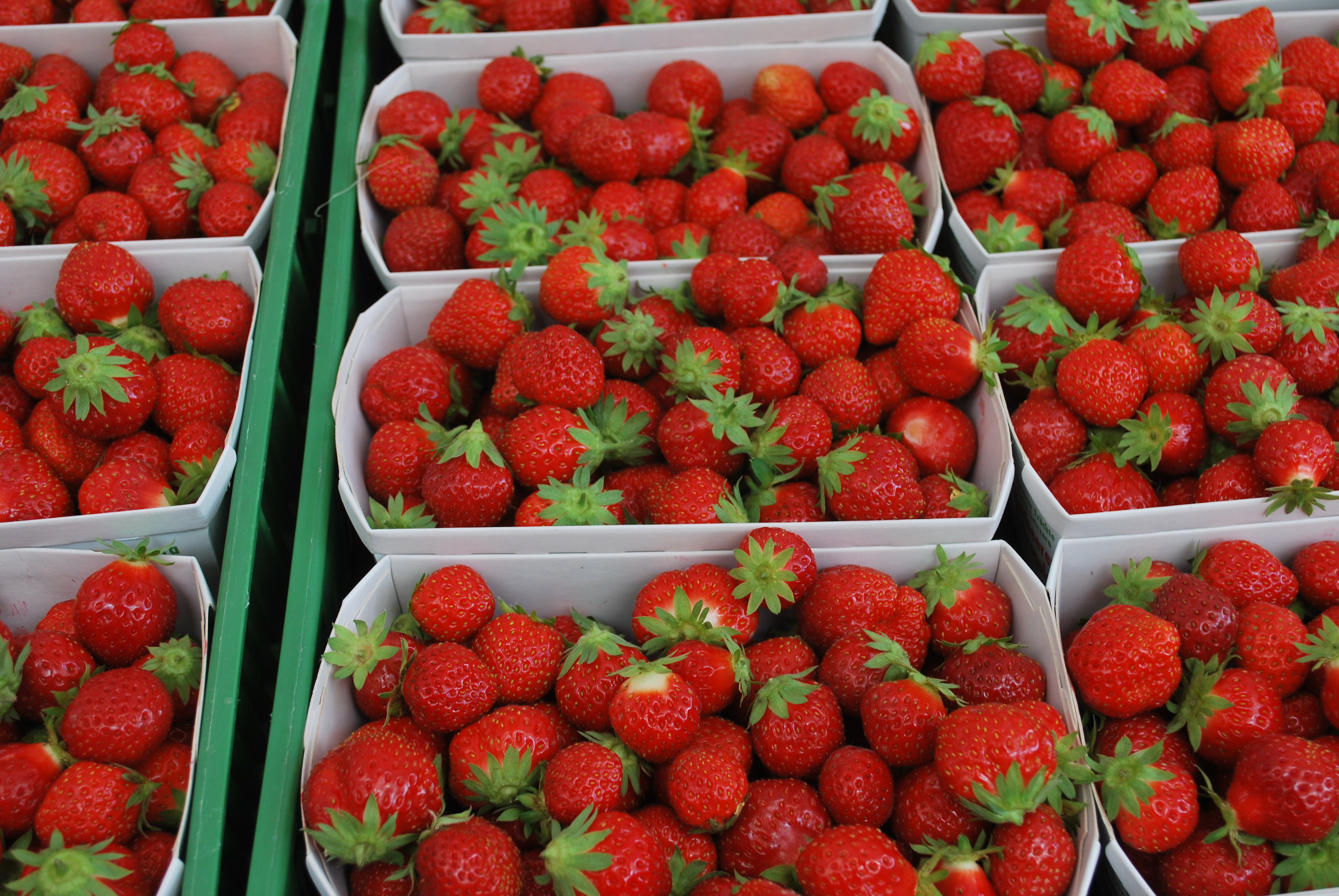
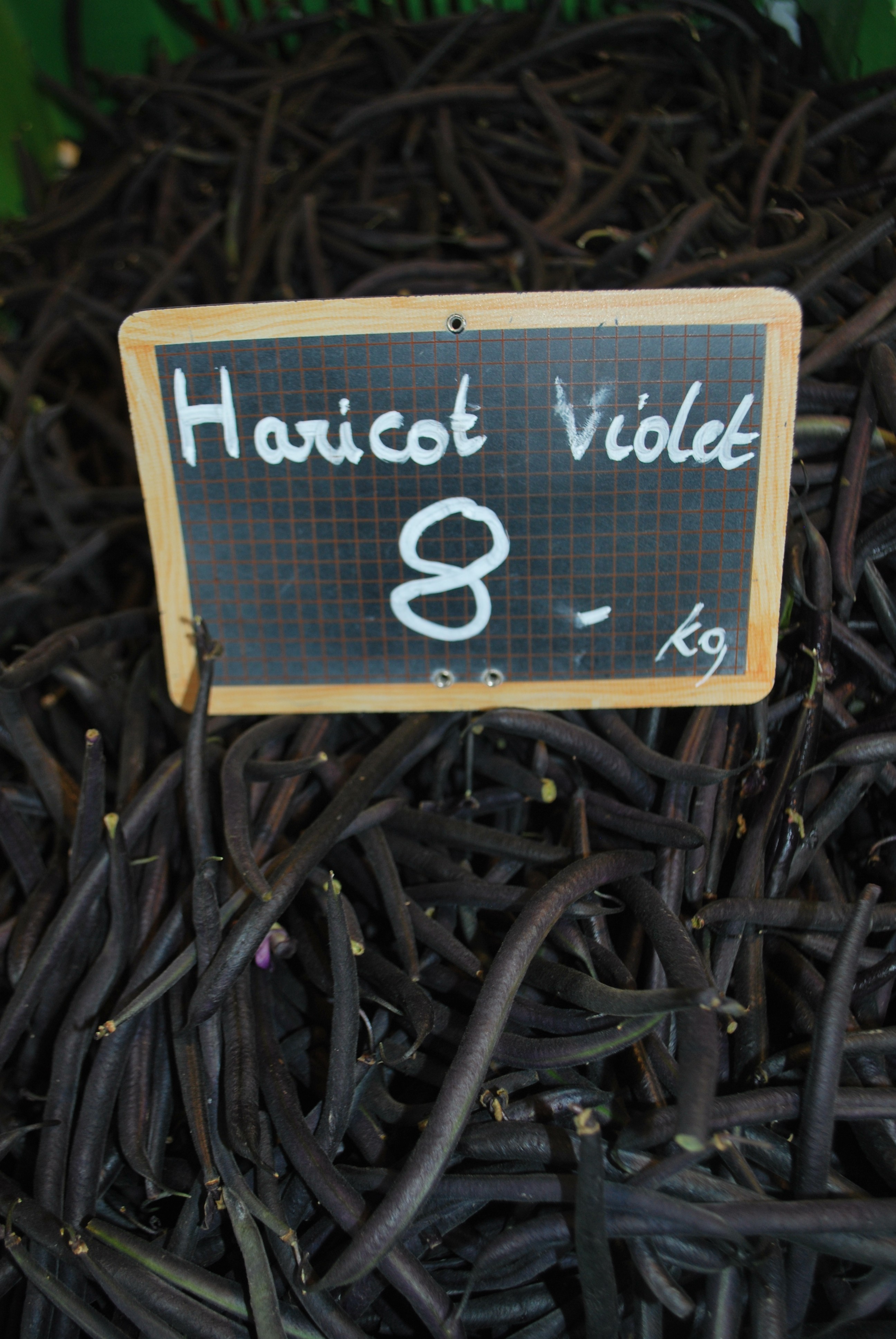
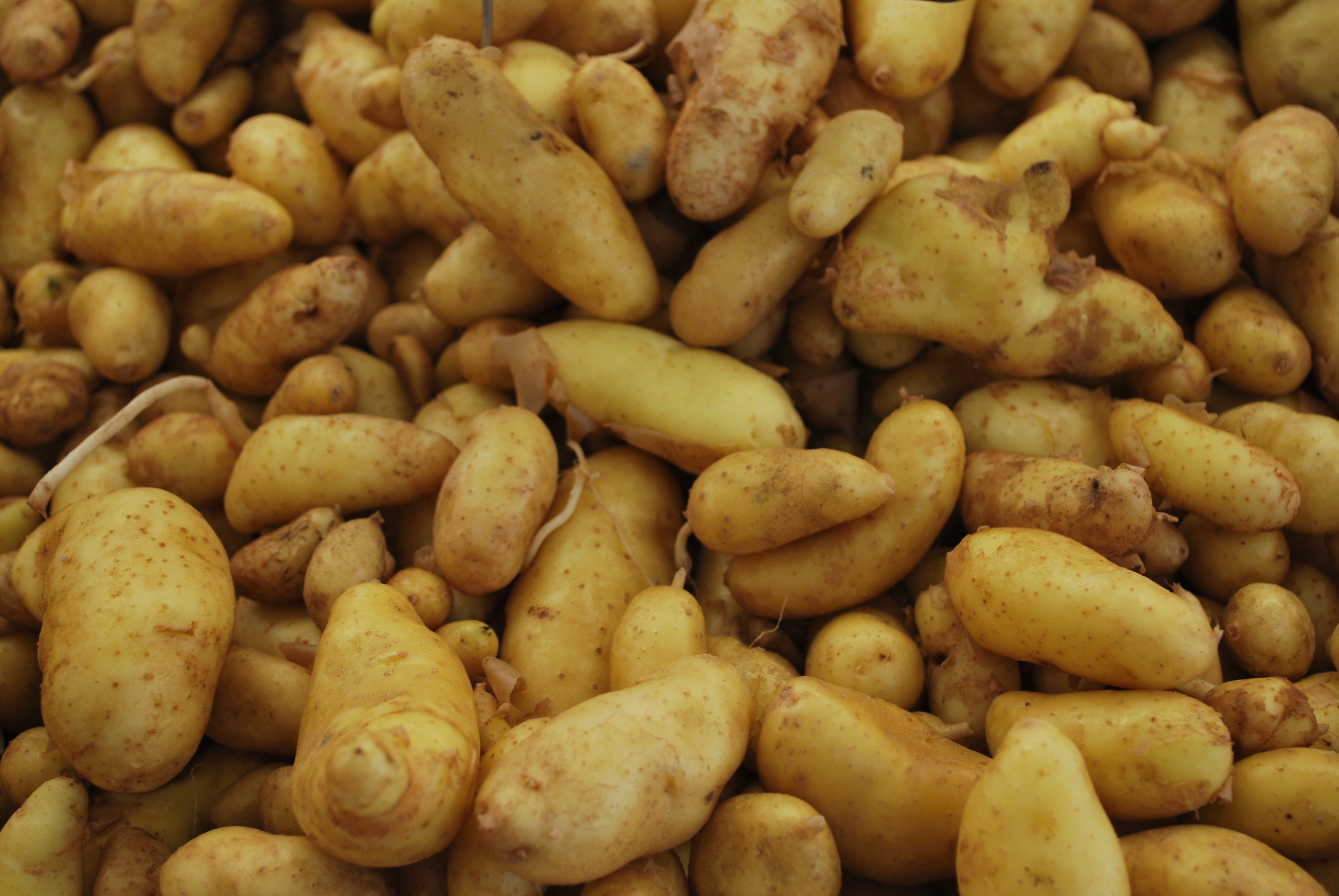
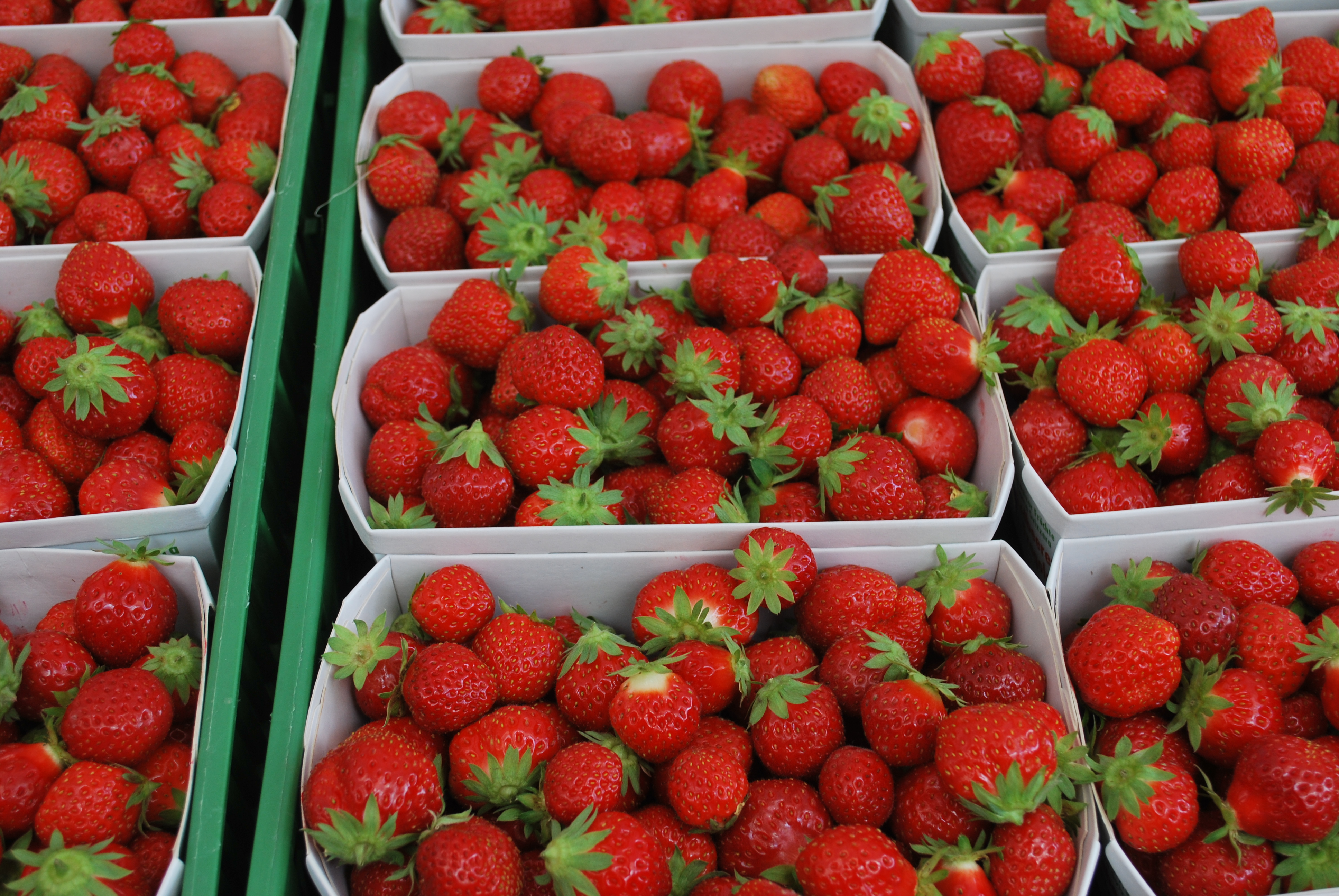
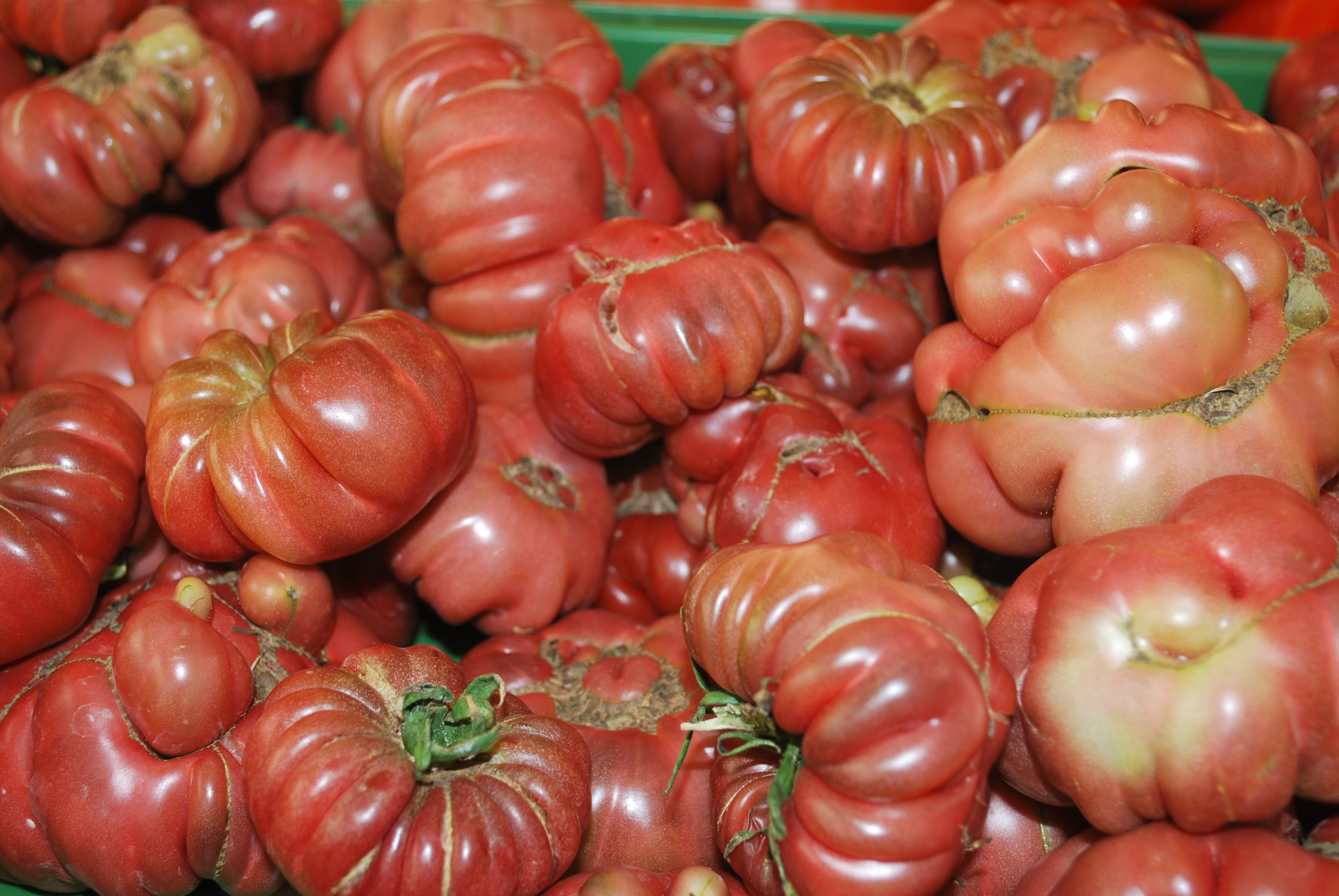
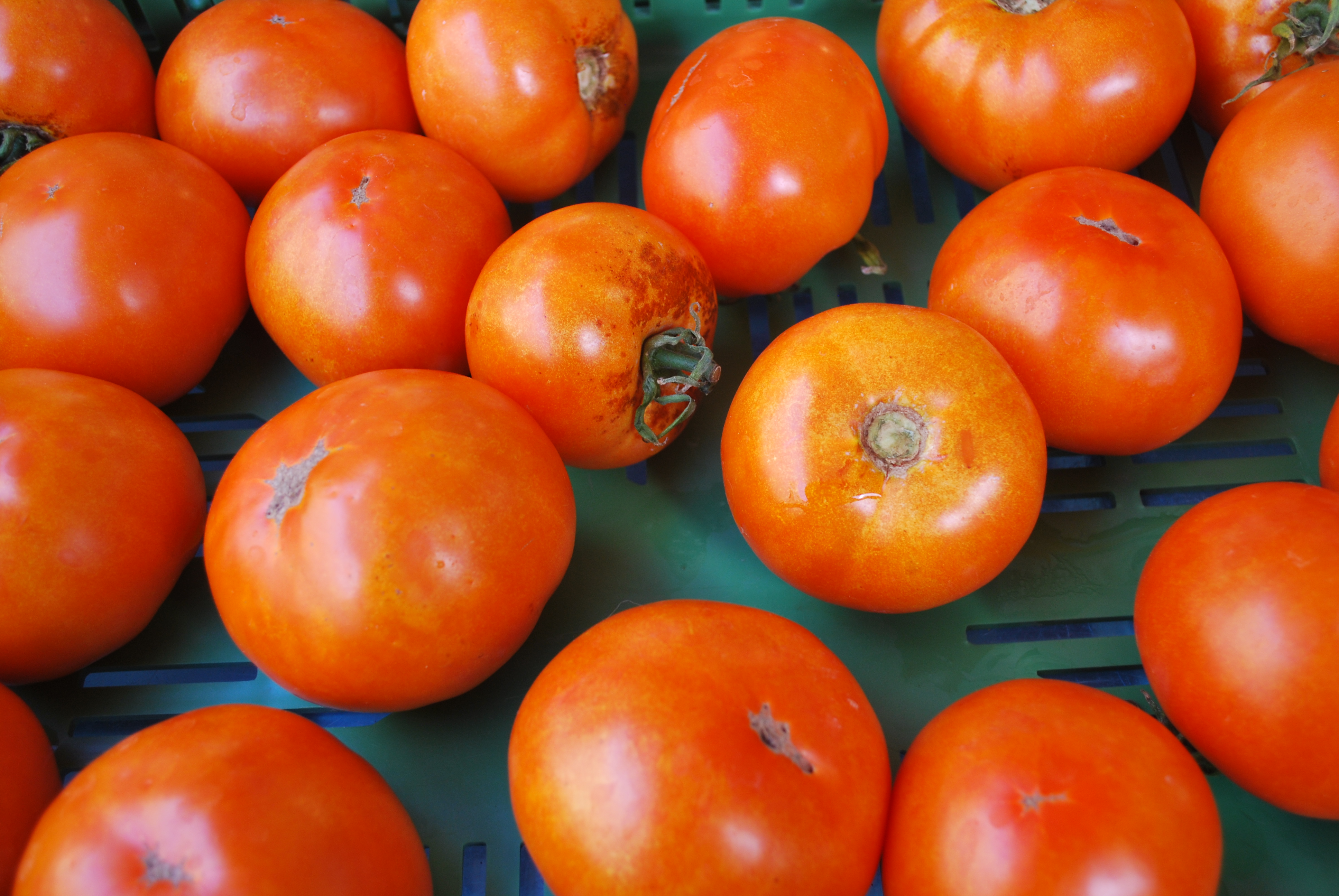
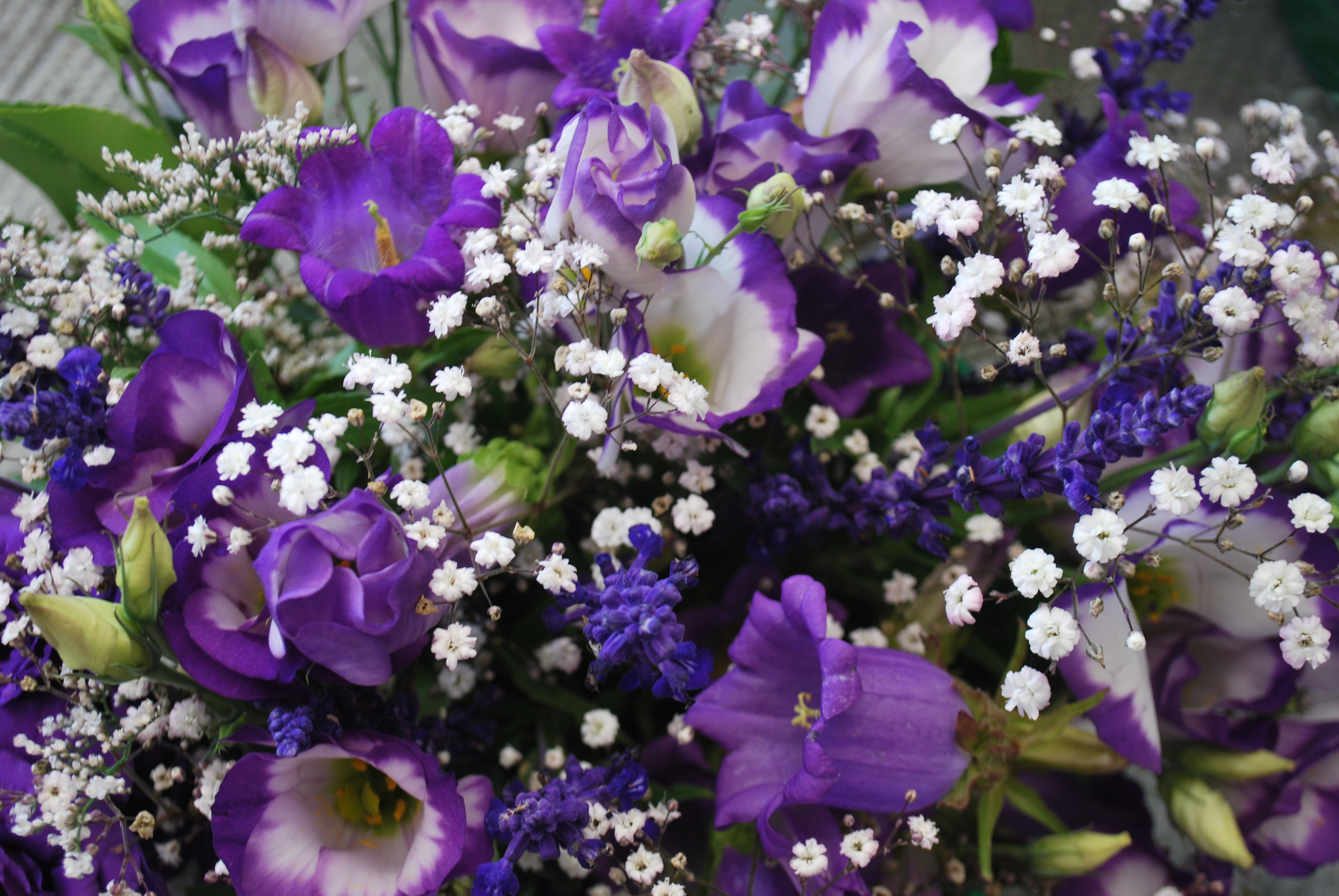
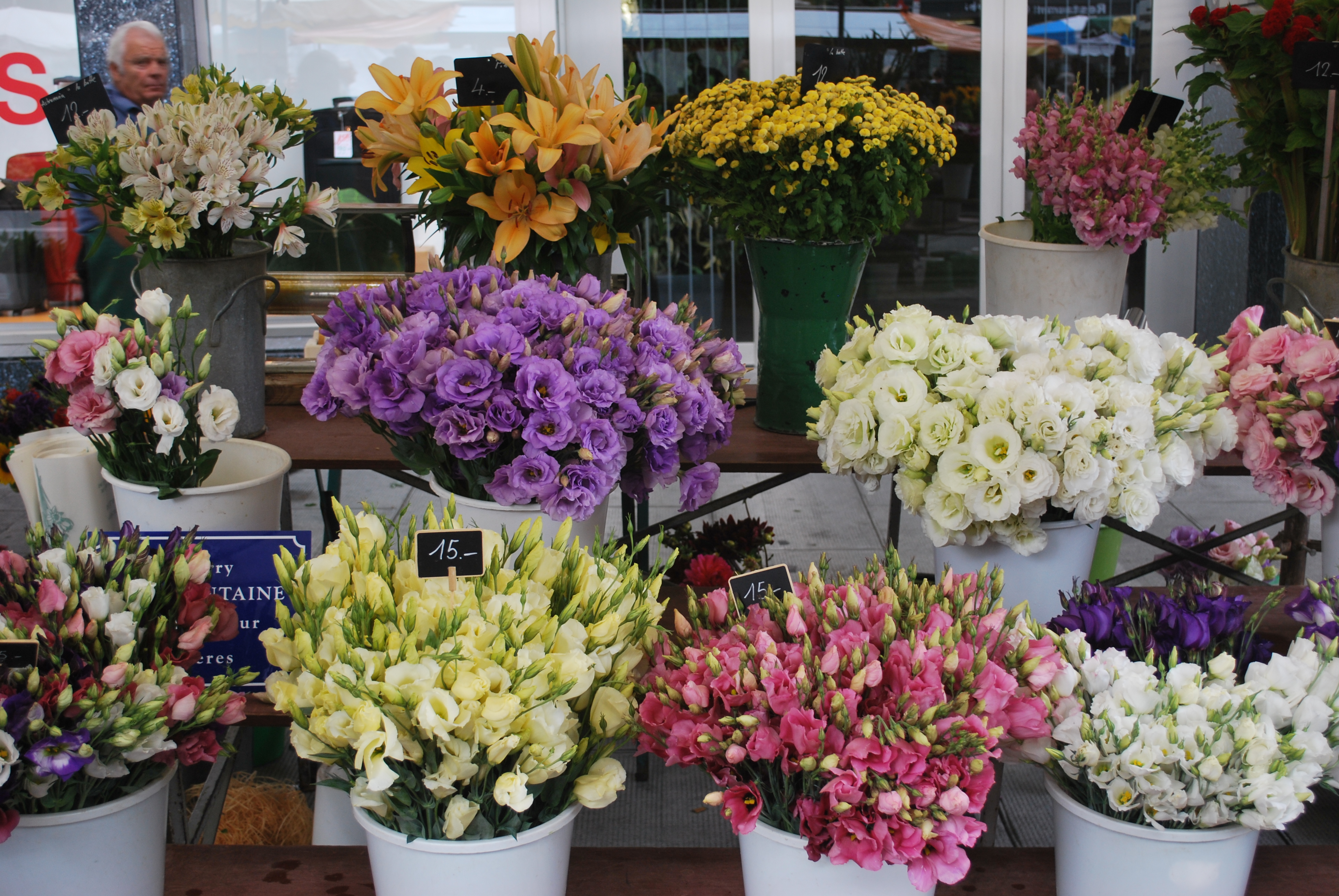
MarketDay: Documentary Photos of a July Farmers Market in Switzerland

Never miss a post
Name: 
Your email address:*
Please enter all required fields
Correct invalid entries

10 Things You Need to Know before You Start Gourmet Cooking

Published by Wednesday, July 17, 2013 Permalink 0


The Rambling Epicure, Editor, Jonell Galloway, food writer.

10 Things You Need to Know before You Start Gourmet Cooking

by Jonell Galloway

From the archives

Cooking is just applied physics and chemistry, with a little creativity thrown in.

1. Heat and temperature

Heat and temperature are important at every stage in cooking.

When browning or grilling meat or fish, oil should be very hot before adding it. This seizes it, thus preserving all its natural juices, which are where the flavor resides.

Slow cooking at low temperatures is best for tough, sinewy or fatty pieces of meat, while high temperatures are best for lean meats such as filet, where it is necessary to seize it, since it has no fat to keep it from drying out.

2. Juices

http://www.yumsugar.com/Deglaze-592880


No matter what the ingredient, the flavor resides in its natural juices. That’s why fresh is always better than frozen. When you thaw food, part of its natural juices are lost.

There is an appropriate way to cook every ingredient, depending on its nature.

Continue Reading…

Never miss a post
Name: 
Your email address:*
Please enter all required fields
Correct invalid entries

Spontaneous Cuisine: Lebanese Zucchini Salad Recipe

Published by Tuesday, July 16, 2013 Permalink 0

Spontaneous Cuisine: Lebanese Zucchini Salad Recipe

by Jonell Galloway

Mezze: summer vegetables with a new twist for your picnics

What are summer vegetables for us are year-long vegetables for the Lebanese and Syrians.

Choosing your courgettes or zucchini

Zucchini should be dark green and firm to the touch. Avoid wrinkly-looking courgettes, which are not fresh.

Choose young, small ones. The taste is more delicate and sweeter. Larger older courgettes often have large seeds, and tend to be bitter.

Recipe for mezze-style courgette (zucchini) salad

This is a kid-friendly recipe.

Continue Reading…

Never miss a post
Name: 
Your email address:*
Please enter all required fields
Correct invalid entries

Balsamico, Balsamico: How to Choose a Good (and Authentic) Balsamic Vinegar

Published by Thursday, July 11, 2013 Permalink 0


//

Gareth Jones, food and travel writerBalsamico, Balsamico: How to Choose a Good (and authentic) Balsamic Vinegar

by Gareth Jones

“When we think that 100 kgs of grapes converts into just 2 litres of Balsamico after 25 years ageing, we appreciate what’s quite so special.”


Balsamio brusco 1985, aged Balsamic vinegar, photo by Gareth Jones

1985 aged Balsamic vinegar

Imagine a magical elixir which has a history charted back to 1785 – and probably earlier — that takes skills passed down through the generations of families, and is years in the making. Made traditionally, this elixir has the power to transport one to Heaven on a spoon, and just one word on the bottle tells us the real from the manufactured.

IMG_0894 (188x250)

That word is Tradizionale’ and to a cynic it could read like a word from the marketeer’s limited lexicon. This one word, however, divides the Heavenly stunning from the just special and Earthly – and sometimes not special at all for its added caramel and sugar. Time to become acquainted with the genuine Aceto Balsamico Tradizionale di Modena DOP.

Continue Reading…

Never miss a post
Name: 
Your email address:*
Please enter all required fields
Correct invalid entries

Immortal Cheese with Eric LeMay: Cheese Making 101

Published by Friday, July 5, 2013 Permalink 0

Immortal Cheese with Eric LeMay: A pithy and picky video tour through everything worth knowing about cheese.

Never miss a post
Name: 
Your email address:*
Please enter all required fields
Correct invalid entries

What is Spontaneous Cuisine?

Published by Thursday, June 27, 2013 Permalink 0

Jonell Galloway, Slow Food, Spontaneous Cuisine, Slow Food, Editor of The Rambling Epicure, Mindful EatingMy Spontaneous Cuisine, by Jonell Galloway

Spontaneous Cuisine is an approach to cooking that I “invented” 25 years ago, around the same time as Paul Bocuse started talking about la cuisine du marché, or “market cuisine.”

Happy Thanksgiving


The Spontaneous Cuisine method consists of writing out a tentative menu based on seasonal, local products; going shopping for the products, and adapting the menu according to what is available and fresh; going to the wine seller to select a wine to go with the menu, then going home and cooking all afternoon with my students. A day in the classroom-kitchen usually ends with a candlelight dinner at the château (in my past life in France), and now, at my 1,000-year-old chapel converted into a house in Chartres.

Never miss a post
Name: 
Your email address:*
Please enter all required fields
Correct invalid entries

Swiss Supermarket Discoveries, Part III: Hike Switzerland

Published by Friday, June 21, 2013 Permalink 0


//

Swiss Supermarket Discoveries, Part III: Hike Switzerland

by Sonja Holverson

If you actually want to take a hike in Switzerland (and of course you do!), there are all levels from hikes for flatlanders to experts to alpinists. (See Swiss Alpine Wanderlust Packing List for Serious Hikers.)

So don’t let those enormous Alps intimidate you, because you can do a lot at lower altitudes. You might start by hiking around the Swiss vineyards, a common practice in Switzerland, or even in villages; you can hike down to the lake and the one of the relaxing and scenic cruises on Lake Geneva. Whatever the activity you will need a picnic lunch and the best place to find the ingredients is the Swiss supermarket.

Alpine picnic image courtesy of Olivier Bruchez

Continue Reading…

Never miss a post
Name: 
Your email address:*
Please enter all required fields
Correct invalid entries

David Downie: Artful Parisian Pastry, Part 2: Paris Present

Published by Wednesday, June 19, 2013 Permalink 0

Parisian Artful Pastry, Part 2: Paris Present

by David Downie

The minimalism of contemporary pastry art can be spectacular. A Paris-trained American pastry chef friend of mine from New York came to dinner carrying a hatbox. She lifted the lid and everyone gasped. “It’s a pastry radiator,” I couldn’t help exclaiming. The “radiator’s” buttery pastry fins were filled with ethereal cream, shielded by dark chocolate plates and mounted on a hard nougatine U-shaped base reminiscent of Bakelite.

Classic chocolates from Jean-Paul Hévin ©Alison Harris

“Actually it’s a vertical millefeuille,” my friend explained as she heated the blade of a long knife—the only way to slice this incredible, gorgeous delicacy without destroying it.

The “radiator” turned out to be the conceptual-art brainchild of culinary designer Marc Brétillot, whose creations have often been spotted in the pastry department at the Bon Marché’s Grande Épicerie.

“Pastry is art,” Philippe Muzé, for a decade the wonder-worker at Paris’s bastion of traditionalism, Dalloyau, told me (he has since moved on and on and won many awards). “It’s poetry,” he added. “You can turn sugar, chocolate, herbs, spices and fruit into a million flavors and colors.” I hesitated before deconstructing his green Gâteau Vert, discovering a raspberry-colored biscuit, pear mousse, hot Szechwan pepper, cardamom, thyme and paprika.

Continue Reading…

Never miss a post
Name: 
Your email address:*
Please enter all required fields
Correct invalid entries

UA-21892701-1