Gareth Jones: Memories of Old Belgium & Malmedy’s Gooey Kisses

Published by Wednesday, July 3, 2013 Permalink 0


//

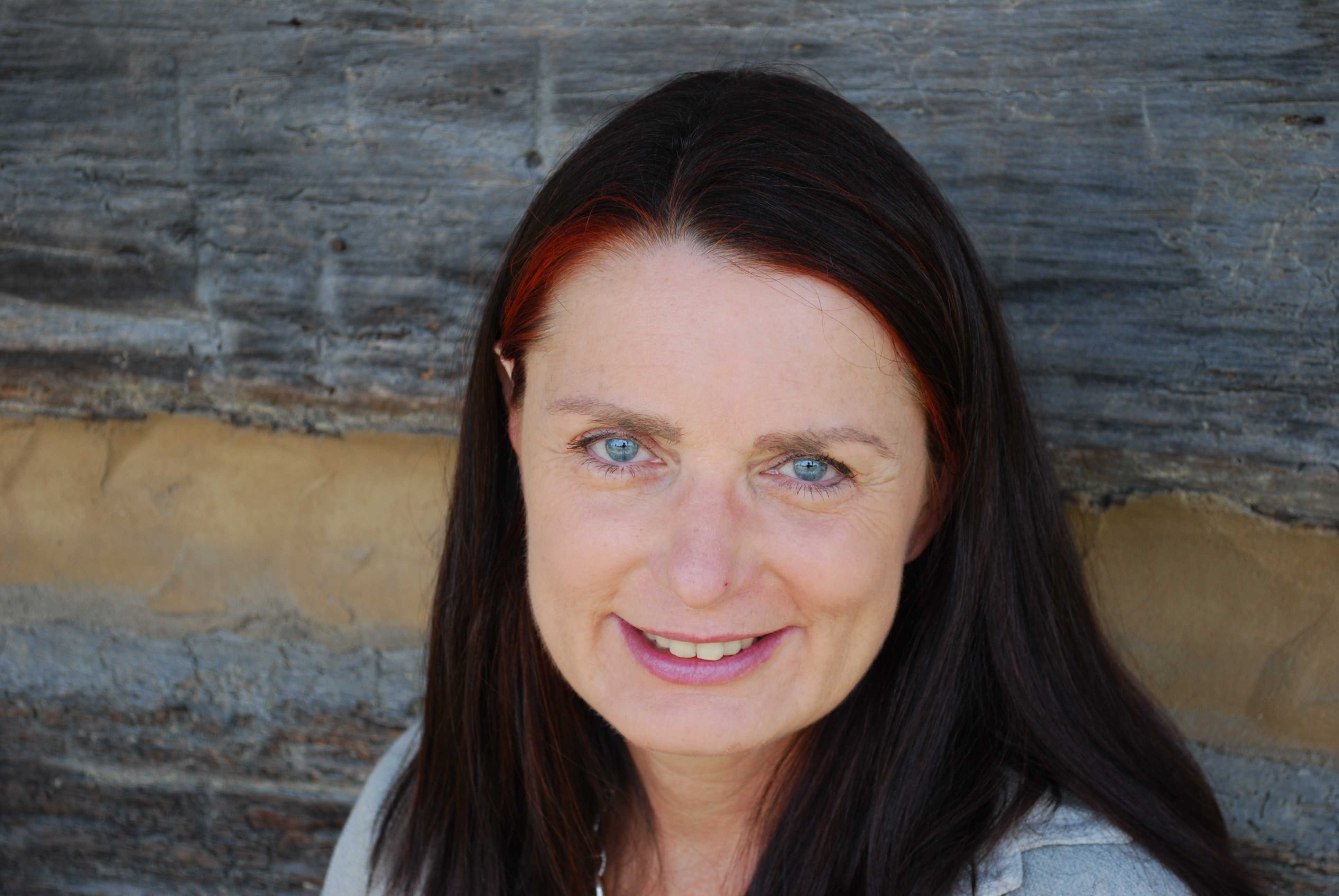
ID photo of Gareth Jones, food writer and consultantMemories of Old Belgium and Malmedy’s Gooey Kisses, including Recipe

by Gareth Jones

IMG_0047 (250x188)

When two chewy, gooey meringues come stuck together either side of a slather of butter cream or crême chantilly, the pâtissiers of Malmédy call this a ‘kiss’. Their description is obvious – it’s a fond embrace. Such is its fame, the Baiser had a place in the original Larousse Gastronomique compiled by Prosper Montagné in 1938.

The story goes that the Baiser de Malmédy started life in the late 19th century in this region of the Eastern Ardennes that many still prefer to call ‘Old Belgium’. The name appreciates that here, in the small towns like Malmédy, Stavelot, Bastogne, Spa and Francorchamps, the old ways continue and courtesy comes before all else – much as continues in Norfolk and Suffolk, Dorset and Somerset, where people living here still have time for each other.

OLYMPUS DIGITAL CAMERA

Continue Reading…

Never miss a post
Name: 
Your email address:*
Please enter all required fields
Correct invalid entries

What is Spontaneous Cuisine?

Published by Thursday, June 27, 2013 Permalink 0

Jonell Galloway, Slow Food, Spontaneous Cuisine, Slow Food, Editor of The Rambling Epicure, Mindful EatingMy Spontaneous Cuisine, by Jonell Galloway

Spontaneous Cuisine is an approach to cooking that I “invented” 25 years ago, around the same time as Paul Bocuse started talking about la cuisine du marché, or “market cuisine.”

Happy Thanksgiving


The Spontaneous Cuisine method consists of writing out a tentative menu based on seasonal, local products; going shopping for the products, and adapting the menu according to what is available and fresh; going to the wine seller to select a wine to go with the menu, then going home and cooking all afternoon with my students. A day in the classroom-kitchen usually ends with a candlelight dinner at the château (in my past life in France), and now, at my 1,000-year-old chapel converted into a house in Chartres.

Never miss a post
Name: 
Your email address:*
Please enter all required fields
Correct invalid entries

Chocolate: Everything You Need to Know about Chocolate Fountains

Published by Sunday, June 23, 2013 Permalink 0

Chocolate fountains are in!

Chocolate fountains are the rage these days. You see them at dinner parties, weddings, all sorts of celebrations. This article gives you all the in’s and out’s, from mini fountains to giant ones.

CHOCOLATE_FOUNTAIN creative commons photo by http://www.google.fr/imgres?client=firefox-a&hs=xVk&sa=X&rls=org.mozilla:en-US:official&biw=1280&bih=527&tbm=isch&tbnid=xgmQrFXS7NTuoM:&imgrefurl=http://chadschocolatefountains.com/&docid=WwpEBl0jAvZB2M&imgurl=http://chadschocolatefountains.com/sitebuilder/images/CHOCOLATE_FOUNTAIN_ROSES_STRAWBERRIES-391x254.png&w=391&h=254&ei=ZeTGUZmPNImc0AWSmICQDg&zoom=1&iact=hc&vpx=349&vpy=107&dur=5146&hovh=181&hovw=279&tx=115&ty=103&page=3&tbnh=141&tbnw=235&start=51&ndsp=26&ved=1t:429,r:72,s:0,i:384_ROSES_STRAWBERRIES-391x254


Most Swiss chocolate makers make a special chocolate to be used in fountains. I would advise asking their opinion before attempting this, because it can be tricky and even dangerous. Last winter, I heard a story about a naked teenager falling into an oversized chocolate fountain in a party in Cologny and then running through the cold streets of Cologny before ending up in the hospital (escorted by the police).

Continue Reading…

Never miss a post
Name: 
Your email address:*
Please enter all required fields
Correct invalid entries

Jonell Eats her Way through Provence: A Photo Essay

Published by Tuesday, June 18, 2013 Permalink 0

Jonell Eats her Way through Provence: A Photo Essay

by Jonell Galloway

Tourettes-sur-Loup in France is the world capital of violets, and yes, you can eat violets. Candied, as you’ll see on my dessert in the photos; syrup; as jam (the stacked tins); and they even make violet pasta.

Never miss a post
Name: 
Your email address:*
Please enter all required fields
Correct invalid entries

Food Quote: Nelson Mandela on Food

Published by Wednesday, June 12, 2013 Permalink 0

by Jonell Galloway

Nelson Mandela on Food

I was not born with a hunger to be free. I was born free. Free in every way that I could know. Free to run in the fields near my mother’s hut, free to swim in the clear stream that ran through my village, free to roast mealies [corn] under the stars … It was only when I learnt that my boyhood freedom was an illusion … that I began to hunger for it.–Nelson Mandela

Photo courtesy of The Guardian

has provided “the backdrop and occasionally the primary cause for momentous personal and political events in the life of Nelson Mandela.” In his autobiography, he took an innovative approach to history and showed that a great man’s life can be measured out in mouthfuls, both bitter and sweet. With this title, the reader can cook and taste Nelson Mandela’s journey from the corn grinding stone of his boyhood through wedding cakes and curries to prison hunger strikes, presidential banquets and ultimately into a dotage marked by the sweetest of just desserts. Tales told in sandwiches, sugar and samoosas speak eloquently of intellectual awakenings, emotional longings and always the struggle for racial equality. He was always motivated by hunger, either longing for food he couldn’t have, or depriving himself of food in the name of freedom.

“Only the truly food obsessed would read such a statement and consider the stomach from whence it came, but I did and the result is a gastro-political biography entitled Hunger for Freedom, the story of food in the life of Nelson Mandela,” he told Ana Trapedo of The Guardian.

When in prison, he wrote to former wife Winnie: “How I long for amasi (traditional South African fermented milk), thick and sour! You know darling there is one respect in which I dwarf all my contemporaries or at least about which I can confidently claim to be second to none – healthy appetite,” he told Trapedo.


Never miss a post
Name: 
Your email address:*
Please enter all required fields
Correct invalid entries

A Mesolithic Dinner: Food, Wine and Art by Jane Le Besque

Published by Tuesday, June 4, 2013 Permalink 0

by Jonell Galloway

A Mesolithic Dinner: Food, Wine and Art by Jane Le Besque
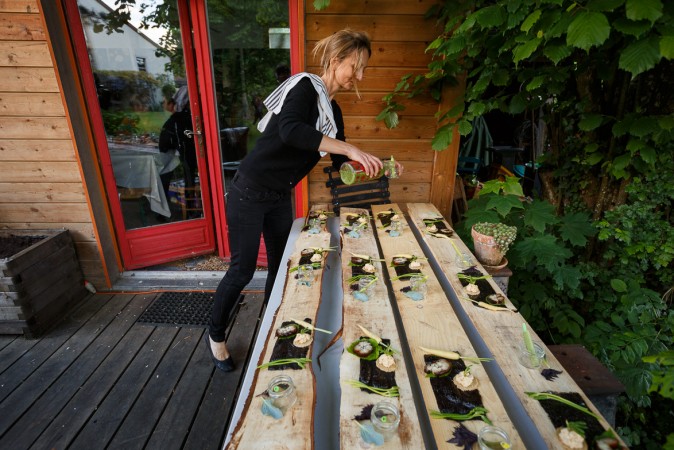
 

Jane Le Besque hosted a “mesolithic dinner” on June 30, 2013, in her home in the Pays de Gex just over the border in France, an event sponsored by Slow Food Geneva. The dinner was cooked using ancient flavor combinations and techniques, and served on split logs onto which slate plates were placed and used as plates.

What Food Did Jane Le Besque Serve at Her Mesolithic Dinner?

Although Jane’s dinner was labeled “Mesolithic”, it was indeed much more than that. She covered the evolution of food from the post-glacial hunter-gather periods, through the Mesolithic and Neolithic, and going on to the Ancient Greeks and Romans, centering on Europe.

It started with the Mesolithic era, with an assortment of coastal and lake fish, eel, root vegetables and wild greens. The meal then slipped in to the Neolithic era with galettes made from ground lentils, peas and barley, served with spit-roasted boar. The menu ended with an Iron-Age “travelers pack” of dried fruits and dried-porridge slices fried in cumin and butter. The Bronze Age brought blue cheese and butter.

Drinks consisted of mead, more often referred to as “honey wine,” more in the style of the ancient Greeks and Romans than of more ancient peoples, and beer.

What is the Mesolithic?

As a reminder, the Mesolithic Age refers to the pre-agricultural period between 10,000 and 5,000 BCE in Europe, and variations of this period in other parts of the world. The term “pre-agricultural” is key in understanding what ingredients were available. The three terms paleolithic, mesolithic and mesolithic refer to what is generally called the “Stone Age,” i.e. the post-glacial hunter-gatherer period, when humans started to use stone tools and food was gathered rather than farmed.


During the early Stone Ages or paleolithic (2.6 million years ago to around 10,000 BP), humans used some stone tools and utensils, but many tools were made from organic matter such as bone, fibers, and wood. Hunting and gathering were the chief ways of providing food. During the neolithic, starting around 10,200 BCE and ending between 4,500 to 2,000 BCE, depending on the location, we saw the beginning of farming. The mesolithic overlapped the other two ages, once again, at different times in different places. Metal tools brought these three Stone Ages to an end.
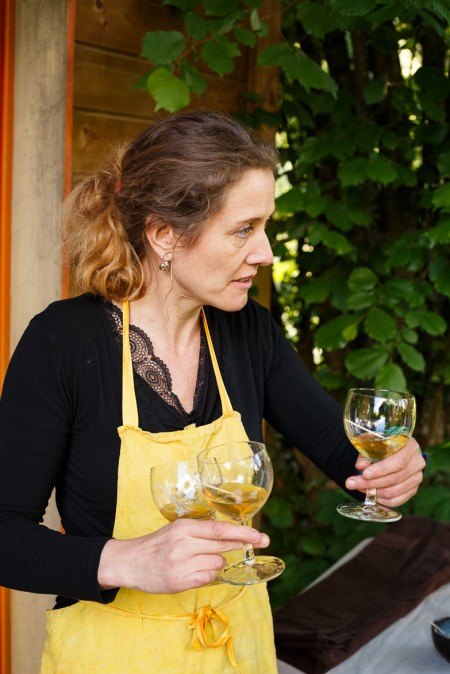
Jane Le Besque, artist and Mesolithic chef, serving mead


Early Stone Age cooking was generally on leaves or directly over the embers, although clay cookware has recently been found in China dating from 19,2000–20,000 years ago, during the ice age. Stone Age plates usually consisted of a rock or other flattish surface found in nature, such as the flattened split logs Jane used in the same manner as we use wooden tables today. Earthenware did not appear on the dinner table until much later.

What Did You Usually Eat at Mesolithic Dinners?

What did they eat? Pretty much whatever they found and killed that was edible: meat, fish, wild plants. The specifics of this depended on the location, climate and season. Meals included the day’s finds. This might consist of berries, wild greens and other wild vegetables and plants.

Meat and later fish were not an everyday affair. They were difficult to come by and difficult to preserve, depending on the location (salt was found in Romania as early as 10,000 years ago). Stone  Age people ate very little grain, since agriculture didn’t exist yet. Hazelnuts and other nuts were often roasted, and stored for winter. Wild boar was common; dairy products and cheese were on the menu, although a limited variety.

About Jane Le Besque

Jane Le Besque lives and works with her family at the foot of the French Jura, a few minutes from Geneva, in the foothills of the Jura mountains.

She was born in England and has a Breton grandfather, hence the name. Since graduating from Birmingham Art College in 1986, she continued her studies at l’Ecole des Beaux Arts in Paris. She afterwards lived and worked in Toulouse, London, and now outside Geneva.
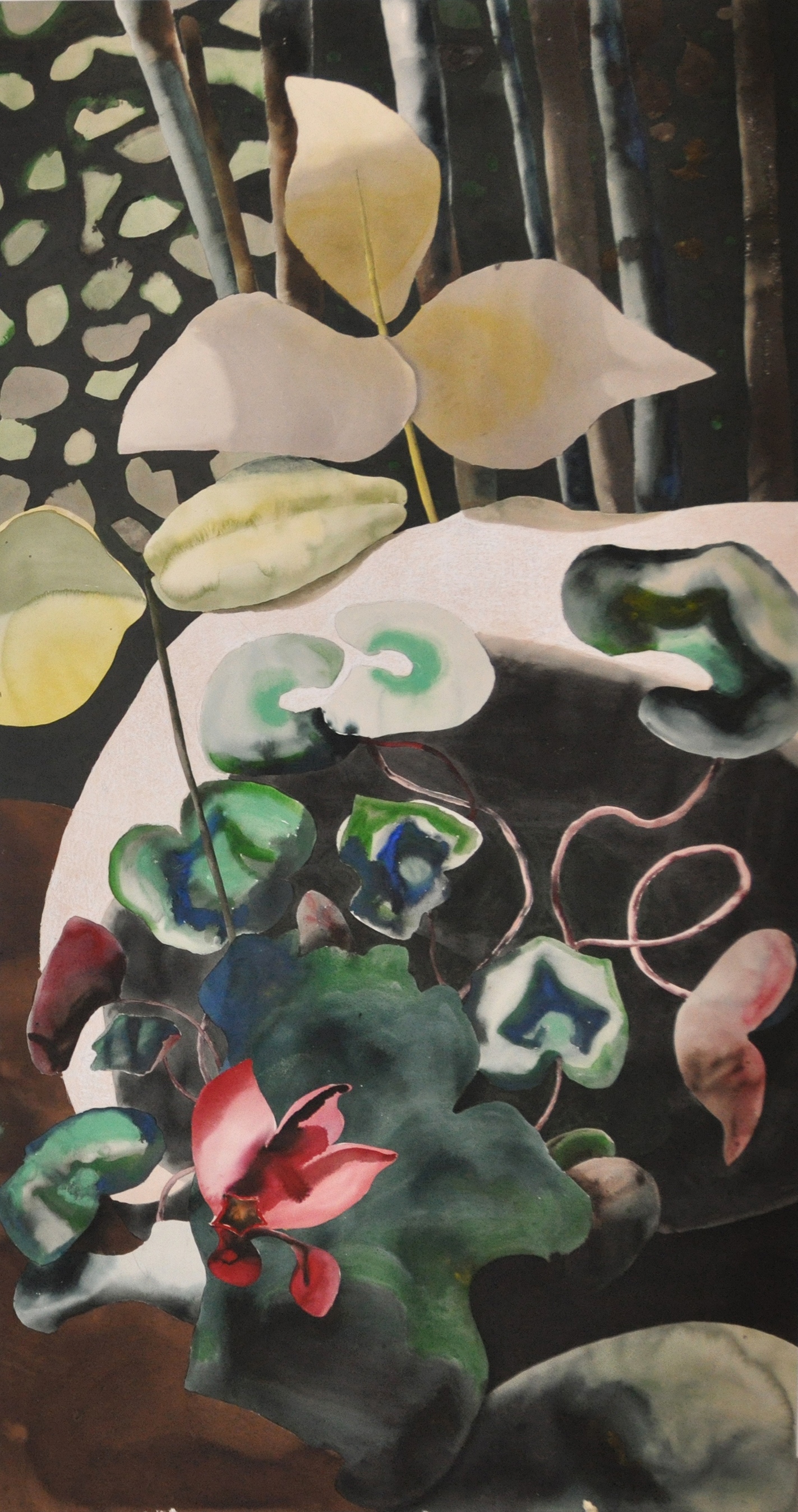


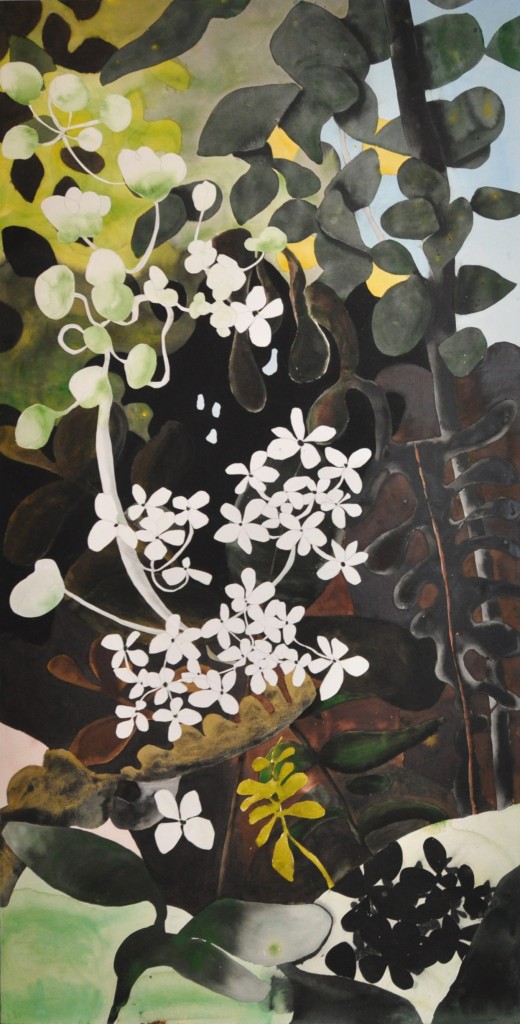
Jane has always painted. She is her happiest walking through the woods and gathering berries, mushrooms, acorns, flowers and leaves to use in her cooking and painting.

One might say Jane has been interested in mesolithic cooking even before she learned the word. As a child, she spent her time gathering the wild things she now uses in her paintings,  making dresses out of them.

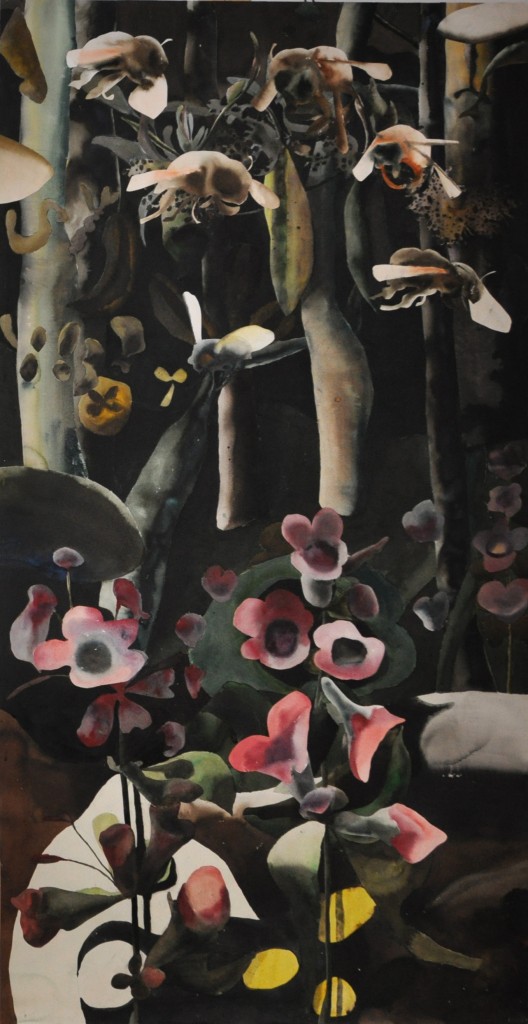
Her paintings are an intense reflection of her “gatherer” spirit. The Mesolithic dinner was held in her studio, lined with her paintings of flora of all types.



Never miss a post
Name: 
Your email address:*
Please enter all required fields
Correct invalid entries

Culinary Travel: Jonell Eats her Way through Mannheim, Germany

Published by Sunday, June 2, 2013 Permalink 0

Culinary Travel: Jonell Galloway Eats her Way through Mannheim, Germany

Photos from my culinary travels in Mannheim, Germany. Mannheim is not known for its cuisine, but it is known for its white asparagus, just like in Alsace. So we took a jaunt to the farmers market and bought the choicest spears from a vendor who sells only white asparagus. The Mannheim cheesecake we bought in the market is the best I’ve ever eaten.

Never miss a post
Name: 
Your email address:*
Please enter all required fields
Correct invalid entries

Kentuckian Bill Sanders’ Extra Virgin Olive Oil Named “One of the Best Olive Oils in the World”

Published by Tuesday, April 23, 2013 Permalink 0

by Jonell Galloway

Native Kentuckian from Maysville, Bill Sanders has spent a lifetime training his taste buds and nose. A graduate of the University of Kentucky, Sanders went on to study law at Salmon P. Chase College of Law in Cincinnati, Ohio, embellishing his résumé with other studies of quite a different nature: sensory evaluation of olive oil and professional wine studies at Culinary Institute of America.


Sanders started Crush and Press in January 2009, financing it through a Kickstarter campaign to which I gladly donated.  The olive oil quickly took off, and has already received mention as “one of the best olive oils in the world.” This olive oil, Sanders Fresh Press, received the mention.

Congratulations, fellow Kentuckian!


Never miss a post
Name: 
Your email address:*
Please enter all required fields
Correct invalid entries

Food Art: The Last Supper, by Caravaggio

Published by Friday, March 22, 2013 Permalink 0


The artist Caravaggio had a profound influence on figurative painting. He was a rebel who shocked the established art world with every painting. His use of prostitutes for models of Mary and his depiction of saints in common dress outraged the church. He even killed a man over a tennis match. His life was short and he died in exile. After his death, his detractors attributed lesser paintings to him and many of his greatest works were claimed by other artists. Even today, mystery and controversy surround him and his work but there is no denying his amazing talent.–Sharon Weaver

Never miss a post
Name: 
Your email address:*
Please enter all required fields
Correct invalid entries

Bio

I have been passionate about food for a long, long time now. The creative door was pushed wide open for me in the 1970’s – working as a young commis chef at the Carlton Tower Hotel in London. An inspirational chef, Bernard Gaume, at the forefront of UK Cuisine Nouvelle – in its correct context as taught by Fernand Point and further developed by Michel Gérard, Roger Vergé and the Troisgros brothers; not the misunderstood object of derision it later became. But oh, the ingredients! Live langoustine and crayfish every week, baskets of wild mushrooms in season, direct from France and the fish! So fresh and always whole and untouched until we got our hands on them. And the herbs, boxes of intensely fragrant basil and tarragon and my own favourite chervil whose subtlety belies a very happy marriage with eggs and cream. Ingredients that are sirens to the soul, how could one not fall in love with cooking? I should mention foie gras too – for which (and I make no apology) I have developed a life-long passion. I never thanked M. Gaume – and I should like to, I owe him a lot; he got me started.

A new chef joined us – Ian McAndrew – a brilliant chef of his generation, who was kind enough to introduce me to Anton Mosimann at the Dorchester Hotel and the journey began again, lifting me to new heights and experiences. This quietly charismatic chef had incredible vision and a passion for the best ingredients that was so infectious. Special moments were travelling with Hr Mosimann to the Dracula Club in St Moritz to cook a special dinner for 50 people, and competing in the Culinary Olympics in Frankfurt (and winning gold) as part of the Dorchester Hotel team. There is a picture of me (with others) in The Essential Mosimann; I didn’t know this when the book was first published and only saw it years later. It brought back many happy memories!

On my return from a season at the Hotel Kulm in St Moritz, I applied for, and got, a position at the Connaught Hotel in London. Michel Bourdin was only the 4th Head Chef there in 80 years and the kitchen was steeped in history, tradition, experience and…truffles! These have since been added to my list that includes foie gras – nothing, and I mean absolutely nothing, compares to the aroma of a wicker basket full of fresh truffles. Almost impossible to describe flavour or aroma – and I have been asked many times. Holder of two Michelin stars, the passion M. Bourdin held was so tangible and visible – Hr Mosimann and M. Gaume had this too, but it was quieter, controlled. With M. Bourdin it was always bubbling on the surface in a way that was exciting and very Gallic!

I worked at the Carlton Tower and Connaught twice, the Dorchester only once, but for a longer period. Although there were other good kitchens, it is these three brilliant and great chefs that nurtured my love of food.

And so on to photography. A passion developed later in life, and one I wished I’d started much earlier. So much thought goes into the way a chef wants to present a dish and yet it is eaten so quickly! A photograph preserves that moment in time, yet if the food is to be eaten as well, the opportunity to get the shot is as fleeting as a landscape photographer catching the dying rays of the setting sun. Food ingredients themselves also offer endless scope for photography, whether a macro shot of mushroom gills or a beautifully back-lit rhubarb leaf or colourful stems of rainbow chard. The photograph gives us the opportunity to show our appreciation and respect for fine ingredients in a way that presents them at their best and stimulates our senses.

Whether a finished dish, a beautiful ingredient or the people that inspire, food photography should seek to convey that passion and make us hungry for more!


You can see more of Rob’s work at Real Food Photography.


Never miss a post
Name: 
Your email address:*
Please enter all required fields
Correct invalid entries

UA-21892701-1