Just a spoonful of honey makes the medicine go down

Published by Monday, September 17, 2012 Permalink 0

 by Magda Wawrzonkowska

Honey is available all year long, but it’s at its tastiest in summer and early autumn when it has just been harvested. So we’re right in the middle of the honey season. This is the best time to discover its amazing properties. Give your body a wonderful gift — stop buying off-the-shelf honey products that contain only a small percentage of honey and discover the plethora of uses for this truly marvelous golden liquid!

Honey in honeycombs

Med u saću


Continue Reading…

Never miss a post
Name: 
Your email address:*
Please enter all required fields
Correct invalid entries

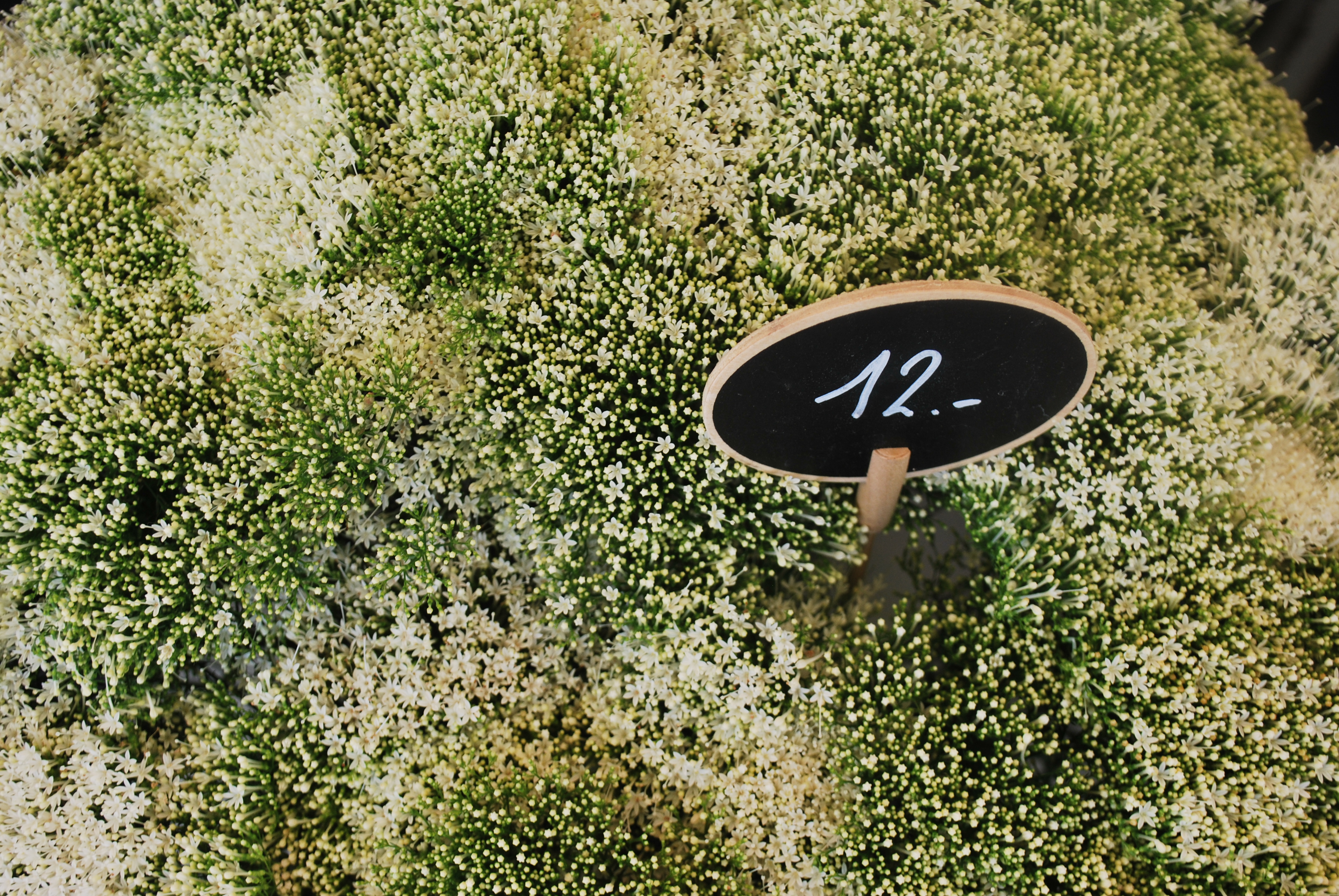
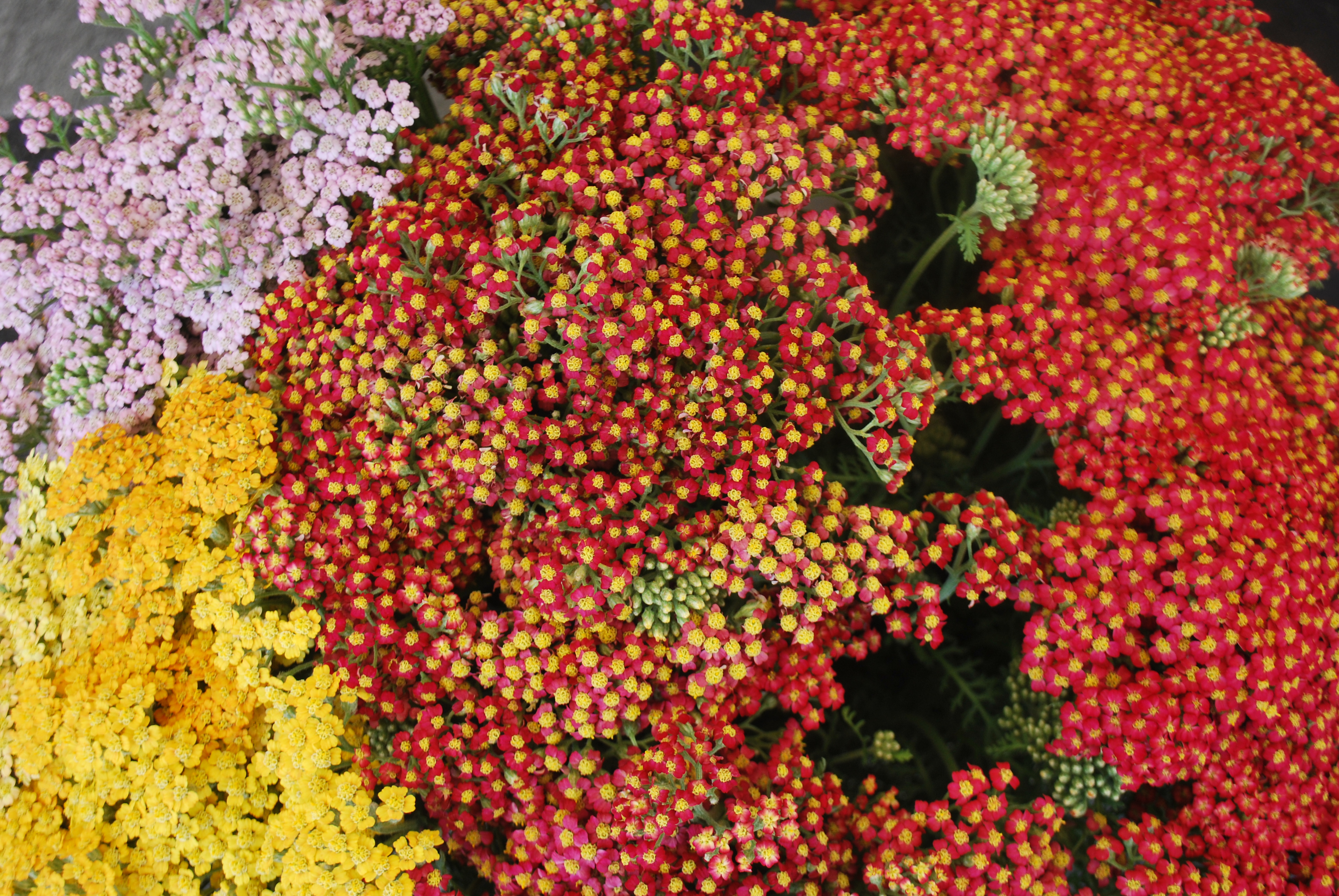
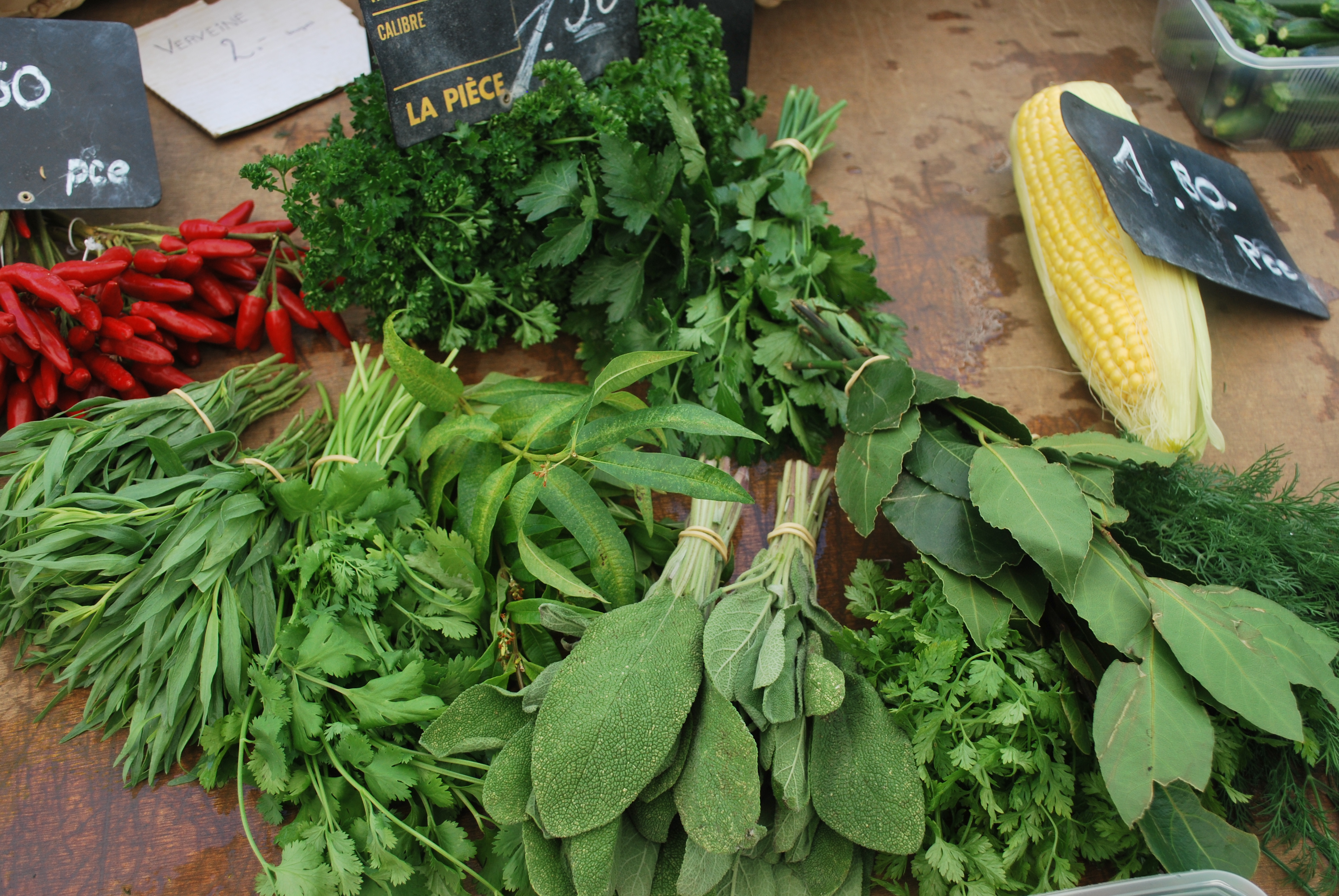
MarketDay: Swiss Farmers Market, Late August

Published by Tuesday, September 4, 2012 Permalink 0

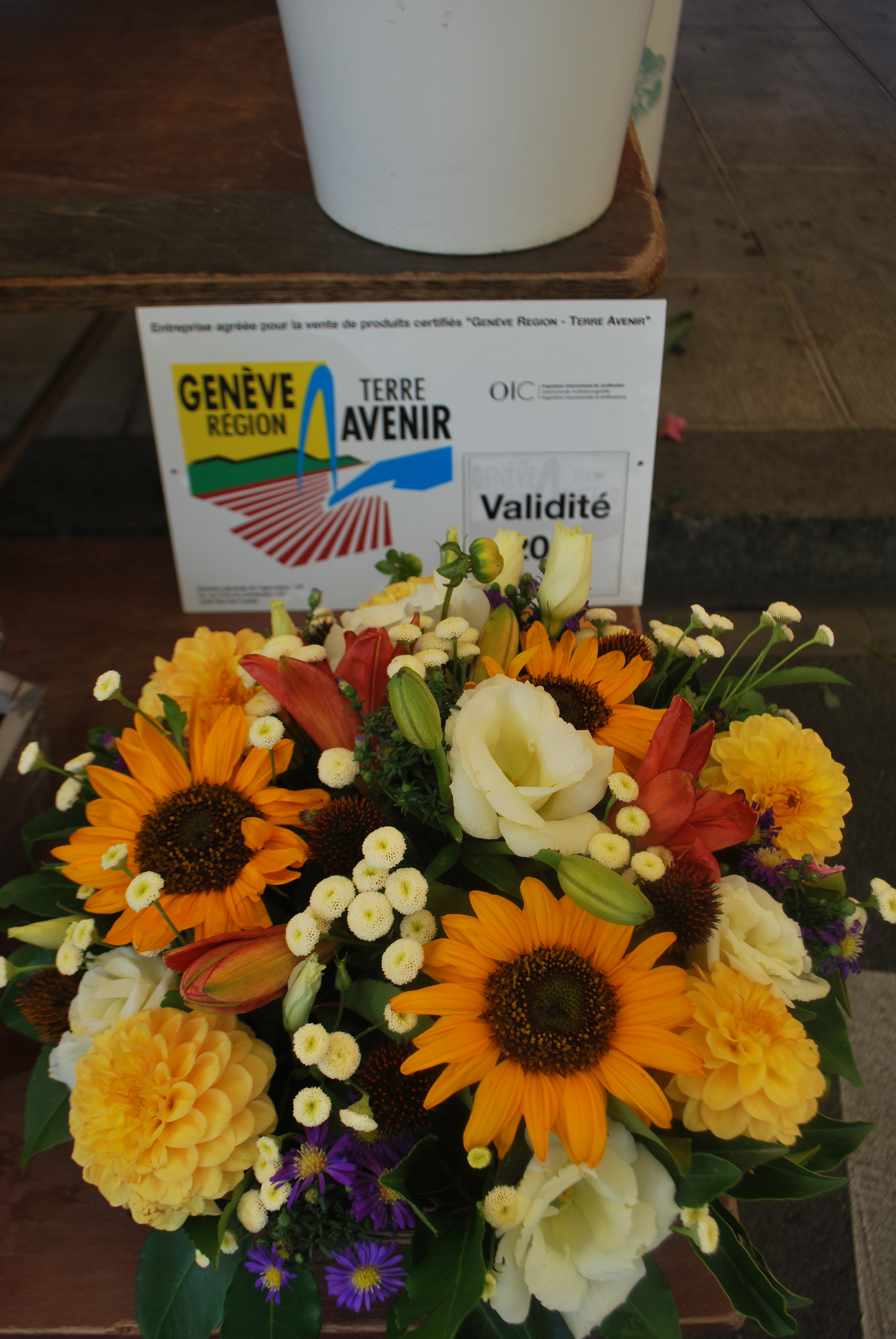
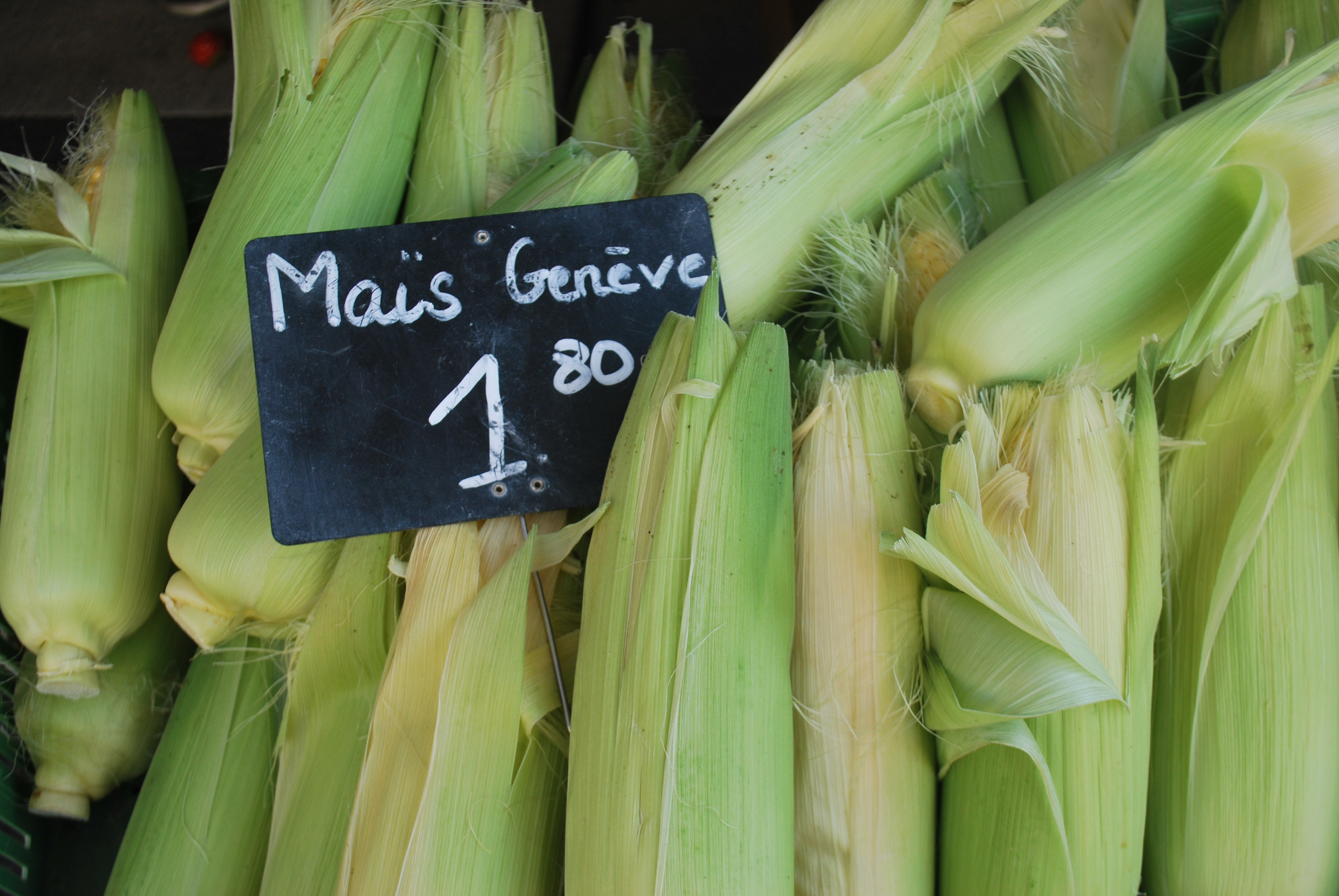
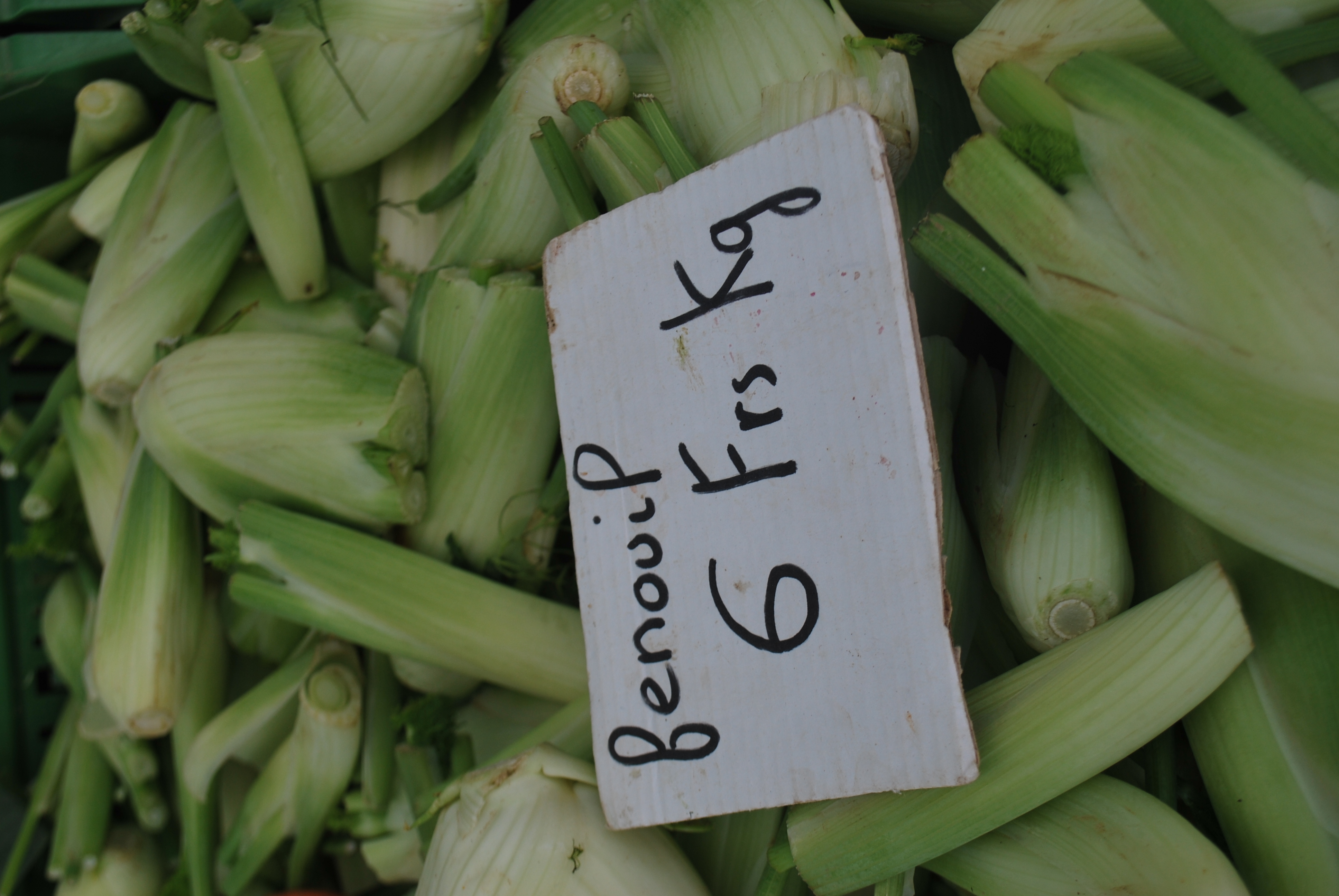
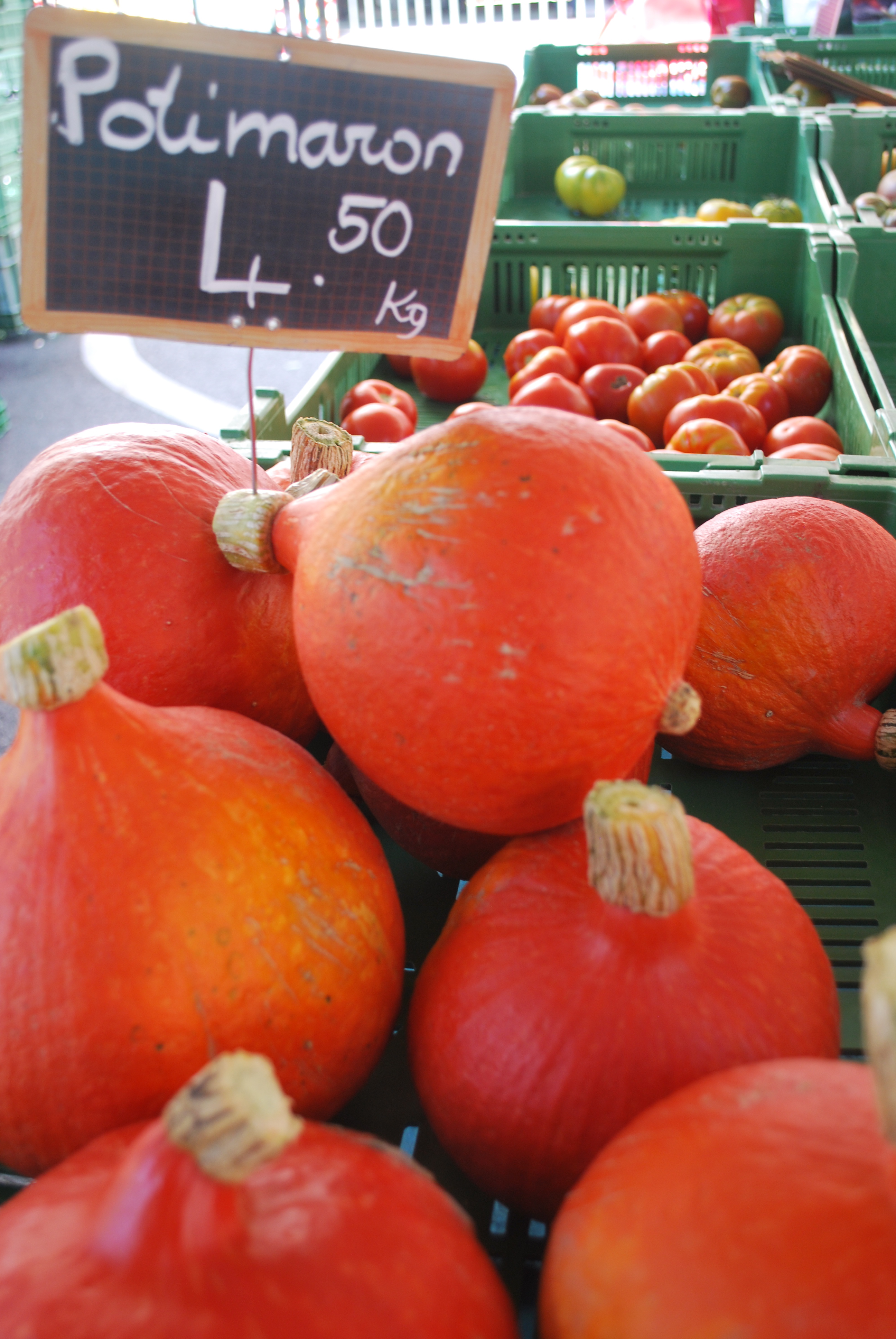
Take a walk through the late August farmers market in Switzerland with Jonell Galloway.

Never miss a post
Name: 
Your email address:*
Please enter all required fields
Correct invalid entries

How Smart is a Sheep? The Churra da Terra Quente

Published by Friday, August 3, 2012 Permalink 0

by Diana Zahuranec

As I stood in the crisp air and bright sun of a Portuguese farm with the other Slow Food University of Gastronomic Sciences students, a single question popped into my mind. We were learning about the Churra da Terra Quente sheep breed, an indigenous and endangered animal with tangled wool and long, dirty tails. They were a rough-looking lot, but watched us curiously and weren’t as shy as other sheep I’ve unwittingly terrified just by standing by them. Some scratched their dirty wool on dry tree trunks, and others flopped down onto the dry soil that was bereft of rain for 4 ½ months, unconsciously dirtying themselves even more. They had curly horns like trofiette pasta. I got the impression that they were happy, or content, to be out in the sun watching us watching them.

Churra da Terra Quente sheep in the dry Douro


In an indigenous flock – or group, or pack, or what-have-you – the purity of the breed is kept by inbreeding. In dogs, I know this leads to some odd character traits: Dalmations, for example, can be suddenly temperamental; my family’s Vizsla at times suffered anxiety and, strangely for a dog, psychological problems – and was also, of course, the most intelligent dog on earth.

Continue Reading…

Never miss a post
Name: 
Your email address:*
Please enter all required fields
Correct invalid entries

Food News: Target 100, A Sustainable Australian Meat Production Industry by 2020

Published by Tuesday, April 17, 2012 Permalink 0

by Amanda  McInerney

An admirable new initiative by Meat & Livestock Australia, Target 100, aims to deliver sustainable cattle and sheep farming in Australia by 2020.

Sustainability is no recent thing for the Australian meat industry, which has been investing in environmental research and development for many years. By implementing a selection of 100 individual research, development, and extension initiatives which will be funded through the various meat industry organisations. The industry intends to focus this and reduce the resources it uses, thus reducing its footprint, improving its efficiency, and providing a focal point for environmental, social and ethical farming action in order to to ensure a sustainable food source.

Professor Tim Flannery - Target 100 launch


Continue Reading…

Never miss a post
Name: 
Your email address:*
Please enter all required fields
Correct invalid entries

‘Nduja: The Spicy and Spreadable Calabrian Treat

Published by Tuesday, March 13, 2012 Permalink 0

by Diana Zahuranec

‘Nduja (n-due-yah) is a spreadable, spicy, red pork meat that can be found everywhere in Calabria. Calabria is the southern Italian region that is the “toe” of the boot, so to speak. Nduja Nduja is used for sauces, bruschetta, or on anything that spreadable meat – spalmabile – would be tasty, including a spoon.

‘Nduja is produced from the throat of a pig, called the guanciale meat, and also the guanciale – stomach meat – and the back lardo, or fat. The lardo, when mixed with salt and added to the meat, takes on another name that has no exact English translation, called sugna. This meat and fat mix is ground with salt, local peperoncino (the Italian chili pepper), and absolutely nothing else. Not even nitrates, a common preservative added to most sausages and cured meats (linked to a higher risk in cancer), adulterate this all-natural ‘nduja. Salt, the extended maturation, and the fact that 30% of ‘nduja is peperoncino, which acts as a natural preservative, defy the need for synthetic additives.


Luigi Caccamo, left

Continue Reading…

Never miss a post
Name: 
Your email address:*
Please enter all required fields
Correct invalid entries

Feeding the World using Fossil Fuels vs. Without

Published by Friday, March 2, 2012 Permalink 0

A film by Marija Jacimovic and Benoit Detalle

[youtube http://youtu.be/WvyV_idFAZA nolink]


Never miss a post
Name: 
Your email address:*
Please enter all required fields
Correct invalid entries

Stalking the Black-Eyed Villnösser Brillenschaf Sheep

Published by Tuesday, February 28, 2012 Permalink 0

by Diana Zahuranec

The most terrifying ride of my life was up a slick, steep mountain road in Alto Adige. Alto Adige is the northernmost region of Italy that touches Austria and melds with its language, architecture, and mountainous geography. This little-known region to the usual American tourist is prosperous, picturesque, and culturally stimulating. Before its annexation from Austria-Hungary as part of the Treaty of Saint-Germain in 1919, Alto Adige had been part of the Austrian Empire and the Holy Roman Empire for centuries. The identity of the region has been tugged between Austria and Italy ever since its annexation, a dual identity that is seen on everything from road signs to cultural heritage sites.

The charming architecture of Alto Adige


Alto Adige itself is divided into two other regions, Südtirol, or South Tyrol in the north, and Trentino in the south. The closer one gets to Austria, the stronger the Germanic influence is. In the northernmost parts of Alto Adige, the Austrian culture can be seen as the primary one, while the language and culture of Italy is definitely secondary.

The field trip that took a class of 26 and I to the Dolomite Mountains of the region was part of the curriculum of the University of Gastronomic Sciences, a school in Piemonte, Italy. Our journey was to begin with a monster of a man at odds with his traditional wear of embroidered, tan leather lederhosen, and end with the rare Villnösser Brillenschaf sheep breed with black fur “glasses” framing their dark eyes and black-dipped ears.

The man was burly, tall, straight out of a German-Austrian fairy-tale that could involve lumberjacks fighting giants, and he was our driver. We stood huddled in a damp group at the bottom of a hill, ready to be transported to the top of the mountain to see the sheep and learn about them. The charter bus we usually took could not go up the mountain, because it was too big. We were ushered into two large vans. The driver of mine was Herr Lumberjack (he was not a lumberjack, that I know of; but for lack of a name, this is it). I regret that I didn’t take a photograph of him, but he was a bit intimidating even with embroidered lederhosen. I felt – we all felt – we were in sure hands up this mountain road that grew steeper every ten feet, and which a charter bus could not hope to climb.


View from above: the Dolomites as seen from the bus


The road was much like other frightening mountain roads: unpaved, steep, narrow, and sans guardrail. I was not nervous at first, but the road was longer and steeper than we thought. The rain came down heavier and our breaths fogged the windows as we climbed in altitude into cold clouds. The hairpin turns were stomach-churning when Herr Lumberjack stopped, backed up a few inches towards the cliff – and a few more for room to turn – and looked back, grinning widely through the hand-wiped back windows to determine how much further he could go (answer: not another inch).

Looking over the edge from up high in a large van, my stomach dropped. It seemed from the high vantage point that the road’s edge was exactly at the tire’s edge. The trees were cut back at intervals, and the cliff of the mountainside fell away to reveal beautiful, jewel-toned landscapes, wet and saturated with color. I snapped a few hurried photos when I wasn’t gripping the headrest in front of me, because it was safer than closing my eyes and less frightening to look through a lens. All the photos turned out blurry; and talk about a photo not doing the real thing justice.

When the last switchback was so narrow that the inching, maneuvering wheels were too close even for our driver; when there was actually not enough room to turn at all; when Herr Lumberjack’s face was serious in concentration and not grinning manically; and when we were all sweating and silent from nerves was when we stopped to walk the rest of the way to the top. My legs were shaky, and the gravel slippery when I climbed down to solid ground from the steamy van. The air was cold, colder on the top of the mountain, and our breath came out in foggy, hot puffs. We hiked to the top.

Mountain top with Villnösser Brillenschaf sheep


We were greeted with a beautiful pastoral scene. In the dipping center of two hilltops was a small, wet wood cabin. Scattered between and up the vibrantly green hills was a small flock of sweet, white sheep, all with black glasses patterns circling their eyes. We walked with restraint, eager to see the peaceful scene with the stormy backdrop while not frightening the animals. Threatening, grey clouds opened to a steady, cold drizzle as the shepherds told us the history of the sheep. We huddled under shared umbrellas.

The Furchetta company, named after the mountain chain, tends to one of only two flocks of this breed of sheep, which is the oldest race in Alto Adige. It is seemingly a mixed breed with its black markings on white fur, and so had a tough time surviving during the Second World War when Hitler was bent on eliminating anything not of “pure” race. The Villnösser Brillenschaf was nearly eliminated, and about 400 survive today thanks to the shepherds and farmers of companies like Furchetta. The particular breed is also a Slow Food Presidia, which both protects and promotes it.

Villnösser Brillenschaf sheep are a Slow Food Presidia


Furchetta’s main product is cooked lamb prosciutto, which we had the pleasure of eating at lunch only an hour later at a restaurant in the foothills; but the farmers also realized that the high-quality wool was often going to waste. The price of wool has dropped significantly in recent decades and producing wool products is expensive. Furchetta strives to capitalize on the fact that, because the Villnösser Brillenschaf breed has extra-oily wool, its heat-retention and water-wicking properties are superior. The high quality and excellent taste of the prosciutto and various lamb salumi have encouraged chefs of Michelin star restaurants of the area to purchase the meat.

Cooked lamb salame


I would like to experience a little adventure like this for every food I eat. The harrowing ride into the clouds and the perfect scene at the end, offset to biting cold and wet weather with the promise of a full, hot meal at the end, were stimulating. The memories of the Villnösser Brillenschaf sheep and how we arrived to see them in their mountain environment connect to the meal we ate later, a meal whose memory would have already faded had it not been for all the elements of the experience.

Related articles

Never miss a post
Name: 
Your email address:*
Please enter all required fields
Correct invalid entries

One Green Planet: Infographic Explaining GMOs in an Easy-to-understand Manner

Published by Friday, February 24, 2012 Permalink 0

One of our columnists, Wendy Kirby, who runs the site La Phemme Phoodie, discovered this GMO infographic on One Green Planet. It illustrates GMOs extremely well for those of us who are trying to understand it better.

Please take a look!


Continue Reading…

Never miss a post
Name: 
Your email address:*
Please enter all required fields
Correct invalid entries

Switzerland: Coop’s Pro Montagna Label: 5 Years of Protecting Traditional Swiss Food Products

Published by Wednesday, February 1, 2012 Permalink 0

Switzerland: Coop’s Pro Montagna Label: 5 Years of Protecting Traditional Swiss Food Products

by Jonell Galloway

In 2005, Andy Imfeld, a montagnard and organic food producer, started discussing the possibility of selling Swiss mountain products directly in Coop supermarkets. After long negotiations as to how it should work, it was decided that for each mountain product sold, a certain amount of the payment would go directly to the families of farmers or projects in mountain regions.


Coop labeled the products Pro Montagna, and the project has been a great success, with some 200 products to date, from yogurt to bread, and including meat products and wooden toys.

Continue Reading…

Never miss a post
Name: 
Your email address:*
Please enter all required fields
Correct invalid entries

GMO Labeling Required in China and Russia, But Not in U.S.

Published by Tuesday, January 31, 2012 Permalink 0

by Wendy Kirby

Do you know exactly what is in the food you are buying? Many Americans have become accustomed to reading the labels of the food they are purchasing. Verifying that the food is safe to eat, whether there is a need to safeguard against food allergies, or simply a matter of preference for ingredients, has become commonplace for many throughout this country. This is a smart habit, but it’s only useful if something is actually written on the label. Are you aware that the U.S. Food and Drug Administration (FDA) does not require labeling foods that have been genetically engineered in laboratories or contain genetically modified organisms (GMOs)?


Continue Reading…

Never miss a post
Name: 
Your email address:*
Please enter all required fields
Correct invalid entries

UA-21892701-1