Summertime: Best Time to Start a Diet

Published by Wednesday, July 17, 2013 Permalink 0

The Rambling Epicure, Editor, Jonell Galloway, food writer.Summertime: Best Time to Start a Diet

by Jonell Galloway

Summertime is diet time: an approach to changing your eating habits

A diet rich in soy and whey protein, found in ...

Summertime is the best time to start changing your eating habits. Fruits and vegetables are tastier and cheaper in summer, so your tastebuds are satisfied, but with fewer calories and more fiber. You can take advantage of this time to start a lifestyle change that will not only help you lose weight, but hopefully change your way of eating for the rest of your life.

The Swiss seem to have understood some of the basic rules better than others, according to our 27 July 2009 article on the Swiss preference for fresh fruit and milk products.

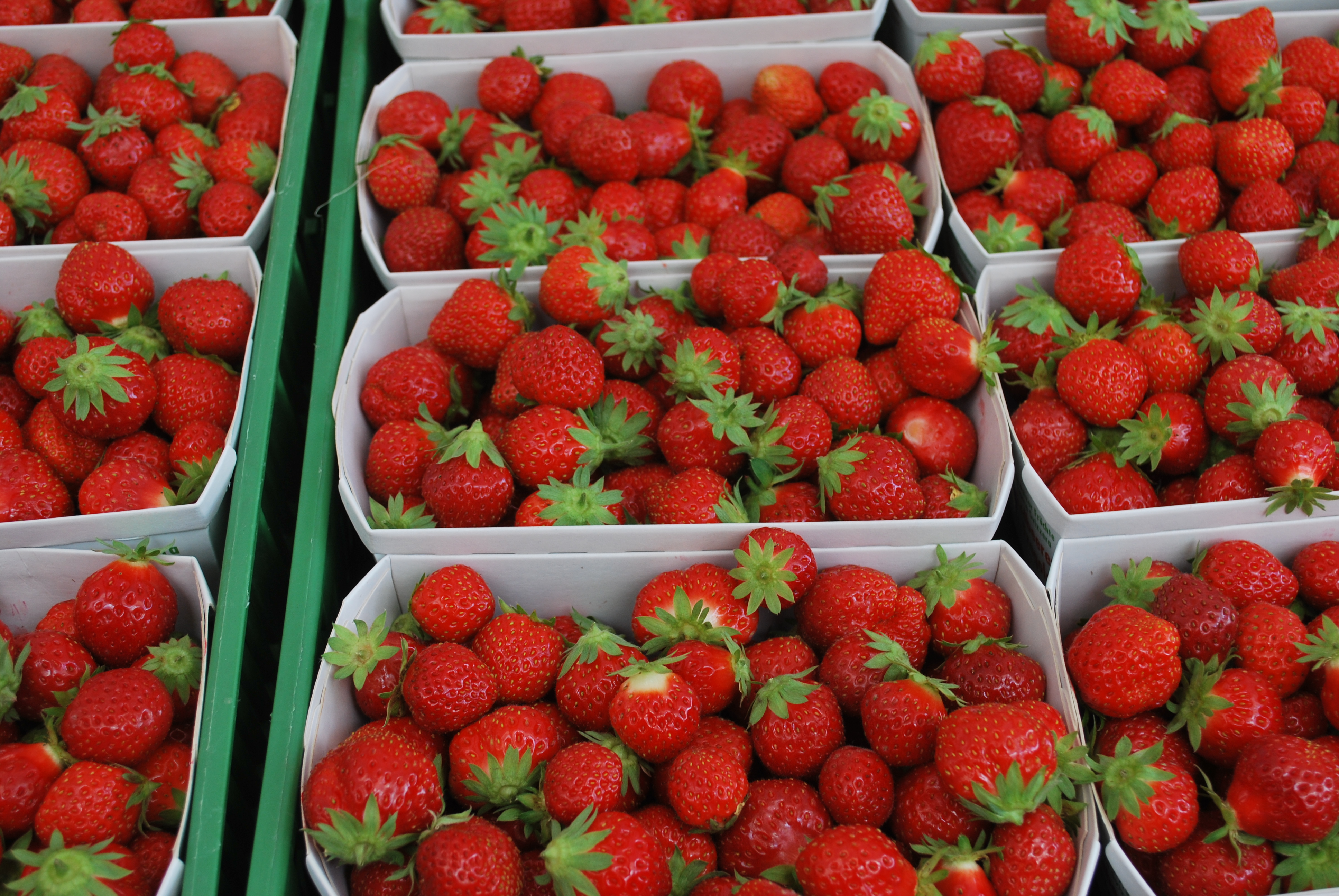
Fill the kitchen with fruit

Start getting getting as much as possible of your sugar intake from fresh fruit.

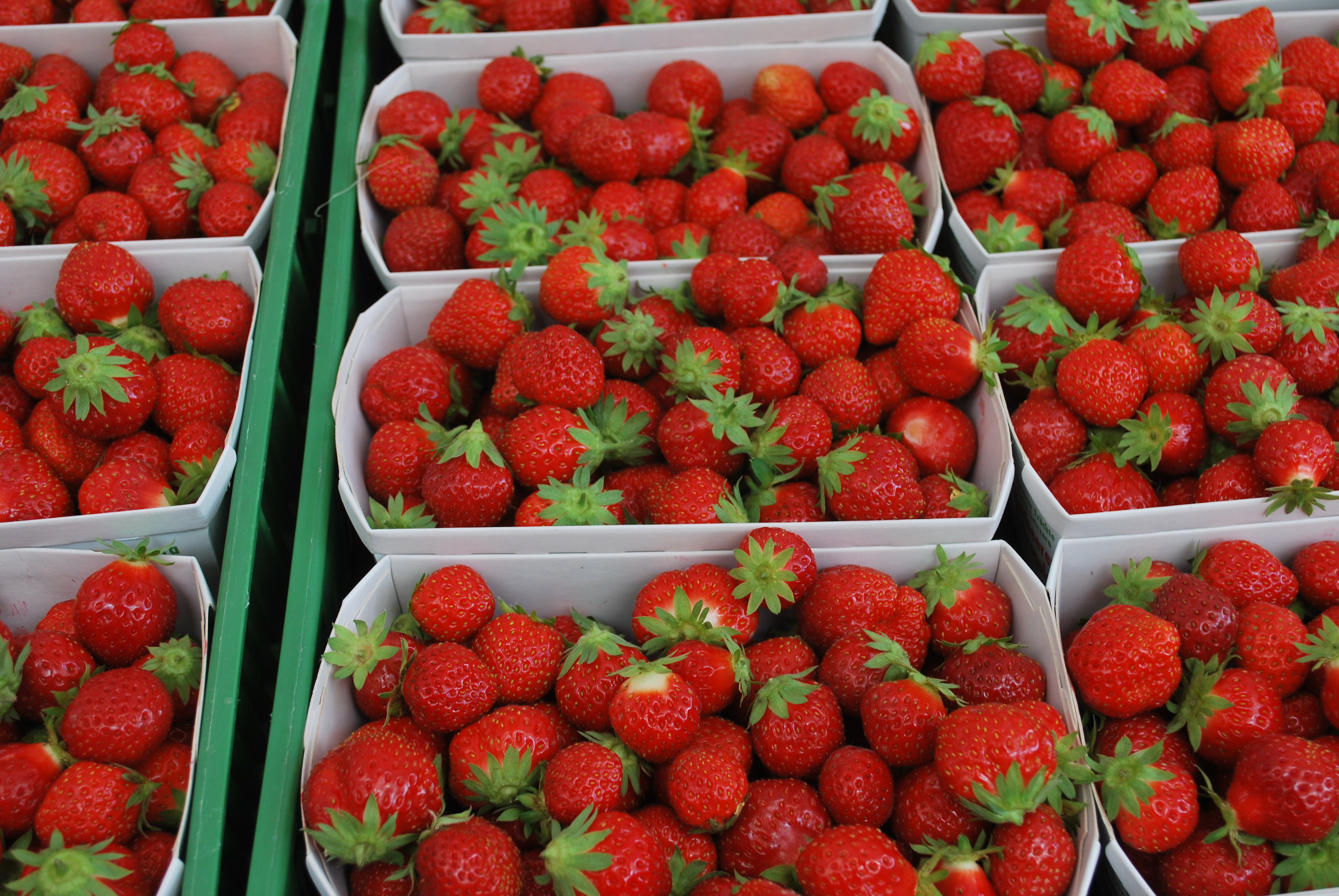
Berries of all kinds are among the highest in fiber, and can be used in a variety of ways. In the Lake Geneva region, we have the good fortune of having berries from May and sometimes until late October or the beginning of November. If you want to nibble on something, you can just pop a handful in your mouth.
Alaska wild berries from the Innoko N...


Cherries are also easy to just pop in your mouth when you want to nibble on something.

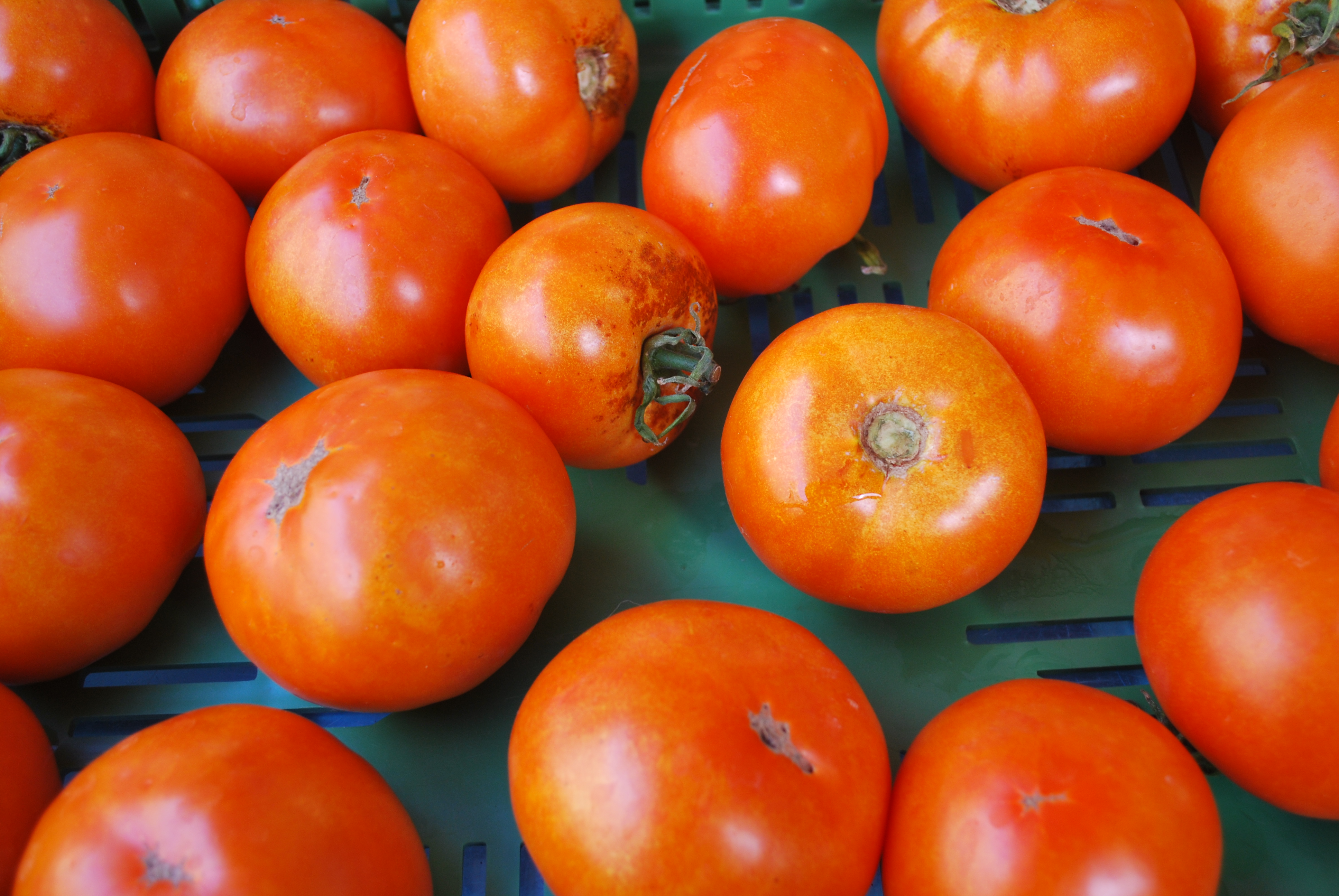
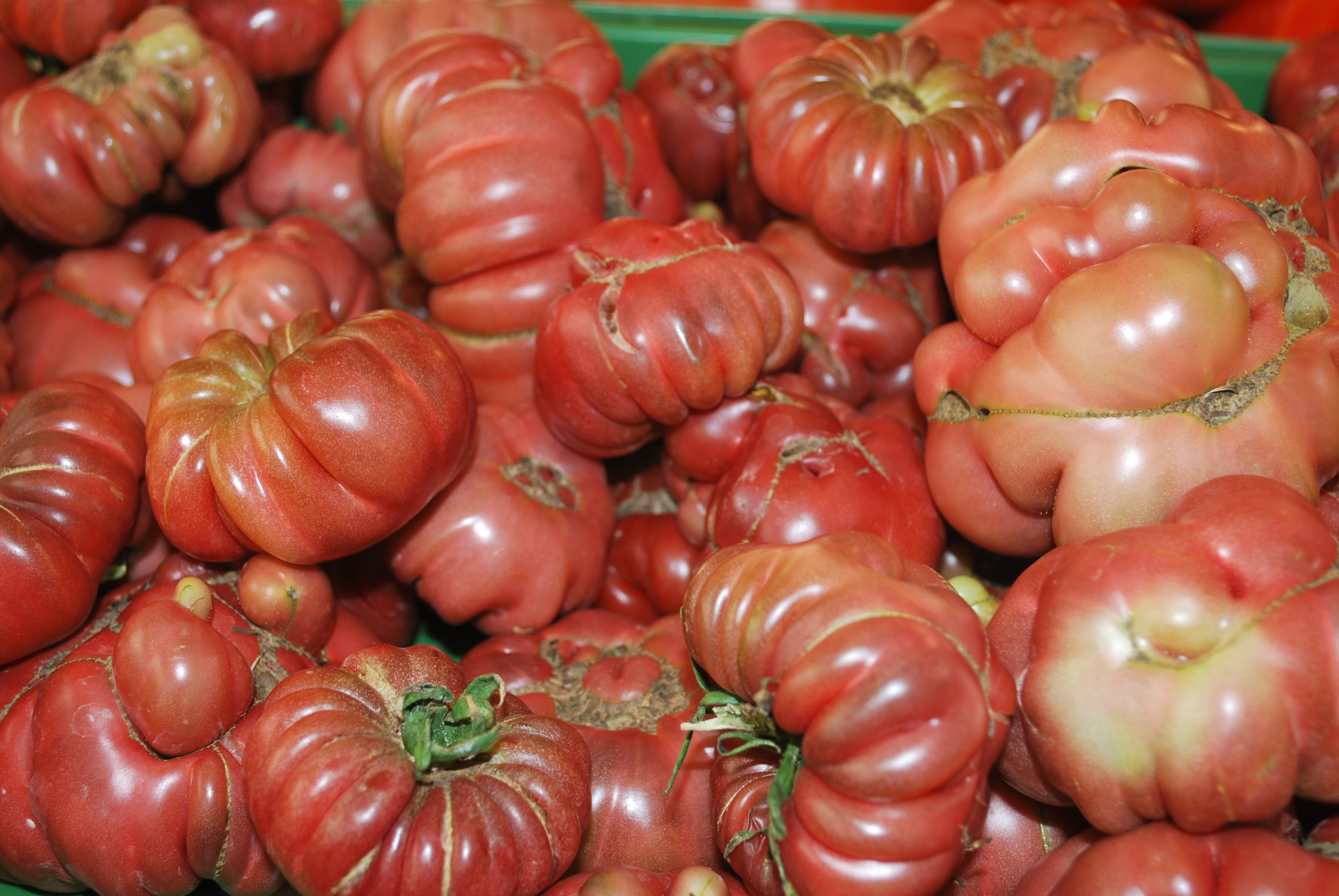
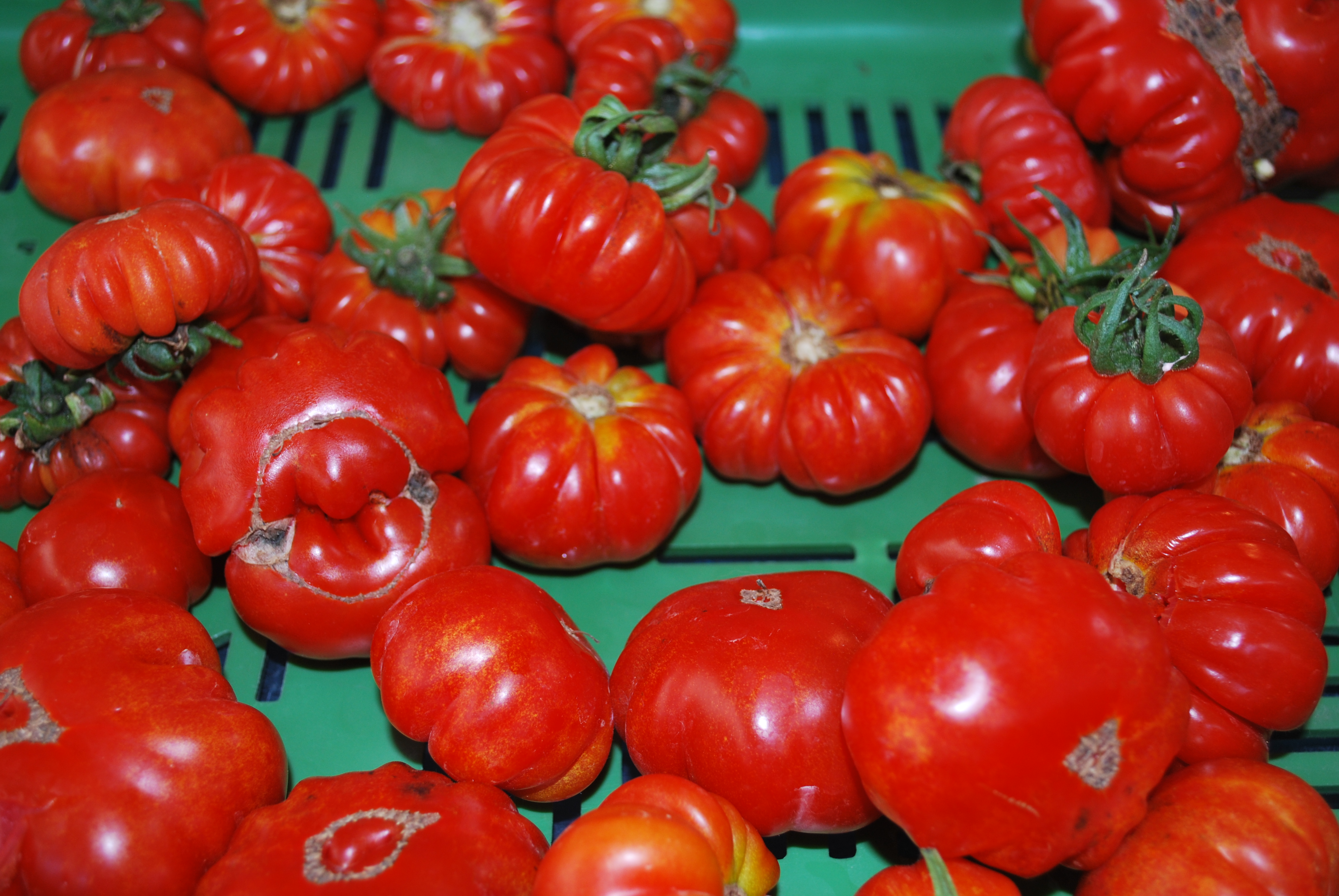
According to WebMD, tomatoes and peppers of all colors are both in the fruit family. They are rich in Vitamin A, Vitamin C, and lycopene, and low in calories. Munch on them to prevent snacking on processed foods.

Fruit is also full of water, so it makes you feel full, without eating any fat or carbohydrates.

There are endless combinations of fruit to throw into your smoothies or that can be mixed with fiber-filled granola, muesli or oats, along with some plain, sugar-free yogurt.

Make it a goal to eat fruit in some new way every time you need a sugar fix. A bowl of berries or cherries can even replace a glass of red wine, from time to time, and your tastebuds might not even notice it.

Fill the kitchen and fridge with fresh local vegetables

Buying local ensures that vegetables are fresher and therefore more flavorful.

An emphasis should be put on vegetables that can be eaten raw, and that are easy to prepare.  If you have a little hunger pang, gnaw on a baby carrot stick, or slice a sun-ripened tomato, and add salt and a trickle of olive oil. If you can get your hands on some sun-ripened cherry tomatoes, you can pop them in your mouth like potato chips.

Cherry pepper poppers


Make a big batch of gazpacho. It keeps for a few days and the high water content makes you feel full. It is also full of fiber and vitamins.

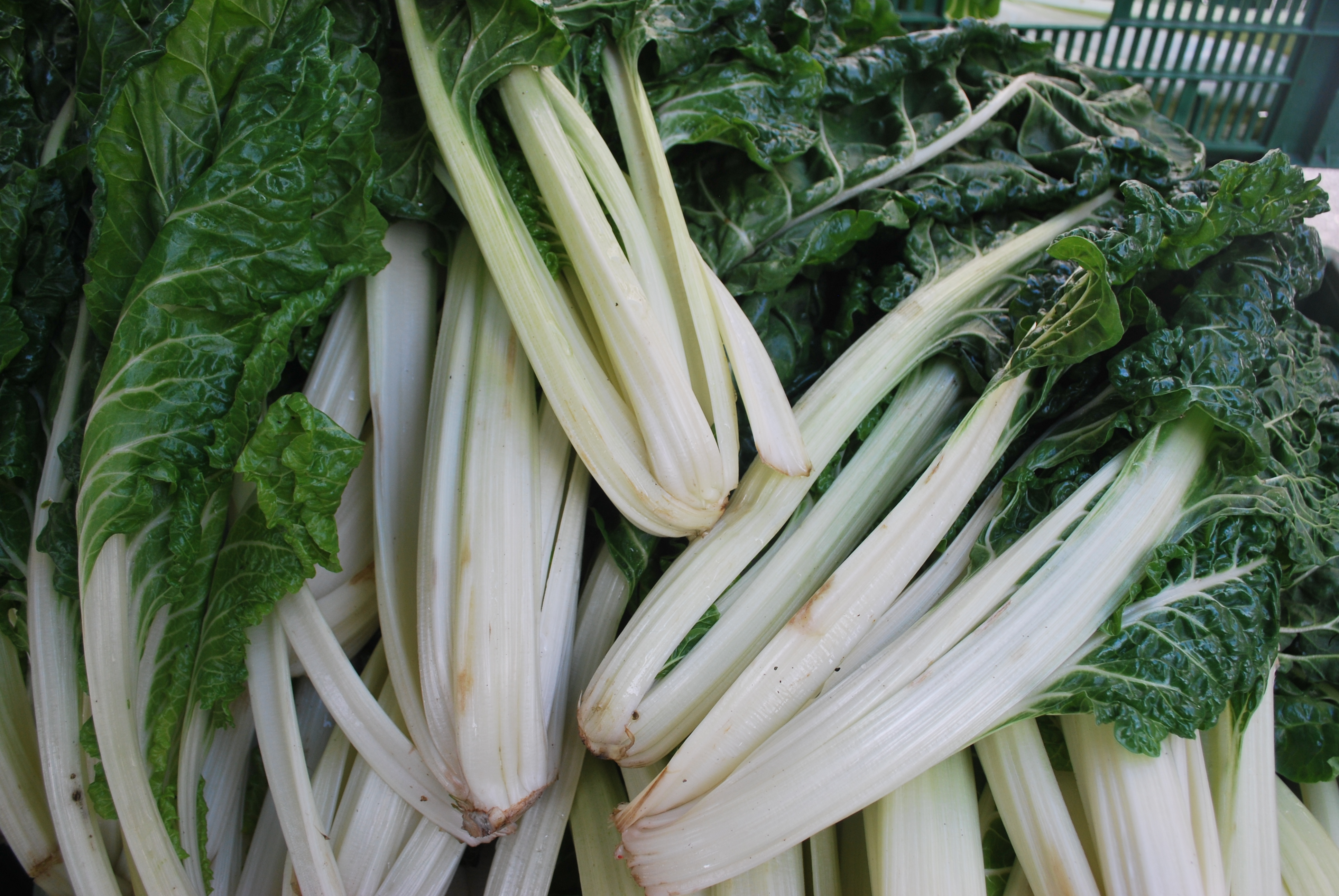
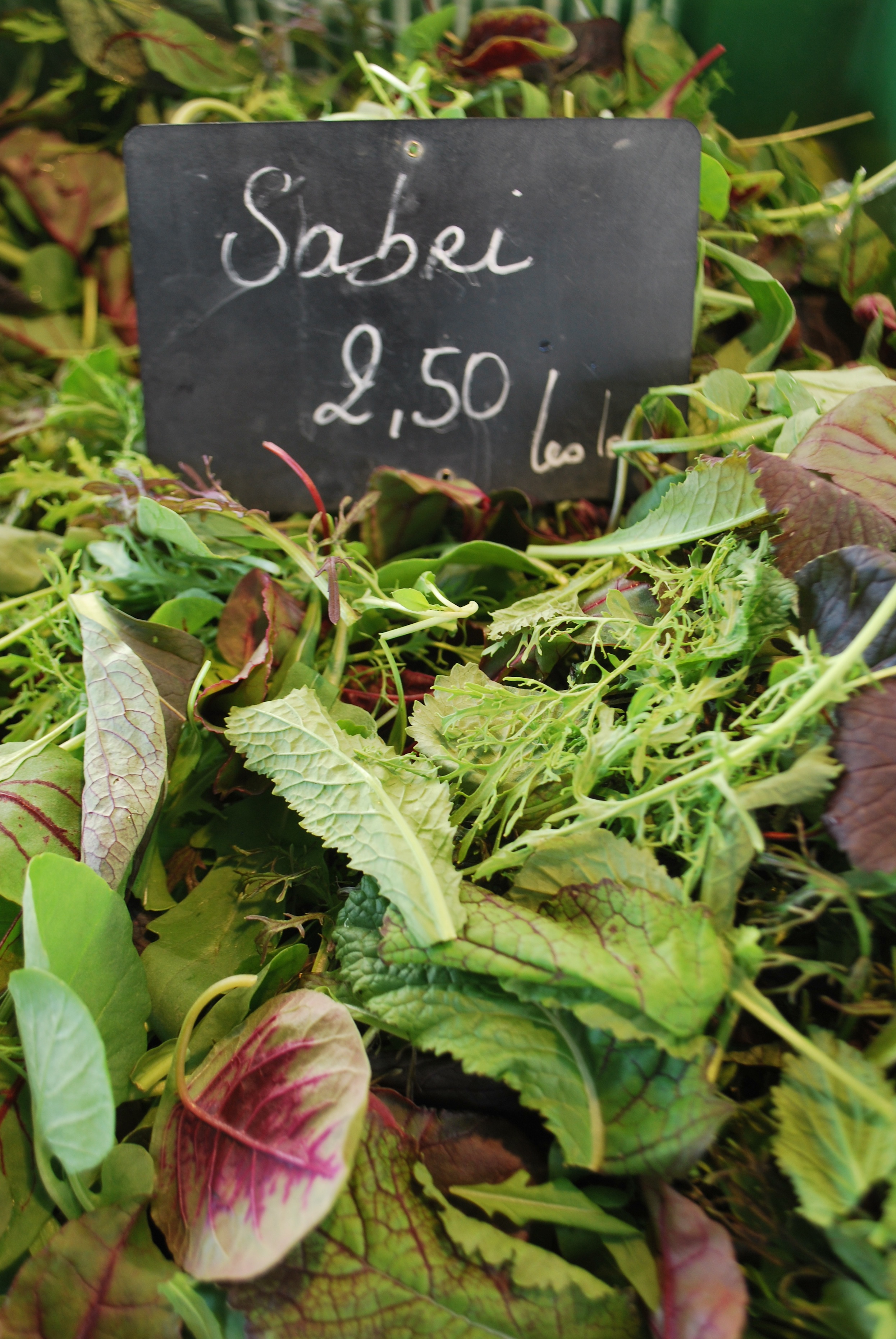
In the Lake Geneva region, we are blessed with a plethora of wild greens. In farmers markets, you can choose your own and make your own mesclun, or mixed greens, or buy the farmers’ own mixes , which vary from one producer to another. This wide variety lets you make a different kind of salad every day. The varieties are endless. But one warning about salads: the bad fats and calories are in the dressing, so try and make your own dressings, using good oils, yogurt, tahini, crushed tomatoes, etc.

The fact that summer vegetables are full of flavor will help you get in the habit of munching on vegetables instead of fat-filled snacks like chips and sausages.

Fill the fridge with plain yogurt and cottage cheese

Yogurt is full of iodine, calcium and phosphorous, and loads of other nutrients. According to The World’s Healthiest Foods, the Journal of the American Dietetic Association found low-fat, calcium-rich foods such as yogurt, which has the same fat content as the milk in your region (this varies from place to place, but hovers around 3.8% in the Lake Geneva region), to have a negative correlation with body fat. They encourage parents to accustom children to incorporate it into their diet in light of growing problems of obesity in children.

"Eat More Cottage Cheese...You'll Need Le...


The 11 January 2005 issue of International Journal of Obesity found that obese adolescents who eat more than 3 yogurts a day in conjunction with a lower-calorie diet and an increase in physical activity lost 22% more than adolescents in a control group which only cut back on calories and had a lower calcium intake. Increased calcium intake can also help reduce weight, in particular abdominal fat.

Yogurt is also a source of low-fat protein, just like beans and cottage cheese. Both yogurt and cottage cheese open the door to endless combinations of fruit. The old-fashioned Mayo clinic diet of cottage cheese and a peach is not all that bad if your peach is ripe and juicy. Cottage cheese can also be doctored with herbs, to make it a savory dish.

Start getting your protein from low-fat sources

Gradually start replacing your sources of protein with yogurt, cottage cheese, eggs, beans, or soy-based products. Try making your smoothies with soy milk from time to time. Quark has more fat than the other options, but is still a low-fat source of protein as long as cream has not been added to it (read the label and fat content).

The more fiber the better

The more fiber-filled food you eat, the fuller you will feel. Over the long run, you will eat less fatty food.

More fiber helps you cut down on carbohydrates, and start decreasing their intake in your diet.

Water, water, water: never enough

Fiber soaks up water, making your tummy feel full. In summer, you need more water anyway, so it’s a good time to get in the habit of drinking your eight glasses of water per day.

Take another look at the food pyramid and the USFDA guidelines for healthy eating

The old food pyramid.

The US Food and Drug Administration is full of good advice about how to intelligently read food labels and make your calories count. Print out the pyramid and tape it onto your kitchen bulletin board or refrigerator door. Print out the food guidance and diet articles, and study them from time to time.

MyPlate.gov chart

MyPlate replaces the old U.S. food pyramid


Unfortunately, their new food pyramid that came out earlier this year is totally color-coded and has no words because it is intended to be interactive, so I’m showing you the old one. Disabled World has added excellent explanations to the new one (it might be better to print theirs).

Eat 5 to 6 mini-meals instead of 3 large meals per day

Dr. Sue Cunningham from the University of Tennessee Health Science Center in the U.S. says that the human body is meant to be fed every 4 to 5 hours. Eating 2 or 3 mini-meals, consisting of healthy options, and 3 regular meals, in smaller portions, is therefore an ideal way to lose weight.

Continue eating out, but change your approach

When eating out, avoid ordering dishes with pastry, cream, and butter. Give preference to dishes containing lots of vegetables. Don’t hesitate to ask the server what is served with your dishes, and don’t hesitate to ask for side orders of vegetables and salads, even if they’re not listed on the menu. Skip the French fries and chips. Ask if you can replace them with salad or another vegetable. The more vegetables and salad, the merrier.

If you really can’t pass up dessert, try and choose fruit-based puddings, or homemade sorbets made with seasonal fruit. Don’t hesitate to ask if desserts are served with cream, whether they’re really sweet or rich, or any other question that might help you maintain your healthy ways. If you ask nicely and explain why you’re asking, servers rarely mind giving you advice about which desserts are healthier than others.

Cut down on carbohydrates

Winter vegetables tend to be higher in carbohydrates, so this approach to eating should by definition cut down your carbohydrate intake. Just remember to continue along the same lines once winter vegetables start again, and keep the level of carbohydrates in your diet low.

Give preference to the farmers market

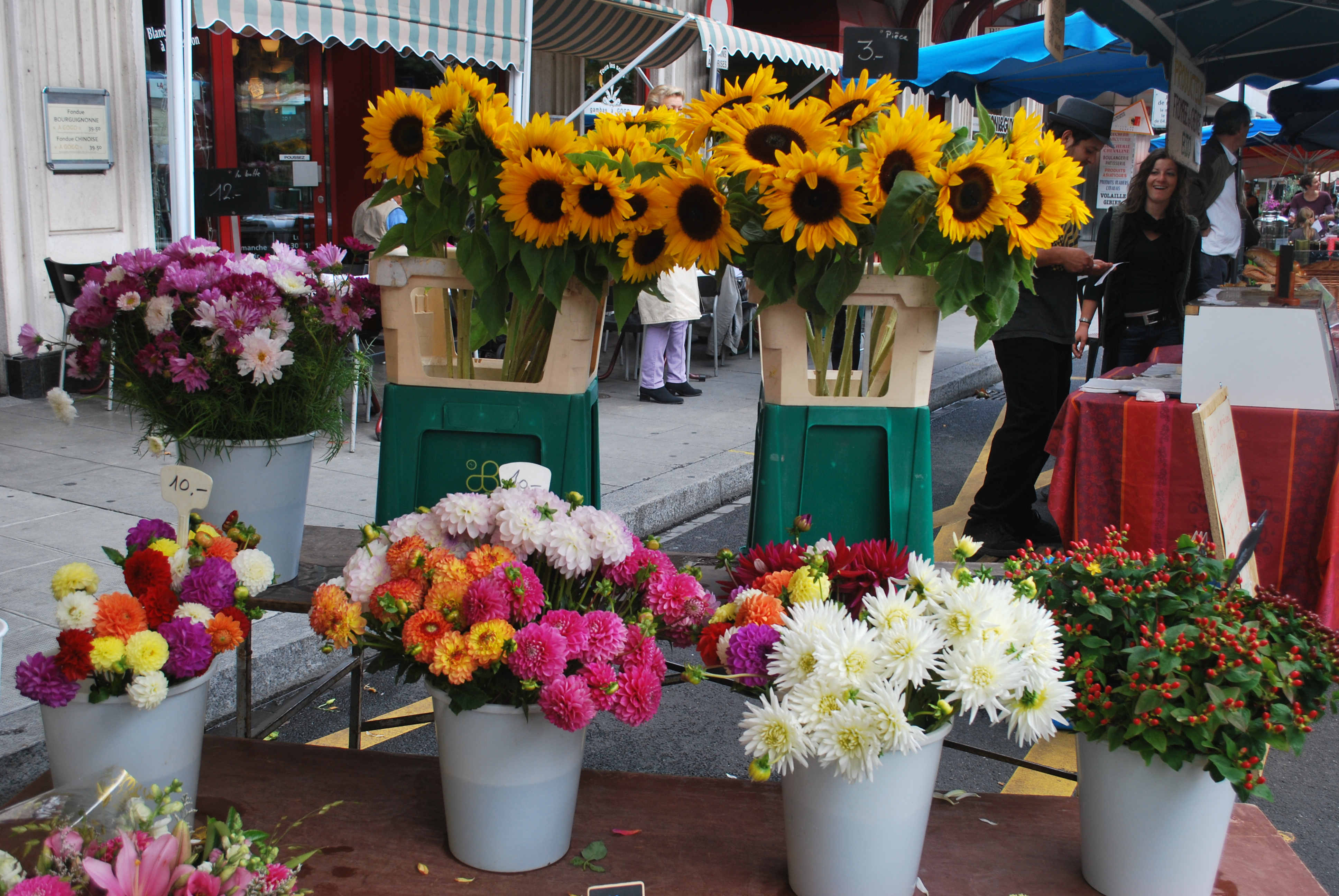
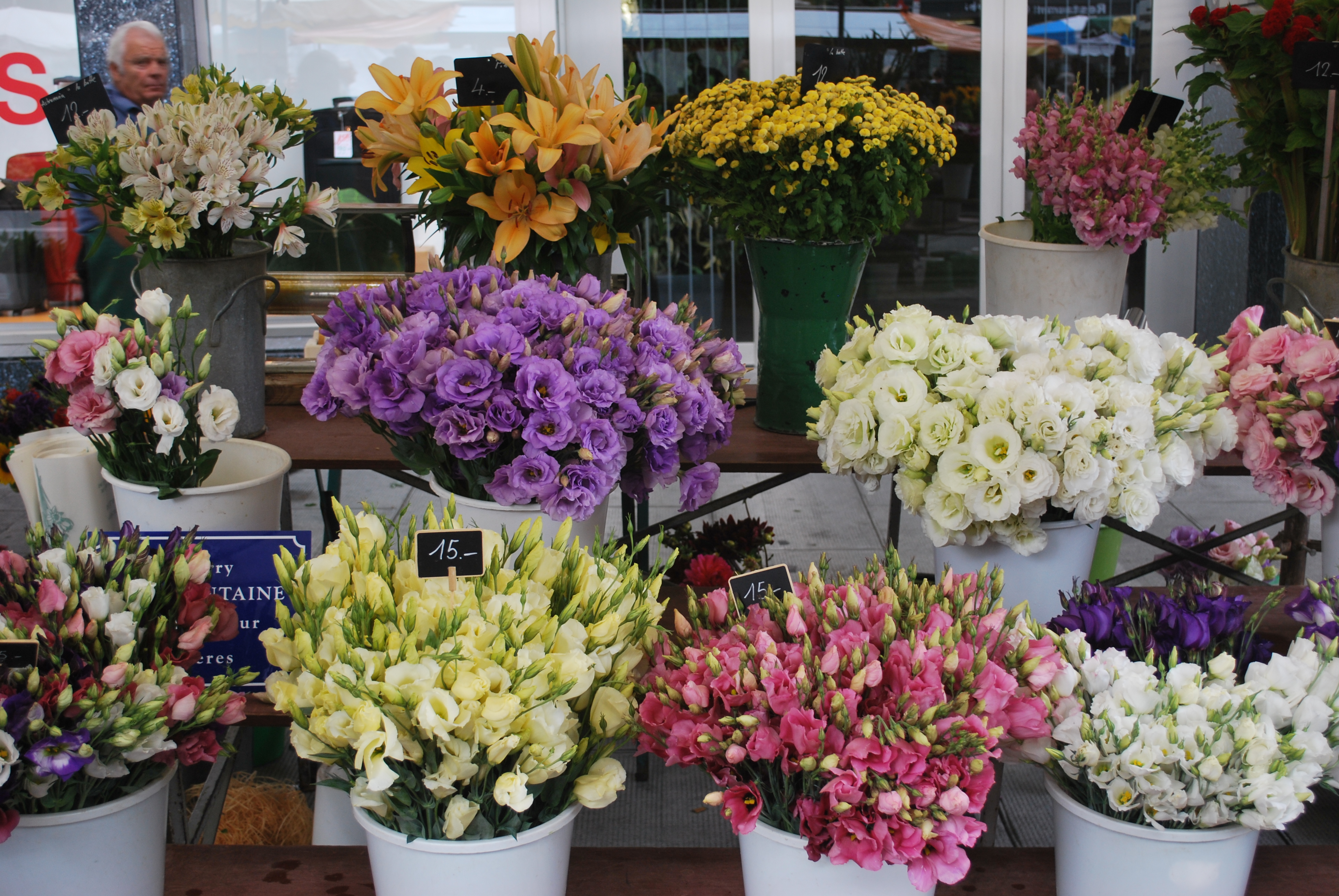
The farmers market is a great way to give emotional support to these new eating habits. Take your camera along, and glory in the beauty of all the summer colors and beautifully stacked fruit and vegetables. Take your children along, and use the occasion to teach them why it’s better to eat fruit than artificially-flavored candy and show them the glories of summer as if it were an art show.

Change your supermarket buying habits

You might want to put a copy of the articles you’ve printed out in your pocket before going to the supermarket. That way you can read the labels on everything you buy and consult your list if you’re not sure whether an ingredient is good or bad. Sometimes just reading the label will scare you away from foods that are bad for you.

Photo courtesy of http://www.coachcalorie.com/where-do-you-shop-in-the-grocery-store/


Don’t even go to the danger zones in the supermarket: chips, traditional savory cocktail accompaniments, sausage, frozen pizzas, cakes, cookies and biscuits, candy, or anything else that might be on the bad list, just waiting to tempt you.

It’s probably not advisable to take your children to the supermarket with you if you’re trying to make a true lifestyle change. They risk leading you down the candy aisle.

Avoid processed foods containing bad fats and needless additions of sugar.

If you find reading labels tedious, it’s better to stick to unprocessed foods and buy as much as possible at the farmers market or in the fresh food department of the supermarket.

Give preference to good fats

Good fats include monosaturated fats, contained in nuts and avocadoes and in canola (huile de colza) and olive oils. Polyunsaturated fats are found in fish such as salmon and fish oil, as well as in corn, soy, safflower oil and sunflower oil (huile de tournesol). Omega 3 falls into this category.

Photo courtesy of http://adventuresinhealth.co.uk/2013/diet-and-nutrition/why-is-fat-bad-for-you-part-3/

Photo courtesy of Adventures in Health


Bad fats include saturated fats, found in all animal products, as well as in some oils, such as coconut (huile de coco) and palm oil (huile de palme), which are to be strictly avoided. Both these oils are a big favorite of processed food manufacturers.

Trans fats do not even occur in nature. Scientists invented them to make processed foods last longer. They are the favorite fat used in fast food, and are used to make most margarine.

Check out healthier products such as soy milk and different types of sugar-free, low-fat, milk-based products such as the fresh cheese Serra, found in the Lake Geneva region, and delicious when eaten with berries, or cottage cheese, good with peaches or apricots. Herb-flavored cottage cheese is now available in almost all supermarkets. Traditional cheeses with higher fat contents are not advisable.

Good-Fats-Vs-Bad-Fats


Stock up on olive oil. Try to replace butter with olive oil as often as possible. For example, it’s wonderful on toast with a clove of garlic run over it, and it makes a tasty fried egg. If you want a more neutral taste, give preference to canola oil.

Gradually, you will realize that you are cutting down on bad fats — the trans fatty acids and saturated fats — and fat in general. You will gradually train your stomach not to crave foods full of bad fats and carbohydrates

Towards a new way of eating

This is not a diet in the traditional sense of the word. It is just a way of improving your eating habits so that you are healthier and feel better about yourself. No matter what your current eating habits, you will almost surely lose a little weight if you follow these guidelines. In addition, you’ll feel better about yourself, because you’ll feel you’re taking good care of yourself.

If your BMI is significantly higher than the average for your age and sex, it is best to consult a doctor.

Please note that these are guidelines for healthy eating. I am NOT a dietitian. Medical advice is required for serious weight problems.


Continue Reading…

Never miss a post
Name: 
Your email address:*
Please enter all required fields
Correct invalid entries

MarketDay: Documentary Photos of a July Farmers Market in Switzerland

Published by Wednesday, July 17, 2013 Permalink 0


MarketDay: Documentary Photos of a July Farmers Market in Switzerland

Never miss a post
Name: 
Your email address:*
Please enter all required fields
Correct invalid entries

Kids in the Kitchen: Teach Your Kids How to Shop for Food

Published by Monday, June 17, 2013 Permalink 0


//

The Rambling Epicure, Editor, Jonell Galloway, food writer.Kids in the Kitchen: Teach Your Kids How to Shop for Food

by Jonell Galloway

Summertime is the perfect time to start!

Farmers Market

Going to the farmers market can be made into an exciting, weekly event. Summer offers lots of fresh fruit that they can choose to make their smoothies, to put on their breakfast cereal, or to make fruit salads. Vegetables are tastier in summer than in winter, and there is a larger selection, so it is also an occasion to encourage them to try more vegetables. If they choose fruit and vegetables themselves, they will feel more part of the process, and are more likely to eat them.

Making the Shopping List

Start by discussing the fruits and vegetables that are in season with your child before you go to the market. For the Lake Geneva region, you can look at our MarketDay photo albums, published regularly, to get an idea of what you can expect to find. If you are planning on making a meal together, choose the dishes and ingredients together when making your shopping list. If it’s fruit for snacks or smoothies, let them decide which ones they prefer.

It is a good idea to put up a food pyramid and a seasonal products chart somewhere in the kitchen, so you can refer to it when planning meals with the children, and also to explain why they must eat food such as green vegetables or fruit, for example. More suggestions are available in our 9 May 2009 post A fun, interactive guide for teaching your children good eating habits.

Explain the importance of buying local when possible. It is not only cheaper, but fresher, and therefore has more vitamins.

At the Market

Once you’re at the market, let them start looking for the items on the list. When they’ve spotted them, explain how to choose, by color, smell, touch, ripeness, etc., but make sure to ask the vendor if it’s all right to touch first.

This is also a time to let them look for products that have a local origin written on the tags, and to explain that if the products are local, they are also more ecological, because the cost of transport is less, and that in turn makes them more economical. It takes a lot of fuel to bring tomatoes from Holland in July and August when we have them right here in the region. Reduced transport also cuts pollution.

Buying from local producers allows children to have direct contact with the farmers, and to ask questions if they like. Farmers love to talk about what they have lovingly produced, and this in turn encourages children to appreciate farmers’ hard work and the satisfaction that it brings them. There is a reciprocity: the farmer gives you something he or she has produced with care, and you in turn get to satisfy your tastebuds.

Make kids part of the entire process by letting them help prepare the meal or dish afterwards. Once again, they are more likely to eat it if they help prepare it.


//

Never miss a post
Name: 
Your email address:*
Please enter all required fields
Correct invalid entries

Geneva and Lausanne: Sustainable Living Resources in Switzerland

Published by Tuesday, May 21, 2013 Permalink 0

Geneva and Lausanne: Sustainable Living Resources in Switzerland

This is a new list for sustainable living in Geneva and Lausanne and we’ll be adding to it and updating it on a regular basis. We will extend it to other French-speaking cities as we add to the list.

Free WiFi in Geneva and Lausanne


GENEVA

The city of Geneva is in the process of setting up free WiFi hotspots in and around Geneva, referred to as “GeSpots”. The project is a long-term project, but terminals are already available at the locations marked in green. Click here to see the map.

LAUSANNE

Free WiFi hotspots are available in the following locations in Lausanne: Saint-François, Riponne, Flon, Palud, Montbenon, Navigation, Port d’Ouchy and at the Service des Automobiles automobile registration and inspection office and the Blécherette aerodrome.

Farmers and Open-air Markets

Sandrine Chapuis’ own mesclun, mixed greens from hills of Geneva


GENEVA

This site lists all the markets by day. A handy map is included with each listing so you can see where it is located in Geneva.

LAUSANNE

The Marchés Lausannois site lists the weekly markets:

Downtown/Center of Town Markets

Wednesday and Saturday, 8 a.m. to 2:30 a.m.
In downtown pedestrian streets: agricultural produce and products
On Place de la Riponne: bakery, butcher, fowl, mushrooms and non-food products

Nettles


Marché de Chauderon / Chauderon Market

Thursday, 9 a.m. to 7 p.m.
Flea market

Marché du boulevard de Grancy / Boulevard de Grancy Market

Monday and Thursday, 8 a.m. to 1 p.m.

Marché des Chômeurs

Thursday, 8 a.m. to 7 p.m.
Place de la Riponne: flea market and miscellaneous other goods


Never miss a post
Name: 
Your email address:*
Please enter all required fields
Correct invalid entries

Food Vocabulary: What’s a Femivore?

Published by Monday, May 13, 2013 Permalink 0

by The Femivore’s Dilemma

Are you a Grist? This word was recently added to the Urban Dictionary.


Origin of the Term “Femivore”

The word was coined by Peggy Orenstein in her essay “The Femivore’s Dilemma” for today’s New York Times Magazine, says Natural News, and is obviously inspired by the term “locavore.”

Educated career women, or “femivores”, all over the U.S. are choosing to give up their careers and go back to the farm (sometimes an urban farm) and back to the kitchen — often the same women who refused to take anything even vaguely similar to a Home Economics class, much less a class in agriculture. DIY, raising chickens and gardening are back, and there is an abundance resources available on the Internet for those who are new at it offering detailed how-to’s and recipes for all of it, with popular DIY sites such as Mother Earth News, Middleground Farm, and Mother Earth News. Femivores often reach out from their newly chosen isolation through blogs and social networks, and share their discoveries, successes and failures with other femivores, such as writer Esmaa Self on Middleground Farm or “backyard eggs”.

This became the subject of a heated debate a few weeks ago when Michael Pollan’s book came out. On Is Michael Pollan a sexist pig? Emily Matchar questioned whether Pollan was a “sexist pig” in saying “we need to get back in the kitchen,” since “American women cook 78 percent of dinners, make 93 percent of the food purchases, and spend three times as many hours in the kitchen as men.”


Never miss a post
Name: 
Your email address:*
Please enter all required fields
Correct invalid entries

MarketDay: End of April in Swiss Farmers Market, a Photo Essay, by Jonell Galloway

Published by Friday, April 26, 2013 Permalink 0
Never miss a post
Name: 
Your email address:*
Please enter all required fields
Correct invalid entries

Kentuckian Bill Sanders’ Extra Virgin Olive Oil Named “One of the Best Olive Oils in the World”

Published by Tuesday, April 23, 2013 Permalink 0

by Jonell Galloway

Native Kentuckian from Maysville, Bill Sanders has spent a lifetime training his taste buds and nose. A graduate of the University of Kentucky, Sanders went on to study law at Salmon P. Chase College of Law in Cincinnati, Ohio, embellishing his résumé with other studies of quite a different nature: sensory evaluation of olive oil and professional wine studies at Culinary Institute of America.


Sanders started Crush and Press in January 2009, financing it through a Kickstarter campaign to which I gladly donated.  The olive oil quickly took off, and has already received mention as “one of the best olive oils in the world.” This olive oil, Sanders Fresh Press, received the mention.

Congratulations, fellow Kentuckian!


Never miss a post
Name: 
Your email address:*
Please enter all required fields
Correct invalid entries

The Rambling Epicure Made Loads of New Friends at the Wendell Berry Conference 2013

Published by Tuesday, April 23, 2013 Permalink 0

by Jonell Galloway

“A Rambling Epicure”: a short article about my work

One great thing about spending 3 days with a group of like-minded people, who have come from all over the country (and Switzerland) to pay homage to their “spiritual guide”, Wendell Berry, is that the audience is already filtered, and you can be sure to meet people you can relate to and that you will stay in contact with.

Wendell Berry speaking in Frankfort, Indiana

Wendell Berry speaking in Frankfort, Indiana


Such is the case with Elias Crim, a native Texan who spent “several good years studying classics and medieval Italian at U.C. Berkeley before wasting several more years in financial journalism around Chicago.” Crim has also written for The American Scholar, The American Conservative, the Washington Times and The Chicago Observer.

This is the only photo ID I could muster up and I think it rather amusing.


He also runs a website, Solidarity Hall, which he describes as “as a hospitable old hostelry, a mental oasis in the deserted landscapes that surround us. We no longer have the coffeehouses of eighteenth-century London, where Samuel Johnson and his friends said more of substance in an hour than our blogs today could manage in a week. Nor do we have a local culture of pubs such as Chesterton’s Old Cheshire Cheese, where friendship could flourish easily, even amidst clashing opinions.” I thoroughly recommend that you take a look and start a conversation of your own.

Elias was so kind to publish this article, “A Rambling Epicure,” about my work after the Wendell Berry conference. I invite you to take a look.

Start here and then continue on Solidarity Hall:

Jonell Galloway is surely the only person from Hardinsburg, Kentucky, to ever study Sanskrit. But that’s secondary. More important is the way this spiritual daughter of Wendell Berry has developed the Rambling Epicure, an encyclopedic and literate website which describes itself thusly: “A gastronome’s guide to mindful eating. A serious approach to real-food shopping, cooking, and dining.”

Click here to continue.


Never miss a post
Name: 
Your email address:*
Please enter all required fields
Correct invalid entries

Jonell Galloway: Mindful Eating: Farmers, the Land, and Local Economy

Published by Monday, April 1, 2013 Permalink 0

Mindful Eating: Farmers, the Land, and Local Economy

by Jonell Galloway

Many times, after I have finished a lecture on the decline of American farming and rural life, someone in the audience has asked, “What can city people do?” “Eat responsibly,” I have usually answered. Of course, I have tried to explain what I mean by that, but afterwards I have invariably felt there was more to be said than I had been able to say. Now I would like to attempt a better explanation.

 I begin with the proposition that eating is an agricultural act. Eating ends the annual drama of the food economy that begins with planting and birth. Most eaters, however, are no longer aware that this is true. They think of food as an agricultural product, perhaps, but they do not think of themselves as participants in agriculture. They think of themselves as “consumers.”

—Wendell Berry, The Pleasures of Eating, Center for Ecoliteracy

The Times They are a-Changin’: Move Towards a Local Economy

After a few very difficult years, we are now only starting  to talk about the importance, and even necessity, of maintaining and supporting a local economy. This is important not only to our health and taste buds, but also to our vital economic self-sufficiency. It is perfectly in line with the concept of Mindful Eating, and, by definition, involves local farmers as well as others who contribute to eating and drinking.

Continue Reading…

Never miss a post
Name: 
Your email address:*
Please enter all required fields
Correct invalid entries

Food Vocabulary: Are You Foodwired?

Published by Thursday, March 28, 2013 Permalink 0

The Urban Dictionary now lists the word “foodwired” as part of the American vocabulary.

People who are foodwired are extremely conscious about the food they eat and the food they buy, as well as where it came from and whether it is healthy and sustainable.

According to the Urban Dictionary, if you are foodwired, you:

  1. know the importance of eating local, healthy, sustainable food
  2. want to know more about what you eat
  3. try to make better decisions about what you eat


Examples:

She asked the waiter whether the chicken was organic. She is totally foodwired.

The neighbors are growing food in every inch of their small urban yard. They are really foodwired.

Today, I’m really foodwired. I cooked with totally organic, local ingredients.


Never miss a post
Name: 
Your email address:*
Please enter all required fields
Correct invalid entries

UA-21892701-1