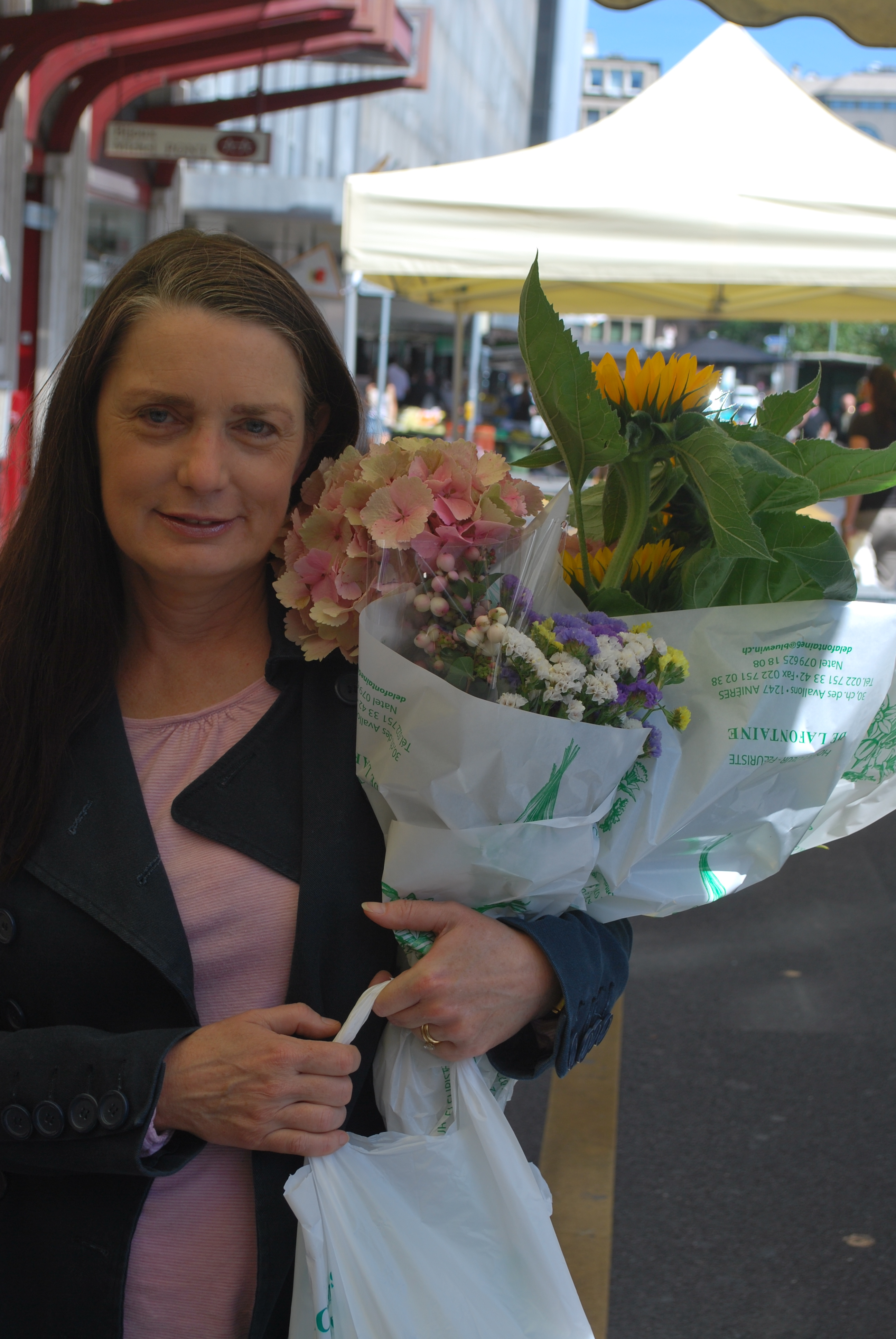
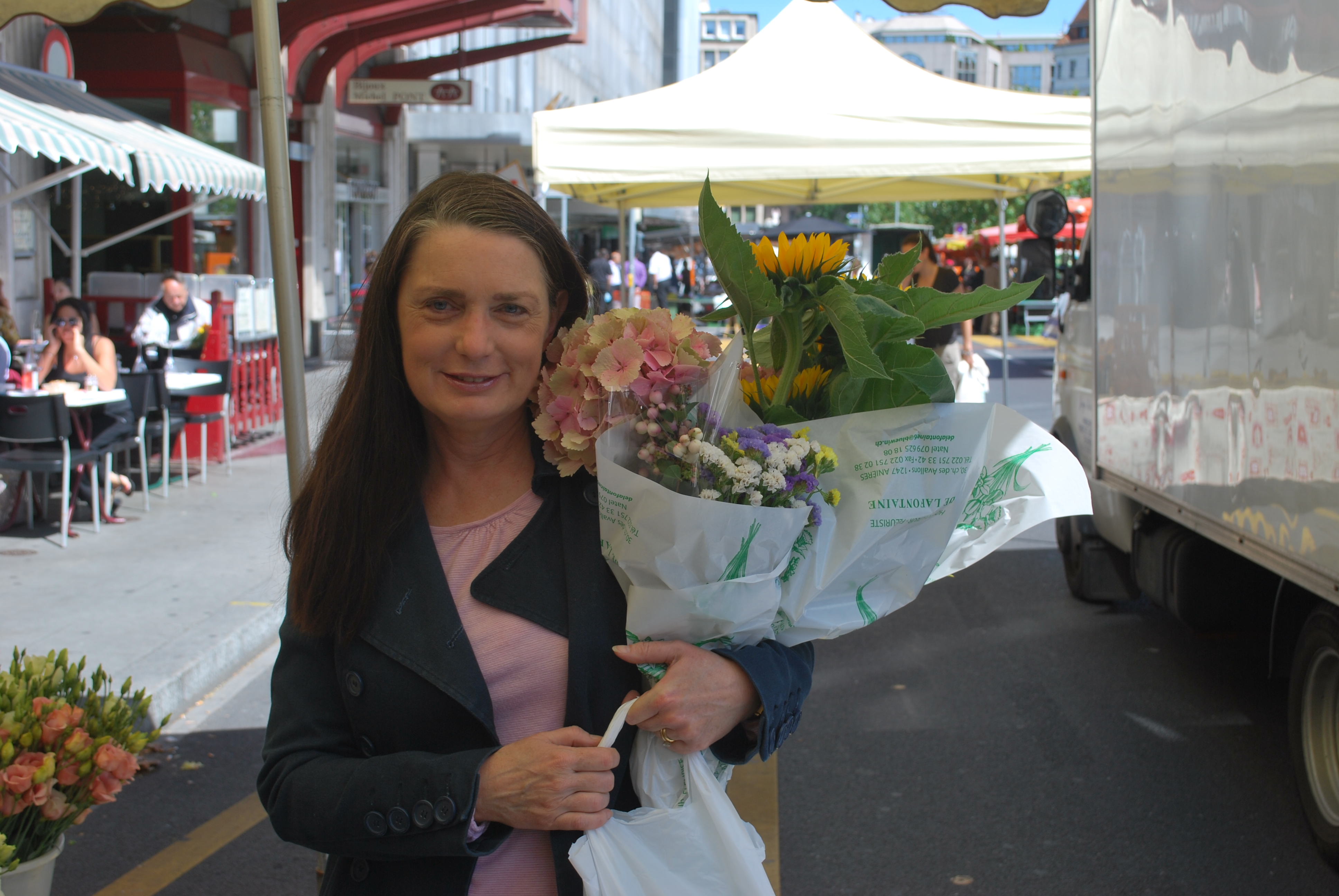
The Mindful Eating Series: Interview with Geneva Farmer David John Kong-Hug

Published by Friday, August 23, 2013 Permalink 0

The Mindful Eating Series: Interview with Geneva Farmer David John Kong-Hug

by Jonell Galloway

In the context of the concept of Mindful Eating, I plan on posting a series of articles that show people who are already practicing this in one way or another, without necessarily calling it by that name.

I’d like to start with an article about Geneva farmer, foodie and ecologist, David John Kong-Hug, whose family’s fruit and vegetables have given my family and me endless satisfaction and nourishment.

I see in the Hugs the same integrity and pride in what they do as I saw in the land of Wendell Berry. There is a mutual satisfaction when he puts an organic red pear into my hands and tells me exactly how to make my rissole. We form a mutual appreciation society; we have a mutual “affection” for the product and awareness of the hard work and care that went in to producing it.

David is a linguist and speaks so many languages I couldn’t possibly name them all. He has traveled extensively, and lived in South America, Asia, the Middle East and Europe.

He grew up on the family farm in Vandœuvres, right outside Geneva, and has never lost his love and respect for the land. He started working on the family farm from a young age, where he remained while studying agriculture and later doing a Ph.D. in environmental management.

Like the Swiss, like Wendell Berry, the love of land and soil is in his blood. With this personal history, need we ask what he thinks about Mindful Eating?

Interview with David John Kong-Hug

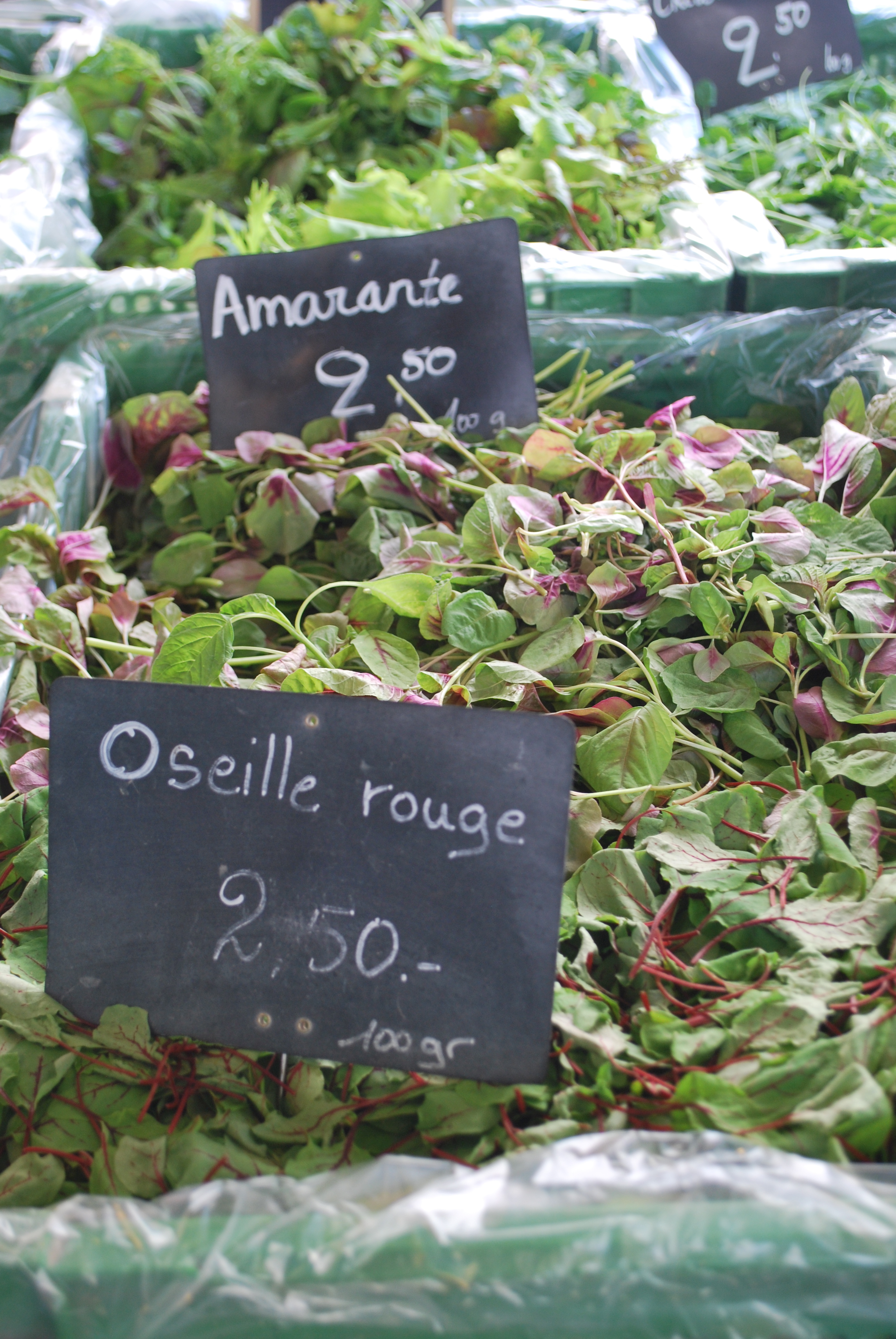
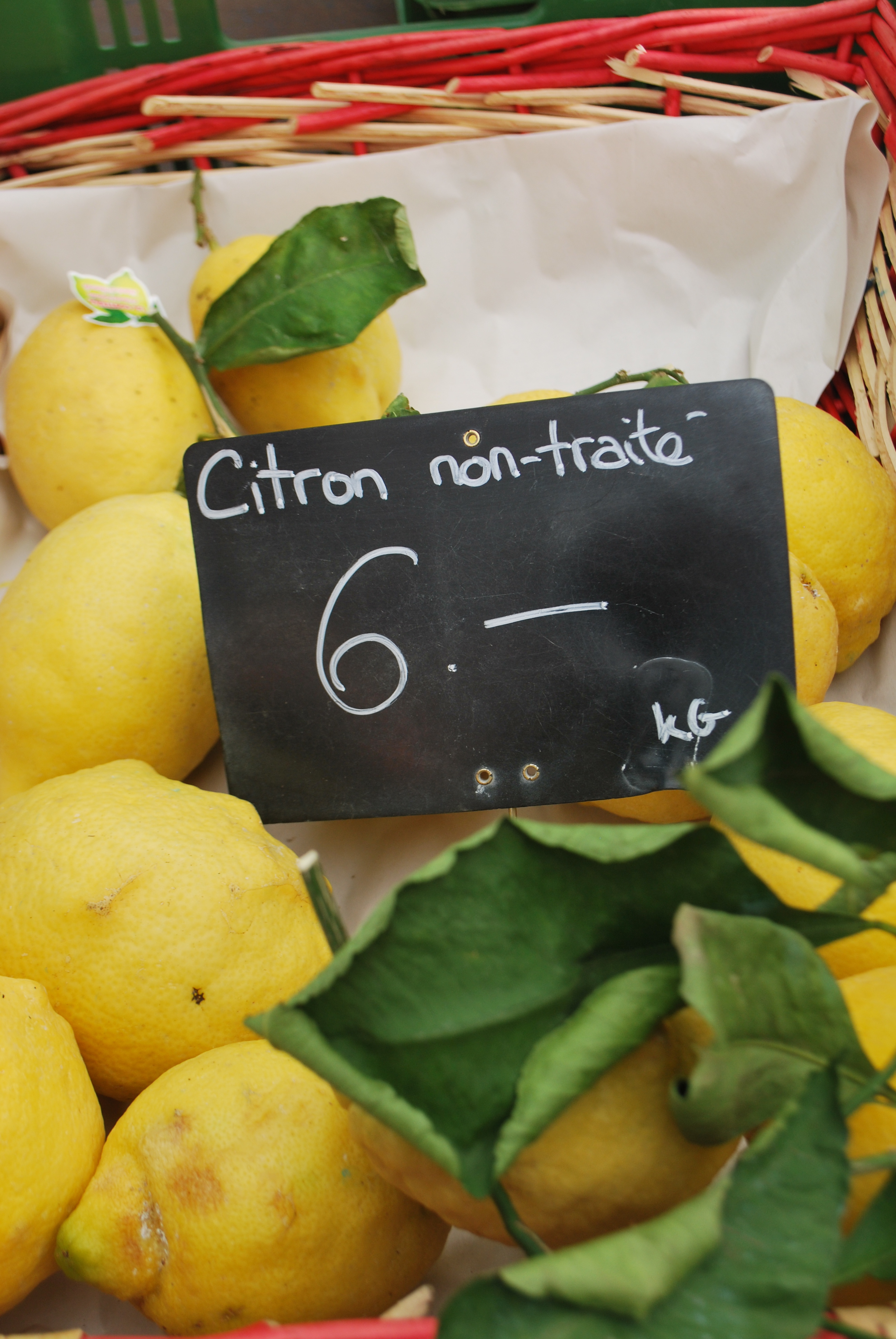
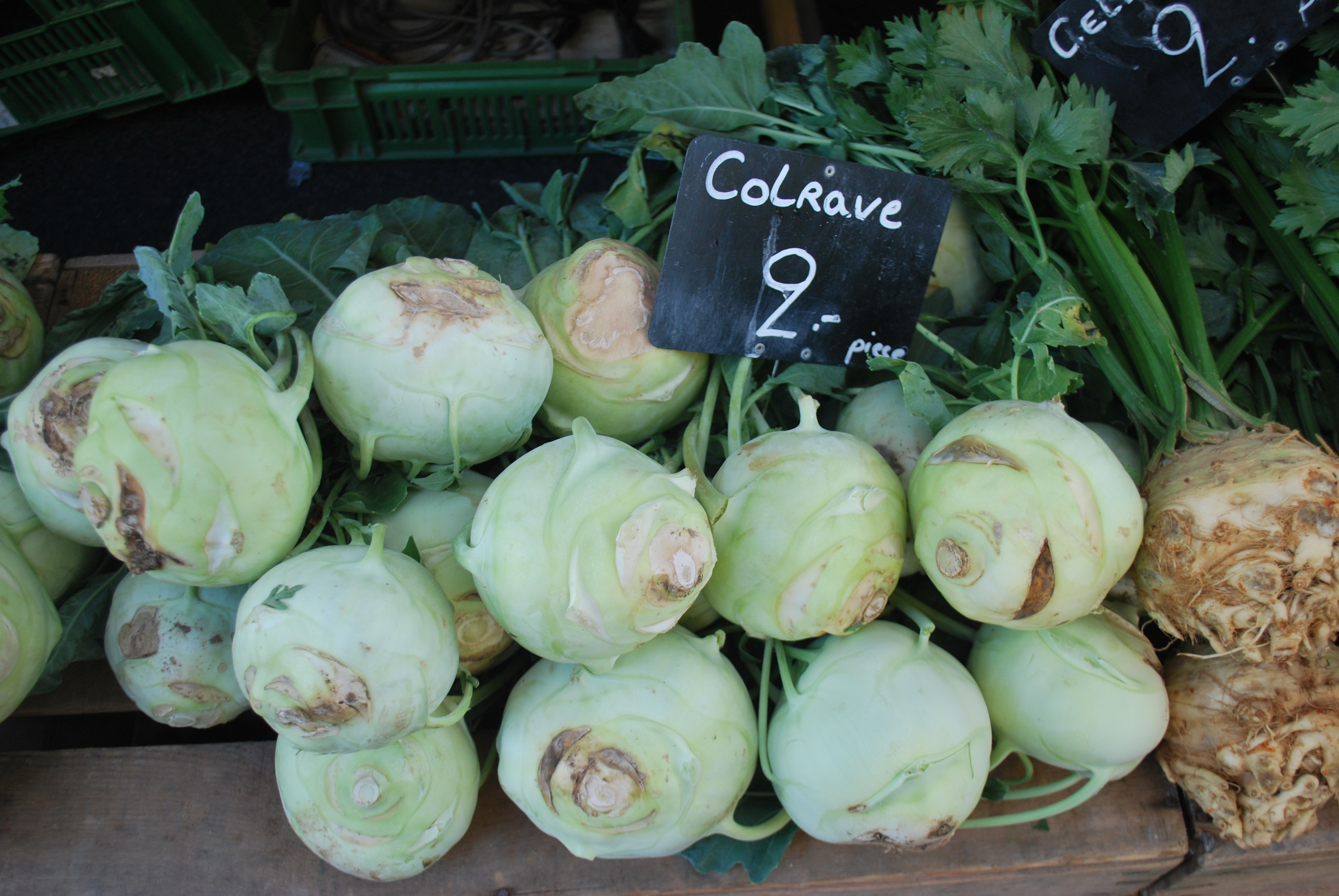
We are one of the last Genevan families who sell organic vegetables and fruits grown in our little one-hectare farm in Vandoeuvres (GE) along the Seymaz river. We have been working at the Rive and Carouge farmers market since 1946. For us, eating organic is a misnomer. Food is organic by its very nature! But since the green revolution in the seventies, food has become partly chemical. We have always refused to use chemicals on our land. How could we poison our land and water, add sulfites to the food we eat, feed our animals and serve to people?

Until the seventies, people took seasonal crops as a given. They knew that tomatoes with irregular shapes and apples with flaws were actually natural and tasty. They did not ask for strawberries in winter. Our tomatoes are not calibrated and cannot be kept for two months in the fridge. In winter, eating soups made of seasonal vegetables such as pumpkin, cabbage, leek, radish bring all the nutrients the body needs. Winter salads, such as bitter chicory or endive, are bitter in order to compensate for the extra fat people add by eating more meat when it’s cold.

Organic products are a bit more expensive than the industrial ones for two reasons. First of all, growing organic food is labor-intensive. Soils have to be weeded manually; manure spread evenly with the pitchfork; then fragile crops have to be covered with linen sheets to prevent birds from eating them. Greenhouses also protect from the cold and the predators, but field mice dig from underneath. As a result, a good deal of the production is lost, and only one third is actually brought to the market stall.

The second reason is that organic farming is not subsidized at all. Agro-industries that grow specific crops, sold to certain wholesalers, receive subsidies for mechanization, pesticides and fertilizers. The chemical and agro-industrial lobby in Switzerland is very strong. Pesticides and fertilizers are therefore indirectly sponsored by the government, that is to say the taxpayers.

These chemicals are necessary for intensive, calibrated and zero waste agriculture. Produce is harvested before it is ripe and sometimes kept a month in enormous refrigerators before being delivered to supermarkets. Local organic farmers still harvest at 4 A.M. the very day of the market. Their produce has to be sold within two or three days, or otherwise composted.

Unfortunately, selling bio or organic has become a business niche, not only for the large retail stores, but also for the government. Acquiring a green label is outrageously expensive for small independent farmers. Besides, their norms do not measure levels of pathogenic elements, but concern hedges and fallow, water conservation and soil erosion, which local farmers have been implementing for decades.

Therefore we created our own label “EKO”, for which we claim homegrown organic seasonal vegetables and fruits, aiming at eighty – ninety percent organic and chemical-free, which our customers recognize thanks to the taste and quality. Being an organic farmer is challenging. We just hope that our customers find their way to both the heart and stomach.

  • “Bringing It to the Table” by Wendell Berry
  • Wendell Berry: No technological fix to climate change
  • The Missouri Table: A Response to Ethical Foodies From a ‘Factory Farmer’
  • The Importance of Agriculture
  • Manifesto: The mad farmers liberation front
Never miss a post
Name: 
Your email address:*
Please enter all required fields
Correct invalid entries

Elements of Wine 6: Oak

Published by Thursday, August 22, 2013 Permalink 0


by James Flewellen

Elements of Wine 6: Oak

Ageing a wine in oak barrels has two main effects. The first is to imbue the wine with flavour and aroma compounds from the wood. This occurs most notably when the wine is matured in barriques (225 litre barrels) made from ‘new’ oak. New oak means the barrels have not been used before for ageing wine, thus there is a higher concentration of flavour molecules to impart to the wine. Wines aged in new oak typically develop notes of butter, toast, nuts, spice, or – if the wine has been aged in American, rather than French oak – coconut and white chocolate.

wine barrels
Oak barriques for the maturation of red wineJim Nix / Nomadic Pursuits / Foter / CC BY-NC-SA


The second effect of oak maturation expresses itself structurally in the wine. Oak barrels, while impermeable to liquid, still allow a small amount of air into the wine. This air exchange allows for a very slight oxidation of the wine, an effect that can be controlled by the size of the barrel and the length of time the wine spends inside. As well as changing the colour of the wine (white wines deepen and red wines lighten) this natural micro-oxygenation ‘softens’ the wine, giving a rounder, fuller, creamier mouth-feel. Red wines also benefit from their tannins polymerising and becoming less harsh, thus integrating better into the body of the wine. Oak barrels are also often conducive to the conversion of malic acid to lactic acid.

Large oak vessels are also used as vinification vats.
Large oak vessels are also used as vinification vats.theqspeaks / Foter / CC BY-NC-SA


Old oak barrels – that is barrels which have been already used at least once to mature wine – give the benefit of the oxygen exchange with the wine without the transferal of wood flavours. It can thus be difficult to detect the use of old oak on the palate; although look out for more density on the palate and a harmonious integration of fruit flavours, body and tannin.

Sign up for Jonell Galloway and James Flewellen’s  “Celebrate the Chartres Festival of Lights & Autumnal Equinox with a Food & Wine Tasting Masterclass” in France from September 19 to 22, 2013.

__________________

Dr James Flewellen is The Rambling Epicure wine columnist. James is a biophysicist at the University of Oxford. Originally from New Zealand, James learned his trade in taste through the Oxford Blind Wine Tasting Society, of which he was the President from 2010-2012. During his term, he represented Oxford at many international blind tasting competitions – twice winning the prestigious ‘Top Taster’ Award in the annual Varsity blind tasting match against Cambridge University and captaining winning teams in competitions throughout Europe.

James runs wine education courses in Oxford through the Oxford Wine Academy and is completing the WSET Professional Diploma in Wine and Spirits. He is the founder of  The Oxford Wine Blog and co-author of the forthcoming book: The Concise Guide to Wine and Blind Tasting.


Never miss a post
Name: 
Your email address:*
Please enter all required fields
Correct invalid entries

Food Art: Green Bean Salad, food photography by Brian Samuels

Published by Thursday, August 22, 2013 Permalink 0


Food Art: Green Bean Salad, food photography by Brian Samuels

Brian is a Boston-based food photographer and writer. He is the creator of the food blog A Thought For Food, a collection of recipes, personal anecdotes and historical information pertaining to cooking.

His photographs are available for viewing on his photography site, Brian Samuels Photography. Brian’s work has also been featured on Saveur , The Kitchn , Tastespotting, and FoodGawker.


Never miss a post
Name: 
Your email address:*
Please enter all required fields
Correct invalid entries

Wine & Food Pairing with Classic French Dishes

Published by Monday, August 19, 2013 Permalink 0

James Flewellen photo, wine tasting expert, The Art of Tasting Wine: James FlewellenJames Flewellen: Wine & Food Pairing with Classic French Dishes

by James Flewellen


Strawberries with red wine
Strawberries with red wine3liz4 / Foter / CC BY-NC-ND


 Cassoulet This depends on the choice of meat in the dish. Try a Chianti or another Tuscan wine, with more savoury notes for deeper-flavoured meats. Or a Barbera, or even a youthful claret if there’s more pork than game in the dish.

 Choucroute garnie If you stick to local Alsatian wines for this dish you really can’t go wrong. Use the same wine you’ve used in cooking if possible (typically Riesling), or go for a Pinot Gris.

Confit de canard (duck confit)
(from Southwest, cooked over
a fire in its own fat)
For this rich dish we have two options. One is to stay local and go for a spicy red wine from the south-west of France – a Tannat from Madiran or a Malbec from Cahors. Alternatively a full-bodied, oaked Chardonnay would also work. The acidity of the white wine will cut through the duck fat nicely. Choose a robust wine with enough body to stand up to the rich flavours though – Meursault from Burgundy, or a Californian pretender.

Coq au vin While red Burgundy is the classic pairing for this dish, a claret will also go very well. Choose one with a few years’ bottle age so the savoury developed notes complement the complex herbs in the sauce.

Andouillettes (sausage
made with chitterlings)
A tough dish to pair with on account of its strong flavours and somewhat acquired taste! Both reds and whites could work here. Light reds such as Beaujolais or Chinon will do well to complement the dish without dominating it with too much tannin. On the white side, a light, fresh style is best: perhaps Chablis, or the mountain-air notes of an Arbois from the Jura.

Escargots de Bourgogne (snails
baked in their shells with
parsley butter)
My favourite pairing for escargots in butter is champagne. The acidity helps out with the fat in the butter but the wine does not overpower the delicate flavours of the snail. A Chablis or other unoaked Chardonnay would also work.

Quenelle (flour; butter; eggs;
milk; and fish, traditionally pike,
mixed and poached)
The wine pairing depends on the fish used in the quenelle, typically pike. A fish quenelle would go very nicely with a Picpoul de Pinet. The lively, clean flavours of this wine complement fish nicely, and there is great acidity to cut through the butter and eggs.

Brandade de morue (puréed
salt cod)
Strongly flavoured fish dishes can be hard to find wine companions for. I’d suggest a very dry Alsatian or German Riesling. Being a bit more adventurous, you could also try a white wine from the Rhône – something based on Marsanne or Rousanne.

Bouillabaisse (a stew of
mixed Mediterranean
fish, tomatoes, and herbs)
For Bouillabaisse you want a wine that keeps pace with the rich flavours of the dish, but doesn’t detract from them. Keeping local, I would go for a Provençal rosé, or possibly a quality white wine from the south of France. If you’re in the mood for reds – try a light-bodied, acidic wine such as a Cabernet Franc from Chinon or a German Spätburgunder (Pinot Noir).

Ratatouille (a vegetable stew
with olive oil, aubergine, courgette,
bell pepper, tomato, onion
and garlic) with white fish
I go Italian when matching wine to tomato-based dishes. Try a juicy Dolcetto, Barbera or Primitivo. You could also go for Primitivo’s Californian cousin: Zinfandel.

Duck à l’orange Pinot Noir is the classic pairing for duck, however I find the orange in this dish doesn’t quite gel with the flavours in Pinot. Try a Grenache-based wine from the Southern Rhône, such as Châteauneuf-du-Pape. The extra spice in the wine complements the orange.

Pot au Feu A hearty red wine is just the ticket for this meal. I’d go for a Merlot-based Claret from Pomerol in Bordeaux, but wines based on Cabernet Sauvignon, Syrah, Malbec, or Grenache will also do beautifully. Just avoid something that is too jammy in fruit profile.

Blanquette de veau I can’t go past an Alsatian Riesling for this dish. Dry, austere, acidic – the perfect foil for the cream – and the fruit profile won’t obscure the meat.

 Sole meunière This dish cries out for a fruity, crisp, light white wine. My pick would be an Albariño from Galicia in Spain.

 Tournedos Rossini My classic pairing for this would be a juicy Left Bank claret. To take a step away from the norm, try a Tempranillo-based wine from Ribera del Duero. Unlike its cousins in Rioja, Ribera wines are more robust and full-bodied – ideal for the steak – and usually avoid the sweet-scented American oak.

Foie gras (terrine), served with
figs or onion jam
I’ve tried many things with foie gras and really don’t think you can go past the classic Bordelais pairing of Sauternes. The sweetness in the wine works beautifully with the salt in the terrine and the fruit profile goes well with the figs and onion jam.

 Steack-frites with Béarnaise sauce Let’s face it steak and red wine go together like a hand in a glove. If you want to emphasise the pepper in the Béarnaise then go for a peppery Syrah from the Northern Rhône or Shiraz from the Barossa.


Sign up for Jonell Galloway and James Flewellen’s  “Celebrate the Chartres Festival of Lights & Autumnal Equinox with a Food & Wine Tasting Masterclass” in France from September 19 to 22, 2013.


_____________________

Dr James Flewellen is The Rambling Epicure wine columnist. James is a biophysicist at the University of Oxford. Originally from New Zealand, James learned his trade in taste through the Oxford Blind Wine Tasting Society, of which he was the President from 2010-2012. During his term, he represented Oxford at many international blind tasting competitions – twice winning the prestigious ‘Top Taster’ Award in the annual Varsity blind tasting match against Cambridge University and captaining winning teams in competitions throughout Europe.

James runs wine education courses in Oxford through the Oxford Wine Academy and is completing the WSET Professional Diploma in Wine and Spirits. He is the founder of  The Oxford Wine Blog and co-author of the forthcoming book: The Concise Guide to Wine and Blind Tasting.


Never miss a post
Name: 
Your email address:*
Please enter all required fields
Correct invalid entries

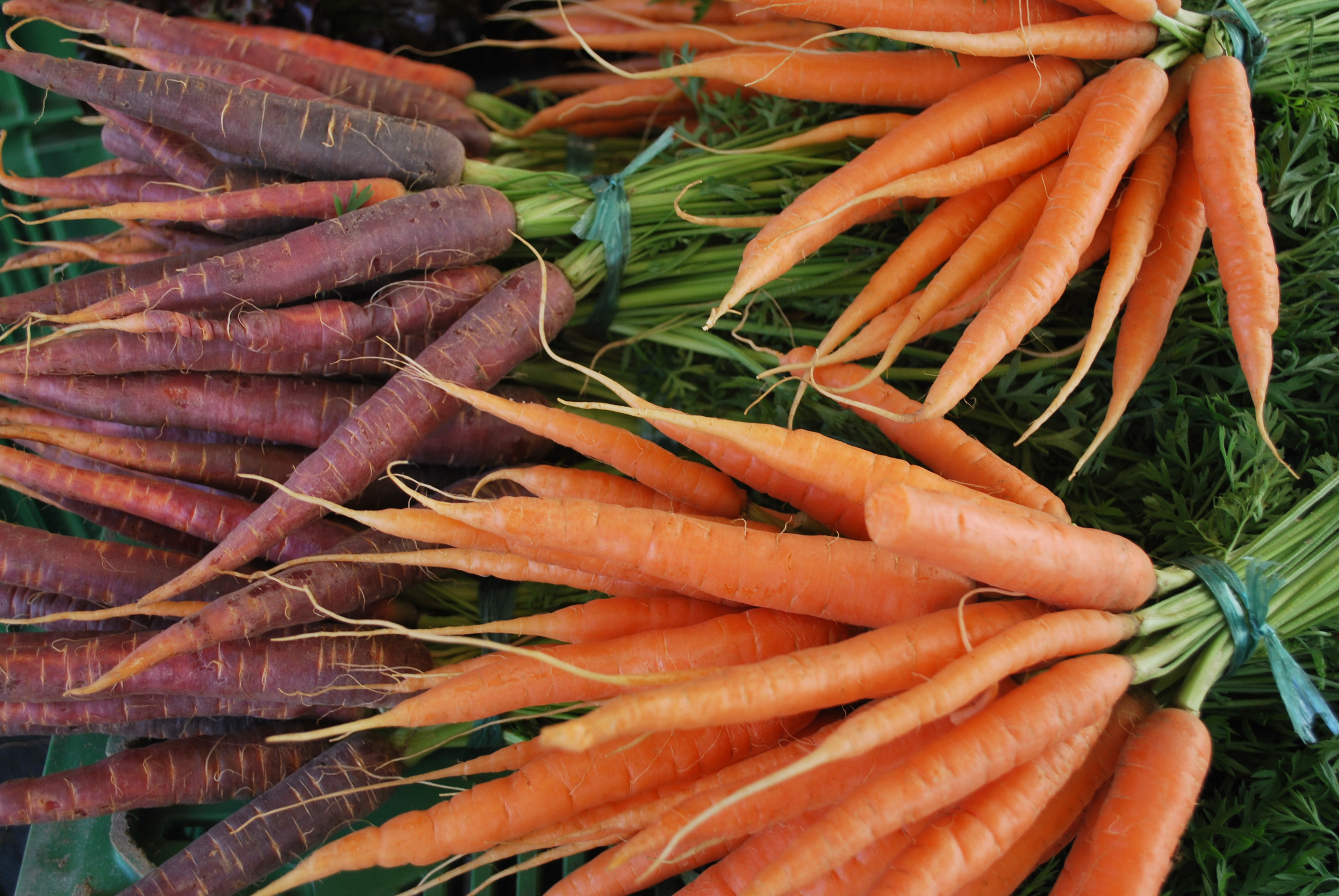
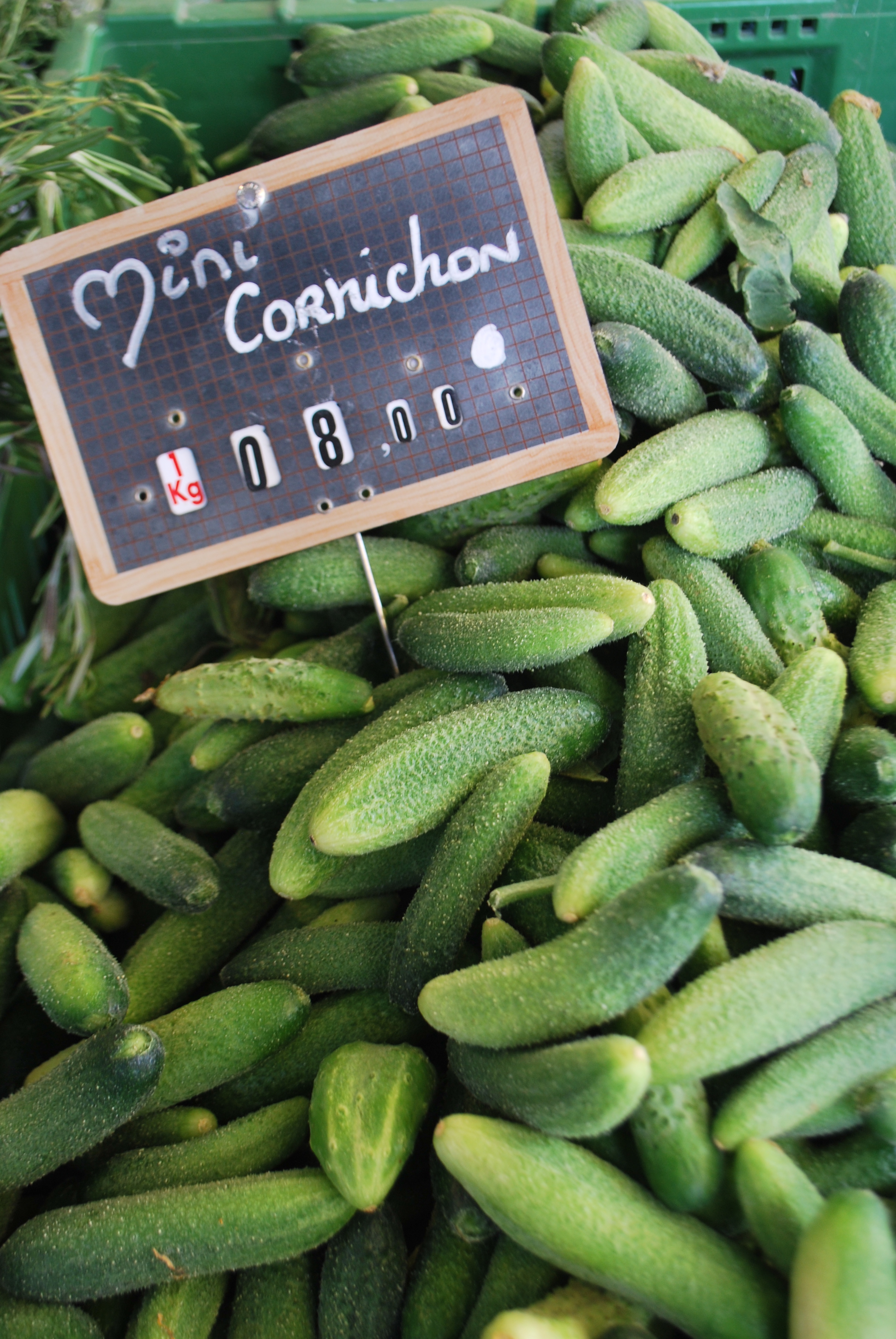
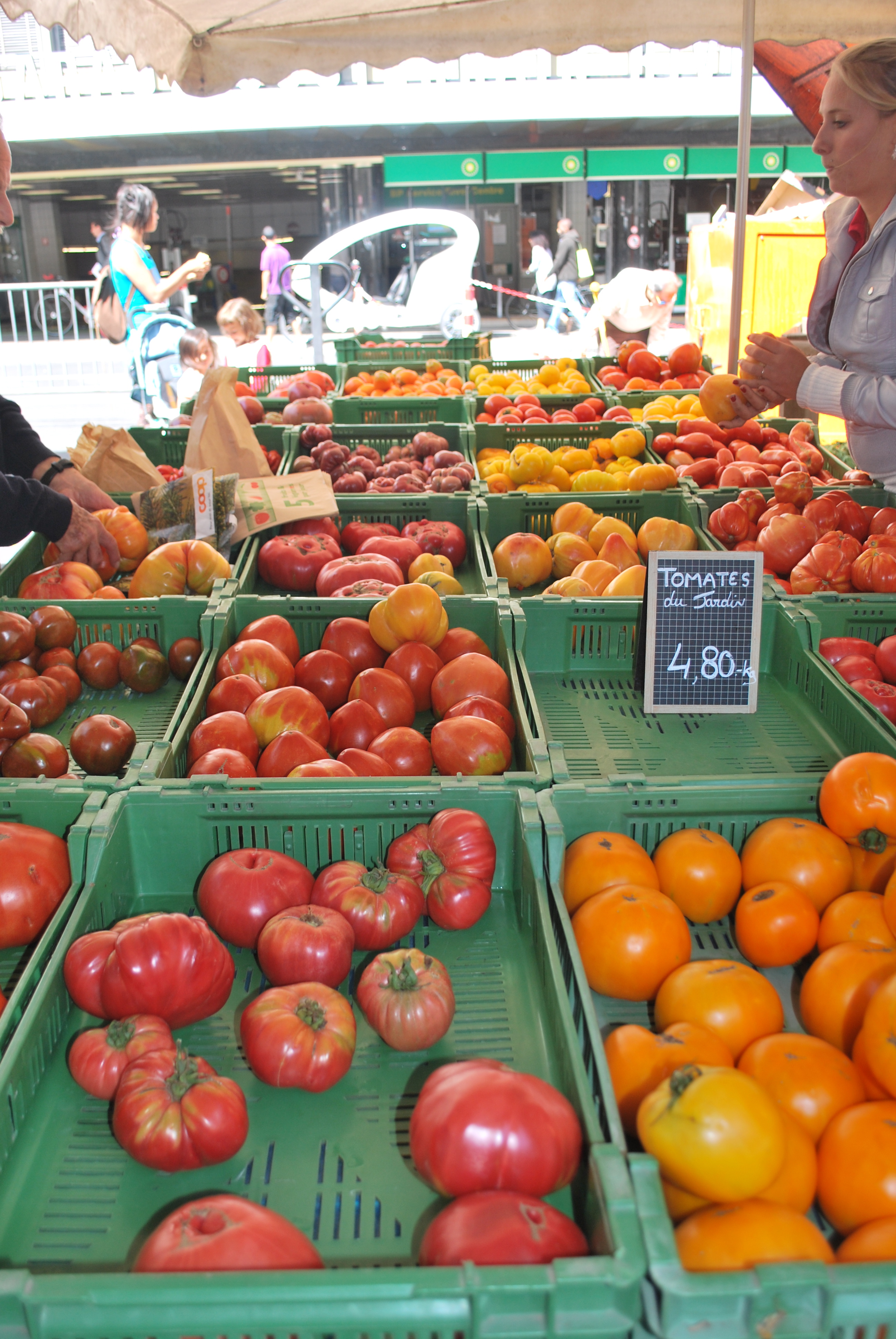
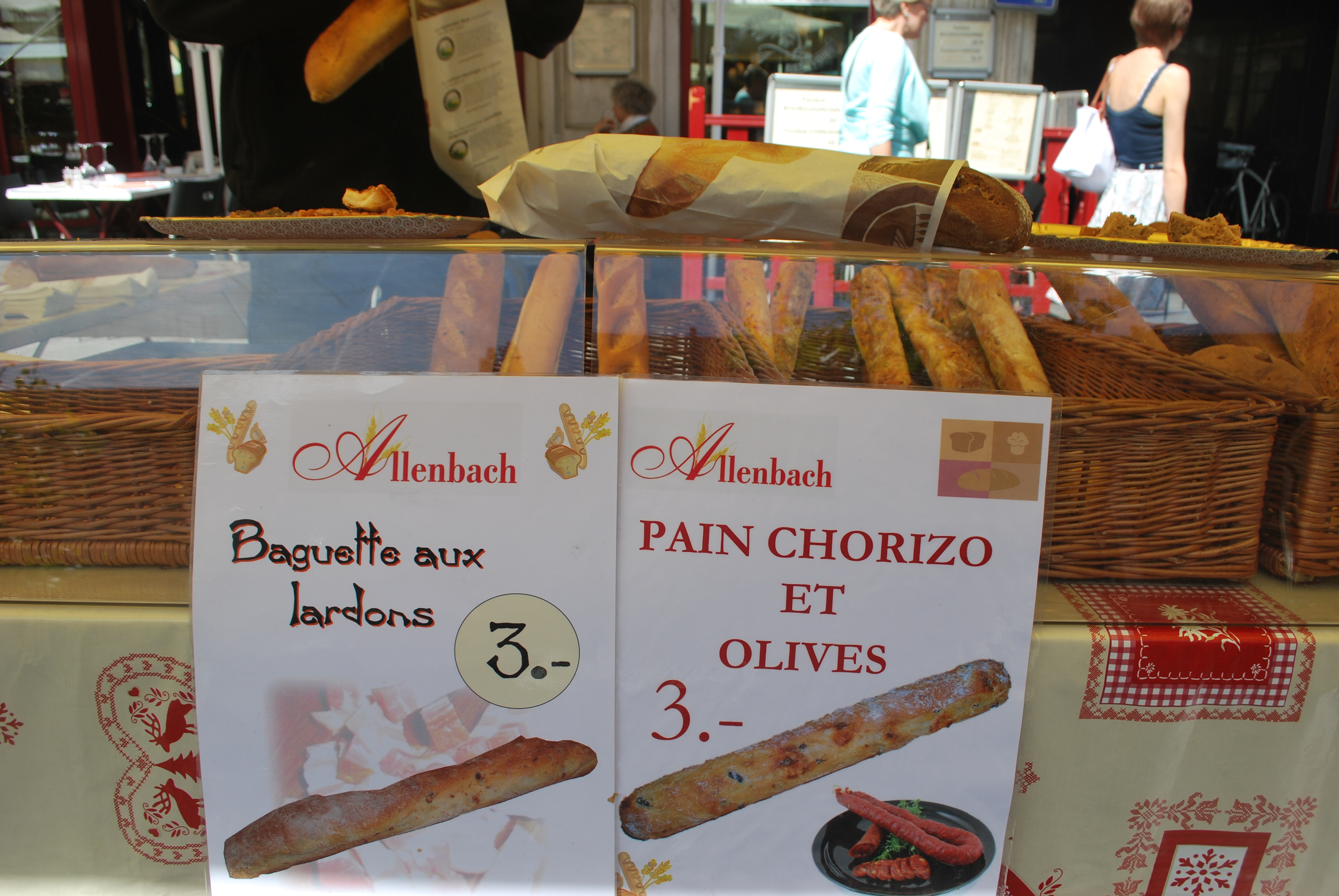
MarketDay: What’s in season at the Swiss farmers market in August: a photo essay

Published by Saturday, August 10, 2013 Permalink 0


MarketDay: What’s in season at the Swiss farmers market in August: a photo essay

Jonell Galloway leads you through the August farmers market in Switzerland. Take a look at what’s in season!

Never miss a post
Name: 
Your email address:*
Please enter all required fields
Correct invalid entries

Gluten-Free Recipe Conversions – Strategies for Substitutions

Published by Friday, August 9, 2013 Permalink 0

Jenn Oliver, Culinary Chemist, The Rambling EpicureCulinary Chemistry: Gluten-Free Recipe Conversions – Strategies for Substitutions

by Jenn Oliver

From the archives

When my husband and I first started cooking gluten-free in our kitchen, we mainly focused on one type of meal — those that were naturally gluten-free.

The naturally gluten-free foods were the easiest to cook from scratch because they required no substitutions at all — risottos, fresh fruit, vegetables, custards & puddings, stir fry, roasted potatoes, homemade “chips”, salads, fresh steamed fish, bean stews, meringues, and even a macaron attempt or two. As a beginner to the gluten-free world nearly five years ago, I was thrilled with how many foods we could make without ever having to worry about an ingredient on a package label that could be harmful to my husband’s health.  As long as we cooked from entirely fresh ingredients and avoided anything that came in a package or required flour, we were fine — and what a great variety we had to choose from!

But it didn’t take long before my husband would say, “You know, I really miss pizza,” or “Wouldn’t it be nice to have a thick creamy gravy to go on mashed potatoes sometime?” It was inevitable, really, that shunning all things flour-related was bound to cause waxing nostalgia for the meals we no longer ate. While it was great to get our feet wet by starting with the easy gluten-free meals that didn’t require any substitutions or extra thought, it seemed wrong to deprive ourselves completely of other foods that we enjoyed.

I set out on a mission of sorts to figure out how to convert our favorite foods to gluten free, where I found a veritable “Wild West” frontier land when it came to recipes — myriad flour blends and formulas either in packages on grocery store shelves or listed in books, none of which explained how they came to be or why they worked, often calling for expensive and elusive ingredients. It all seemed like some esoteric recipe voodoo.


I decided instead to create my own blends, first categorizing the various alternative flours and ingredients by texture and coarseness, and then quickly realizing that while those aspects do play a role in the end product, the key factor was in fact not the texture, but the starch, protein, and fat content, as these are the things that determine most how a flour will behave in a recipe. I can’t say I get a perfect product every single time on the first try, but the turning point in my success was when I started looking into exactly what I was replacing with my gluten-free flour blends.

Sometimes it really is the gluten that needs to be emulated, such as in a bread recipe, where the developed network of gluten in conventional breads actively works to trap the air pockets made by the yeast, allowing the bread to rise. Techniques for mimicking this include adding other leavening agents to help account for the fact that some of the air will indeed escape before the bread is done, or adding binding agents to help trap the air that is formed — and maybe even a combination of both of these techniques.

Often this is why one sees gluten-free recipes that include extra eggs, or gelling agents like ground flax or chia seeds, manufactured gums, or incorporation of starches into the GF blend, such as tapioca or arrowroot. Once we understand why these ingredients exist in a gluten-free recipe, we can better judge how to make substitutions to fit our needs – for example, don’t have ground chia seeds? Maybe adding an egg in its place will do the trick. The bread fell flat a bit and was too dense? We now have options. We consider the properties of the ingredients we are using, and this information can be used as tools for determining how to logically go about changing our recipes to improve them.

Other recipes that conventionally use flour don’t actually care about the gluten at all. Take, for example, a roux, essentially made up of a flour and a fat that are cooked together and then used as a thickening agent in soups and stews, such as gumbo. In the case of roux, there’s no elasticity needed, and no air to be trapped – all we are looking for is thickening, which occurs thanks to the starch components within wheat flour. This is great news for gluten-free cooks; there are lots of starchy gluten-free ingredients at our disposal that we can use to replace conventional wheat flour!

All-purpose wheat flour contains, along with gluten, a fair amount of starch. So to create a 1:1 substitution (by weight of course), one would just need to come up with a gluten-free flour blend that is also mostly (but not all) starch. This can be done either by using flours with similar starch content to wheat flour, or by supplementing the GF blend with a pure starch (cornstarch, tapioca, arrowroot, potato, glutinous rice flour, etc.). Each type of starch differs slightly in its chemistry, but for the most part they all have gelling and viscosity properties – i.e. they help food thicken and stick together. In something like our roux example, it’s not going to matter a whole lot what kind of starches we use, because the only aspect of the starch we are calling upon in this case is its thickening power.

Obviously, for baking, things get a little more complicated, but I’m convinced the overall strategy remains the same. The first thing I ask myself when converting a recipe is, “what in conventional wheat flour is doing the work? What traits do I need to make sure I replace with my gluten-free mix?” And then we can use our knowledge about the various gluten-free ingredients available to reproduce those properties. Actually, I think once one gets a bit more comfortable with gluten-free substitutions, there is even more freedom and more possibilities for “customizing” than when working with conventional all-purpose wheat flour. This is because one has the ability to pick and choose from amongst so many great ingredients — not just for certain properties, but also for flavors. For example, I often incorporate chestnut flour, because I just love the earthy rustic qualities it lends to baked goods.

Gluten-free substitutions don’t have to involve some mysterious wizardry in order to have success. Sometimes it’s just a bit of recipe tweaking, and other times, a little knowledge about the science behind why a recipe works goes a long way.


Never miss a post
Name: 
Your email address:*
Please enter all required fields
Correct invalid entries

Celebrate the Chartres Festival of Lights & Autumnal Equinox with a Food & Wine Tasting Masterclass

Published by Monday, August 5, 2013 Permalink 0

Join us at the Chartres Festival of Lights 2013 & Autumnal Equinox for a
Food and Wine Tasting Masterclass, given by Jonell Galloway, master food taster, and James Flewellen, master wine taster

The Beauce and the Loire Valley: Taste Unlocked

19 to 22 September 2013


A romantic getaway, a tasting Masterclass, and a big dose of
Druidic and Christian history, all in one long weekend at the autumnal equinox

Chartres Cathedral Lighted, creative common license, photographer unknown


Package:A 4-day Food and Wine Tasting Masterclass in the romantic, historical setting of Chartres. Classes are held in a 1,000-year-old chapel converted into Jonell’s home, just 2 minutes’ walk from the world-renowned Chartres Cathedral and 10 minutes from the train station. The Masterclass is held during the spectacular Chartres Festival of Lights, celebrated every year since 2003 on the weekend of the autumnal equinox.

Date: 19 to 22 September 2013

12 – 14 hours of instruction and workshop tasting, including discussion periods and Q&A

Lodging is in B&Bs and hotels within walking distance of the event, but lodging is not included in our price. Click here to find accommodations in all categories.

All meals and wine are included, except breakfast.

Price per person: 750 Euros

Limited to 12 participants. Early booking strongly advised.

Down payment: 250 Euros on reservation, remainder 30 days before event.

Possibility of purchasing the wines tasted during the weekend.

See details of programme and wine below.

Click on the Paypal button at the top right of the sidebar to pay by Paypal or credit card, or the  blue Contact Us button at the top right of the home page to pay by bank transfer.

[wp_paypal_payment_box email=”jonell@theramblingepicure.com” options=”Down payment 250 Euros|Full payment 750 Euros”]

Continue Reading…

Never miss a post
Name: 
Your email address:*
Please enter all required fields
Correct invalid entries

Switzerland: Ollon Wine Fair 2013, Photo Essay

Published by Monday, August 5, 2013 Permalink 0

Switzerland: Ollon Wine Fair, September 7-8, 2013

by Jonell Galloway

Balades dans le vignoble / Strolls through the Vineyards

The winemakers of Ollon in the canton of Vaud organize “Balades dans le Vignoble,” or strolls through the vineyards, every second weekend in September. You stroll through the vineyards and taste some hundred different wines from the vineyards of Ollon. It is possible to eat at numerous vineyards as well as in the restaurants and bistros in the village.

There are various means of transport, including:

  • Buses: two vintage buses as well as contemporary mini-buses to take you from one winemaker to another.
  • Mini-trains: trips through the vines.
  • Nostalgic vintage cars and sidecars: Vintage Citroën 2 CVs (see photos) and motorcycles with sidecars take visitors from one vineyard to another
  • Other transport: It is possible to walk the scenic mountain paths through the vineyards and from one vineyard to another.

Click here for details of the event: dépliant_2012.pdf (2 Mb).

Here are my photos from the 2012 wine tasting fair. Click the photos you like to enlarge them.

  • Burgundy Hail Damage May Lower Wine Output by 4 Million Bottles – Bloomberg
  • Swiss winemakers see red over duty-free plan
  • Your Cheesemonger: Understanding the Master of Milk
  • Switzerland’s real success story is not chocolates or cuckoo clocks but its economy
  • Everything Just Works Here
Never miss a post
Name: 
Your email address:*
Please enter all required fields
Correct invalid entries

Wendell Berry Food and Farming Quotes

Published by Sunday, August 4, 2013 Permalink 0

Wendell Berry Food and Farming Quotes

“I dislike the thought that some animal has been made miserable to feed me. If I am going to eat meat, I want it to be from an animal that has lived a pleasant, uncrowded life outdoors, on bountiful pasture, with good water nearby and trees for shade.” (What Are People For?)

“Eating is an agricultural act.” (What Are People for Essays By Wendell Berry)

The passive American consumer, sitting down to a meal of pre-prepared food, confronts inert, anonymous substances that have been processed, dyed, breaded, sauced, gravied, ground, pulped, strained, blended, prettified, and sanitized beyond resemblance to any part of any creature that ever lived. The products of nature and agriculture have been made, to all appearances, the products of industry. Both eater and eaten are thus in exile from biological reality.

Eating with the fullest pleasure – pleasure, that is, that does not depend on ignorance – is perhaps the profoundest enactment of our connection with the world. In this pleasure we experience our dependence and our gratitude, for we are living in a mystery, from creatures we did not make and powers we cannot comprehend.” “A person who undertakes to grow a garden at home, by practices that will preserve rather than exploit the economy of the soil, has his mind precisely against what is wrong with us… What I am saying is that if we apply our minds directly and competently to the needs of the earth, then we will have begun to make fundamental and necessary changes in our minds. We will begin to understand and to mistrust and to change our wasteful economy, which markets not just the produce of earth, but also the earth’s ability to produce.

But even in the much-publicized rebellion of the young against the materialism of the affluent society, the consumer mentality is too often still intact: the standards of behavior are still those of kind and quantity, the security sought is still the security of numbers, and the chief motive is still the consumer’s anxiety that he is missing out on what is “in.” In this state of total consumerism – which is to say a state of helpless dependence on things and services and ideas and motives that we have forgotten how to provide ourselves – all meaningful contact between ourselves and the earth is broken. We do not understand the earth in terms either of what it offers us or of what it requires of us, and I think it is the rule that people inevitably destroy what they do not understand.” (pg. 85, “Think Little“) (The Art of the Commonplace: The Agrarian Essays of Wendell Berry)

Bem no sul deste País
Eduardo Amorim / Foter / CC BY-NC-SA

“Odd as I am sure it will appear to some, I can think of no better form of personal involvement in the cure of the environment than that of gardening. A person who is growing a garden, if he is growing it organically, is improving a piece of the world. He is producing something to eat, which makes him somewhat independent of the grocery business, but he is also enlarging, for himself, the meaning of food and the pleasure of eating. (pg. 88, “Think Little”) (The Art of the Commonplace: The Agrarian Essays of Wendell Berry)

“…the care of the earth is our most ancient and most worthy and, after all, our most pleasing responsibility. To cherish what remains of it, and to foster its renewal, is our only legitimate hope.” (The Art of the Commonplace: The Agrarian Essays of Wendell Berry)

“The Satisfactions of the Mad Farmer…the quiet in the woods of a summer morning, the voice of a pewee passing through it like a tight silver wire; …” (The Collected Poems of Wendell Berry, 1957-1982)

“If we apply our minds directly and competently to the needs of the earth, then we will have begun to make fundamental and necessary changes in our minds. We will begin to understand and to mistrust and to change our wasteful economy, which markets not just the produce of the earth, but also the earth’s ability to produce. We will see that beauty and utility are alike dependent upon the health of the world. But we will also see through the fads and the fashions of protest. We will see that war and oppression and pollution are not separate issues, but are aspects of the same issue. Amid the outcries for the liberation of this group or that, we will know that no person is free except in the freedom of other persons, and that man’s only real freedom is to know and faithfully occupy his place – a much humbler place than we have been taught to think – in the order of creation. (pg.89, “Think Little”)” (The Art of the Commonplace: The Agrarian Essays of Wendell Berry)

“He imagines a necessary joy in things that must fly to eat.”

“Until we understand what the land is, we are at odds with everything we touch. And to come to that understanding it is necessary, even now, to leave the regions of our conquest – the cleared fields, the towns and cities, the highways – and re-enter the woods. For only there can a man encounter the silence and the darkness of his own absence. Only in this silence and darkness can he recover the sense of the world’s longevity, of its ability to thrive without him, of his inferiority to it and his dependence on it. Perhaps then, having heard that silence and seen that darkness, he will grow humble before the place and begin to take it in – to learn from it what it is. As its sounds come into his hearing, and its lights and colors come into his vision, and its odors come into his nostrils, then he may come into its presence as he never has before, and he will arrive in his place and will want to remain. His life will grow out of the ground like the other lives of the place, and take its place among them. He will be with them – neither ignorant of them, nor indifferent to them, nor against them – and so at last he will grow to be native-born. That is, he must reenter the silence and the darkness, and be born again. (pg. 27, “A Native Hill”)” (The Art of the Commonplace: The Agrarian Essays of Wendell Berry)

Never miss a post
Name:

Your email address:*

Please enter all required fields
Correct invalid entries

About Jonell Galloway

Jonell Galloway grew up on Wendell Berry and food straight from a backyard Kentucky garden. She is a freelance writer. She attended Le Cordon Bleu and La Varenne cooking schools in Paris and the Académie du Vin, worked for the GaultMillau restaurant guide and CityGuides in France and Paris and for Gannett Company in the U.S., and collaborated on Le tour du monde en 80 pains / Around the World with 80 Breads with Jean-Philippe de Tonnac in France; André Raboud, Sculptures 2002-2009 in Switzerland; Ma Cuisine Méditerranéenne with Christophe Certain in France, At the Table: Food and Family around the World with Ken Albala, and a biography of French chef Pierre Gagnaire. She ran a cooking school in France, and owned a farm-to-table restaurant, The Three Sisters’ Café, with her two sisters in the U.S. She organizes the Taste Unlocked bespoke food and wine tasting awareness workshops with James Flewellen, is an active member of Slow Food, and runs the food writing website The Rambling Epicure. Her work has been published in numerous international publications and she has been interviewed on international public radio in France, Switzerland, and the U.S. She has just signed on at In Search of Taste, a British print publication, and is now working on a book, What to Eat in Venice


  • Wendell Berry: No technological fix to climate change
  • Wendell Berry – The Real Work
  • A Poem For Sunday
  • A Poem For Saturday
  • Composer of Wendell Berry songs is interviewed
Never miss a post
Name: 
Your email address:*
Please enter all required fields
Correct invalid entries

Food Art: Candy-rimmed glasses, food photography by SandeeA

Published by Saturday, August 3, 2013 Permalink 0


Sandeea is our latest food photography discovery. A woman of many talents, she is also author of the Food Play column. She writes in both English and Spanish. She develops playful recipes, and is an excellent food stylist and photographer. She runs the site La Receta de la Felicitad. She writes in Spanish and English.


Never miss a post
Name: 
Your email address:*
Please enter all required fields
Correct invalid entries

UA-21892701-1