

Simon Says: Daily Food Quote, February 1, 2012

Published by Wednesday, February 1, 2012 Permalink 0

by Simón de Swaan

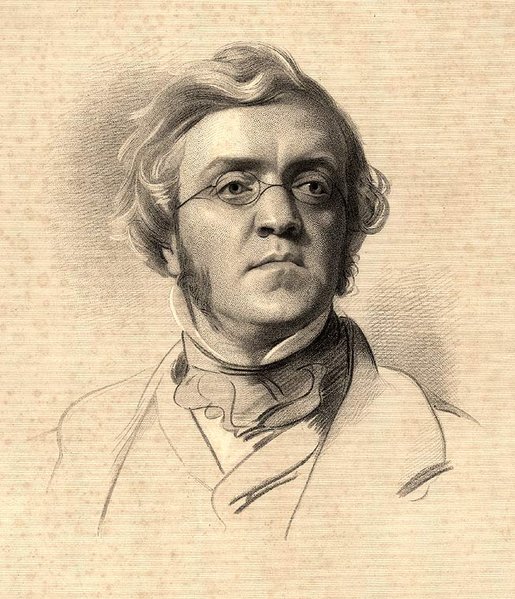
Sir, respect your dinner: idolize it, enjoy it properly. You will be many hours in the week, many weeks in the year, and many years in your life happier if you do.–William Thackeray

William Makepeace Thackeray was an English novelist of the 19th century. He was famous for his satirical works, particularly Vanity Fair, a panoramic portrait of English society.
Continue Reading…

Never miss a post
Name: 
Your email address:*
Please enter all required fields
Correct invalid entries

Simon Says: Daily Food Quote, November 7, 2011

Published by Monday, November 7, 2011 Permalink 0

by Simón de Swaan

It is not from the benevolence of the butcher, the brewer, or the baker that we expect our dinner, but from their regard to their own interest.–Adam Smith, 1776

Adam Smith was a Scottish social philosopher and a pioneer of political economy. One of the key figures of the Scottish Enlightenment, Smith is the author of The Theory of Moral Sentiments and An Inquiry into the Nature and Causes of the Wealth of Nations. An Inquiry into the Nature and Causes of the Wealth of Nations, generally referred to by its shortened title “The Wealth of Nations,” is the magnum opus of the Scottish economist and moral philosopher Adam Smith. First published in 1776, it is a reflection on economics at the beginning of the Industrial Revolution and argues that free market economies are more productive and beneficial to their societies. The book is a fundamental work in classical economics.


Never miss a post
Name: 
Your email address:*
Please enter all required fields
Correct invalid entries

Simon Says: Daily Food Quote, October 27, 2011

Published by Thursday, October 27, 2011 Permalink 0

by Simón de Swaan

I cannot but bless the memory of Julius Caesar, for the great esteem he expressed for fat men and his aversion to lean ones.–David Hume, 1751

David Hume was a Scottish philosopher, historian, economist, and essayist, known especially for his philosophical empiricism and skepticism. He is regarded as one of the most important figures in the history of Western philosophy and the Scottish Enlightenment, and last of the British Empiricists.

Hume’s major philosophical works — A Treatise of Human Nature (1739-1740), Enquiries concerning Human Understanding (1748) and An Enquiry concerning the Principles of Morals (1751), as well as the posthumously published Dialogues concerning Natural Religion (1779) — remain widely and deeply influential.


Never miss a post
Name: 
Your email address:*
Please enter all required fields
Correct invalid entries

UA-21892701-1