
MarketDay: What’s in season at the Swiss farmers market in August: a photo essay
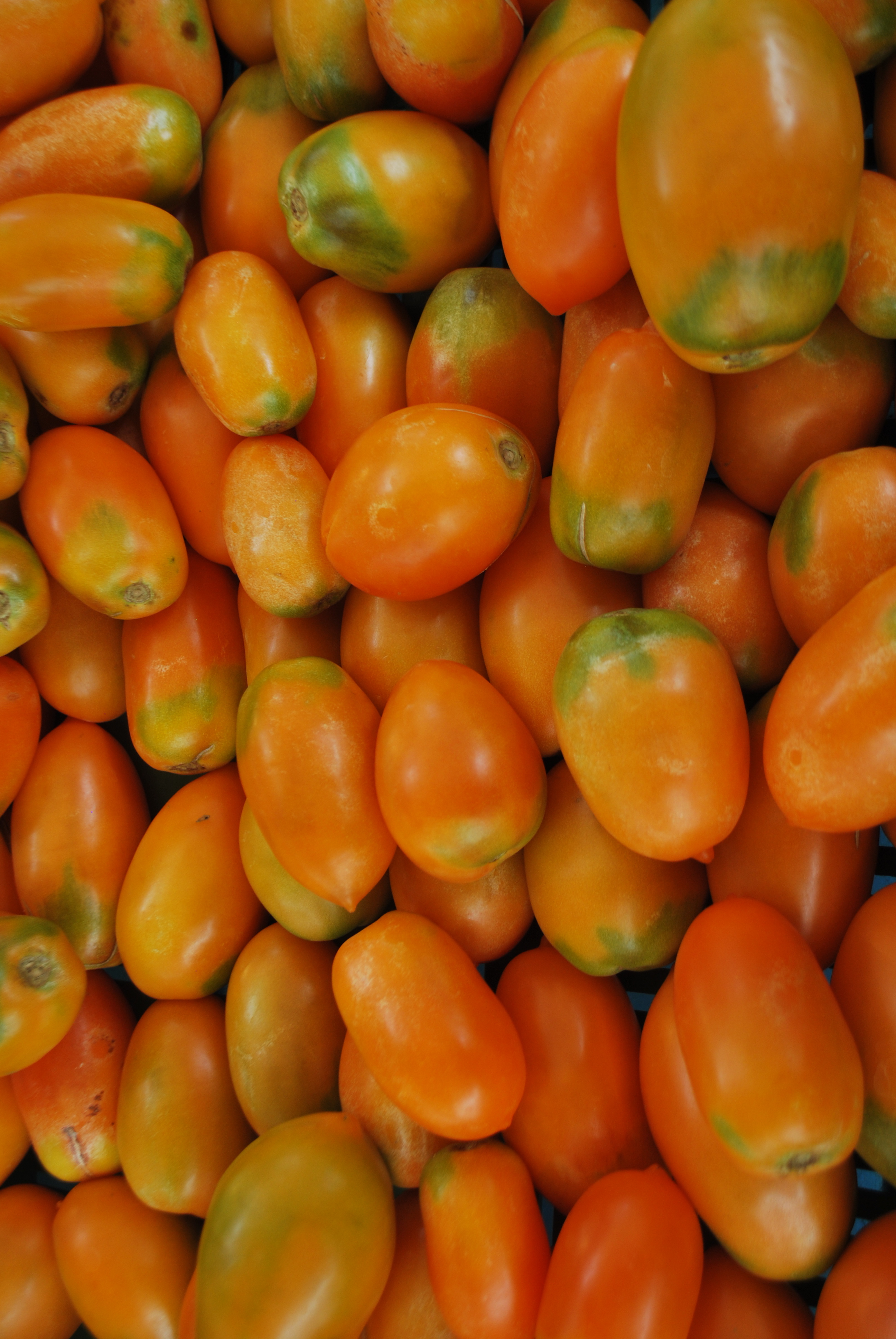
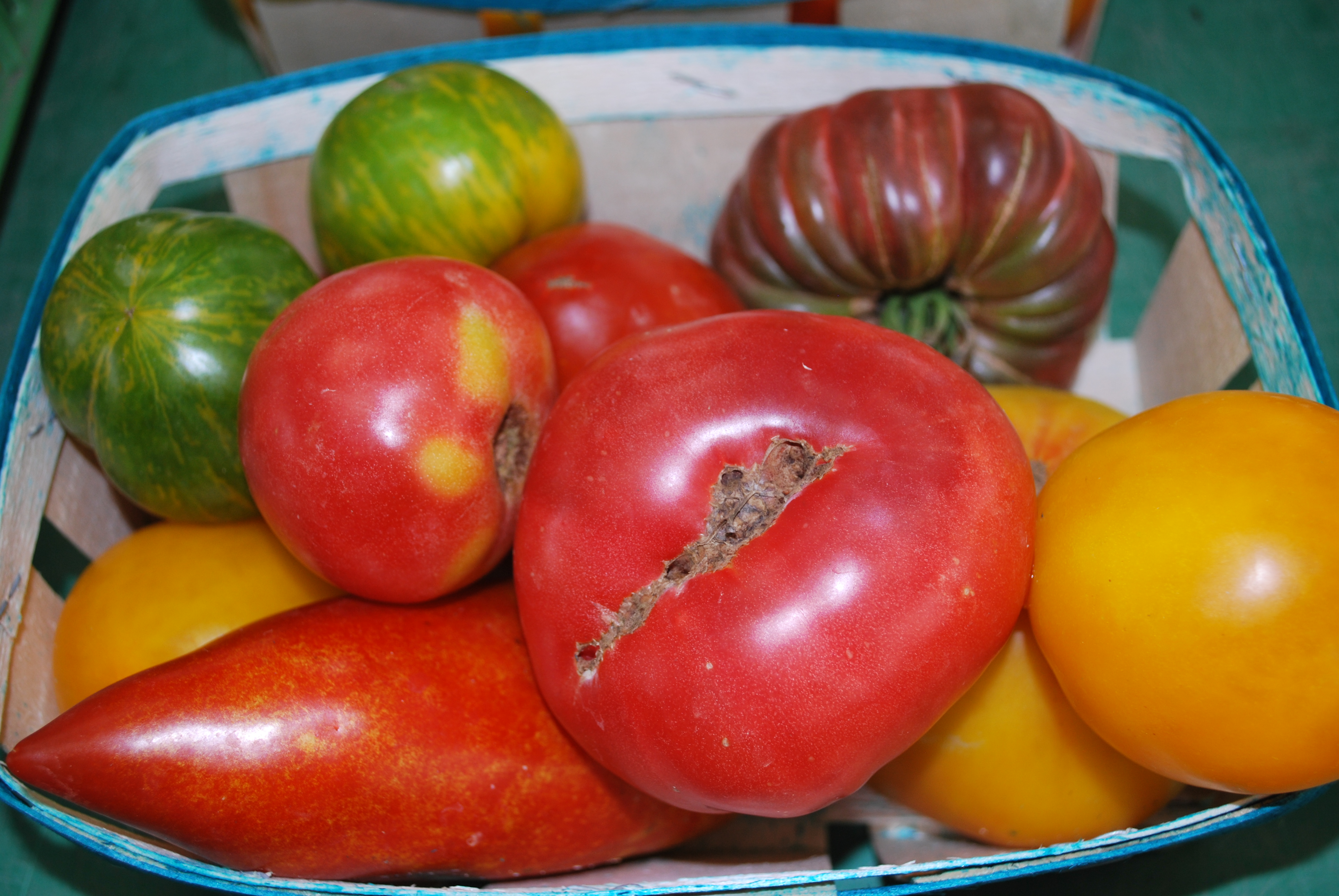
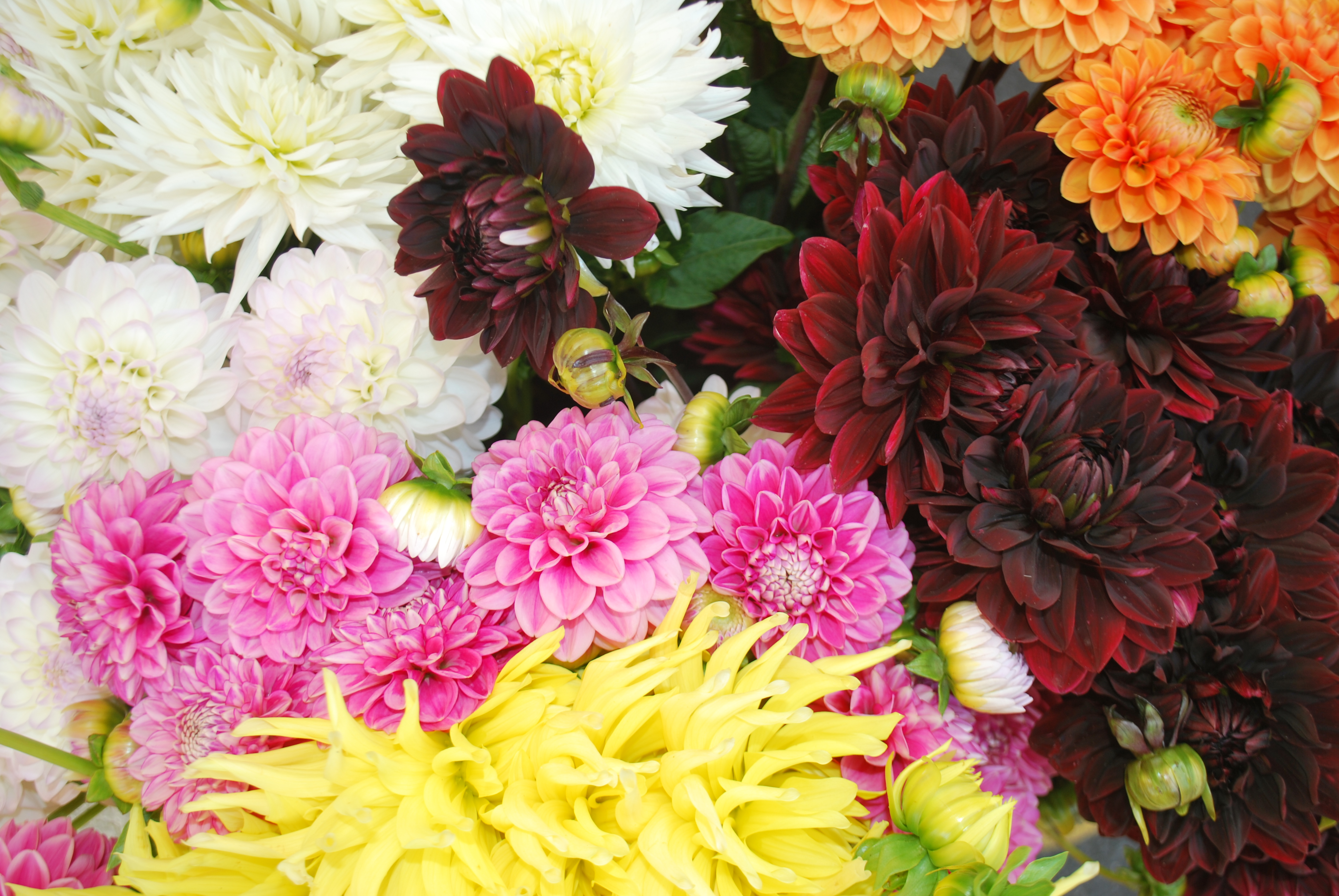
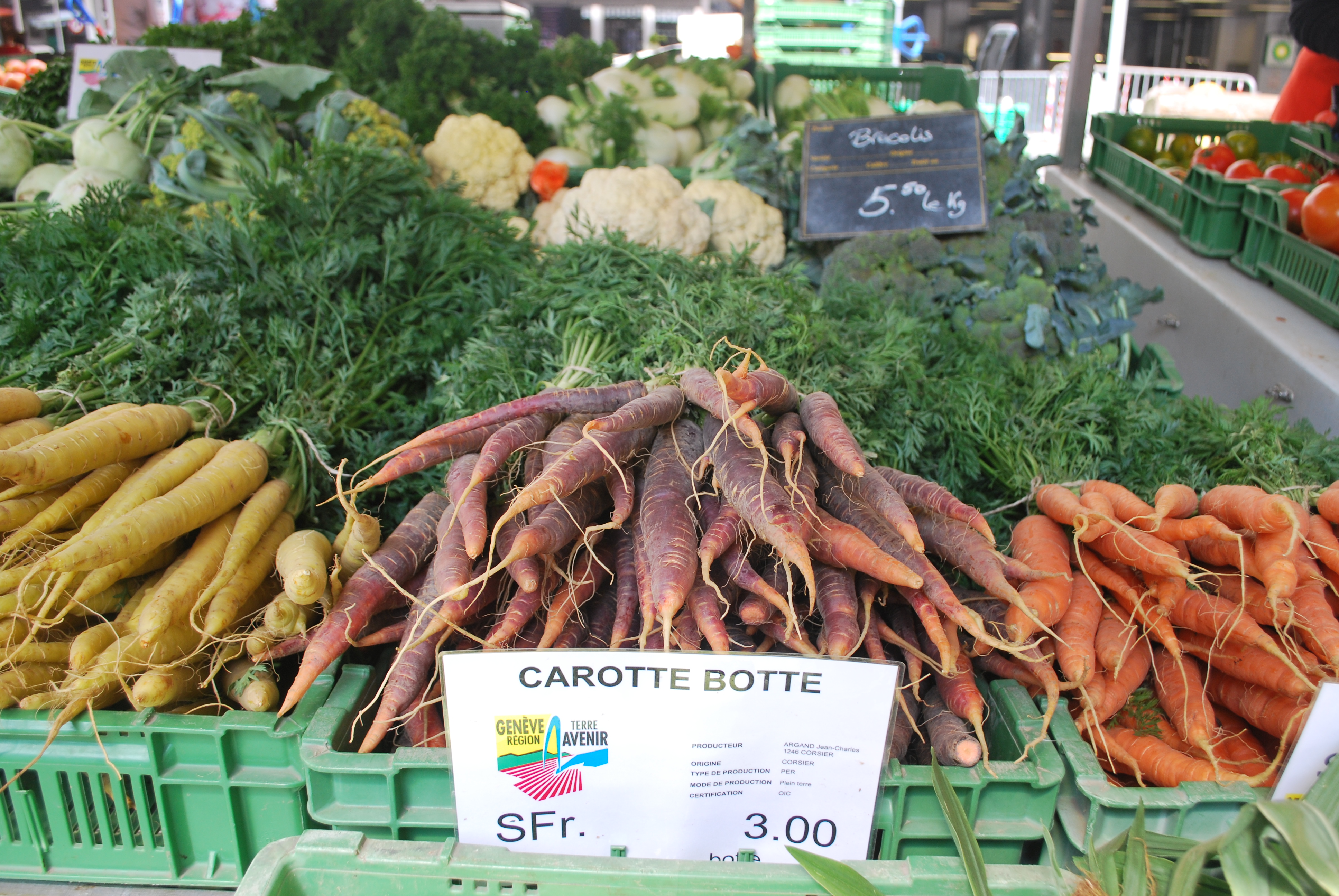
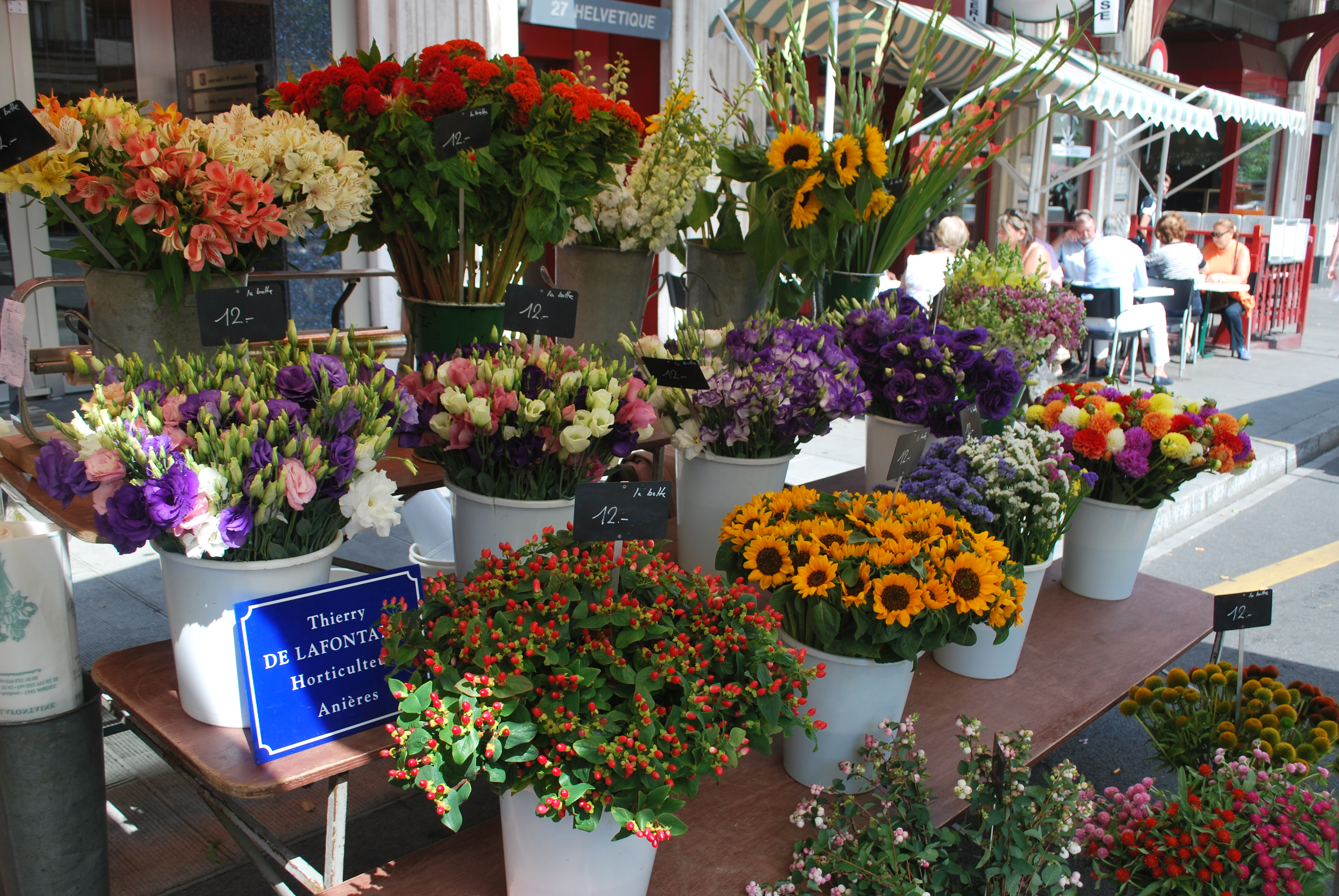
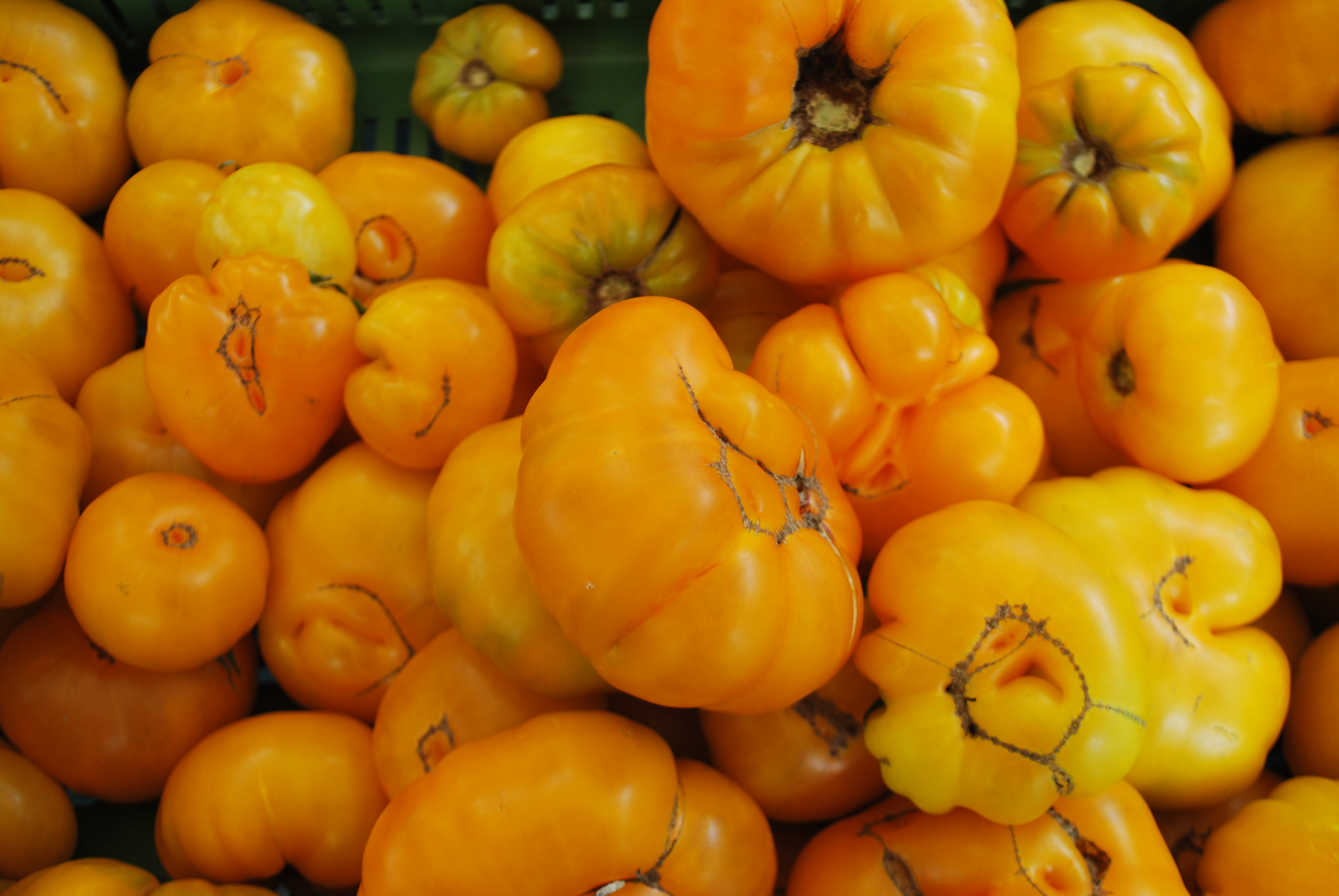
Jonell Galloway leads you through the August farmers market in Switzerland. Take a look at what’s in season!
Related articles

|
|

A Literary Culinary Journal
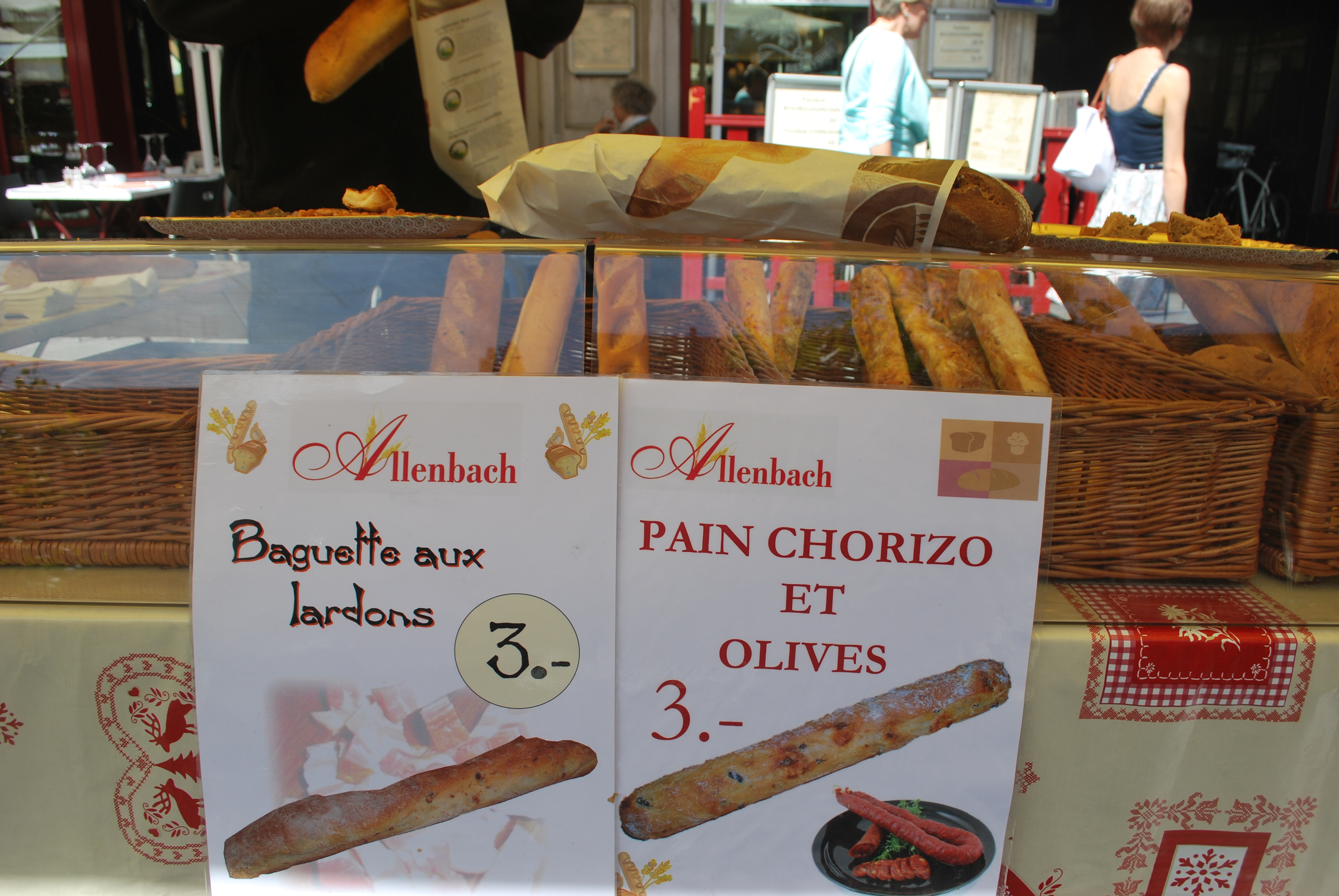


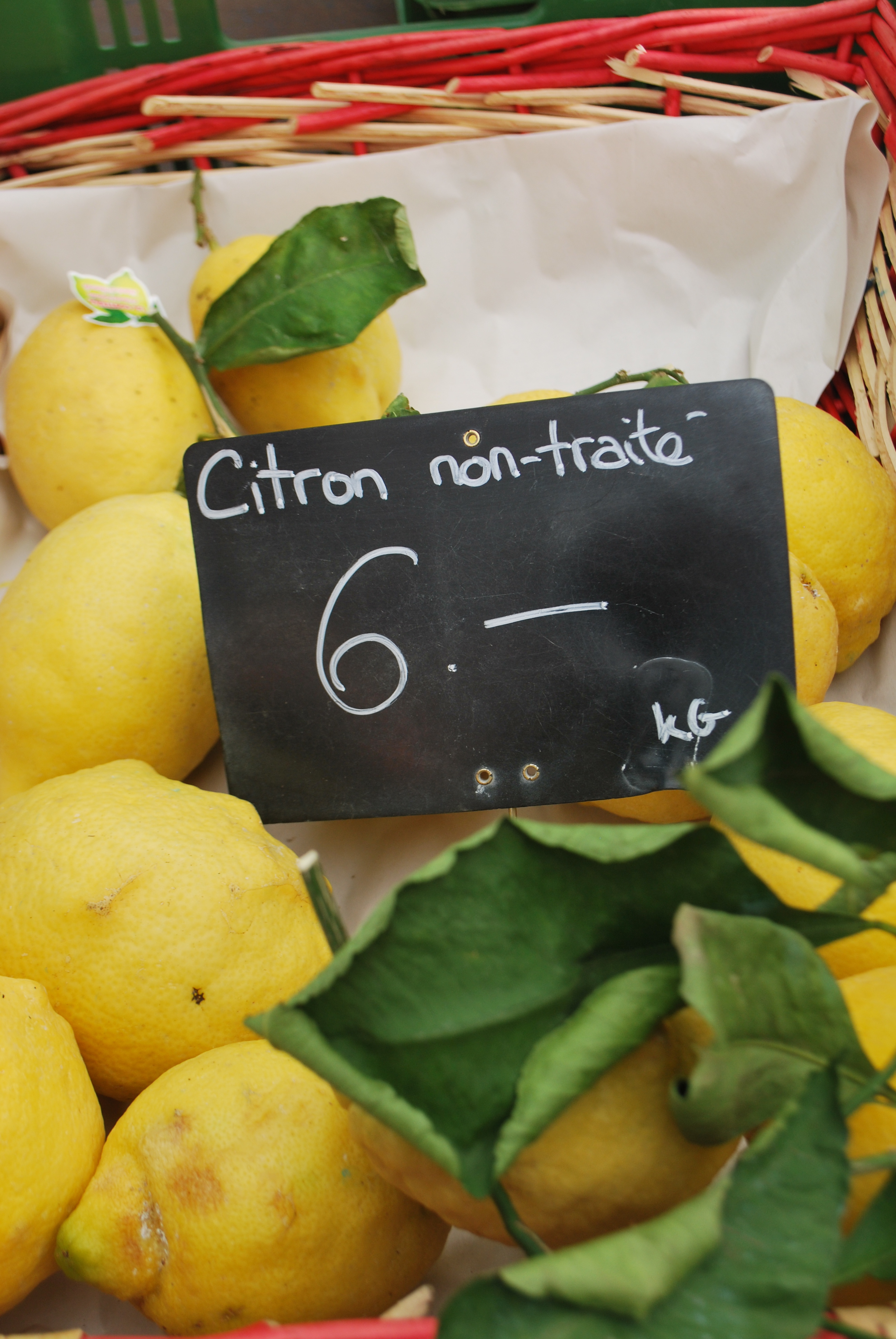


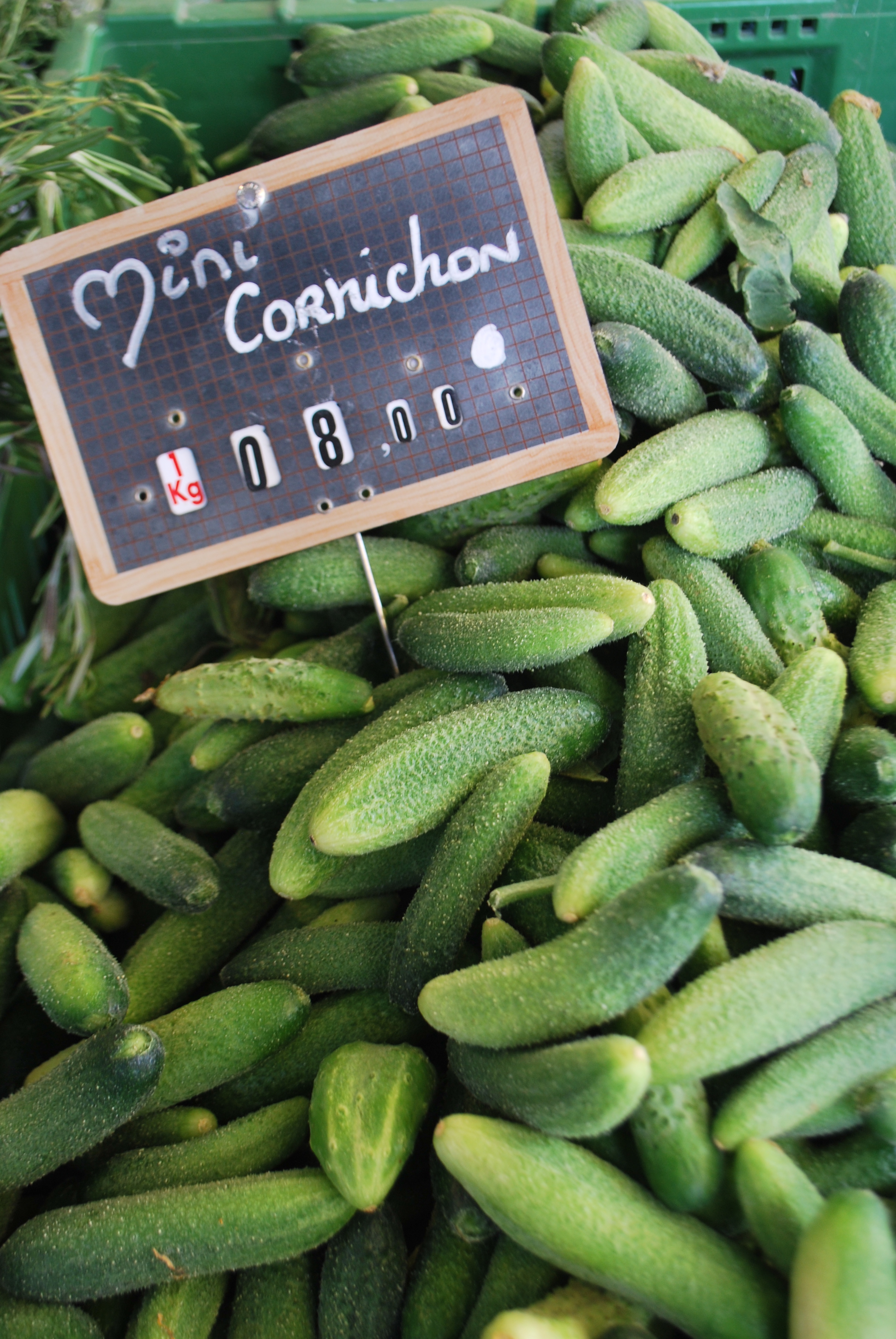


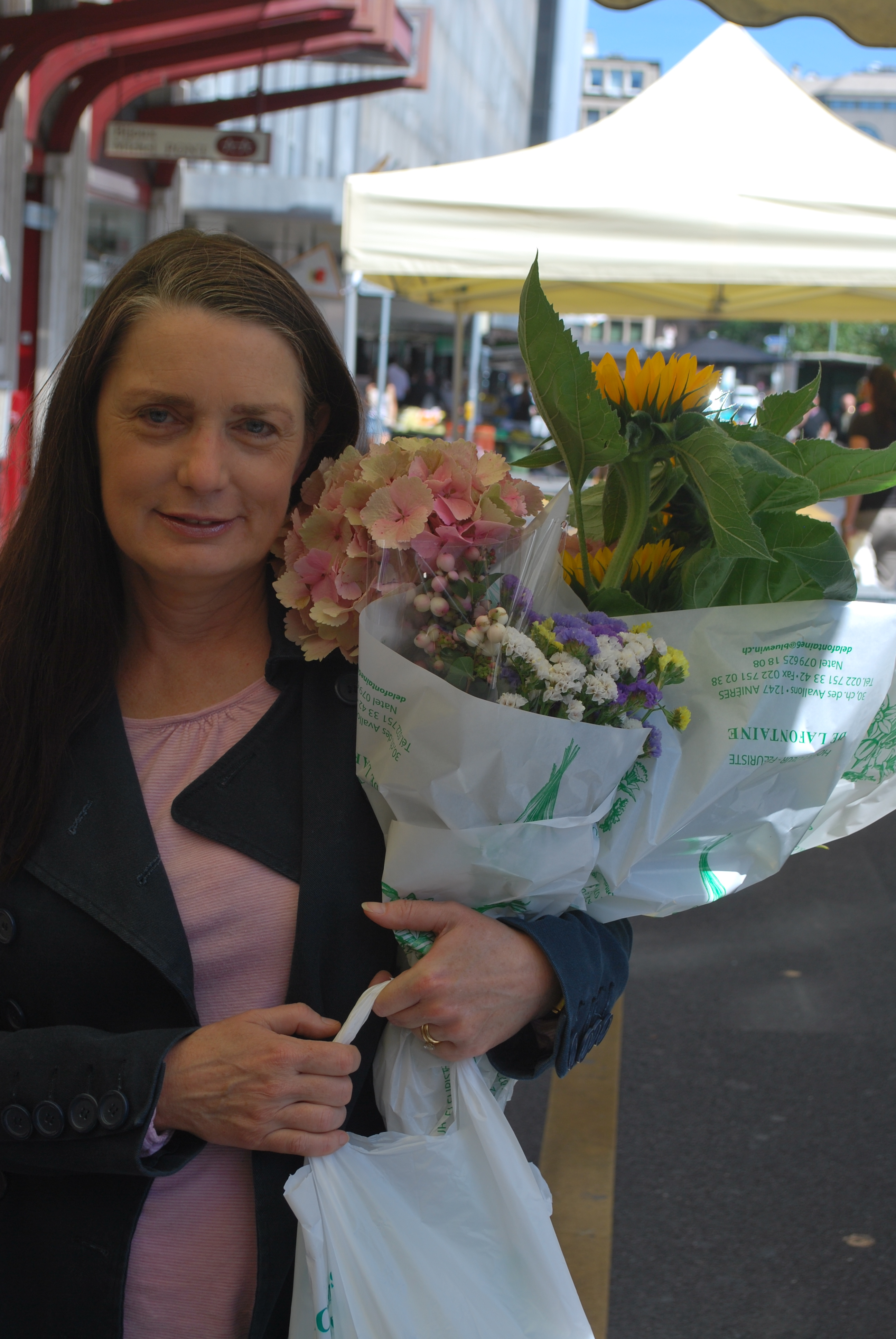


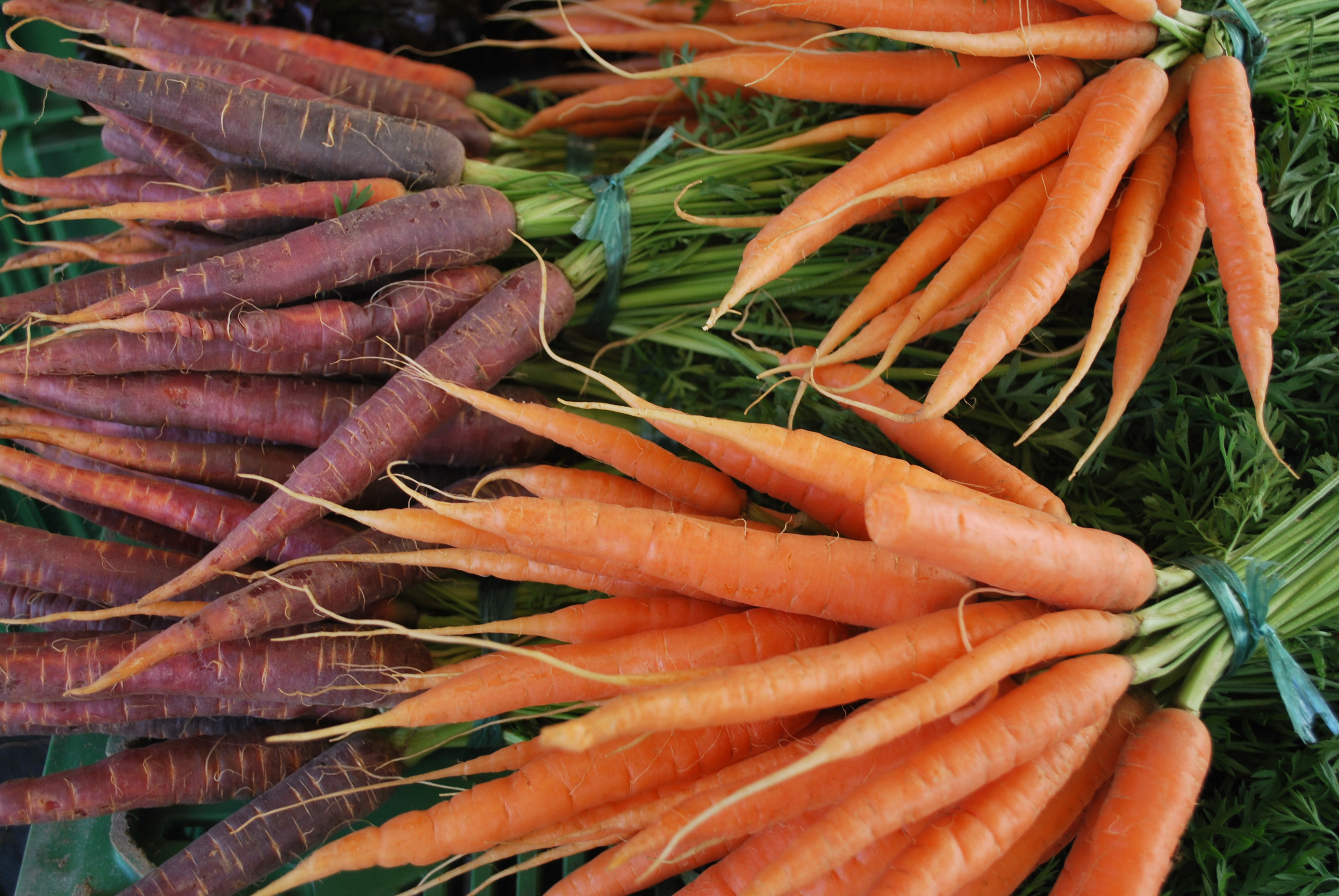


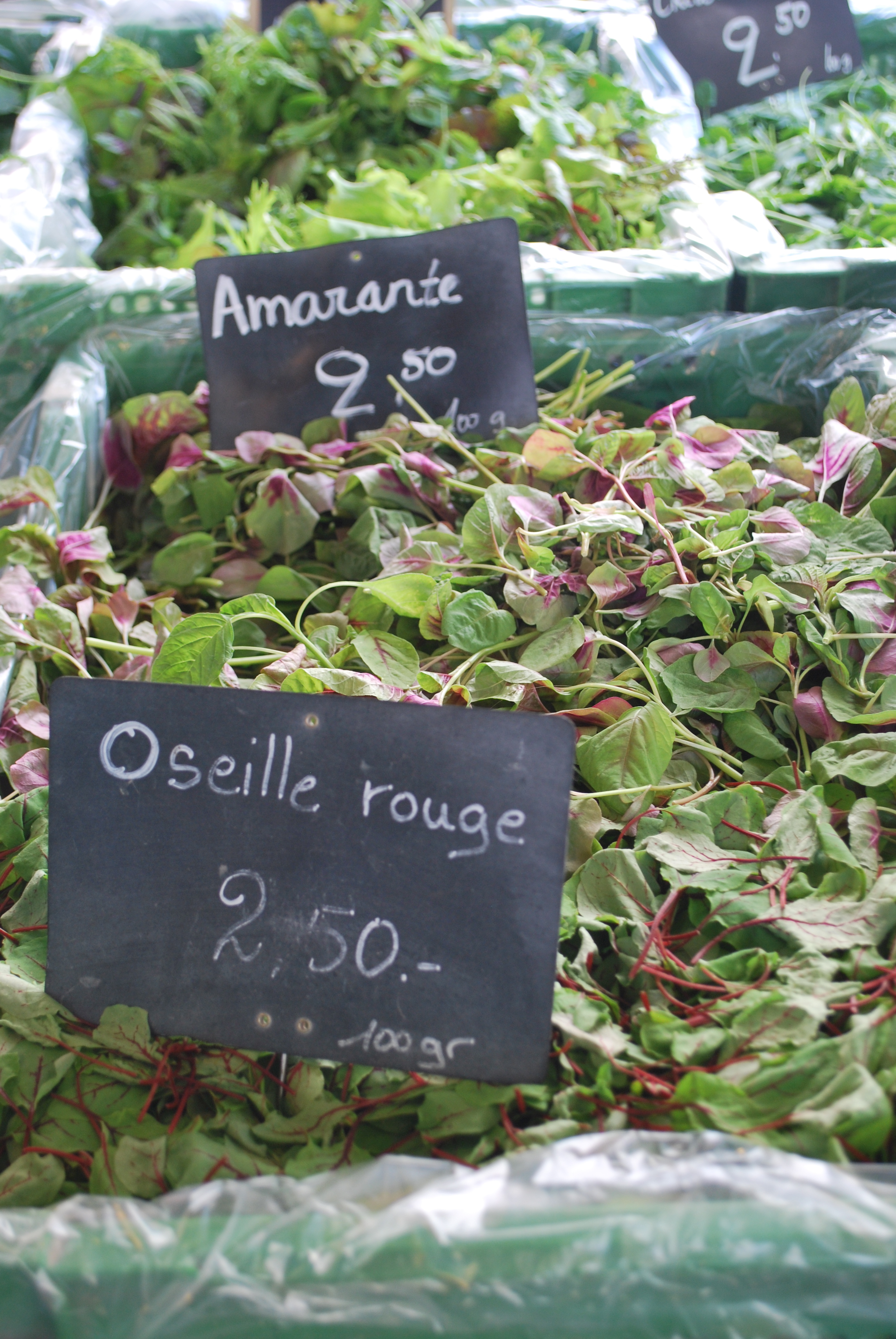


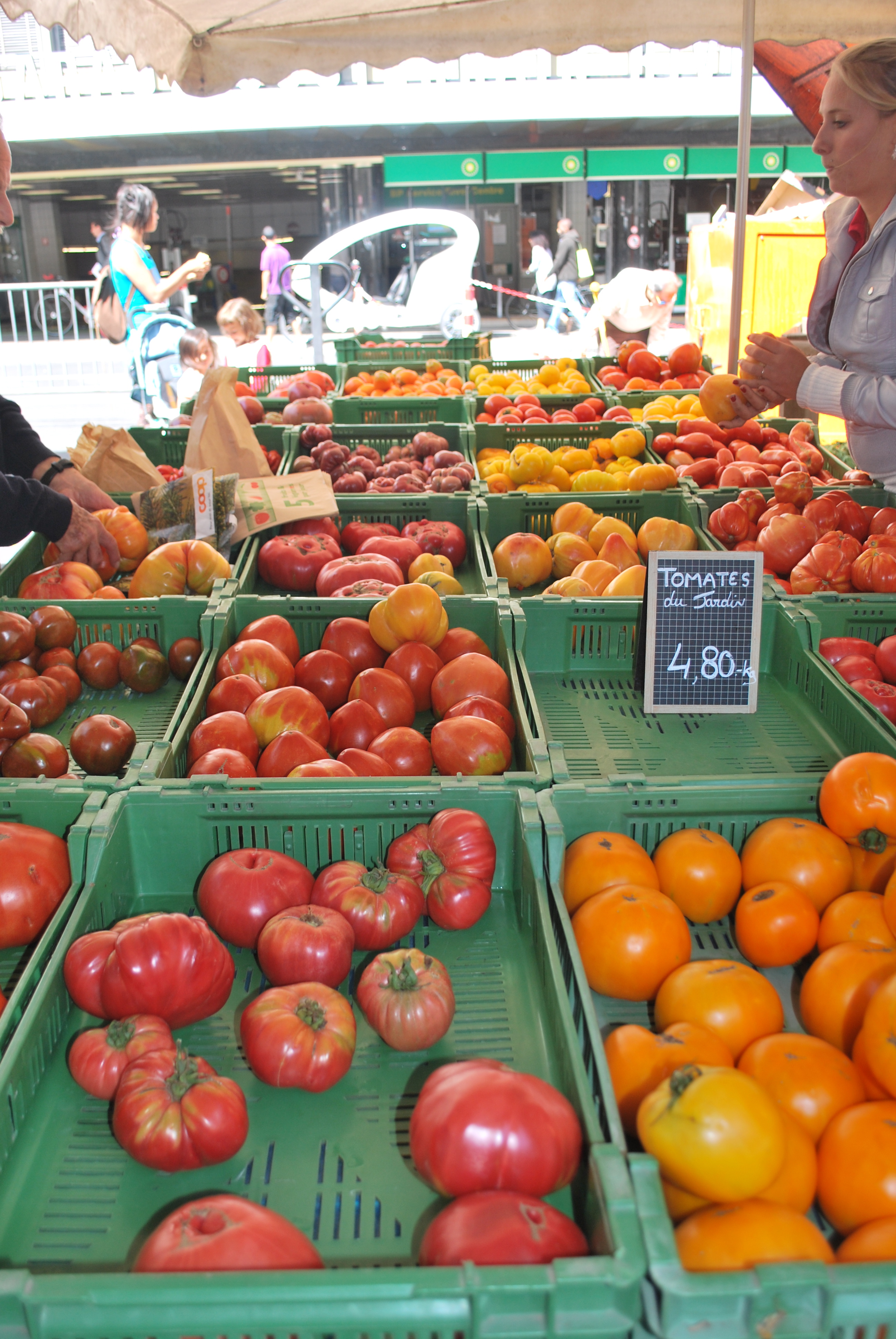
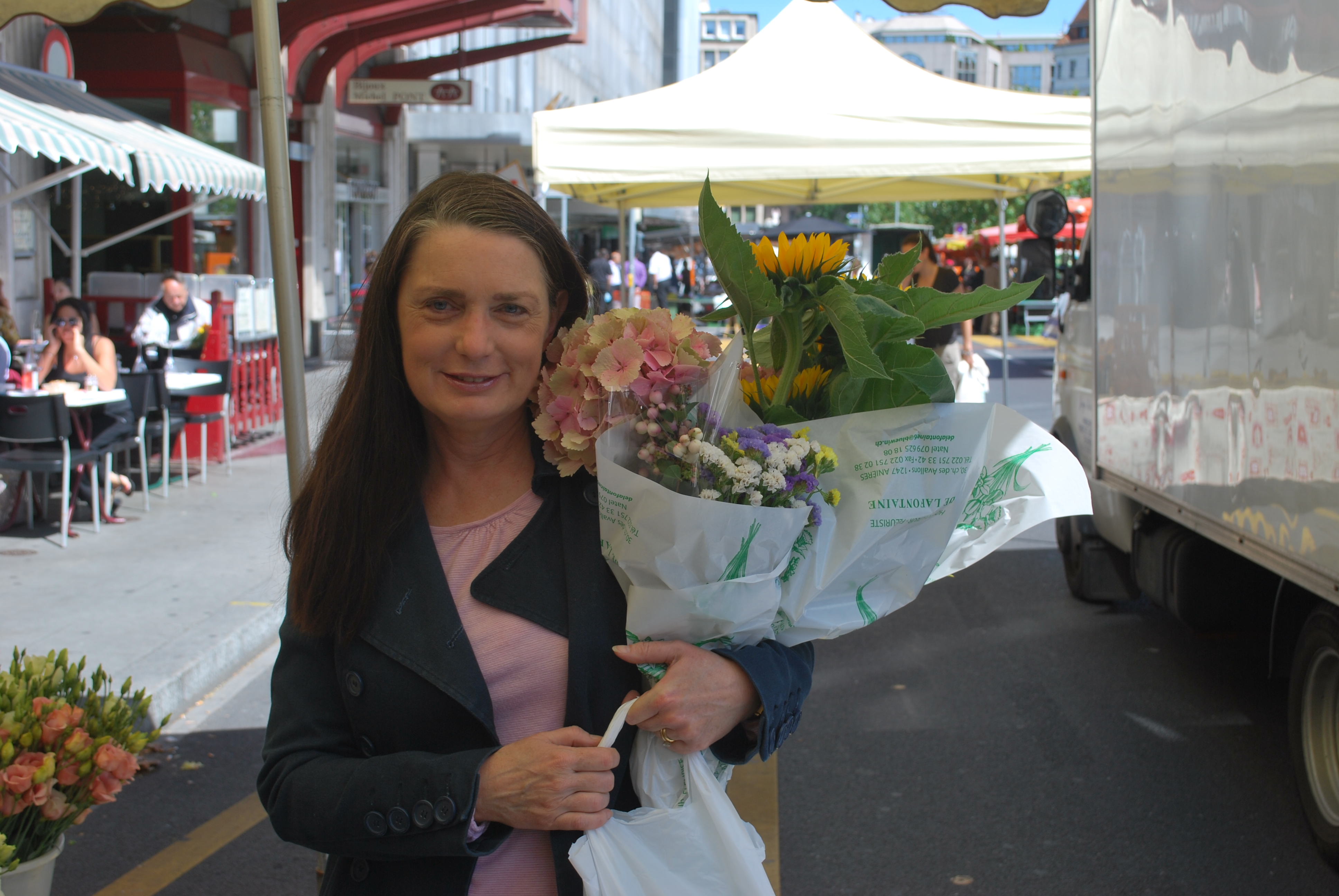


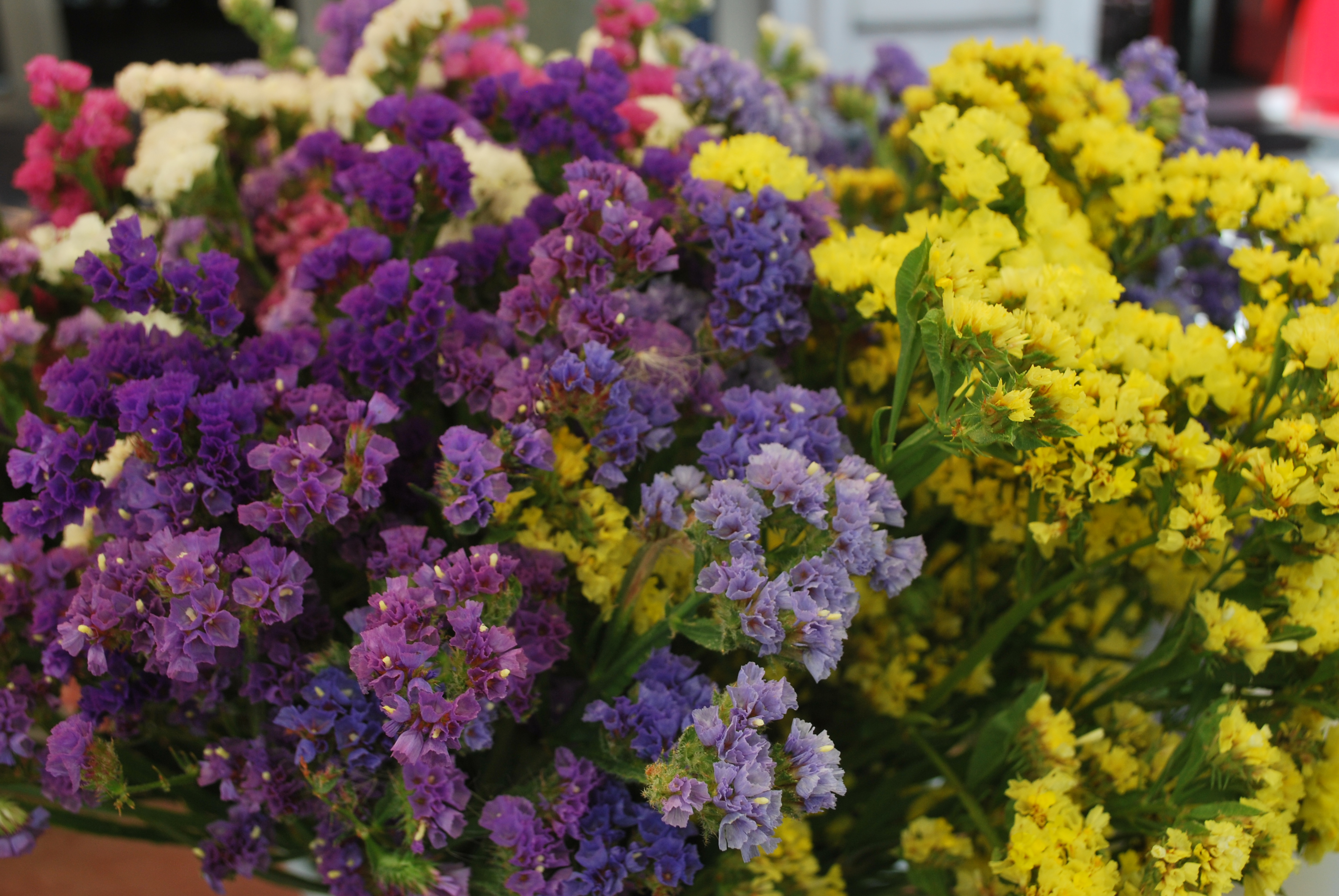

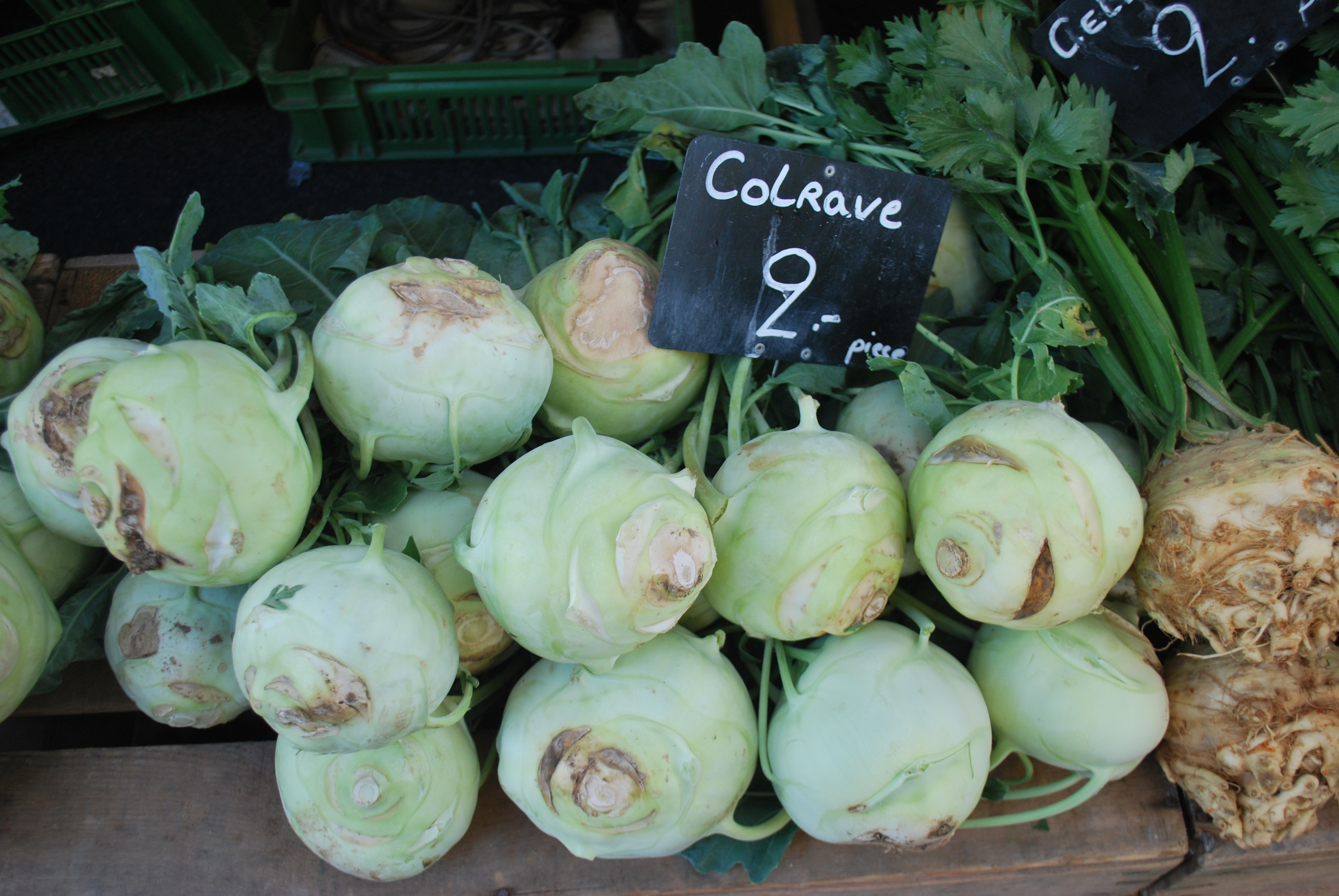
Jonell Galloway leads you through the August farmers market in Switzerland. Take a look at what’s in season!
|
|


 What to do with the last apricots of the season: jam, coulis, baked, purée
From the archives

Photo courtesy of Ellen Wallace.
The first and most important thing is to buy tree-ripened apricots. By definition, this means local ones, since ripe apricots are soft to the touch and do not travel well.
If you plan to eat them fresh, they should be soft, but not blemished or bruised. The riper they are, the more flavorful they are.
If you are using them for cooking, the riper the better, and you can even get by with blemishes as long as they are not rotten-looking. As a general rule, the softer the sweeter.
You will often see crates of extra-ripe apricots discounted in farmers markets. Look them over, and if there are not too many black or rotting ones, they are actually the best for cooking purposes, especially for jams, cakes and sauces.
Note: With all apricot recipes, the amount of sugar used depends on the acidity of the apricots. The acidity depends on the ripeness, origin and variety. With so many factors coming into play, taste tests are indispensable and the quantity of sugar should be determined by taste, using the quantities given here as a guideline.
Apricot Jam Recipe
The basic formula is 900 grams/2 lbs of sugar for every 2 kilograms/4 1/2 lbs of fruit used. This holds true for apricots, apples, cherries, nectarines and plums. If you like your jam really sweet, you can put equal weights of fruit and sugar.
Use cane sugar for more taste. I often halve the quantity of sugar in dessert recipes, but with jams this can be tricky, since sugar is what makes the jam set. It also serves as a preservative. If your fruit is extra-sweet, you might try cutting the quantity of sugar a tad.

Wash and rub apricots until perfectly clean. Remove any rotten spots with a paring knife. Dry well. Cut in half and remove stones. Save about half of the stones for later use.
Place apricots in a copper confiturier or a large stock pot. Add sugar. Let it sit overnight.
If the apricots are not ripe enough, they will not render any natural juices. If there are no juices, add 500 ml/1 pint of water to the pan.
Slowly bring to a boil on low heat, stirring constantly with a wooden spoon. This can take anywhere from 1 hour to 2 1/2 hours, depending on the water content of the apricots and the type of pan and stove or cooker you are using. Scrape the sides of the pan from time to time so that the mixture doesn’t crystallize.
The jam is set when you can dip a wooden spoon in it and it completely coats the spoon. Let jam settle for about 15 minutes before putting it into jars.
Pour jam into sterilized glass jars. Leave to cool. If you see the jam hasn’t set properly, you can put it back into the pan and boil it again, adding a little lemon juice.
Add two stones to each jar. Cool. Seal jars.
Once again, the amount of sugar you use depends on whether you want it to have a tart flavor or a sweet flavor. If you’re going to pour it onto a very sweet cake or pie, opt for a more acidic taste. If you’re eating with something that is itself a little acidic, you might want to make your sauce sweeter. And once again, the sweetness will always depend on the ripeness of your apricots, so you’ll have to do a taste test in any case.
Wash apricots. Remove stones.
Put 300 grams/10 ounces of cane sugar (labeled sucre de canne roux or cassonade in Swiss and French supermarkets) and a vanilla bean (cut open in the lengthwise direction) into a saucepan. Slowly bring to a boil over medium heat until it begins to thicken and sugar has completely dissolved, i.e. until it forms a syrup.
Put 500 grams/18 ounces of apricots into a food processor, or run them through a food mill or chinois. Add apricots to the liquid sugar mixture and mix with a wooden spoon. Heat mixture until it is thick enough to completely coat a wooden spoon.
This apricot sauce can be eaten warm or cold, depending on what you are using it with. It keeps for several days in the refrigerator.
Apricot coulis is a perfect accompaniment to a dark chocolate cake, but can be used to make ice cream sundaes or parfaits just as easily.
It can also be used in savory dishes, for example with cold chicken breasts or cold pork roast. In this case, you would of course considerably reduce the amount of sugar.
Preheat oven to 250° C or French mark 8. Wash apricots. Cut in half. Remove stone.
Lay apricot halves out on a roasting tin or broiler pan, or in a large casserole dish. Sprinkle lightly with brown cane sugar and just a tad of butter, distributed evenly in small bits, so that it will form a natural sauce. (This can also be done on a barbecue grill, but you’d lose the juices.) Put in oven, and immediately turn temperature down to 220° C or French mark 7. Turn when top side is browned. If butter starts to burn, add a few drops of water.
When soft and slightly browned and caramelized, remove from oven or grill.
Distribute on individual plates. Serve with a scoop of salt caramel, coffee or walnut ice cream. Lightly sprinkle with vanilla powder (labeled poudre vanille or vanille en poudre in supermarket; easy to find in France, but difficult to find in Switzerland), cinnamon and a high-quality chocolate or cocoa powder. Drizzle a little maple syrup over it. It is now ready to serve.
The great French chef Michel Guérard, who started the Cuisine Minceur movement in 1974, has a recipe for a sugar-free version of a coulis. This is adapted from the 1976 edition of Michel Guérard’s Cuisine Minceur, now out of print:
Wash, halve and pit 12 ripe fresh apricots. In a saucepan, add apricots, 1/2 cup of water, 1 vanilla bean (cut open in the lengthwise direction, down the middle) and artificial sweetener to taste, the equivalent of about 3 tablespoons of granulated sugar. Simmer for 10 or 15 minutes, until mixture is reduced by about one third.
Remove vanilla bean. Put mixture in a food processor to make a purée.
This sugar-free sauce can be served in the same manner as the traditional apricot purée or coulis recipe above.
This article was originally published on GenevaLunch.

|
|


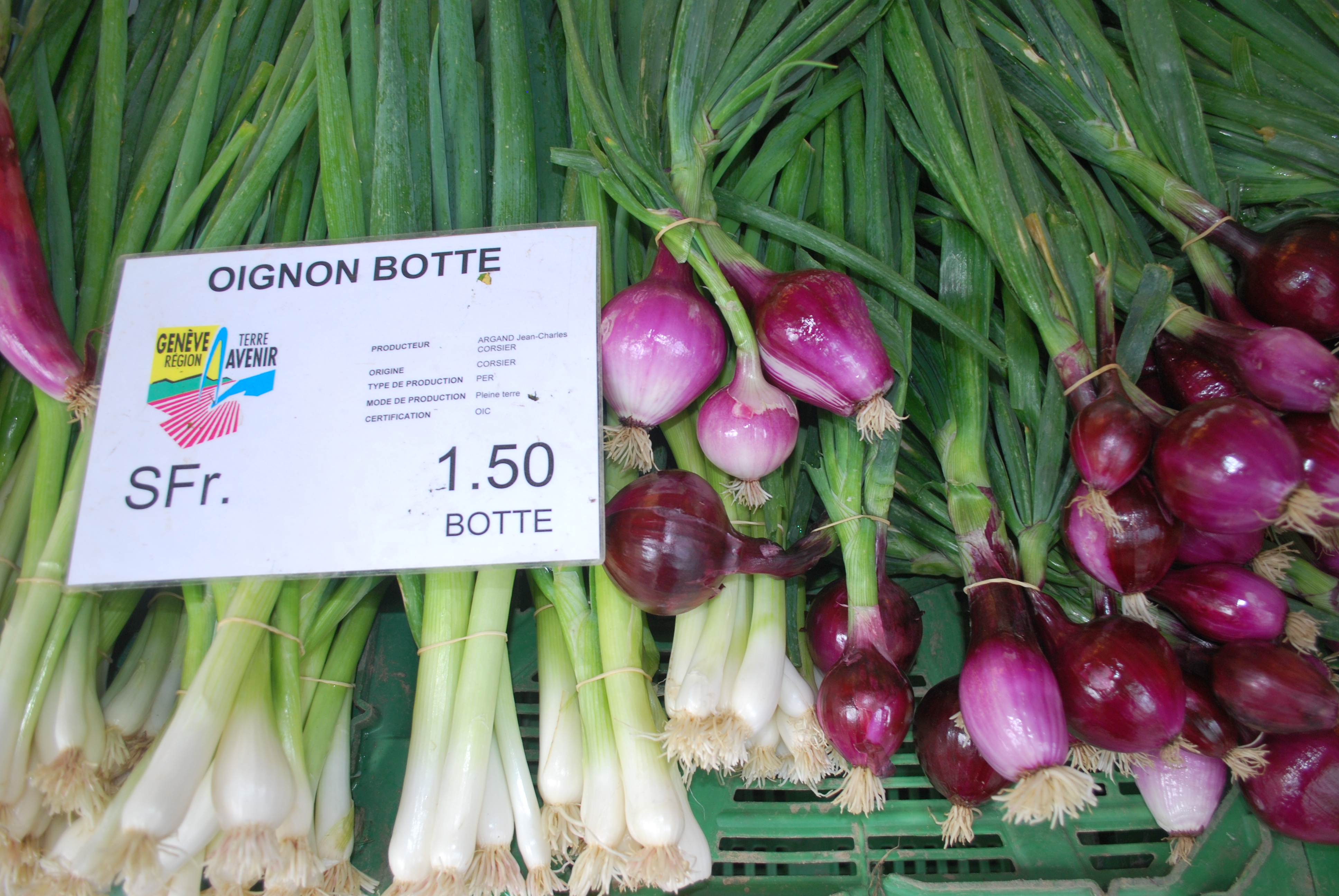


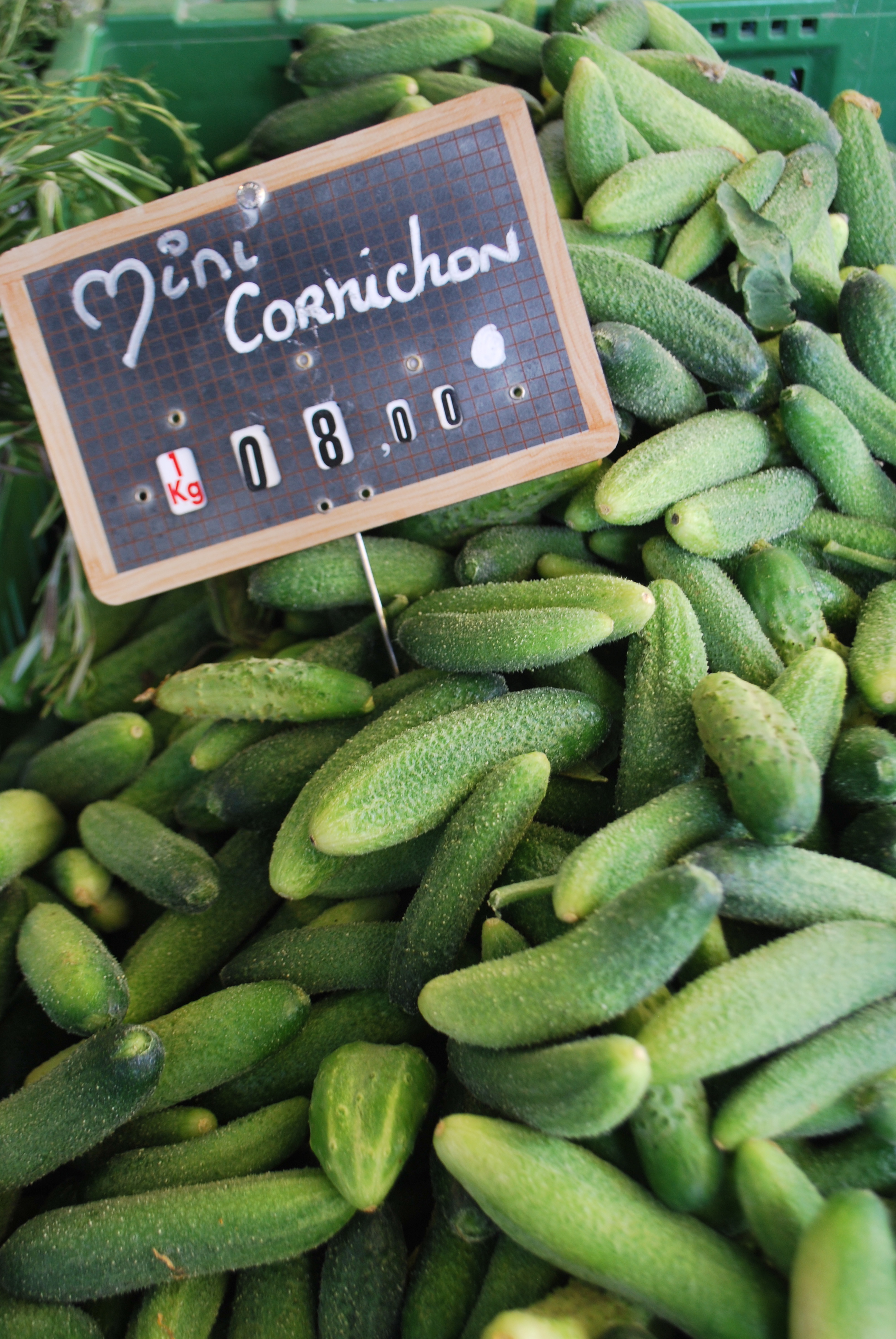

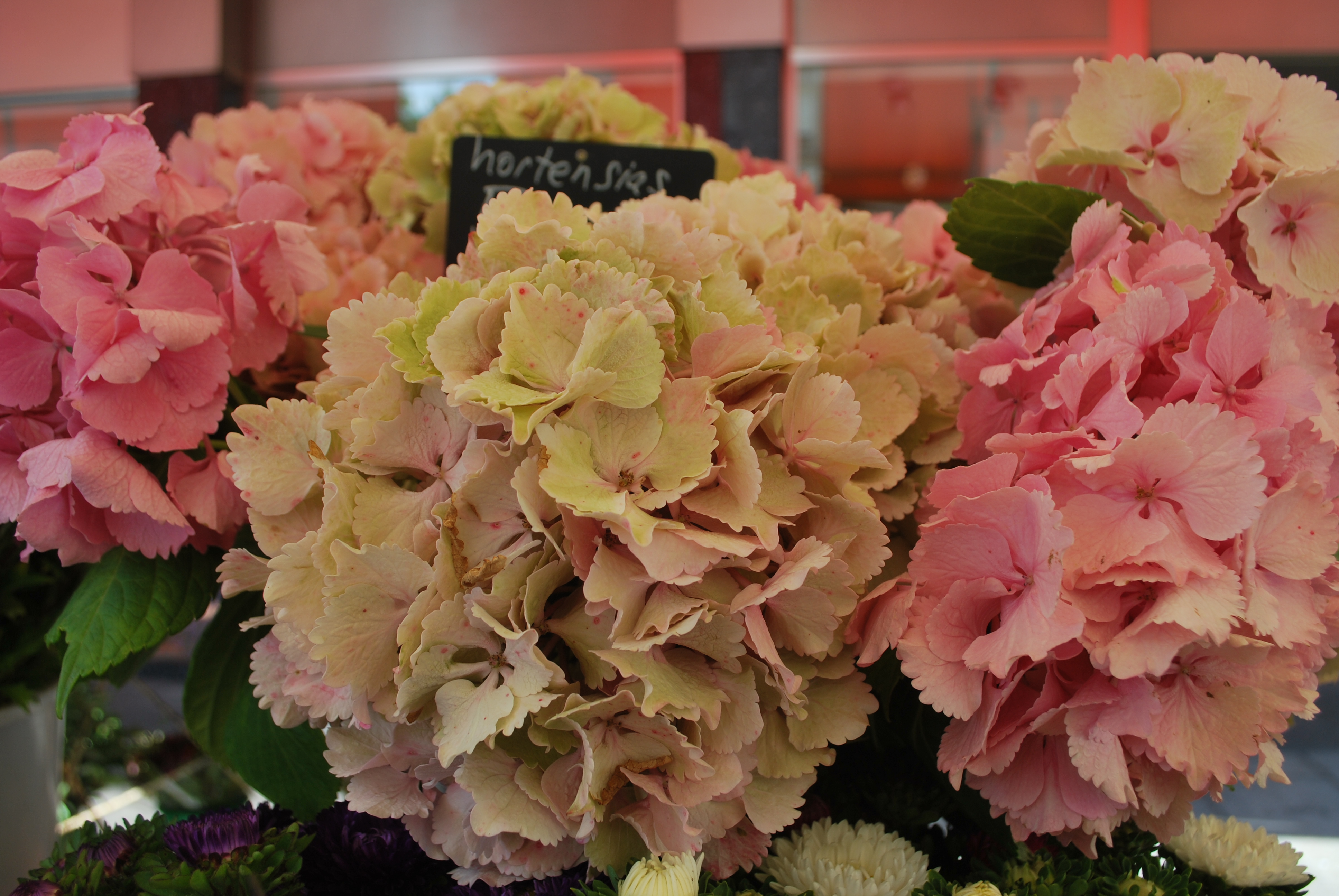

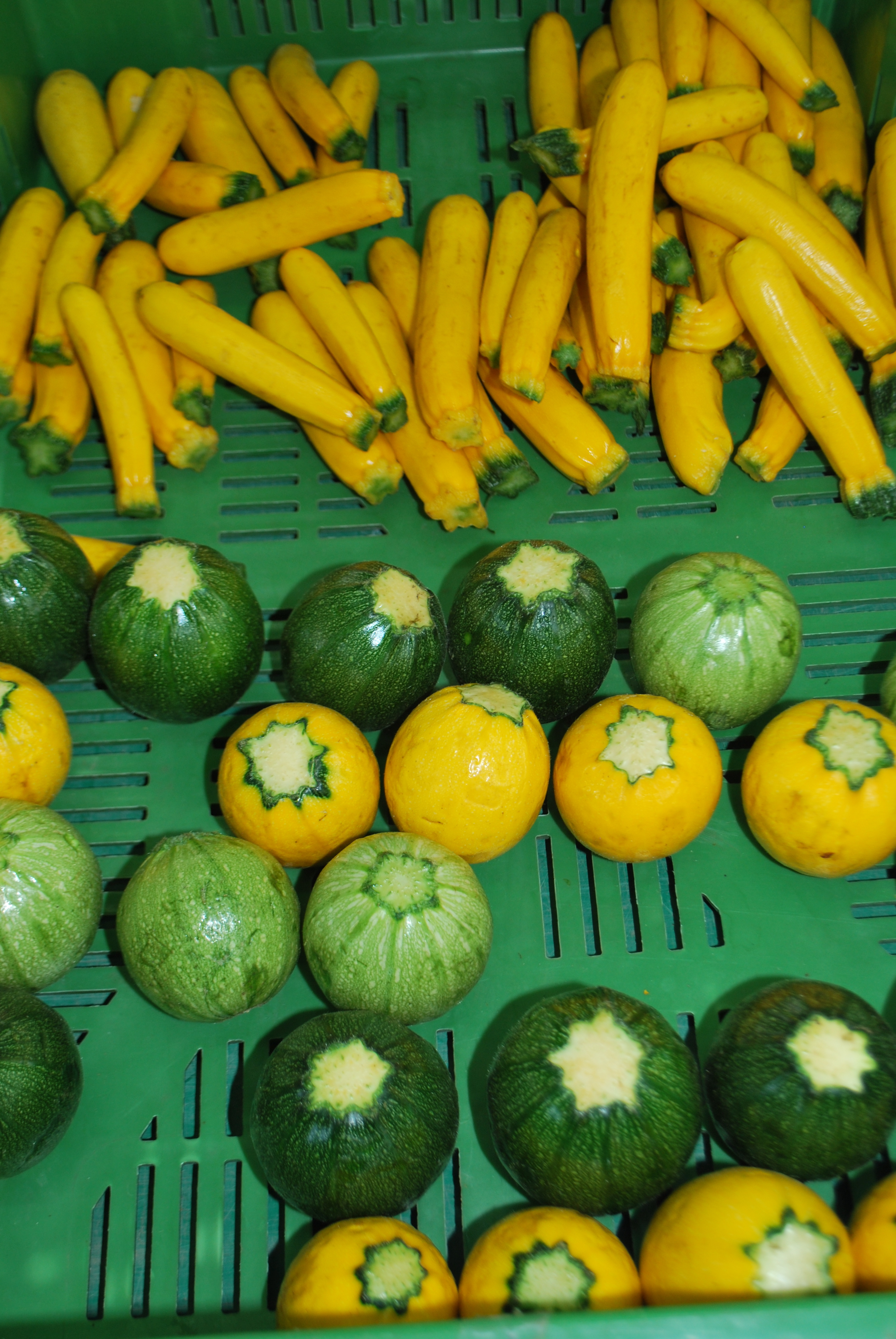





|
|
by Diana Zahuranec
From the archives
For the second post in this mini series on fermentation, let’s get into the “why” of fermentation.
Cultures from all over the world have fermented a food or drink. The principle reason has been to preserve their harvest. Over the winter months, fermented vegetables last and provide a source of calories, nutrients, and an accompaniment to the endless plates of what I imagine were sausage, jerky, smoked meat, and potatoes.

A 3 -litre jar of salsa, ready to start fermenting.
I like to imagine what the first aspiring fermenters thought when they heaped their extra produce into a large mound in a dark, warm, covered area, poured brine over top (or not), and – fully aware that vegetables rot – left it to stew before digging in with their hands. “Let’s see what this tastes like! Sort of sour but…”
|
|
by Sonja Holverson
From the archives
I have found in my world travels that one of the highlights for revealing the secrets of the local culture when in a new destination is to go to the neighborhood supermarket. Even if you don’t need anything, this visit is a must everywhere. It’s fascinating.
Even if you don’t know what some things are, it’s amazing to observe the different presentation of goods as well as the packaging, transaction techniques and social behaviors in the store. Switzerland is particularly interesting because the country has four national languages (German, French, Italian and Romansch, which is an ancient Latin language). With various cultural backgrounds in different regions, you will find different food items available, but many products are, by law, labeled in at least 3 languages. The Swiss German supermarkets’ food items are quite different from those you find in the French speaking region (called “Suisse Romande” or “Romandie” in French), even if it’s the same store chain.

Feeling the need for a quick snack after walking around (or mostly up and down) in the clean Swiss Alpine air? Can’t wait for the later-than-you’re-used-to Swiss dinner hour? Then head for the nearest supermarket where you will find the locals snacking away. Sometimes there are benches inside and outside the supermarket door just for this purpose! This is not to say that there is not a wonderful choice of restaurants in Switzerland. Au contraire! But as a business traveler like me, you may find yourself hungry at odd times and lunch service is usually over at 2:00 p.m. Dinner does not usualy start until 7:00 p.m. in French-speaking Switzerland and 5 p.m. in German-speaking Switzerland, or later if your Swiss friends live on Lake Geneva and are très chic. There are exceptions. The reason behind this afternoon restaurant closure is that most waiters, chefs and owners work split shifts and need a break before dinner service.
|
|

1 large fennel
3 medium-size raclette or new potatoes
|
|


It is the height of the Valais apricot season, I thought it timely to offer you a few ideas for using them while they’re ripe and ready.

The first and most important thing is to buy tree-ripened apricots. By definition, this means local ones, since ripe apricots are soft to the touch and do not travel well.
If you plan to eat them fresh, they should be soft, but not blemished or bruised. The riper they are, the more flavorful they are.
If you are using them for cooking, the riper the better, and you can even get by with blemishes as long as they are not rotten-looking. As a general rule, the softer the sweeter.
You will often see crates of extra-ripe apricots discounted in farmers markets. Look them over, and if there are not too many black or rotting ones, they are actually the best for cooking purposes, especially for jams, cakes and sauces.
Note: With all apricot recipes, the amount of sugar used depends on the acidity of the apricots. The acidity depends on the ripeness, origin and variety. With so many factors coming into play, taste tests are indispensable and the quantity of sugar should be determined by taste, using the quantities given here as a guideline.
|
|
//

If you actually want to take a hike in Switzerland (and of course you do!), there are all levels from hikes for flatlanders to experts to alpinists. (See Swiss Alpine Wanderlust Packing List for Serious Hikers.)

So don’t let those enormous Alps intimidate you, because you can do a lot at lower altitudes. You might start by hiking around the Swiss vineyards, a common practice in Switzerland, or even in villages; you can hike down to the lake and the one of the relaxing and scenic cruises on Lake Geneva. Whatever the activity you will need a picnic lunch and the best place to find the ingredients is the Swiss supermarket.
|
|

Au Carnivore, French cuisine, 30 place du Bourg-de-Four, 1204 Geneva. Tel. (+41) 022 311 87 58, open 7 days a week.
L’Auberge au Renfort de Sézegnin, French cuisine, 19, route du Creux-du-Loup, 1285 Sézegnin (Athenaz). Tel. (+41) 022 756 12 36.
Bistrot du Boucher, French cuisine, 15, avenue Pictet-de-Rochement, 1207 Geneva. Tel. (+41) 022 736 56 36. Closed Wednesday lunch, Saturday lunch and Sunday.
La Broche, French cuisine, 36, rue du Stand, 1204 Geneva. Tel. (+41) 022 321 22 60. Closed Saturday lunch and Sunday dinner.
Restaurant Café de Paris, French cuisine, 26 rue du Mont-Blanc, 1201 Geneva. Tel. (+41) 022 732 84 50. Open 7 days a week, non-stop from 11 a.m. to 11 p.m.
Restaurant/Café de l’Ecu, French cuisine, 65, route de Rougemont, 1286 Soral. Tel. (+41) 022 756 33 50. Open 7 days a week, non-stop from 8 a.m. to 12 a.m.
L’Entrecôte Couronnée, 5, rue des Pâquis, 1201 Geneva. Tel. (+41) 022 732 84 45.
L’Entrecôte Saint-Jean, French cuisine, 79 boulevard Carl-Vogt, 1205 Geneva. Tel. (+41) 022 321 99 41, Closed Saturday lunch,, Sunday, and Monday.
|
|
//

 by
by
When you have to meet someone near the quai du Mont-Blanc or in the Pâquis neighborhood, this is a great stopoff if you don’t have the pocketbook for the more upscale Richemond and Beau-Rivage venues right behind it. Plus, it is in a beautiful setting, right smack in the middle of the Brunswick gardens.
It’s nice in both summer and winter. The terrace is spectacular, of course, and you even get glimpses of jet d’eau from time time. Inside, it’s cozy and funky.
Breakfast includes birchermuësli, homemade jams and freshly squeezed juices. They have a daily lunch menu, serve pastries in the afternoon, and tapas starting at 18h00.
There is a selection of good quality local wines by the glass or bottle, along with some wines from other places.
I’ve only had the truffle pizza, which is the house specialty, but I have been dreaming of it ever since.
Emmanuel de Savoie is part owner I hear.
Great central location, chic and full of jetsetters, and a little pricey if you eat a 3-course meal with wine. They do have lunch specials however, and that truffle pizza . . .
I discovered this almost hidden Swiss-style café-restaurant many years ago on my treks back and forth to the Beaulieu clinique.
Mr. Borella started as waiter at the Lion d’Or during its golden age. He later set out on his own and has been in this same location for about 25 years. Mrs. Borella cooks and Mr. Borella serves. They are from the Dolomites, so they cook hardy, traditional dishes, as well as some well turned-out Swiss classics.
The price is about as right as you can get, and they buy all their ingredients from local producers. The tomatoes taste like tomatoes and the salads, well they come straight from Chapuis.
This is Japanese food like you eat in Japan, not adapted for Western tastes. Wonderful mixtures of unusual flavors and ingredients like you’d never find in your regular, standardized-menu sushi bars.
Don’t count on them being friendly, just think about what’s on your plate. Tiny space so reserve well ahead.
|
|
 Meet Jonell Galloway, a freelance writer and editor specialized in French cuisine.


 Apricot Rosemary Pork Tenderloin with Grilled Apricots


