
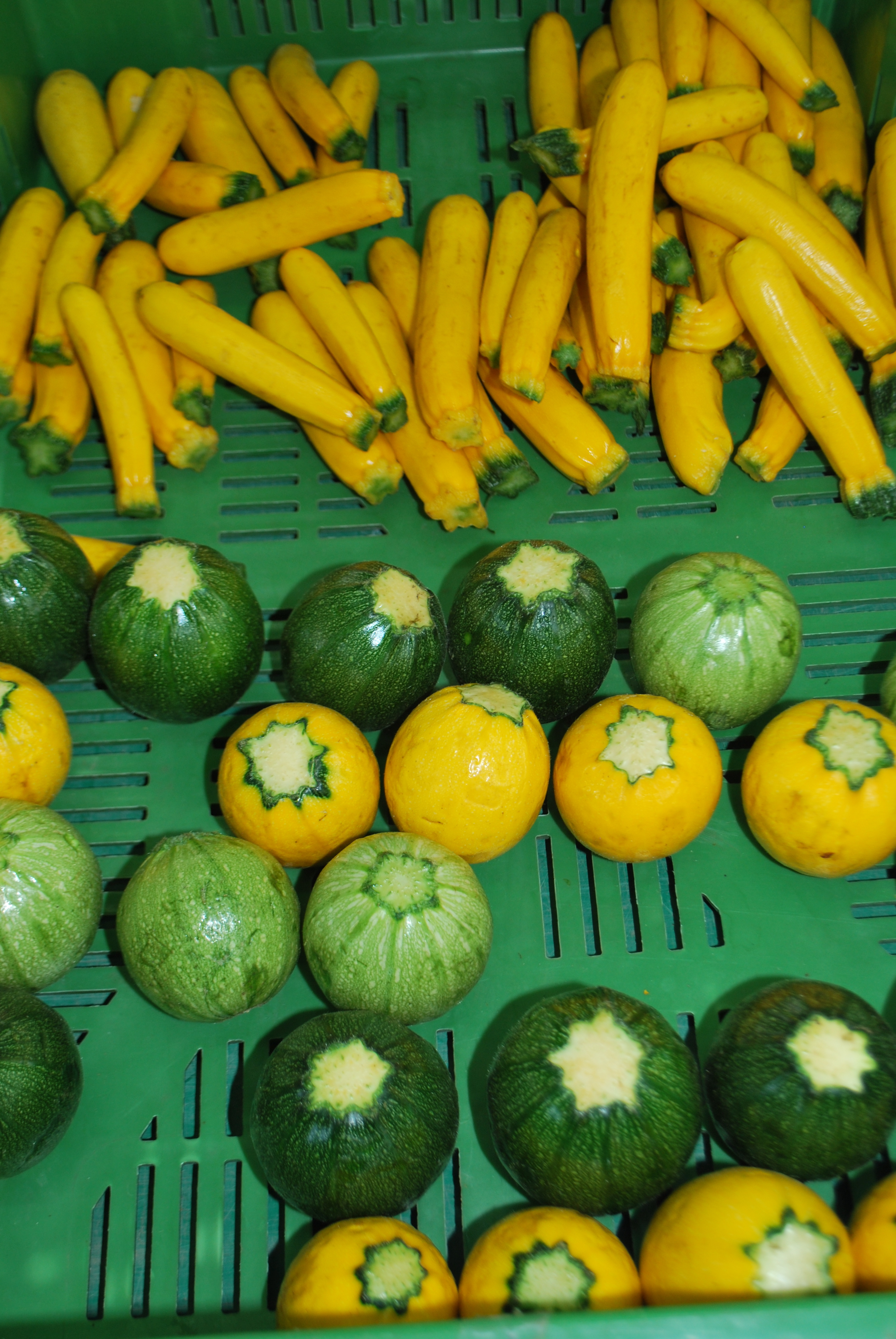
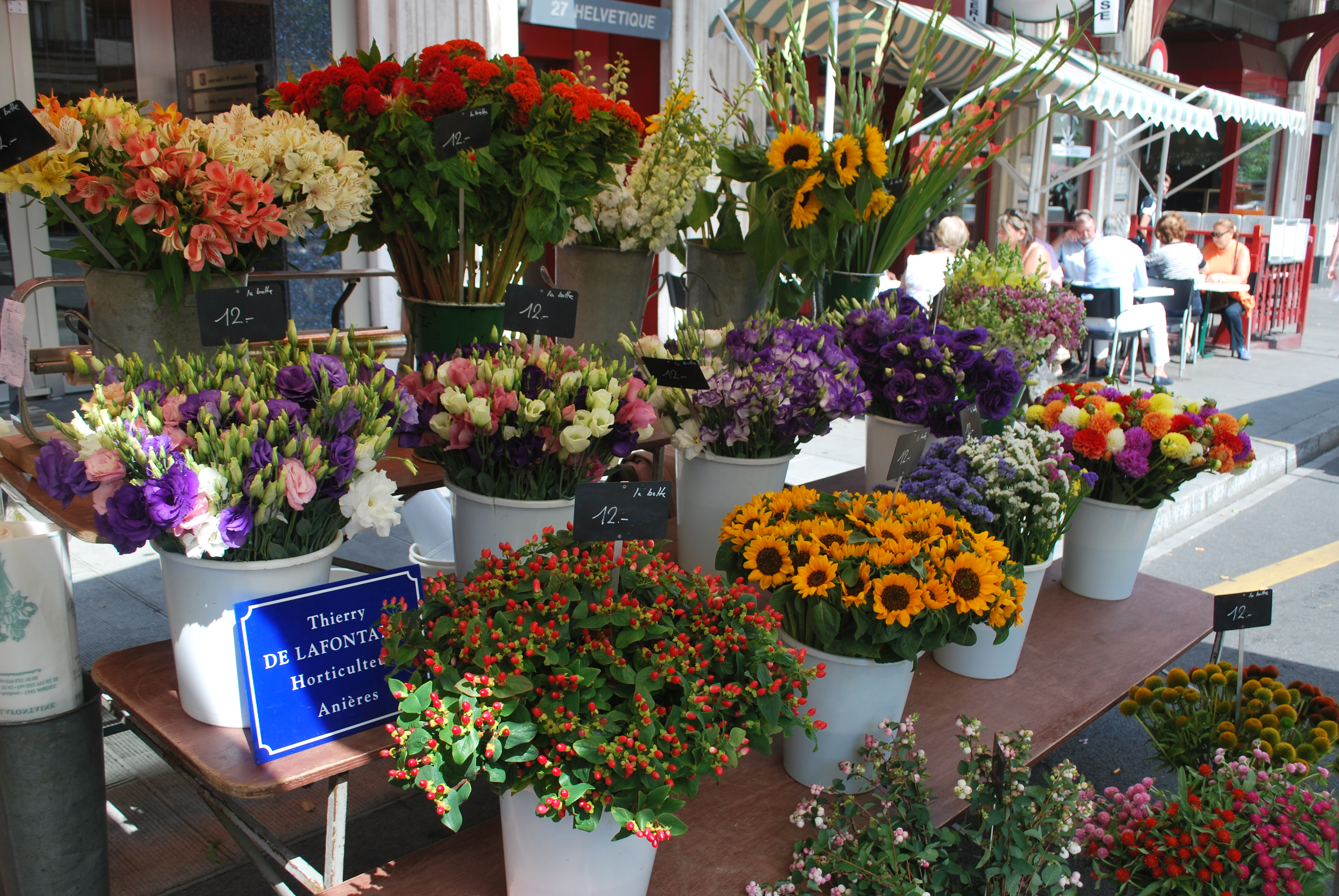
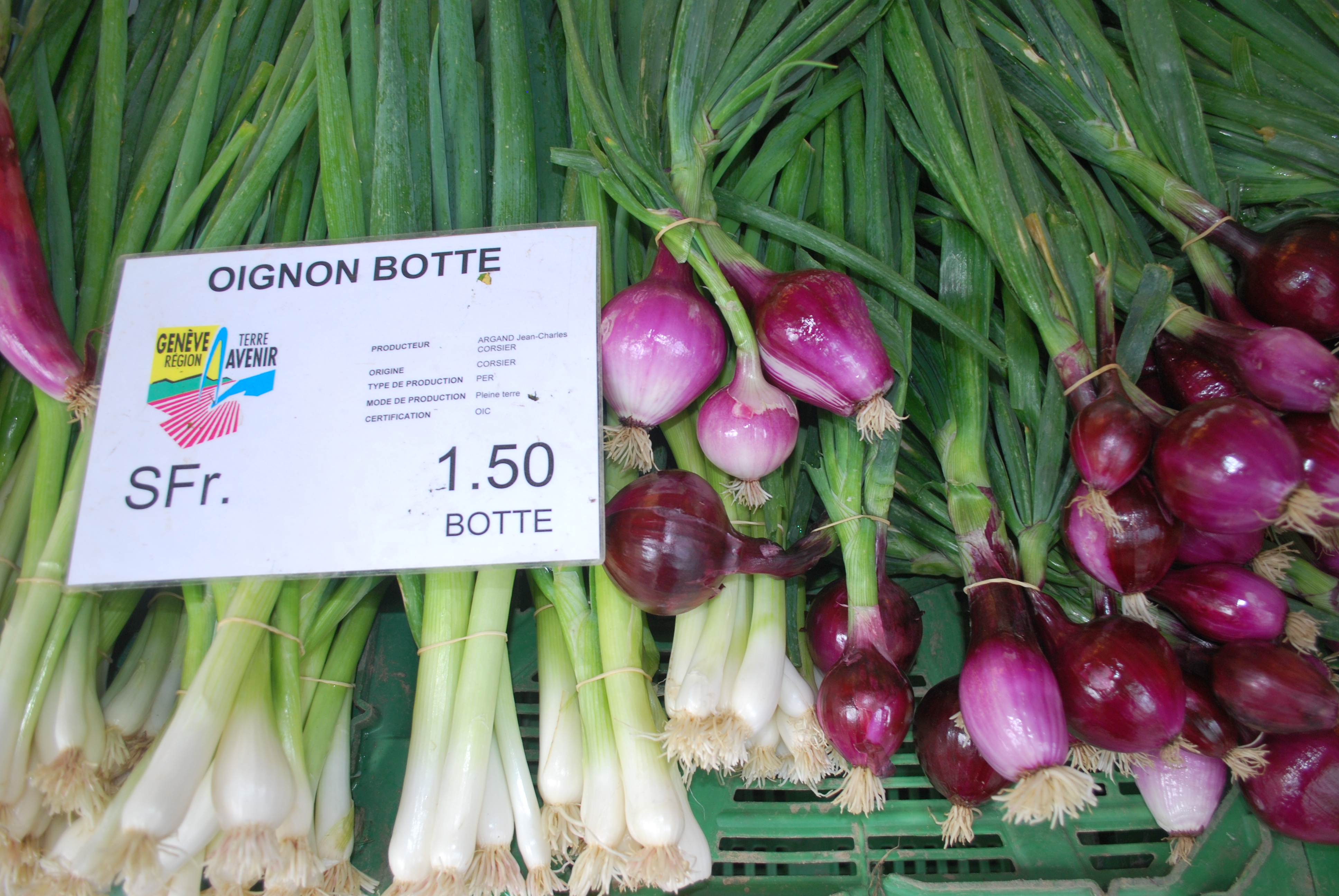
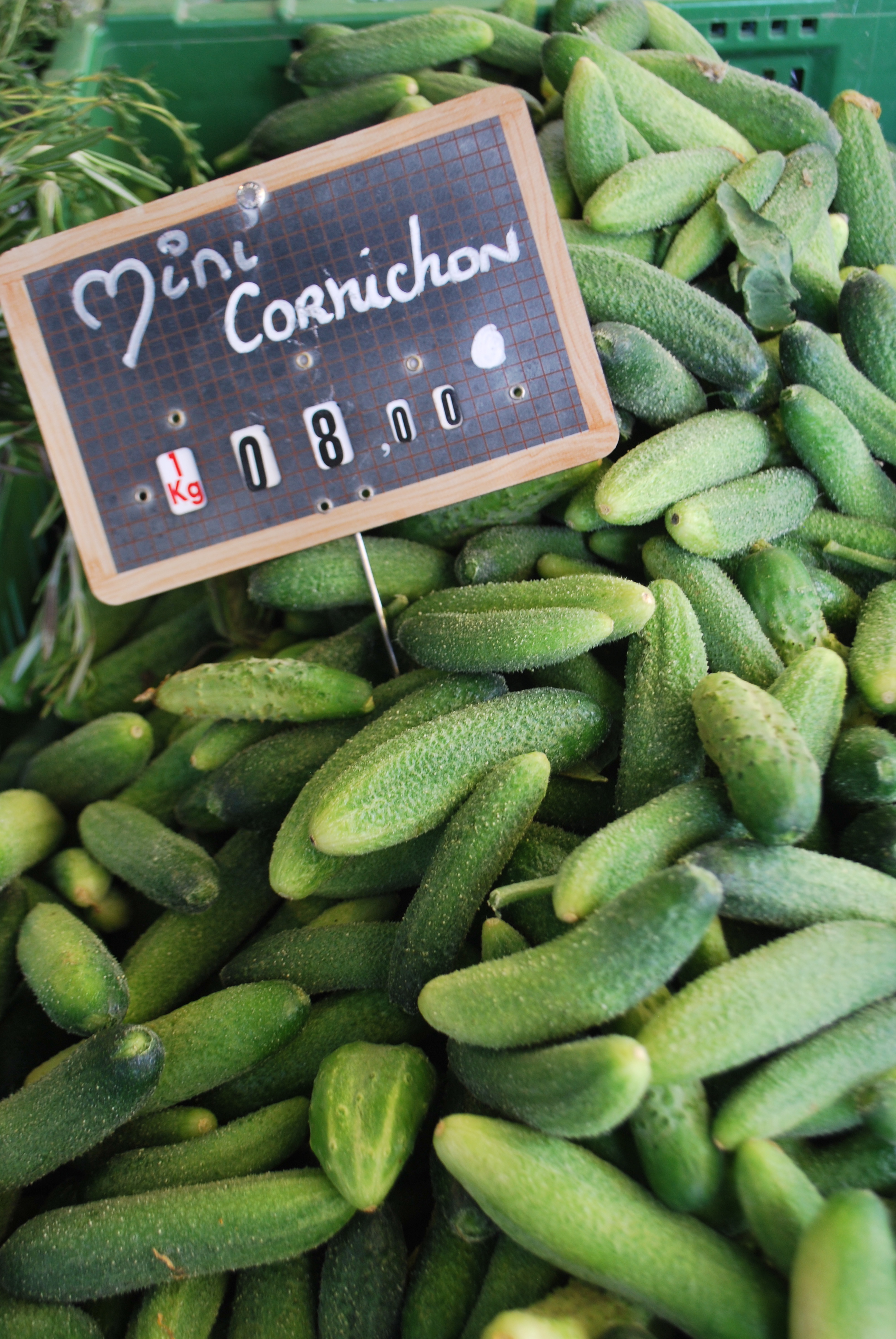
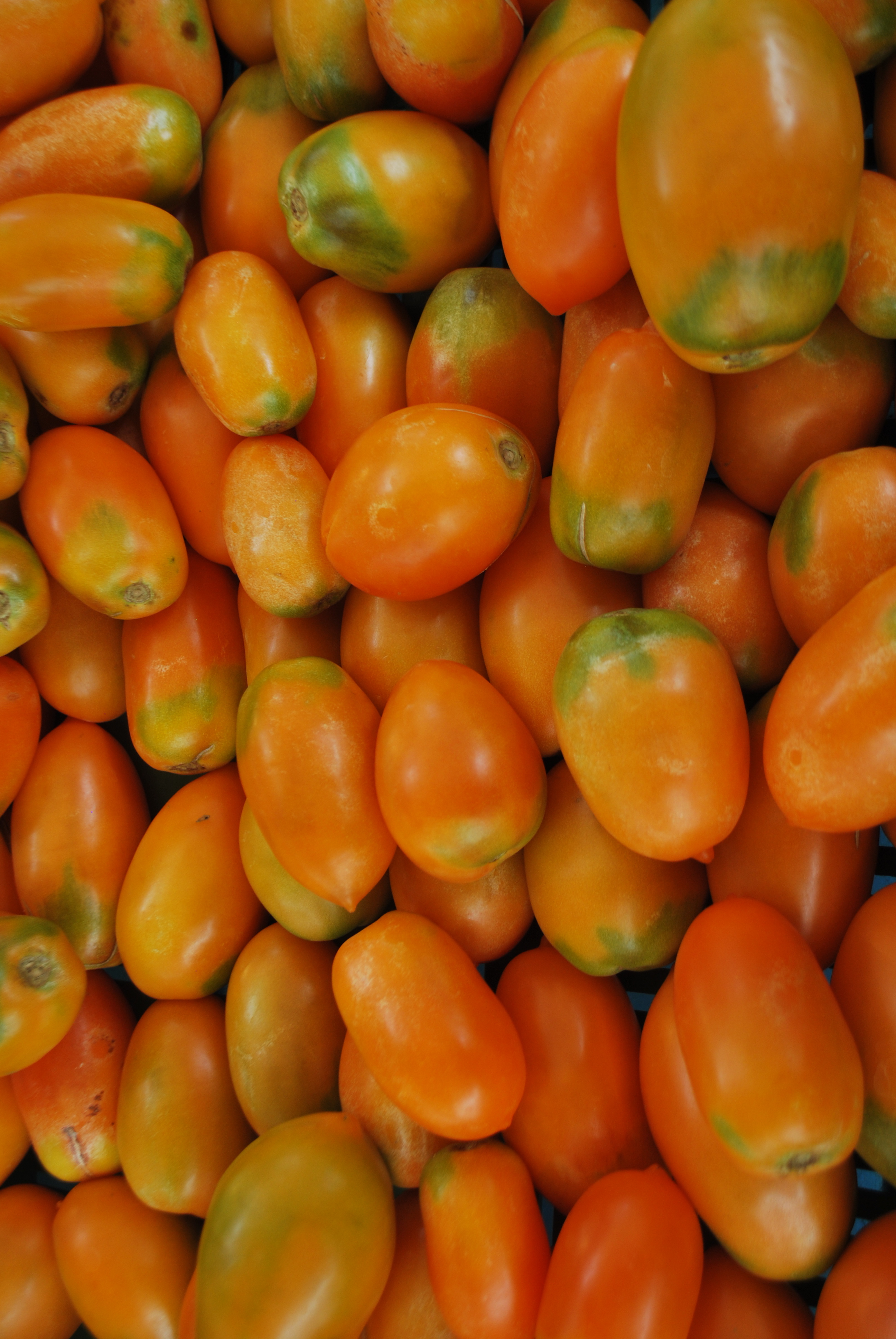
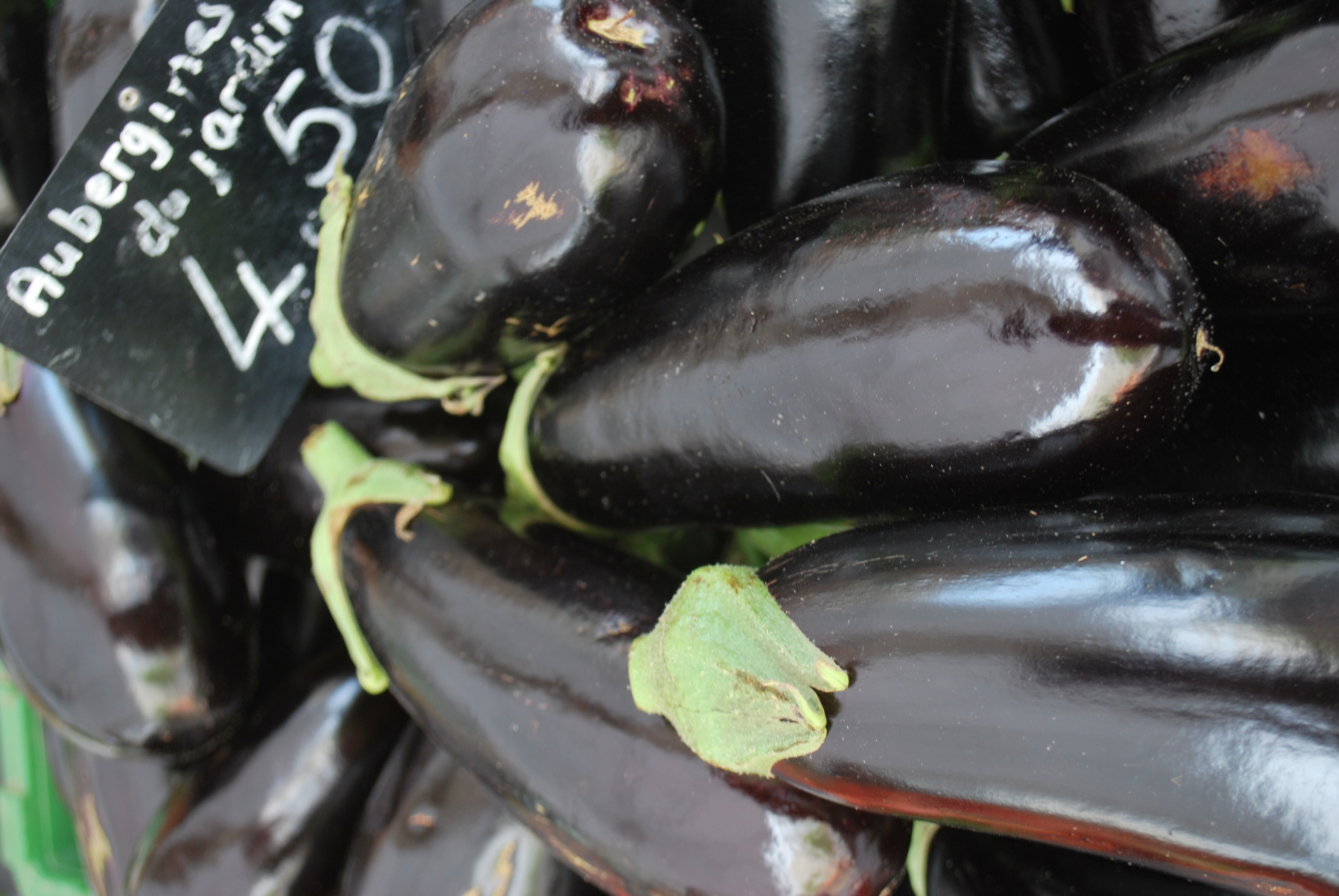
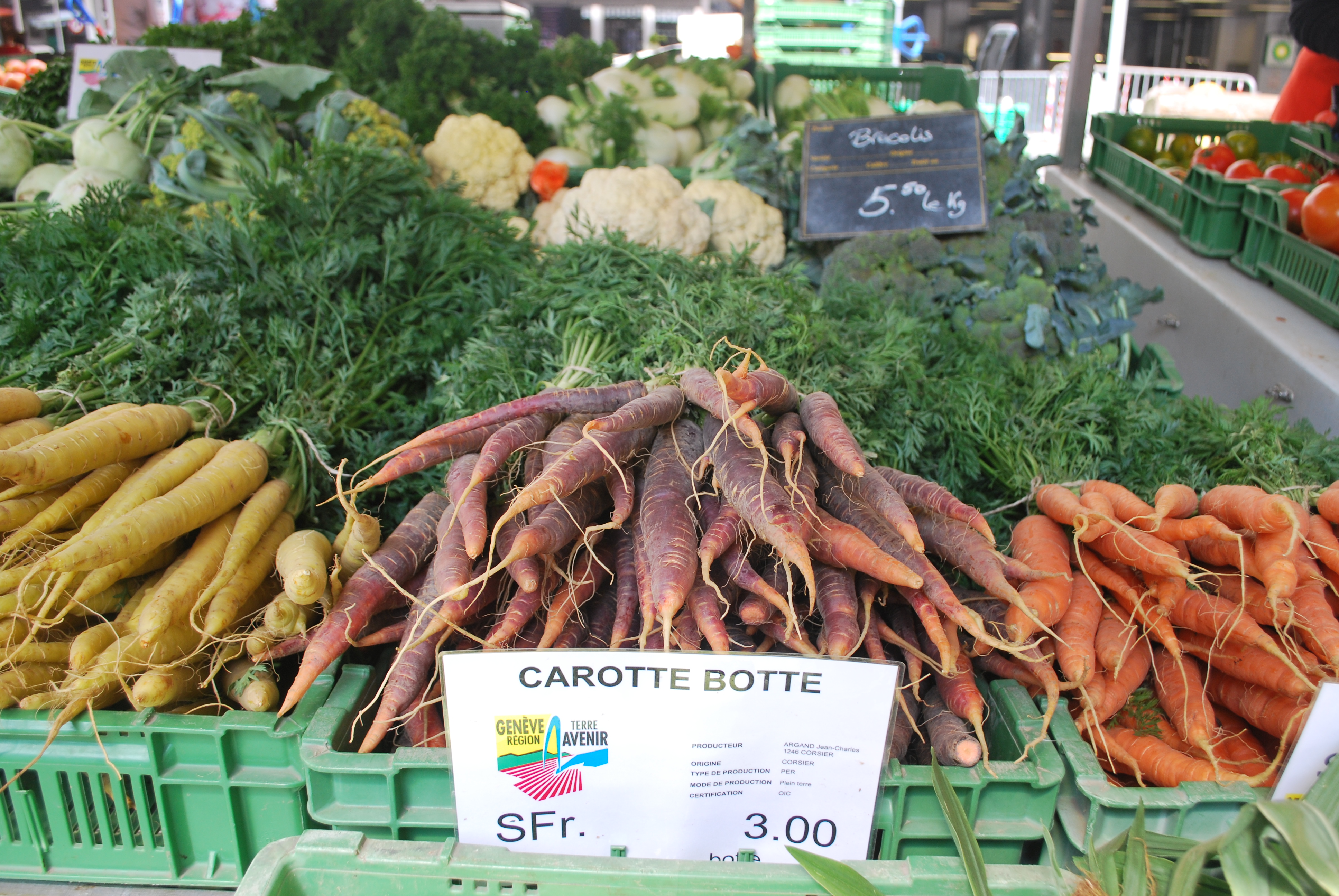
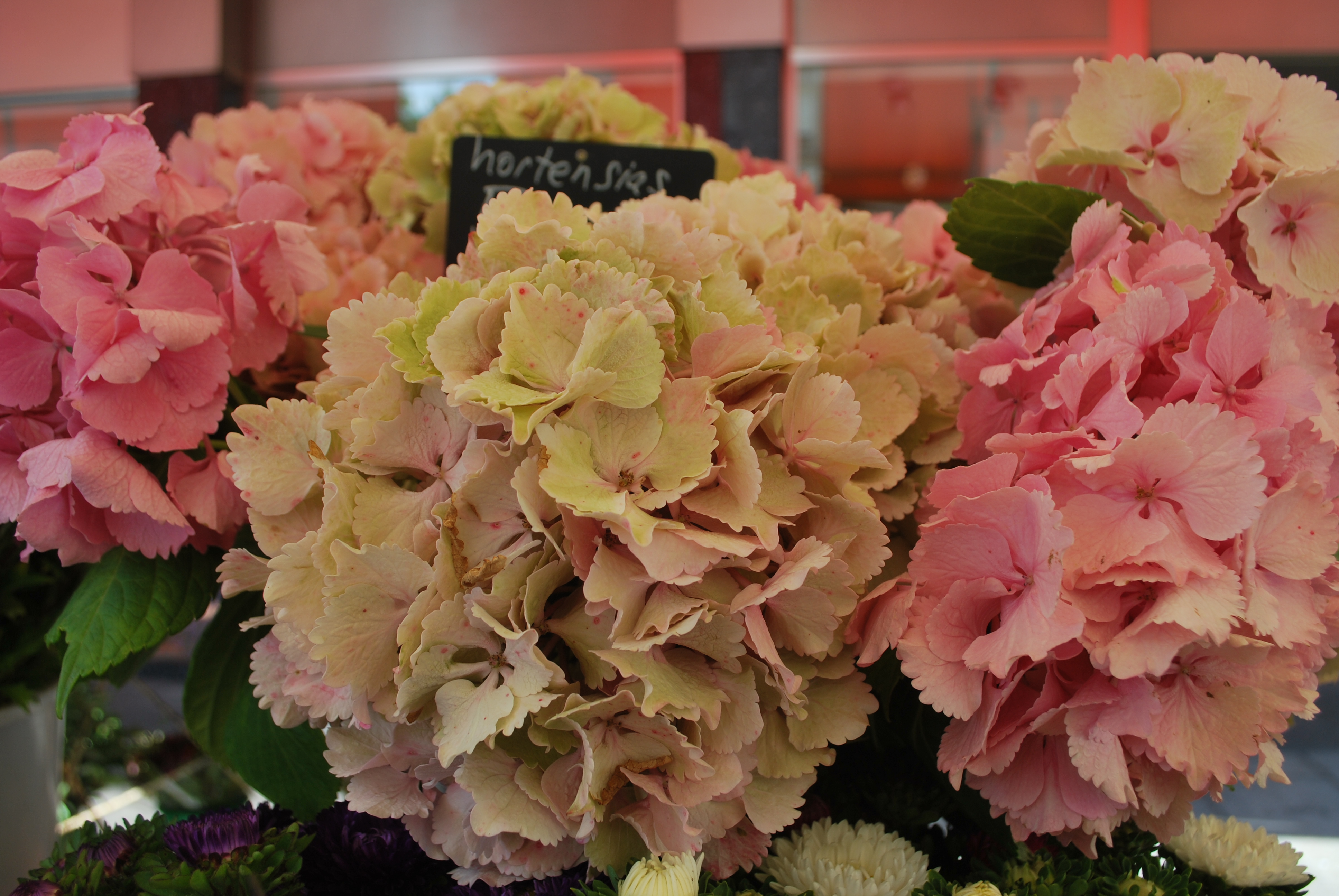
MarketDay: What’s in season at the Swiss farmers market in August: a photo essay
Jonell Galloway leads you through the August farmers market in Switzerland. Take a look at what’s in season!
Related articles

|
|

A Literary Culinary Journal
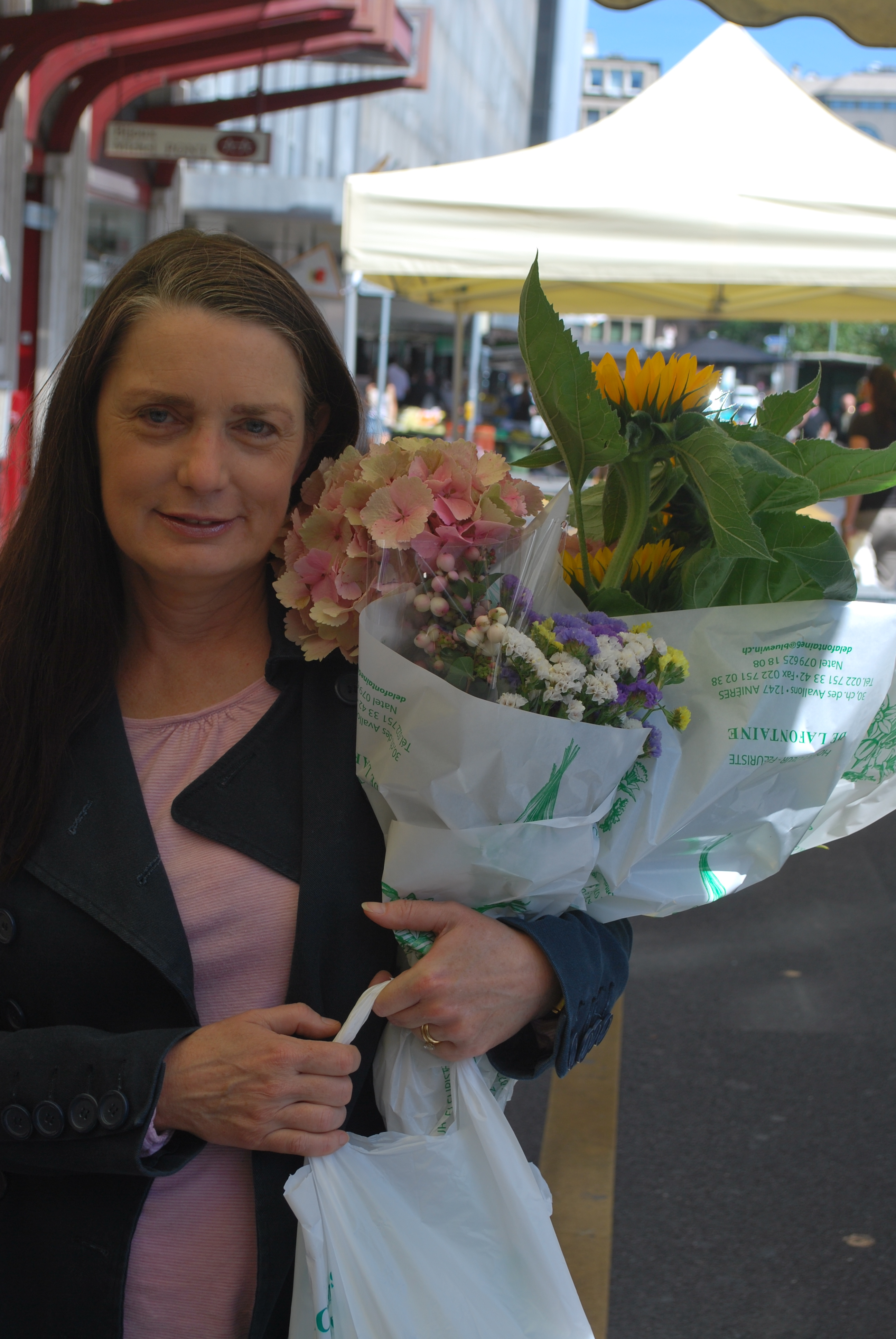


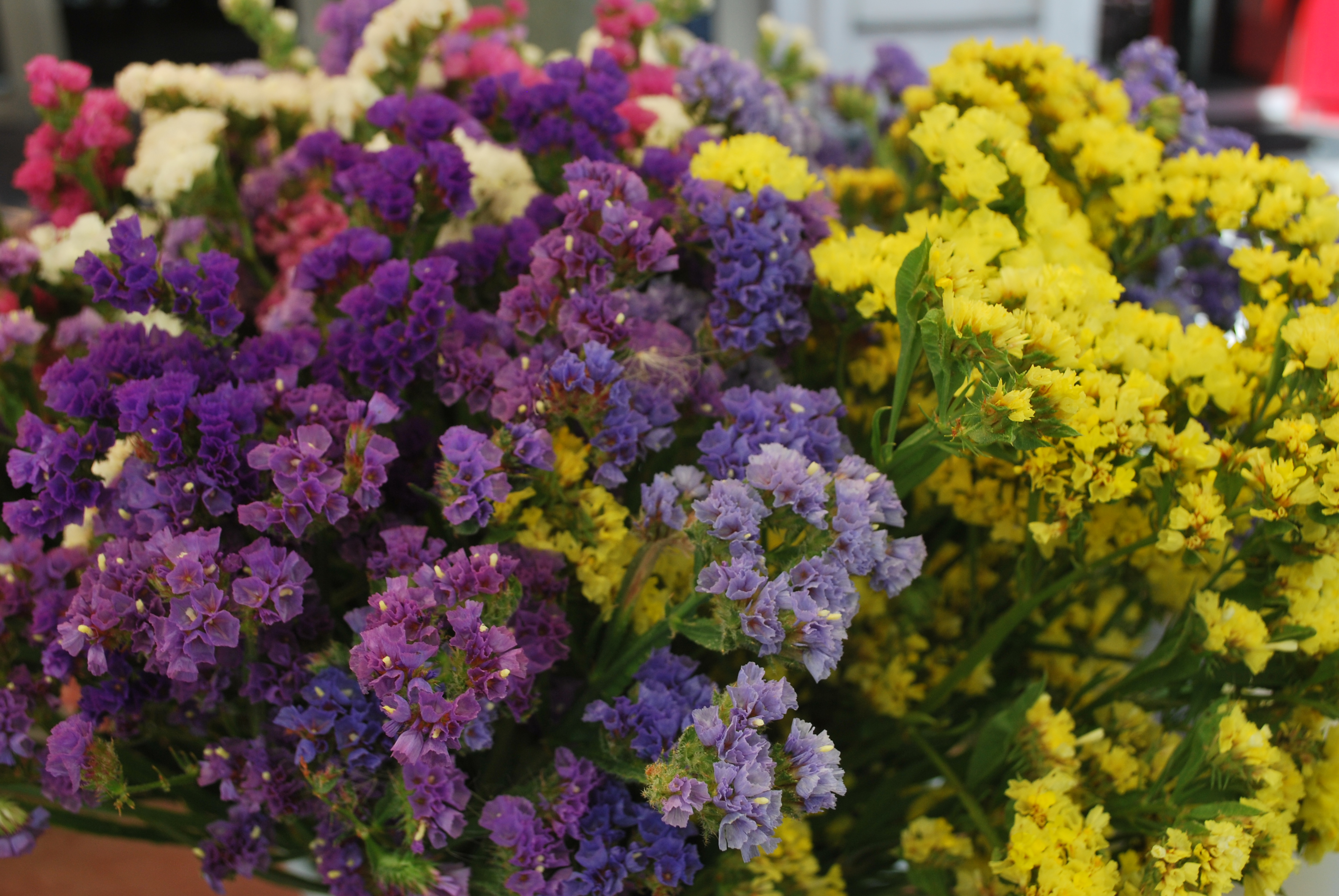


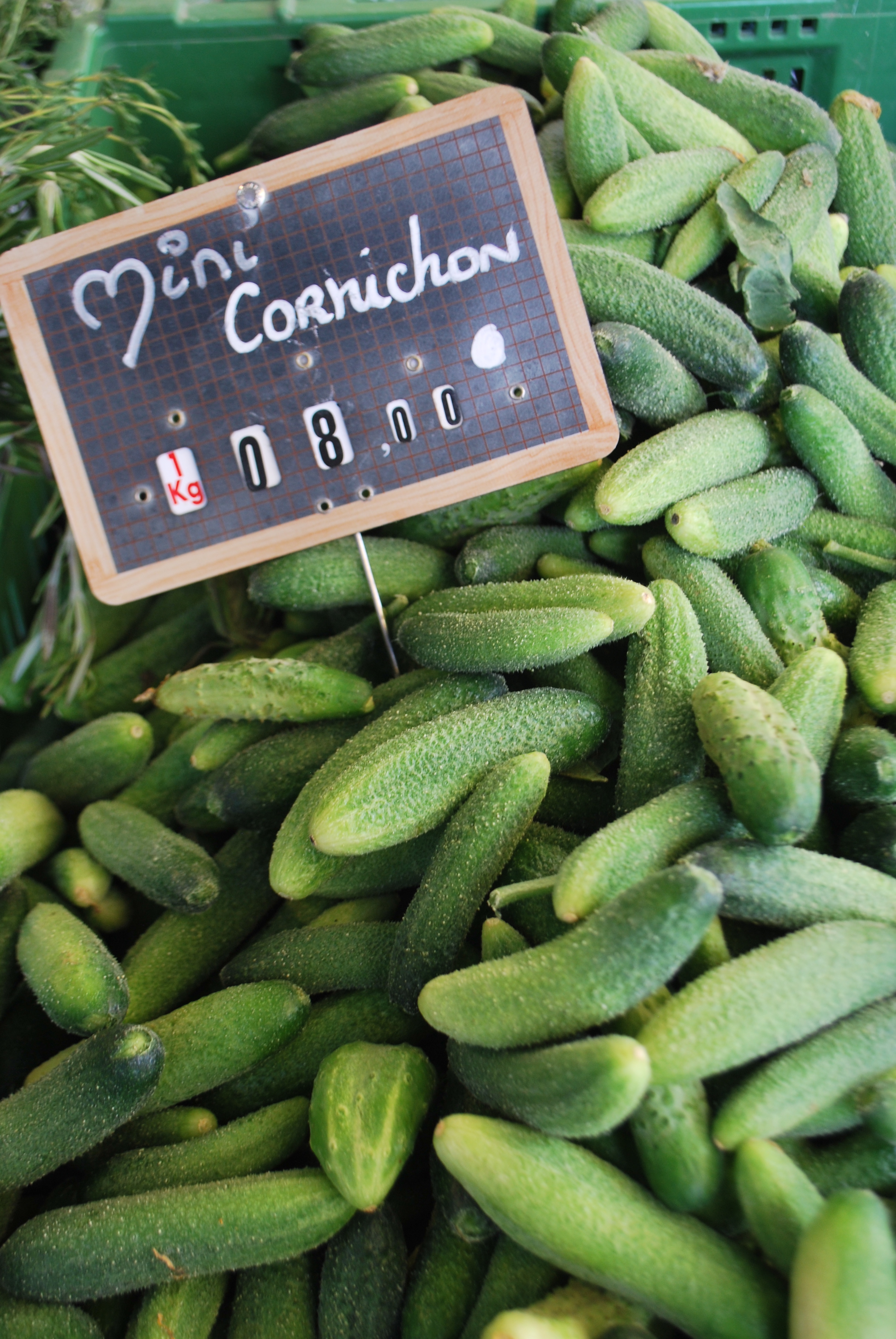
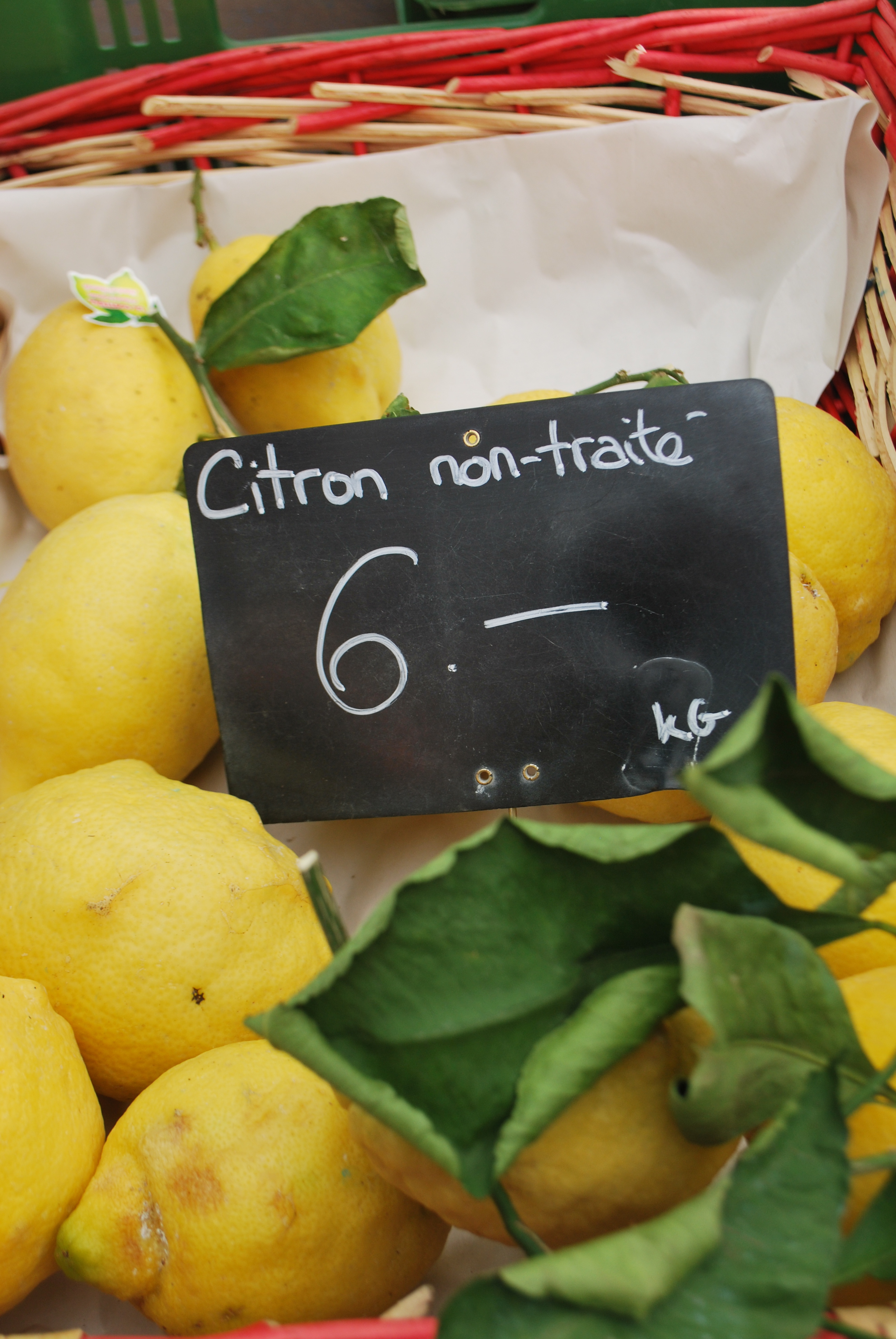


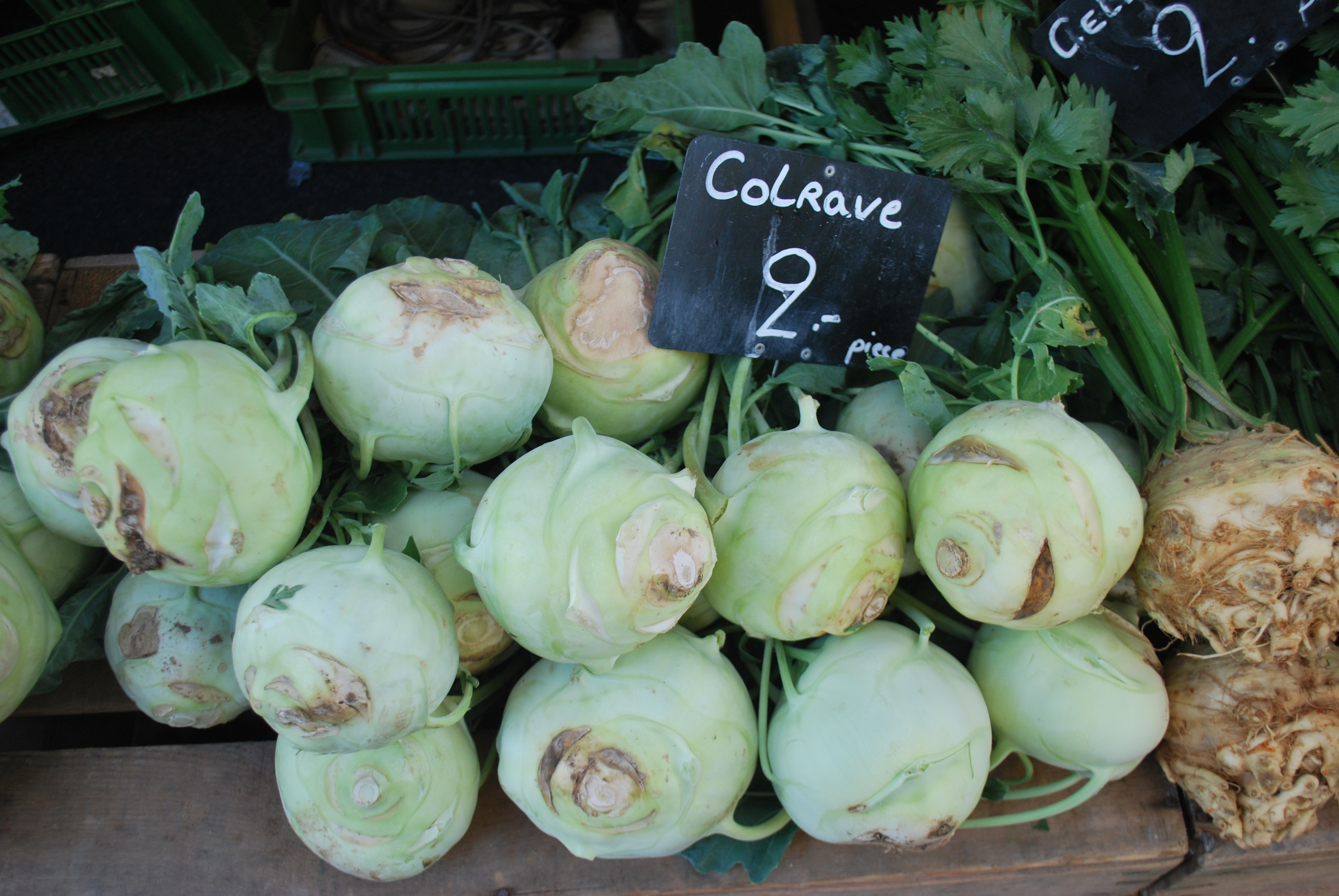
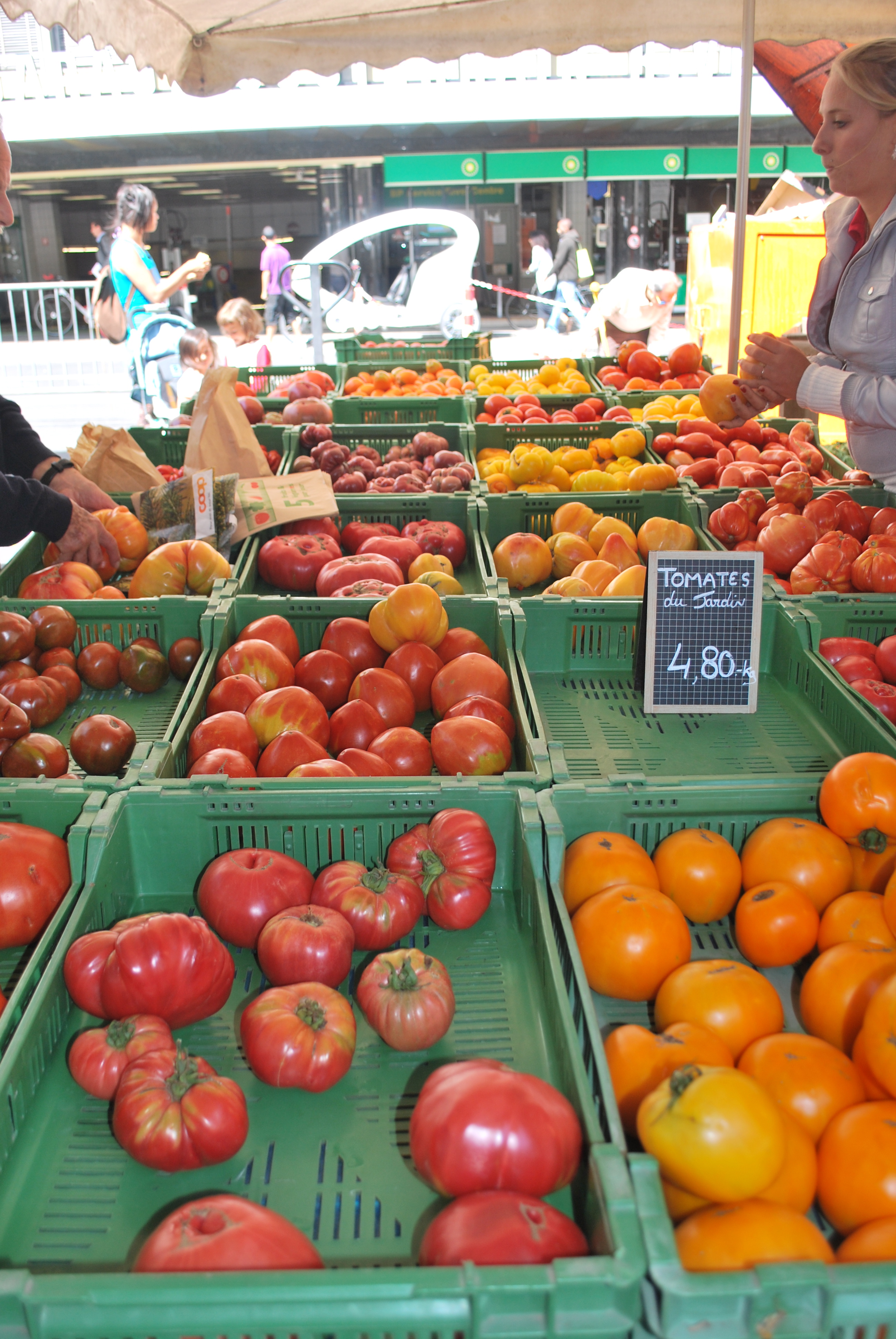


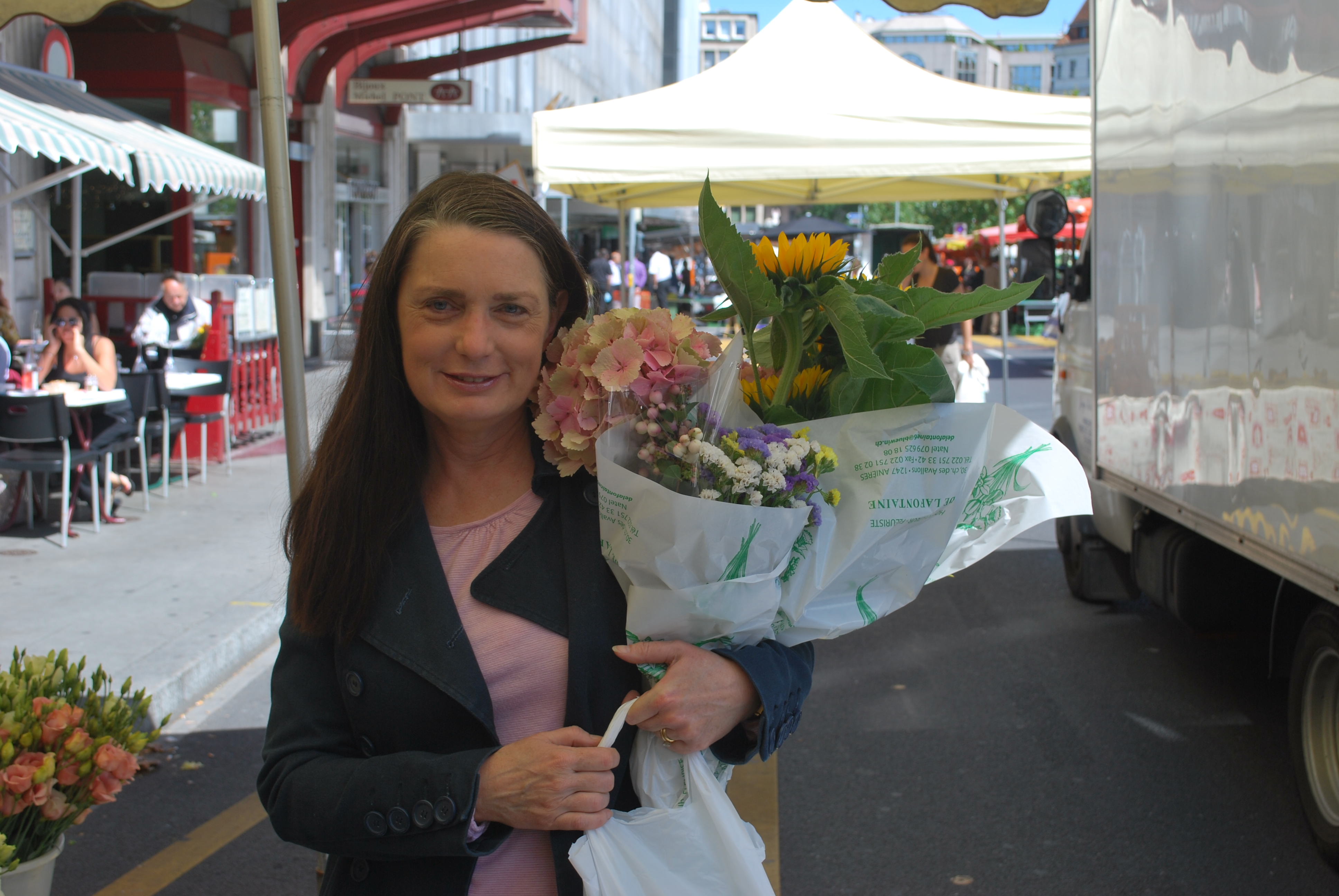


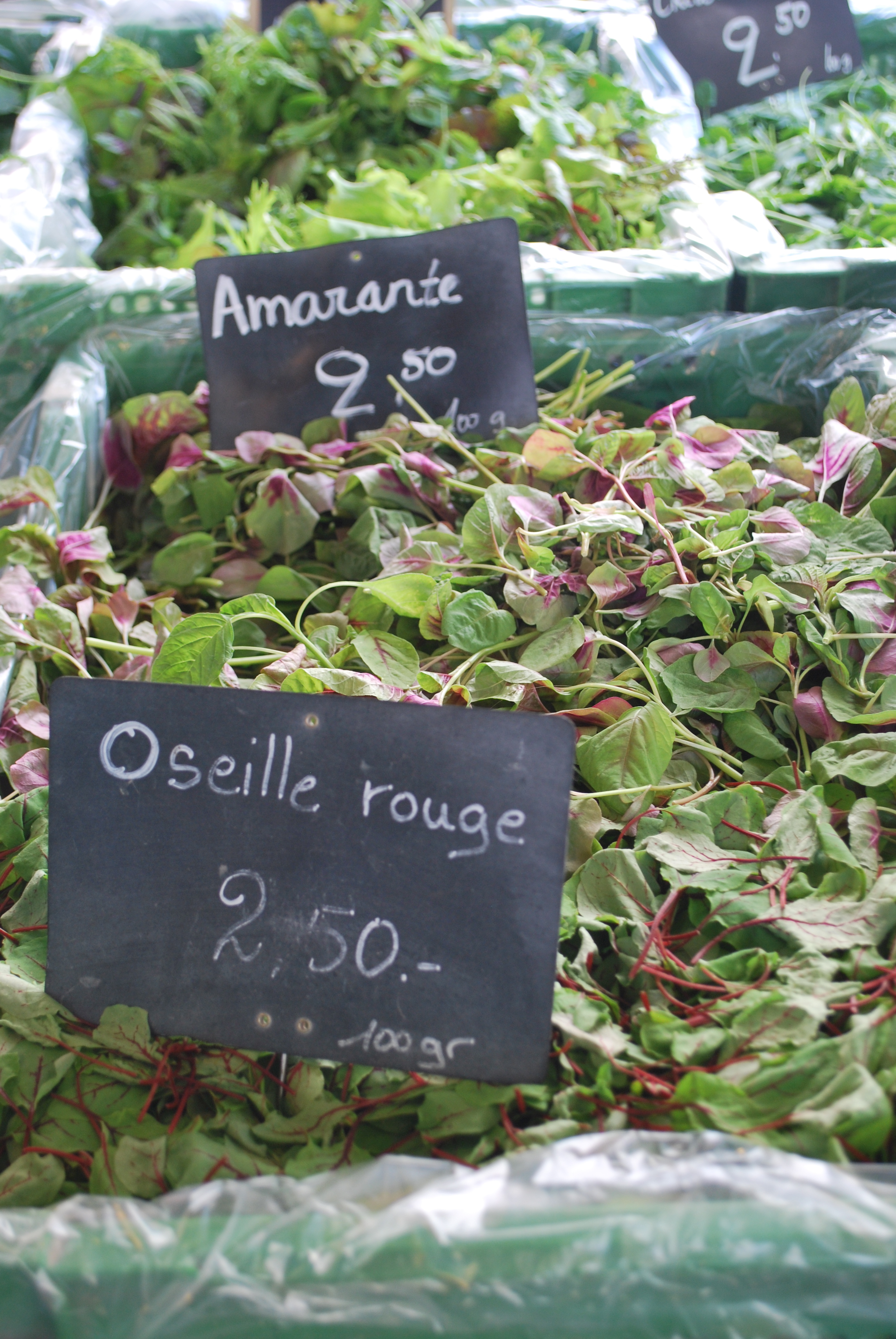
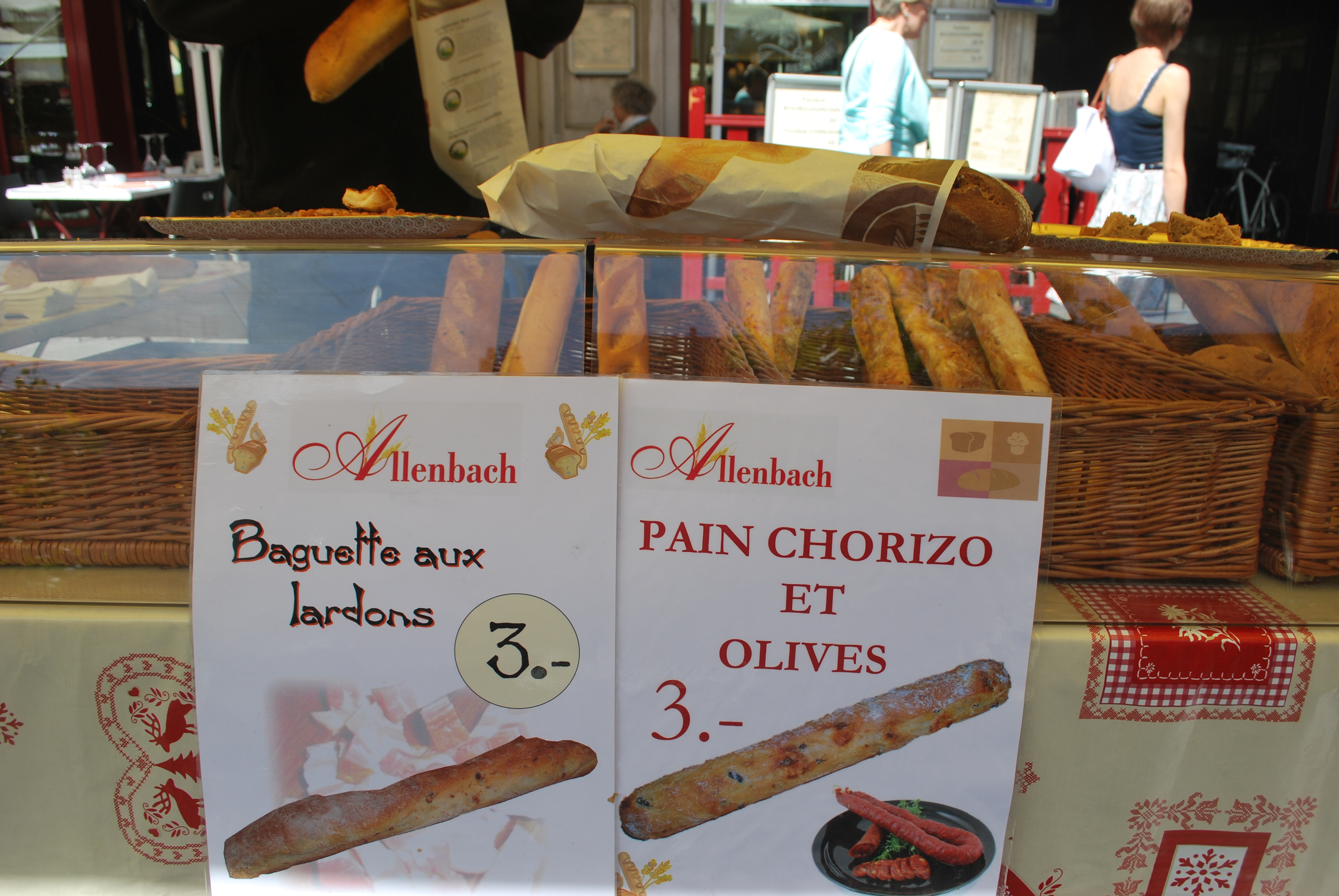

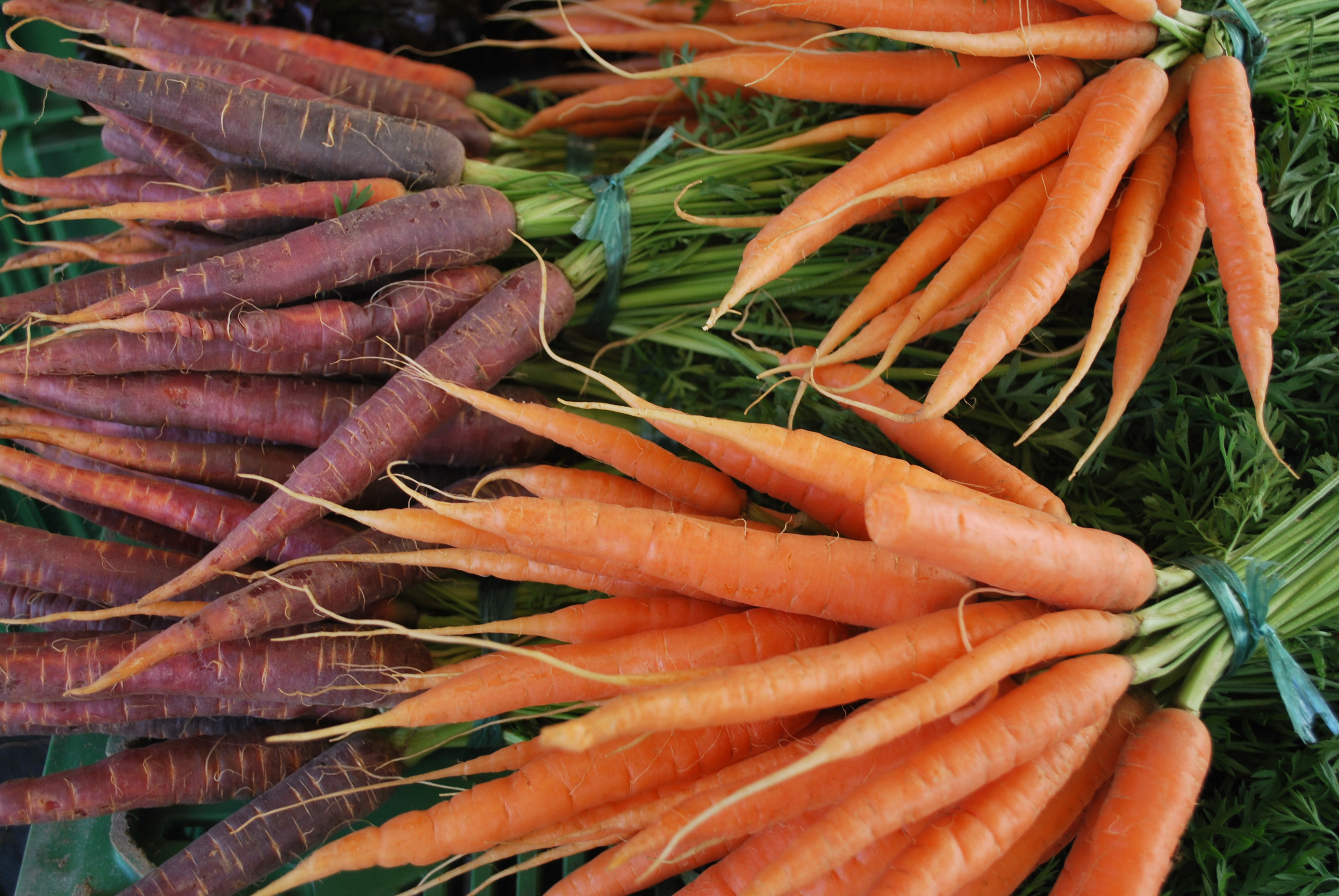

Jonell Galloway leads you through the August farmers market in Switzerland. Take a look at what’s in season!
|
|

 Culinary Chemistry: Gluten-Free Recipe Conversions – Strategies for Substitutions
 by Jenn Oliver
From the archives
When my husband and I first started cooking gluten-free in our kitchen, we mainly focused on one type of meal — those that were naturally gluten-free.
The naturally gluten-free foods were the easiest to cook from scratch because they required no substitutions at all — risottos, fresh fruit, vegetables, custards & puddings, stir fry, roasted potatoes, homemade “chips”, salads, fresh steamed fish, bean stews, meringues, and even a macaron attempt or two. As a beginner to the gluten-free world nearly five years ago, I was thrilled with how many foods we could make without ever having to worry about an ingredient on a package label that could be harmful to my husband’s health. As long as we cooked from entirely fresh ingredients and avoided anything that came in a package or required flour, we were fine — and what a great variety we had to choose from!
But it didn’t take long before my husband would say, “You know, I really miss pizza,” or “Wouldn’t it be nice to have a thick creamy gravy to go on mashed potatoes sometime?” It was inevitable, really, that shunning all things flour-related was bound to cause waxing nostalgia for the meals we no longer ate. While it was great to get our feet wet by starting with the easy gluten-free meals that didn’t require any substitutions or extra thought, it seemed wrong to deprive ourselves completely of other foods that we enjoyed.
I set out on a mission of sorts to figure out how to convert our favorite foods to gluten free, where I found a veritable “Wild West” frontier land when it came to recipes — myriad flour blends and formulas either in packages on grocery store shelves or listed in books, none of which explained how they came to be or why they worked, often calling for expensive and elusive ingredients. It all seemed like some esoteric recipe voodoo.

I decided instead to create my own blends, first categorizing the various alternative flours and ingredients by texture and coarseness, and then quickly realizing that while those aspects do play a role in the end product, the key factor was in fact not the texture, but the starch, protein, and fat content, as these are the things that determine most how a flour will behave in a recipe. I can’t say I get a perfect product every single time on the first try, but the turning point in my success was when I started looking into exactly what I was replacing with my gluten-free flour blends.
Sometimes it really is the gluten that needs to be emulated, such as in a bread recipe, where the developed network of gluten in conventional breads actively works to trap the air pockets made by the yeast, allowing the bread to rise. Techniques for mimicking this include adding other leavening agents to help account for the fact that some of the air will indeed escape before the bread is done, or adding binding agents to help trap the air that is formed — and maybe even a combination of both of these techniques.
Often this is why one sees gluten-free recipes that include extra eggs, or gelling agents like ground flax or chia seeds, manufactured gums, or incorporation of starches into the GF blend, such as tapioca or arrowroot. Once we understand why these ingredients exist in a gluten-free recipe, we can better judge how to make substitutions to fit our needs – for example, don’t have ground chia seeds? Maybe adding an egg in its place will do the trick. The bread fell flat a bit and was too dense? We now have options. We consider the properties of the ingredients we are using, and this information can be used as tools for determining how to logically go about changing our recipes to improve them.
Other recipes that conventionally use flour don’t actually care about the gluten at all. Take, for example, a roux, essentially made up of a flour and a fat that are cooked together and then used as a thickening agent in soups and stews, such as gumbo. In the case of roux, there’s no elasticity needed, and no air to be trapped – all we are looking for is thickening, which occurs thanks to the starch components within wheat flour. This is great news for gluten-free cooks; there are lots of starchy gluten-free ingredients at our disposal that we can use to replace conventional wheat flour!

All-purpose wheat flour contains, along with gluten, a fair amount of starch. So to create a 1:1 substitution (by weight of course), one would just need to come up with a gluten-free flour blend that is also mostly (but not all) starch. This can be done either by using flours with similar starch content to wheat flour, or by supplementing the GF blend with a pure starch (cornstarch, tapioca, arrowroot, potato, glutinous rice flour, etc.). Each type of starch differs slightly in its chemistry, but for the most part they all have gelling and viscosity properties – i.e. they help food thicken and stick together. In something like our roux example, it’s not going to matter a whole lot what kind of starches we use, because the only aspect of the starch we are calling upon in this case is its thickening power.
Obviously, for baking, things get a little more complicated, but I’m convinced the overall strategy remains the same. The first thing I ask myself when converting a recipe is, “what in conventional wheat flour is doing the work? What traits do I need to make sure I replace with my gluten-free mix?” And then we can use our knowledge about the various gluten-free ingredients available to reproduce those properties. Actually, I think once one gets a bit more comfortable with gluten-free substitutions, there is even more freedom and more possibilities for “customizing” than when working with conventional all-purpose wheat flour. This is because one has the ability to pick and choose from amongst so many great ingredients — not just for certain properties, but also for flavors. For example, I often incorporate chestnut flour, because I just love the earthy rustic qualities it lends to baked goods.
Gluten-free substitutions don’t have to involve some mysterious wizardry in order to have success. Sometimes it’s just a bit of recipe tweaking, and other times, a little knowledge about the science behind why a recipe works goes a long way.

|
|


 What to do with the last apricots of the season: jam, coulis, baked, purée
From the archives

Photo courtesy of Ellen Wallace.
The first and most important thing is to buy tree-ripened apricots. By definition, this means local ones, since ripe apricots are soft to the touch and do not travel well.
If you plan to eat them fresh, they should be soft, but not blemished or bruised. The riper they are, the more flavorful they are.
If you are using them for cooking, the riper the better, and you can even get by with blemishes as long as they are not rotten-looking. As a general rule, the softer the sweeter.
You will often see crates of extra-ripe apricots discounted in farmers markets. Look them over, and if there are not too many black or rotting ones, they are actually the best for cooking purposes, especially for jams, cakes and sauces.
Note: With all apricot recipes, the amount of sugar used depends on the acidity of the apricots. The acidity depends on the ripeness, origin and variety. With so many factors coming into play, taste tests are indispensable and the quantity of sugar should be determined by taste, using the quantities given here as a guideline.
Apricot Jam Recipe
The basic formula is 900 grams/2 lbs of sugar for every 2 kilograms/4 1/2 lbs of fruit used. This holds true for apricots, apples, cherries, nectarines and plums. If you like your jam really sweet, you can put equal weights of fruit and sugar.
Use cane sugar for more taste. I often halve the quantity of sugar in dessert recipes, but with jams this can be tricky, since sugar is what makes the jam set. It also serves as a preservative. If your fruit is extra-sweet, you might try cutting the quantity of sugar a tad.

Wash and rub apricots until perfectly clean. Remove any rotten spots with a paring knife. Dry well. Cut in half and remove stones. Save about half of the stones for later use.
Place apricots in a copper confiturier or a large stock pot. Add sugar. Let it sit overnight.
If the apricots are not ripe enough, they will not render any natural juices. If there are no juices, add 500 ml/1 pint of water to the pan.
Slowly bring to a boil on low heat, stirring constantly with a wooden spoon. This can take anywhere from 1 hour to 2 1/2 hours, depending on the water content of the apricots and the type of pan and stove or cooker you are using. Scrape the sides of the pan from time to time so that the mixture doesn’t crystallize.
The jam is set when you can dip a wooden spoon in it and it completely coats the spoon. Let jam settle for about 15 minutes before putting it into jars.
Pour jam into sterilized glass jars. Leave to cool. If you see the jam hasn’t set properly, you can put it back into the pan and boil it again, adding a little lemon juice.
Add two stones to each jar. Cool. Seal jars.
Once again, the amount of sugar you use depends on whether you want it to have a tart flavor or a sweet flavor. If you’re going to pour it onto a very sweet cake or pie, opt for a more acidic taste. If you’re eating with something that is itself a little acidic, you might want to make your sauce sweeter. And once again, the sweetness will always depend on the ripeness of your apricots, so you’ll have to do a taste test in any case.
Wash apricots. Remove stones.
Put 300 grams/10 ounces of cane sugar (labeled sucre de canne roux or cassonade in Swiss and French supermarkets) and a vanilla bean (cut open in the lengthwise direction) into a saucepan. Slowly bring to a boil over medium heat until it begins to thicken and sugar has completely dissolved, i.e. until it forms a syrup.
Put 500 grams/18 ounces of apricots into a food processor, or run them through a food mill or chinois. Add apricots to the liquid sugar mixture and mix with a wooden spoon. Heat mixture until it is thick enough to completely coat a wooden spoon.
This apricot sauce can be eaten warm or cold, depending on what you are using it with. It keeps for several days in the refrigerator.
Apricot coulis is a perfect accompaniment to a dark chocolate cake, but can be used to make ice cream sundaes or parfaits just as easily.
It can also be used in savory dishes, for example with cold chicken breasts or cold pork roast. In this case, you would of course considerably reduce the amount of sugar.
Preheat oven to 250° C or French mark 8. Wash apricots. Cut in half. Remove stone.
Lay apricot halves out on a roasting tin or broiler pan, or in a large casserole dish. Sprinkle lightly with brown cane sugar and just a tad of butter, distributed evenly in small bits, so that it will form a natural sauce. (This can also be done on a barbecue grill, but you’d lose the juices.) Put in oven, and immediately turn temperature down to 220° C or French mark 7. Turn when top side is browned. If butter starts to burn, add a few drops of water.
When soft and slightly browned and caramelized, remove from oven or grill.
Distribute on individual plates. Serve with a scoop of salt caramel, coffee or walnut ice cream. Lightly sprinkle with vanilla powder (labeled poudre vanille or vanille en poudre in supermarket; easy to find in France, but difficult to find in Switzerland), cinnamon and a high-quality chocolate or cocoa powder. Drizzle a little maple syrup over it. It is now ready to serve.
The great French chef Michel Guérard, who started the Cuisine Minceur movement in 1974, has a recipe for a sugar-free version of a coulis. This is adapted from the 1976 edition of Michel Guérard’s Cuisine Minceur, now out of print:
Wash, halve and pit 12 ripe fresh apricots. In a saucepan, add apricots, 1/2 cup of water, 1 vanilla bean (cut open in the lengthwise direction, down the middle) and artificial sweetener to taste, the equivalent of about 3 tablespoons of granulated sugar. Simmer for 10 or 15 minutes, until mixture is reduced by about one third.
Remove vanilla bean. Put mixture in a food processor to make a purée.
This sugar-free sauce can be served in the same manner as the traditional apricot purée or coulis recipe above.
This article was originally published on GenevaLunch.

|
|
From the archives
Listen to the podcast review of the Café Berra in Monthey, Switzerland.


|
|
//

We’ve been looking for a guidebook for visiting Switzerland on a budget for a long time now. We’ve just happened upon this one on MySwitzerland.
It lists loads of budget lodging of all types, including mountain huts and hostels, as well as discount packages and advice about tips on how to travel on a budget. Bon voyage!


|
|

by Jonell Galloway
The winemakers of Ollon in the canton of Vaud organize “Balades dans le Vignoble,” or strolls through the vineyards, every second weekend in September. You stroll through the vineyards and taste some hundred different wines from the vineyards of Ollon. It is possible to eat at numerous vineyards as well as in the restaurants and bistros in the village.
There are various means of transport, including:
Click here for details of the event: dépliant_2012.pdf (2 Mb).
Here are my photos from the 2012 wine tasting fair. Click the photos you like to enlarge them.

|
|














|
|
by Diana Zahuranec
From the archives
For the second post in this mini series on fermentation, let’s get into the “why” of fermentation.
Cultures from all over the world have fermented a food or drink. The principle reason has been to preserve their harvest. Over the winter months, fermented vegetables last and provide a source of calories, nutrients, and an accompaniment to the endless plates of what I imagine were sausage, jerky, smoked meat, and potatoes.

A 3 -litre jar of salsa, ready to start fermenting.
I like to imagine what the first aspiring fermenters thought when they heaped their extra produce into a large mound in a dark, warm, covered area, poured brine over top (or not), and – fully aware that vegetables rot – left it to stew before digging in with their hands. “Let’s see what this tastes like! Sort of sour but…”
|
|
by Sonja Holverson
From the archives
I have found in my world travels that one of the highlights for revealing the secrets of the local culture when in a new destination is to go to the neighborhood supermarket. Even if you don’t need anything, this visit is a must everywhere. It’s fascinating.
Even if you don’t know what some things are, it’s amazing to observe the different presentation of goods as well as the packaging, transaction techniques and social behaviors in the store. Switzerland is particularly interesting because the country has four national languages (German, French, Italian and Romansch, which is an ancient Latin language). With various cultural backgrounds in different regions, you will find different food items available, but many products are, by law, labeled in at least 3 languages. The Swiss German supermarkets’ food items are quite different from those you find in the French speaking region (called “Suisse Romande” or “Romandie” in French), even if it’s the same store chain.

Feeling the need for a quick snack after walking around (or mostly up and down) in the clean Swiss Alpine air? Can’t wait for the later-than-you’re-used-to Swiss dinner hour? Then head for the nearest supermarket where you will find the locals snacking away. Sometimes there are benches inside and outside the supermarket door just for this purpose! This is not to say that there is not a wonderful choice of restaurants in Switzerland. Au contraire! But as a business traveler like me, you may find yourself hungry at odd times and lunch service is usually over at 2:00 p.m. Dinner does not usualy start until 7:00 p.m. in French-speaking Switzerland and 5 p.m. in German-speaking Switzerland, or later if your Swiss friends live on Lake Geneva and are très chic. There are exceptions. The reason behind this afternoon restaurant closure is that most waiters, chefs and owners work split shifts and need a break before dinner service.
|
|
I’ve just discovered , dedicated to making traditional Swiss and other recipes dairy-free.

Heddi started her site in 2012 to face up to the daily task of cooking for her son, who has multiple allergies, including milk allergies.
A dairy-free version of many traditional Swiss recipes for lactose-intolerant people. Switzerland is a land of milk and cheese, so this is a difficult task. Bravo for her efforts.
|
|
 Meet Jonell Galloway, a freelance writer and editor specialized in French cuisine.


 Apricot Rosemary Pork Tenderloin with Grilled Apricots


