Weight Loss Challenge: Eat Smaller Portions

Published by Thursday, September 13, 2012 Permalink 0

by Jonell Galloway

Eating smaller portions is not always as easy as it sounds.

In restaurants, they invariably serve portions much larger than you would take if you were serving yourself. I decided a long time ago that I would eat until I felt full, and not feel guilty about leaving the rest. My husband and children often end up eating the rest or taking it home in a doggie bag. I often solve this problem by ordering two starters and no dessert, which is a somewhat less noticeable way to go about it.

Continue Reading…

Never miss a post
Name: 
Your email address:*
Please enter all required fields
Correct invalid entries

Simple Sustenance: MarketDay in a mid-September California farmers market with Renu Chhabra

Published by Wednesday, September 12, 2012 Permalink 0

by Renu Chhabra


Let us not forget that the cultivation of the earth is the most important labor of man. When tillage begins, other arts will follow. The farmers, therefore, are the founders of civilization.–Daniel Webster

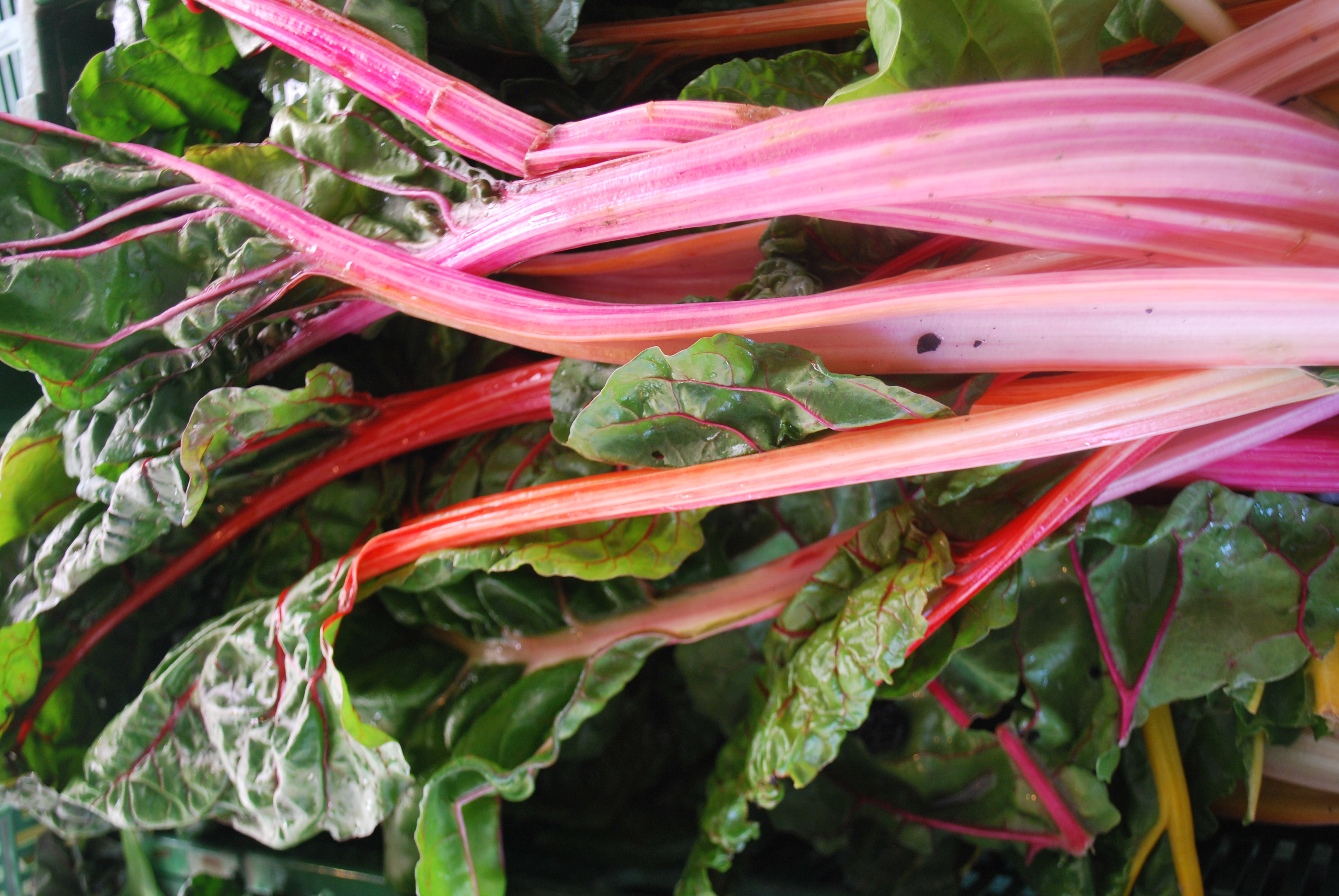
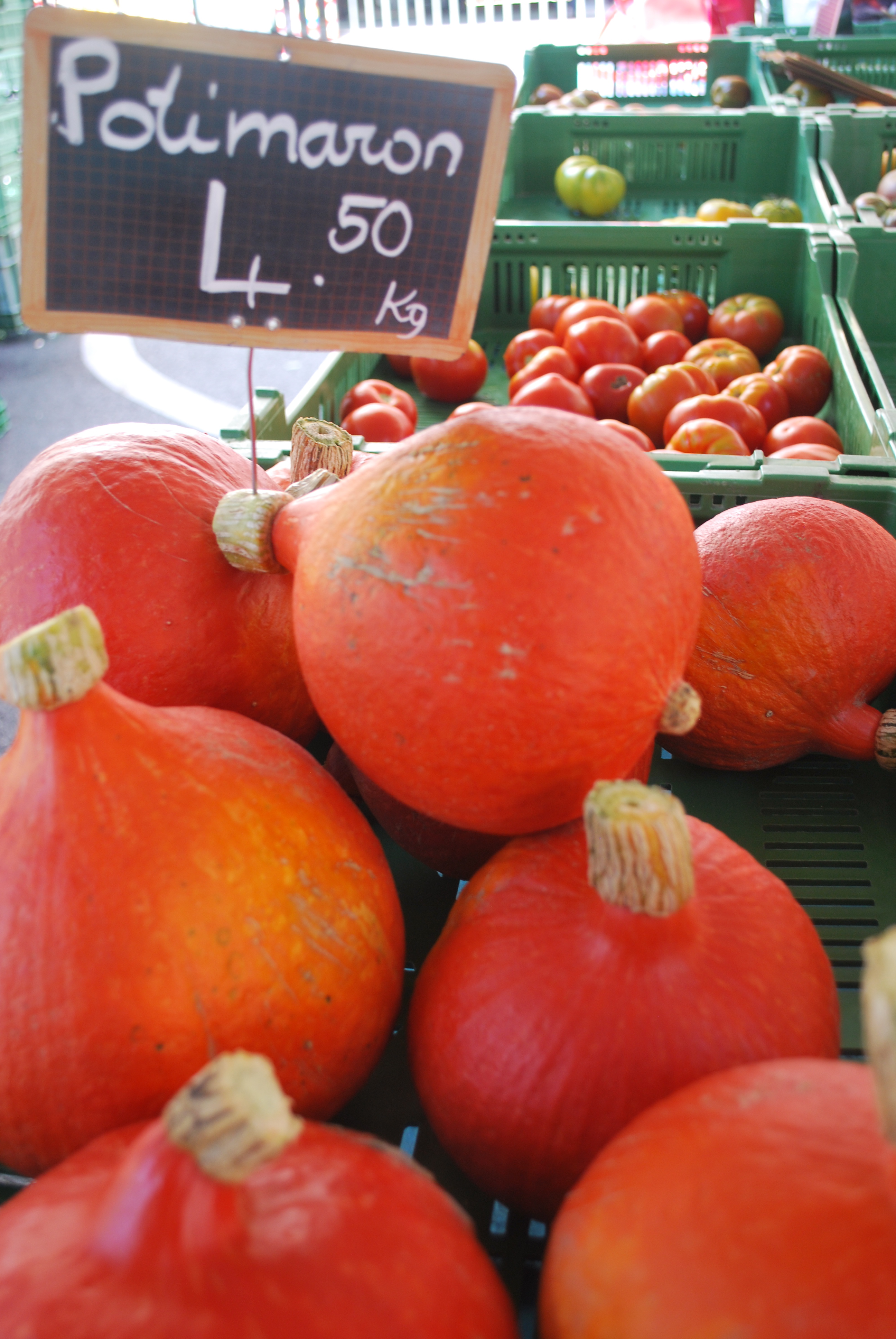
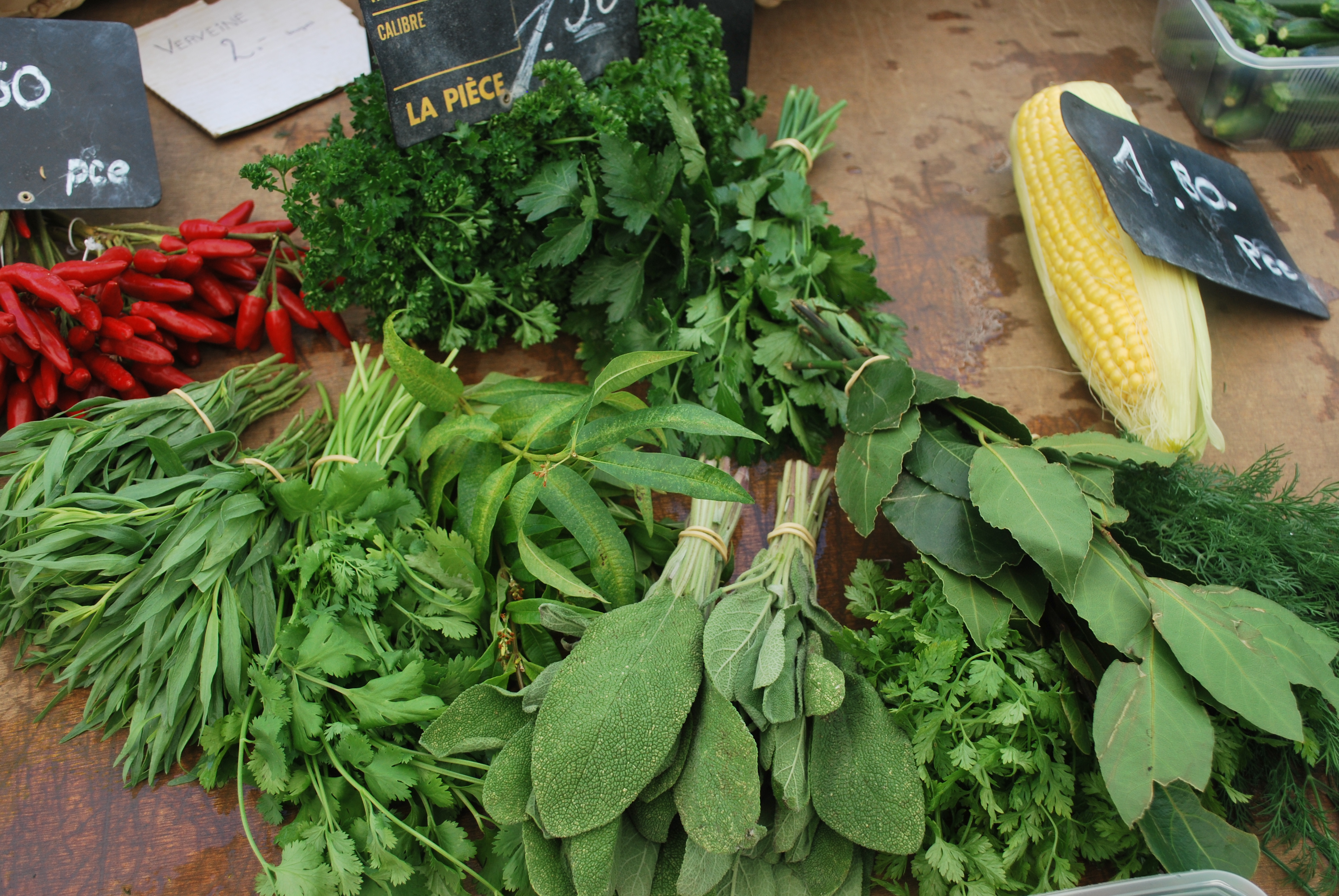
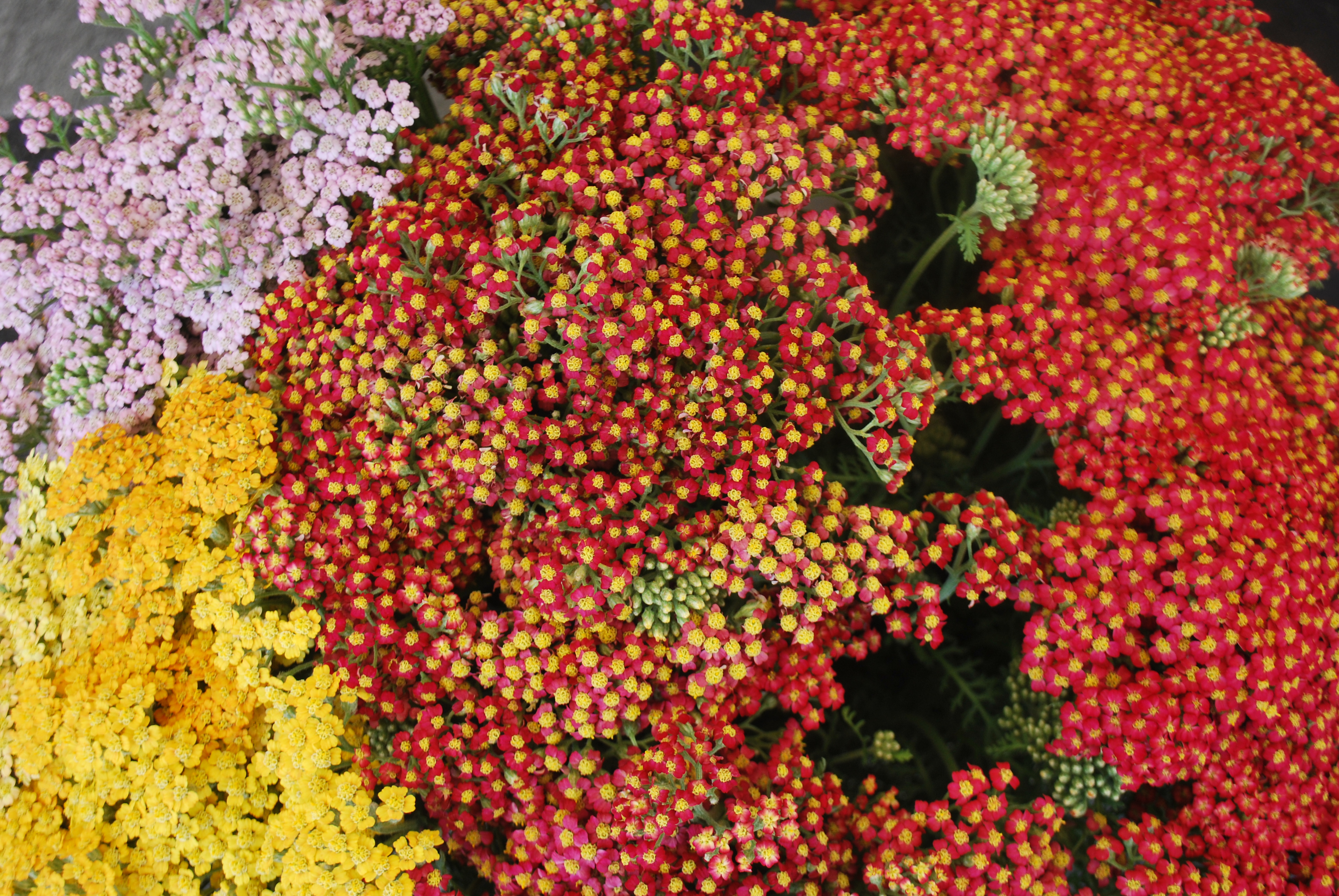
These are the colors of California farms — rich and vibrant!

Summer vegetables are brimming with freshness, and the abundance!  Everywhere I set my eyes, there is something that draws me to it. I can’t control myself; I want to shoot every colorful heap I see. I guess it’s the temptation to enjoy them, visually, later? After all, it is a feast for the eyes.

Continue Reading…

Never miss a post
Name: 
Your email address:*
Please enter all required fields
Correct invalid entries

Health Challenge: Healthy Snacking when Couch Potatoing in front of the TV

Published by Monday, September 10, 2012 Permalink 0

by Tamar Chamlian

As the winter kicks in and we are gradually easing in to cold weather, we naturally seek activities that are warmer and right in the comfort of our own homes.

In our house, we do a TV night once in a while, keeping warm, and maybe inviting a few friends over. While snacking on popcorn and chips seems to be a common and popular ritual as well as the easy solution, I suggest you try the three healthier alternatives I have listed below so you can ditch that caramel popcorn or those nachos and cheese.

  1. Mozzarella and cherry tomato skewers. Place one mozzarella ball followed by a cherry tomato on a skewer, drizzle with a tiny bit of olive oil and dried (or fresh) basil leaves.
  2. Fruit skewers. Pick any combination of two or three fruits, place them on skewers and drizzle the fruit and juice of a passion fruit for some extra kick and flavor.
  3. Make “healthy” homemade chips. Slice apples, pears, peaches, and sweet potatoes very thinly. Drizzle a very small amount of olive oil and dried mint. Grill them in a pan, and serve in a bowl as a healthy alternative to fried potato chips.

Enjoy the movie!

Never miss a post
Name: 
Your email address:*
Please enter all required fields
Correct invalid entries

Food Art: Kheer, food photography by Sukaina Rajabali

Published by Monday, September 10, 2012 Permalink 0

by Sukaina Rajabali

Sukaina Rajabali is a Dubai-based food photographer and writer. She authors the blog Sips and Spoonfuls, a compilation of generations of recipes, tales of her family and childhood, as well as the labours of her passion to learn food photography. It is filled with beautiful memories, beautiful meals and beautiful images.

Never miss a post
Name: 
Your email address:*
Please enter all required fields
Correct invalid entries

Food Art: Summer Vegetable Pie, Emerald Green Salad, food photography by Meeta Khurana Wolff

Published by Tuesday, September 4, 2012 Permalink 0

//
See more food photo compositions at Meeta K. Wolff.


Never miss a post
Name: 
Your email address:*
Please enter all required fields
Correct invalid entries

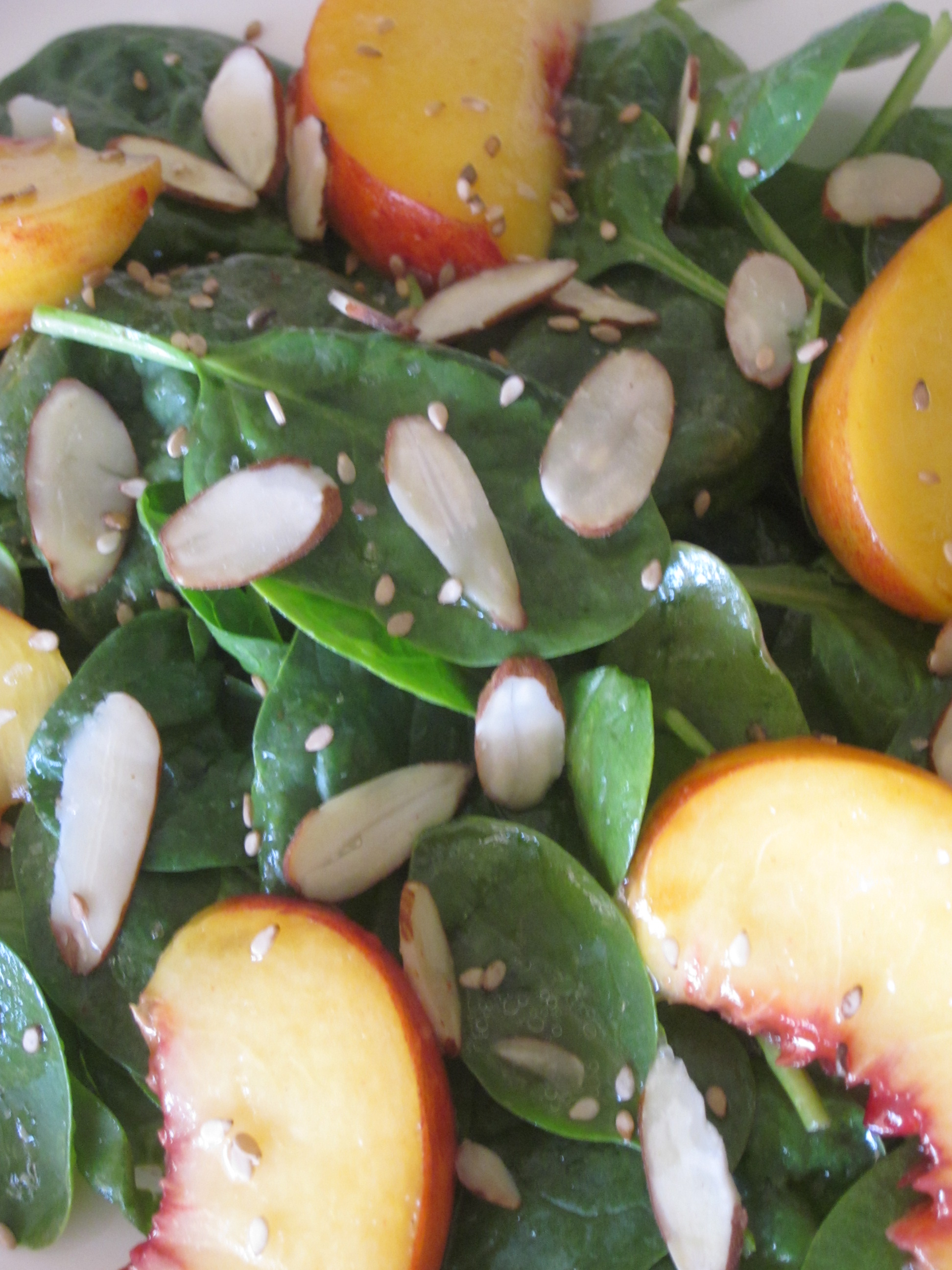
Simple Sustenance: In Season and Healthy — Peach and Spinach Salad

Published by Tuesday, September 4, 2012 Permalink 0

by Renu Chhabra

One should eat to live, not live to eat” –Benjamin Franklin

Peaches are synonymous with summer.

California being the largest peach-producing state, we are blessed with an abundance of them. Farmers markets are flooded with these fuzzy yellow beauties. So many of them. Different varieties with vibrant colors. Juicy, sweet, and simply delicious.

Farm-fresh peaches have flavor that can’t be found in supermarket ones. I have tasted a few California varieties that need no explanation. Instead, just close my eyes and bless the soil and the farmers who nurtured them. It’s nature’s bounty at its best.

These peaches are in season from May through September. Baking, grilling, roasting, and poaching are definitely a few ways to enjoy them. But nothing beats the joy of savoring them in their natural form. So, I made a salad with this seasonal fruit and paired it with baby spinach.

Another ingredient that gives this salad a little zing is the peach balsamic vinegar. My culinary find that is absolutely delicious. Drizzle a little on salads, grilled vegetables, toasted baguette, or ciabatta, with or without olive oil. It stands out on its own. Its peachy flavor is the star that shines through.

A few other ingredients that complete this salad are ginger, honey, almonds, raw sesame seeds, and roasted sunflower seeds. Ginger and honey, a classic combination goes well with peaches. Raw sesame seeds and roasted sunflower seeds add earthiness and texture. Finishing with a grind of good sea salt (I used pink salt) and pinch of red pepper flakes complements the sweet peaches and honey. All together it makes it a sweet, salty, and spicy experience.

Recipe

Dressing
 
2 tablespoons peach balsamic or white balsamic
2 tablespoons olive oil
1 teaspoon juice of ginger
1 teaspoon honey or agave
Sea salt to taste
Red pepper flakes to taste (optional)
Salad
2 medium yellow peaches, sliced or diced, your choice
2 handfuls of baby spinach

Garnish

Sliced raw almonds
Raw sesame seeds
Roasted sunflower seeds

  1. Mix all the ingredients for the dressing in a mason jar. Set aside.
  2. In a bowl, gently toss spinach with light dressing.
  3. Place spinach on a serving dish.
  4. Drizzle some dressing on peaches and mix. Serve spinach carefully.
  5. To finish the salad, drizzle a little more dressing and sprinkle sea salt and pepper flakes on top, if needed. Garnish with almonds, sesame seeds, and sunflower seeds.
  6. Serve immediately.

Note: Use dressing to your taste, but be careful not to drench the spinach with too much of it.

    1. Mix all the ingredients for the dressing in a mason jar. Set aside.
    2. In a bowl, gently toss spinach with light dressing.
    3. Place spinach on a serving dish.
    4. Drizzle some dressing on peaches and mix. Serve spinach carefully.
    5. To finish the salad, drizzle a little more dressing and sprinkle sea salt and pepper flakes on top, if needed. Garnish with almonds, sesame seeds, and sunflower seeds.
    6. Serve immediately.

    Note: Use dressing to your taste, but be careful not to drench the spinach with too much of it.

    • Simple Sustenance: Summer in a Bowl – Honey-Ginger Papaya Salad

      1. Mix all the ingredients for the dressing in a mason jar. Set aside.
      2. In a bowl, gently toss spinach with light dressing.
      3. Place spinach on a serving dish.
      4. Drizzle some dressing on peaches and mix. Serve spinach carefully.
      5. To finish the salad, drizzle a little more dressing and sprinkle sea salt and pepper flakes on top, if needed. Garnish with almonds, sesame seeds, and sunflower seeds.
      6. Serve immediately.

      Note: Use dressing to your taste, but be careful not to drench the spinach with too much of it.

      Never miss a post
      Name: 
      Your email address:*
      Please enter all required fields
      Correct invalid entries

Simon Says: Daily Food Quote, September 4, 2012

Published by Tuesday, September 4, 2012 Permalink 0

by Simón de Swaan

“Shape is a good part of the fig’s delight.”–Jane Grigson


Jane Grigson was an English food writer. Grigson’s growing interest in food and cooking led to the writing of her first book, Charcuterie and French Pork Cookery (1967), which was translated into French, unusual for an English food writer. Elizabeth David read the book and was impressed by it, and recommended Grigson as a food columnist for The Observer, for which she wrote a column from 1968 until her death in 1990.

Never miss a post
Name: 
Your email address:*
Please enter all required fields
Correct invalid entries

MarketDay: Swiss Farmers Market, Late August

Published by Tuesday, September 4, 2012 Permalink 0

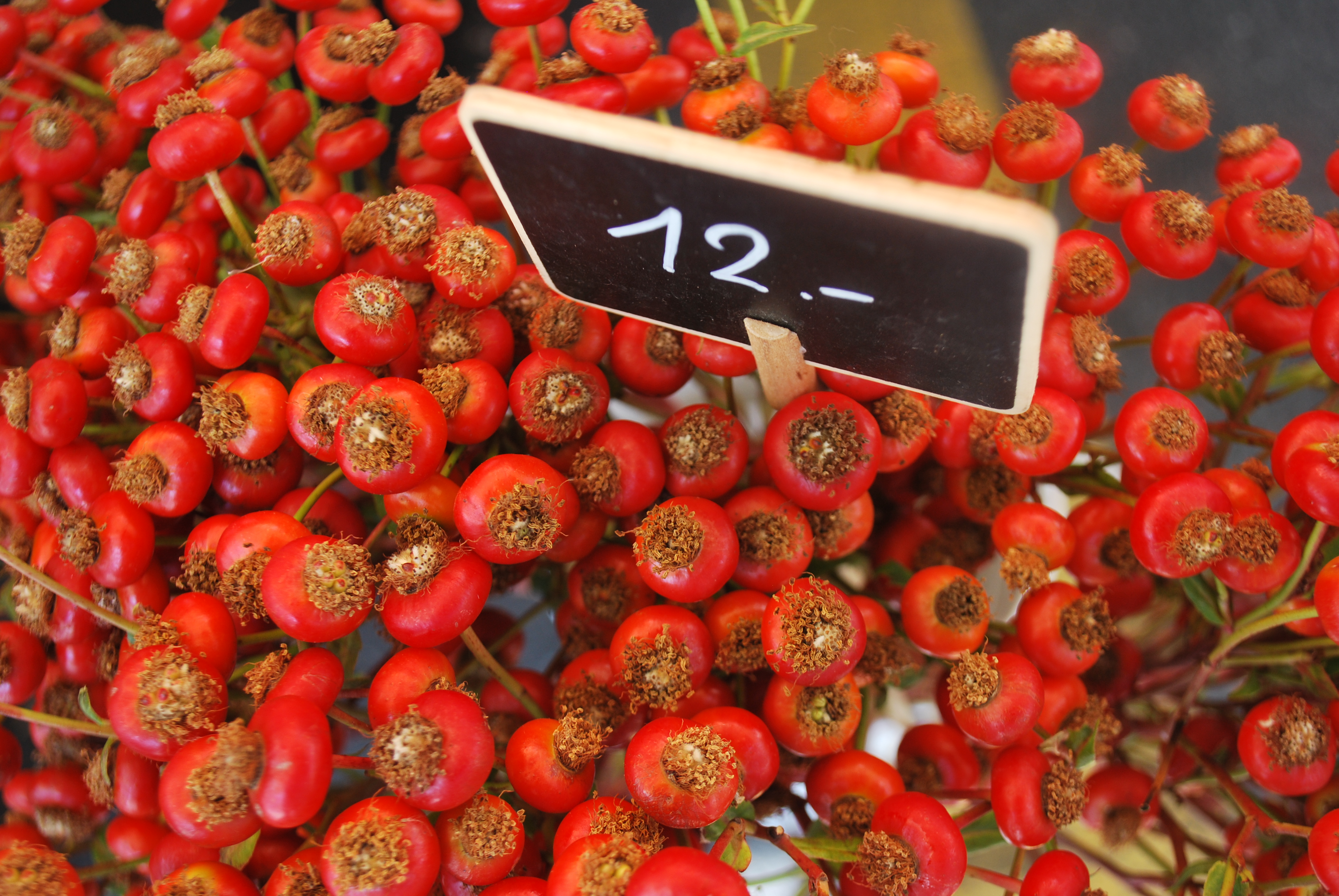
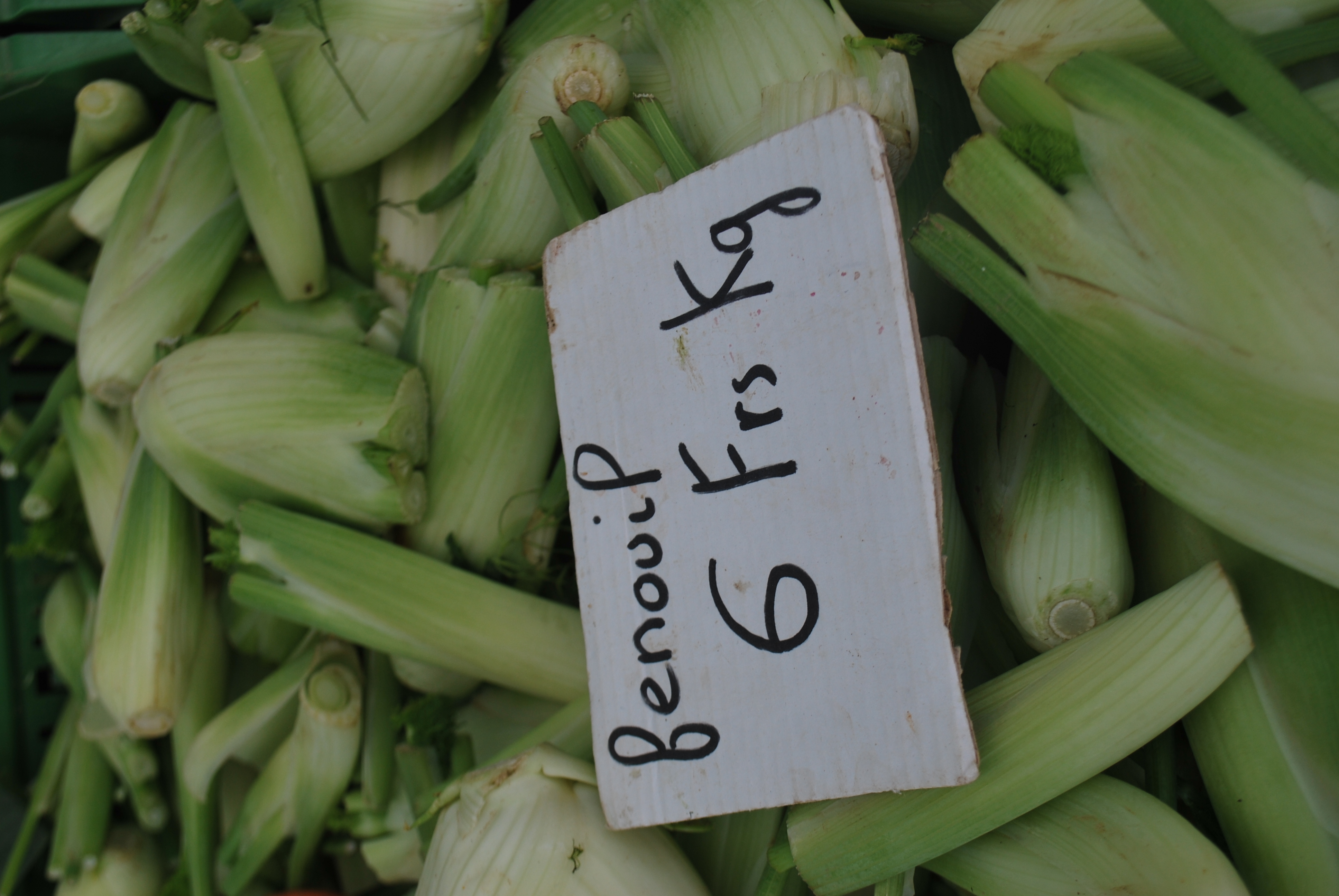
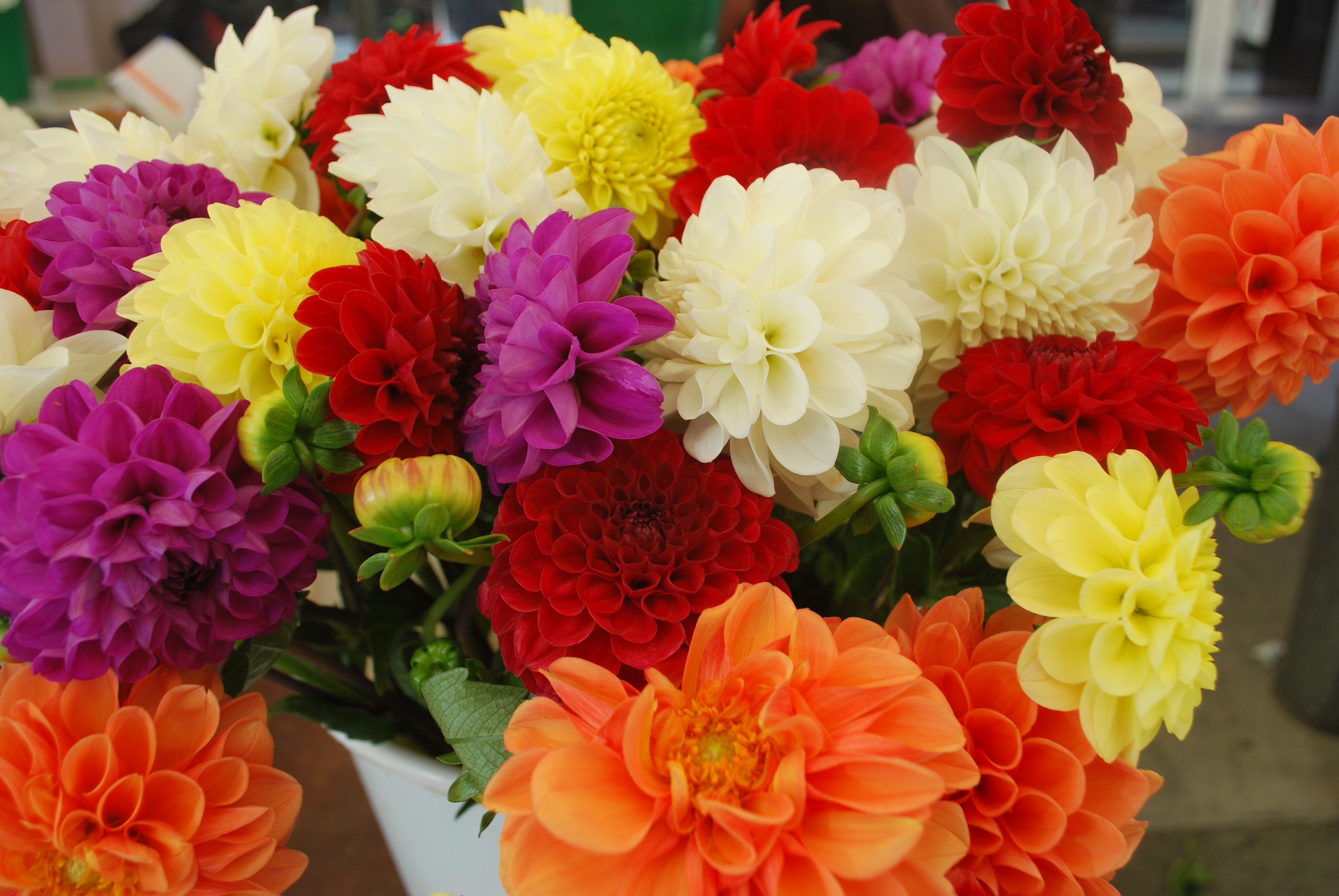
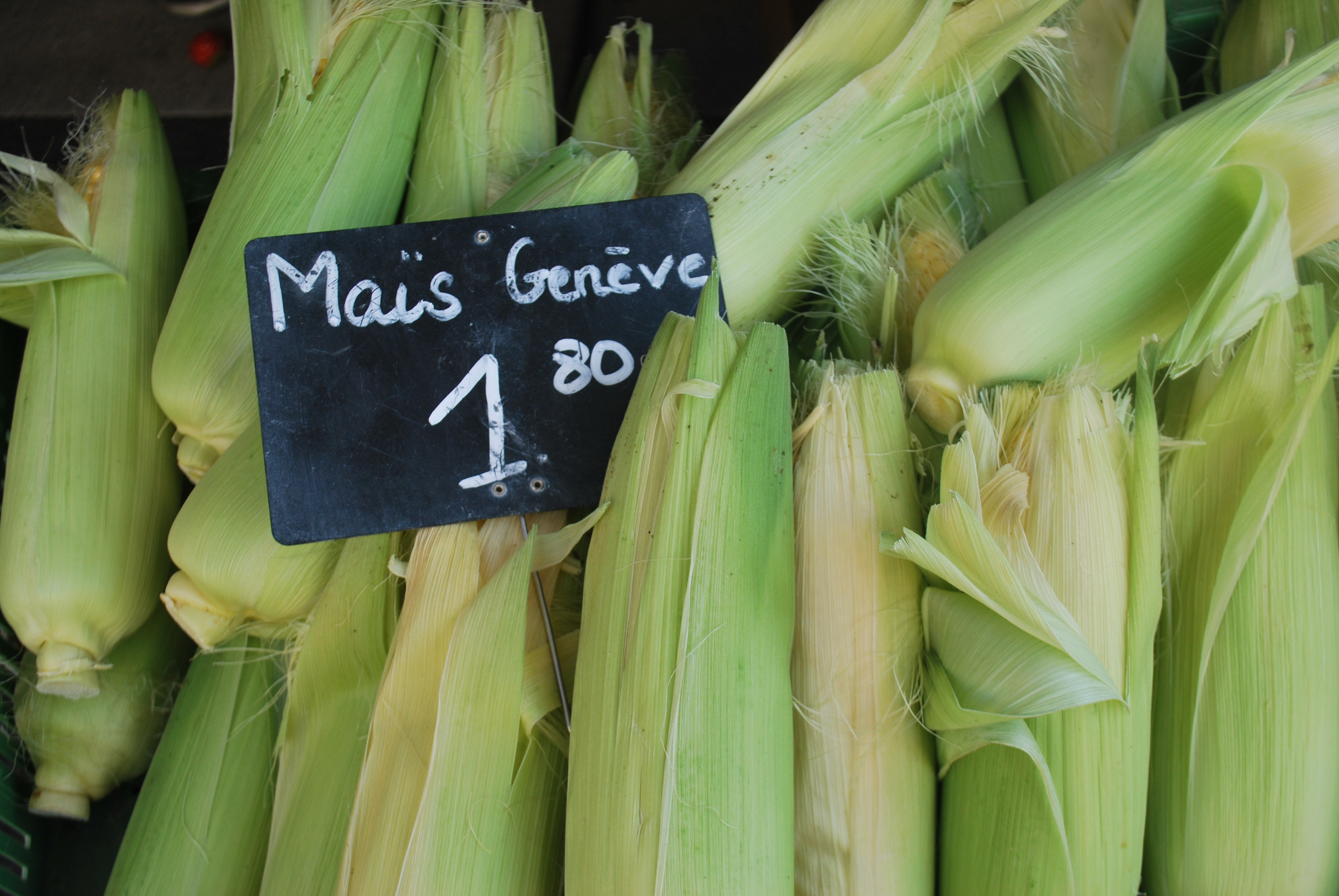
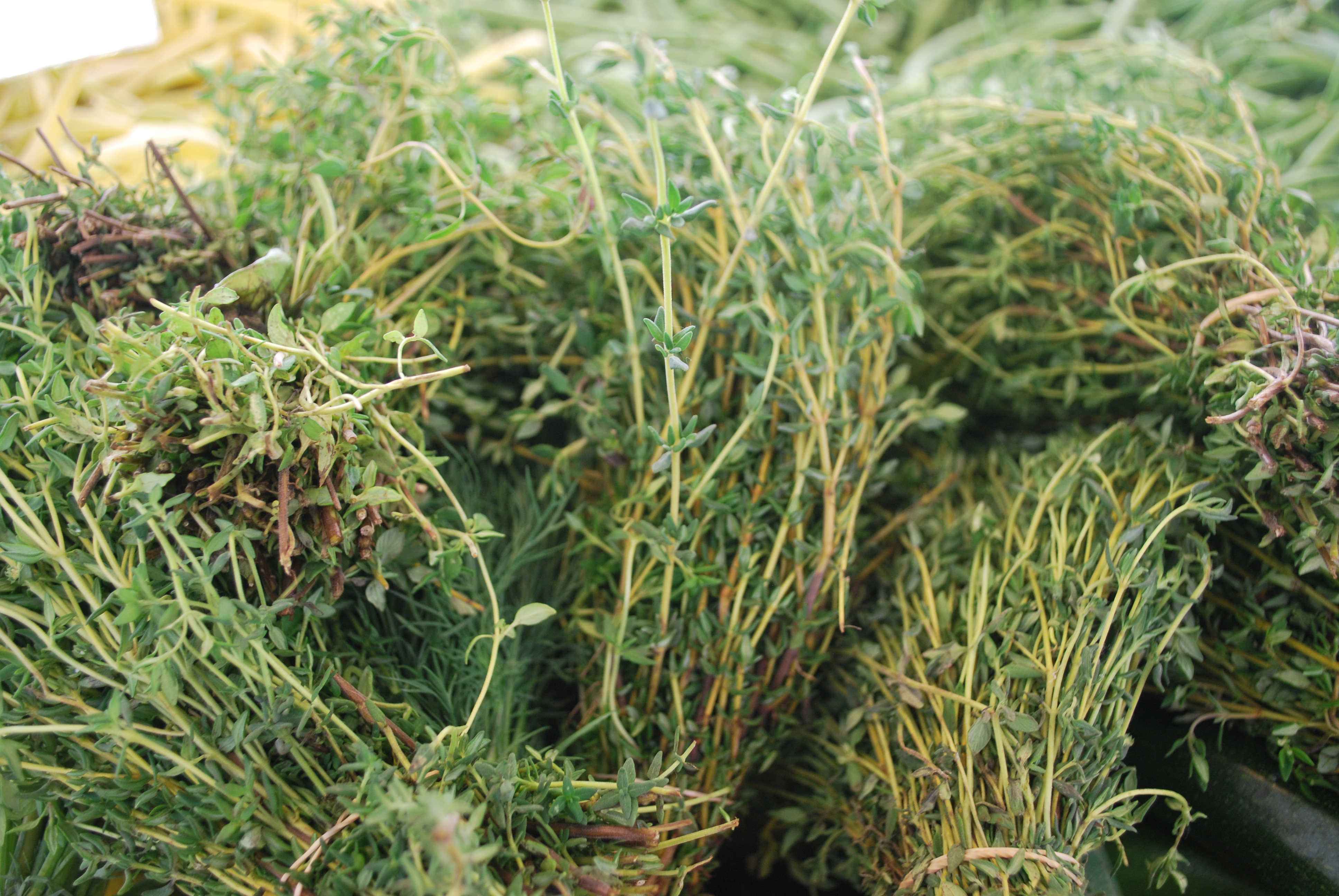
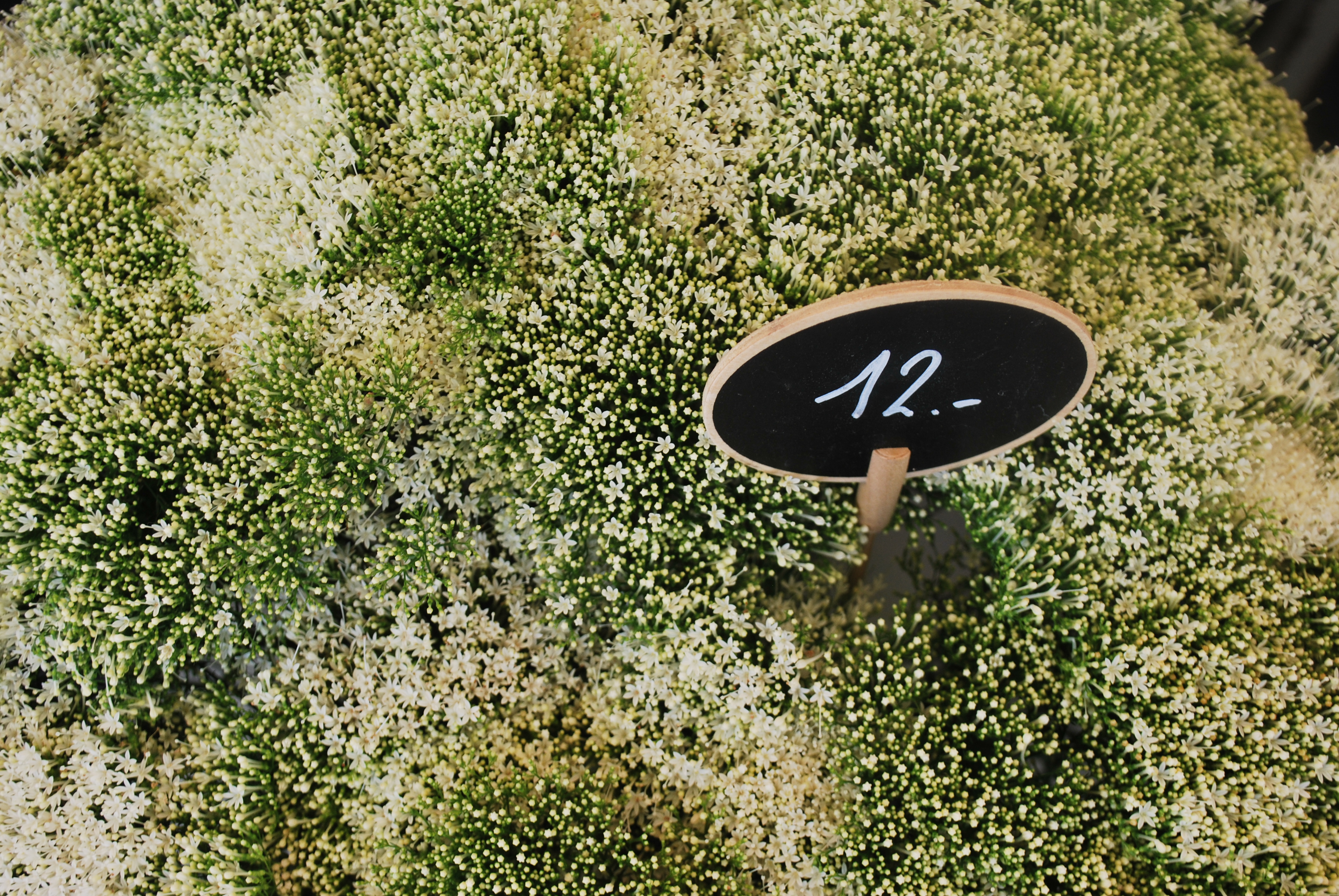
Take a walk through the late August farmers market in Switzerland with Jonell Galloway.

Never miss a post
Name: 
Your email address:*
Please enter all required fields
Correct invalid entries

Fermented Food Recipes: Oi Sobagi (Stuffed Cucumber Kimchi)

Published by Saturday, September 1, 2012 Permalink 0

Fermented Food Recipes: Oi Sobagi (Stuffed Cucumber Kimchi)

by Jonell Galloway

To add to our ongoing series on fermentation, we invite you to take a look at this stuffed cucumber kimchi, a recipe developed by Korean-American Hyosun Ro on her wonderfully rich Korean food blog Eating and Living, now called Korean Bapsang.


Never miss a post
Name: 
Your email address:*
Please enter all required fields
Correct invalid entries

The Art of Tasting Wine with James Flewellen: Using your nose: Aromas in red wines

Published by Friday, August 31, 2012 Permalink 0

by James Flewellen

Like white wines, the aromas of reds can similarly be broken up into ‘fruity’ and ‘non-fruity’ categories. Rather than a fruit ‘spectrum’, however, I tend to think of red wines in terms of red fruit and black fruit. Some of the lighter, more ethereal red wines have notes of redcurrant, cranberry, raspberry and strawberry, while in fuller-bodied wines you’ll often find luscious blackcurrant, blackberry and damson. Some wines, notably Pinot Noir can straddle the red fruit-black fruit divide, while I often find cherry and red plum notes specifically in Italian varietals.

I mentioned that with white wines, the position of the wine’s aroma profile along a ‘spectrum’ can indicate the ripeness of the fruit, and thus the climate in which the vine has grown. There is an analogue with red wines, where wine from cooler climes may smell (and taste) more of tart, fresher fruit while wine from wamer places will have notes of ripe, jammy or even baked fruit. Think of the subtle notes of fresh raspberries versus the heady aroma of a pot of homemade raspberry jam on the boil. Grapes from very hot places can have yield wines with dried fruit notes such as raisin, prune or date.

Some fruit aromas found in red wine

It’s perhaps worth mentioning here, that other than flavouring added by maturation in oak barrels, the flavours and aromas in wine come entirely from the fermentation of grapes. Grapes are not so far removed from other fruits on the evolutionary tree that it should come as no surprise that we might find some of the same chemicals in grapes as we do in apples, cherries or blackberries. Over millennia humans have domesticated the vine and carried out a series of genetic selections to bring forward different characteristics in what we now term different ‘varieties’ of the vine.

On the whole, red wines are more suited to oak ageing than whites. Thus we’ll often get the characteristic vanilla or coconut notes from wines that have seen, respectively, new French or American oak. More red wines will be aged in what is termed ‘old oak’ or ‘second use’ barrels. These are barrels that have already been used for one vintage and have thus imparted most of their bright, toast and vanilla aromas to a previous wine. Their effect on a subsequent wine is thus more subtle, and in such wines you’ll often find aromas of nuts — hazelnuts and walnuts are the two I find more commonly — and also coffee, mocha and chocolate.

Image Copyright James Flewellen. All Rights Reserved.

French oak barrels used for maturing red wine in Bordeaux.

Red wines too have a broad spectrum of non-fruit aromas. Wine writers and critics have come up with all sorts of interesting descriptors to attempt to communicate these sensations to their readers, and although they may sound rather rude, they are in fact (usually) complimentary. Some that spring to mind are farmyard, wet wool, horse manure, charcoal, ash and earth.

Spices too are a rich vein to tap for red wine aroma descriptions. Licorice, anise, Chinese five-star, pepper – both white and freshly ground black, juniper, cloves, nutmeg to name a few.

Some red wines have a herbaceous aspect to their aroma profile. Cabernet Sauvignon from a relatively cool climate famously has a note of ‘green bell pepper’. Cabernet Franc can smell grassy and leafy while Pinot Noir can bring forth hints of mushroom or autumnal leaves. Others still have floral aromas.

The most interesting wines will smell of many things; the aroma will swirl, morph and change over time in the glass; with bottle age, even more aromas come to the fore while other recede into the background. And of course different people will notice different things in the same glass of wine. Smell is a very powerful  trigger for memory — which perhaps explains some of the more poetic descriptions for wine aromas. The great thing is that there are no wrong answers — nobody else has your olfactory sense nor your memories top draw upon. What can be frustrating to begin with is not to have the right vocabulary for describing what you smell. The best way to solve this is to buy some fruit, or some flowers, or some spices and just smell them! It might seem a bit mad but surely, not to notice what your wine smells like is to miss out on at least half the fun!

__________________

James Flewellen is The Rambling Epicure wine columnist. James is a biophysicist at the University of Oxford. Originally from New Zealand, the huge range of wine James discovered in Europe spurred his interest in all things vinous. He became involved in the University’s Blind Wine Tasting Society and has recently completed a two-year term as its President. During this time he represented the University in a number of domestic and international wine tasting competitions, winning several awards. He is currently completing the WSET Diploma in Wine and Spirits. James has a passion for wine communication and education and runs the Oxford Wine Blog and the Oxford Wine Academy.

Never miss a post
Name: 
Your email address:*
Please enter all required fields
Correct invalid entries