by Jonell Galloway
Click here to keep up with the latest in world food and wine news.

Related articles
|
|

A Literary Culinary Journal
by Jonell Galloway
Click here to keep up with the latest in world food and wine news.
|
|

by Alice DeLuca
We’re turning down the new thermostat daily, stubbornly staving off the inevitable start-up of the furnace for the coming home-heating season. It’s the hot soup season and the knitting season also, so there are reasons to celebrate. Animals are busy storing everything they can get their paws on, for a long winter of curled up dreaming. I picture them underground and know why some people covet their fur coats. My coat of choice is made from the knitted wool of sheep, and to the sheep I am grateful.
Our new Nest thermostat is “smart” in that it knows what we are doing, but we maintain the illusion of control by tweaking it via tablet technology, even from remote locations. The designers thought of everything, down to the specially designed stickers for labeling the wires during installation. We’re hoping we won’t have to fool this new thermostat in to turning on when the temperature dives like a submarine, the first week of January; nor will we be tempted to put a space heater under it to keep it warm so it won’t activate the furnace, as my father used to do with his mercury-switch driven thermostat from those days.
When the temperature drops, the Canada geese start making tracks. Often they are flying south, but sometimes they appear to be confused and fly east or north, which is because some of them winter-over. The V-formations of confused geese overhead is another clear indication that the time has come to consider hot soup.

Japanese soup
|
|
The belly is the reason why man does not mistake himself for a god.–Friedrich Nietzsche, 1886
Friedrich Nietzsche (1844–1900) was a German philosopher of the late 19th century who challenged the foundations of Christianity and traditional morality. Central to his philosophy is the idea of “life-affirmation,” which involves an honest questioning of all doctrines that drain life’s expansive energies, however socially prevalent those views might be.

|
|
 by Renu Chhabra
Drink your tea slowly and reverently, as if it is the axis on which the world earth revolves — slowly, evenly, without rushing toward the future.–Thich Nat Hahn


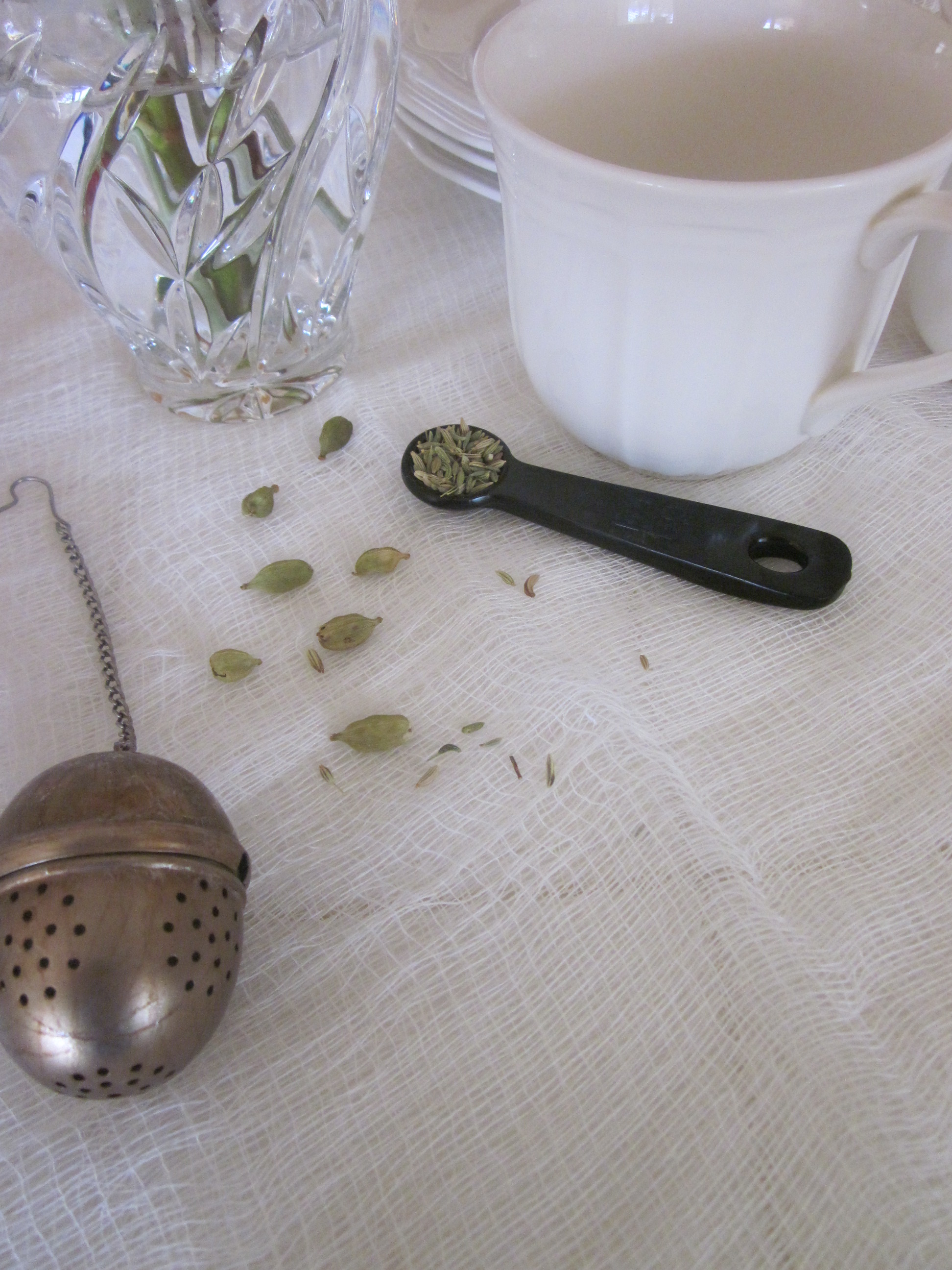
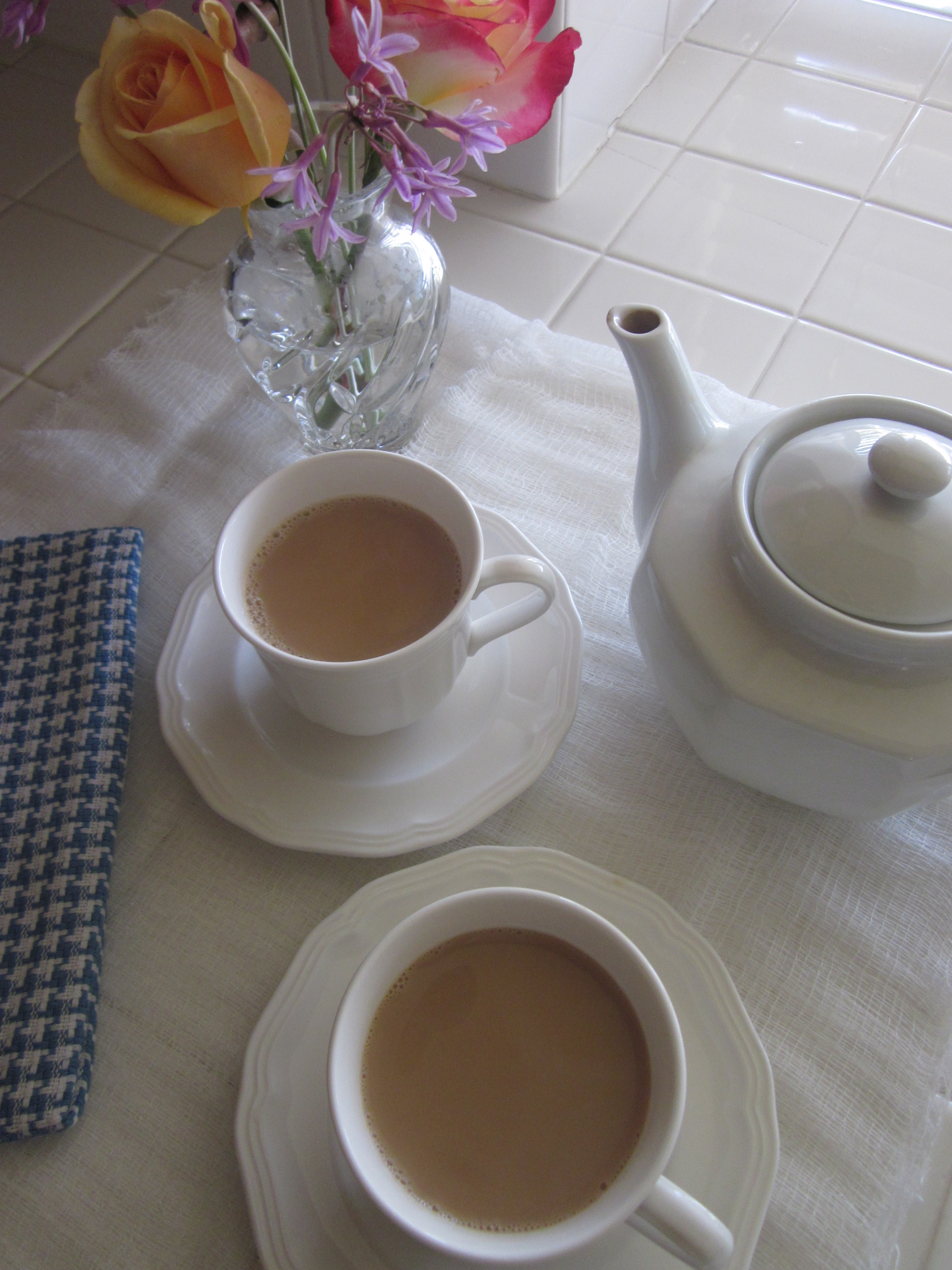



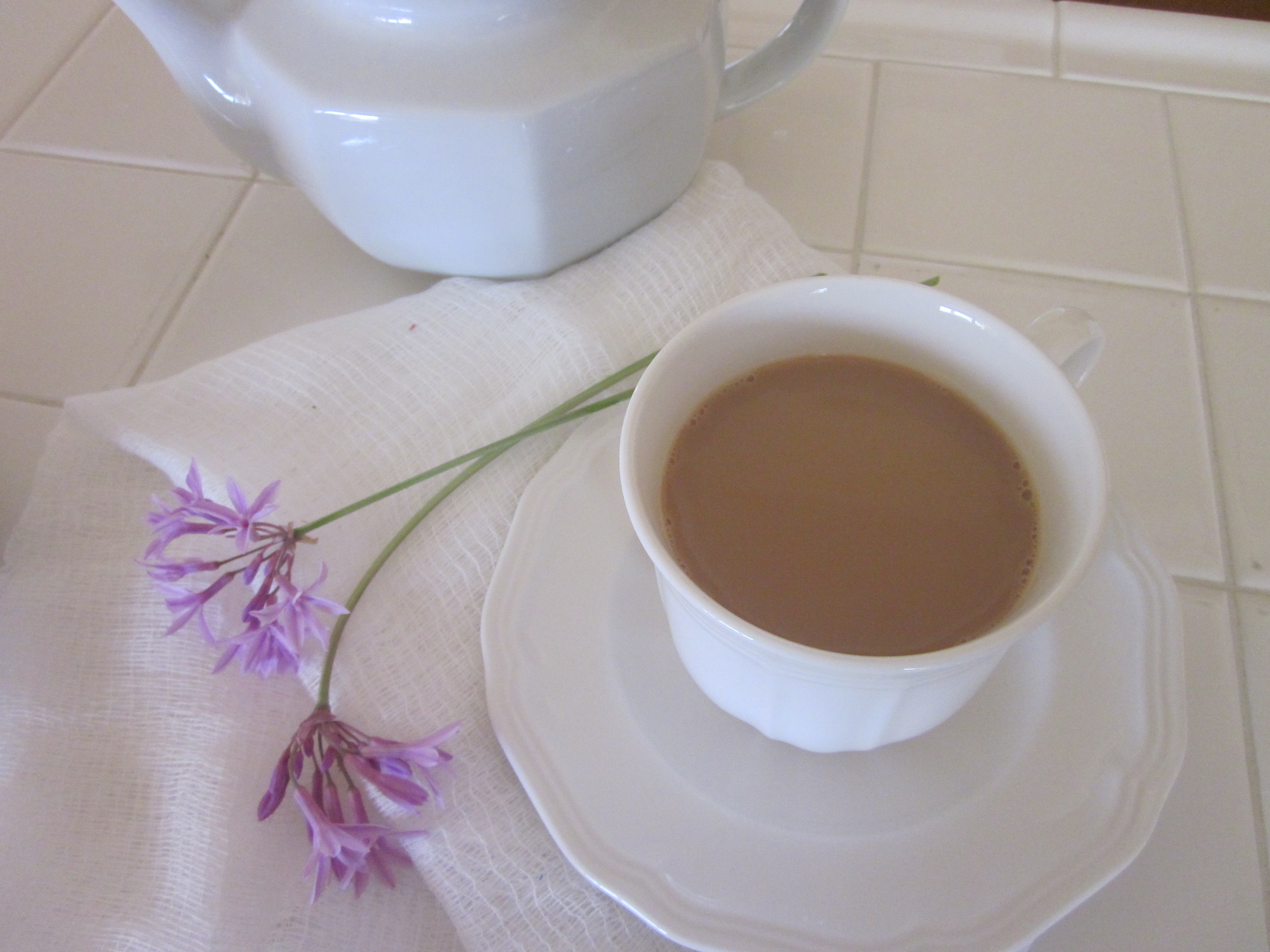

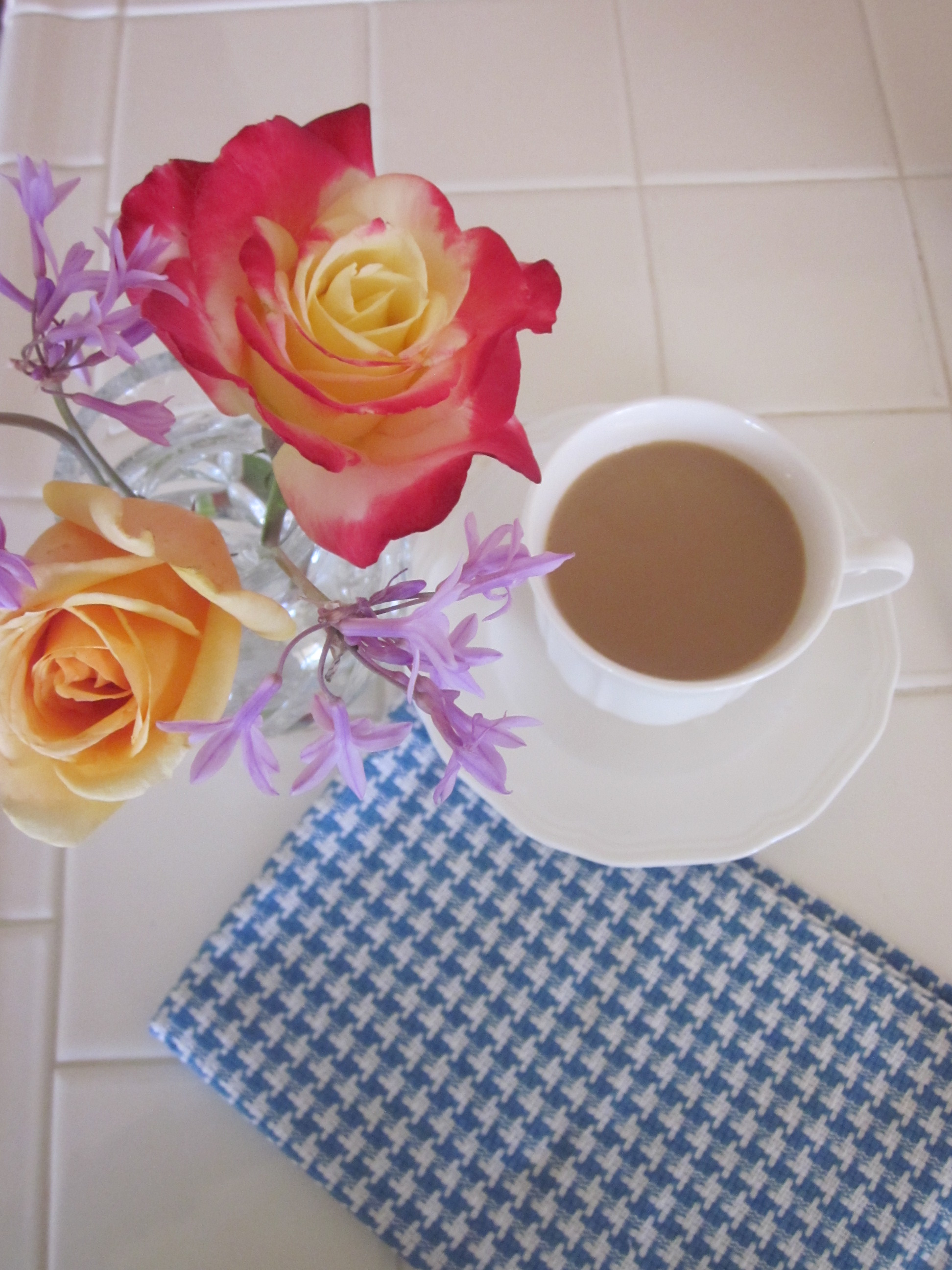
There is a great deal of poetry and fine sentiment in a chest of tea.–Ralph Waldo Emerson
|
|
 by Jonell Galloway
Click here to keep up with the latest in world food and wine news.

Photo by Prerna Singh
|
|
The whole of nature is a conjugation of the verb to eat, in the active and the passive.–William Ralph Inge, 1920
William Ralph Inge was an English author, Anglican priest, professor of divinity at Cambridge, and Dean of St Paul’s Cathedral, which provided the appellation by which he was widely known, “Dean Inge.” Author of thirty-five books, he is best known of for his works on Plotinus and Christian Neoplatonic philosophy, and Christian mysticism.

|
|
by Jonell Galloway
Click here to keep up with the latest in world food and wine news.
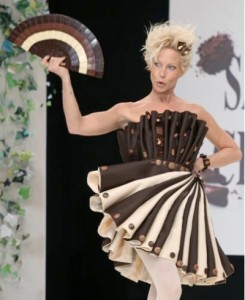
Black and white chocolate cocktail dress, Salon du Chocolate 2011, Zurich, Switzerland.
|
|
At a dinner party one should eat wisely but not too well, and talk well but not too wisely.–W. Somerset Maugham, 1896
W. Somerset Maugham was an English playwright, novelist and short story writer who also held a medical degree. Maugham could have been a surgeon, but chose to use his medical background to influence his writing, as it did in his first novel in 1897 Liza of Lambeth, which was a tale of working-class adultery.
|
|
Click here to keep up with the latest in world food and wine news.

|
|
Feasts must be solemn and rare, or else they cease to be feats.–Aldous Huxley, 1929
Aldous Huxley English novelist and critic, best known for his novel Brave New World (1931). Besides novels he published travel books, histories, poems, plays, and essays on philosophy, arts, sociology, religion and morals. Even today, Brave New World is so influential that an entire website is devoted to his writing.
|
|
 Meet Jonell Galloway, a freelance writer and editor specialized in French cuisine.