Recent Posts by Jonell Galloway

Mindful Eating from a Buddhist Point of View

Published by Sunday, August 25, 2013 Permalink 0


The Rambling Epicure, Editor, Jonell Galloway, food writer.Mindful Eating from a Buddhist Point of View

by Jonell Galloway

I’ve been talking a lot about Mindful Eating lately. It’s a term that came to me out of the blue, and only weeks later did I realize that I picked up the word “mindful” in my many years of studying Buddhism and Hinduism. I studied these for so long that the vocabulary has become somewhat incorporated into my way of expressing myself and my subconscious. I am mindful; I live mindfully.

As a result, before publishing my own Mindful Eating Manifesto – a practical approach to my favorite subject of food – I only thought it fair to publish the somewhat more philosophical article by Buddhist thinker and teacher Thich Nhat Hanh.

Traditional Buddhist and Hindu teachings urge us to be mindful about every act, at every moment, every day of our lives. The word “mindful” is not a trademark. It is a way of being. Mindfulness gives meaning to every action, and creates a sharper awareness and a greater understanding of the interconnectedness of all living things.

What does mindfulness have to do with the way I eat?

This may not seem to have anything to do with how you eat, but indeed it does. It’s the current food trend in the developed world, and I feel confident that it will spread at a rapid pace. Eating is not just about filling your belly.

Continue Reading…

Never miss a post
Name: 
Your email address:*
Please enter all required fields
Correct invalid entries

The Mindful Eating Series: Interview with Geneva Farmer David John Kong-Hug

Published by Friday, August 23, 2013 Permalink 0

The Mindful Eating Series: Interview with Geneva Farmer David John Kong-Hug

by Jonell Galloway

In the context of the concept of Mindful Eating, I plan on posting a series of articles that show people who are already practicing this in one way or another, without necessarily calling it by that name.

I’d like to start with an article about Geneva farmer, foodie and ecologist, David John Kong-Hug, whose family’s fruit and vegetables have given my family and me endless satisfaction and nourishment.

I see in the Hugs the same integrity and pride in what they do as I saw in the land of Wendell Berry. There is a mutual satisfaction when he puts an organic red pear into my hands and tells me exactly how to make my rissole. We form a mutual appreciation society; we have a mutual “affection” for the product and awareness of the hard work and care that went in to producing it.

David is a linguist and speaks so many languages I couldn’t possibly name them all. He has traveled extensively, and lived in South America, Asia, the Middle East and Europe.

He grew up on the family farm in Vandœuvres, right outside Geneva, and has never lost his love and respect for the land. He started working on the family farm from a young age, where he remained while studying agriculture and later doing a Ph.D. in environmental management.

Like the Swiss, like Wendell Berry, the love of land and soil is in his blood. With this personal history, need we ask what he thinks about Mindful Eating?

Interview with David John Kong-Hug

We are one of the last Genevan families who sell organic vegetables and fruits grown in our little one-hectare farm in Vandoeuvres (GE) along the Seymaz river. We have been working at the Rive and Carouge farmers market since 1946. For us, eating organic is a misnomer. Food is organic by its very nature! But since the green revolution in the seventies, food has become partly chemical. We have always refused to use chemicals on our land. How could we poison our land and water, add sulfites to the food we eat, feed our animals and serve to people?

Until the seventies, people took seasonal crops as a given. They knew that tomatoes with irregular shapes and apples with flaws were actually natural and tasty. They did not ask for strawberries in winter. Our tomatoes are not calibrated and cannot be kept for two months in the fridge. In winter, eating soups made of seasonal vegetables such as pumpkin, cabbage, leek, radish bring all the nutrients the body needs. Winter salads, such as bitter chicory or endive, are bitter in order to compensate for the extra fat people add by eating more meat when it’s cold.

Organic products are a bit more expensive than the industrial ones for two reasons. First of all, growing organic food is labor-intensive. Soils have to be weeded manually; manure spread evenly with the pitchfork; then fragile crops have to be covered with linen sheets to prevent birds from eating them. Greenhouses also protect from the cold and the predators, but field mice dig from underneath. As a result, a good deal of the production is lost, and only one third is actually brought to the market stall.

The second reason is that organic farming is not subsidized at all. Agro-industries that grow specific crops, sold to certain wholesalers, receive subsidies for mechanization, pesticides and fertilizers. The chemical and agro-industrial lobby in Switzerland is very strong. Pesticides and fertilizers are therefore indirectly sponsored by the government, that is to say the taxpayers.

These chemicals are necessary for intensive, calibrated and zero waste agriculture. Produce is harvested before it is ripe and sometimes kept a month in enormous refrigerators before being delivered to supermarkets. Local organic farmers still harvest at 4 A.M. the very day of the market. Their produce has to be sold within two or three days, or otherwise composted.

Unfortunately, selling bio or organic has become a business niche, not only for the large retail stores, but also for the government. Acquiring a green label is outrageously expensive for small independent farmers. Besides, their norms do not measure levels of pathogenic elements, but concern hedges and fallow, water conservation and soil erosion, which local farmers have been implementing for decades.

Therefore we created our own label “EKO”, for which we claim homegrown organic seasonal vegetables and fruits, aiming at eighty – ninety percent organic and chemical-free, which our customers recognize thanks to the taste and quality. Being an organic farmer is challenging. We just hope that our customers find their way to both the heart and stomach.

  • “Bringing It to the Table” by Wendell Berry
  • Wendell Berry: No technological fix to climate change
  • The Missouri Table: A Response to Ethical Foodies From a ‘Factory Farmer’
  • The Importance of Agriculture
  • Manifesto: The mad farmers liberation front
Never miss a post
Name: 
Your email address:*
Please enter all required fields
Correct invalid entries

Food Art: Sour Cream Coffee Cake, food photography by Brian Samuels

Published by Thursday, August 22, 2013 Permalink 0


Food Art: Sour Cream Coffee Cake, food photography by Brian Samuels

Brian is a Boston-based food photographer and writer. He is the creator of the food blog A Thought For Food, a collection of recipes, personal anecdotes and historical information pertaining to cooking.

His photographs are available for viewing on his photography site, Brian Samuels Photography. Brian’s work has also been featured on Saveur , The Kitchn , Tastespotting, and FoodGawker.


Never miss a post
Name: 
Your email address:*
Please enter all required fields
Correct invalid entries

Food Art: Green Bean Salad, food photography by Brian Samuels

Published by Thursday, August 22, 2013 Permalink 0


Food Art: Green Bean Salad, food photography by Brian Samuels

Brian is a Boston-based food photographer and writer. He is the creator of the food blog A Thought For Food, a collection of recipes, personal anecdotes and historical information pertaining to cooking.

His photographs are available for viewing on his photography site, Brian Samuels Photography. Brian’s work has also been featured on Saveur , The Kitchn , Tastespotting, and FoodGawker.


Never miss a post
Name: 
Your email address:*
Please enter all required fields
Correct invalid entries

Spontaneous Cuisine: Easy Corn Flan

Published by Wednesday, August 21, 2013 Permalink 0


From the archives

Recipe: Easy Corn Flan (Corn Pudding)

Ingredients

© Copyright 2008 Corbis Corporation, no rights photo


 500 g / 1 lb. of fresh corn, cut off cob, or canned corn, drained
2 eggs
1 T. of fresh chives
2 dl / 1 cup crème fraîche
Optional: 1/4 cup fresh chives, chopped (optional)
Small baking dish
Another baking dish that is a little larger to make a bain-marie

Corn_Pudding-202x131-custom

Instructions

  1. Preheat oven to 180°C / Mark 7 / 350° F.
  2. Put 8/10 of corn in a food processor. Blend until smooth.
  3. In a large mixing bowl, beat eggs. Add cream and corn from food processor. Beat gently until smooth.
  4. Fold in remaining corn kernels and chives. Salt and pepper to taste.
  5. Pour mixture into smaller baking dish. Put smaller baking dish into larger one. Pour hot water in bottom dish, about half-way up.
  6. Bake for 30 minutes or until flan sets.


Continue Reading…

Never miss a post
Name: 
Your email address:*
Please enter all required fields
Correct invalid entries

Food Art: Food Compositions, a Food Photography Exhibition by Meeta Khurana Wolff

Published by Monday, August 19, 2013 Permalink 0


A new Food Art exhibition by talented photographer Meeta Khurana Wolff, one of The Rambling Epicure Voices.


Meeta K. Wolff’s Bio

Meeta Khurana Wolff is a freelance food photographer, stylist and writer, currently living in the culturally rich city of Weimar in Germany with her German husband and their 8-year-old son, where she enjoys preparing multicultural, home-cooked meals using fresh organic ingredients. When she is not styling, photographing or writing about food, Meeta loves to travel the world, exploring new cultures and capturing it all on camera. The unique mood that Meeta creates in her food photography is also found in her travel, still life and landscape photography.

Born in India, Meeta was brought up in and went on to train in some of the world’s finest hotels, where food was always an important part of her life. Her love for food photography stems from her passion for food itself, and she combines her two greatest enthusiasms on her multifaceted, award-winning blog, What’s For Lunch, Honey? The recipes she develops and creates are documented by her powerful, yet refreshing, food photography and styling.


Never miss a post
Name: 
Your email address:*
Please enter all required fields
Correct invalid entries

Switzerland: Fresh-fruit Marmalade and Meringue Recipe

Published by Sunday, August 18, 2013 Permalink 0

Switzerland: Fresh-fruit Marmalade and Meringue Recipe

Spontaneous Cuisine, by Jonell Galloway

From the archives

We often think of traditional Swiss meringue as winter food, but it can also be great with summer fruit, such as plums, berries, apricots, etc., either mixed or on their own.

This recipe can also be appropriate to make with children. They will especially love using the pastry sleeve to decorate the marmalade.

Recipe

Click here for metric recipe converter

Marmalade

1 kg fruit
Approx. 1 dl water
Sugar to taste
  1. Wash fruit. If it has stones, cut in half and remove stones.
  2. Place fruit in a saucepan, preferably copper or stainless steel.
  3. Add water. Cover.
  4. Cook on medium until the fruit starts to “melt” and lose its shape.
  5. Add sugar and mix well.
  6. Set aside to cool.

Note: If you want it to be smooth like a coulis, run it through a chinois or fine colander or sieve.

Meringues

3 egg whites (large free-range or organic eggs give a lot better taste and result)
100 g white castor sugar
  1. Put egg whites in a large mixing bowl. Beat until they form stiff peaks.
  2. Little by little, fold in sugar until the mixtures forms a very stiff paste.

Assembly

  1. Preheat oven to 175° C.
  2. Butter an oblong baking dish.
  3. Evenly spread marmalade in baking dish.
  4. Use a rubber spatula to spread egg white mixture evenly over marmalade or use a pastry bag to spread it in a decorative manner.
  5. Lightly sprinkle with sugar.
  6. Bake in oven for about 10 minutes or until lightly golden.


Never miss a post
Name: 
Your email address:*
Please enter all required fields
Correct invalid entries

Elements of Wine 5: Tannin

Published by Monday, August 12, 2013 Permalink 0


//

James Flewellen photo, wine tasting expert, The Art of Tasting Wine: James FlewellenElements of Wine 5: Tannin

by James Flewellen

Tannins are compounds found in the grape skin, pips and stem. They are released into wine during the winemaking process that sees the grape juice fermenting in contact with the crushed skins. Skin contact is rare in making white wine, as the aim is to avoid too much leaching of tannin and colour compounds from the skin. Thus, we usually associate tannins with red wines.


English: Tannin Deutsch: Tannin

Tannin powder


Tannins act as preservatives in red wines and facilitate the slow bottle ageing process. This sees both flavour and tannin compounds (collectively called phenolic compounds) come together in slow chemical reactions. Flavours and aromas change from primary fruit notes to tertiary savoury ones and tannins clump together to form the sediment you find in aged red wines, simultaneously softening the effect of the tannin on the palate.

When we taste a tannic red wine, we notice a furry, drying, puckering sensation. This is the effect of tannins interacting with the inner surfaces of our cheeks and gums. This has an important role in matching wine with food as tannin compounds bind to proteins in food to form precipitates. Thus goes the conventional wisdom of red meat (high in protein) with red wine (high in tannin).

Phenolic acid in wine


The presence of tannins on the palate is notoriously difficult to describe qualitatively. There’s no standardised vocabulary for exactly how these chemicals interact with our mouths. As a guide, focus on both the quantity and the quality of tannins. They can be plentiful or few, fine or coarse, smooth or rough; grippy, chewy, astringent, supple or even ‘green’ (an expression for tannins originating from unripe grapes). The effect of tannins reminds some people of particular textures – either real or imagined – such as sand or crushed shells. I personally visualise tiny grains interacting with my inner cheeks. These ‘grains’ vary in quantity, size (how penetrating the tannins are) and shape (how rough or smooth they come across).

Sign up for Jonell Galloway and James Flewellen’s  “Celebrate the Chartres Festival of Lights & Autumnal Equinox with a Food & Wine Tasting Masterclass” in France from September 19 to 22, 2013.

Chartres Cathedral Lighted, creative common license, photographer unknown


About James Flewellen

Dr James Flewellen is a biophysicist at the University of Oxford. James learned his trade in taste through the Oxford Blind Wine Tasting Society, of which he was the President from 2010-2012. During his term, he represented Oxford at many international blind tasting competitions – twice winning the prestigious ‘Top Taster’ Award in the annual Varsity blind tasting match against Cambridge University and captaining winning teams in competitions throughout Europe.

One of James’s goals is to clarify the complex and hard-to-navigate world of wine for both novice and experienced tasters. He applies his scientific training to wine education, illuminating concepts of taste, tannin and terroir in an approachable, entertaining manner. James runs wine education courses in Oxford through the Oxford Wine Academy and is completing the WSET Professional Diploma in Wine and Spirits. He is the regular wine writer for The Rambling Epicure and is the founder of  The Oxford Wine Blog. He is also currently co-authoring The Concise Guide to Wine and Blind Tasting – a book surveying the wine regions of the world and how to blind taste.


Never miss a post
Name: 
Your email address:*
Please enter all required fields
Correct invalid entries

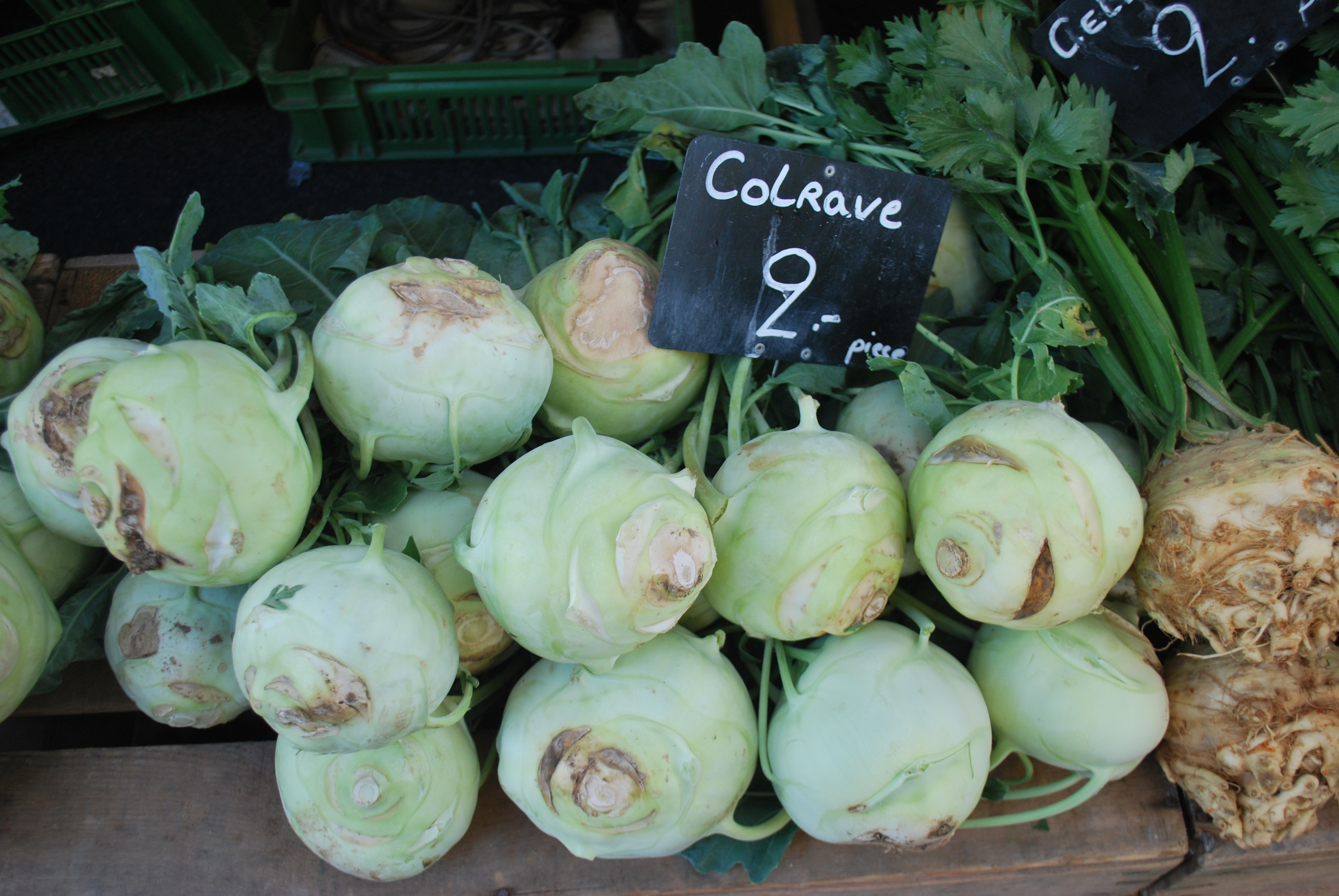
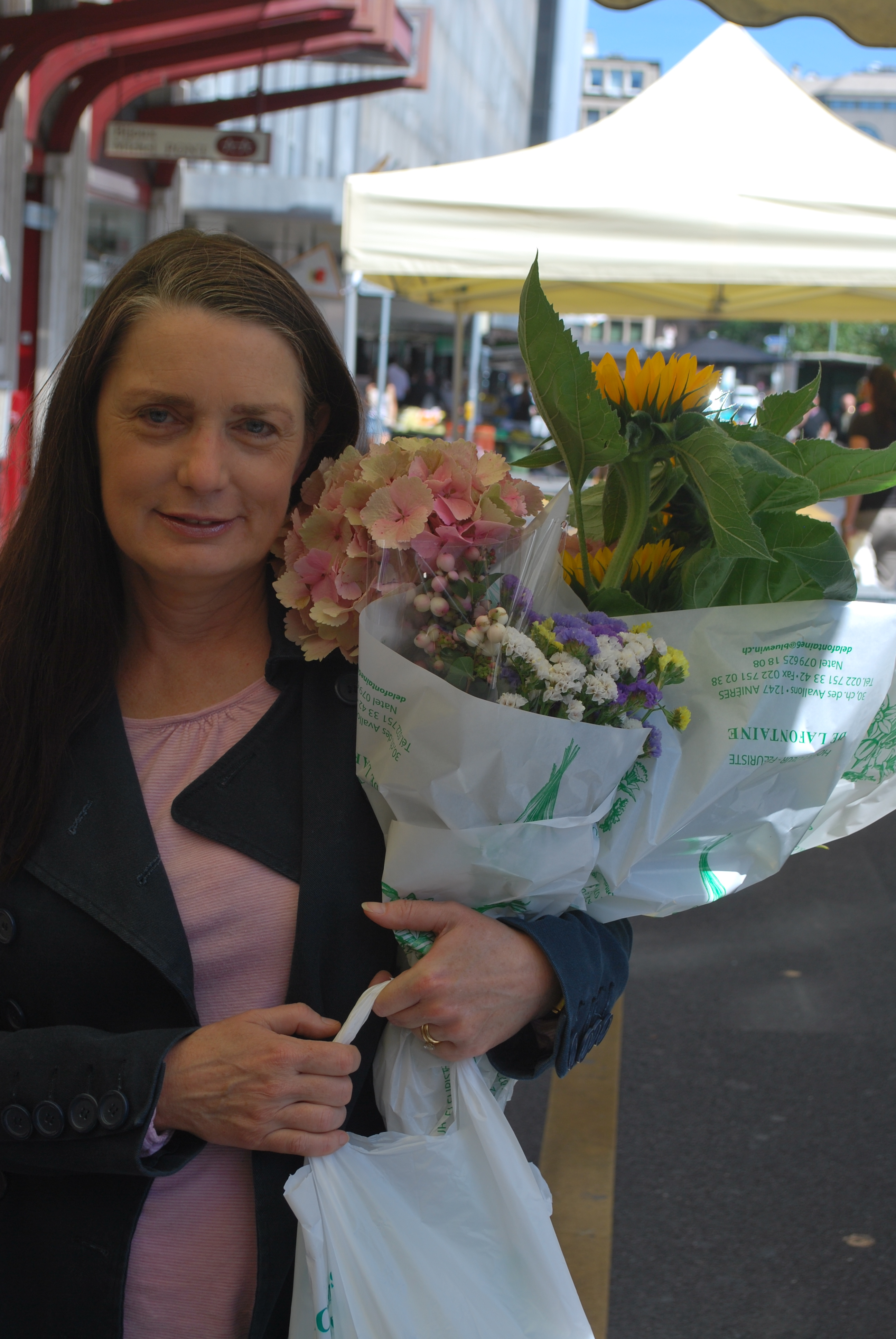
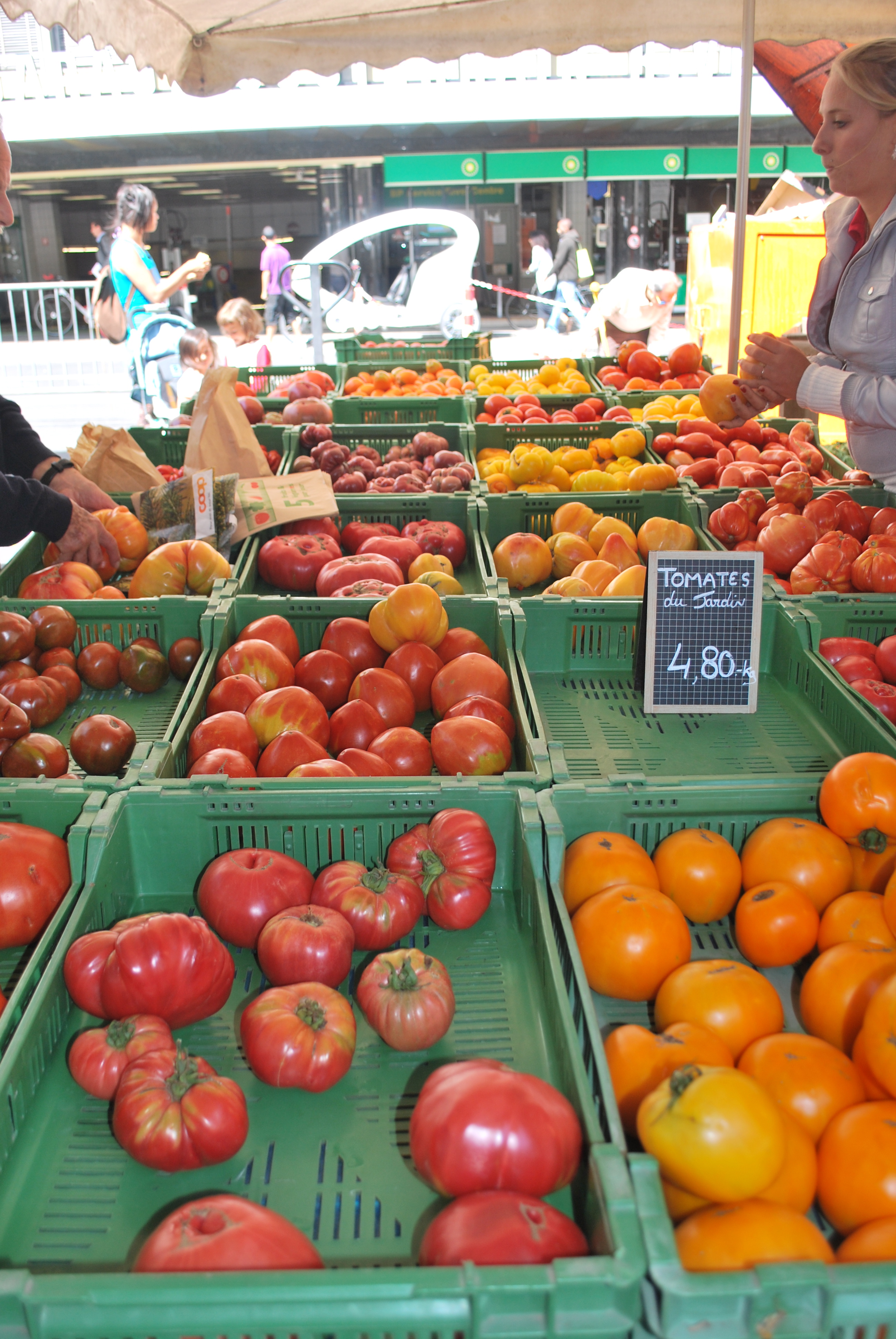
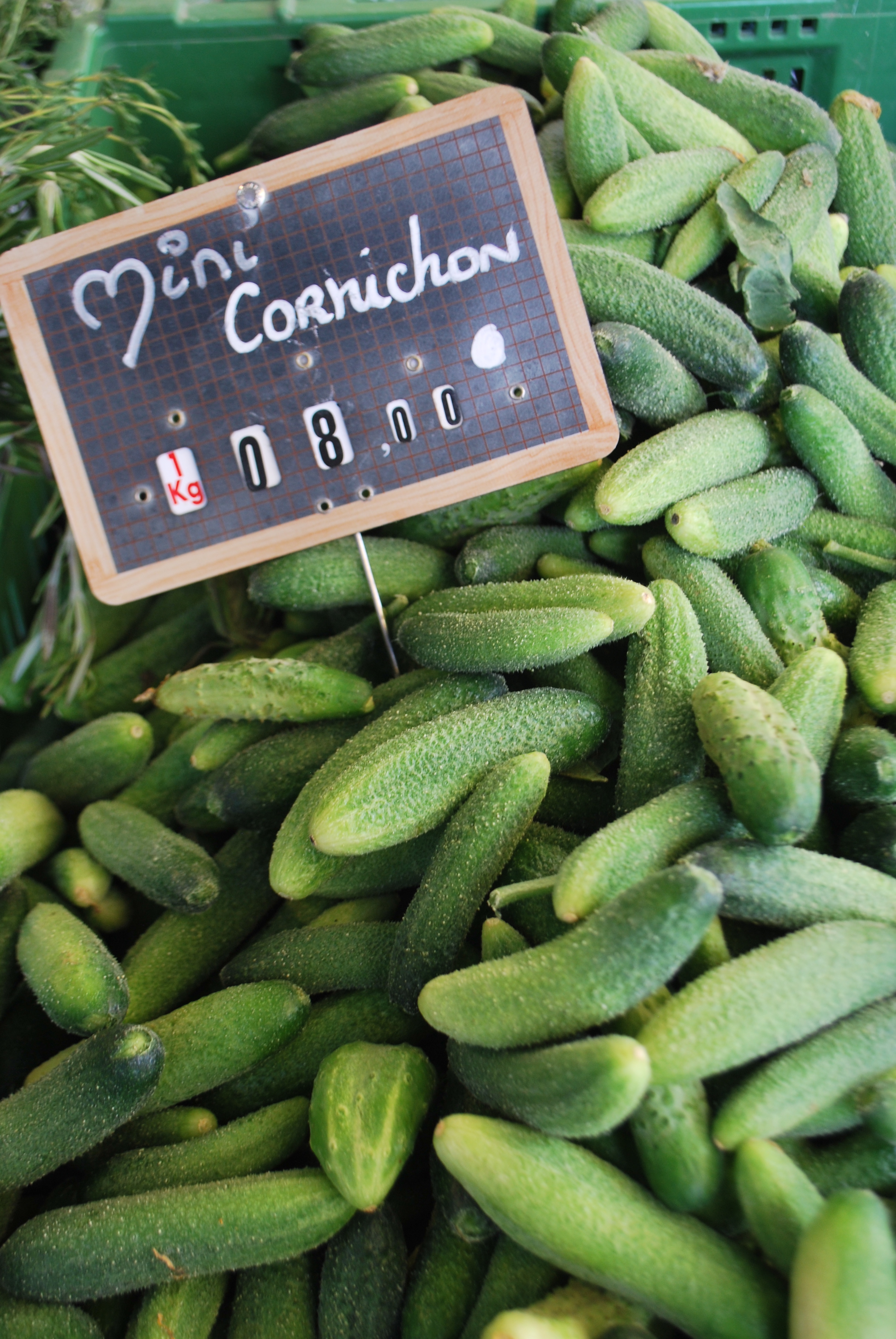
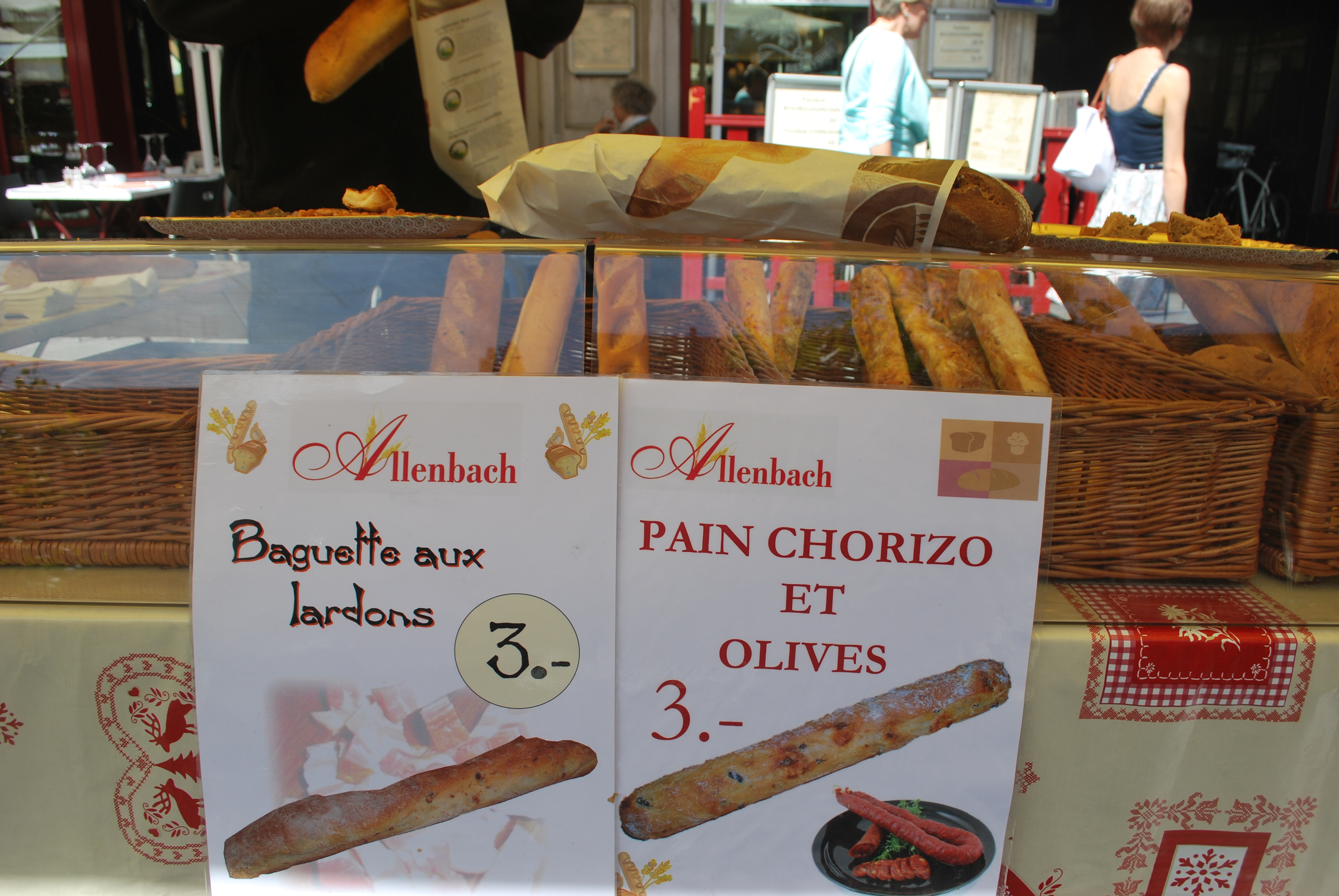
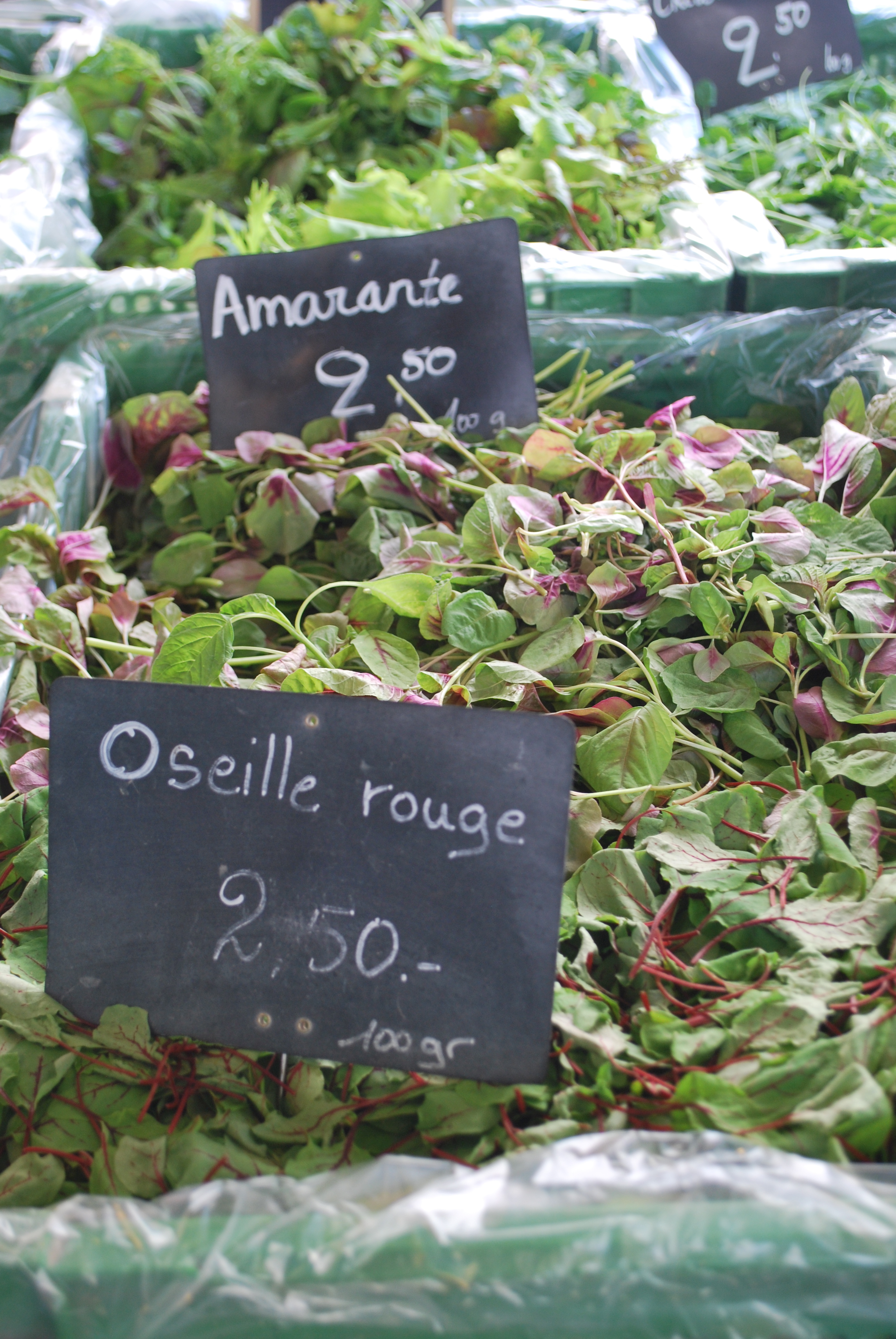
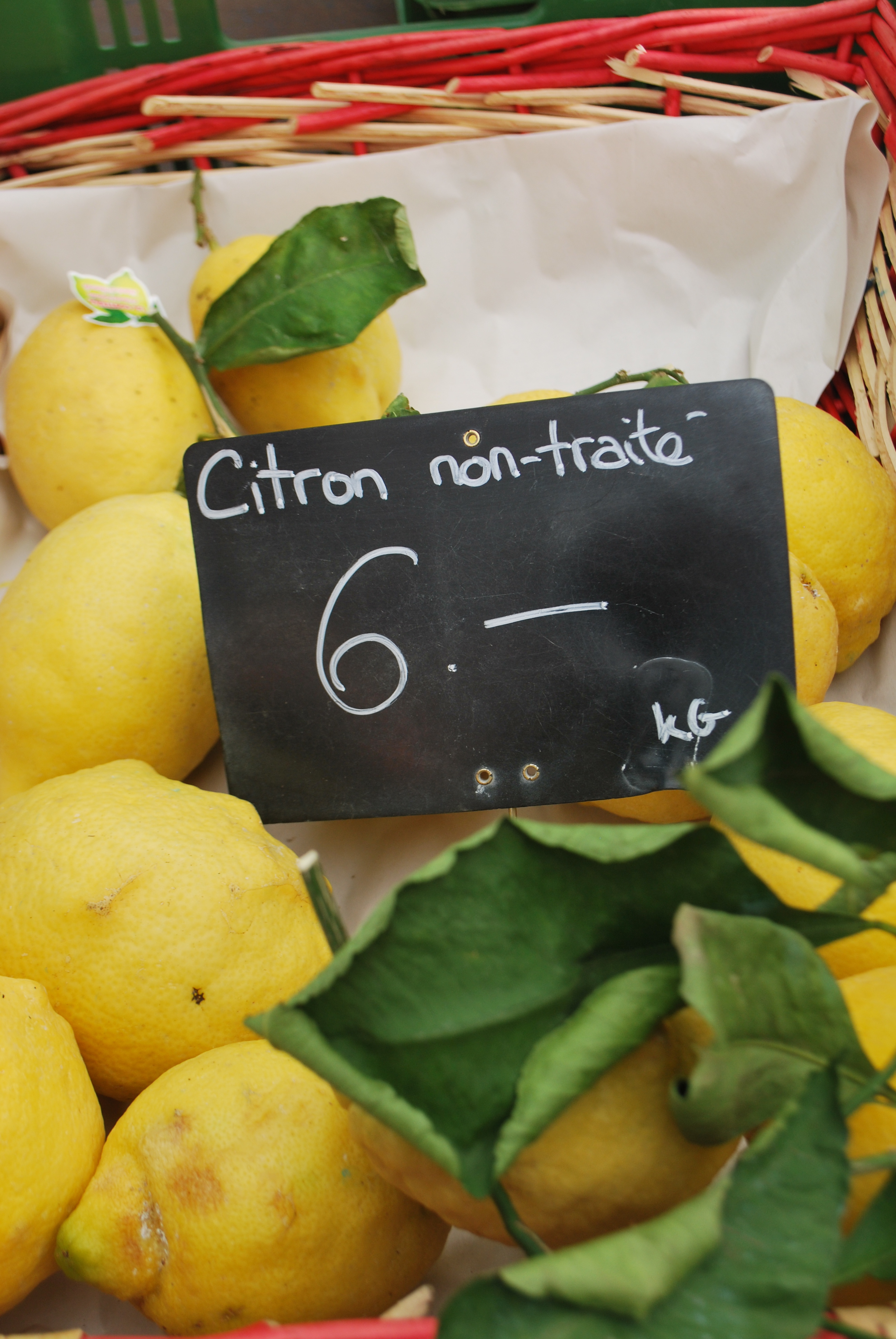
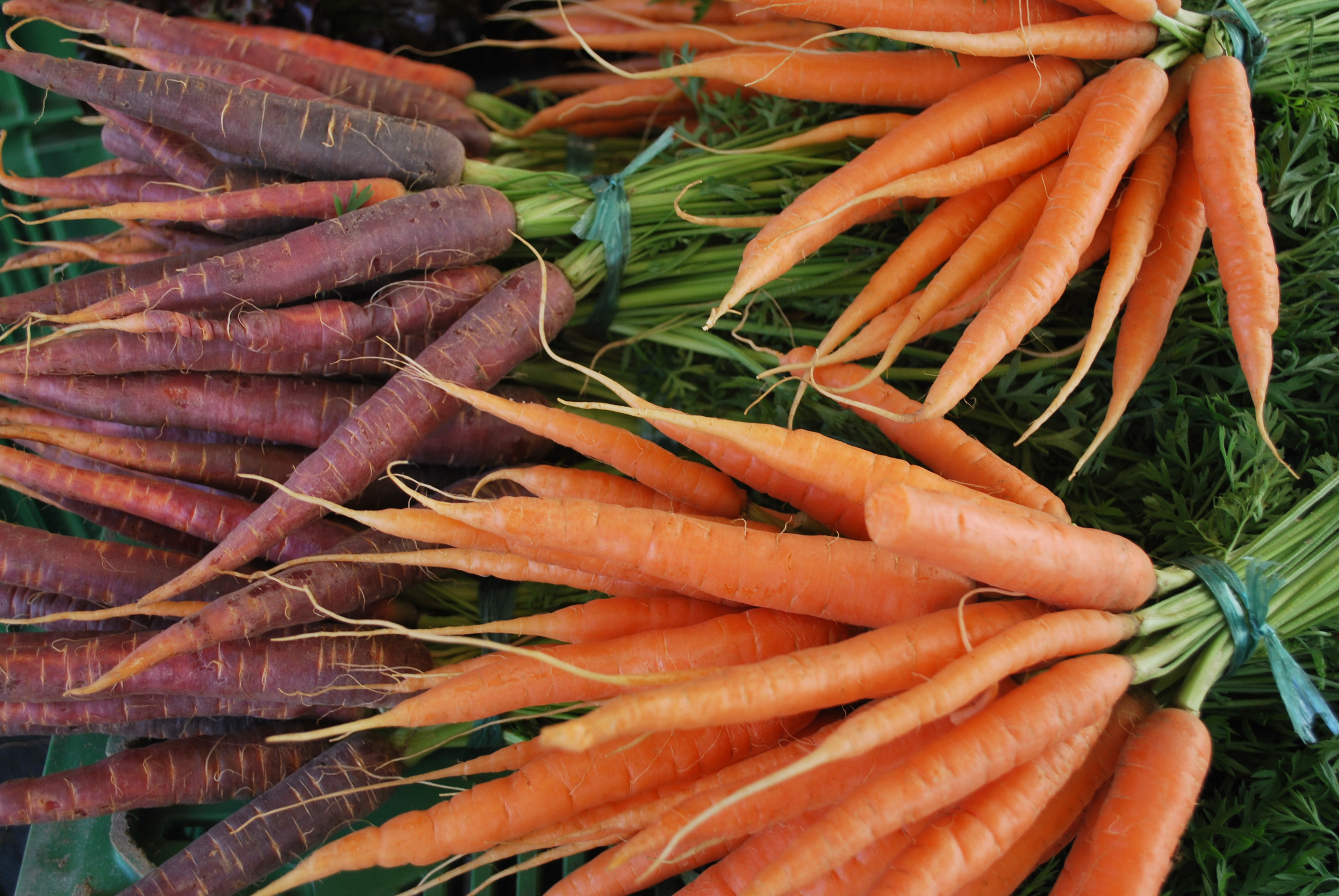
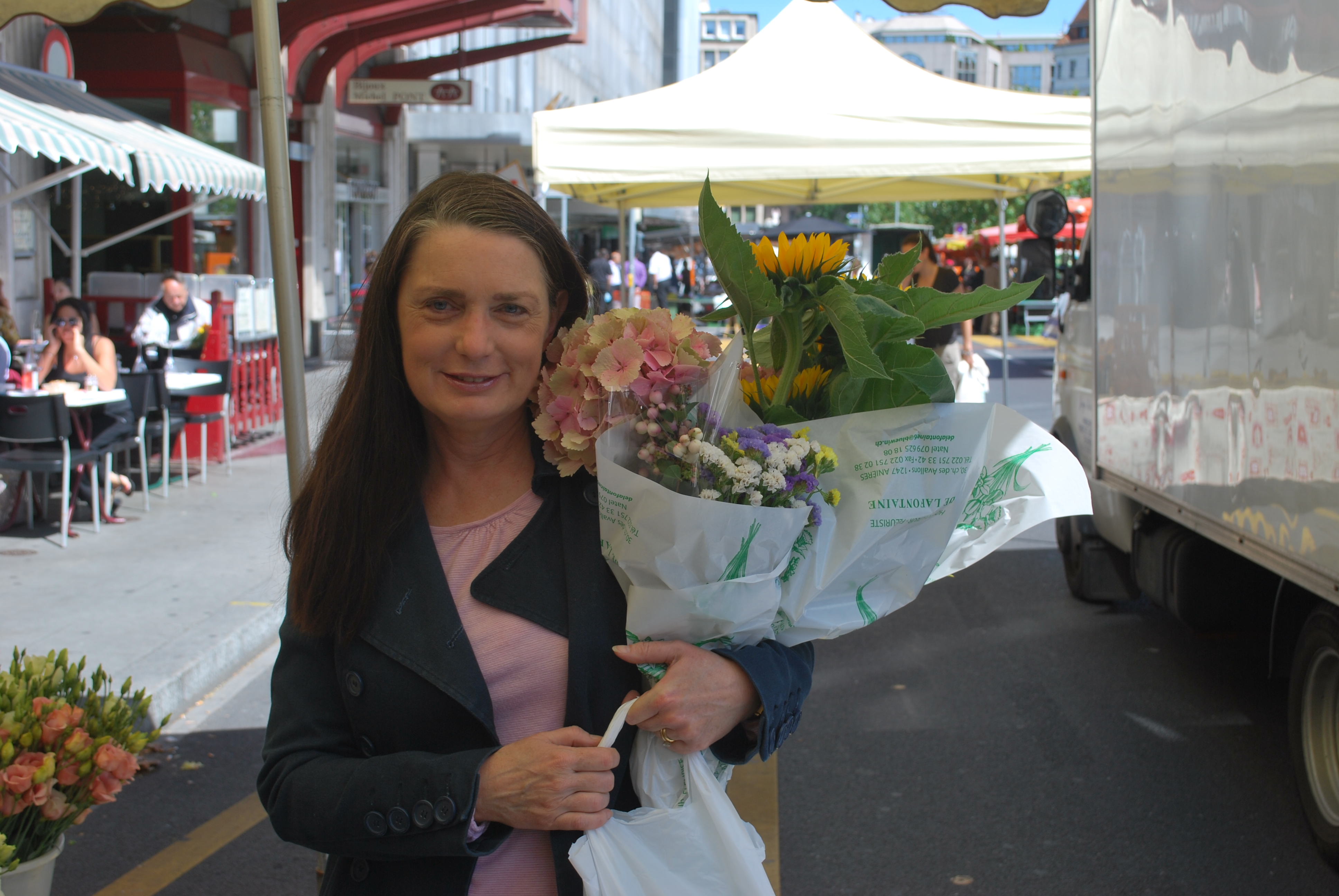
MarketDay: What’s in season at the Swiss farmers market in August: a photo essay

Published by Saturday, August 10, 2013 Permalink 0


MarketDay: What’s in season at the Swiss farmers market in August: a photo essay

Jonell Galloway leads you through the August farmers market in Switzerland. Take a look at what’s in season!

Never miss a post
Name: 
Your email address:*
Please enter all required fields
Correct invalid entries

What to do with the last apricots of the season: jam, coulis, baked, purée

Published by Friday, August 9, 2013 Permalink 0

Jonell Galloway, Spontaneous Cuisine, Mindful Eating, Slow Food, Editor of The Rambling EpicureWhat to do with the last apricots of the season: jam, coulis, baked, purée

by Jonell Galloway

From the archives

How to Choose Apricots

apricots_valais_tree_switzerland_suisse_geneva

Photo courtesy of Ellen Wallace.


The first and most important thing is to buy tree-ripened apricots. By definition, this means local ones, since ripe apricots are soft to the touch and do not travel well.

If you plan to eat them fresh, they should be soft, but not blemished or bruised. The riper they are, the more flavorful they are.

If you are using them for cooking, the riper the better, and you can even get by with blemishes as long as they are not rotten-looking. As a general rule, the softer the sweeter.

You will often see crates of extra-ripe apricots discounted in farmers markets. Look them over, and if there are not too many black or rotting ones, they are actually the best for cooking purposes, especially for jams, cakes and sauces.

Recipe Ideas for Apricots

Note: With all apricot recipes, the amount of sugar used depends on the acidity of the apricots. The acidity depends on the ripeness, origin and variety. With so many factors coming into play, taste tests are indispensable and the quantity of sugar should be determined by taste, using the quantities given here as a guideline.

Apricot Jam Recipe

The basic formula is 900 grams/2 lbs of sugar for every 2 kilograms/4 1/2 lbs of fruit used. This holds true for apricots, apples, cherries, nectarines and plums. If you like your jam really sweet, you can put equal weights of fruit and sugar.

Use cane sugar for more taste. I often halve the quantity of sugar in dessert recipes, but with jams this can be tricky, since sugar is what makes the jam set. It also serves as a preservative. If your fruit is extra-sweet, you might try cutting the quantity of sugar a tad.

apricot_raspberry_jam_valais-switzerland_suisse_recipe_geneva
Photo courtesy of Ellen Wallace.


Wash and rub apricots until perfectly clean. Remove any rotten spots with a paring knife. Dry well. Cut in half and remove stones. Save about half of the stones for later use.

Place apricots in a copper confiturier or a large stock pot. Add sugar. Let it sit overnight.

If the apricots are not ripe enough, they will not render any natural juices. If there are no juices, add 500 ml/1 pint of water to the pan.

Slowly bring to a boil on low heat, stirring constantly with a wooden spoon. This can take anywhere from 1 hour to 2 1/2 hours, depending on the water content of the apricots and the type of pan and stove or cooker you are using. Scrape the sides of the pan from time to time so that the mixture doesn’t crystallize.

The jam is set when you can dip a wooden spoon in it and it completely coats the spoon. Let jam settle for about 15 minutes before putting it into jars.

Pour jam into sterilized glass jars. Leave to cool. If you see the jam hasn’t set properly, you can put it back into the pan and boil it again, adding a little lemon juice.

Add two stones to each jar. Cool. Seal jars.

Apricot Purée or Coulis

Once again, the amount of sugar you use depends on whether you want it to have a tart flavor or a sweet flavor. If you’re going to pour it onto a very sweet cake or pie, opt for a more acidic taste. If you’re eating with something that is itself a little acidic, you might want to make your sauce sweeter. And once again, the sweetness will always depend on the ripeness of your apricots, so you’ll have to do a taste test in any case.

Wash apricots. Remove stones.

Put 300 grams/10 ounces of cane sugar (labeled sucre de canne roux or cassonade in Swiss and French supermarkets) and a vanilla bean (cut open in the lengthwise direction) into a saucepan. Slowly bring to a boil over medium heat until it begins to thicken and sugar has completely dissolved, i.e. until it forms a syrup.

Put 500 grams/18 ounces of apricots into a food processor, or run them through a food mill or chinois. Add apricots to the liquid sugar mixture and mix with a wooden spoon. Heat mixture until it is thick enough to completely coat a wooden spoon.

This apricot sauce can be eaten warm or cold, depending on what you are using it with. It keeps for several days in the refrigerator.

Apricot coulis is a perfect accompaniment to a dark chocolate cake, but can be used to make ice cream sundaes or parfaits just as easily.

It can also be used in savory dishes, for example with cold chicken breasts or cold pork roast. In this case, you would of course considerably reduce the amount of sugar.

Roasted Apricots

Preheat oven to 250° C or French mark 8. Wash apricots. Cut in half. Remove stone.

Lay apricot halves out on a roasting tin or broiler pan, or in a large casserole dish. Sprinkle lightly with brown cane sugar and just a tad of butter, distributed evenly in small bits, so that it will form a natural sauce.  (This can also be done on a barbecue grill, but you’d lose the juices.) Put in oven, and immediately turn temperature down to 220° C or French mark 7. Turn when top side is browned. If butter starts to burn, add a few drops of water.

When soft and slightly browned and caramelized, remove from oven or grill.

Distribute on individual plates. Serve with a scoop of salt caramel, coffee or walnut ice cream. Lightly sprinkle with vanilla powder (labeled poudre vanille or vanille en poudre in supermarket; easy to find in France, but difficult to find in Switzerland), cinnamon and a high-quality chocolate or cocoa powder. Drizzle a little maple syrup over it. It is now ready to serve.

Sugar-free Apricot Purée or Coulis

The great French chef Michel Guérard, who started the Cuisine Minceur movement in 1974, has a recipe for a sugar-free version of a coulis. This is adapted from the 1976 edition of Michel Guérard’s Cuisine Minceur, now out of print:

Wash, halve and pit 12 ripe fresh apricots. In a saucepan, add apricots, 1/2 cup of water, 1 vanilla bean (cut open in the lengthwise direction, down the middle) and artificial sweetener to taste, the equivalent of about 3 tablespoons of granulated sugar. Simmer for 10 or 15 minutes, until mixture is reduced by about one third.

Remove vanilla bean. Put mixture in a food processor to make a purée.

This sugar-free sauce can be served in the same manner as the traditional apricot purée or coulis recipe above.

 

Related articles

This article was originally published on GenevaLunch.

Never miss a post
Name: 
Your email address:*
Please enter all required fields
Correct invalid entries

UA-21892701-1