Make way for the quadruped King of the festival,
Wearing his crown of flowers
and vine leaves.
Make way for the tamest of all
who wear horns,
greet him with music of horn and flute.
People of Paris,
open the path to the triumphant Fattened Ox.
Neither Asia nor Africa
has ever seen better,
this pride and joy of the butcher’s trade.
Light-hearted maidens, and frolicking lads,
pay him due honour
of music and song!
People of Paris, open the path
to the triumphant Fattened Ox.
Make way for the quadruped King of the festival
wearing his crown of flowers
and vine leaves.

Never miss a post
Name: 
Your email address:*
Please enter all required fields
Correct invalid entries
— Giuseppe Verdi, from the choir of butchers in the opera La Traviata

A Brief History of Confit

Published by Wednesday, February 10, 2016 Permalink 0

by Jonell Galloway

A Brief History of Confit and Food Preservation in France

Une ingénuité confite de vieille fille. / The preserved naivité of a spinster.–Colette, La Naissance du Jour / Break of Day

I like my man to be a bit confit. Confit is my favorite French word. It can mean many things, but the meaning always implies intensity to the point of being almost sweet, and sometimes sickly sweet.

The word comes from the Latin, conficiere, meaning “to do” or “to make,” and is the root of other familiar words like confiture and confection,” says Kate McDonough. “It can equally describe flavoring and preserving foods in other substances, as fruit in sugar, olives in oil, pickles in vinegar, or capers in salt.”

Confit de canard - duck confit from Gascony, France

In the food world, there are two main meanings, although the term basically means “preserved;” there are, of course, many ways of preserving food. The first refers to something candied or crystallized, such as the fruits confits so popular in France, especially at Christmas and during other holiday periods. The second refers to a savory food either cooked in its own juices or preserved.

The French confit we know best is canard confit, or duck confit, which is traditionally cooked in a copper pot over a fire for up to 24 hours so that its fat oozes out and envelops it. It is then stored in its own fat and conserved in a jar for up to a year.

Pickles and salted capers also count as confits. Another common one is tomates confites, or confit tomatoes, which are slow-cooked like duck in a low-temperature oven until they become almost sweet like candy. Intense, yes.

Continue Reading…

Never miss a post
Name: 
Your email address:*
Please enter all required fields
Correct invalid entries

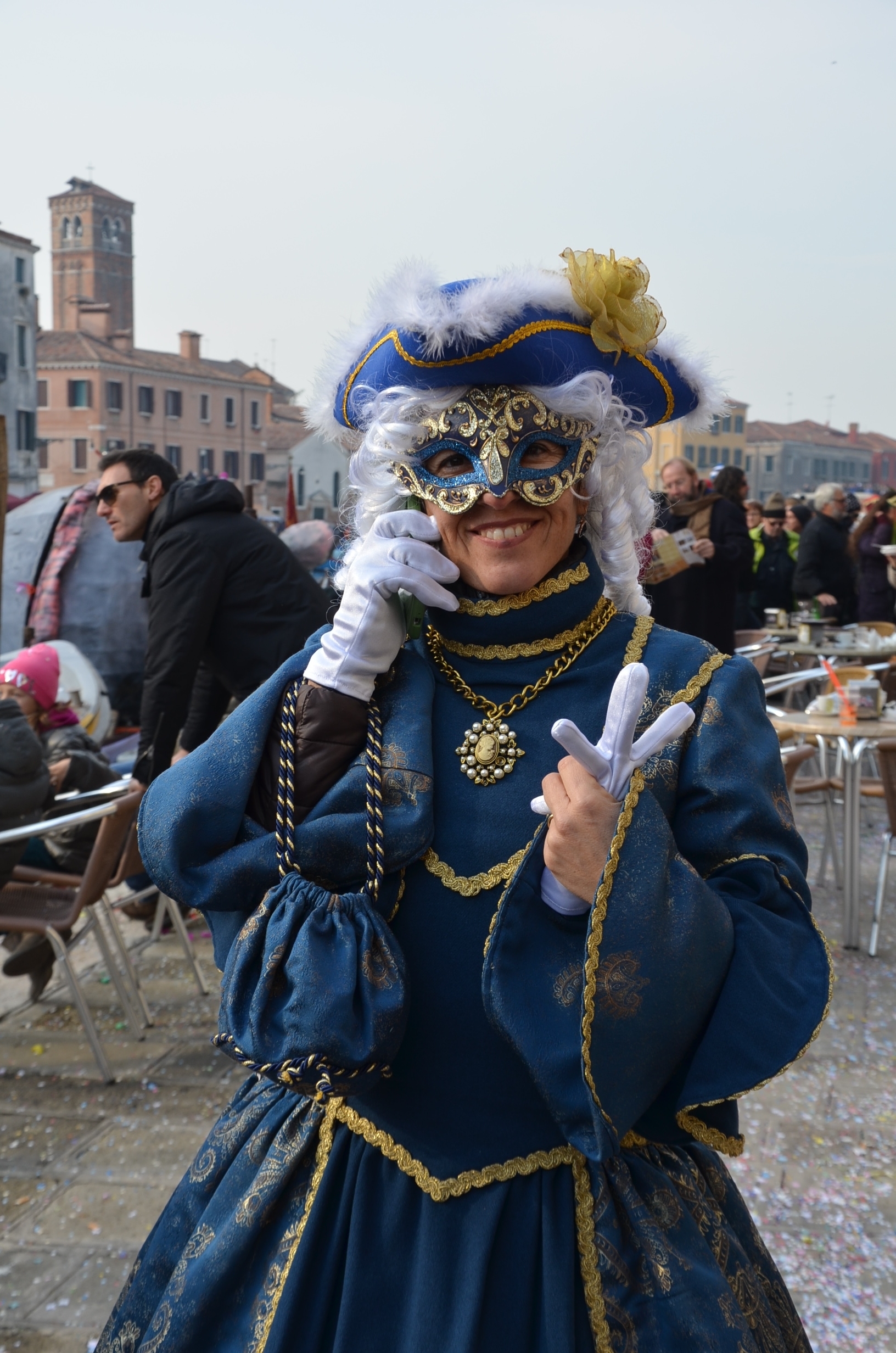
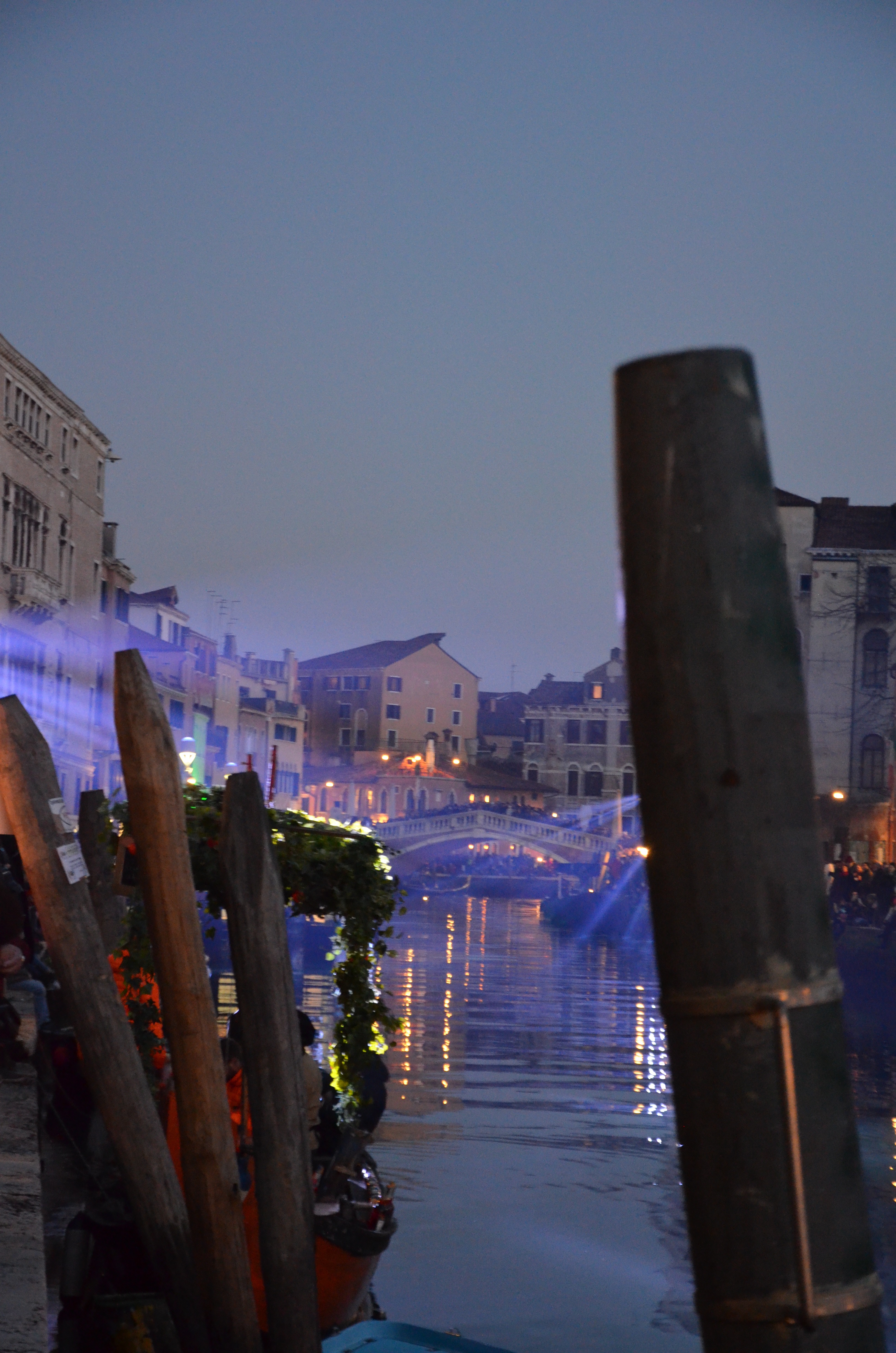
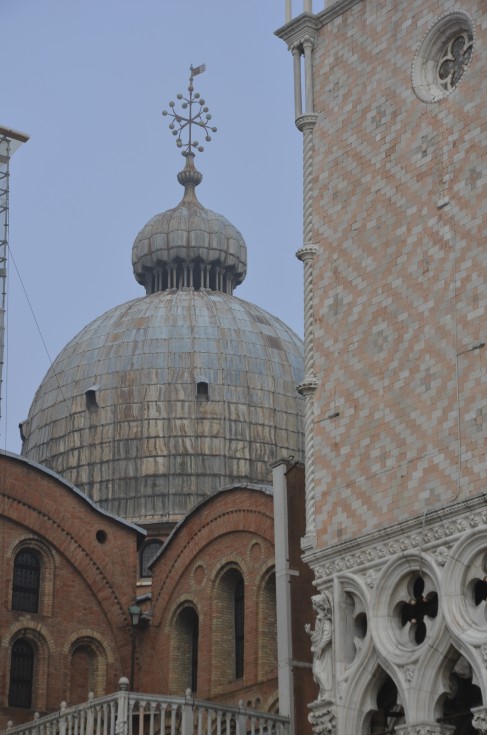
Venetian Hours: Venice Carnival in Blue

Published by Tuesday, February 9, 2016 Permalink 0

Never miss a post
Name: 
Your email address:*
Please enter all required fields
Correct invalid entries

Venetian Hours

Published by Monday, February 1, 2016 Permalink 1

Lost in Venice

by Jonell Galloway

I was looking for a new home. Home used to be Kentucky, with its hot hot sun, heady smell of horse sweat, and burly bouquet of drying tobacco; then it was France where I wolfed down tons of good food and fine wine, and Switzerland, with its snow-capped mountains, always there, hugging me and making me feel secure like a mother’s embrace.

After my mother died last year, I no longer knew where to call home. Home became an abstraction, because without Mama’s heart beating in Kentucky, it no longer fit the description. Even with the horse sweat and Burley tobacco.

Kentucky tobacco drying barn, near Hardinsburg, Kentucky


I used to say I’d call my imaginary memoir From Biscuits to Baguettes, so much did I feel like France was my second home, even though the first time I set foot in Venice over 30 years ago, I felt I’d come home. How that could be I still don’t know, since I don’t have an ounce of Italian or Venetian blood in my veins. I’ve visited it many times for both short and long periods, and every time, I’ve felt the same, so after my mother’s death, it was a natural enough decision to spend six months here and try it out.

Continue Reading…

Never miss a post
Name: 
Your email address:*
Please enter all required fields
Correct invalid entries

How to Become a Chef in France

Published by Saturday, January 9, 2016 Permalink 3

How to Become a Chef in France

by Jonell Galloway

Schooling Required

Becoming a chef in France requires a long commitment, both in terms of schooling and on-the-job training. The program is similar to that of a vocational school, but requires many years of on-the-job experience before one can be called “chef.”

A typical French kitchen brigade looks like the diagram below. To become a chef, you basically have to work your way up from the bottom. Each level in the hierarchy may take a few years to master. It all looks rather daunting, but the French start young, around the age of 14, with chefs following what is referred to as a vocational track rather than a general high school.

Typical kitchen brigade in France

After Troisième or 8th/9th Grade

Continue Reading…

Never miss a post
Name: 
Your email address:*
Please enter all required fields
Correct invalid entries

Still Life with Flowers and Fruit, by Pierre Auguste Renoir

Published by Monday, January 4, 2016 Permalink 0

Quintessential France: Still Life with Flowers and Fruit, by Pierre Auguste Renoir.

Never miss a post
Name: 
Your email address:*
Please enter all required fields
Correct invalid entries

The only time to eat diet food is while you’re waiting for the steak to cook.

Never miss a post
Name: 
Your email address:*
Please enter all required fields
Correct invalid entries
— Julia Child

What is Bourgeois Cuisine?

Published by Saturday, January 2, 2016 Permalink 1

What to Eat in France: What is Bourgeois Cuisine?

by Jonell Galloway

French cuisine is much more than the haute cuisine inherited from the nobility. It is also the tasty, inexpensive cuisine that French families eat every day, called cuisine bourgeoise, or “bourgeois cuisine.”

We all learned in school that “bourgeois” was a social class. Originally, it was what we now call the “middle class,” as opposed to the nobility and the poor and working classes. The bourgeoisie, or middle class, grew rapidly in France after the French Revolution.

In terms of cooking, the bourgeois weren’t rich enough to use expensive ingredients and their cooking skills were not as highly developed as those of the aristocrats’ chefs, but they had sufficient means to entertain friends and family. This cuisine came to be known as cuisine bourgeoise, which today simply means family cooking, tasty but not pretentious, as opposed to the haute cuisine of the elite.

Continue Reading…

Never miss a post
Name: 
Your email address:*
Please enter all required fields
Correct invalid entries

Biscuit Therapy and Modern Salt

Published by Saturday, January 2, 2016 Permalink 0

by Jonell Galloway

In Loss There is Nourishment: A Southern Biscuit Story

One has to be able to work the dough intimately; it is like making love and following every move of your lover. Timing is of the utmost importance. The symphony of movements is different with every batch, and one has to be in step with every beat. A bit more flour, a bit more lard, just enough air pockets, stop, stop. It’s about perfect harmony, ending on a perfect note, at the perfect moment; it’s fast-moving and playful like a scherzo, and, like a live piano concert, once you’ve hit a wrong note, there’s no going back.

Every Southerner has a biscuit story. Biscuits are what bind us and make us Southern, whether they are slathered with sticky blackstrap molasses or sausage gravy. When we say we miss the South, we are missing a wooden swing on a front porch, beads of sweat running down our foreheads, and a welcome breeze bringing a waft of biscuits cooking; we are missing the sound of the oven door opening and of hearing the biscuits coming hot out of our mothers’ ovens, calling us to supper, calling us home.

This is the introduction to my first article for the British publication Modern Salt, published by Penny Averill.

Click here to read the rest: Biscuit Therapy.

Continue Reading…

Never miss a post
Name: 
Your email address:*
Please enter all required fields
Correct invalid entries

New Year’s Eve Dinner in France

Published by Saturday, December 26, 2015 Permalink 0

New Year’s Eve Dinner n France: Le Réveillon de St-Sylvestre

by Jonell Galloway

The New Year’s Eve celebration, referred to as Saint Sylvestre in France, is of pagan origin. The celebration existed long before St. Sylvester himself and long before there was even a pope. Ancient beliefs and celebrations, both religious and pagan, are mixed with those of winter solstice.

In Ancient Rome, the New Year was celebrated after Saturnalia, which was around December 25th, and was a time for “feasting, goodwill, generosity to the poor, the exchange of gifts and the decoration of trees.” People exchanged coins and medallions in celebration of the New Year. This tradition has slipped into oblivion, although adults sometimes still give children coins on this day, but other parts of Saturnalia continue today.

Saturnalia, an ancient Roman feast, St. Sylvester's, New Year's Eve


Up until the time of Julius Caesar, this end-of-year celebration didn’t have to fall on a fixed date; it was simply about ten days after Saturnalia. It was Caesar who set the date of December 31, and later, in France, Charles IX set the first day of the year as January 1.

St. Sylvester was Pope from 314 to 335, at the time the Church was emerging from the catacombs. Although Emperor Constantine controlled most of what went on in the Empire, Sylvester persuaded him to convert to Christianity and close the pagan temples. The great basilicas were also built under his influence.

Continue Reading…

Never miss a post
Name: 
Your email address:*
Please enter all required fields
Correct invalid entries

UA-21892701-1