
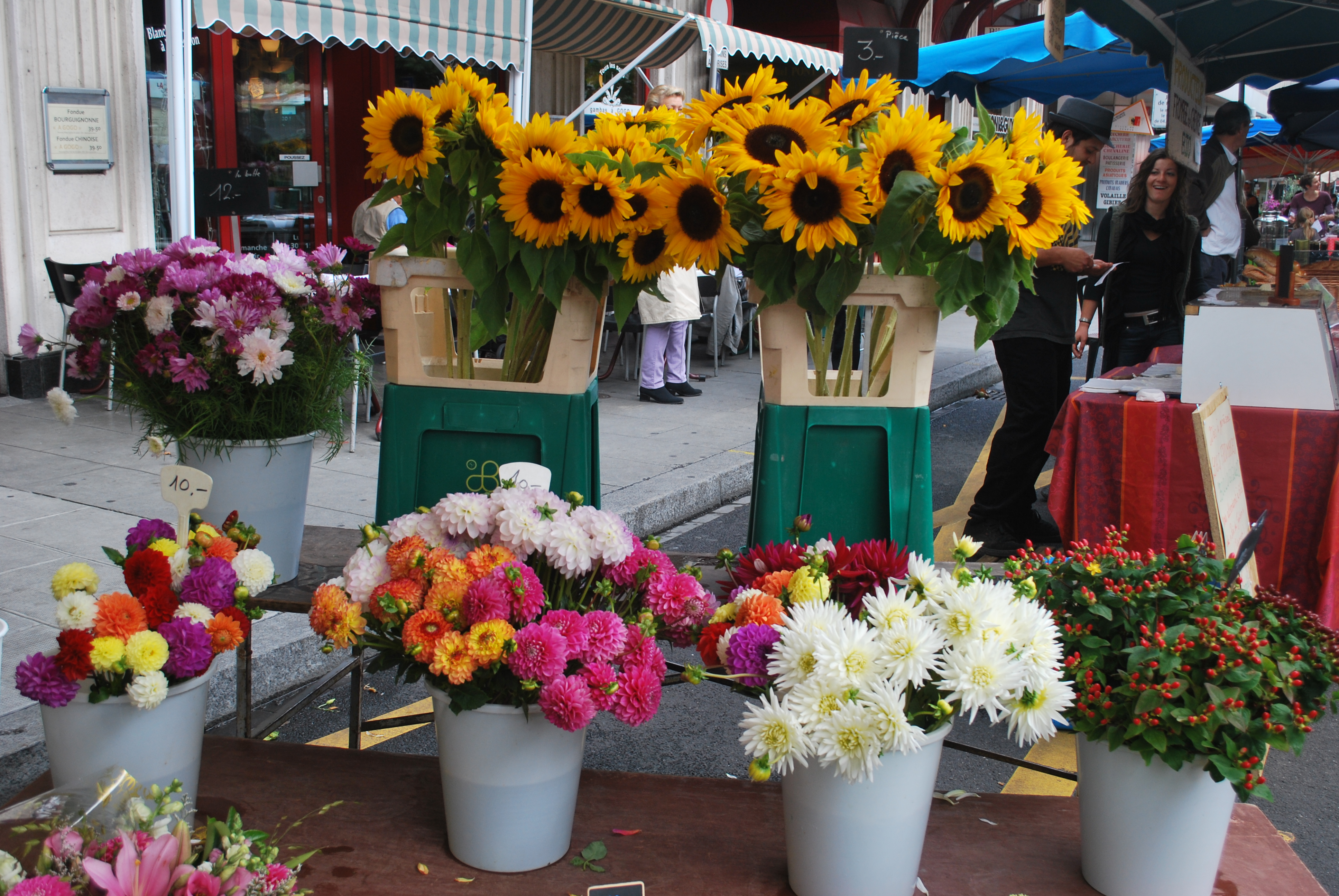
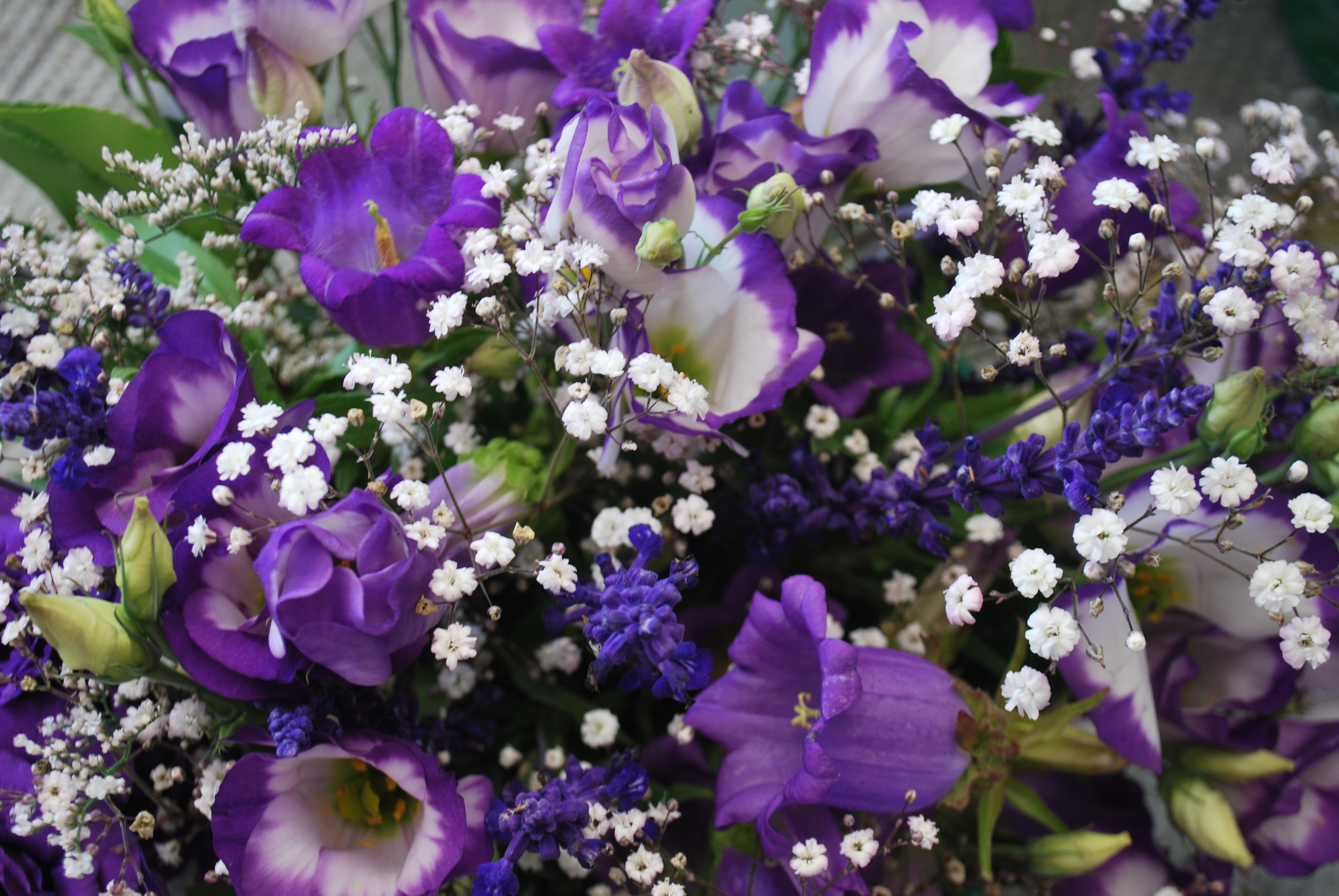
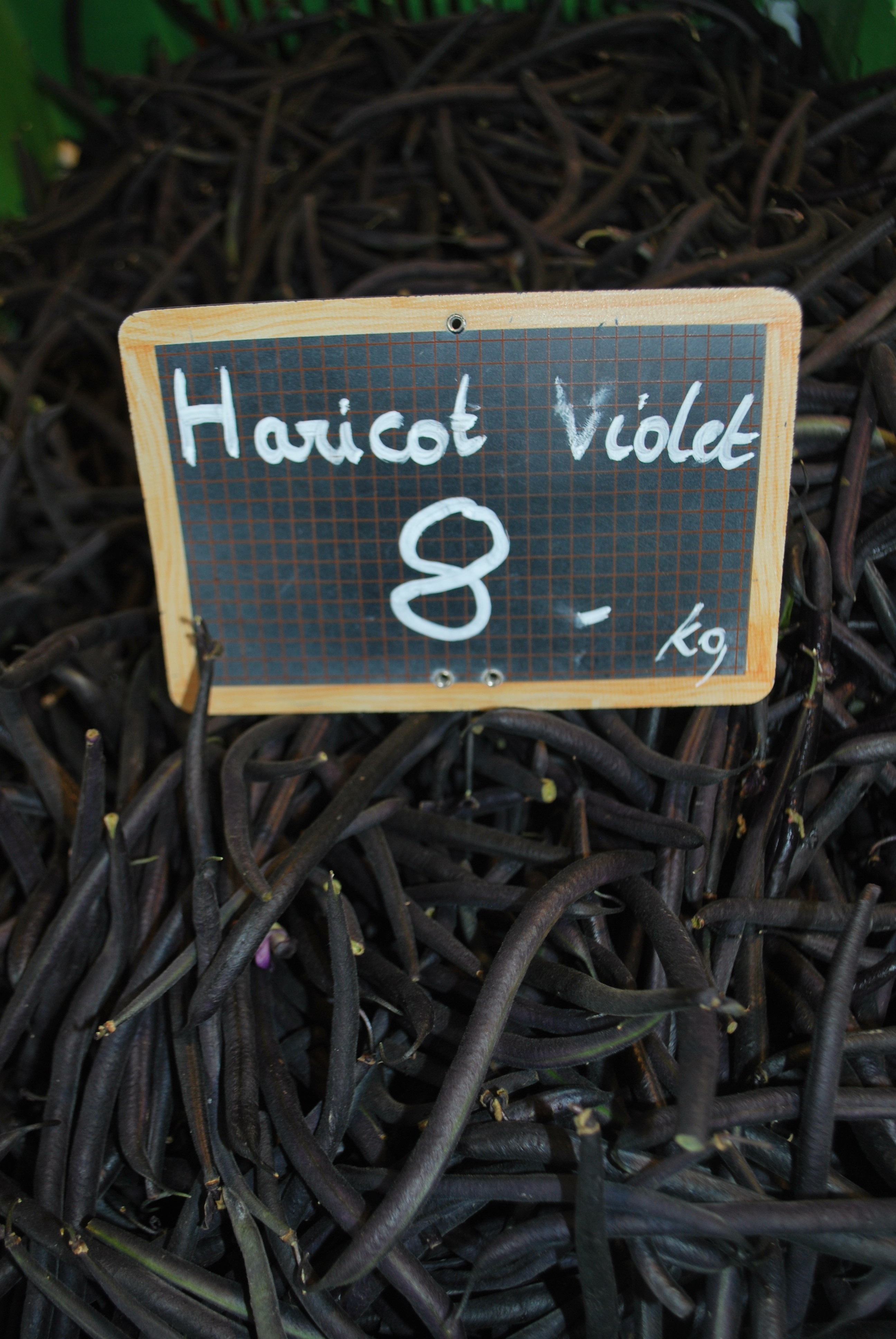
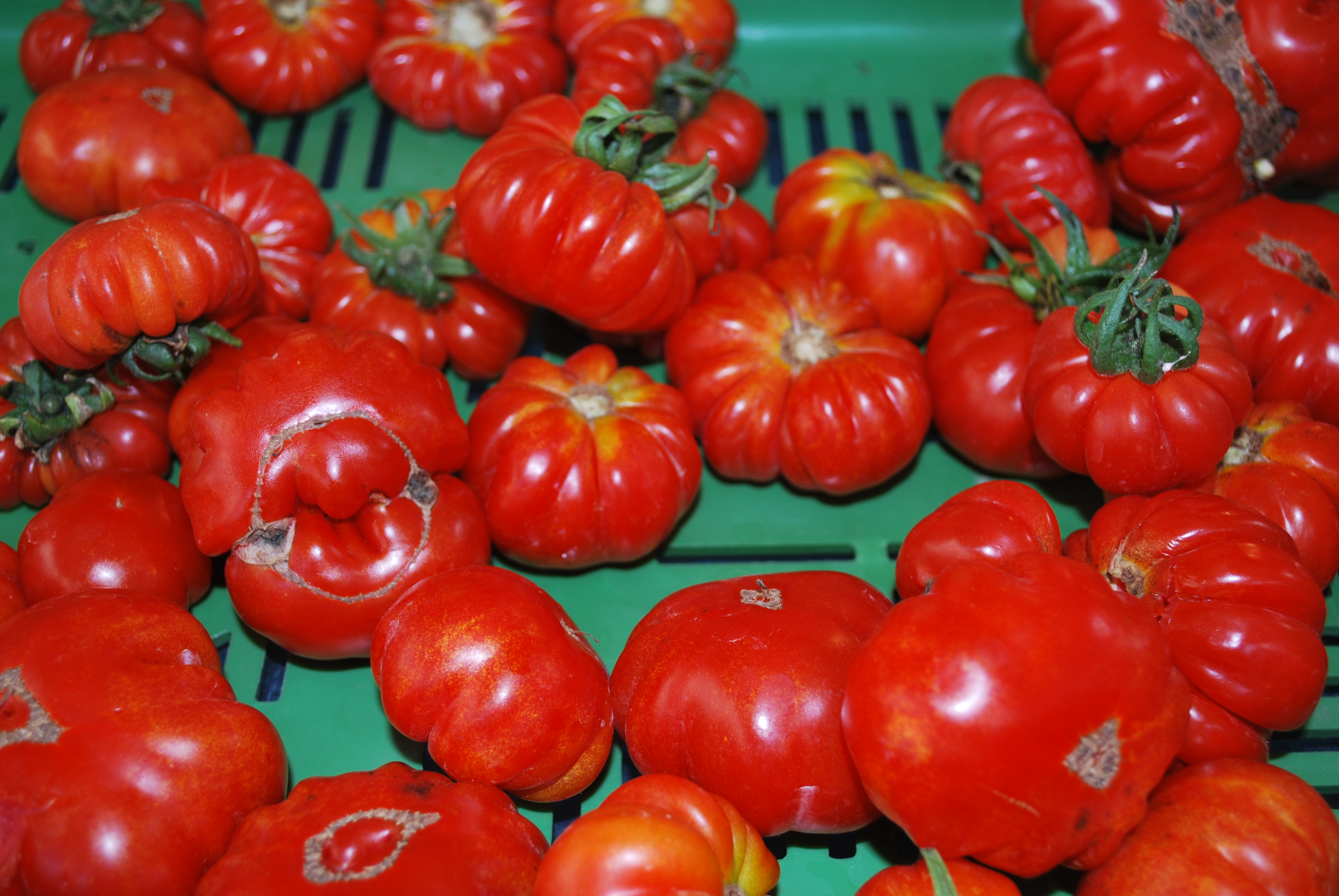
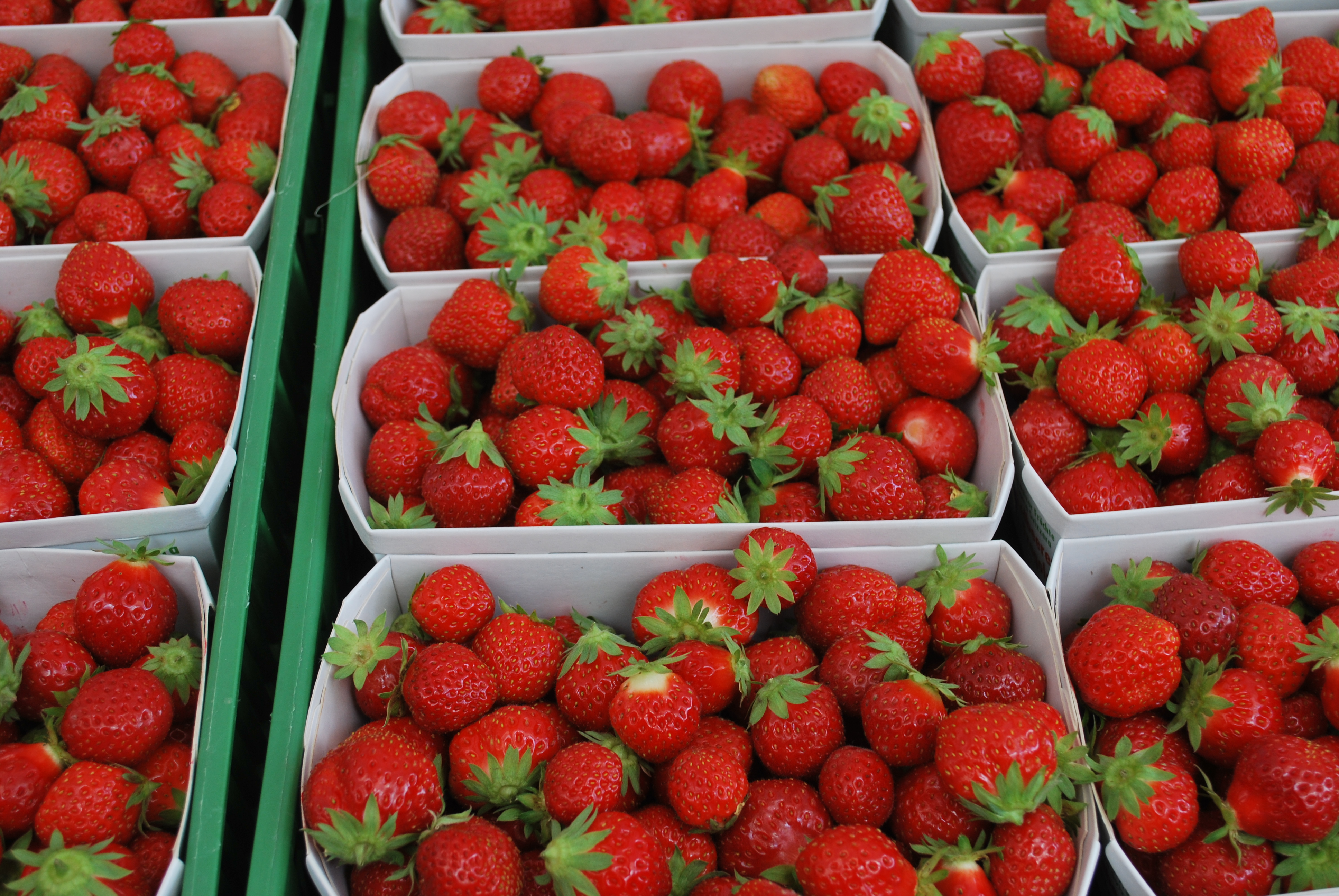
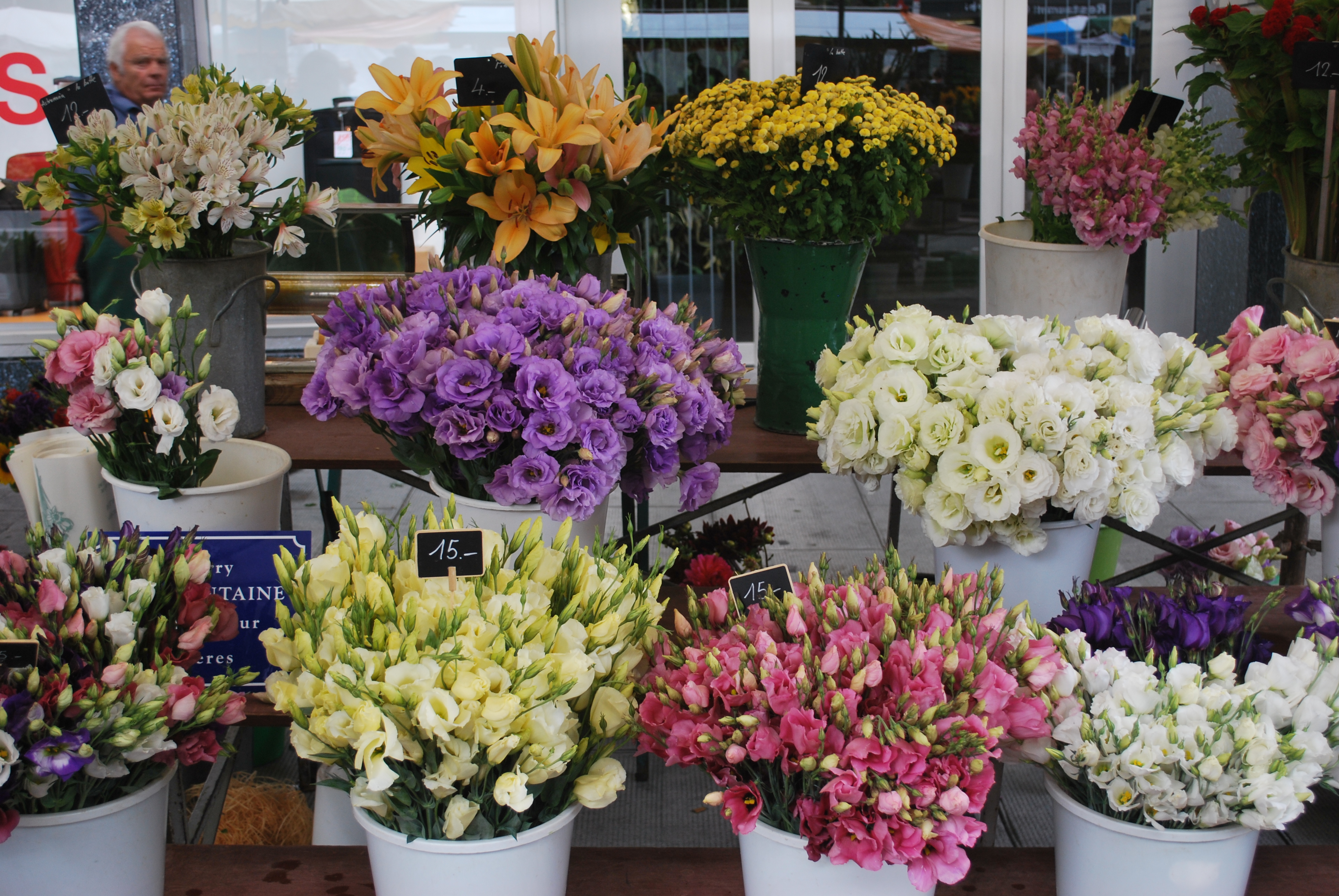
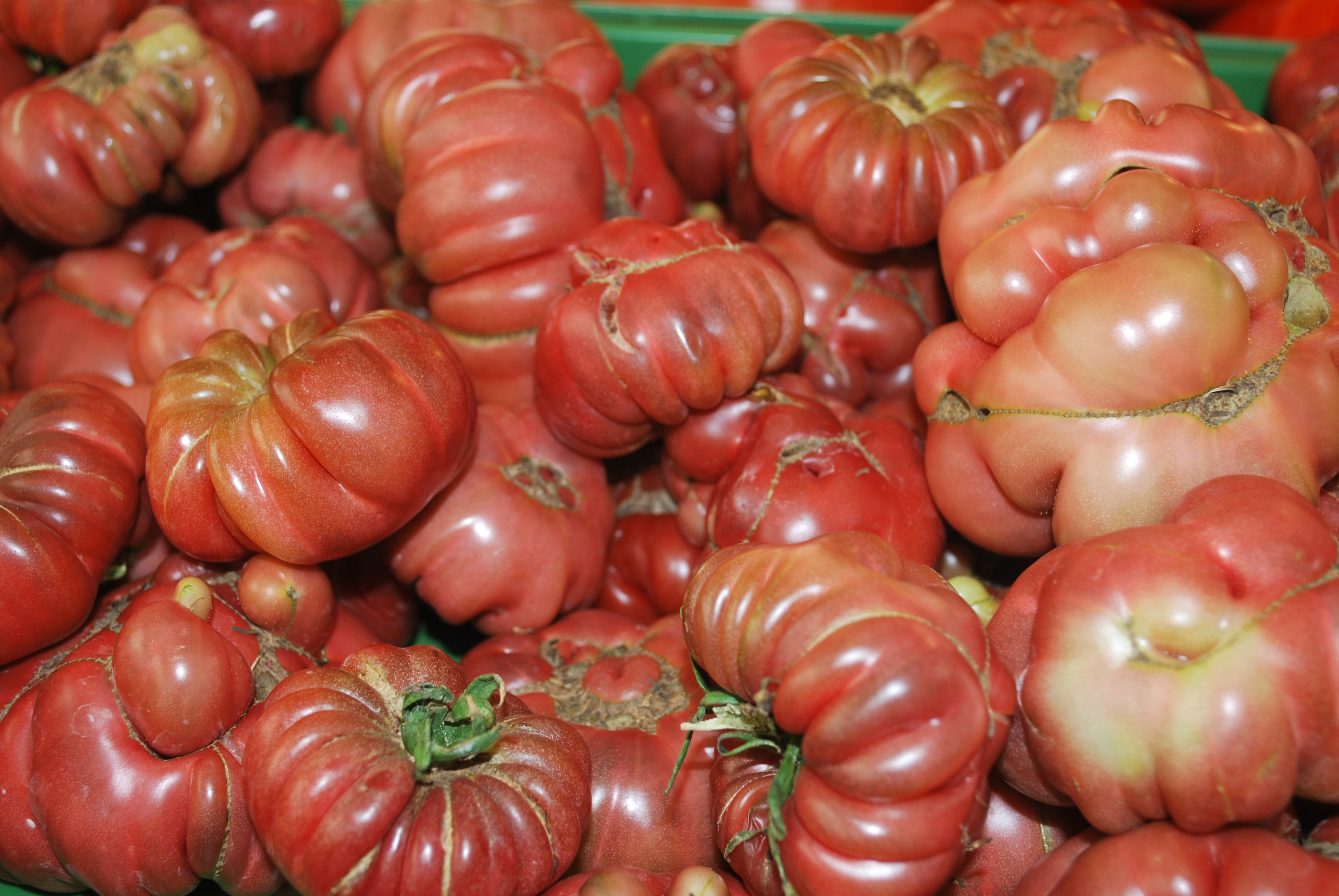
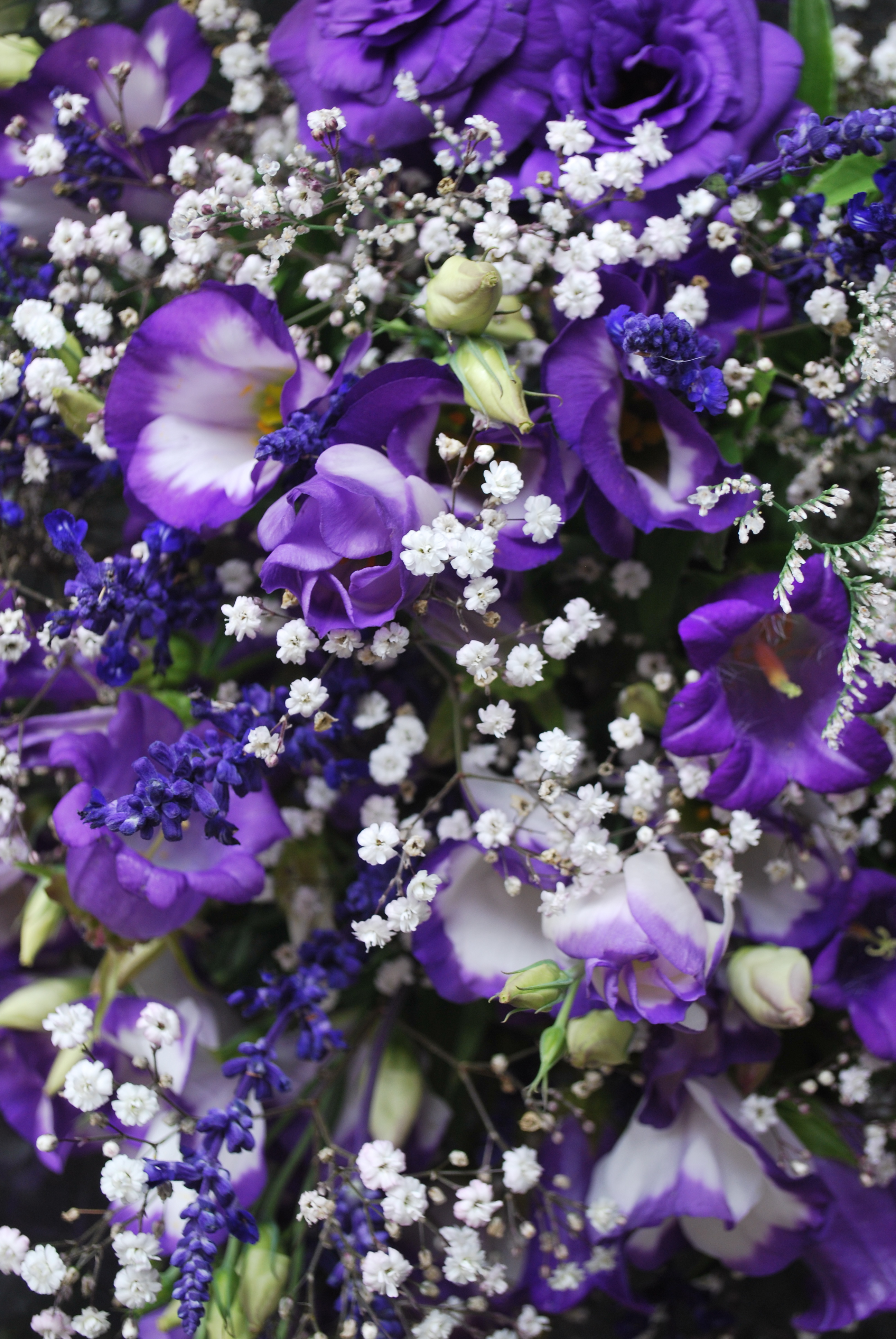
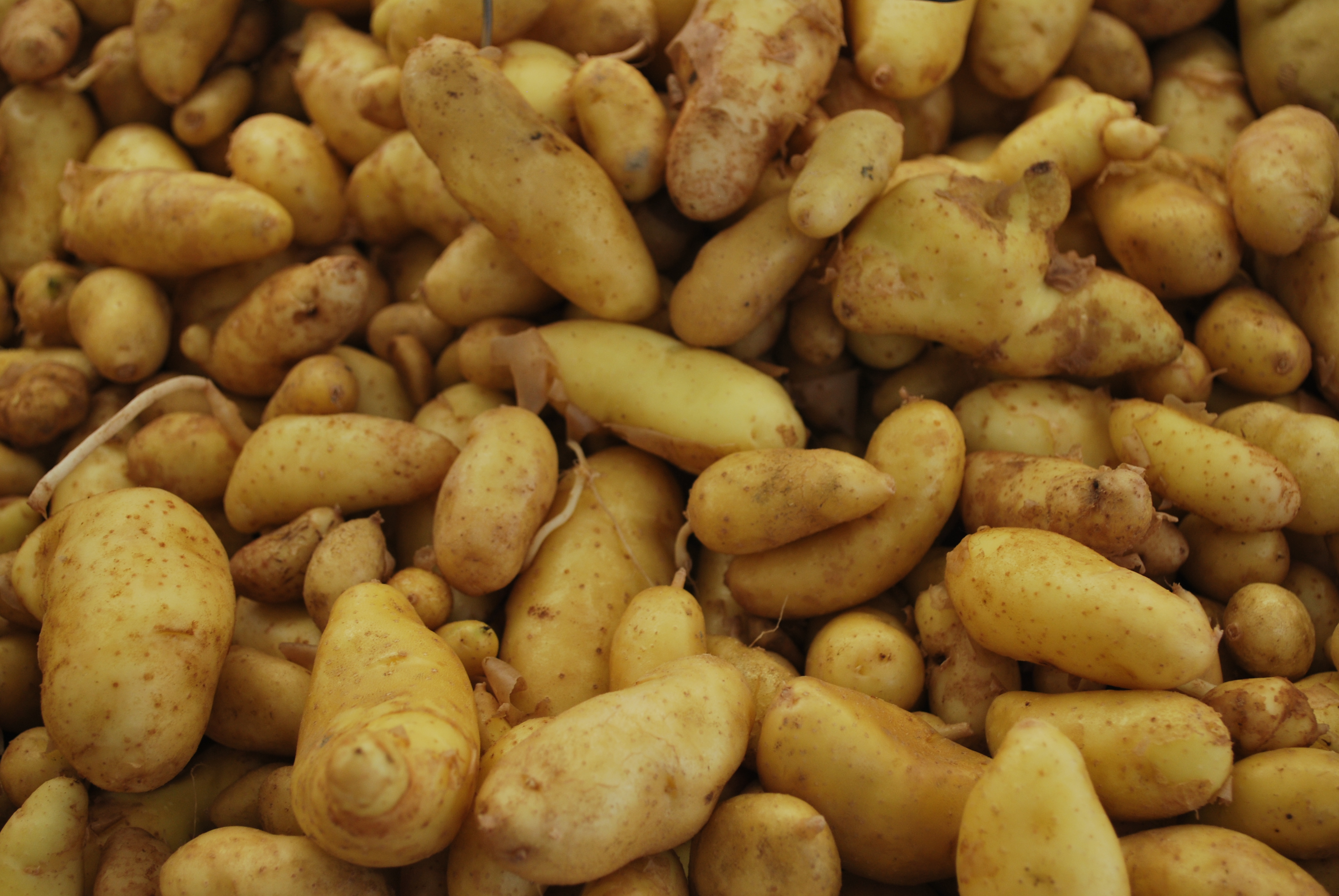
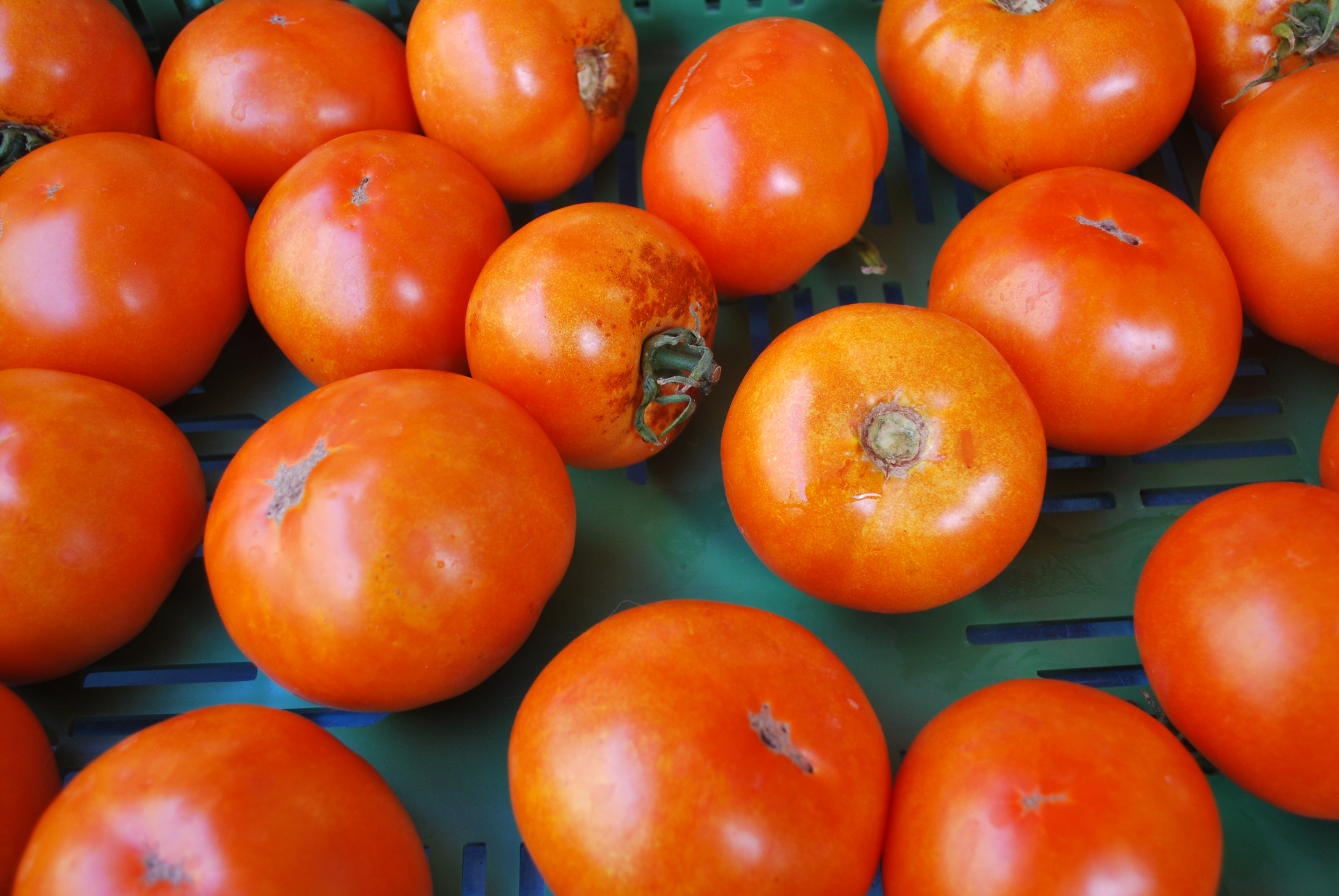
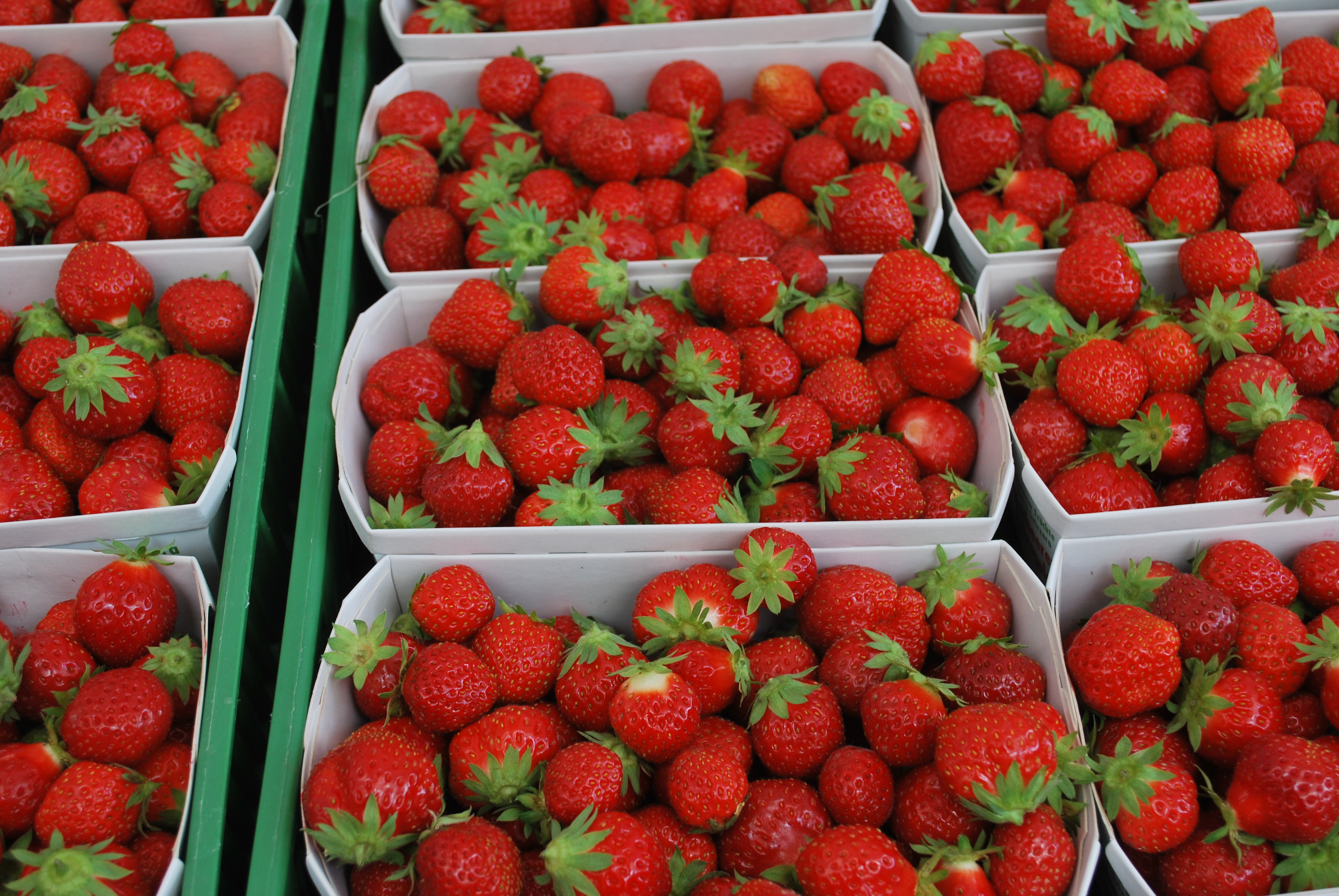
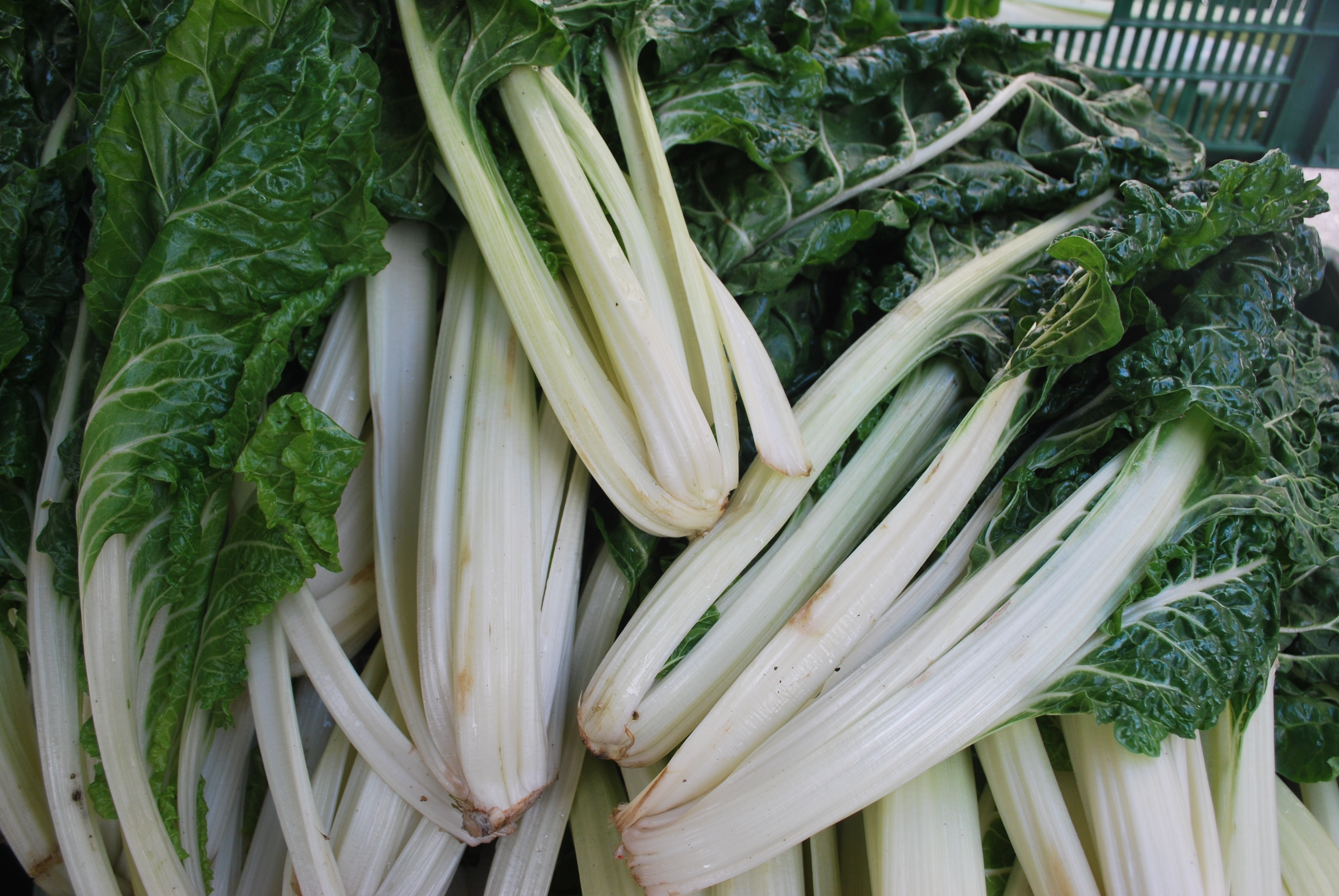
MarketDay: Documentary Photos of a July Farmers Market in Switzerland
Related articles
|
|

A Literary Culinary Journal















|
|


by Jonell Galloway
From the archives
Cooking is just applied physics and chemistry, with a little creativity thrown in.
1. Heat and temperature
Heat and temperature are important at every stage in cooking.
When browning or grilling meat or fish, oil should be very hot before adding it. This seizes it, thus preserving all its natural juices, which are where the flavor resides.
Slow cooking at low temperatures is best for tough, sinewy or fatty pieces of meat, while high temperatures are best for lean meats such as filet, where it is necessary to seize it, since it has no fat to keep it from drying out.
2. Juices
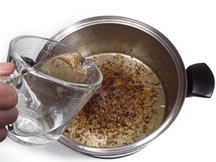
No matter what the ingredient, the flavor resides in its natural juices. That’s why fresh is always better than frozen. When you thaw food, part of its natural juices are lost.
There is an appropriate way to cook every ingredient, depending on its nature.
|
|

What are summer vegetables for us are year-long vegetables for the Lebanese and Syrians.
Zucchini should be dark green and firm to the touch. Avoid wrinkly-looking courgettes, which are not fresh.
Choose young, small ones. The taste is more delicate and sweeter. Larger older courgettes often have large seeds, and tend to be bitter.
This is a kid-friendly recipe.

|
|
//

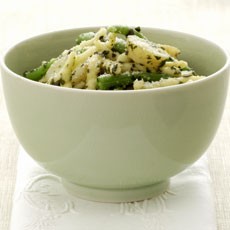
Trofie alle Castagne with Pesto, Potatoes and Green Bean
Try a Verdicchio wine from central Italy with this dish. This white wine has a complex, subtle, more vegetal flavour profile, as opposed to bright fruit and floral notes. This herbaceous quality will go very well with the similar flavours found in the green beans, while the acid in the wine will cut through the fats in the cheese and the oil in the pesto leaving your palate refreshed.
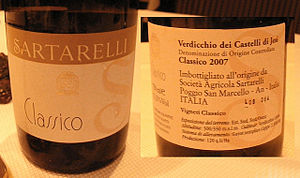
If you like your fruity wines, try a decent Pinot Grigio, whose acid will play a similar role to the Verdicchio. But be warned – many of the mass market Pinot Grigios out there have an overly fruity flavour profile and a touch of sweetness, which won’t complement the pesto as well.
On the red side and staying true to the Italian theme, a lighter red will do the job. You want something savoury on the whole and not overly tannic or alcoholic – which can be hard to find in Italy! A lighter-bodied Chianti Classico could work well, but you may want to have extra Parmesan on hand to round out the tannins!
Join James Flewellen and Jonell Galloway at “Celebrate the Chartres Festival of Lights & Autumnal Equinox with a Food & Wine Tasting Masterclass” in France from September 19 to 22, 2013.
___________________________
Dr James Flewellen is a biophysicist at the University of Oxford. James learned his trade in taste through the Oxford Blind Wine Tasting Society, of which he was the President from 2010-2012. During his term, he represented Oxford at many international blind tasting competitions – twice winning the prestigious ‘Top Taster’ Award in the annual Varsity blind tasting match against Cambridge University and captaining winning teams in competitions throughout Europe.
One of James’s goals is to clarify the complex and hard-to-navigate world of wine for both novice and experienced tasters. He applies his scientific training to wine education, illuminating concepts of taste, tannin and terroir in an approachable, entertaining manner. James runs wine education courses in Oxford through the Oxford Wine Academy and is completing the WSET Professional Diploma in Wine and Spirits. He is the regular wine writer for The Rambling Epicure and is the founder of The Oxford Wine Blog. He is also currently co-authoring The Concise Guide to Wine and Blind Tasting – a book surveying the wine regions of the world and how to blind taste.
|
|
2 jars of Genoese pesto for 500 g of chestnut Trofie pasta
3 potatoes, peeled and cut into thin Julienne strips
75 g of French-style green beans, ends cut off and cut in half
Fresh Parmesan cheese to taste
|
|
 by David Downie
Introduction by Jonell Galloway
Chartres is not only my home, but remains one of the most mystical places on earth, even after years of living there. It has everything I need in a city: a spiritual atmosphere, good food, good wine, beautiful stained glass, a beautiful cathedral and 128 or so other beautiful churches, and honest people who, being from the bread basket of France, have never lost their work ethic and healthy attitude. People were already making pilgrimages to Chartres long before the Christianized Romans appeared on the scene, and they continue to do so in droves today.

Chartres labyrinth (Photo credit: Steve Snodgrass)
I was pleased to see Rambling Epicure contributor David Downie’s article on Gadling about the labyrinths of Chartres, the city that may just have more history than any in Europe, and about how its sacred sites continue to inspire people of many denominations and beliefs who travel from all over the world to soak up its telluric energy.
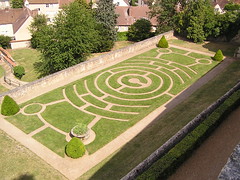
Labyrinth reproduction in the garden below the cathedral (Photo credit: hdes.copeland)
Outdoors in a panoramic park behind the famous cathedral of Chartres a teenage girl skipped along the concentric pathways of a grassy labyrinth. Other kids shouted and kicked a soccer ball. Young lovers simultaneously pecked at each other and the touchpads of their handheld devices, observed by curious onlookers.
Most such onlookers in Chartres are day-trippers from nearby Paris: The capital is an hour’s ride east on a commuter train.
Click here to read rest of article.

Stained glass in Chartres Cathedral
|
|
//

 Balsamico, Balsamico: How to Choose a Good (and authentic) Balsamic Vinegar
by Gareth Jones
“When we think that 100 kgs of grapes converts into just 2 litres of Balsamico after 25 years ageing, we appreciate what’s quite so special.”

1985 aged Balsamic vinegar
Imagine a magical elixir which has a history charted back to 1785 – and probably earlier — that takes skills passed down through the generations of families, and is years in the making. Made traditionally, this elixir has the power to transport one to Heaven on a spoon, and just one word on the bottle tells us the real from the manufactured.

That word is ‘Tradizionale’ and to a cynic it could read like a word from the marketeer’s limited lexicon. This one word, however, divides the Heavenly stunning from the just special and Earthly – and sometimes not special at all for its added caramel and sugar. Time to become acquainted with the genuine Aceto Balsamico Tradizionale di Modena DOP.
|
|
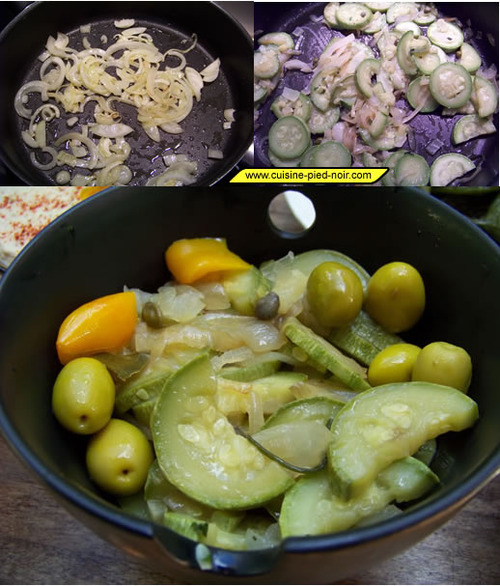
Recipe translated from the French and adapted by Jonell Galloway
This recipe is perfect for Ramadan.
Large, deep frying pan
You can view the original recipe in French on Christophe’s website Cuisine Pied Noir.
|
|

|
|
Here’s our recipe for Boeuf Bourguignon
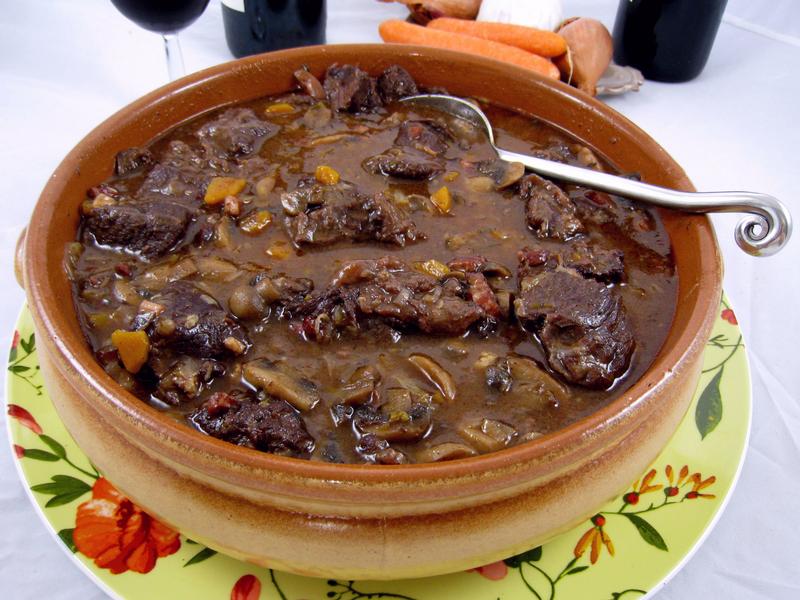
The classic wine for this hearty dish is a relatively youthful Burgundian Pinot Noir – ideally the same wine you’ve used in the cooking. The bright fruit flavours in the wine complement the savoury spice in the dish and the tannins – fine as they typically are in red Burgundy – interact with the proteins in the meat to bring overall harmony to the meal. An older Pinot Noir will have developed more subtle, complex savoury notes, which may be overwhelmed by the bold array of flavours in the stew, thus I’d stick to a more youthful example and save the mature wine until when you can enjoy it in all its glory.

Other Pinot Noirs from around the world will also work – particularly the rich, clean fruit profile of a New Zealand Pinot. You could also try a ‘serious’ Beaujolais Cru – made from the Gamay grape. These Cru wines are slightly more expensive than the infamous Beaujolais Nouveau, yet they provide a more complex flavour profile and robust, yet integrated tannins. The best, from for instance Moulin à Vent, Morgon and Fleurie, start to resemble their cousins from Burgundy to the north and as such, offer excellent value for money.

To the west of Burgundy, the Loire valley produces a number of wines that would go very well with the dish. Sancerre Rouge is the Loire’s expression of Pinot Noir and, I feel, too light in body to stand up to a stew. A Chinon or Bourgueil, however, made from Cabernet Franc, is well up to the task. The thicker skins of Cabernet Franc make for more robust tannin, which go perfectly with beef. Meanwhile, these wines typically have a rich fruity core in their flavour profile not dissimilar to young Burgundy, although more towards blackcurrant rather than raspberry on the fruit spectrum. Cabernet Franc can also introduce leafy, minerally and peppery notes, which can serve as a lovely foil to the sweetness in the vegetables in the stew.

Jonell Galloway and James Flewellen will be giving a food and wine tasting Masterclass in Chartres from September 19 to 22. Here is a thorough description: Celebrate the Chartres Festival of Lights & Autumnal Equinox with a Food & Wine Tasting Masterclass. Click here to reserve your place!
Dr James Flewellen is a biophysicist at the University of Oxford. James learned his trade in taste through the Oxford Blind Wine Tasting Society, of which he was the President from 2010-2012. During his term, he represented Oxford at many international blind tasting competitions – twice winning the prestigious ‘Top Taster’ Award in the annual Varsity blind tasting match against Cambridge University and captaining winning teams in competitions throughout Europe.
One of James’s goals is to clarify the complex and hard-to-navigate world of wine for both novice and experienced tasters. He applies his scientific training to wine education, illuminating concepts of taste, tannin and terroir in an approachable, entertaining manner. James runs wine education courses in Oxford through the Oxford Wine Academy and is completing the WSET Professional Diploma in Wine and Spirits. He is the regular wine writer for The Rambling Epicure and is the founder of The Oxford Wine Blog. He is also currently co-authoring The Concise Guide to Wine and Blind Tasting – a book surveying the wine regions of the world and how to blind taste.
|
|
 Meet Jonell Galloway, a freelance writer and editor specialized in French cuisine.


