Simon Says: Daily Food Quote, March 2, 2012

Published by Friday, March 2, 2012 Permalink 0

by Simón de Swaan

Life is too short for cuisine minceur and for diets. Dietetic meals are like an opera without the orchestra.Paul Bocuse

Paul Bocuse is a French chef based in Lyon, renowned for the high quality of his restaurants and his innovative approaches to cuisine. He is one of the most prominent chefs associated with the Nouvelle Cuisine, which is less opulent and calorific than the traditional cuisine classique associated with the Escoffier school of cooking, and stresses the importance of fresh ingredients of the highest quality. Paul Bocuse claims that Henri Gault first used the term Nouvelle Cuisine to describe food prepared by Bocuse and other top chefs for the maiden flight of the Concorde airliner in 1969.


Click here to see Bocuse’s restaurant website.


Deutsch: Restaurant Paul Bocuse in Collonges a...


Related articles


Never miss a post
Name: 
Your email address:*
Please enter all required fields
Correct invalid entries

Food Art: Apples, Lace and Pie, food photography by Prerna Singh

Published by Tuesday, February 21, 2012 Permalink 0

Prerna Singh runs the award-winning food blog Indian Simmer, which was a finalist in the prestigious Saveur Best Food Blogs this year. Her photos are at the same time sophisticated and rustic, giving a natural yet polished look to the simplest of foods. She grew up in India, but now lives in the U.S. with her husband and daughter.

Prerna uses a Canon 50mm f1.4 lens and photographs in natural light, occasionally using reflectors.

Never miss a post
Name: 
Your email address:*
Please enter all required fields
Correct invalid entries

Food Network Star Anne Thornton Fired for Allegedly Plagiarizing Recipes

Published by Saturday, February 18, 2012 Permalink 0
reports in Foodista that the popular Anne Thornton, who hosted the Dessert First recipe show on the Food Network, has allegedly been fired for plagiarizing recipes.
English: Logo for Food Network


Related articles
Never miss a post
Name: 
Your email address:*
Please enter all required fields
Correct invalid entries

Is Focaccia Pizza’s Rival?

Published by Thursday, February 16, 2012 Permalink 0

by Diana Zahuranic

“It’s the most dangerous competitor of pizza,” said the president of Recco’s Consorzio near Genova. What could possibly pose a risk to the hallowed Italian dish? The risk lies in a similar bread known as focaccia, an olive-oily, salt-crunchy, inch-thick fluffy white dough often cut into squares in the piazza’s panetteria, or bakery. Tomato sauce and ciliegini cherry tomatoes, may be dropped on top, as well as anchovies, thin potato slices with rosemary sprigs, zucchini, eggplant, olives and tomato – basically any ingredient that goes on a pizza sits comfortably on its fluffy focaccia pillow, too. And like pizza, mozzarella cheese is basically a given.


If focaccia is pizza’s most serious contender, then Focaccia di Recco is the Achilles of this battle – but Recco’s focaccia has no weak spot.

I went with my class from the University of Gastronomic Sciences, a Slow Food-founded school based in Piemonte, Italy, to the 150-year old Ristorante Vitturin. The owner applied for the IGP label for his focaccia, and is now waiting for it to pass. If the bread earns this Indicazione di Geografica Protetta, or Protected Geographic Indication, that will make it the first restaurant product with that label. Naples’ pizza likely regrets not applying for one every time a new “Napoletano style” pizzeria erects its greasy walls in small suburbs and big cities. If it gains the IGP label, then that’s Point One for Focaccia di Recco.

We walked down a flight of steps into a moodier section of the restaurant and the kitchen, open with a line of windows framing the working chefs who flip paper-thin focaccia dough in the air and mix potions of ingredients to create pestos and sauces. The bustle of a restaurant kitchen was unapparent, non-existent, at 2:30 in the afternoon. The chef had time to show us how to make Focaccia di Recco.

Three long tables were set up in a U at the end of the room, set with dough, flour and long, thin rolling pins that were more like sticks. The chef was cheerful and energetic and even a bit cheeky to the very sincere Consorzio leader/ restaurant owner, who explained to us why the Focaccia di Recco deserved the IGP label.

“We use a farina di forza,” he explained. This “flour of strength” is 100% Manitoba flour, its forza derived from the high gluten content. The chef let us feel the fine, fine flour. He began to roll out soft, warm piles of dough very quickly into a thin layer on the table.

“The cheese must be this kind,” he said, showing us the Formaggio fresco latte ligurie tracciato. It was a big, white, squishy brick. The chef laid out the first layer over the tray, and then pinched off chunks with his hands of this fresh goat’s cheese from Liguria and plopped them evenly onto the pie.

“We’ve used the same recipe since 1800,” said the owner. The recipe is also written on the brochure of the restaurant (although the cheese is described as crescenza, an Italian-style Philadelphia cream cheese, because few people will ever get their hands on the crucial ligurie tracciato cheese). We were pinching off moist bits of this rich, creamy cheese and popping them into our mouths as we watched the chef toss his next piece of dough high into the air until it was so thin it was transparent.

Formaggio fresco di latte ligurie tracciato

The chef gently laid the fragile dough over the cheesy bottom layer. Some cheese chunks broke through, which would burst through in an exquisite, oily sizzle when in the oven. He drizzled it with extra virgin olive oil, cut off the excess dough in one deft motion using the rolling pin, and smashed the leftovers into another dough ball. “We don’t waste anything,” he said. In fact, we ate hand-rolled corkscrew-shaped pasta later, called trofie or trofiette, made out of that very dough ball.

The focaccia was carefully cooked on hot coals, the traditional method, especially for us. When it was ready, it was sent up to the ground level by a veritable focaccia carousel – a large wheel with level platforms where focaccia was placed, sent up, up, up and lifted off by the waiter to be served, pizza-style, at the table. The place is known as the “restaurant of the wheel.”

The cheesy Focaccia di Recco was crunchy in all the right places, soft and gooey where you wanted it, and underlined by the wholesome nuttiness and vegetal taste of the extra virgin olive oil. My preference was the Focaccia di Recco covered in zesty, herby, house-made pesto. Interestingly, they proudly deemed this una ricetta nuova, a new recipe. Tradition runs strong in Italy, where changes are tested slowly and considered seriously.
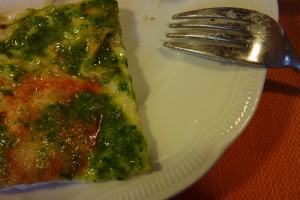
The pesto version of focaccia

Perhaps this answers the questionable “difference” between a focaccia and pizza. Focaccia is often thicker, and it is sometimes sold as “pizza a taglio,” “pizza by the slice,” even though everyone knows it is focaccia. In Italy, pizza is never one slice – it is a pie per person. And in Recco, the focaccia is thin and served on a round dish, one per person. These qualifications bring it dangerously close to pizza. When I asked the question, I was told that the ingredients in the dough are different than that of pizza dough.

And so it seems that pizza will remain pizza, focaccia will remain focaccia, and they will continue to be sold alongside one another for a long, long time as they always have. Don’t worry, pizza. Focaccia isn’t out to get you. Just don’t set up shop in Recco.

Related articles

Never miss a post
Name: 
Your email address:*
Please enter all required fields
Correct invalid entries

French Food Facts: What is a Salpicon?

Published by Wednesday, February 1, 2012 Permalink 0

by Jonell Galloway


In classic French cuisine, the term “salpicon” refers to a mixture of one or more ingredients, diced, and then bound with a sauce.

English: Basil salmon terrine Français : Terri...

The salpicon is then used to fill pastry shells, fill pastry dough, make canapés — the list is endless.

They can also be used to make cromesquis or to stuff eggs or meat.

Typical examples are diced cucumbers, green asparagus seafood bound with mayonnaise, or leftover meats bound with white or brown sauce.

Today, the term is also used in Mexican cuisine.

Continue Reading…

Never miss a post
Name: 
Your email address:*
Please enter all required fields
Correct invalid entries

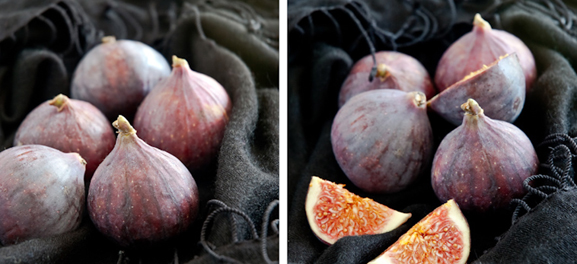
Food Art: The Glory of Figs, by Meeta Khurana Wolff

Published by Friday, December 23, 2011 Permalink 0

See more beautiful photo compositions at Meeta K. Wolff. She runs the popular blog What’s For Lunch Honey?

Never miss a post
Name: 
Your email address:*
Please enter all required fields
Correct invalid entries

Spontaneous Cuisine: Parsnip Velouté with Aged Mimolette Cheese

Published by Thursday, December 15, 2011 Permalink 0

Itsy Bitsy History of the Parsnip

In the Middle Ages, Geneva was running over with parsnips, which they referred to as “white carrots”. It was almost always included in their “eternal pots” of soup, which consisted of seasonal vegetables that they just kept adding more vegetables to as needed, and a piece of meat once a week.

After World War II, many root vegetables went out of fashion in Europe, because people had had to survive on them and nothing else during the war, so farmers eventually stopped growing them. The same went for pumpkin. People in the north of France who had lived through the war and eaten pumpkin every day couldn’t bear the thought of eating pumpkin ever again.

In recent years, these old-fashioned vegetables, including parsnips, have again become available, and chefs are going crazy with new ideas on how to use them.

Parsnips are plentiful at the moment and there’s nothing better than soup to warm you up on a cold winter’s day. Eric Burkel, former financial analyst, entrepreneur and now president of his local food coop in Paris, got this recipe from one of the farmers who supplies vegetables to the coop.

Parsnip soup recipe

Continue Reading…

Never miss a post
Name: 
Your email address:*
Please enter all required fields
Correct invalid entries

Food News Daily: Latest food news and trends from around the world, December 14, 2011

Published by Wednesday, December 14, 2011 Permalink 0

How Caffeine Can Galvanize Your Workout, Sweet Potato Soup With Ginger, Leek and Apple, Take a Tea Break – Whole Living Daily: Whole Living, First Write the Blog, then Write the Cookbook, Espresso Kahlúa Brownies,
Homemade Corn Tortilla and A Delightful Mixed Vegetable Cheesy Quesadilla, David Downie: Delving into the Heart of Genoa and its Food Shops and Cafés, and much more.

Click here to read more.

Salvadoran woman making tortillas with a tradi...


Continue Reading…

Never miss a post
Name: 
Your email address:*
Please enter all required fields
Correct invalid entries

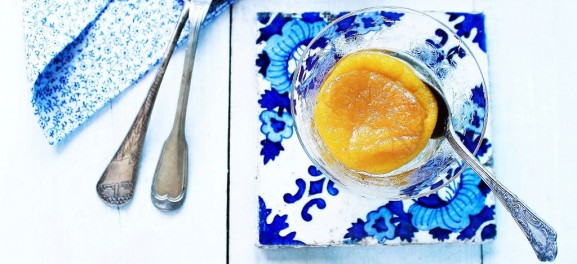
Food Art: Azulejos 1, food photography by Mónica Pinto

Published by Thursday, December 1, 2011 Permalink 0

by Jonell Galloway

I recently discovered Mónica Pinto’s beautiful food photography when searching for World Food Blogs for my Food News Daily column. Of Portuguese origin, her recipes are often traditional Portuguese, but her photography is firmly rooted in the spirit of cutting-edge food photography. Mónica runs the blog Pratos y Travessas, writtten in both Portuguese and English.

Continue Reading…

Never miss a post
Name: 
Your email address:*
Please enter all required fields
Correct invalid entries

Who is Sylvie Shirazi? Our latest food photographer find

Published by Thursday, December 1, 2011 Permalink 0

Sylvie Shirazi runs a food blog called Gourmande in the Kitchen, where you can find her recipes. You can see her professional photography at Sylvie Shirazi Photography.

Continue Reading…

Never miss a post
Name: 
Your email address:*
Please enter all required fields
Correct invalid entries

UA-21892701-1