Simon Says: Daily Food Quote, September 4, 2012

Published by Tuesday, September 4, 2012 Permalink 0

by Simón de Swaan

“Shape is a good part of the fig’s delight.”–Jane Grigson


Jane Grigson was an English food writer. Grigson’s growing interest in food and cooking led to the writing of her first book, Charcuterie and French Pork Cookery (1967), which was translated into French, unusual for an English food writer. Elizabeth David read the book and was impressed by it, and recommended Grigson as a food columnist for The Observer, for which she wrote a column from 1968 until her death in 1990.

Never miss a post
Name: 
Your email address:*
Please enter all required fields
Correct invalid entries

The Art of Tasting Wine with James Flewellen: Using your nose: Aromas in red wines

Published by Friday, August 31, 2012 Permalink 0

by James Flewellen

Like white wines, the aromas of reds can similarly be broken up into ‘fruity’ and ‘non-fruity’ categories. Rather than a fruit ‘spectrum’, however, I tend to think of red wines in terms of red fruit and black fruit. Some of the lighter, more ethereal red wines have notes of redcurrant, cranberry, raspberry and strawberry, while in fuller-bodied wines you’ll often find luscious blackcurrant, blackberry and damson. Some wines, notably Pinot Noir can straddle the red fruit-black fruit divide, while I often find cherry and red plum notes specifically in Italian varietals.

I mentioned that with white wines, the position of the wine’s aroma profile along a ‘spectrum’ can indicate the ripeness of the fruit, and thus the climate in which the vine has grown. There is an analogue with red wines, where wine from cooler climes may smell (and taste) more of tart, fresher fruit while wine from wamer places will have notes of ripe, jammy or even baked fruit. Think of the subtle notes of fresh raspberries versus the heady aroma of a pot of homemade raspberry jam on the boil. Grapes from very hot places can have yield wines with dried fruit notes such as raisin, prune or date.

Some fruit aromas found in red wine

It’s perhaps worth mentioning here, that other than flavouring added by maturation in oak barrels, the flavours and aromas in wine come entirely from the fermentation of grapes. Grapes are not so far removed from other fruits on the evolutionary tree that it should come as no surprise that we might find some of the same chemicals in grapes as we do in apples, cherries or blackberries. Over millennia humans have domesticated the vine and carried out a series of genetic selections to bring forward different characteristics in what we now term different ‘varieties’ of the vine.

On the whole, red wines are more suited to oak ageing than whites. Thus we’ll often get the characteristic vanilla or coconut notes from wines that have seen, respectively, new French or American oak. More red wines will be aged in what is termed ‘old oak’ or ‘second use’ barrels. These are barrels that have already been used for one vintage and have thus imparted most of their bright, toast and vanilla aromas to a previous wine. Their effect on a subsequent wine is thus more subtle, and in such wines you’ll often find aromas of nuts — hazelnuts and walnuts are the two I find more commonly — and also coffee, mocha and chocolate.

Image Copyright James Flewellen. All Rights Reserved.

French oak barrels used for maturing red wine in Bordeaux.

Red wines too have a broad spectrum of non-fruit aromas. Wine writers and critics have come up with all sorts of interesting descriptors to attempt to communicate these sensations to their readers, and although they may sound rather rude, they are in fact (usually) complimentary. Some that spring to mind are farmyard, wet wool, horse manure, charcoal, ash and earth.

Spices too are a rich vein to tap for red wine aroma descriptions. Licorice, anise, Chinese five-star, pepper – both white and freshly ground black, juniper, cloves, nutmeg to name a few.

Some red wines have a herbaceous aspect to their aroma profile. Cabernet Sauvignon from a relatively cool climate famously has a note of ‘green bell pepper’. Cabernet Franc can smell grassy and leafy while Pinot Noir can bring forth hints of mushroom or autumnal leaves. Others still have floral aromas.

The most interesting wines will smell of many things; the aroma will swirl, morph and change over time in the glass; with bottle age, even more aromas come to the fore while other recede into the background. And of course different people will notice different things in the same glass of wine. Smell is a very powerful  trigger for memory — which perhaps explains some of the more poetic descriptions for wine aromas. The great thing is that there are no wrong answers — nobody else has your olfactory sense nor your memories top draw upon. What can be frustrating to begin with is not to have the right vocabulary for describing what you smell. The best way to solve this is to buy some fruit, or some flowers, or some spices and just smell them! It might seem a bit mad but surely, not to notice what your wine smells like is to miss out on at least half the fun!

__________________

James Flewellen is The Rambling Epicure wine columnist. James is a biophysicist at the University of Oxford. Originally from New Zealand, the huge range of wine James discovered in Europe spurred his interest in all things vinous. He became involved in the University’s Blind Wine Tasting Society and has recently completed a two-year term as its President. During this time he represented the University in a number of domestic and international wine tasting competitions, winning several awards. He is currently completing the WSET Diploma in Wine and Spirits. James has a passion for wine communication and education and runs the Oxford Wine Blog and the Oxford Wine Academy.

Never miss a post
Name: 
Your email address:*
Please enter all required fields
Correct invalid entries

The Art of Tasting Wine with James Flewellen: Using your nose: Aromas in white wines

Published by Monday, August 27, 2012 Permalink 0

by James Flewellen

For me, the greatest tragedy of having a cold is not hours spent in bed when I could be out doing something ‘productive’. Rather, it’s losing my sense of smell with a blocked nose: food simply doesn’t taste the same!

Just like food, the aroma of a wine is very important to our overall perception, and enjoyment, of it. We smell a wine without even trying when we go to drink it. Our taste buds are immediately informed about what to expect and we unconsciously assess the flavour of a wine based on whether it lives up to how it smelled. We even have smell sensors that can be reached from inside our mouth. These are especially triggered by wine, whose alcoholic content helps lift the aroma molecules to reach these sensors even after we swallow. Wine can be such a complex beverage, it’s a shame not to experience fully everything it has to offer, which is why you’ll see wine geeks swirling a glass of fine wine and sticking their noses in endlessly, before even taking a sip!

Image Copyright. All Rights Reserved.

When pairing food and wine think also about complimenting the aromas of each. The stone fruit and honey aromas of this Tokaji paired very well with an apricot tarte tatin.

Given the density of aroma molecules found in a wine and a human’s comparatively poor sense of smell, it can sometimes be a challenge identifying what it is we’re actually smelling in a wine. This is no bad thing — if you can immediately name a single thing a wine smells like, it’s a sign that it’s not particularly complex or interesting wine.

To help simplify things I like to break up the aromas I might be getting in a wine into different categories. Firstly I focus on the ‘fruit’ aspect of the bouquet. Does the wine smell ‘fruity’ or is the nose (wine term for ‘aroma’) dominated by non-fruit aromas? Or perhaps they are both there in equal measure. If fruity, what sort of fruits?

For white wines, I tend to think of a ‘fruit spectrum’. At one end of the scale we have cool climate fruits, such as apples, pears, lemon and grapefruit. We move through to stone fruit — peaches, apricots — and then to tropical fruits — for instance pineapple, guava, mango. This ‘spectrum’ is an indication of the ripeness of the grapes and can give us a clue as to the climate in which the grapes are grown. To generalise, the more towards the tropical end of the spectrum, the warmer the climate.

Part of the ‘fruit spectrum’.

Of course there are exceptions to this rule, and some wines have distinct aromas of certain fruits — Gewurztraminer typically smells of lychee for instance. It’s interesting to note that very few wines actually smell of ‘grapes’. Perhaps this reflects the reduced variation in table grapes we have available to us in a globalised, homogenised food market — most of the table grapes I’ve seen in supermarkets around the world are Thompson Seedless. Although there is of course the argument that if grapes are fine enough to be made into wine, why would you waste them on a table! Wines made from Muscat are one exception to this rule, and are often described as having a ‘grapey’ aroma.

As far as non-fruit aromas go, we can have vegetal or herbaceous aromas — Sauvignon Blanc is often described as smelling of gooseberry and nettle, or even tomato leaf. Shelled peas, grass and hay are all terms I’ve used more than once too. Wines can smell musty or animally too, which is not always a pejorative term. Loire Chenin Blanc can have an intriguing aroma commonly referred to as ‘wet wool’! And of course we have flowers. Muscat smells of orange blossom; Chablis can be reminiscent of lilies. If you know your flowers you’ll be able to discover all sorts of comparisons with wine.Image Copyright. All Rights Reserved

You’ll often hear the term ‘minerality’ thrown about in wine descriptions. Minerality is more commonly used to describe a component of taste, and exactly what it means is a matter than is hotly debated. As far as aromas go, some wines do have a sort of chemical smell such as flint, gunpowder, kerosene, petrol or wet asphalt. Again, these are not always used in a negative way. The most complex wines will have elements from all categories in varying degrees and over the course of a meal or tasting different aspects of the bouquet will come to the fore, while others will recede in prominence as your nose gets used to smelling them.

The final aspect of the nose of a white wine may be the presence of oak. If a wine has been aged in new French oak, you may expect aromas of vanilla, butter, nuts, spices, or even freshly sawn planks — if the wine is very young. American oak has a more lifted, slightly confected aroma often described as coconut, but also as white chocolate.

As you’re picking up, wine is a complex concerto of hundreds of aromatic compounds. As humans, we’re lucky enough to be able to smell even some of the, though it can take practice to identify what exactly we smell. As with everything though, it is simply a matter of starting to pay attention to what we’re smelling, both in and out of the glass.

Never miss a post
Name: 
Your email address:*
Please enter all required fields
Correct invalid entries

Simple Sustenance: Summer in a Bowl — Honey-Ginger Papaya Salad

Published by Thursday, August 2, 2012 Permalink 0

by Renu Chhabra

One cannot think well, love well, sleep well, if one has not dined well. —Virginia Woolf

Sunshine and outdoors! Summer is in full swing. We have been experiencing beautiful warm days — some warmer than others. But that’s the beauty of this season.

Farmers markets are exploding with seasonal produce and an abundance of flower power. And local honey farms are showcasing their products with great pride. In fact, I recently attended a lecture about bee pollination at our local Whole Foods Market. It is amazing how these tiny bees create something so rewarding, one bit at a time. It definitely makes me respect every drop of honey I use. Especially at a time when there is quite a buzz about honey among health-conscious people like me who try to avoid refined sugars, and want to preserve this precious commodity. So I say, love our honey bees and respect their hard work.

Continue Reading…

Never miss a post
Name: 
Your email address:*
Please enter all required fields
Correct invalid entries

Rosa’s Musings: In Sync with the Seasons: Baked Apricots Stuffed with Almond Paste

Published by Tuesday, July 17, 2012 Permalink 0

by Rosa Mayland

INCREASE YOUR GASTRONOMIC EXPERIENCE BY EATING IN SYNC WITH THE SEASONS

Baked Apricots 2 bis The Rambling Epicure Rosa's Musings Rosa Mayland

With the arrival of hotter weather, I am thrilled that some of my favorite fruits are starting to grace (super)market stalls. They are so fabulous that I can never get enough of them. Not one week goes by without me making either pies, pastries, cakes, trifles, crumbles, clafoutis or cobblers in my itsy-bitsy apartment kitchen.

Continue Reading…

Never miss a post
Name: 
Your email address:*
Please enter all required fields
Correct invalid entries

Switzerland: Looking for a Farmers Market in Geneva?

Published by Saturday, July 14, 2012 Permalink 0

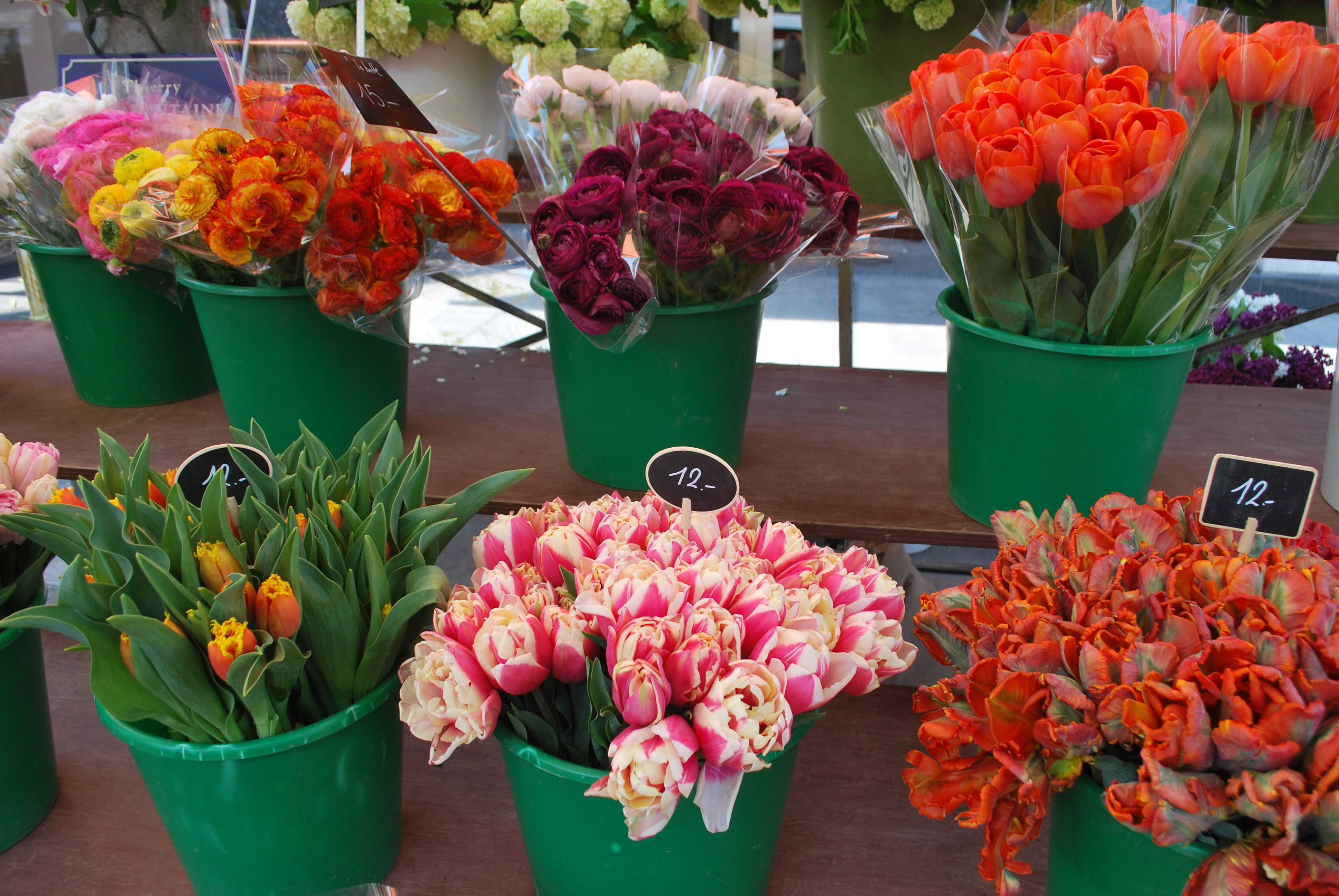
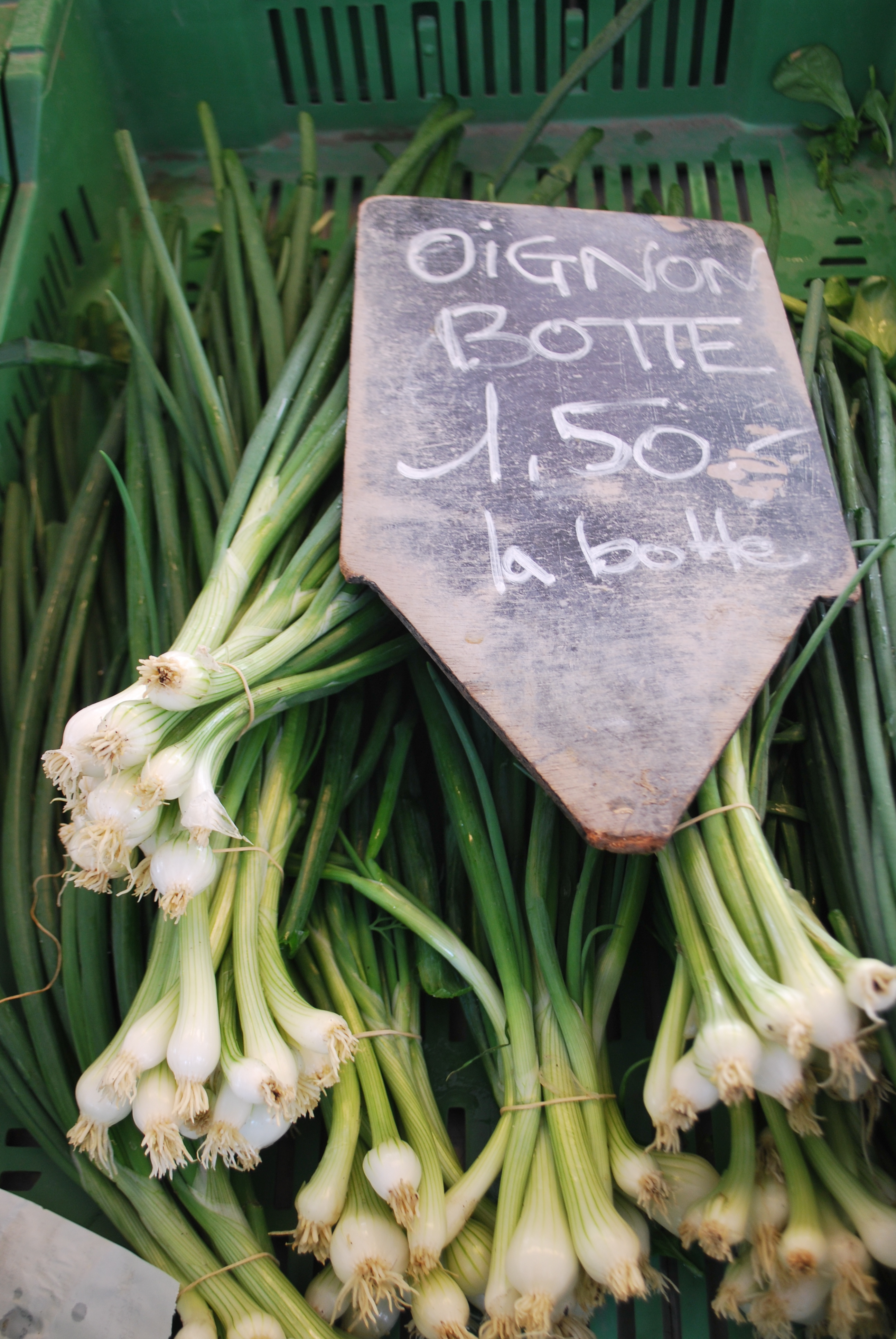
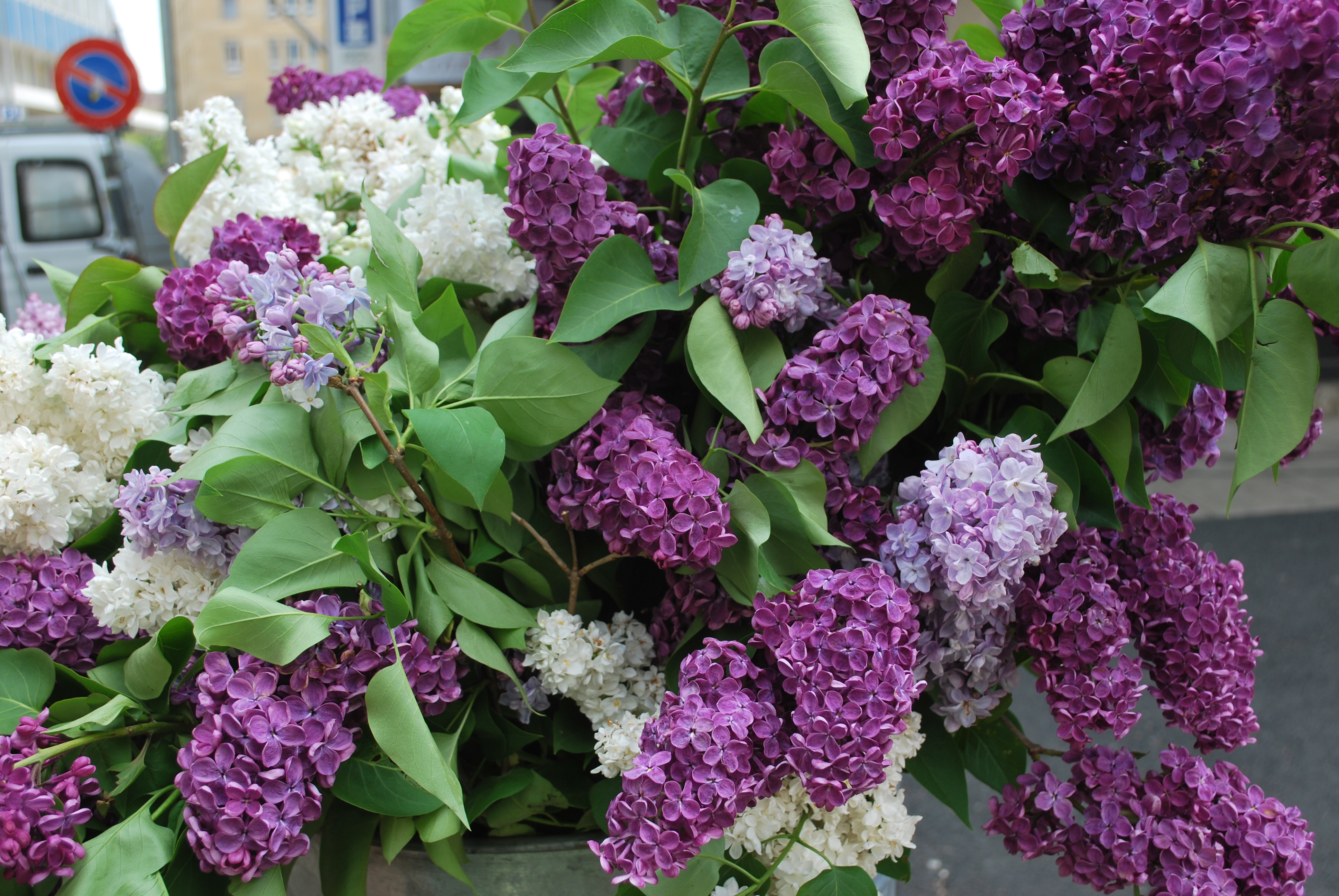
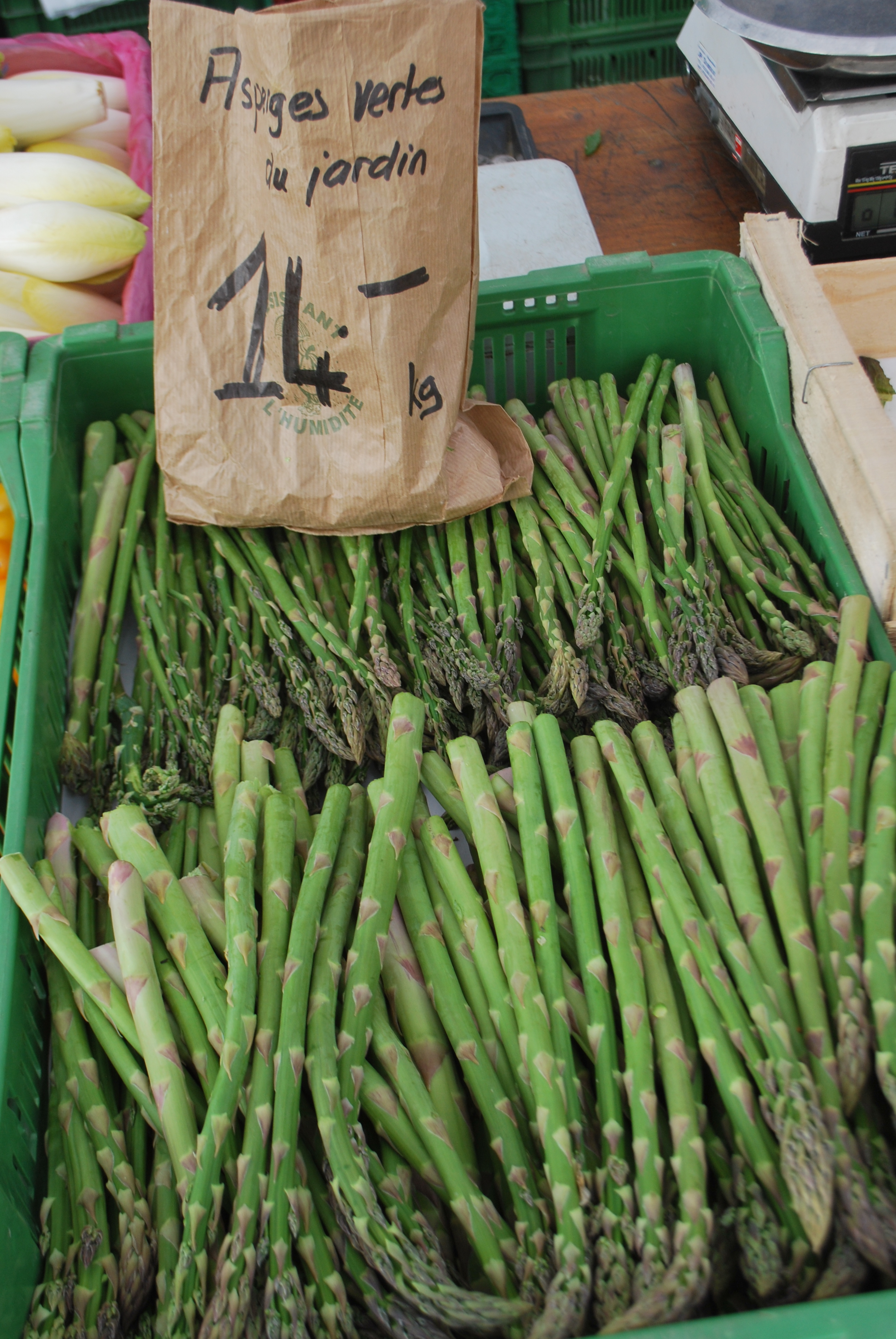
Click here for Geneva Tourism’s list. Take a look at this photo documentary of what’s on offer at Swiss farmers markets.


Never miss a post
Name: 
Your email address:*
Please enter all required fields
Correct invalid entries

4th of July Healthy Recipe Roundup

Published by Monday, July 2, 2012 Permalink 0

4th of July Recipe Roundup

by Christina Daub


With the fourth of July right around the corner, it’s time to clean the grill and get ready to barbecue. Whether you are using charcoal or gas, Independence Day just wouldn’t be the same without the smell and the sizzle of a big steak wafting through the backyard.

For my taste buds, however, nothing beats the old-fashioned, three-legged charcoal grill, whose heat has been reduced nearly to embers and tinged with hickory chips I’ve soaked to add that delicious smoky flavor that enhances grilled food so well. Unfortunately, in Switzerland, unless you have a personal source of wood chips, you’ll have to use regular charbon de bois, or wood charcoal, which is usually a mixture of several different woods.

To get juicy, flavorful steaks, try slathering each side with mustard, Worcestershire sauce and soy, then let the meat sit while the charcoal reduces itself for slow cooking.

When grilling ribs (the pork variety), soak your wood chips in apple juice for about 30 minutes, then wrap them in foil, perforate it, and lay it on the coals. This gives a slightly sweet taste to the ribs which complements the saltiness of the pork.

Traditional or healthy accompaniments?

While the kids line up for hot dogs (in the Lake Geneva region, local pork butchers or charcuteries often make their own homemade frankfurters) and hamburgers (get the butcher to grind it for you fresh on the morning of the 4th), think about what you want to serve with your grilled delicacies.

Traditionally, there was potato salad, great lumps or cubes of potatoes swamped in mayonnaise, with perhaps a scallion or two to give it some punch. However, not being a fan of such cholesterol- and fat-filled fare, I have always opted for the healthier green salad, loaded with a variety of lettuces and pea shoots I can get by hitting the farmers’ market early enough. In Switzerland, there is an endless choice of greens, herbs and shoots at this time of year in any farmers’ market you go to.

A platter of just-cut, ripe red tomatoes (local if you can find them), sprinkled with salt and drizzled with high quality olive oil and a local full bodied red wine round out the meal. Until  dessert.

Dessert: a healthier version than in the old days

Christine Koh
Photo used with authorization of Christine Koh

I have to say while the all-American barbecue meal totally sates me, I never pass up dessert, and this is one time of the year it’s really fun to use color in making dessert. There are a number of red, white and blue desserts I’ve come up with in the past, but everyone’s favorite seems to be what I call the “flag cake.”

This is a flat rectangular sheet cake that I cover either in white icing or whipped cream. On top, I create horizontal rows of raspberries for the red stripes of the flag and in the left corner, I intersperse blueberries so that the icing can shine through as “stars.”

For a lighter, but equally festive dessert, I layer yogurt with berries in parfait glasses, alternating the raspberries (you can also use strawberries or currants) with the blueberries in between the layers of yogurt. The kids seem to prefer vanilla yogurt, but for the adults I use plain, sweetened with a bit of honey.

Let the fireworks begin!

Christina Daub studied at L’Ecole du Cordon Bleu in Paris. She now lives in Washington, D.C. She is a poet, and teaches poetry at George Washington University and other writing workshops around the country.

Photos compliments of GenevaLunch.

Continue Reading…

Never miss a post
Name: 
Your email address:*
Please enter all required fields
Correct invalid entries

Thai Stinky Fruit: Durian

Published by Wednesday, March 21, 2012 Permalink 0

by Lenny Karpman

More than twenty years ago the King of Thailand was about to celebrate a landmark birthday, so he and his government planned a long list of special events and invited expatriate Thais from prominent families to return home and join the celebration. Yao, a Thai friend of mine was among the invitees. I went along.


“Let’s go find some durian, you know – the stinky fruit,” she proclaimed with a smile. I returned her smile with a little apprehension. I was usually impervious to all varieties of natural and synthetic aromas. Not so that Sunday in Bangkok. My diminutive soft-spoken friend from San Francisco was on the home turf of her family and her childhood. She was my guide for the day. Her feather-like hold on my arm steered me through the bustle of the Sunday crowds. There, at the weekend market on the edge of the city, thousands of shoppers gathered to buy everything from plaid boxer shorts and eyeliner to hundred kilo live pigs. We were on a durian quest.

Continue Reading…

Never miss a post
Name: 
Your email address:*
Please enter all required fields
Correct invalid entries

The Brazilian Grape Tree that Fruits on its Trunk

Published by Tuesday, March 20, 2012 Permalink 0

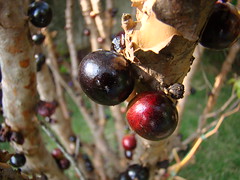
We love this article on Kuriositas about Brazilian grape trees, known as Jabuticaba, where the plump purple grapes grow directly on the trunk of the tree.

With its lovely close-up photos, the article also gives you a brief explanation for why the grapes grow like this, as well as some geographic and historical information.

Click here to read it.


Jabuticaba (Myrciaria cauliflora) fruits,  Bra...


Continue Reading…

Never miss a post
Name: 
Your email address:*
Please enter all required fields
Correct invalid entries

Geneva, Switzerland: How to find food producers near you

Published by Tuesday, February 28, 2012 Permalink 0

The agricultural promotion office for the canton of Geneva (OPAGE) lets you fill out this A variety of punpkins at the Portland Farmers ..., telling them what you want, where, the producer’s or company’s name, etc. so you can find just about any local agricultural product you want. It makes it so easy!

A variety of punpkins at the Portland Farmers ...


Never miss a post
Name: 
Your email address:*
Please enter all required fields
Correct invalid entries

UA-21892701-1