Tackling Obesity through Food Relationships

Published by Thursday, April 10, 2014 Permalink 0

Jonell Galloway, Writer, Editor and Translator

Swiss Food


by Jonell Galloway

I was recently interviewed for a Swiss Info documentary called “Finding the Right Food Formula.” In the context of recent childhood obesity figures in Switzerland, Veronica De Vore is exploring the Swiss relationship to food and how that might have changed, how it might be related to the rise in childhood obesity.

Click here to listen to the show. I cooked a Kentucky Fried Chicken feast for Veronica, while discussing the more serious matter of relationships to food in the context of my work in mindful eating. (The article also includes an abridged recipe for my grandmothers’ traditional Kentucky Fried Chicken.)

Continue Reading…

Never miss a post
Name: 
Your email address:*
Please enter all required fields
Correct invalid entries

The Real Facts about Calories in Junk Food vs. Real Food

Published by Tuesday, January 14, 2014 Permalink 0

by Jonell Galloway

Here are all the facts you need to know about how your body uses the calories from junk food in comparison to those from real food. This article is a fascinating read, and a keeper! See Precision Nutrition.

Here’s an excerpt:


Fast food and apples What Are Your 4 Pounds Made Of?

Remember:

  • Real food regulates appetite – so you don’t overeat
  • Real food controls blood sugar/insulin – so you can avoid energy swings and diabetes
  • Real food provides the best nutrition – so you can remain healthy for life
  • Real food has a sane amount of energy – so that you can’t accidentally overeat
  • Real food has a longstanding relationship with our body – so that our bodies know what to do with it


Never miss a post
Name: 
Your email address:*
Please enter all required fields
Correct invalid entries

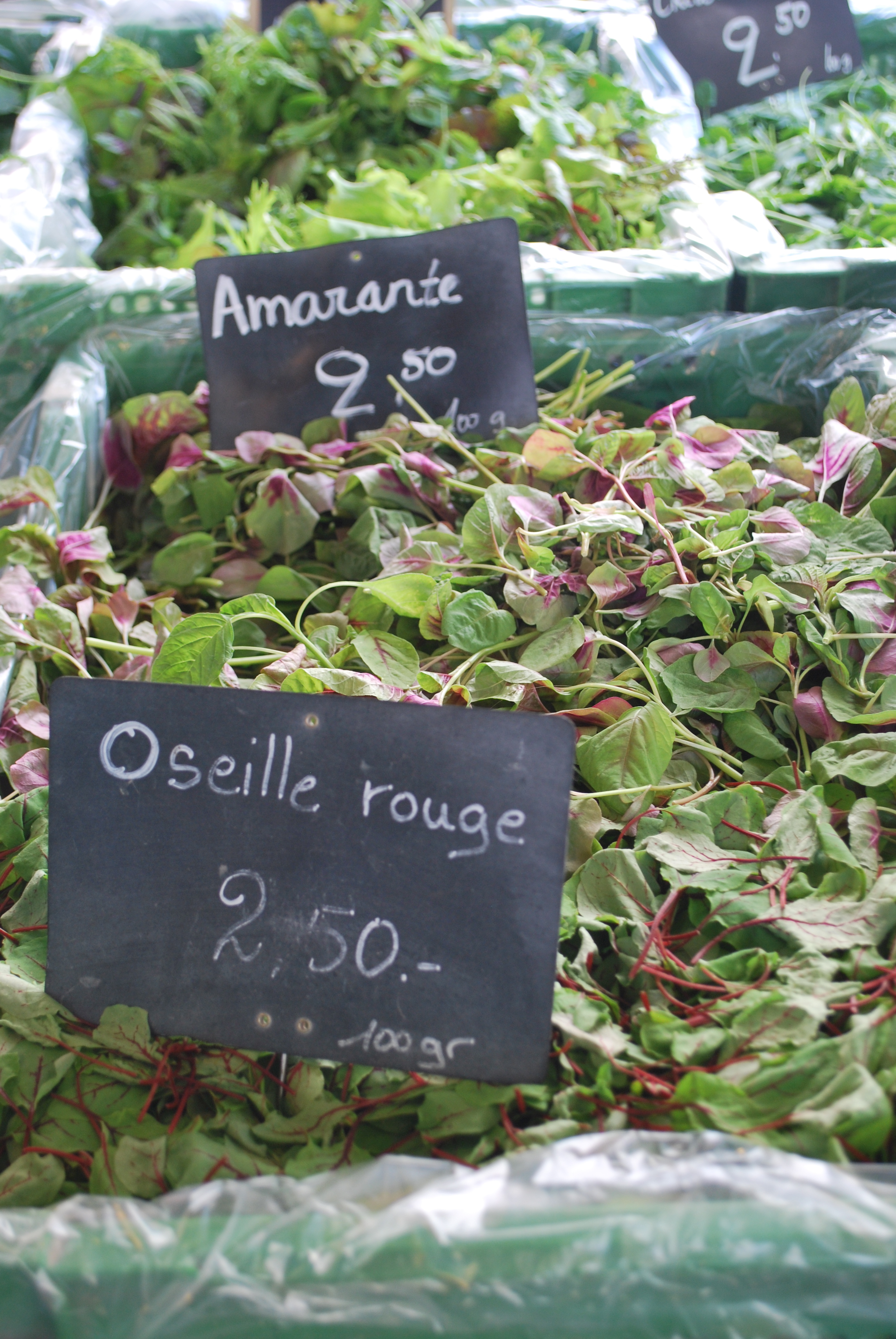
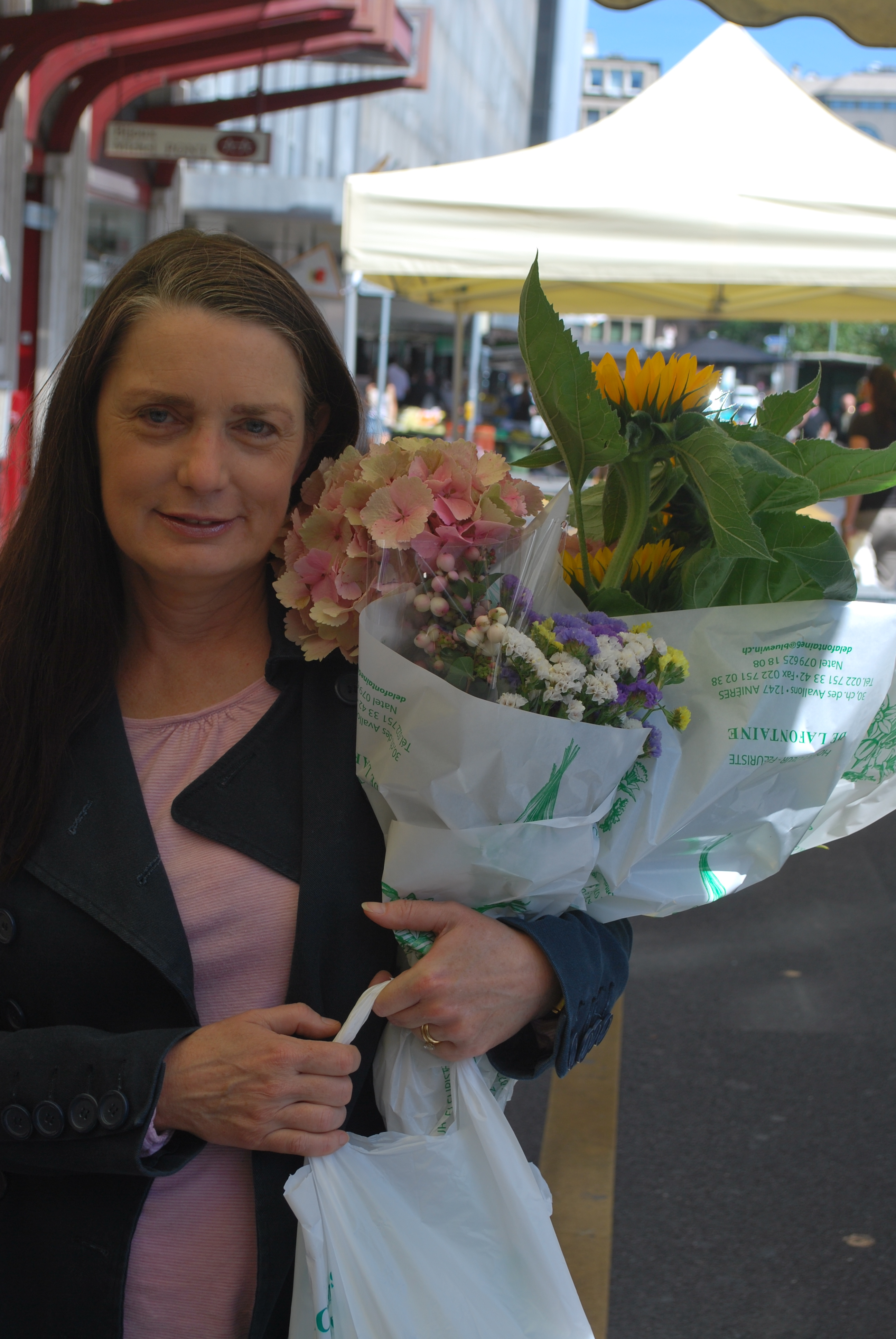
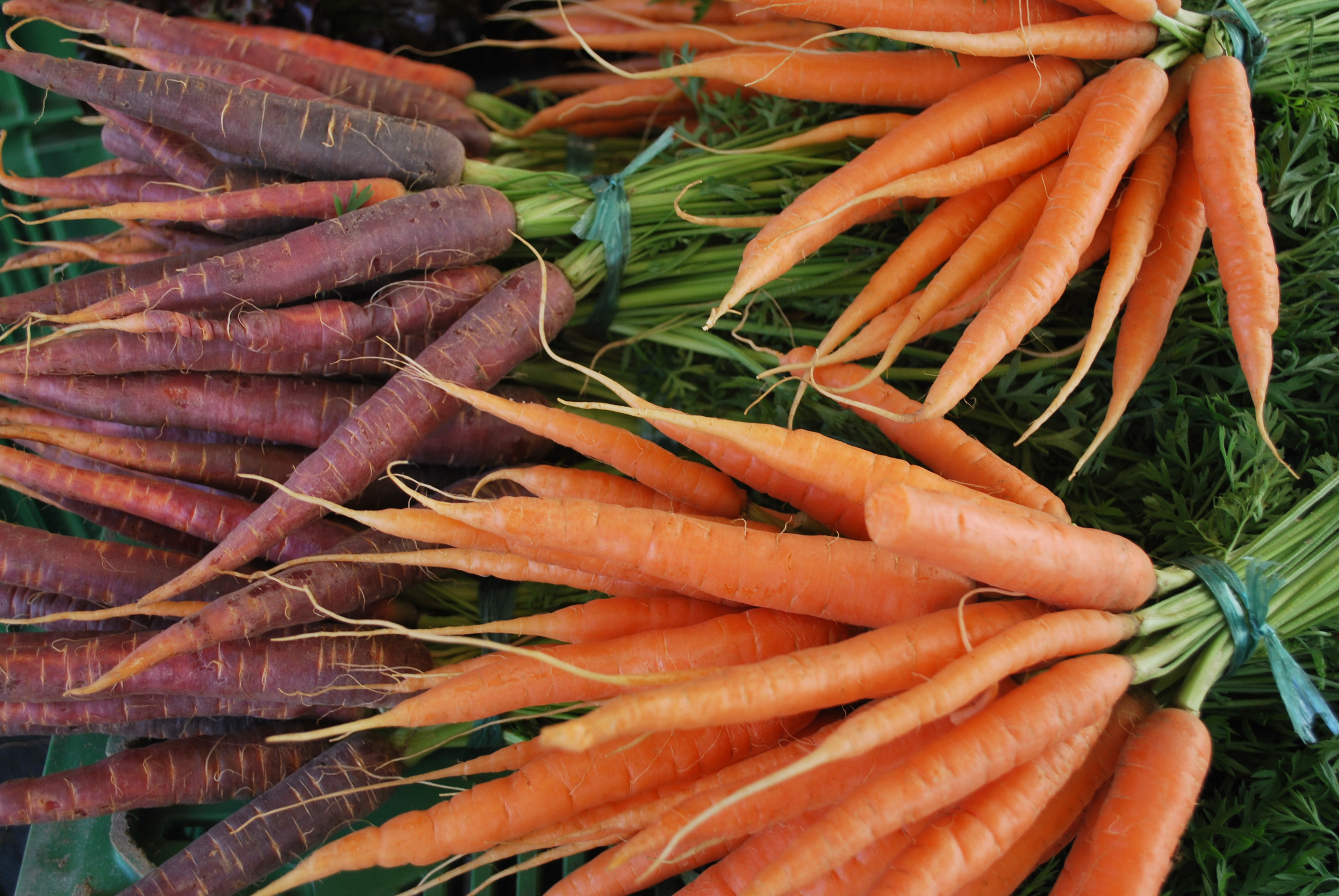
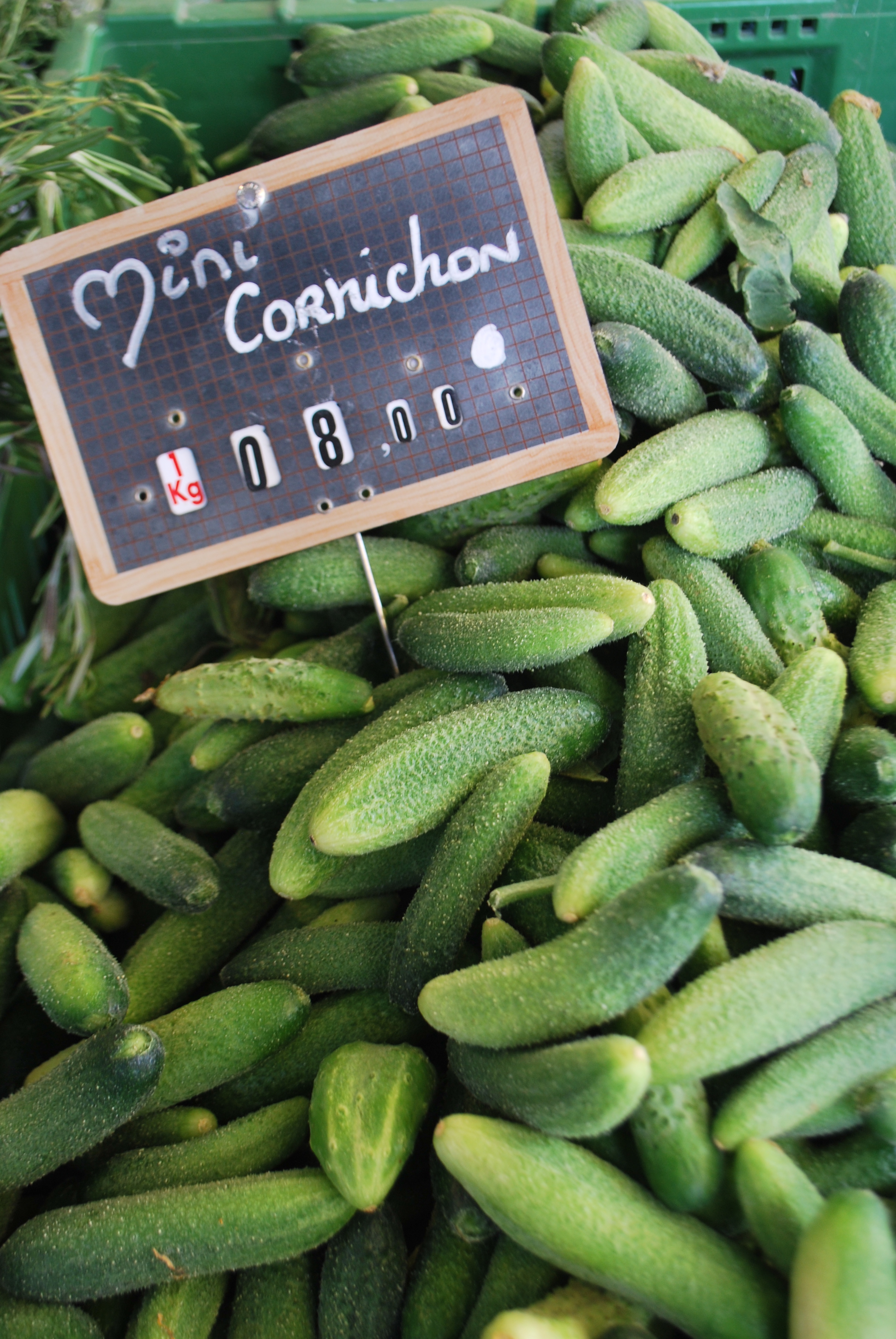
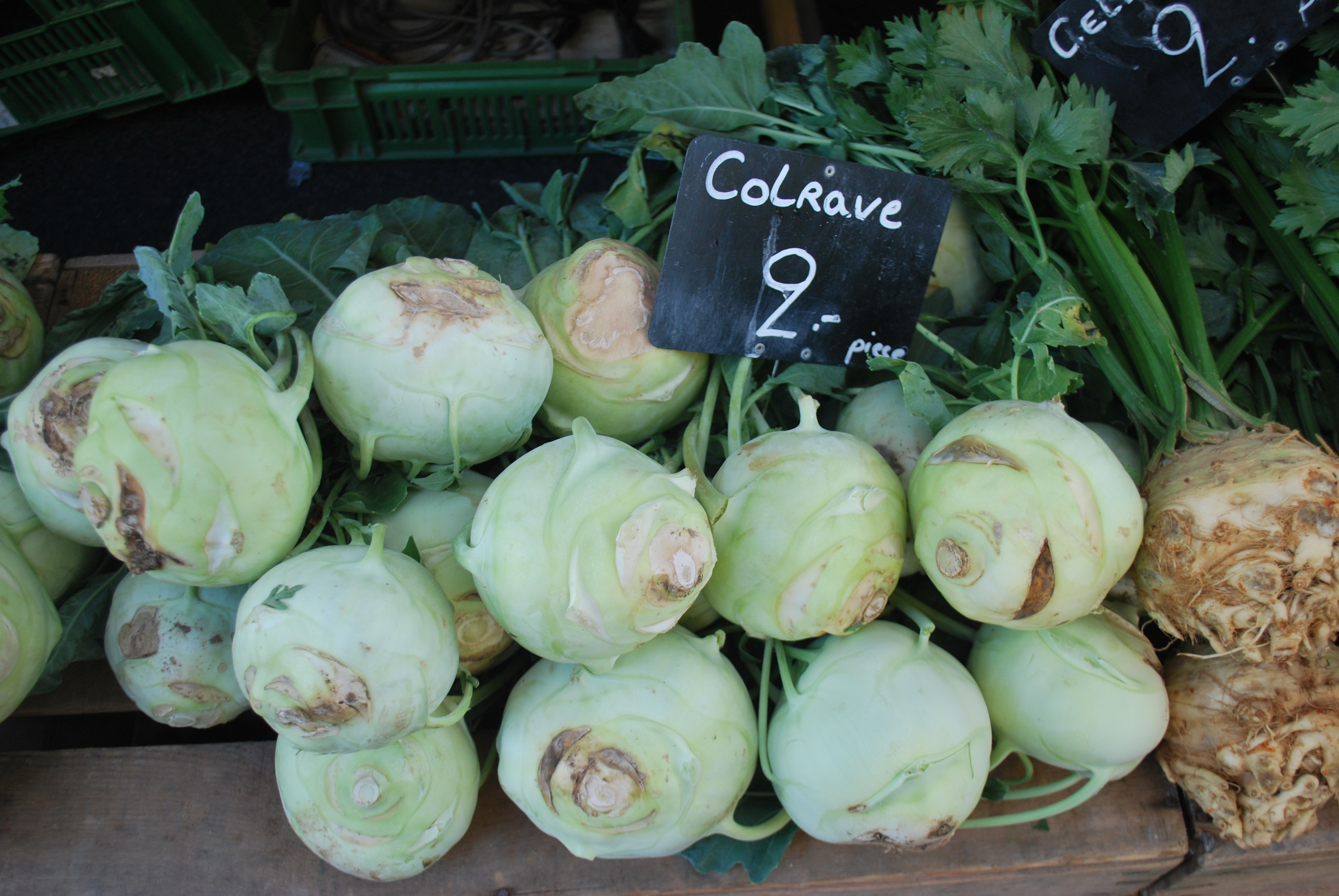
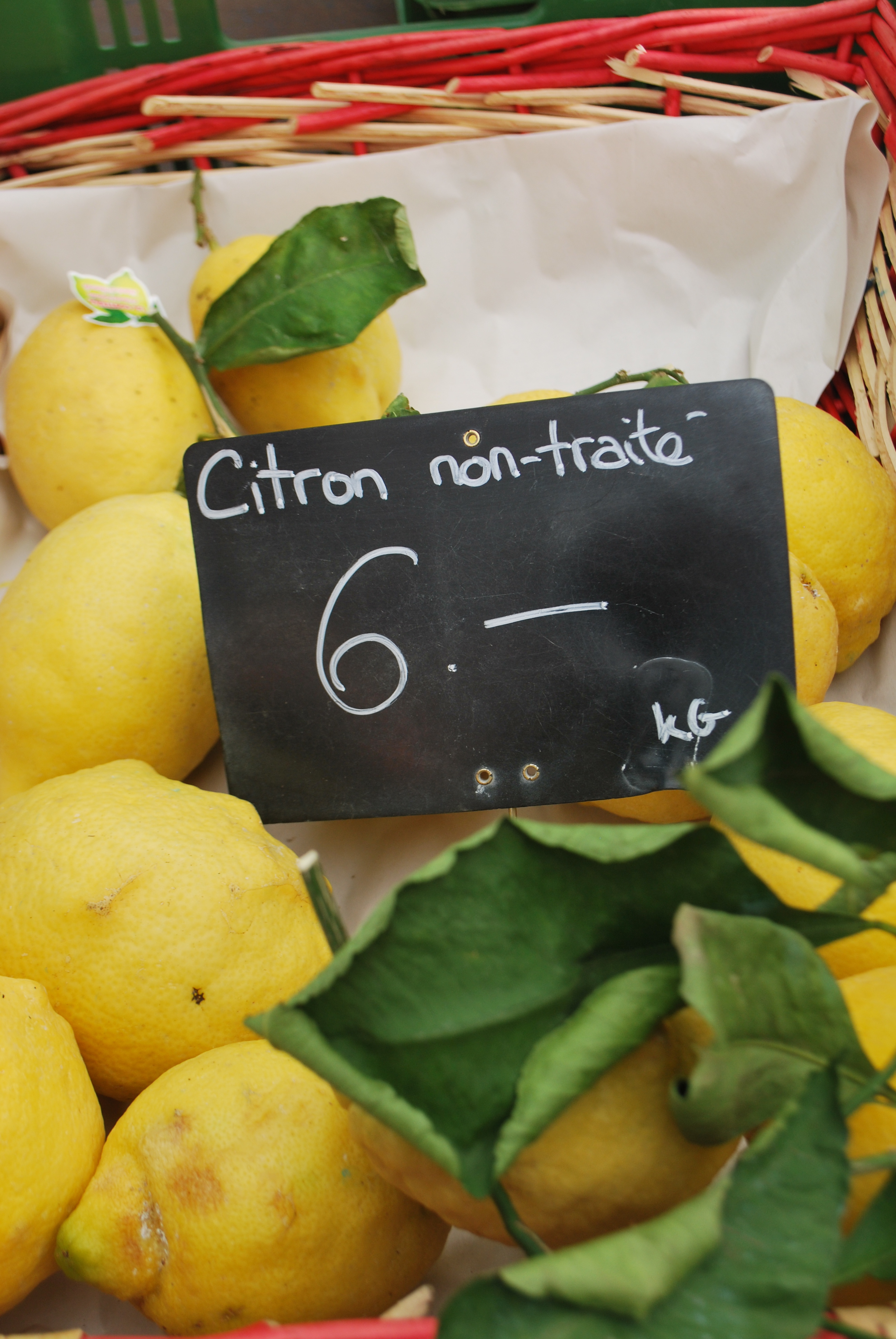
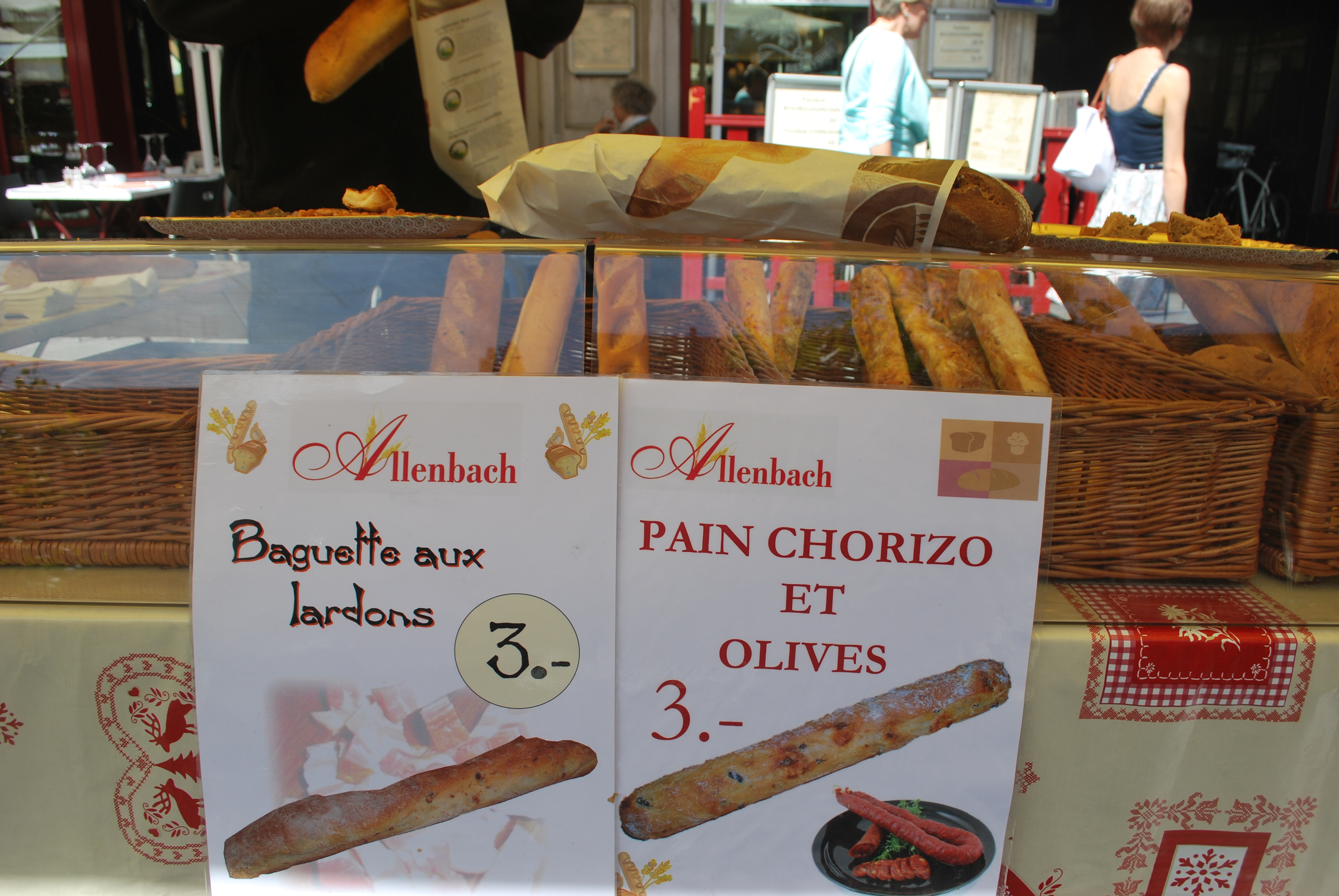
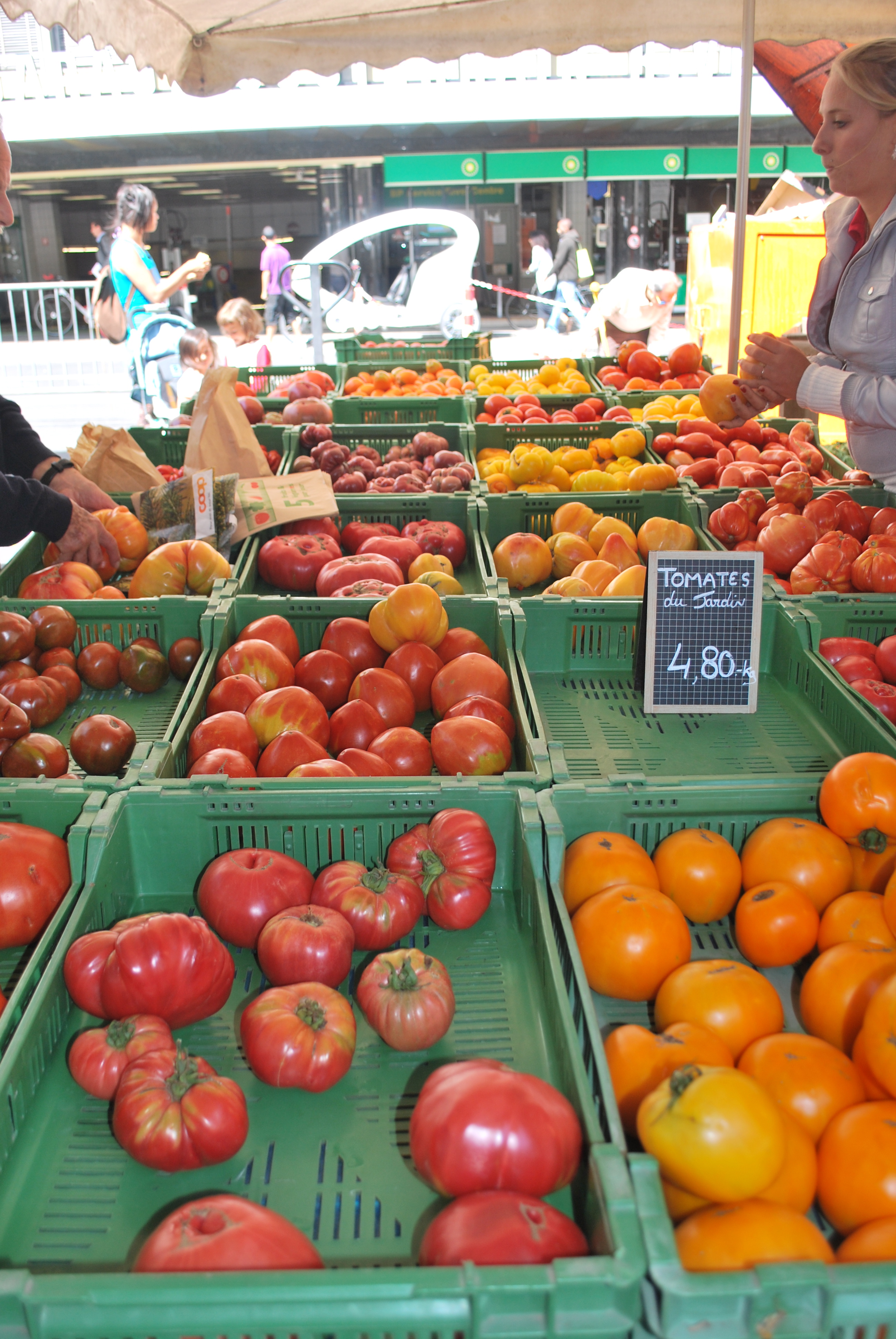
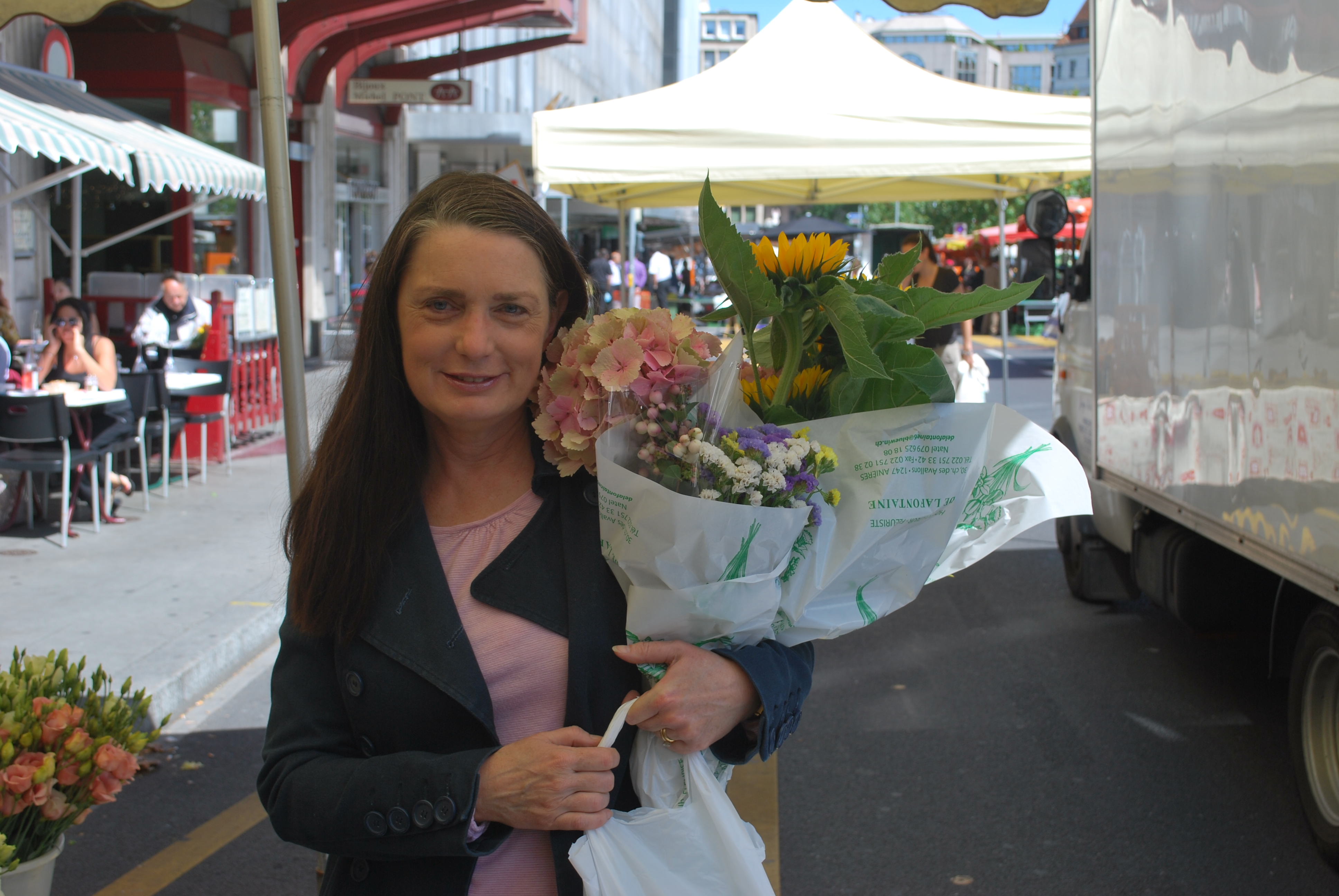
MarketDay: What’s in season at the Swiss farmers market in August: a photo essay

Published by Saturday, August 10, 2013 Permalink 0


MarketDay: What’s in season at the Swiss farmers market in August: a photo essay

Jonell Galloway leads you through the August farmers market in Switzerland. Take a look at what’s in season!

Never miss a post
Name: 
Your email address:*
Please enter all required fields
Correct invalid entries

Mindful Eating: Getting your Kids into the Kitchen: Fresh Fruit Smoothies

Published by Sunday, June 30, 2013 Permalink 0


//

Jonell Galloway, Editor, The Rambling EpicureMindful Eating: Getting your Kids into the Kitchen: Fresh Fruit Smoothies

Getting your Children Interested in Food

From the archives

For younger children, one of the easiest ways of introducing them to the kitchen is to tempt them with a sweet, fruit smoothie.

Smoothies are easy and can be made all year, changing
the flavor according to what fruits are in season.

So as to avoid adding sugar, it’s best to choose a fruit that is very ripe and sweet, and, of course, one that your child likes. Letting your child choose the fruit is also a way of teaching him or her how to shop for fresh fruit, and explain why you don’t buy strawberries from Chile at Christmas. Local fruit is not only fresher and therefore has more vitamins, but it is also nicer on the purse.

Bananas are good all year, and can be mixed with different fruits in the summer. There are endless combinations that change with the seasons.

At the moment, strawberries, melons, peaches, and raspberries are already available in the Geneva region or from nearby France or Italy. Indian mangoes make a divine smoothie, similar to an Indian lassi, and always a favorite for children. The buttery, honey-flavored yellow kiwis from New Zealand have a very short season, but are not as acidic as the green ones, and have just come on the market.

Take a look at what’s in season before you go to the market.

Continue Reading…

Never miss a post
Name: 
Your email address:*
Please enter all required fields
Correct invalid entries

Kids in the Kitchen: Teach Your Kids How to Shop for Food

Published by Monday, June 17, 2013 Permalink 0


//

The Rambling Epicure, Editor, Jonell Galloway, food writer.Kids in the Kitchen: Teach Your Kids How to Shop for Food

by Jonell Galloway

Summertime is the perfect time to start!

Farmers Market

Going to the farmers market can be made into an exciting, weekly event. Summer offers lots of fresh fruit that they can choose to make their smoothies, to put on their breakfast cereal, or to make fruit salads. Vegetables are tastier in summer than in winter, and there is a larger selection, so it is also an occasion to encourage them to try more vegetables. If they choose fruit and vegetables themselves, they will feel more part of the process, and are more likely to eat them.

Making the Shopping List

Start by discussing the fruits and vegetables that are in season with your child before you go to the market. For the Lake Geneva region, you can look at our MarketDay photo albums, published regularly, to get an idea of what you can expect to find. If you are planning on making a meal together, choose the dishes and ingredients together when making your shopping list. If it’s fruit for snacks or smoothies, let them decide which ones they prefer.

It is a good idea to put up a food pyramid and a seasonal products chart somewhere in the kitchen, so you can refer to it when planning meals with the children, and also to explain why they must eat food such as green vegetables or fruit, for example. More suggestions are available in our 9 May 2009 post A fun, interactive guide for teaching your children good eating habits.

Explain the importance of buying local when possible. It is not only cheaper, but fresher, and therefore has more vitamins.

At the Market

Once you’re at the market, let them start looking for the items on the list. When they’ve spotted them, explain how to choose, by color, smell, touch, ripeness, etc., but make sure to ask the vendor if it’s all right to touch first.

This is also a time to let them look for products that have a local origin written on the tags, and to explain that if the products are local, they are also more ecological, because the cost of transport is less, and that in turn makes them more economical. It takes a lot of fuel to bring tomatoes from Holland in July and August when we have them right here in the region. Reduced transport also cuts pollution.

Buying from local producers allows children to have direct contact with the farmers, and to ask questions if they like. Farmers love to talk about what they have lovingly produced, and this in turn encourages children to appreciate farmers’ hard work and the satisfaction that it brings them. There is a reciprocity: the farmer gives you something he or she has produced with care, and you in turn get to satisfy your tastebuds.

Make kids part of the entire process by letting them help prepare the meal or dish afterwards. Once again, they are more likely to eat it if they help prepare it.


//

Never miss a post
Name: 
Your email address:*
Please enter all required fields
Correct invalid entries

What we’re reading at The Rambling Epicure

Published by Sunday, April 28, 2013 Permalink 0

Broccoli Spray, by Ilian Iliev ALL RIGHTS RESERVED (C)


Click here to catch up on your food-related reading for this week:

  • food art exhibit in Valencia, Spain
  • 3 books more filling than food
  • is French cuisine a victim of its own success?
  • Monsanto doesn’t want you to know what you’re eating
  • can eating healthy actually save you money

and much more.


Never miss a post
Name: 
Your email address:*
Please enter all required fields
Correct invalid entries

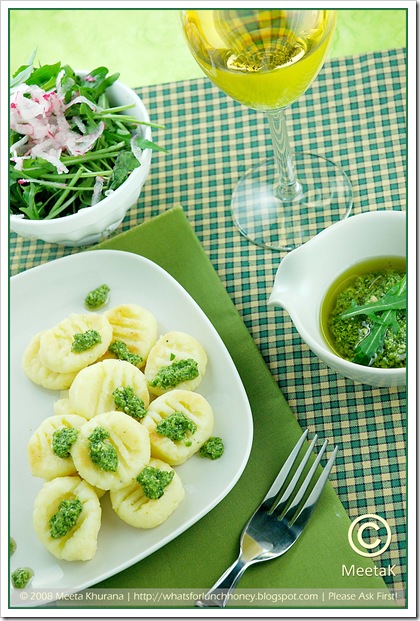
Recipe: Parsnip Gnocchi with Ruccola Cashew Pesto

Published by Thursday, November 29, 2012 Permalink 0

by Meeta Khurana Wolff

Recipe: Parsnip Gnocchi with Ruccola Cashew Pesto

From the archives

Parsnip Gnocchi (02) by MeetaK

Rock solid! That’s what the ice on my windscreen this morning was. It was so hard that here was no way my ice scraper was going to break any ice. At -5 degrees C my hands were freezing onto anything that had the slightest bit of moistness!

Winter has settled down comfortably in our parts. There was beautiful snow all through the Thanksgiving weekend and ever since, it’s been a bit dull, cold and icy.

Continue Reading…

Never miss a post
Name: 
Your email address:*
Please enter all required fields
Correct invalid entries

Simon Says: Daily Food Quote, August 2, 2012

Published by Thursday, August 2, 2012 Permalink 0

by Simón de Swaan

A chief maxim in dining with comfort is to have what you want when you want it.Thomas Walker, The Original, 1835


Thomas Walker was a police magistrate and author. On 20 May 1835 he began publishing The Original, and continued it weekly until the following 2 Dec. It is a collection of his thoughts on many subjects, intended to raise “the national tone in whatever concerns us socially or individually,” but his admirable papers on health and gastronomy form the chief attraction of the work.


Never miss a post
Name: 
Your email address:*
Please enter all required fields
Correct invalid entries

Simple Sustenance: Simple and Refreshing — Cold Cucumber Yogurt Soup with Mint Oil

Published by Wednesday, July 11, 2012 Permalink 0

by Renu Chhabra

Let food be thy medicine, and let thy medicine be food.–Hippocrates

On warm days we crave cool and refreshing dishes; recipes that require minimum or no cooking to avoid heating up the kitchen seem most desirable. Salads, smoothies, cold soups, and sandwiches take center stage to make our lives a little easier.

One such recipe I enjoy a lot on warm days is cold yogurt soup. With the possibility of several variations, it is always a welcome relief to beat the heat. It is simple and refreshing with no cooking at all, which is always an added bonus when temperatures soar. Moreover, the health benefits of yogurt make it even more worthwhile. It’s good for digestion, and is a powerhouse of beneficial bacteria. But I say it is a “do-good” friend, and I enjoy it everyday.

Continue Reading…

Never miss a post
Name: 
Your email address:*
Please enter all required fields
Correct invalid entries

Simple Sustenance: Chat and Chai — Nigella Seed Crackers

Published by Wednesday, July 4, 2012 Permalink 0


//

by Renu Chhabra

Remember the tea kettle — it is always up to its neck in hot water, yet it still sings!  ~Author Unknown

Last Saturday, I was invited to a fundraiser over Chat and Chai. A room full of lovely women, some dressed in Indian attire, were there to raise money for this noble cause in southern India. Colorful sarees and scarves were the stars of the show. They were displayed elegantly on a table for silent auction, creating a very exotic ambiance. A few guests were somewhat familiar with the Indian culture; whereas, others were inquisitive to learn about it. From food to draping of a saree, it was an enriching experience for many.

After viewing a short film about the cause, it was time to indulge in some Indian-inspired food — curried deviled eggs, lentil salad, tea sandwiches, and a variety of sweets and snacks. The table was full of mouth-watering choices, making it difficult to resist the temptation. Finding my way through this delicious spread was one big challenge. And I knew I wasn’t the only one facing this dilemma. Finally, a warm cup of fragrant chai completed the feast.

On my way back I kept thinking about mathri or mathi, a savory Indian snack. This salty and flaky cracker is laced with herbs and spices. Carom or nigella seeds add a flavorful punch, and black peppercorns give it a spicy bite. Traditionally, it is deep fried. The size and thickness can vary — large discs or bite size. It is a perfect tea-time snack paired with a cup of sweetened chai.

I have fond memories of making mathri with my great grandma. Sitting at the kitchen table, she used to flatten the dough balls with the heel of her palm. She did not use measurements, rolling pins, or fancy cutters. Just a pinch of this and a handful of that was the way to go for her. Her best tools were her hands to measure, knead, and flatten the dough — quite amazing. At the same time, the wisdom and stories that she shared while making this snack made the experience even more special. These are the moments most of us remember for years to come — rustic and soulful. And they linger in my memories as well, even decades later.

Inspired by my memories, I decided to make mathri today with a few of my own twists. Keeping them healthy, I used whole wheat pastry flour instead of regular white flour. Another detour from the original method was to bake them instead of frying – -a guilt-free indulgence. And they turned out quite delicious!

Recipe

2 cups whole wheat pastry flour
1 teaspoon baking powder
11/2   teaspoon salt
1/2 teaspoon nigella seeds
1/4 teaspoon carom seeds
Coarsely ground black pepper to taste
1/2 cup canola oil
1 /2-3/4 cups water
 

Click here for metric converter.

1. In a stand mixer with paddle attachment, add flour, baking powder, salt, nigella seeds, carom seeds, black pepper, and oil. Mix on low speed. Slowly add water to make firm dough.

2. If needed, bring the dough together with hands and knead to form a smooth ball. Cover with plastic wrap and set aside for 30 minutes. You can also make the dough in a food processor or by hand.

3. Line two baking sheets with parchment paper.
4. Roll the dough to 1/8 -inch thickness.
5. Cut the rolled dough into desired shapes.
6. Transfer them to the baking sheets, and prick with a fork.
7. Bake at 325° F for 20-25  minutes or until bottom is golden brown.
8. Re-roll the leftover dough and cut into shapes.

9. Cool completely on a wire rack. Store in an airtight container.
10. Serve with a hot cup of chai.

Makes approximately 3-3 1/ 2 dozen small crackers.

Please follow my next post about chai.

Never miss a post
Name: 
Your email address:*
Please enter all required fields
Correct invalid entries

UA-21892701-1