
See more of Rob’s food photography work in his exhibit here on The Rambling Epicure and on his site Real Food Photography.
|
|

A Literary Culinary Journal
See more of Rob’s food photography work in his exhibit here on The Rambling Epicure and on his site Real Food Photography.
|
|
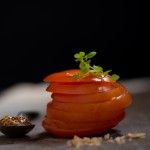
Nitin Kapoor‘s is a chef turned food photographer. We are happy to introduce you to his photography here in this exhibition, “Food Solos.”
Click on each individual photo to enlarge it and read the description.


|
|
 by Renu Chhabra
Food is art and magic; it evokes emotion and colors memory, and in skilled hands, meals become greater than the sum of their ingredients. — Anthony Beal

Sweet spices like cardamom and fennel, rose petals and rose water, pistachios and golden raisins
I am loving it already.
Flavors and scents I can taste and sense just by the mention of their names! They are very close to my heart. I grew up around them, or I can say I was often surrounded by them.
Cardamom and fennel used in sweet and savory dishes perfumed our kitchen with their intoxicating aroma. Rice pudding, pilaf, spiced tea, rich sauces, and several sweets are just a few to name. Rose petals and rose water to greet guests on special occasions, or simply to flavor sweets and drinks, made every experience memorable. Nuts and dried fruits in creamy sauces or in decadent desserts stamped food tastes forever in my mind.
Do I need say that I cherish these scents and flavors? We all have experiences from childhood, interwoven with lots of love and memories close to our hearts.
1 cup plain yogurt (Greek or regular)
1 green cardamom
|
|

Broccoli Spray, by Ilian Iliev ALL RIGHTS RESERVED (C)
Click here to catch up on your food-related reading for this week:
and much more.
|
|

|
|

“What is of note, is the survival of the arts within the walled ghetto. John Hersey’s masterpiece novel, The Wall, based on actual diaries (Emanuel Ringelblum), show the arts being practiced; theatre and music and fine art within a ghetto atmosphere mortified by repetitive eve of destruction. The record left by ghetto dwellers, camp internees, and displaced persons create snapshots of life and death under Hitler. Inmate drawings and paintings were legitimate articulations of man’s inhumanity and cruelty,” says Dave in Art of Insurrection and Resurrection.
|
|
“The 1914 Faberge Mosaic Egg is one of four Faberge eggs among the Tsar Nicholas II of Britain’s Queen Elizabeth ll. Four jewel-encrusted Easter eggs dominate a lavish display of works by Russian Imperial jeweler Carl Faberge that went on public show in Buckingham Palace on Friday. The four eggs, three of which were commissioned by Tsar Nicholas II and are among only 50 Imperial Eggs ever made, are included in 300 Faberge works from the Royal Collection” in London. Click here to read more.

Photo by POOL/KIRSTY WIGGLESWORTH ALL RIGHTS RESERVED (C)
|
|

See more of Clinton T. Hobart’s work on this site.
|
|
 Meet Jonell Galloway, a freelance writer and editor specialized in French cuisine.


