
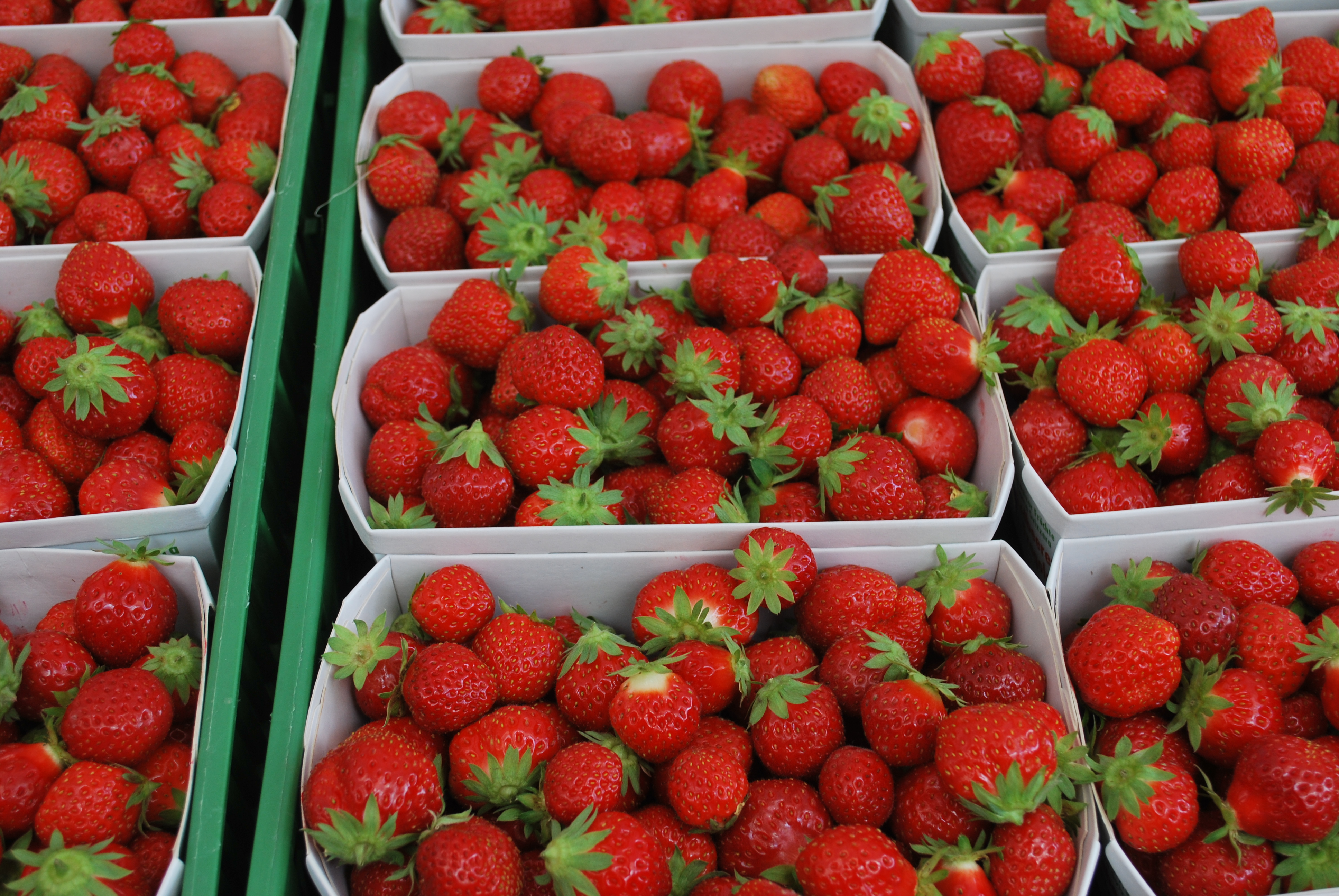
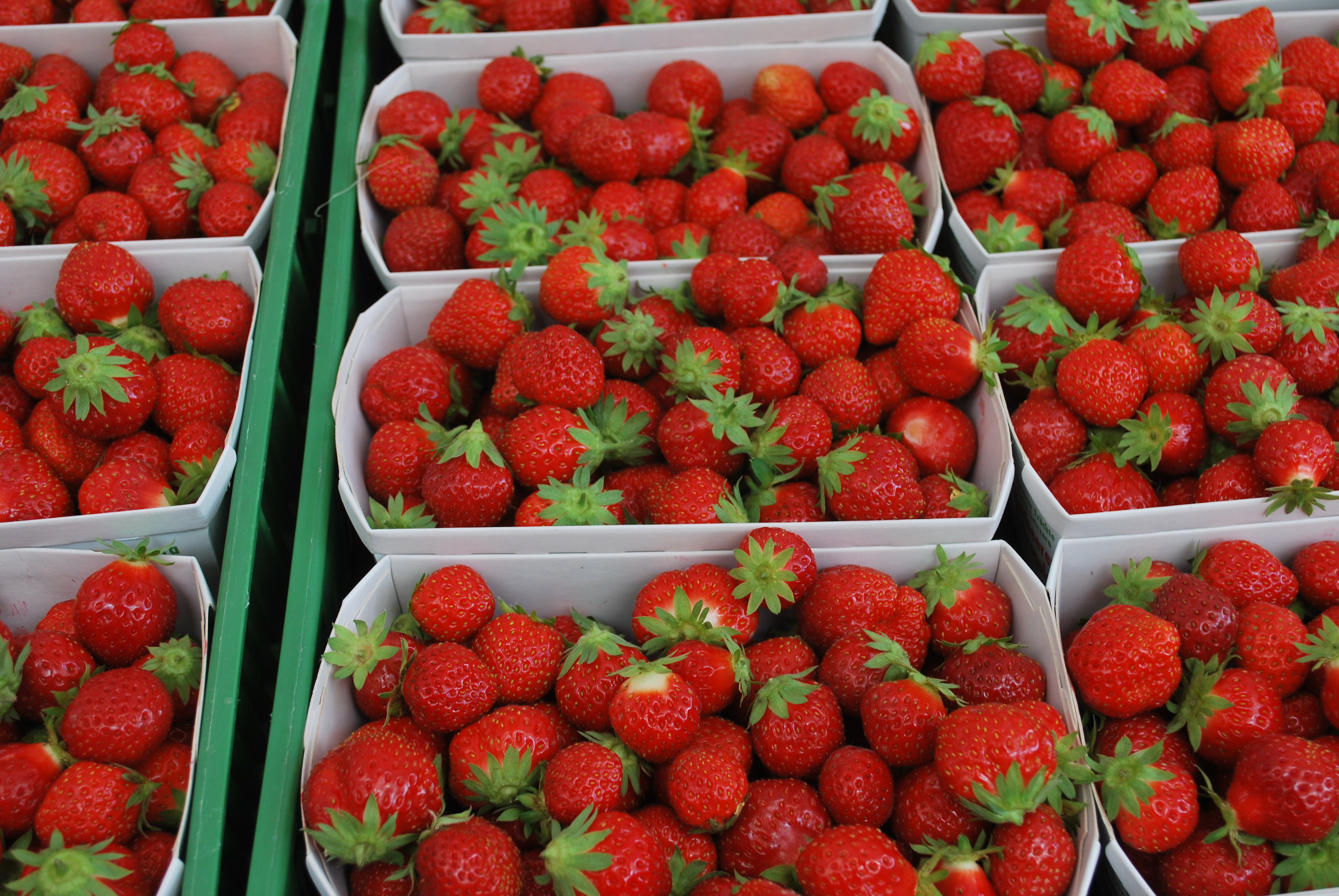
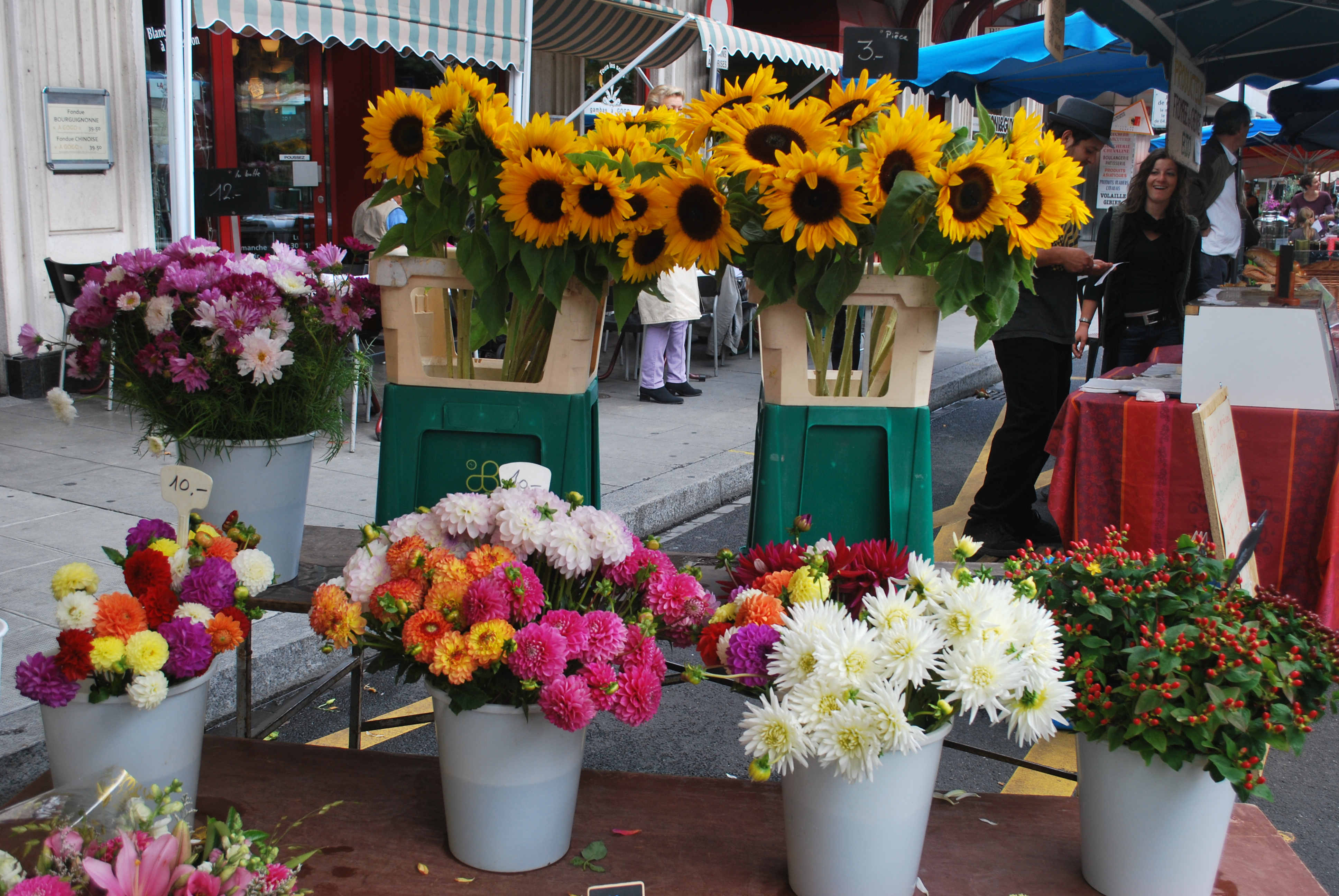
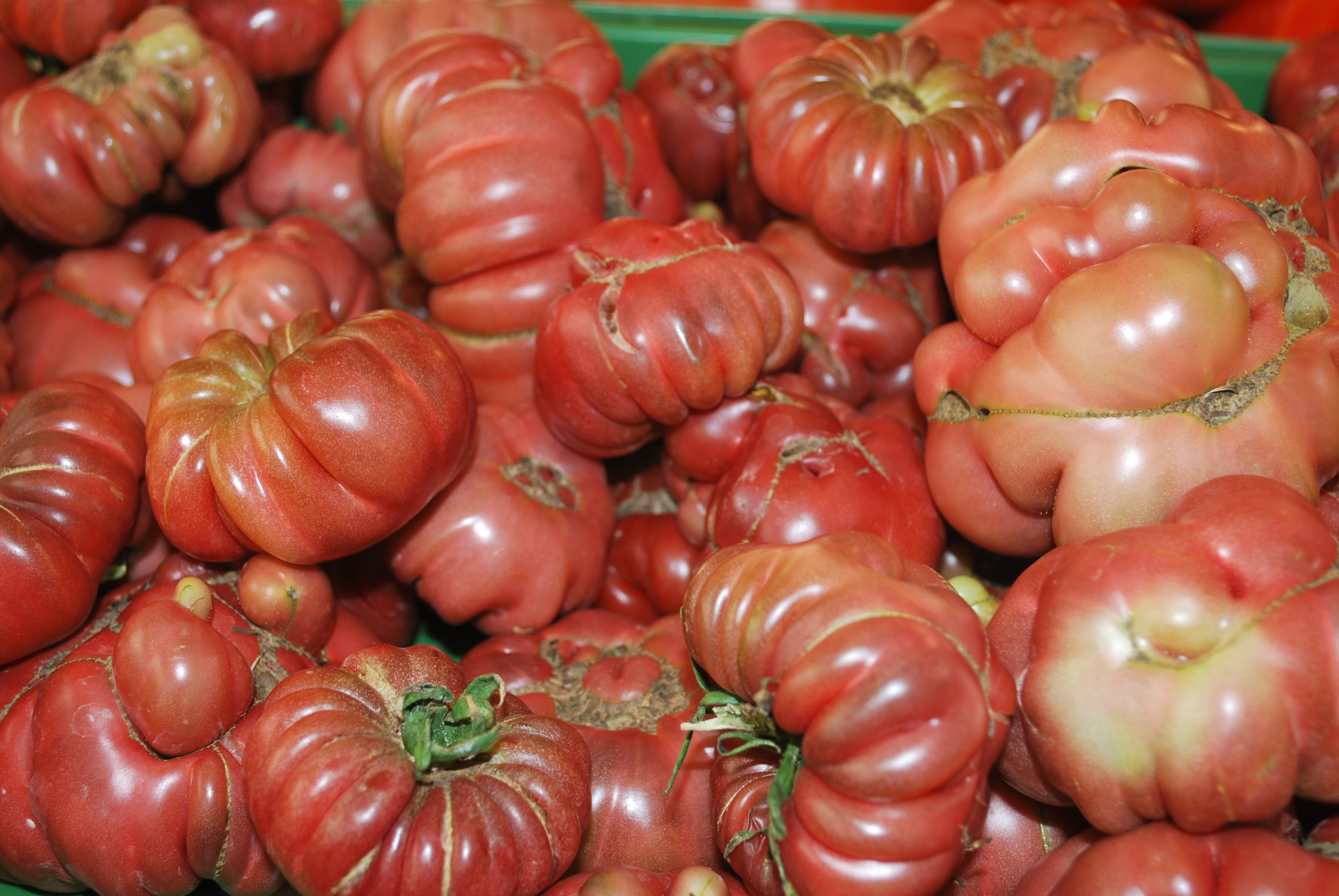
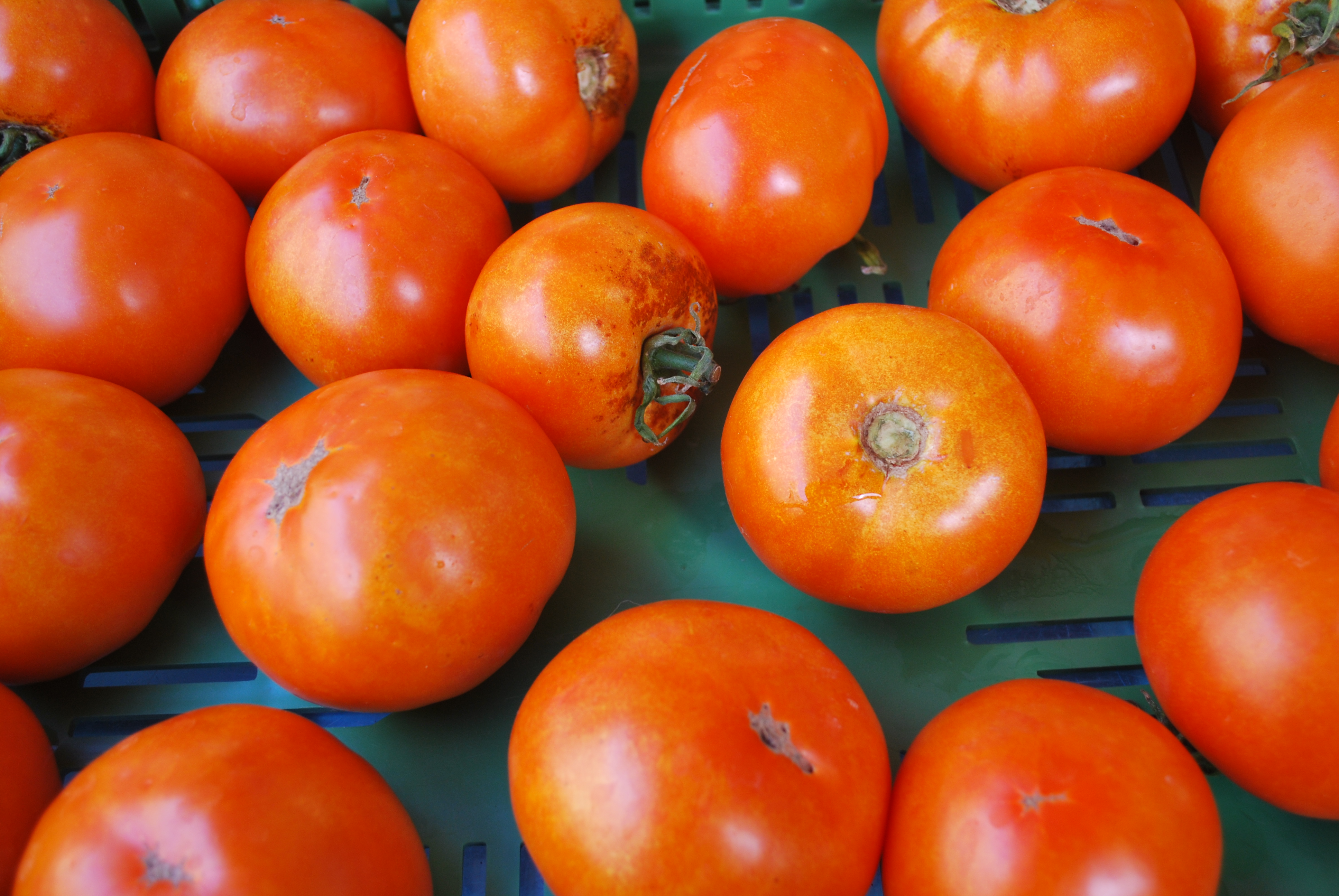
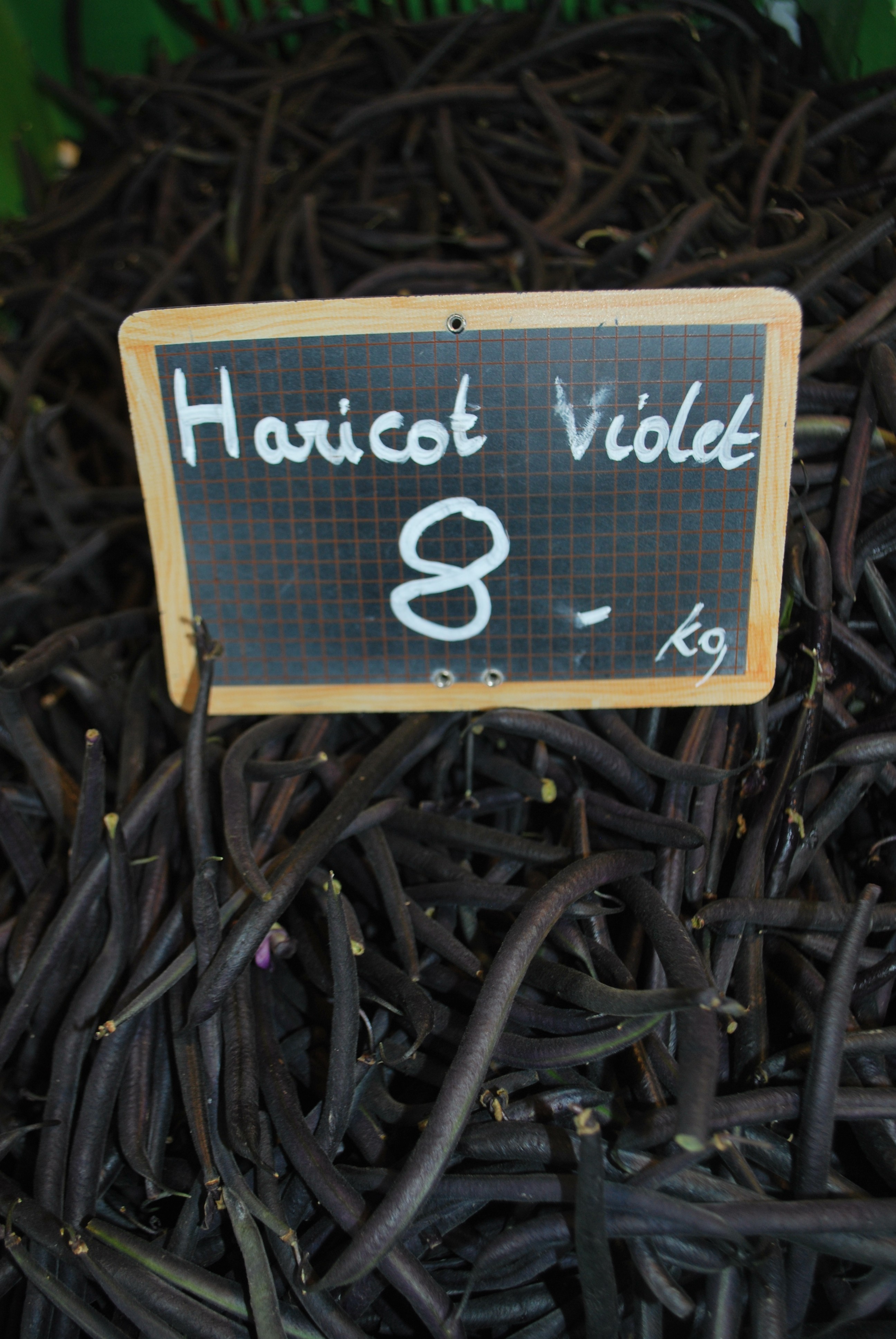
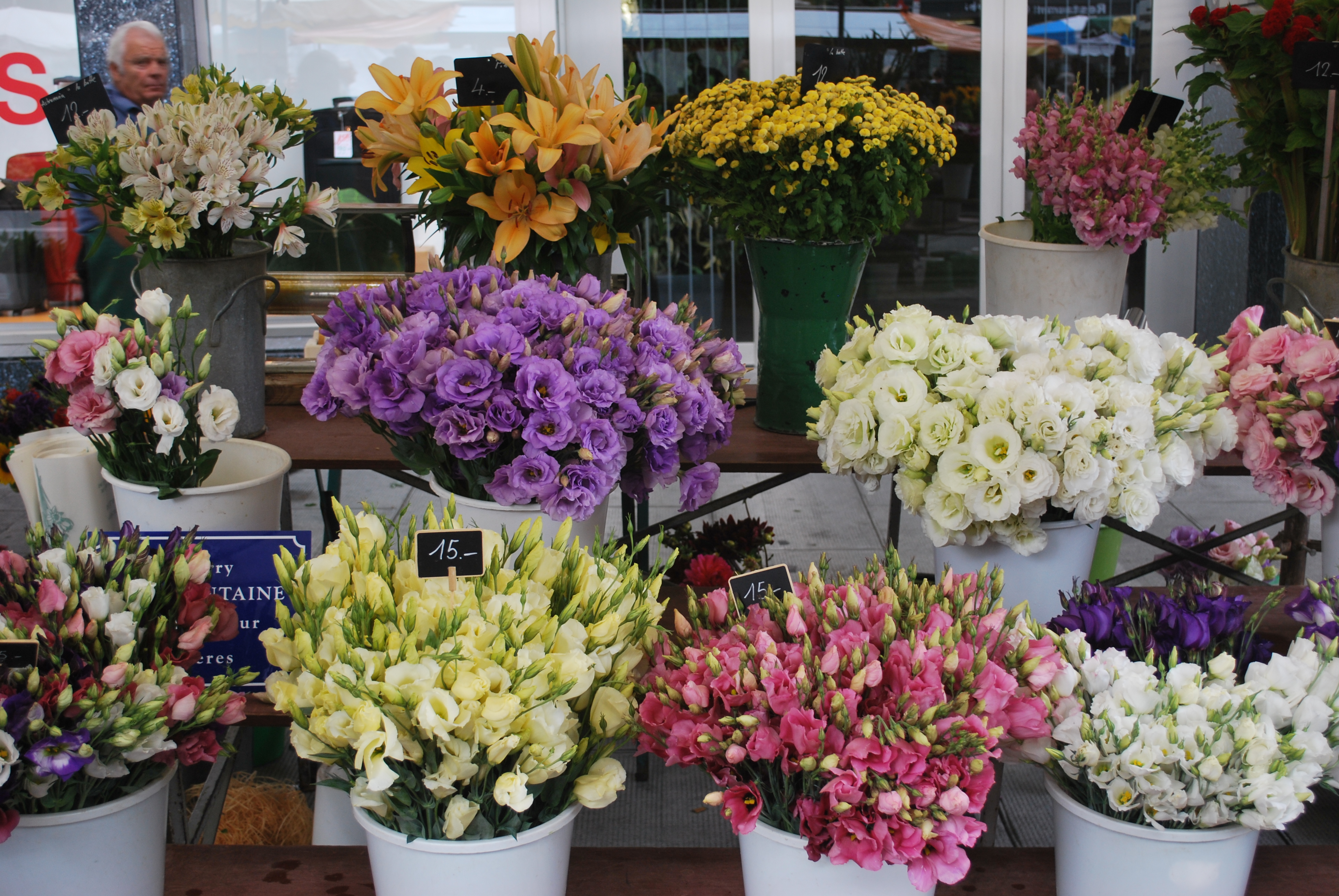
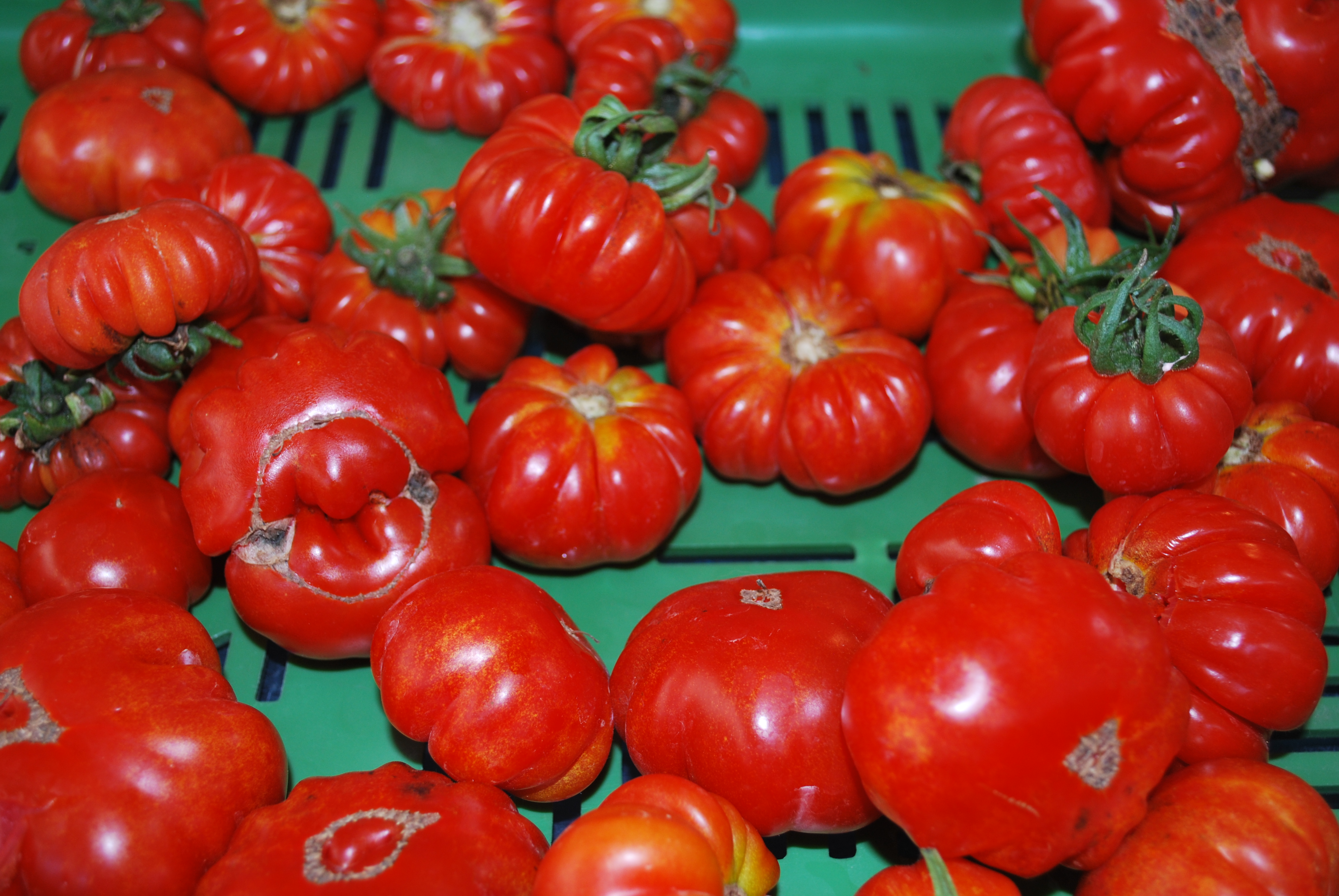
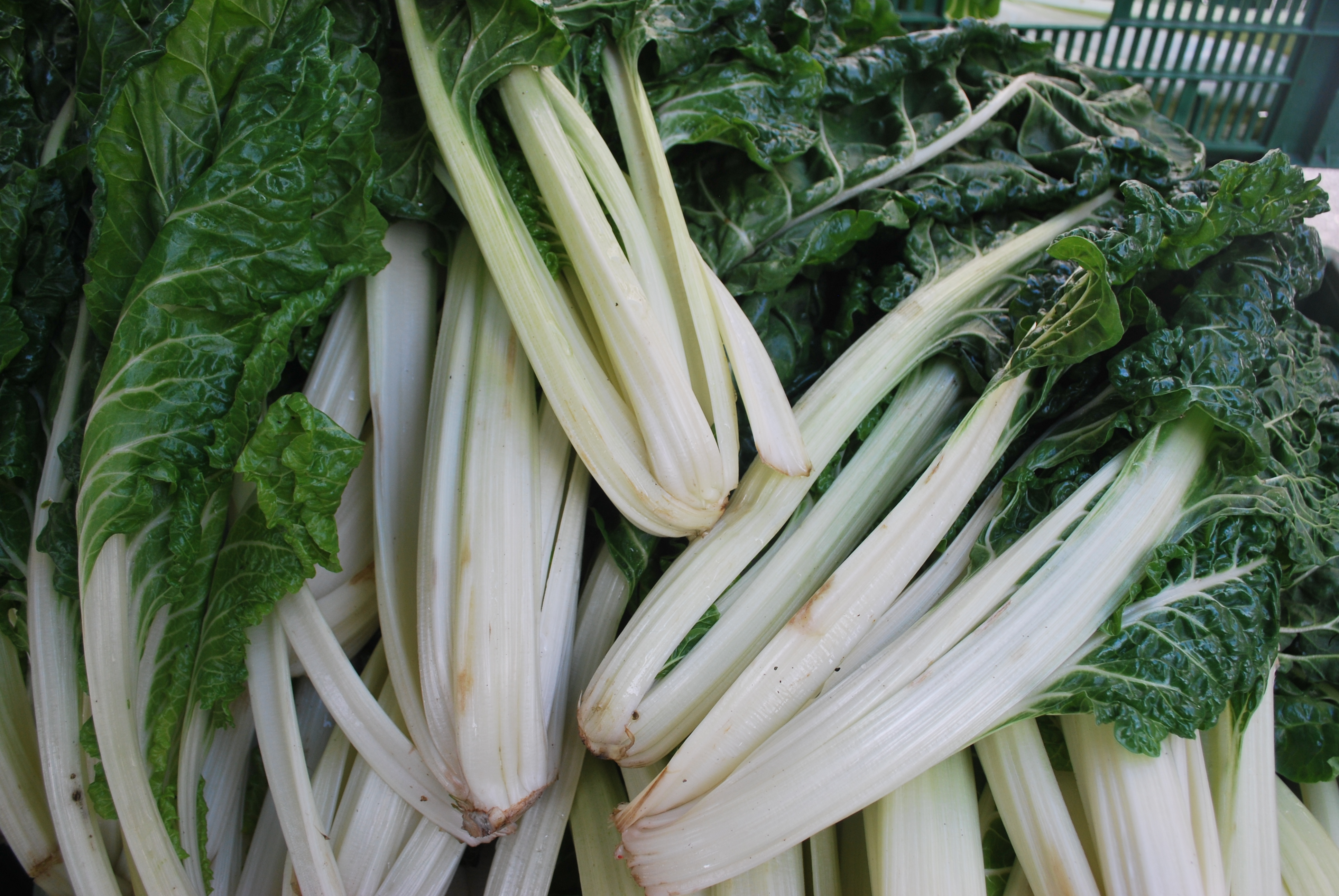
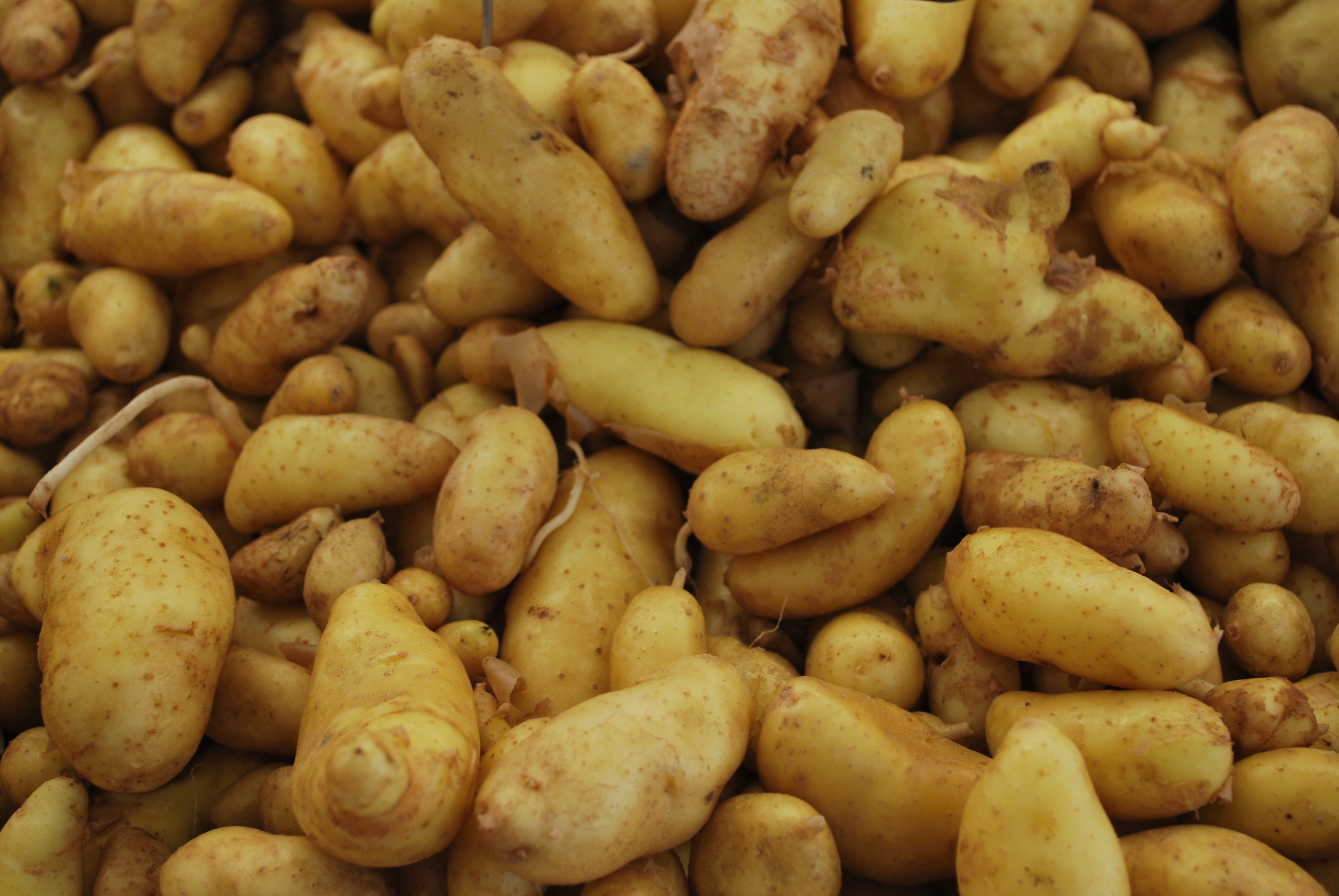
MarketDay: Documentary Photos of a July Farmers Market in Switzerland
Related articles
|
|

A Literary Culinary Journal














|
|
//

 Balsamico, Balsamico: How to Choose a Good (and authentic) Balsamic Vinegar
by Gareth Jones
“When we think that 100 kgs of grapes converts into just 2 litres of Balsamico after 25 years ageing, we appreciate what’s quite so special.”

1985 aged Balsamic vinegar
Imagine a magical elixir which has a history charted back to 1785 – and probably earlier — that takes skills passed down through the generations of families, and is years in the making. Made traditionally, this elixir has the power to transport one to Heaven on a spoon, and just one word on the bottle tells us the real from the manufactured.

That word is ‘Tradizionale’ and to a cynic it could read like a word from the marketeer’s limited lexicon. This one word, however, divides the Heavenly stunning from the just special and Earthly – and sometimes not special at all for its added caramel and sugar. Time to become acquainted with the genuine Aceto Balsamico Tradizionale di Modena DOP.
|
|
//


English: Black corn Español: Maíz morado (Photo credit: Wikipedia)

English: Cobs of corn (Photo credit: Wikipedia)

English: Green Oaxaca corn Français : Maïs vert d’Oaxaca (Photo credit: Wikipedia)
red corn on the cob (Photo credit: MelanieAnneMarie)

Red corn, blue corn and cucumber seeds for sale in Fresno, California… (Photo credit: Nate Gray: A Culinary (Photo) Journal)
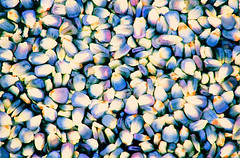
Blue Corn (Photo credit: Big Grey Mare)

English: From left to right, haba beans, haba beans, blue corn and white corn for sale at a tianguis market in Metepec, Mexico State. (Photo credit: Wikipedia)

Boy in corn field, Woodbine, New Jersey (Photo credit: Center for Jewish History, NYC)

Public relations of high-fructose corn syrup (Photo credit: Wikipedia)

English: A display of six ears of field corn with dented yellow kernels (Zea mays var. indentata) which won ribbons for “best of show” at the Steele County Fair in Owatonna, Minnesota (Photo credit: Wikipedia)
|
|
Jane and Antonio’s recipe is based on foraging and what they imagine post-neolithic cooking to be, foraging and all, but with a modern twist, i.e. the olive oil.

|
|


When you talk about rhubarb cream in Switzerland, you mean rhubarb cream, not pudding or custard. This naughty dessert is one of the easiest rhubarb desserts around, and is so thoroughly Swiss.

Photo courtesy of Robin Stewart
1 lb. / 500 g rhubarb
3/4 cup / 200 g cane sugar
2 egg yolks
Cinnamon or lemon juice, according to which taste you prefer
3/4 cup / 0.2 l whipping cream
|
|
 by Jonell Galloway
Native Kentuckian from Maysville, Bill Sanders has spent a lifetime training his taste buds and nose. A graduate of the University of Kentucky, Sanders went on to study law at Salmon P. Chase College of Law in Cincinnati, Ohio, embellishing his résumé with other studies of quite a different nature: sensory evaluation of olive oil and professional wine studies at Culinary Institute of America.

Sanders started Crush and Press in January 2009, financing it through a Kickstarter campaign to which I gladly donated. The olive oil quickly took off, and has already received mention as “one of the best olive oils in the world.” This olive oil, Sanders Fresh Press, received the mention.
Congratulations, fellow Kentuckian!
|
|
 by Jonell Galloway
I begin with the proposition that eating is an agricultural act. Eating ends the annual drama of the food economy that begins with planting and birth. Most eaters, however, are no longer aware that this is true. They think of food as an agricultural product, perhaps, but they do not think of themselves as participants in agriculture. They think of themselves as “consumers.”
—Wendell Berry, The Pleasures of Eating, Center for Ecoliteracy
The Times They are a-Changin’: Move Towards a Local Economy
After a few very difficult years, we are now only starting to talk about the importance, and even necessity, of maintaining and supporting a local economy. This is important not only to our health and taste buds, but also to our vital economic self-sufficiency. It is perfectly in line with the concept of Mindful Eating, and, by definition, involves local farmers as well as others who contribute to eating and drinking.

|
|
For 50 or 60 years, we have let ourselves believe that as long as we have money we will have food. This is a mistake. If we continue our offenses against the land and the labor by which we are fed, the food supply will decline, and we will have a problem far more complex than the failure of our paper economy. The government will bring forth no food by providing hundreds of billions of dollars to the agribusiness corporations.
Wendell Berry, “in the op-ed piece he published with his old friend and collaborator Wes Jackson, shortly after the economy crashed in the fall of 2008.” (Michael Pollan, in introduction to Wendell Berry’s Bringing it to the Table: On Farming and Food).

Wendell Berry speaking in Frankfort, Indiana
|
|
by Leonor White
I recently discovered a farm-to- table restaurant in the West Village. I was looking for an upscale lunch at an affordable price to dine with my family. Mas (la grillade) is the sister restaurant to Mas (farmhouse), but, as the name indicates, focuses on grilled meats.
During lunch hours, a seasonal menu of locally grown foods cooked solely over wood fires of oak, apple and other hardwoods is served. This menu is comprised of three courses: appetizer, main course and desert, and it all comes at a very reasonable price, $27. Lunch à la carte is also available, but I would recommend opting for the menu, as you get a chance to experience Chef Galen Zamarra’s seasonal favorites. The restaurant is also open for dinner, and just as for lunch, there is a prix fixe menu (but for a higher price, $68), as well as an à la carte dining.
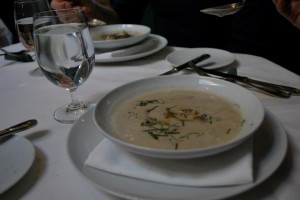
We went for lunch on a Saturday, and it did not disappoint. The restaurant is simply but tastefully decorated, making a bold statement with regards to its farm-to-table concept. As the menus arrived, we all had our eyes fixed on the first item in the menu: “Grilled Pear and Sunchoke Soup with Mint, Black Truffle and Hen of the Woods Mushrooms.” Despite the fact that there were other appetizers to choose from, such as the “Grilled Trumpet Royale Mushrooms with a Salad of Mizuna, Grilled Onion Vinaigrette, and Croutons,” we all thought that the soup sounded divine, and it was indeed. The grilled pear and sunchoke flavors made for a distinctive taste; the soup was sprinkled with mint and black truffles and topped with mushroom croutons.
|
|
We’ve been making Thanksgiving dinner together for oh so many years — ever since we were in college in Paris. Since the pumpkin in France is always too watery, no matter what method of cooking we used and what type of pumpkin, we had difficulty getting it to set, so we decided to use sweet potatoes, which give a much more predictable and reliable result, which is absolutely necessary when preparing a Thanksgiving feast for a crowd of 20 or 30 convives. In addition, we’ve grown to like it better (perhaps because we know it will always set, unlike pumpkin?).
|
|
 Meet Jonell Galloway, a freelance writer and editor specialized in French cuisine.


