Food Art: The Incredible Sensuality of Food, a food photography exhibit by Alessandro Guerani

Published by Wednesday, April 4, 2012 Permalink 0

by Jonell Galloway

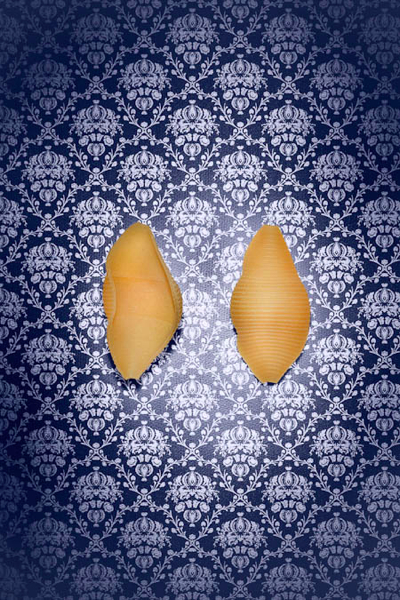
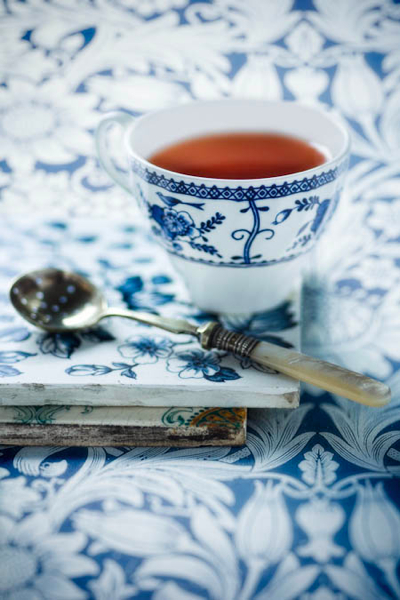
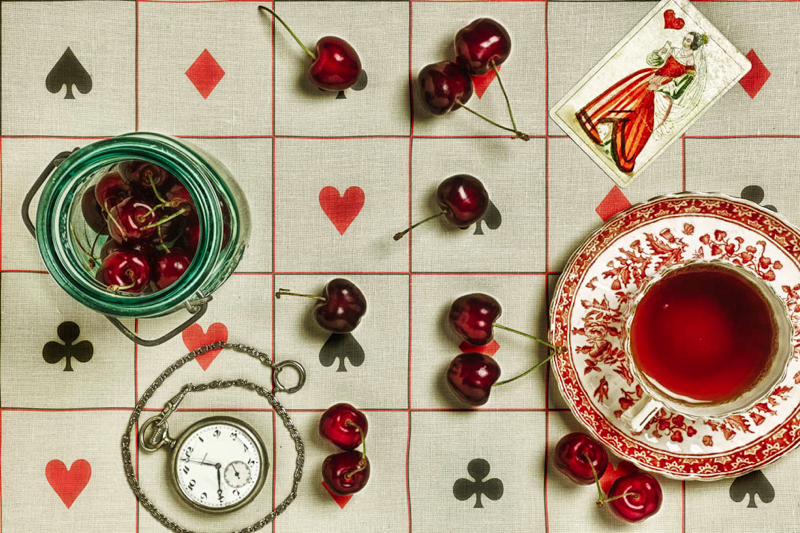
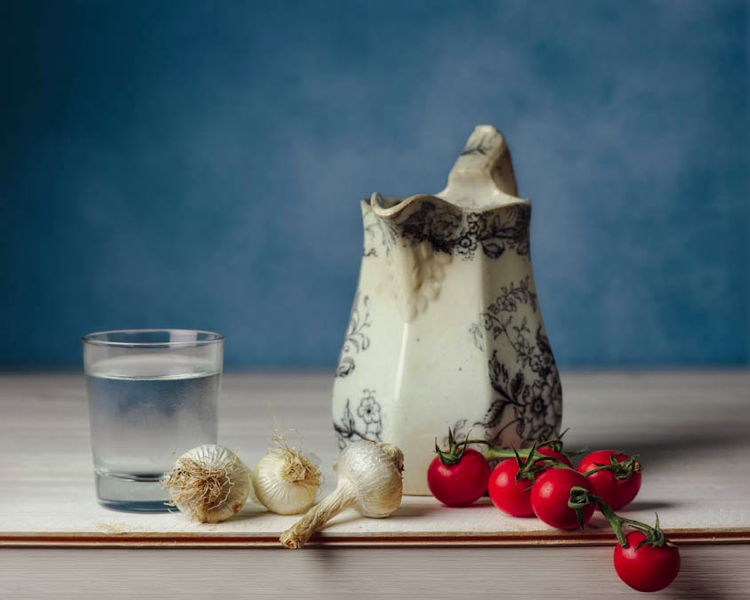
Alessandro Guerani‘s food photography approaches true art.

Photo courtesy of Alessandro Guerani.


Food is not, after all, only a story of taste. It is about texture and how it feels in your mouth. It is about whether it looks appetizing, how it is presented on the plate. It is about the smells coming from the kitchen, gently seducing you to the table, and the taste you have while it’s in your mouth and the aftertaste that lingers. It can even be about sound, for example, when the alcohol goes up in flames as they flambé your crêpes Suzette.

Guerani manages to bring all the senses together in a single photograph, even though the smells, texture and other senses are not concretely present. It remains, after all, a photograph, but a photograph like none other, because though visually beautiful, it takes you beyond the confines of visual.

Take a look and let us know what you think.

You can see more of Alessandro’s photos on his website, Fotografia.

Never miss a post
Name: 
Your email address:*
Please enter all required fields
Correct invalid entries

When Food Becomes Art: The Photography of Alessandro Guerani

Published by Wednesday, April 4, 2012 Permalink 0

by Jonell Galloway

This article was published earlier. We’re reprinting it to complement Guerani’s  food photography exhibit, to be published today

The visual importance of food

I spend a lot of my life looking at food.

I look at the fruit and vegetables so beautifully and carefully stacked in the market stalls, forming masses of color and myriads of shapes. I look at the “masterpieces” of the great chefs who take so much care to artfully arrange the food on the plates so that it is as visually tempting as it is appetizing.

Photo courtesy of Alessandro Guerani.


Without much success, I try my hand at photographing these beauties for my MarketDay and restaurant posts, but I never get it right. And when I develop recipes, I make the most embarrassingly amateur photos of what actually does taste good in the mouth, despite the lifeless-looking photo with its hit-or-miss compositions.

My point is that food photography is not as easy as it might seem. Like any photography or art form, you need the right lighting, composition and contrasts of colors. And above all, you need talent and a good, trained eye.

In my case, I often make everyone at the table wait to start eating while I try and get it just right, because I simply lack the true artistic talent and technical skills that it requires. That might partially be explained by the fact that I ran away from the classroom at the Cordon Bleu every time we had to arrange flowers, set tables, and do presentations, so what should I expect?

Photo courtesy of Alessandro Guerani.


I look at food blogs and food photography, and no matter how much I look, my favorite photographer never seems to change. I think the secret of Alessandro Guerani’s success as a food photographer is that he is also a cook. He develops recipes and thinks with his taste buds, just like me, but he has the added gift of being capable of capturing visual beauty and essence, in the manner of the Flemish and Italian masters.

Food is not, after all, only a story of taste

Food is not, after all, only a story of taste. It is about texture and how it feels in your mouth. It is about whether it looks appetizing, how it is presented on the plate. It is about the smells coming from the kitchen, gently seducing you to the table, and the taste you have while it’s in your mouth and the aftertaste that lingers. It can even be about sound, for example, when the alcohol goes up in flames as they flambé your crêpes Suzette.

The enjoyment of food is a coming together of all the senses, and when all the senses are happy and content, you come away from the table satisfied.

About the photographer, Alessandro Guerani

Alessandro Guerani was born in Bologna, Italy, in 1969, where he still lives. He started using cameras at the age of twenty while studying Medieval and Renaissance art history.

After college, Alessandro worked as an intern in a professional photography studio, and that’s where it all seems to have come together. Afterward, it was clear to him that food and still life photography were his calling.

But the underlying secret of Alessandro’s success is not as simple as that. He obviously has an exceptional visual sense and the technical skills required to turn this into art, but he also loves good food, especially traditional Italian cuisine, with its multitude of flavors and combinations. As a result, he knows how to make all the senses come alive in a seemingly simple photograph.

Photo courtesy of Alessandro Guerani.


Guerani is a master of lighting, and is meticulous about every visual detail. His photos are full of color and contrast, making them rich and full of depth. They sometimes verge on the Medieval, and at other times, on the Renaissance or the Baroque. At still other times, they are spartan and ultra-contemporary, but they are always beautiful. And they always make my mouth water and my eye twinkle.

But above all, they are more than food photography. They are art. Slide-showing through his photos on my large-screen iMac truly makes feel like I’m walking through an art gallery. In the photos above, the vegetables, carrots and artichokes are worthy of a Chardin; the silver filigree platter with apricots is as rich in tone, texture and contrast as the great Italian Renaissance painters; the intermingling of the blue and white tones in the third photograph, so beautifully composed, bring back memories of blue Delft, French faience, and luxurious Italian country linen tablecloths. The knife handle is pointed toward the viewer, inviting the viewer to pick it up and take a taste.

True art is when all the criteria come together in a perfect balance. Guerani not only captures the image of the object he is photographing. He understands the very essence of its beauty and calls on every sense, thus making it much more than a simple picture on your run-of-the-mill food blog.

You can see more of Alessandro’s photos, as well as his recipes, on FotoGrafia, and a Baroque-like photo of pomegranates in What is Mindful Eating?

Never miss a post
Name: 
Your email address:*
Please enter all required fields
Correct invalid entries

Food Poetry: 张错: 茶的情诗 / Love Lyrics of Tea

Published by Tuesday, April 3, 2012 Permalink 0

by Dominic Cheung

Translated into English by Karl Zhang

张错: 茶的情诗 Love Lyrics of Tea

1

如果我是开水 If I were boiling water
你是茶叶 And you were tea leaves,
那么你的香郁 Then all your fragrance would depend
必须倚赖我的无味 Upon my lack of taste.

2

让你的干枯柔柔的 As your shriveling
在我里面展开,舒散;Loosened within me and unfolded;
让我的浸润 My moisture and lubrication
舒展你的容颜。Would smooth the wrinkles from your face.

3

我们必须热,甚至沸 We would need to be hot, even boiling
彼此才能相溶。To dissolve inside each other.

4

我们必须隐藏 We would need to hide
在水里相觑,相缠 Face to face under water, twisting and twining,
盏茶功夫 In a moment of tea
我俩才决定成一种颜色。Before we decided, which color to become.

5

无论你怎样浮沉 No matter how long you might float and swirl
把持不定 Unstable
你终将缓缓的 Eventually you would
(噢,轻轻的) (Oh, gently)
落下,攒聚  Sink down
在我最深处。To assemble in my depths.

6

那时候  In that moment
你最苦的一滴泪 Your bitterest teardrop
将是我最甘美的 Would become my sweetest
口茶。 Mouthful of tea.

Continue Reading…

Never miss a post
Name: 
Your email address:*
Please enter all required fields
Correct invalid entries

Simon Says: Daily Food Quote, April 3, 2012

Published by Tuesday, April 3, 2012 Permalink 0

Simon Says: Daily Food Quote, April 3, 2012

by Simón de Swaan

I grow my own tomatoes every summer for the same reason I diet: it makes me feel righteous!–Bert Greene

Bert Greene was a cookbook author and food columnist. His food column for the New York Daily News ran from 1979 until his death in 1988, and was eventually syndicated.


Continue Reading…

Never miss a post
Name: 
Your email address:*
Please enter all required fields
Correct invalid entries

Barbie’s Secret to Weight Loss: Don’t Eat

Published by Monday, April 2, 2012 Permalink 0

by Jonell Galloway

Reprint of our most popular article

Barbie’s secret to weight loss was “don’t eat”: Is that your teen’s philosophy?

The 1965 Slumber Party Barbie came with her very own How to Lose Weight book. The main message was “don’t eat.” Along with this book came a bathroom scale always set at 110 pounds/49.9 kilograms, says Teen Beauty Tips. According to Malisa Morsman, “Barbie is the plastic equivalent of a 5-foot, 9-inch (1.75 m) woman with a 36-inch (91.5 cm) bust, 33-inch (83.8 cm) hips, and an impossibly small 18-inch waist (45.7 cm).”

Photo courtesy of Mental Floss.

Continue Reading…

Never miss a post
Name: 
Your email address:*
Please enter all required fields
Correct invalid entries

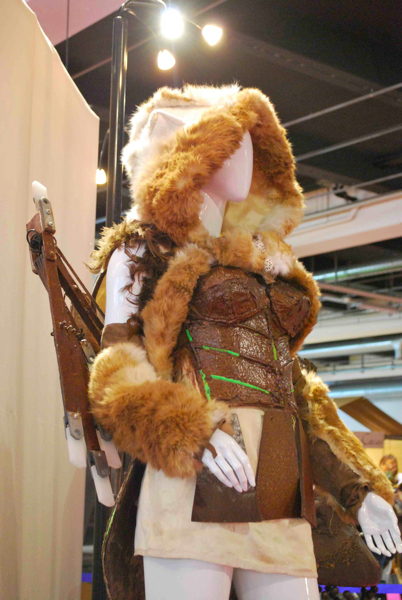
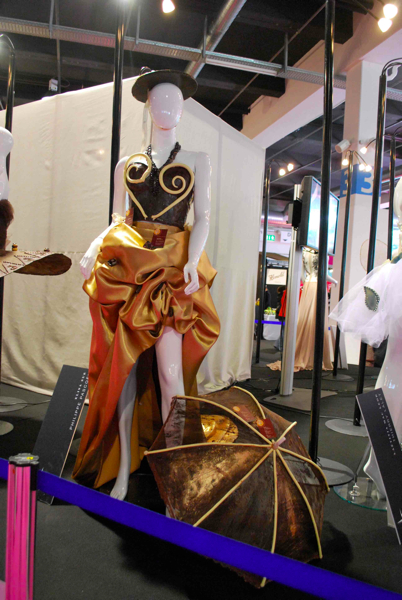
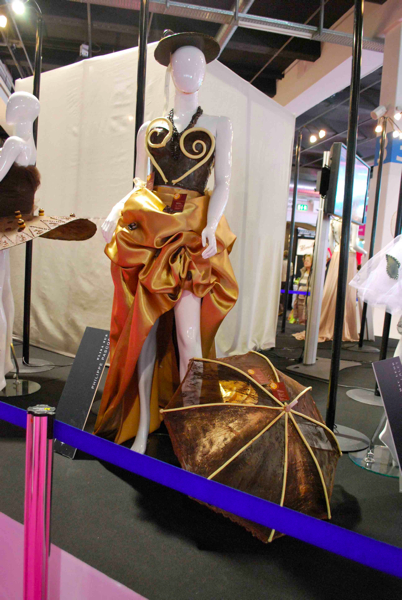
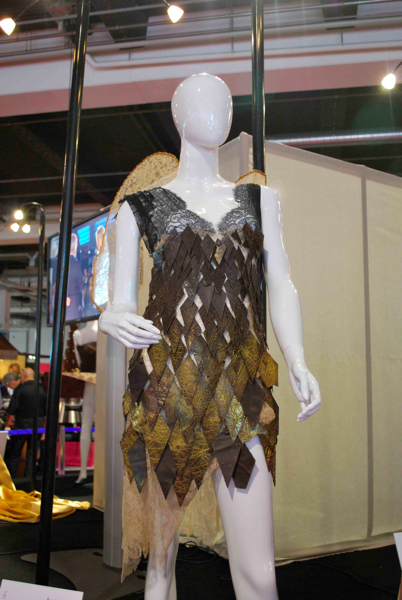
Food Art: Chocolate Hunting Dress, Salon du Chocolat Zurich, Switzerland

Published by Monday, April 2, 2012 Permalink 0
Never miss a post
Name: 
Your email address:*
Please enter all required fields
Correct invalid entries

Simon Says: Daily Food Quote, April 2, 2012

Published by Monday, April 2, 2012 Permalink 0

by Simón de Swaan


As he chops, cuts, slices, trims, shapes, or threads through the string, a butcher is as good a sight to watch as a dancer or a mime.–Colette


81 Years Of Style: French Writer Colette’s Never Ending Influence On Fashion was the surname of the French novelist and performer Sidonie-Gabrielle Colette. She is best known for her novel Gigi, upon which Lerner and Loewe based the stage and film musical comedies of the same title.

Continue Reading…

Never miss a post
Name: 
Your email address:*
Please enter all required fields
Correct invalid entries

Switzerland: A Documentary Slide Show of the 1st Salon du Chocolat in Zurich

Published by Sunday, April 1, 2012 Permalink 0

Switzerland: A Documentary Slide Show of the 1st Salon du Chocolat in Zurich

by Jonell Galloway

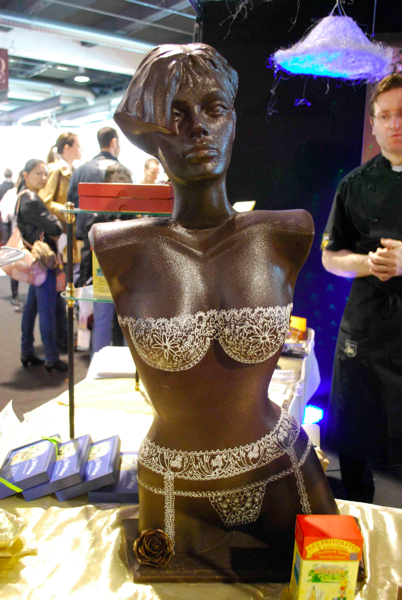
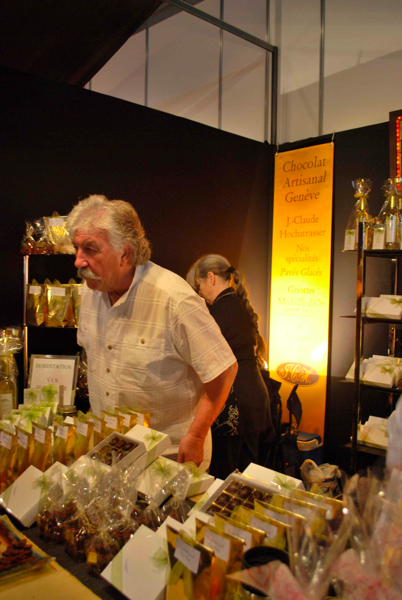
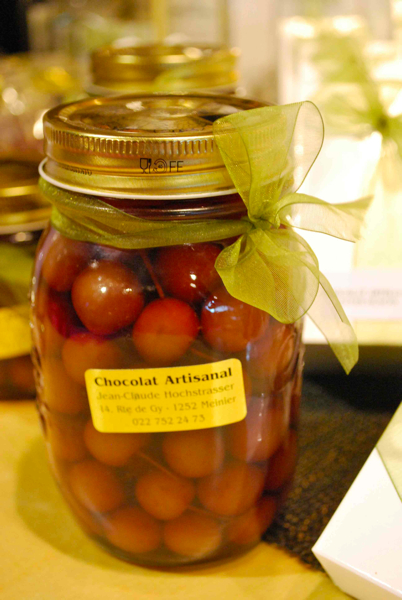
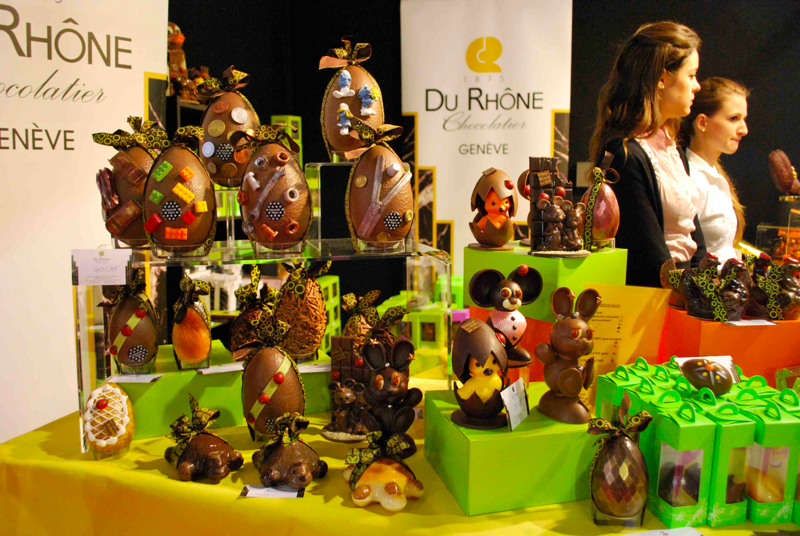
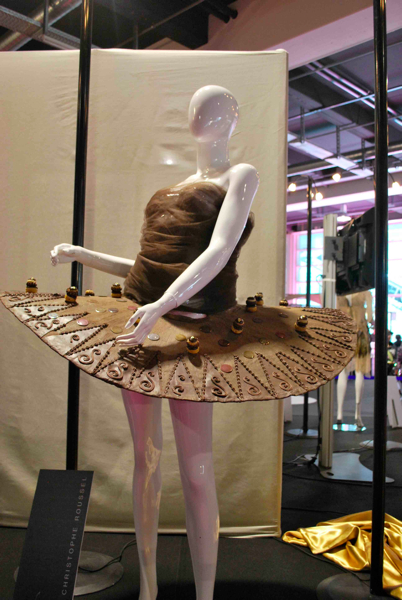
Here’s a quick, unfiltered overview of the photos I took at the first Salon du Chocolat Zurich.

These are here to help you get an idea of what was on offer at the show. They are not professional photos, yet they are mine. If you want to use them commercially or copy them, please be so kind as to contact me beforehand by clicking on the blue Contact Us button at the top right of our home page.

I’ll be adding more tonight or tomorrow morning, so stay in touch!


Continue Reading…

Never miss a post
Name: 
Your email address:*
Please enter all required fields
Correct invalid entries

The Revolution of French Bread Baking (part 1)

Published by Sunday, April 1, 2012 Permalink 1

by Jean-Philippe de Tonnac

Cliquez ici pour la version française.

Translated and adapted by Jonell Galloway

The reinvention of French cuisine: it’s springtime for French cuisine, and it may not all be thanks to French bread bakers, but they are playing a major role

French bread bakers are in the limelight these days, and are considered as much artists as artisans. Marie-Odile Briet recently paid homage to their creativity, unbridled by the French government’s 1993 “bread decree,” defining in very precise terms what could and couldn’t be defined as “bread.” The most illustrious advocates of the art of bread making, which in essence had to be reinvented, were Gontran Cherrier (Paris), Dominique Saibron (Paris), Christophe Vasseur (Paris), Jean-Luc Poujauran (Paris), Basile Kamir (Paris), Eric Kayser (Paris) and Benoît Fradette (Aix-en-Provence).

They merit the name of bread baker, or boulanger, as well as inventors. But we mustn’t leave out the stout-hearted artisans, working quietly in their bakeries in the wee hours of the morning, with no one tooting horns for them, who are nonetheless master bakers. And where there’s smoke, there’s fire, and this is the proof of the true renaissance of the French bread making profession — a renaissance that has spread from a few Parisian arrondissements to the entire country. It is a true phenomenon that has spread its wings far and wide; it is a movement that has started a new chapter in the history of French bread making. In this new paradigm, there is no longer any plausible excuse for bad bread, for flavorless bread, for bread that is too expensive or too anything. The movement is quietly deepening its roots, backed by a history dating back thousands of years, basking in the glow of its established nutritional qualities. But that’s not all: these master bakers are now an integral part of the whole redefinition of French cuisine. Bread is no longer considered a humble food to fill your belly or to sop up your sauce. It is clearly in the public eye.

Continue Reading…

Never miss a post
Name: 
Your email address:*
Please enter all required fields
Correct invalid entries