Culinary Chemistry: The Truth about Soy Sauce and Gluten Content

Published by Tuesday, July 23, 2013 Permalink 0

Food writer, Culinary Chemistry, The Rambling Epicure

Culinary Chemistry: The Truth about Soy Sauce and Gluten Content

by Jenn Oliver

From the archives

Soy Sauce and Umami: Now a Staple in Western Cuisine

Soy sauce has been around as a staple condiment in Asian cuisine for thousands of years, used for flavoring all manner of dishes and foods. It’s prized for the “umami” character it gives to the overall taste of a dish, and can have a wide range of subtle notes beyond the obvious saltiness.



For example, Japanese tamari is often wheat free (I stress, not always). Still, most of the soy sauces available on store shelves contain wheat. While there is some debate as to exactly how much gluten from wheat survives the fermentation and processing, the Celiac Disease Foundation Foundation does list soy sauce as a food that may contain gluten and needs to be verified. The Mayo Clinic also states that soy sauce should be avoided unless otherwise labeled. There is also considerable anecdotal evidence of experiences of people being “glutened” by soy sauce (my husband included). Therefore, for those who must eat gluten free, soy sauce immediately becomes a food that requires attention and is a complicated topic.

Continue Reading…

Never miss a post
Name: 
Your email address:*
Please enter all required fields
Correct invalid entries

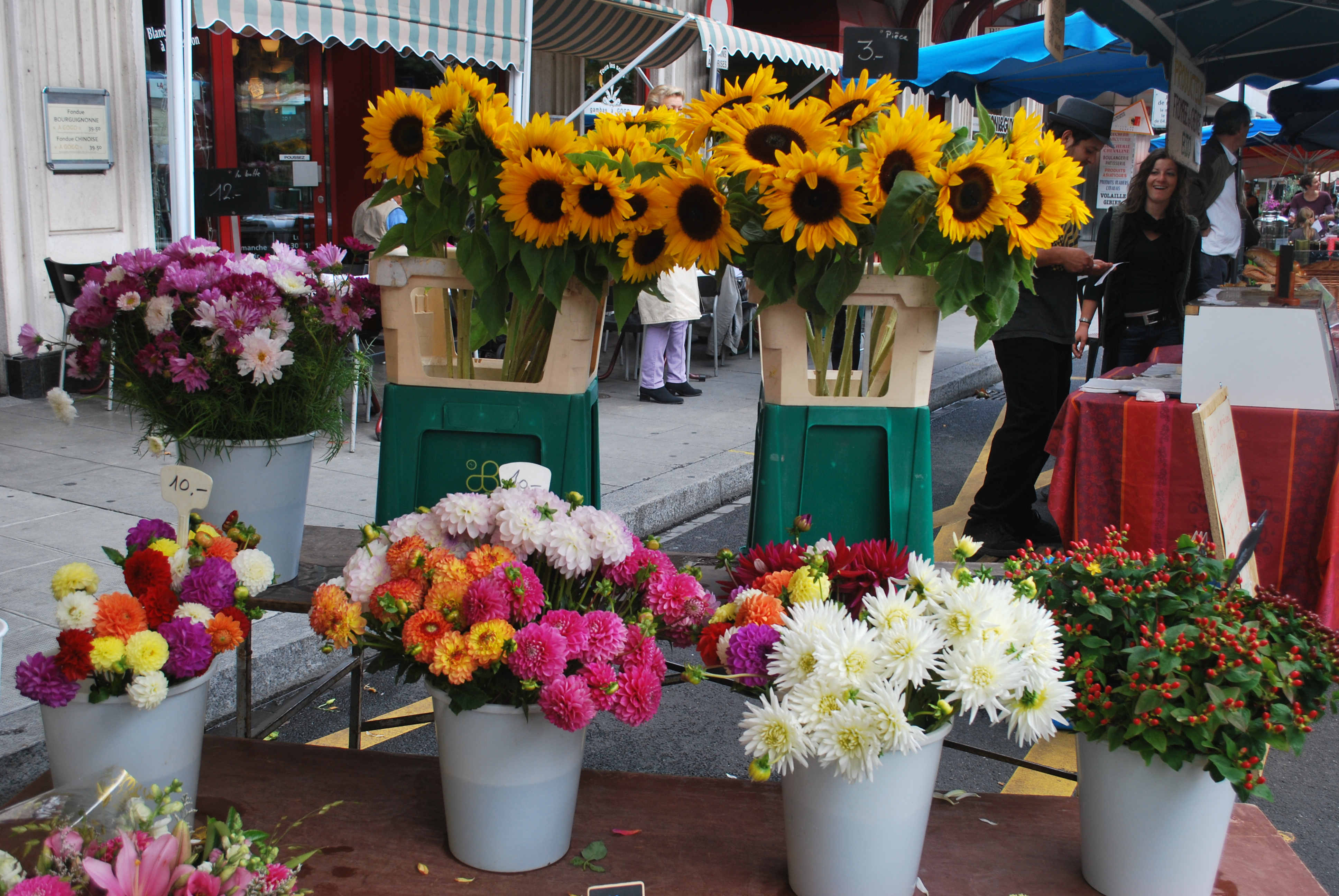
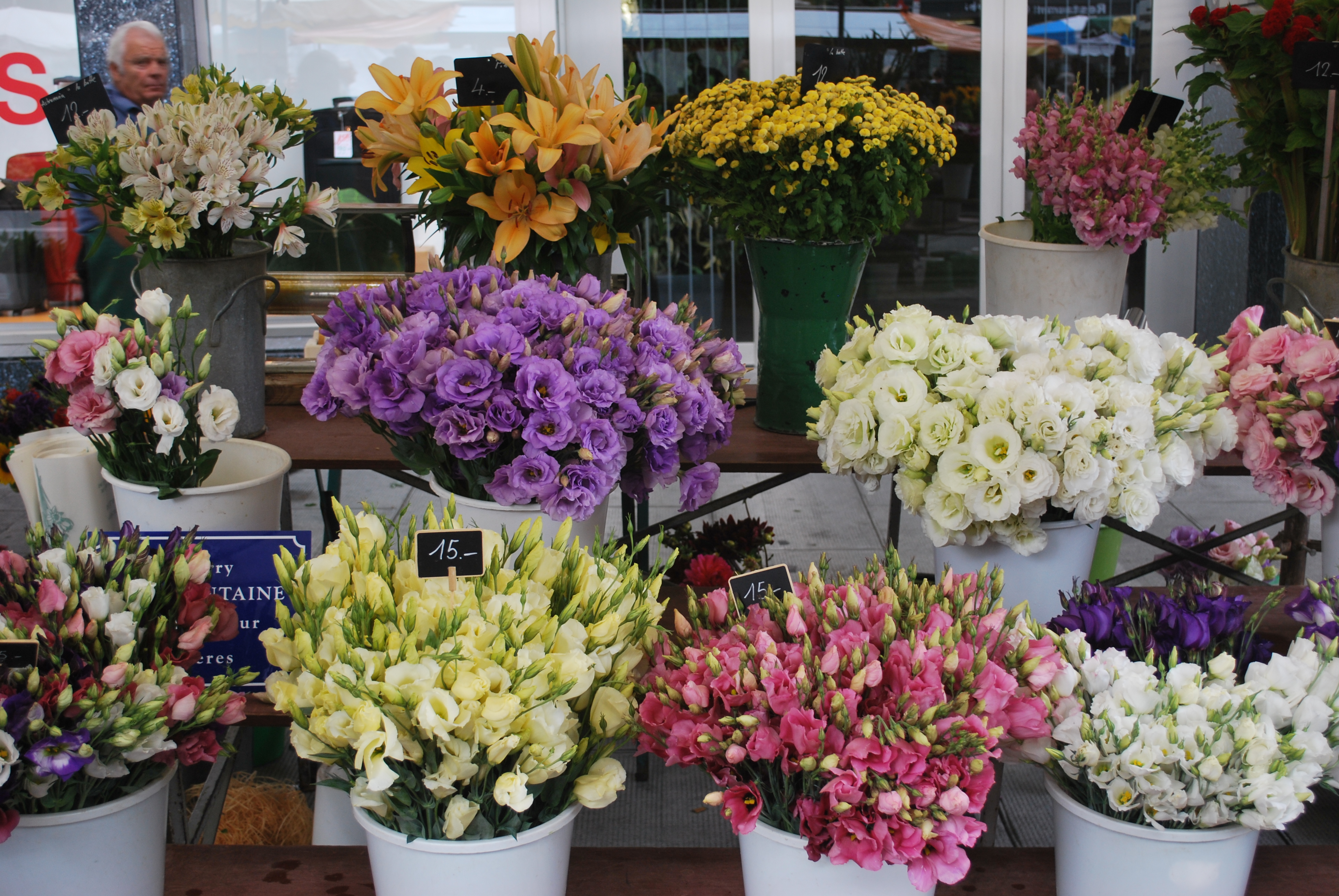
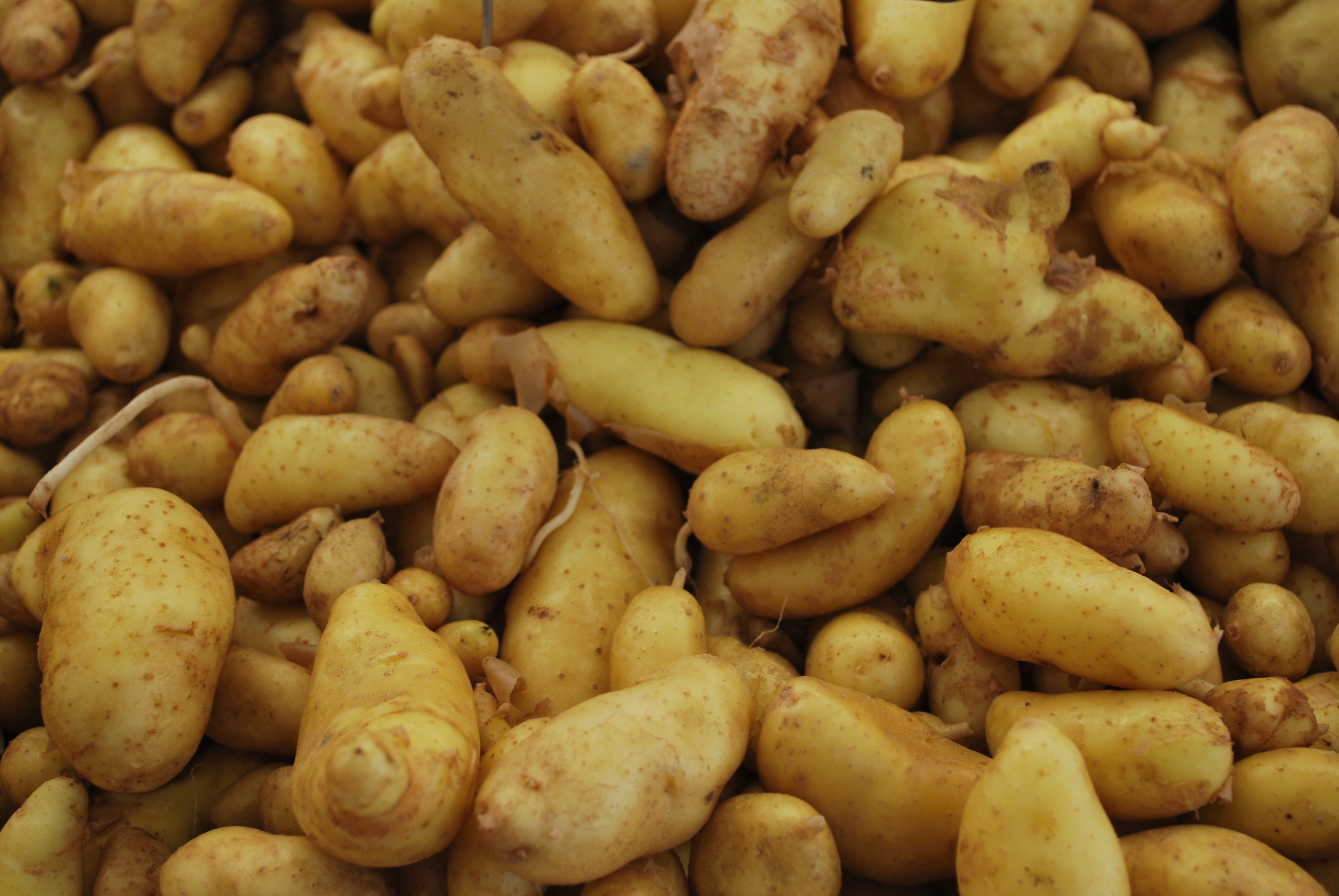
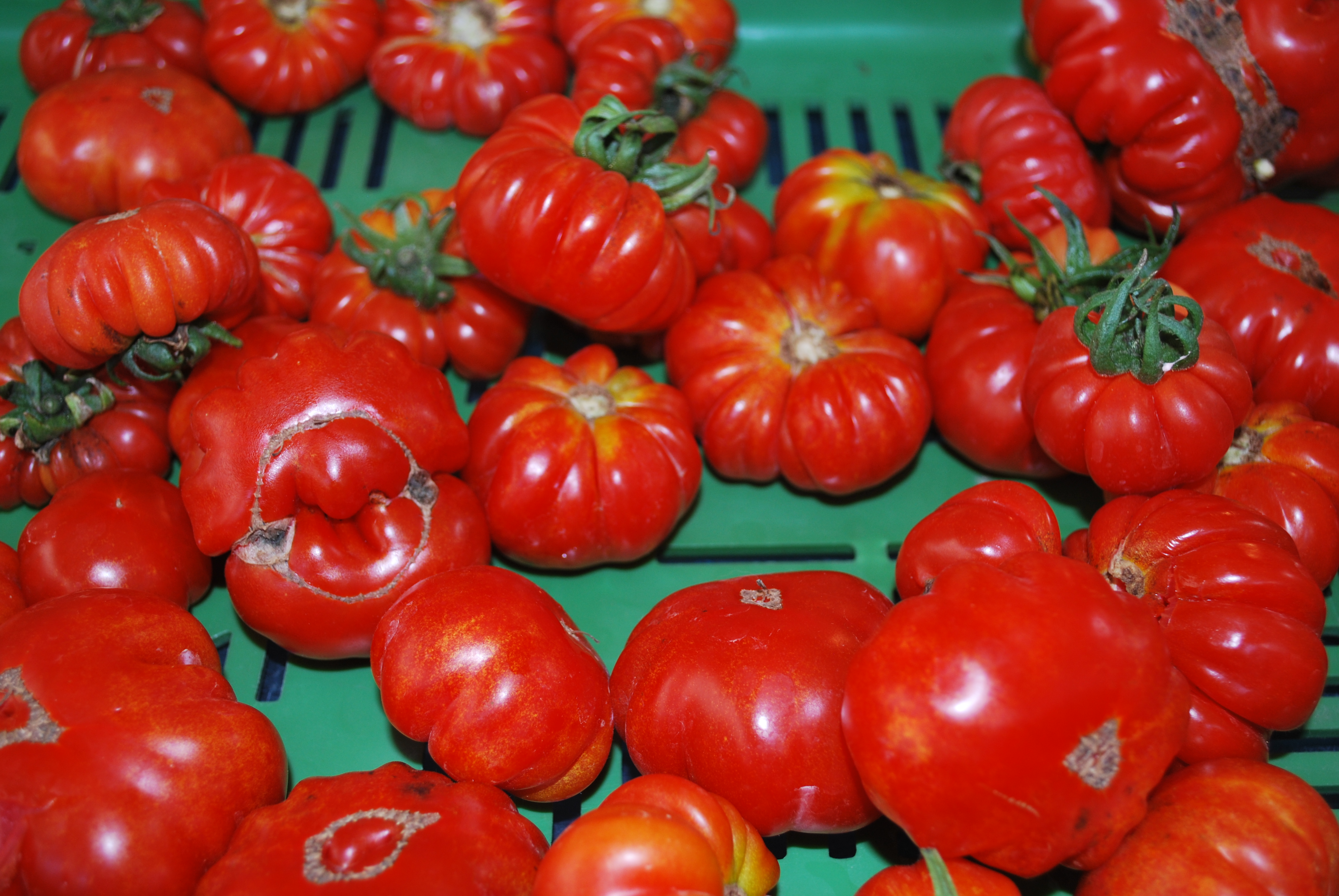
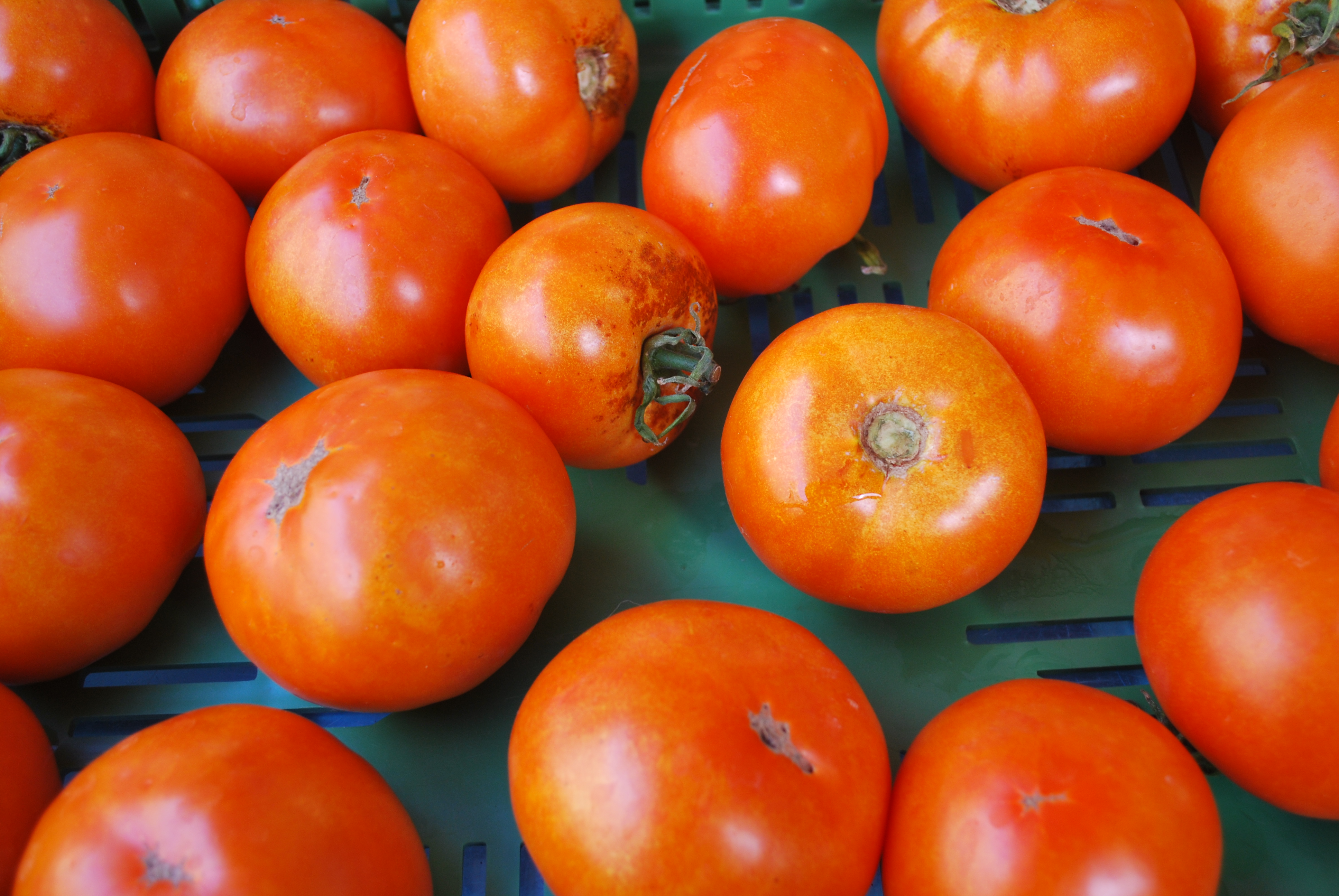
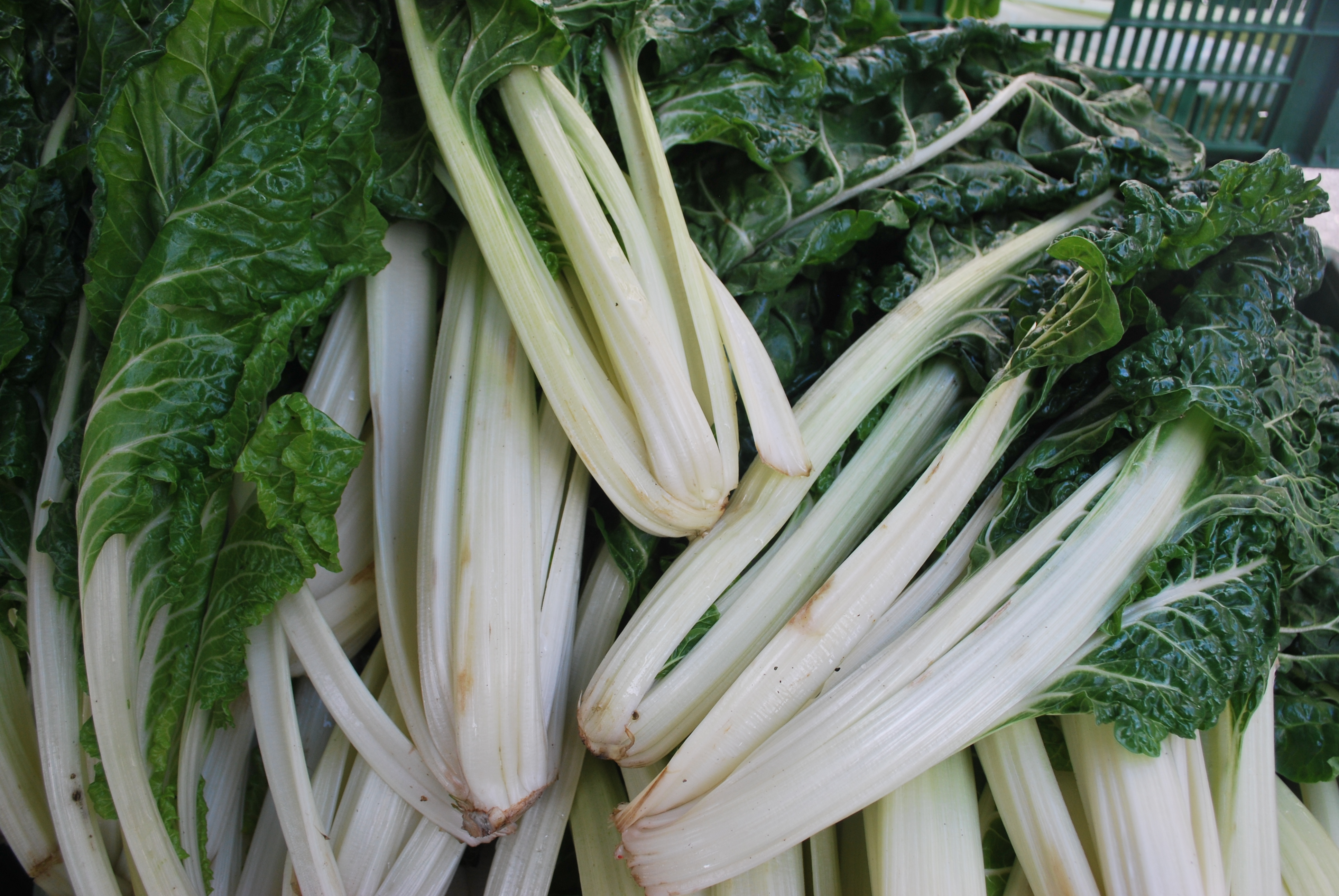
MarketDay: Documentary Photos of a July Farmers Market in Switzerland

Published by Wednesday, July 17, 2013 Permalink 0


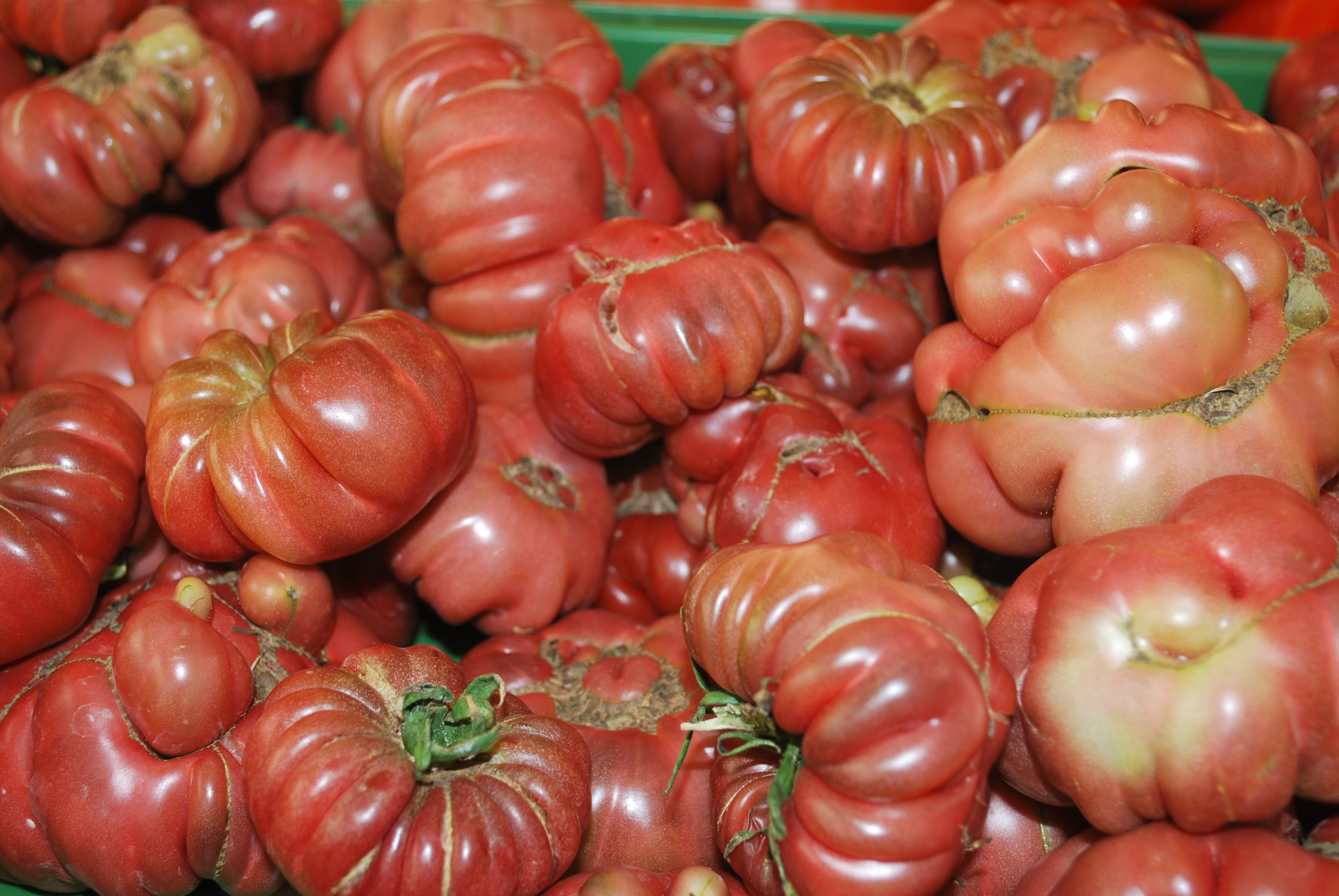
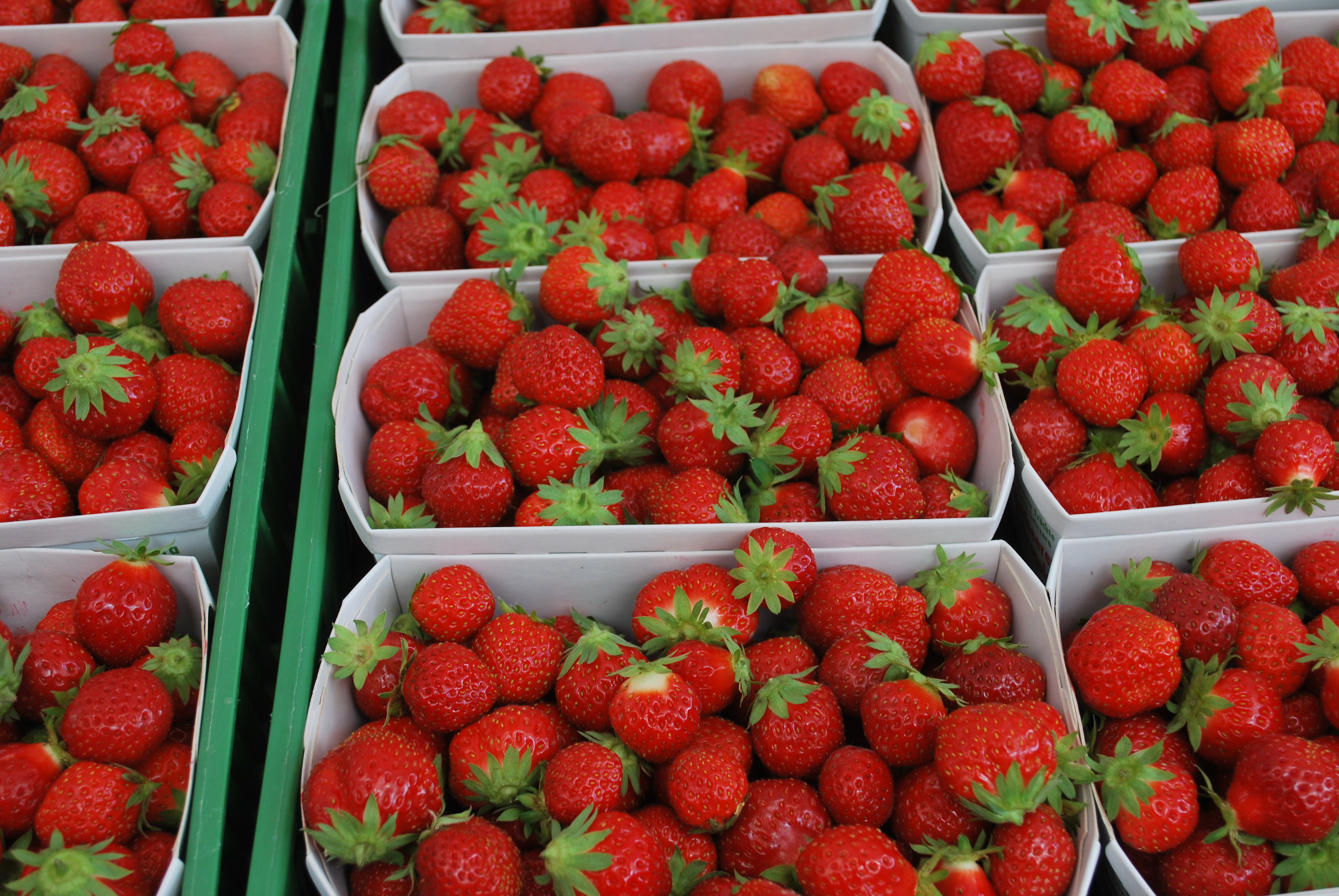
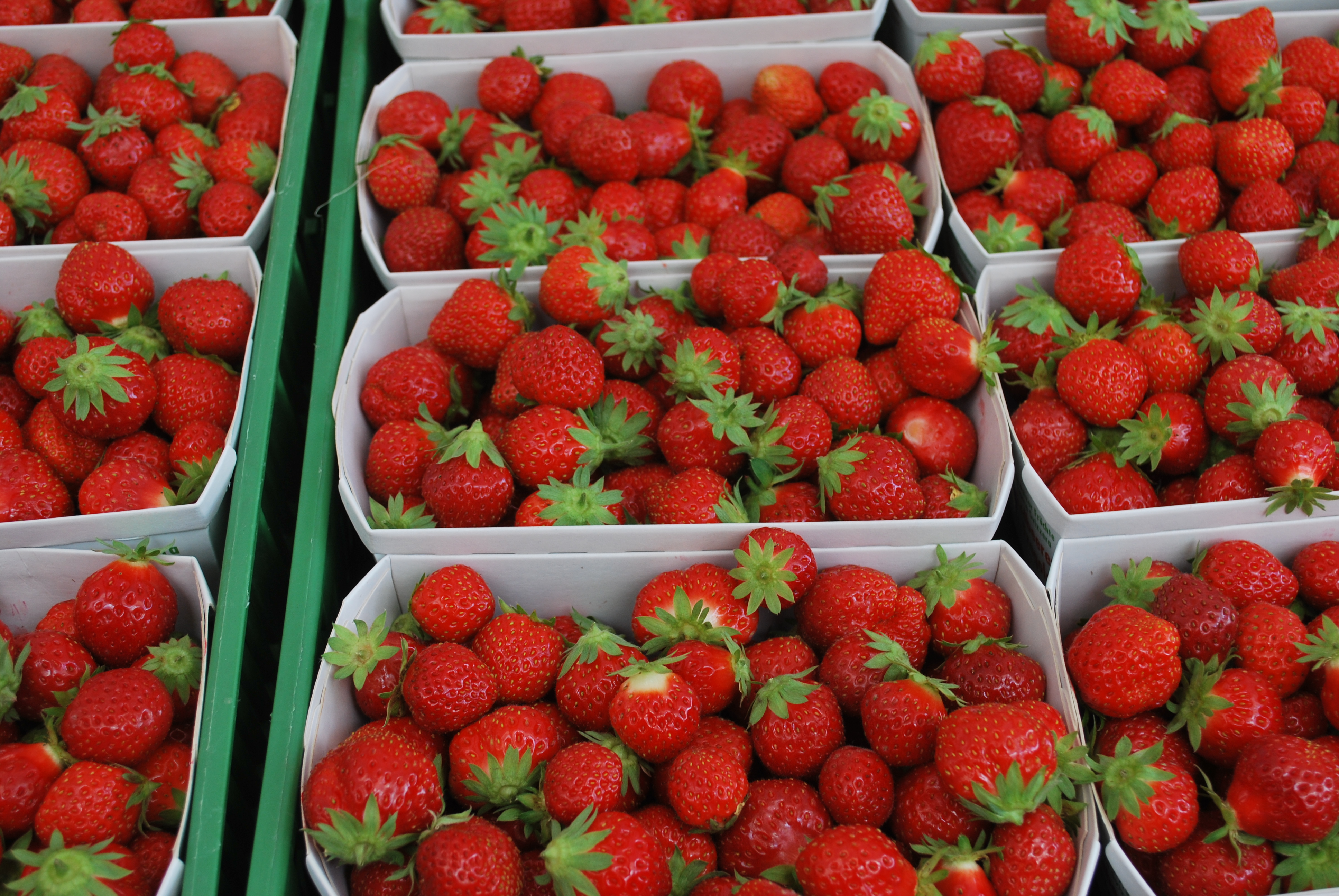
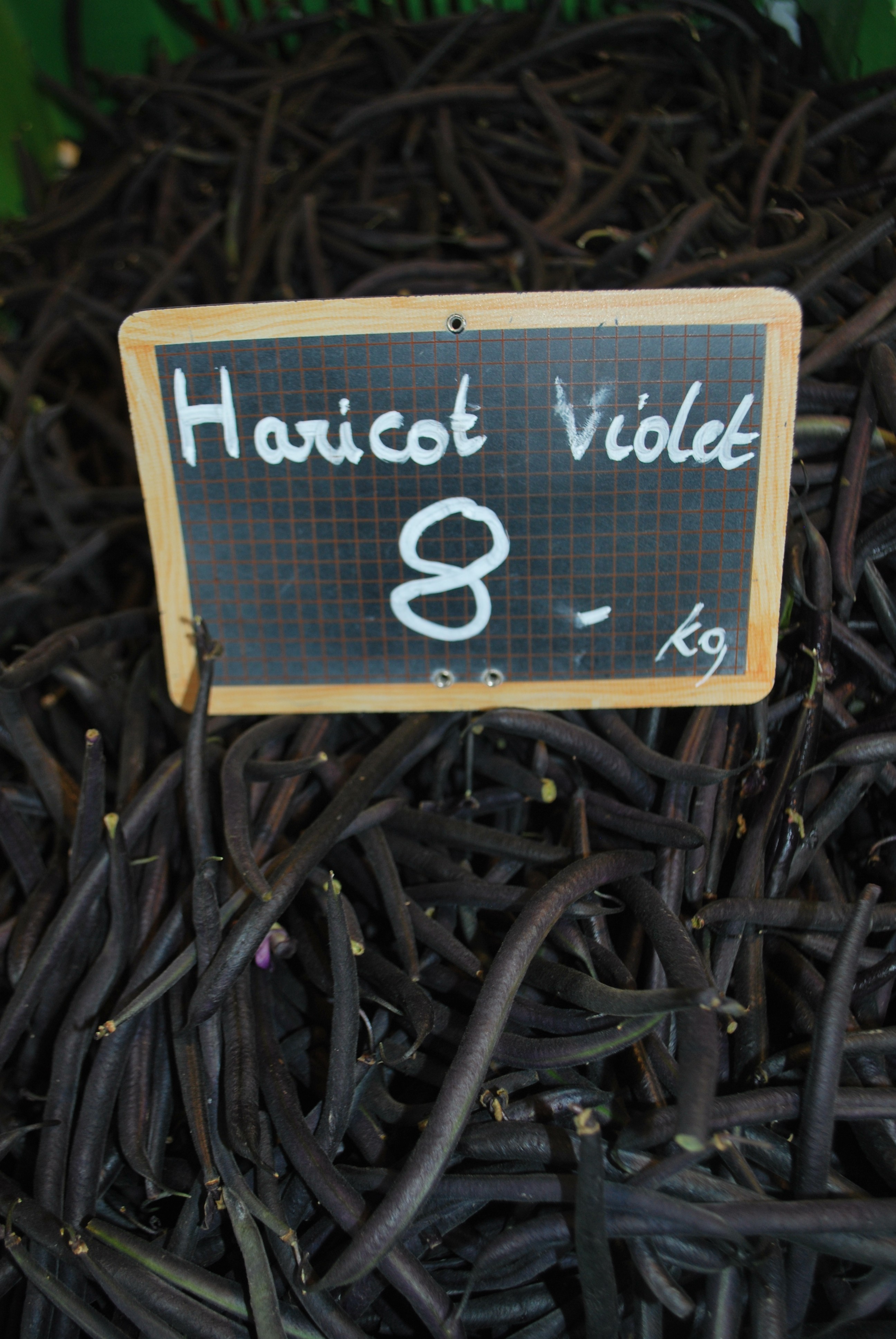
MarketDay: Documentary Photos of a July Farmers Market in Switzerland

Never miss a post
Name: 
Your email address:*
Please enter all required fields
Correct invalid entries

10 Things You Need to Know before You Start Gourmet Cooking

Published by Wednesday, July 17, 2013 Permalink 0


The Rambling Epicure, Editor, Jonell Galloway, food writer.

10 Things You Need to Know before You Start Gourmet Cooking

by Jonell Galloway

From the archives

Cooking is just applied physics and chemistry, with a little creativity thrown in.

1. Heat and temperature

Heat and temperature are important at every stage in cooking.

When browning or grilling meat or fish, oil should be very hot before adding it. This seizes it, thus preserving all its natural juices, which are where the flavor resides.

Slow cooking at low temperatures is best for tough, sinewy or fatty pieces of meat, while high temperatures are best for lean meats such as filet, where it is necessary to seize it, since it has no fat to keep it from drying out.

2. Juices

http://www.yumsugar.com/Deglaze-592880


No matter what the ingredient, the flavor resides in its natural juices. That’s why fresh is always better than frozen. When you thaw food, part of its natural juices are lost.

There is an appropriate way to cook every ingredient, depending on its nature.

Continue Reading…

Never miss a post
Name: 
Your email address:*
Please enter all required fields
Correct invalid entries

Balsamico, Balsamico: How to Choose a Good (and Authentic) Balsamic Vinegar

Published by Thursday, July 11, 2013 Permalink 0


//

Gareth Jones, food and travel writerBalsamico, Balsamico: How to Choose a Good (and authentic) Balsamic Vinegar

by Gareth Jones

“When we think that 100 kgs of grapes converts into just 2 litres of Balsamico after 25 years ageing, we appreciate what’s quite so special.”


Balsamio brusco 1985, aged Balsamic vinegar, photo by Gareth Jones

1985 aged Balsamic vinegar

Imagine a magical elixir which has a history charted back to 1785 – and probably earlier — that takes skills passed down through the generations of families, and is years in the making. Made traditionally, this elixir has the power to transport one to Heaven on a spoon, and just one word on the bottle tells us the real from the manufactured.

IMG_0894 (188x250)

That word is Tradizionale’ and to a cynic it could read like a word from the marketeer’s limited lexicon. This one word, however, divides the Heavenly stunning from the just special and Earthly – and sometimes not special at all for its added caramel and sugar. Time to become acquainted with the genuine Aceto Balsamico Tradizionale di Modena DOP.

Continue Reading…

Never miss a post
Name: 
Your email address:*
Please enter all required fields
Correct invalid entries

Serendipity: meus caminhos na cozinha e nas viagens…

Published by Saturday, July 6, 2013 Permalink 0
Exif_JPEG_422

Entre uma Serendipity e outra, um bom café!

SERENDIPITY: MEUS CAMINHOS NA COZINHA E NAS VIAGENS…

Translation coming soon in English – Introduction to Betina Mariante Cardoso’s new Brazilian food column

Olá!

Sou Betina Mariante Cardoso, brasileira, trinta e poucos anos. Nasci e moro em Porto Alegre, no Sul do Brasil, cidade que amo de coração e onde vivencio o apego, o calor da família e a constância, virtudes necessárias na minha vida. Paradoxo, tenho encantos por viajar, romper a linearidade rotineira, esquecer o mapa no hotel e perder-me pelas ruas dos lugares que visito. Por quê? Para ter a chance de conhecer aquela confeitaria antiga na rua lateral, coisa que só o acaso permite.  Tenho uma ligação forte com o conforto do cotidiano mas, quando me torno viajante, parto em busca das descobertas, do desconhecido. É quando  me entrego à Serendipity que as viagens propiciam.

E é com este mesmo estado anímico que venho para a cozinha: trazendo comigo a aventura, a curiosidade, o ímpeto pelo novo. Gosto de criar minhas receitas, mas sou também fã dos cadernos culinários, escritos à mão e com manchas de vida em suas páginas. Outro paradoxo.

Continue Reading…

Never miss a post
Name: 
Your email address:*
Please enter all required fields
Correct invalid entries

Gareth Jones: Memories of Old Belgium & Malmedy’s Gooey Kisses

Published by Wednesday, July 3, 2013 Permalink 0


//

ID photo of Gareth Jones, food writer and consultantMemories of Old Belgium and Malmedy’s Gooey Kisses, including Recipe

by Gareth Jones

IMG_0047 (250x188)

When two chewy, gooey meringues come stuck together either side of a slather of butter cream or crême chantilly, the pâtissiers of Malmédy call this a ‘kiss’. Their description is obvious – it’s a fond embrace. Such is its fame, the Baiser had a place in the original Larousse Gastronomique compiled by Prosper Montagné in 1938.

The story goes that the Baiser de Malmédy started life in the late 19th century in this region of the Eastern Ardennes that many still prefer to call ‘Old Belgium’. The name appreciates that here, in the small towns like Malmédy, Stavelot, Bastogne, Spa and Francorchamps, the old ways continue and courtesy comes before all else – much as continues in Norfolk and Suffolk, Dorset and Somerset, where people living here still have time for each other.

OLYMPUS DIGITAL CAMERA

Continue Reading…

Never miss a post
Name: 
Your email address:*
Please enter all required fields
Correct invalid entries

What is Spontaneous Cuisine?

Published by Thursday, June 27, 2013 Permalink 0

Jonell Galloway, Slow Food, Spontaneous Cuisine, Slow Food, Editor of The Rambling Epicure, Mindful EatingMy Spontaneous Cuisine, by Jonell Galloway

Spontaneous Cuisine is an approach to cooking that I “invented” 25 years ago, around the same time as Paul Bocuse started talking about la cuisine du marché, or “market cuisine.”

Happy Thanksgiving


The Spontaneous Cuisine method consists of writing out a tentative menu based on seasonal, local products; going shopping for the products, and adapting the menu according to what is available and fresh; going to the wine seller to select a wine to go with the menu, then going home and cooking all afternoon with my students. A day in the classroom-kitchen usually ends with a candlelight dinner at the château (in my past life in France), and now, at my 1,000-year-old chapel converted into a house in Chartres.

Never miss a post
Name: 
Your email address:*
Please enter all required fields
Correct invalid entries

Metric-Imperial Recipe Converter – French/British/American Equivalents

Published by Sunday, June 23, 2013 Permalink 0

Metric-Imperial Recipe Converter – French/British/American Equivalents //


From Southern Food:

Liquid Measures

1 cup 8 fluid ounces 1/2 pint 237 ml
2 cups 16 fluid ounces 1 pint 474 ml
4 cups 32 fluid ounces 1 quart 946 ml
2 pints 32 fluid ounces 1 quart 946 ml
4 quarts 128 fluid ounces 1 gallon 3.784 liters
8 quarts one peck
4 pecks one bushel
dash less than 1/4 teaspoon

Dry Measures

3 teaspoons 1 tablespoon 1/2 ounce 14.3 grams
2 tablespoons 1/8 cup 1 fluid ounce 28.3 grams
4 tablspoons 1/4 cup 2 fluid ounces 56.7 grams
5 1/3 tablespoons 1/3 cup 2.6 fluid ounces 75.6 grams
8 tablespoons 1/2 cup 4 ounces 113.4 grams 1 stick butter
12 tablespoons 3/4 cup 6 ounces .375 pound 170 grams
32 tablespoons 2 cups 16 ounces 1 pound 453.6 grams
64 tablespoons 4 cups 32 ounces 2 pounds 907 grams

Continue Reading…

Never miss a post
Name: 
Your email address:*
Please enter all required fields
Correct invalid entries

Swiss Supermarket Discoveries, Part III: Hike Switzerland

Published by Friday, June 21, 2013 Permalink 0


//

Swiss Supermarket Discoveries, Part III: Hike Switzerland

by Sonja Holverson

If you actually want to take a hike in Switzerland (and of course you do!), there are all levels from hikes for flatlanders to experts to alpinists. (See Swiss Alpine Wanderlust Packing List for Serious Hikers.)

So don’t let those enormous Alps intimidate you, because you can do a lot at lower altitudes. You might start by hiking around the Swiss vineyards, a common practice in Switzerland, or even in villages; you can hike down to the lake and the one of the relaxing and scenic cruises on Lake Geneva. Whatever the activity you will need a picnic lunch and the best place to find the ingredients is the Swiss supermarket.

Alpine picnic image courtesy of Olivier Bruchez

Continue Reading…

Never miss a post
Name: 
Your email address:*
Please enter all required fields
Correct invalid entries

Simon Says: Daily Food Quote, June 18, 2013

Published by Tuesday, June 18, 2013 Permalink 0

Simon Says: Daily Food Quote, June 18, 2013

by Simón de Swaan

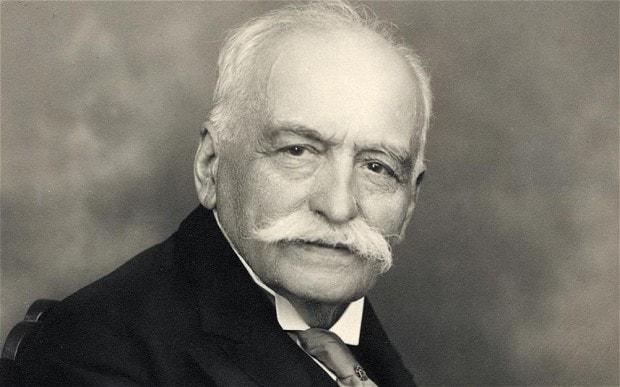
The greatest dishes are very simple dishes.–Auguste Escoffier


French chef, restaurateur and culinary writer August Escoffier (1846 – 1935) popularized and updated traditional French cooking methods. He is a legendary figure among chefs and gourmands, and was one of the most important leaders in the development of modern French cuisine.

Three of Escoffier’s most noted career achievements are revolutionizing and modernizing the menu, the art of cooking, and the organization of the professional kitchen. Escoffier simplified the menu as it had been, writing the dishes down in the order in which they would be served (service à la Russe), referred to Russian style service. He also developed the first à la carte menu. His books are still used by culinary students and chefs alike.


_atrk_opts = { atrk_acct:”vvoMh1aIE7000g”, domain:”theramblingepicure.com”,dynamic: true};
(function() { var as = document.createElement(‘script’); as.type = ‘text/javascript’; as.async = true; as.src = “https://d31qbv1cthcecs.cloudfront.net/atrk.js”; var s = document.getElementsByTagName(‘script’)[0];s.parentNode.insertBefore(as, s); })();


Never miss a post
Name: 
Your email address:*
Please enter all required fields
Correct invalid entries

UA-21892701-1