Tackling Obesity through Food Relationships

Published by Thursday, April 10, 2014 Permalink 0

Jonell Galloway, Writer, Editor and Translator

Swiss Food


by Jonell Galloway

I was recently interviewed for a Swiss Info documentary called “Finding the Right Food Formula.” In the context of recent childhood obesity figures in Switzerland, Veronica De Vore is exploring the Swiss relationship to food and how that might have changed, how it might be related to the rise in childhood obesity.

Click here to listen to the show. I cooked a Kentucky Fried Chicken feast for Veronica, while discussing the more serious matter of relationships to food in the context of my work in mindful eating. (The article also includes an abridged recipe for my grandmothers’ traditional Kentucky Fried Chicken.)

Continue Reading…

Never miss a post
Name: 
Your email address:*
Please enter all required fields
Correct invalid entries

A Swiss Reader’s Tale of Knepfle

Published by Wednesday, April 2, 2014 Permalink 0

A Swiss Reader’s Tale of Knepfle

by Dee Rintoul

I grew up with “cheater” knepfle. I learned from my Oma, who had a Southern German background, but was Romanian-born. She made all kinds of noodles and pasta dishes — spatzle, real egg noodles that were dried and stored, but for everyday use. Knepfle were child’s play. In our own home, we made them for lunch and threw them into Lipton chicken noodle soup (which was not something we’d ever find in Oma’s kitchen!). God. That woman could cook…

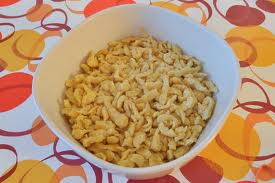
Knepfles, Alsacian and Swiss pasta, photo by http://www.tribugourmande.com/recette_76618_knepfle


Anyway. The way we did it was to beat an egg or two (depending on how greedy we felt at the time), add a pinch of salt and some dried parsley if we thought of it or wanted to impress schoolmates, then beat in all-purpose flour until it was so stiff it wouldn’t take any more and/or became too difficult to stir. Then we’d drop pieces in a pot of boiling water with a fork and a teaspoon, dipping both implements into the simmering soup in between to help the stiff dough drop. Once they were all in, we put the lid on, turned down the heat, and kept it covered for a few minutes.

When we finally lifted  the lid, we found gorgeous, fluffy-looking, but very chewy little dumplings, all floating together on top of the soup. We loved these so much that as kids we used to scorn dumplings as being “too soft”. To our minds, dumplings, or anything that remotely resembled knepfle, ought to be quite al dente.

I still make these for chicken soup (and I try not to rely on Lipton but make my own as often as possible!).

Never miss a post
Name: 
Your email address:*
Please enter all required fields
Correct invalid entries

Swiss Food: Tarte à la Raisinée – Apple & Pear Syrup Pie

Published by Sunday, March 30, 2014 Permalink 0

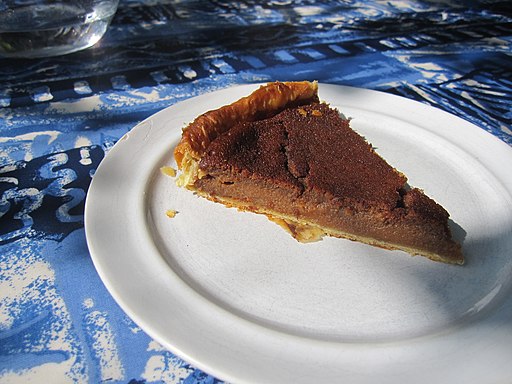
Swiss Food: Tarte à la Raisinée – Apple and Pear Molasses Pie

What is Swiss Raisinée?

The French-Vaudois word raisinée refers to a syrup or molasses made of the must of apples and pears. It was originally cooked in grape juice, thus the name — raisin means grape in French. Often called vin cuit, or “cooked wine,” it is in the form of a dark brown, viscous liquid. In still other parts of Switzerland, another concoction similar in consistency to jam and using the same ingredients is called cougnarde and probably dates back to at least the Middle Ages. Raisinée was used as a sweetener in many regions in Europe, and the tradition has lingered in Switzerland, especially in the cantons of Vaud, Fribourg and Neuchâtel. Today, it is mainly used for cakes and pies, and is not fermented, so it not technically a wine.

The tart itself has numerous names — raisinée, vin cuit (literally cooked wine), cougnarde and Biresaassa, depending on the location.

Recipe: Tarte à la Raisinée – Apple and Pear Syrup Pie

This recipe is inspired by Concert des Casseroles and translated with their authorization

Use a pie ring or pie tin 24 cm in diameter
Sweet Pie Crust
  • 200 g of flour
  • 100 g butter
  • 3 g of fine salt
  • 15 g walnut or hazelnut nillon* (here a mixture in equal parts)
  • 1 small egg (less than 60 g)
  • 60 g white sugar
Filling
  • 3 eggs
  • 2 egg yolks
  • 200 g double cream
  • 150 g pear raisinée (click on link to see our recipe for making raisinée)
  1. Dough: Combine the butter and sugar. Add the beaten egg and walnut/hazelnut nillon, then flour, mix and form into a ball, then roll out or pat down to flatten. Wrap in plastic and chill for 30 minutes.
  2. Spread the dough on a sheet of baking paper and place it along with the sheet in a pie ring or pie pan. Shape the edges by pinching the dough between your thumb and forefinger. Prick the bottom and edges with a fork. Cool for 30 minutes to firm up and avoid sagging when cooking.
  3. Preheat oven to 180° C. Place baking paper and beans or ceramic beads on the dough to prevent it from swelling. Bake for 20 minutes: the dough should barely brown.
  4. Meanwhile, prepare the filling by mixing the eggs and yolks, the double cream and the raisinée.
  5. Remove dough from oven. Remove weights and parchment paper. Lower thermostat to 150°C.
  6. Pour the filling into the dough and cook for about 30 to 40 minutes. The filling must be taken when it is not too firm and must have a slightly caramelized smell. It will probably still appear liquid when it comes out of the oven, but do not prolong the cooking, as it gets much firmer while it is cooling.

*Nillon: Nillon (or nion), is a local product used in French-speaking Switzerland. It is the residue from pressing of nuts. It is found in sheets, grated or powdered form. There are walnut and hazelnut nillons packaged in small 160-gram bags. In the canton of Vaud (Switzerland), nillon is used to make a walnut cake and apple pie. In France, it is known as walnut flour or walnut meal.


Never miss a post
Name: 
Your email address:*
Please enter all required fields
Correct invalid entries

Potatoes: Endless Varieties in Switzerland

Published by Sunday, September 29, 2013 Permalink 0


Potatoes: Endless Varieties in Switzerland

by Jonell Galloway

Potatoes: an essential part of the traditional Swiss diet

If there’s one thing we have plenty of in Switzerland, it’s potatoes. I didn’t even like potatoes before I came here and discovered all the subtle differences of texture, taste and all the ways of using them in cooking.

Potatoes are an essential ingredient in almost any traditional Swiss meal. This year’s crop is already starting to show up in local markets.

Large Number of Varieties of Potatoes in Switzerland

The official 2007 Swisspatat list (provided by Agridea, the Swiss agricultural research station) includes 31 different varieties, along with lists for various seasons and types of potatoes, as well as recipes for everyday use as well as for special occasions.

You can take a look at the 31 varieties in the table at the bottom right on the last page of the Swisspatat article to get an idea of which potatoes to look for at what time of the year.

Different Types of Potatoes for Different Uses

There are basically 4 types of potatoes, according to Swisspatat:

  1. Firm or “salad” potatoes. These potatoes do not burst open when cooking. They are moist, fine-grained and not mealy, and can be used in most dishes, with the exception of mashed potatoes and purées.
  2. All-purpose medium-firm potatoes. The skin on these potatoes opens only slightly on cooking. They are somewhat mealy, on the dry side, and have a fine, grainy texture. They are tasty and can be used for most all purposes.
  3. Mealy potatoes. These potatoes burst when cooked, but they are tender, mealy and rather dry. They have a large grain and strong taste and are used mostly for industrial purposes.
  4. Extra-mealy potatoes. These are basically not for cooking and are used for feeding livestock or to make starch, due to their dryness and hard texture.

Continue Reading…

Never miss a post
Name: 
Your email address:*
Please enter all required fields
Correct invalid entries

Rosa’s Musings: There is more to a sandwich than two slices of bread, a brief history of the sandwich

Published by Sunday, September 22, 2013 Permalink 0

by Rosa Mayland

A Brief History of the Sandwich


In this brief history of the sandwich, you’ll learn that a sandwich is an extremely versatile and universal food item consisting of two slices of bread in the middle of which is encased a filling, or of a single slice of bread garnished with a topping (tartines/bruschetta, smørrebrød, canapés, etc.). In both cases they come in an infinite number of varieties that differ in flavour, style, texture and size.

The origin of the term dates back to 1762 and saw the light of day in East Kent, England. According to legend, John Montagu aka the Fourth Earl of Sandwich was so busy gambling that he did not want to stop his activities in order to dine, so he ordered the waiter to bring him slices of roast beef enclosed in two wedges of bread. In this way, he could continue playing while eating and would in no manner dirty his fingers. That is how this quick and improvised snack became known as “sandwich”.

Even if the Earl gave his name to this popular “speciality,” it is to be said that bread has been served with meat and/or vegetables for centuries before this “invention” and that its forefather probably already existed in Neolithic times with the advent of the domestication of wheat. The first form of sandwich is attributed to the ancient Jewish wise man Hillel the Elder (~1st century B.C.) from Babylon who apparently put meat from the lamb sacrificed for Passover and bitter herbs (horseradish, chicory, sow thistle, eryngo, and lettuce) between pieces of matzo (kosher cracker-like, unleavened bread). Another genre of sandwich was common during the Middle Ages: thick slabs of stale bread called “trenchers” were used as plates and can be regarded as the precursors to the open-faced sandwich.

At the beginning, sandwiches represented a humble and simple lower-class meal, but by the middle of the 18th century, the aristocracy started serving them as a late-night collation, and they were considered very chic. Then with the breakthrough of the Industrial Revolution in the 19th century and its hordes of restless workers slaving away in factories, sandwiches became a working-class luncheon, since they were practical, easily accessible, nourishing (calorific), inexpensive, portable and could be eaten in a rush.

After having first appeared in England as well as Spain, the sandwich rapidly spread through the rest of Europe and the United States, where it was first promoted as an elaborate main dish. The 20th century saw the rise of the sandwich in the U.S. and the Mediterranean when bread became an indispensable component of people’s diet and started being consumed in much larger quantities than in the past.

Continue Reading…

Never miss a post
Name: 
Your email address:*
Please enter all required fields
Correct invalid entries

Easy Late Summer Seville-style Gazpacho

Published by Thursday, September 12, 2013 Permalink 0

Spontaneous Cuisine: Easy late summer Seville-style gazpacho

by Jonell Galloway

Take 4 thick dry or toasted  slices of hearty whole grain bread and tear it into bite-size pieces. Drizzle olive oil over it and add 2 to 4 cloves of crushed garlic, depending on how much you like garlic.

Mix and let it sit for a few minutes.

Take 8 large, extra-ripe red tomatoes. Cut into large chunks, and save all the juice. Mix into the bread and garlic.

Put into blender, with salt and pepper. Refrigerate and let it sit for a half hour or so, or several hours or overnight if possible.

Before serving, taste and then season with more salt, pepper and olive oil if necessary. Add ice cubes if you want it to be colder or thinner.

If you want to give the dish a bit of color or enhance it, add fresh coriander or basil, or a dollop of cream.

This batch will easily feed 4 or 5, and is better the second day, once it has marinated in the refrigerator.

This recipe is my version of a friend’s recipe for Seville-style gazpacho. The friend has chosen to remain incognito for reasons unknown to this writer.


This article was originally published on Geneva Lunch.

 
Never miss a post
Name: 
Your email address:*
Please enter all required fields
Correct invalid entries

La Semaine du Goût Geneva – Sept. 12, 2013

Published by Wednesday, September 11, 2013 Permalink 0


La Semaine du Goût Genève – Geneva Tasting Week

Swiss tasting week, referred to as “La Semaine du Goût” in the French-speaking part of the country, starts on Thursday, September 12, and runs until the 22nd. Each producer, restaurant and farm participating offers events. I will list a program of events, by day, in the Geneva area.This event is sponsored in part by Slow Food Switzerland. Here is the schedule for Thursday, September 12.

Swiss Fondue, Salone del Gusto 2012 in Turin


Continue Reading…

Never miss a post
Name: 
Your email address:*
Please enter all required fields
Correct invalid entries

The Mindful Eating Series: Interview with Geneva Farmer David John Kong-Hug

Published by Friday, August 23, 2013 Permalink 0

The Mindful Eating Series: Interview with Geneva Farmer David John Kong-Hug

by Jonell Galloway

In the context of the concept of Mindful Eating, I plan on posting a series of articles that show people who are already practicing this in one way or another, without necessarily calling it by that name.

I’d like to start with an article about Geneva farmer, foodie and ecologist, David John Kong-Hug, whose family’s fruit and vegetables have given my family and me endless satisfaction and nourishment.

I see in the Hugs the same integrity and pride in what they do as I saw in the land of Wendell Berry. There is a mutual satisfaction when he puts an organic red pear into my hands and tells me exactly how to make my rissole. We form a mutual appreciation society; we have a mutual “affection” for the product and awareness of the hard work and care that went in to producing it.

David is a linguist and speaks so many languages I couldn’t possibly name them all. He has traveled extensively, and lived in South America, Asia, the Middle East and Europe.

He grew up on the family farm in Vandœuvres, right outside Geneva, and has never lost his love and respect for the land. He started working on the family farm from a young age, where he remained while studying agriculture and later doing a Ph.D. in environmental management.

Like the Swiss, like Wendell Berry, the love of land and soil is in his blood. With this personal history, need we ask what he thinks about Mindful Eating?

Interview with David John Kong-Hug

We are one of the last Genevan families who sell organic vegetables and fruits grown in our little one-hectare farm in Vandoeuvres (GE) along the Seymaz river. We have been working at the Rive and Carouge farmers market since 1946. For us, eating organic is a misnomer. Food is organic by its very nature! But since the green revolution in the seventies, food has become partly chemical. We have always refused to use chemicals on our land. How could we poison our land and water, add sulfites to the food we eat, feed our animals and serve to people?

Until the seventies, people took seasonal crops as a given. They knew that tomatoes with irregular shapes and apples with flaws were actually natural and tasty. They did not ask for strawberries in winter. Our tomatoes are not calibrated and cannot be kept for two months in the fridge. In winter, eating soups made of seasonal vegetables such as pumpkin, cabbage, leek, radish bring all the nutrients the body needs. Winter salads, such as bitter chicory or endive, are bitter in order to compensate for the extra fat people add by eating more meat when it’s cold.

Organic products are a bit more expensive than the industrial ones for two reasons. First of all, growing organic food is labor-intensive. Soils have to be weeded manually; manure spread evenly with the pitchfork; then fragile crops have to be covered with linen sheets to prevent birds from eating them. Greenhouses also protect from the cold and the predators, but field mice dig from underneath. As a result, a good deal of the production is lost, and only one third is actually brought to the market stall.

The second reason is that organic farming is not subsidized at all. Agro-industries that grow specific crops, sold to certain wholesalers, receive subsidies for mechanization, pesticides and fertilizers. The chemical and agro-industrial lobby in Switzerland is very strong. Pesticides and fertilizers are therefore indirectly sponsored by the government, that is to say the taxpayers.

These chemicals are necessary for intensive, calibrated and zero waste agriculture. Produce is harvested before it is ripe and sometimes kept a month in enormous refrigerators before being delivered to supermarkets. Local organic farmers still harvest at 4 A.M. the very day of the market. Their produce has to be sold within two or three days, or otherwise composted.

Unfortunately, selling bio or organic has become a business niche, not only for the large retail stores, but also for the government. Acquiring a green label is outrageously expensive for small independent farmers. Besides, their norms do not measure levels of pathogenic elements, but concern hedges and fallow, water conservation and soil erosion, which local farmers have been implementing for decades.

Therefore we created our own label “EKO”, for which we claim homegrown organic seasonal vegetables and fruits, aiming at eighty – ninety percent organic and chemical-free, which our customers recognize thanks to the taste and quality. Being an organic farmer is challenging. We just hope that our customers find their way to both the heart and stomach.

  • “Bringing It to the Table” by Wendell Berry
  • Wendell Berry: No technological fix to climate change
  • The Missouri Table: A Response to Ethical Foodies From a ‘Factory Farmer’
  • The Importance of Agriculture
  • Manifesto: The mad farmers liberation front

Never miss a post
Name: 
Your email address:*
Please enter all required fields
Correct invalid entries

Switzerland: Fresh-fruit Marmalade and Meringue Recipe

Published by Sunday, August 18, 2013 Permalink 0

Switzerland: Fresh-fruit Marmalade and Meringue Recipe

Spontaneous Cuisine, by Jonell Galloway

From the archives

We often think of traditional Swiss meringue as winter food, but it can also be great with summer fruit, such as plums, berries, apricots, etc., either mixed or on their own.

This recipe can also be appropriate to make with children. They will especially love using the pastry sleeve to decorate the marmalade.

Recipe

Click here for metric recipe converter

Marmalade

1 kg fruit
Approx. 1 dl water
Sugar to taste
  1. Wash fruit. If it has stones, cut in half and remove stones.
  2. Place fruit in a saucepan, preferably copper or stainless steel.
  3. Add water. Cover.
  4. Cook on medium until the fruit starts to “melt” and lose its shape.
  5. Add sugar and mix well.
  6. Set aside to cool.

Note: If you want it to be smooth like a coulis, run it through a chinois or fine colander or sieve.

Meringues

3 egg whites (large free-range or organic eggs give a lot better taste and result)
100 g white castor sugar
  1. Put egg whites in a large mixing bowl. Beat until they form stiff peaks.
  2. Little by little, fold in sugar until the mixtures forms a very stiff paste.

Assembly

  1. Preheat oven to 175° C.
  2. Butter an oblong baking dish.
  3. Evenly spread marmalade in baking dish.
  4. Use a rubber spatula to spread egg white mixture evenly over marmalade or use a pastry bag to spread it in a decorative manner.
  5. Lightly sprinkle with sugar.
  6. Bake in oven for about 10 minutes or until lightly golden.


Never miss a post
Name: 
Your email address:*
Please enter all required fields
Correct invalid entries

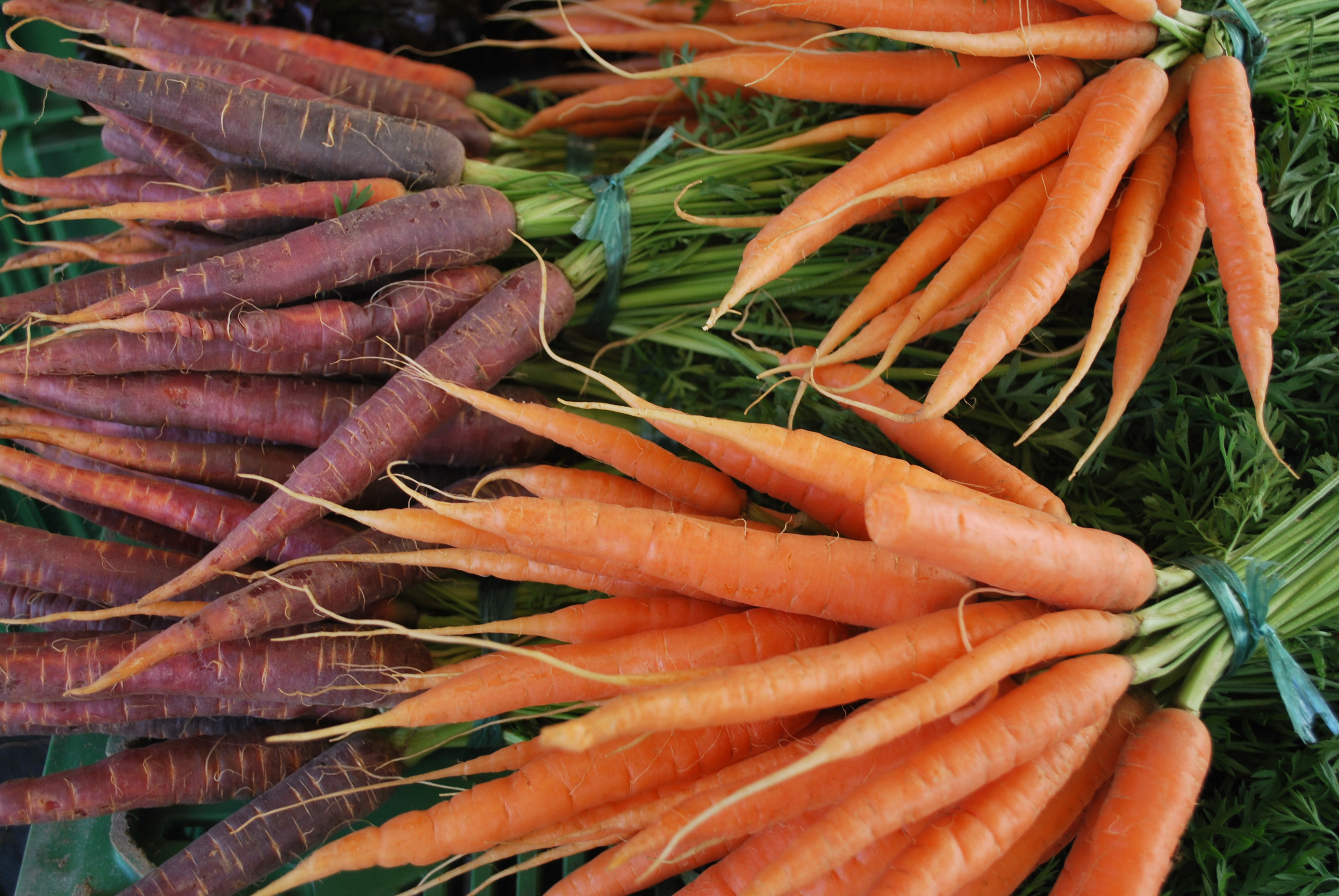
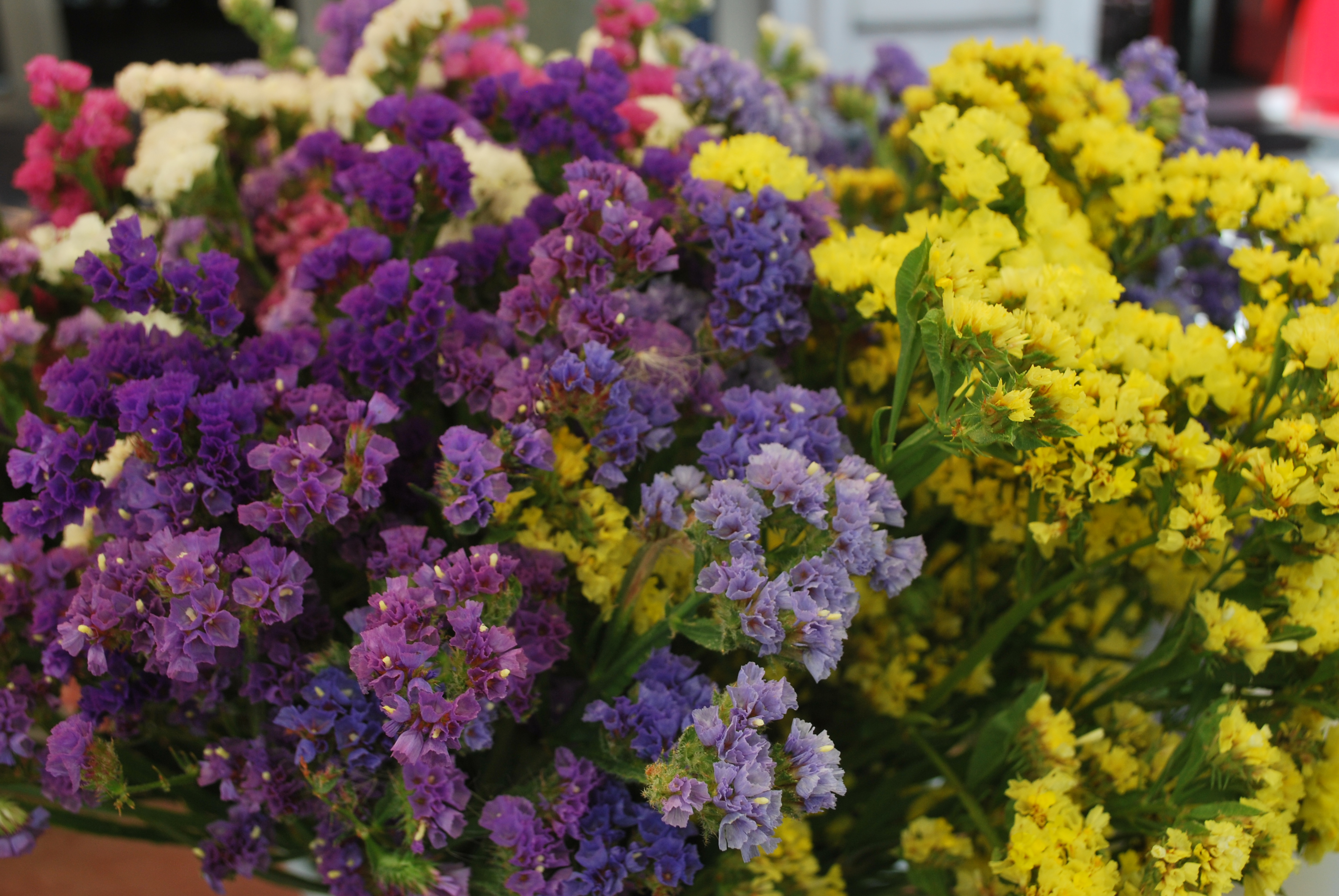
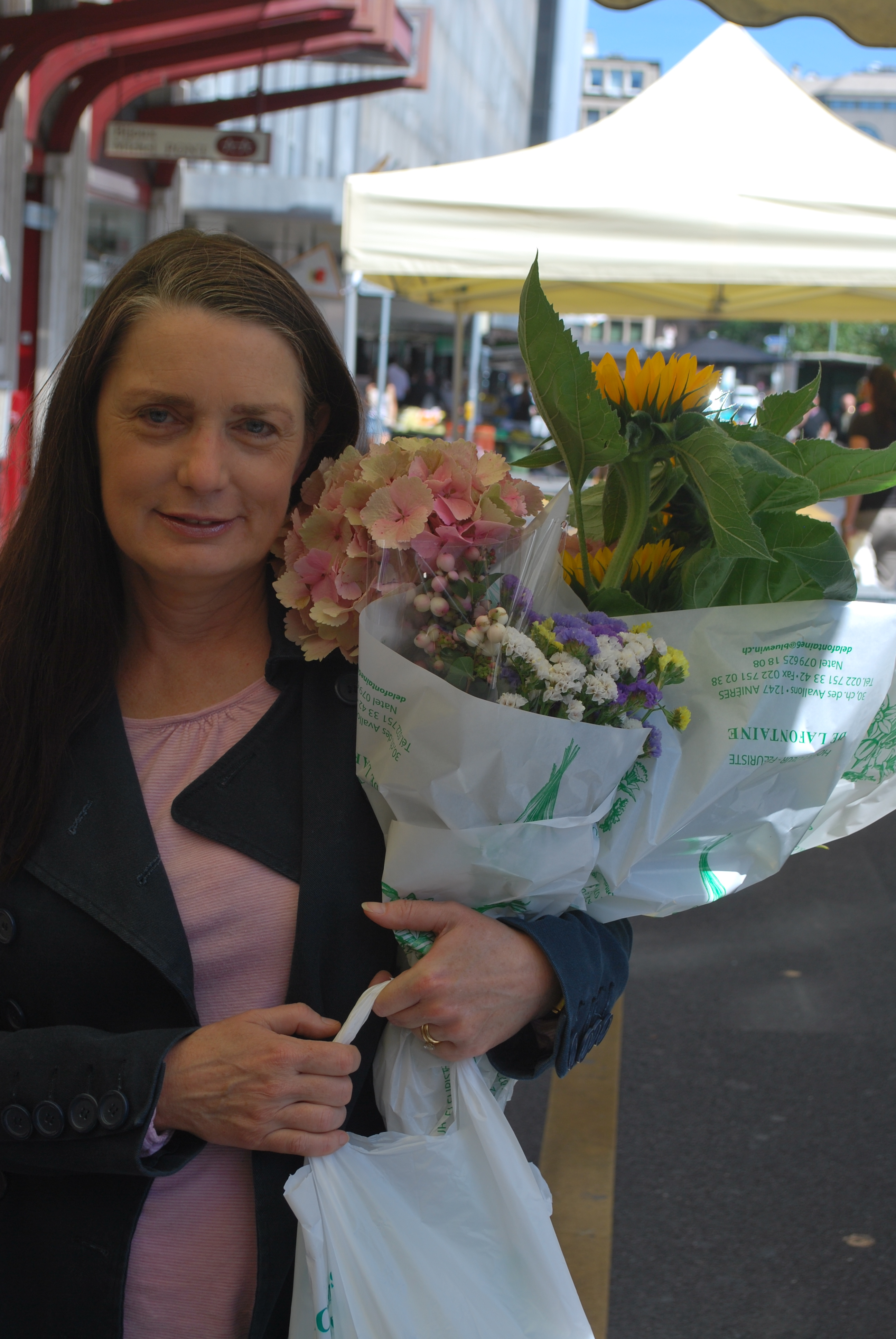
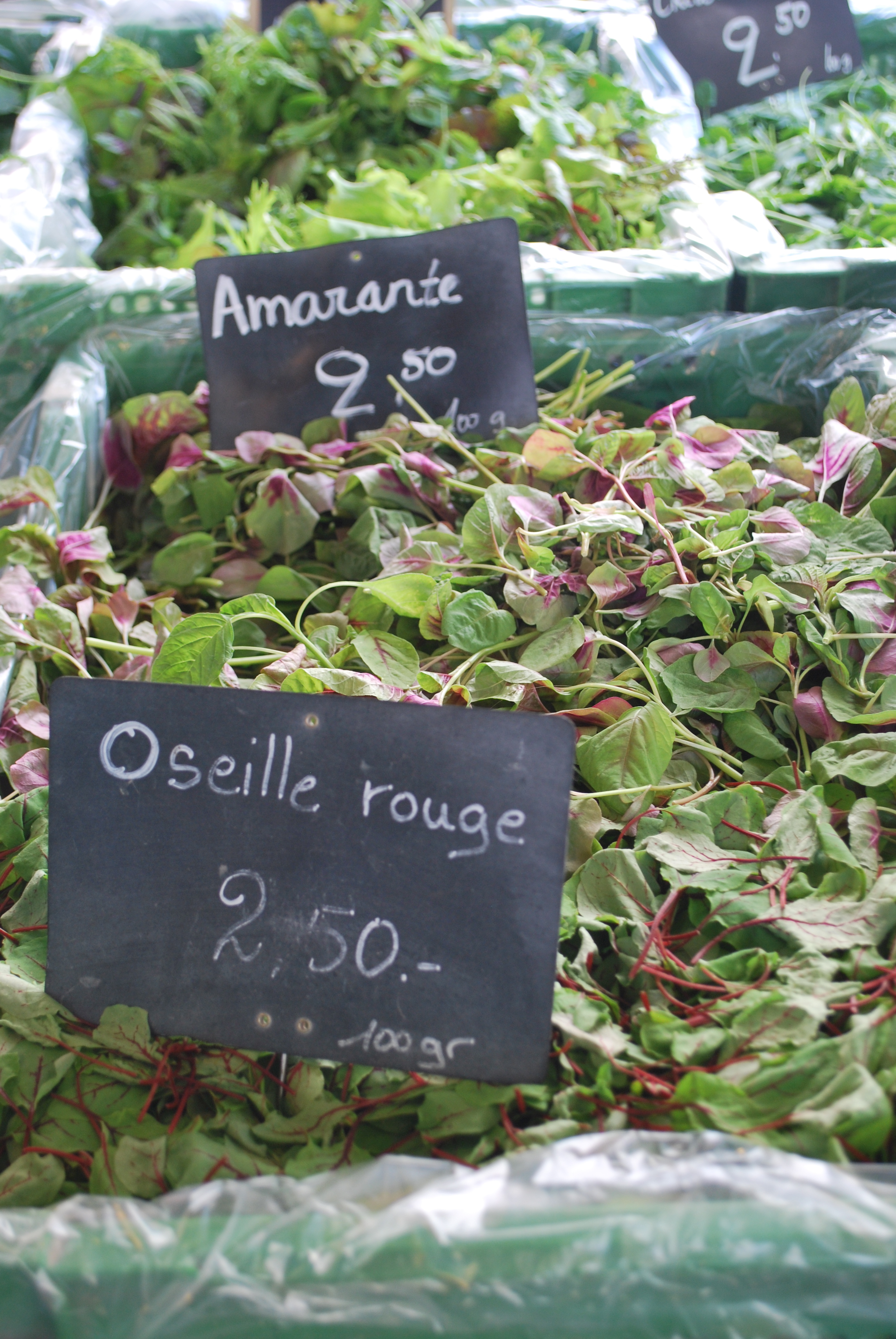
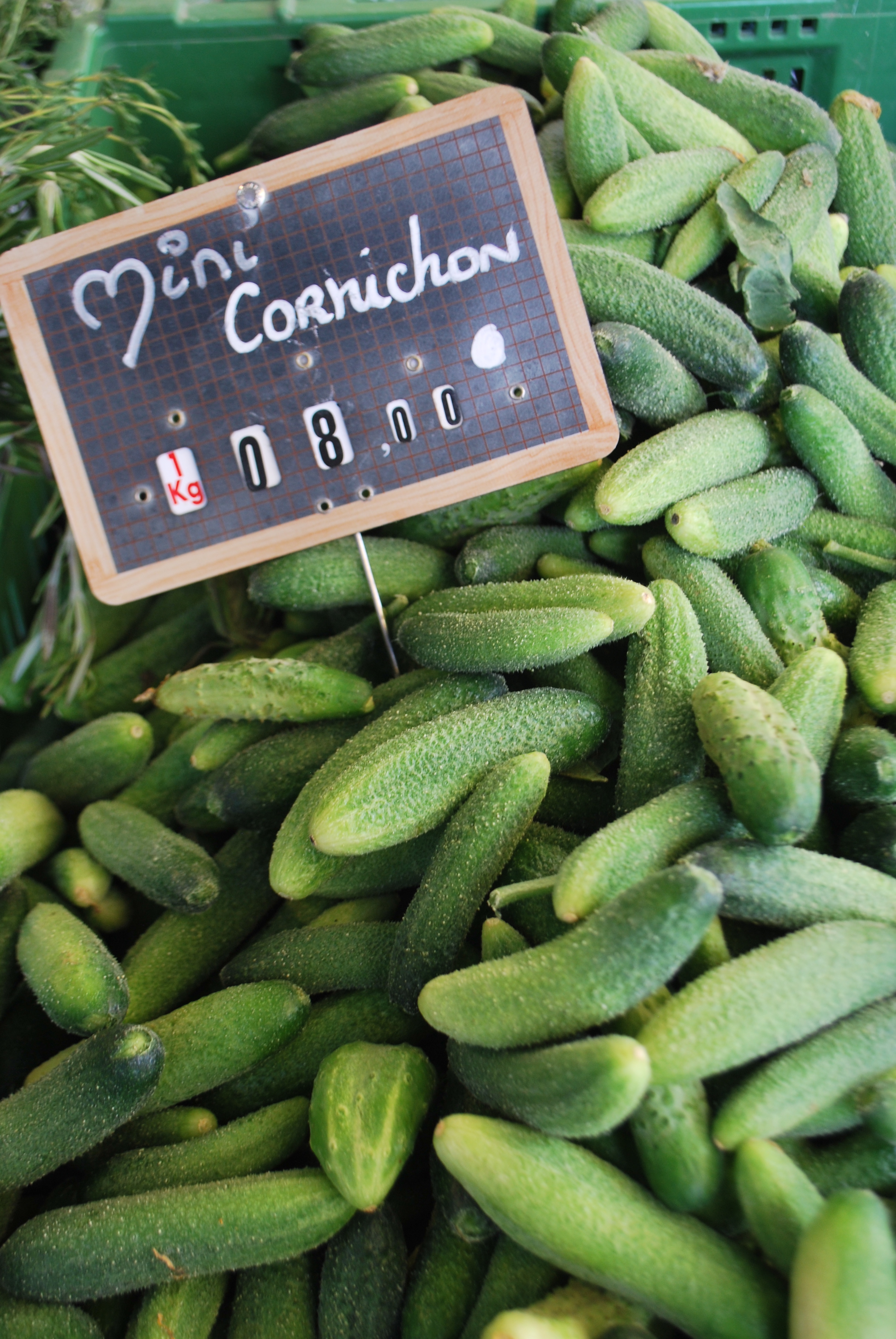
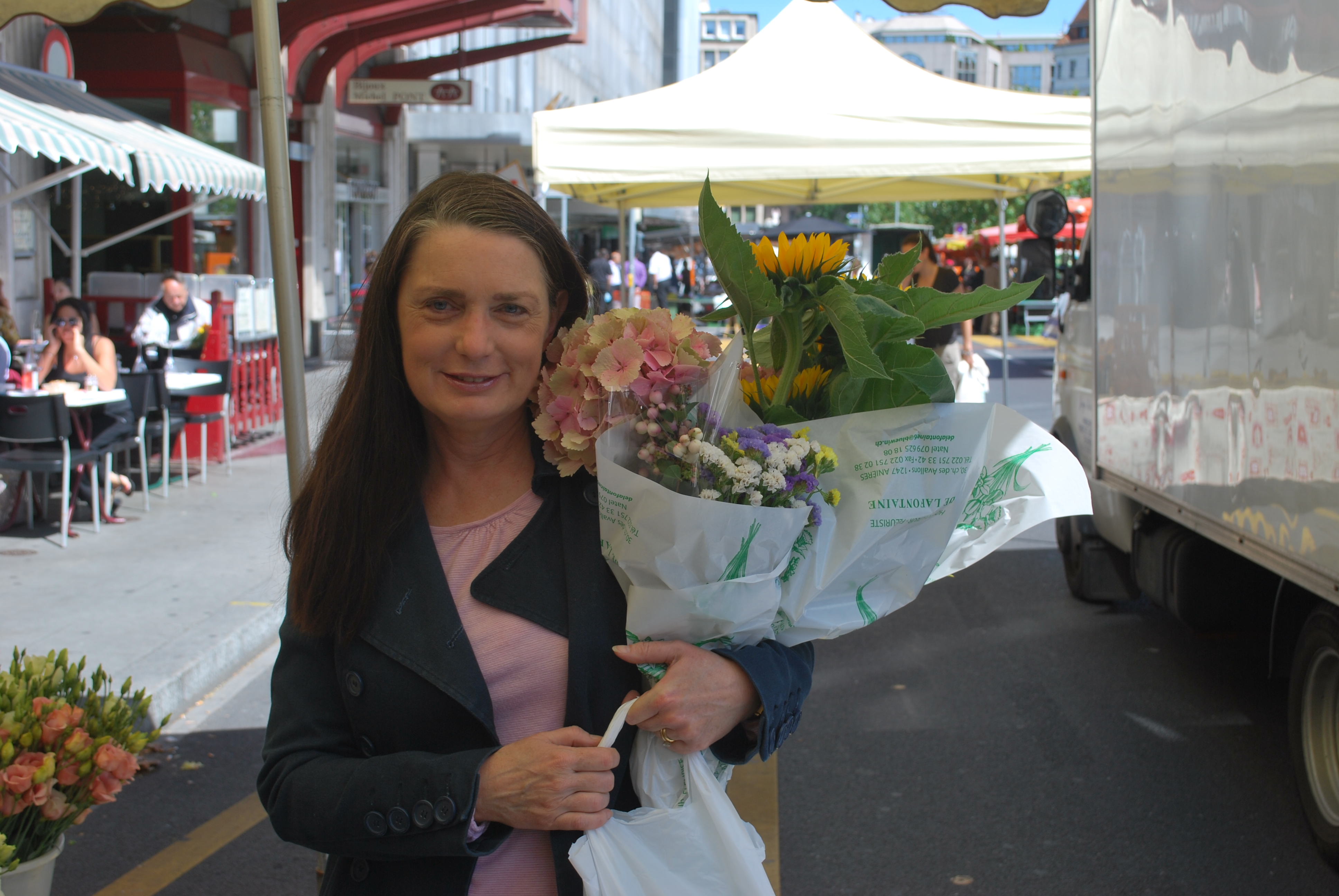
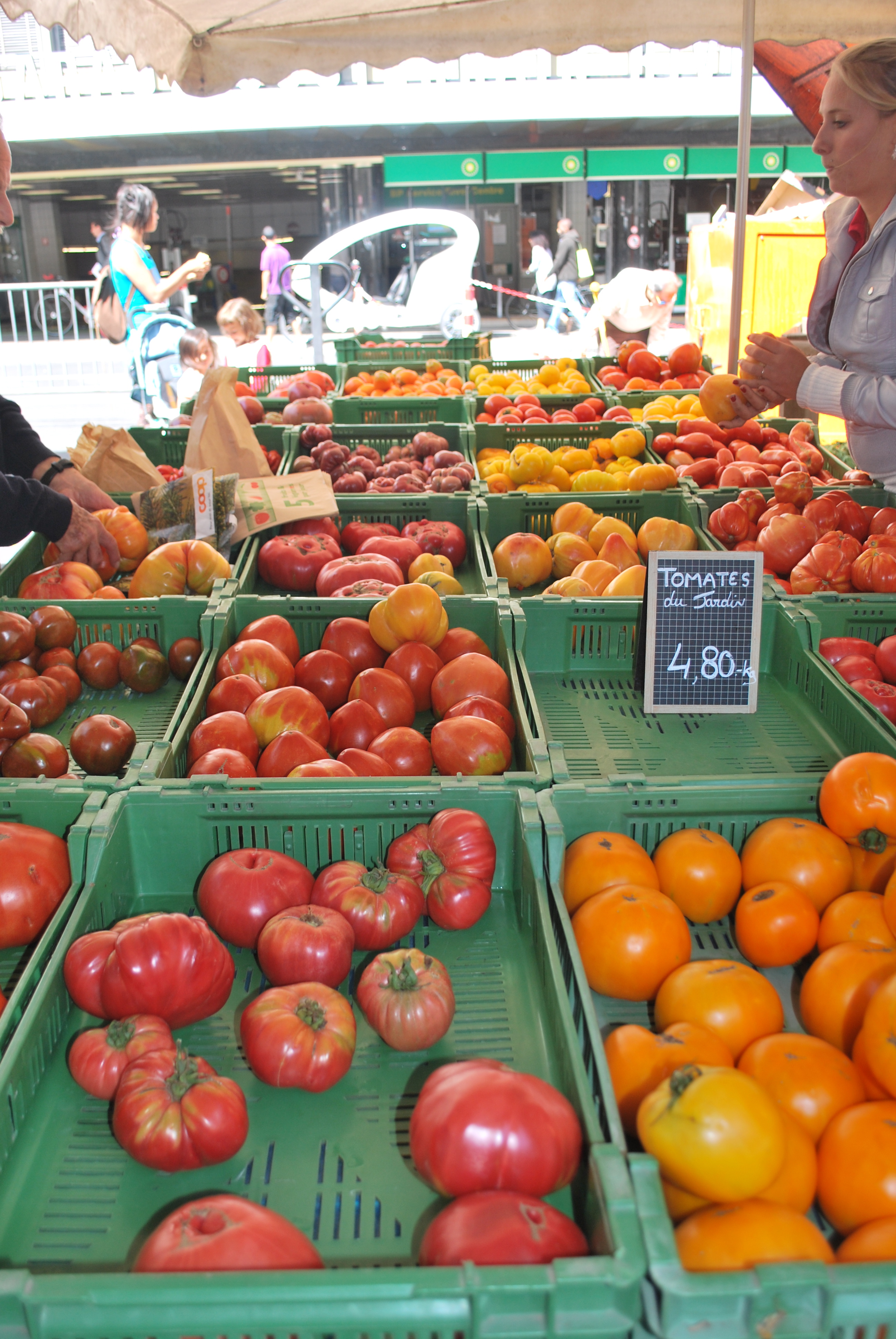
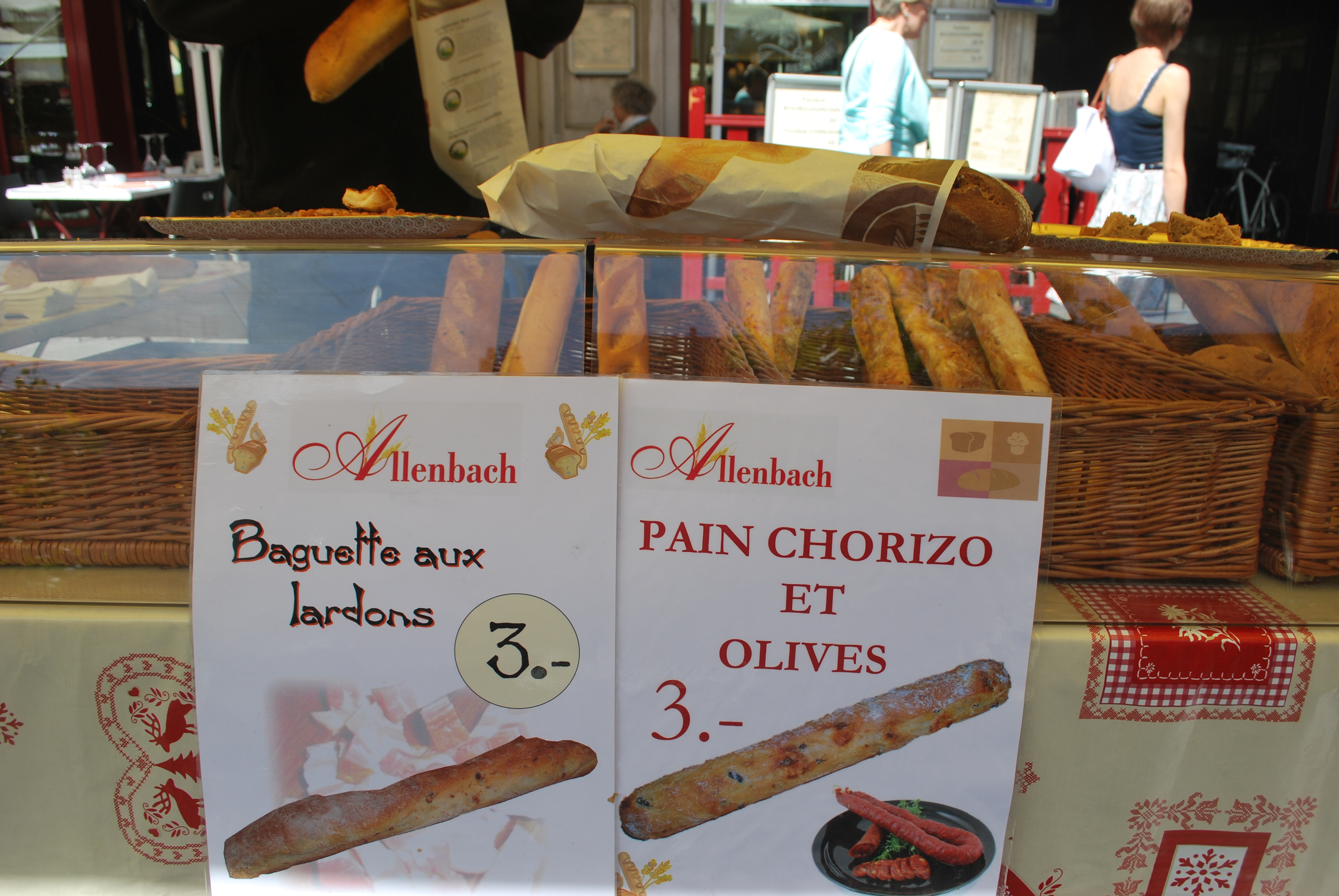
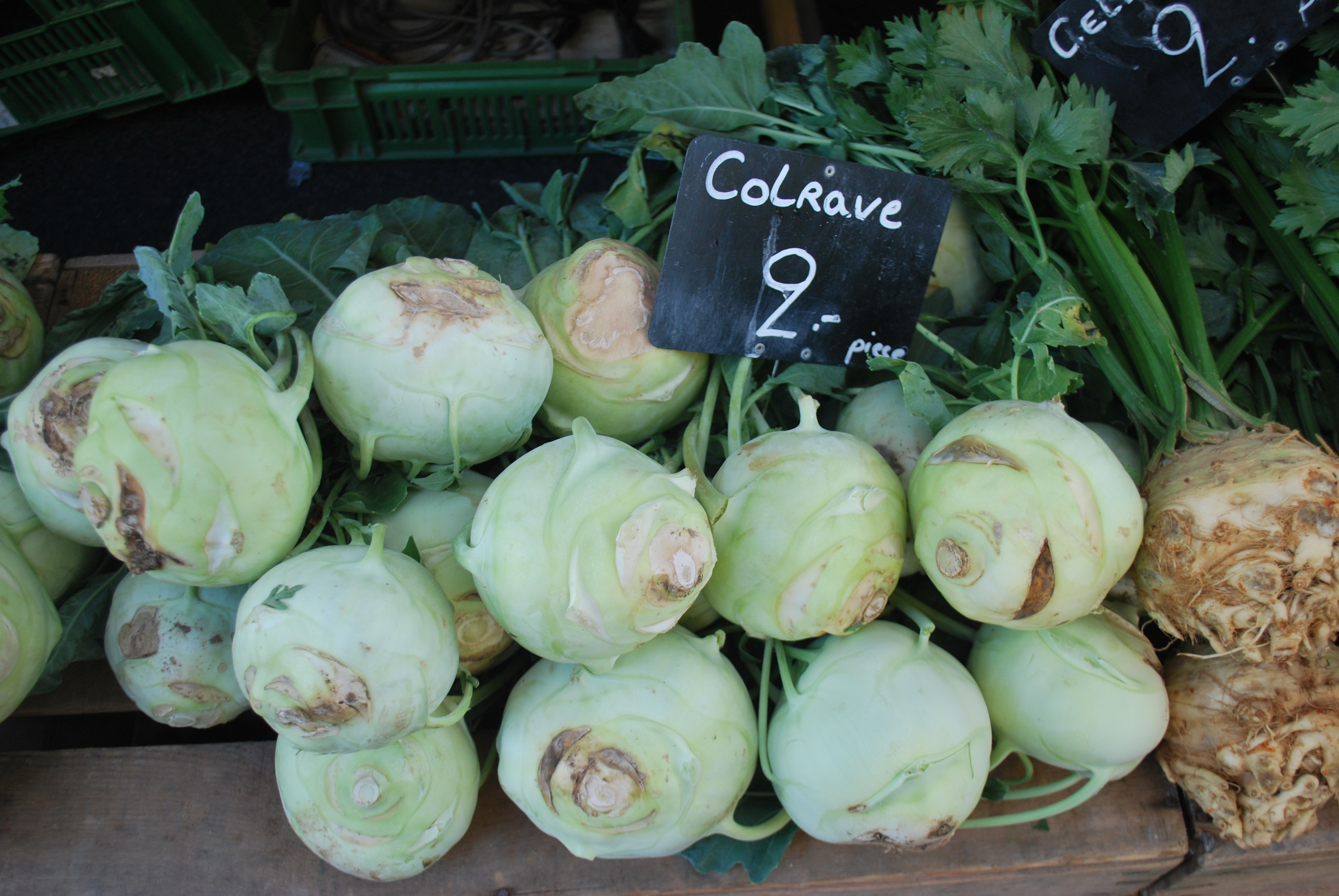
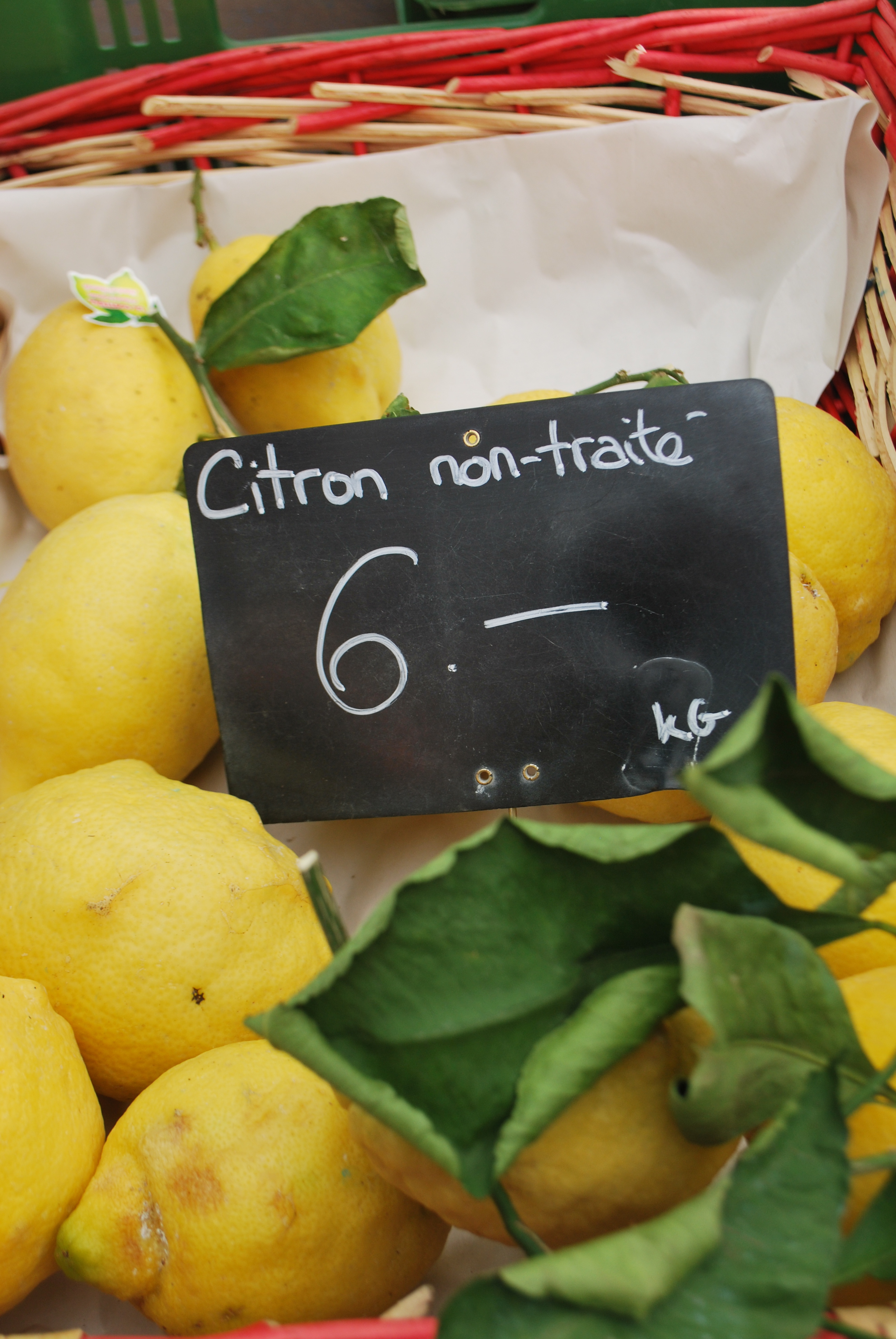
MarketDay: What’s in season at the Swiss farmers market in August: a photo essay

Published by Saturday, August 10, 2013 Permalink 0


MarketDay: What’s in season at the Swiss farmers market in August: a photo essay

Jonell Galloway leads you through the August farmers market in Switzerland. Take a look at what’s in season!

Never miss a post
Name: 
Your email address:*
Please enter all required fields
Correct invalid entries

UA-21892701-1