Simon Says: Daily Food Quote, June 8, 2011

Published by Wednesday, June 8, 2011 Permalink 0

by Jonell Galloway

I am not bound for any public place, but for ground of my own where I have planted vines and orchard trees, and in the heat of the day climbed up into the healing shadow of the woods.–Wendell Berry (1954-)

Wendell Berry is a Kentucky poet, novelist, essayist, philosopher and farmer. He has always remained close to the land, continuing to farm on his family farm, and this is reflected in much of his work. His most well known book, The Unsettling of America, provides a classic critique of industrial agriculture which is foundational to today’s agrarianism and a precursor of the Slow Food movement and the current food revolution taking place in the U.S.


Never miss a post
Name: 
Your email address:*
Please enter all required fields
Correct invalid entries

Simon Says: Daily Food Quote, June 7, 2011

Published by Tuesday, June 7, 2011 Permalink 0

by Jonell Galloway

One of the most important resources that a garden makes available for use, is the gardener’s own body. A garden gives the body the dignity of working in its own support. It is a way of rejoining the human race.Wendell Berry

Wendell Berry was born in Kentucky in 1934. He has always promoted a responsible kind of agriculture that is integrated into one’s everyday life. Because he promoted this vision of food and agriculture long before the Slow Food movement started, he is viewed by Slow Food as having laid the foundation for the American Slow Food movement and the move toward a more sustainable and ethical agriculture.

You can view his books and biography on the official Wendell Berry site.

Click here to listen to the 2-part series “Building a Slow Food Nation,” including an interview with Wendell Berry.

Never miss a post
Name: 
Your email address:*
Please enter all required fields
Correct invalid entries

Cómo conseguir que indexen tus recetas en Google Recipe Search

Published by Monday, June 6, 2011 Permalink 0

por SandeeA

Click here to read this in English

Este artículo no pretende ser una guía infalible, sino más bien un resumen de los pasos que he dado para que incluyeran mis recetas en los resultados de búsqueda de Google Recipe Search.

1. ¿Qué es Google Recipe Search?

Google Recipe Search (búsqueda de recetas en Google) es una herramienta de búsqueda implementada por Google, que funciona ya en Japón y EE.UU. desde hace unos meses, y que en algún momento empezará a funcionar para el resto de países.


Si os fijáis cuando hacéis una búsqueda en Google, en la parte izquierda se pueden filtrar los resultados de la búsqueda: puedes elegir que solo te muestre imágenes, vídeos, noticias, … Si pincháis en la parte inferior del recuadro de búsqueda, donde pone Google.com in English, veréis que además de todas las opciones que ya funcionan en España, en la parte izquierda aparece una nueva pestaña: Recipes. Al seleccionar esa pestaña, de todos los resultados posibles solo se muestran las recetas. Además, se puede acotar aún más la búsqueda, indicando tiempo de cocción, ingredientes, calorías,…


¿Cómo sabe Google que se trata de una receta? Porque los administradores de los sitios (o nosotros, pobres bloggers) introducimos en el HTML un código invisible para el ojo humano, pero no para los robots de búsqueda, donde se indica que la página en cuestión contiene una receta. Traducido: aunque tengas un blog con tropecientas recetas, si no implementas estos códigos en tu HTML, cuando empiece a funcionar en España esta herramienta tus recetas no aparecerán en las búsquedas en las que se utilice la pestaña “Recetas” ¿ Y cómo he logrado que mis recetas aparezcan en los resultados de búsqueda de Google Recipe View? Os lo cuento a continuación, aunque lo primero que debes preguntarte en este punto es:

2. ¿Me interesa que incluyan mis recetas en Google Recipe Search?

Esto es algo que tenéis que valorar cada uno de vosotros. En primer lugar, debes preguntarte cuántas visitas recibes a través de Google, y qué porcentaje representan sobre el total de tus visitas. En segundo lugar, debes tener en cuenta que se trata de una herramienta que actualmente solo funciona fuera de España, es decir, salvo que recibas un número importante de visitas extranjeras, probablemente no te interese en este punto. Pero deberás asumir que con toda probabilidad, finalmente se acabará implementando aquí también, y quizá sea conveniente estar preparado. En mi caso, solo hace una semana aproximadamente que mis resultados aparecen indexados, y por ahora no he notado variación en las visitas que recibo a través del buscador.

3. ¿Qué pasos tengo que dar para que se indexen mis recetas?

Google no ha publicado una guía de los requisitos exactos para lograrlo, únicamente ha publicado esta página:

http://www.google.com/support/webmasters/bin/answer.py?answer=173379

donde se dan unas indicaciones generales de los pasos a seguir. Por tanto, ¿qué pasos hay que seguir para que se indexen tus recetas en la opinión de esta humilde blogger?

  • Debes tener un sistema de valoración de estrellas de las recetas. Esto no lo dice Google en ninguna parte, pero lo he leído en varios artículos americanos que hablan sobre el tema.
  • Si trabajas con Blogger, debes entrar en Blogger in draft dentro de Diseño, Elementos de la página, Entradas. Dentro de entradas, pulsas la opción “mostrar evaluación de entradas” y guardas
  • Si trabajas con WordPress, u otro sistema podéis conseguirlo aquí
  • Debes adaptar las recetas al formato enriquecido (Rich snippet) sin errores de ningún tipo. Este punto lo trataré en la siguiente pregunta, porque para decirlo en términos gastronómicos, tiene miga. Yo no he adaptado todas mis recetas, únicamente las últimas, unas 12 o 15, que representan un 10% aproximadamente de mis recetas. No sé qué mínimo de recetas exige Google, aunque en su formulario te pide que le indiques un link al menos a 4 recetas.
  • Debes informar a Google de que has adaptado tus recetas al formato enriquecido mediante este formulario.
  • Debes ser paciente. El proceso me ha llevado casi tres meses. Al final, una vez contactado Google a través del formulario que os decía, como no lograba respuesta me dediqué a saludarles todas las mañanas en Twitter, con mensajes tipo:
  • Good morning @google ! Will this be the day my recipes finally be displayed on Google’s Recipe Search? 🙂
  • Dear @Google: it seems this is going to be a long-term relationship, so I thought I should tell u something more about me. I love reading, dancing, and cooking, in fact I have a blog with recipes I’d like to be displayed on Google Recipe Search, like this one http://bit.ly/kiS6MW Oh! I forgot to mention I am Taurus, you know, the obstinate sign of zodiac 🙂
  • Dear @Google : I would like my recipes to be displayed on Google Recipe Search… do you like iberian ham? 🙂
  • Talking to @Google is like praying: one never knows if there is someone on the other side, or if your petitions will be answered one day…

Después de una semana saludando, incluyeron mis recetas en Google Recipe Search, pero no puedo afirmar con certeza que estos saludos fueran un elemento determinante.

4. ¿Qué es el formato enriquecido?

Es un código que aunque invisible, indica a Google información sobre el contenido de una página. En este caso se trata de informar de que nuestras páginas son recetas. Hay tres tipos de formatos enriquecidos: Microdata, microformatos y RDFa. De cada uno de ellos tenéis información en esta página. Yo me decanté por microformatos porque fue el que me resultó más fácil para mis escasos conocimientos de HTML.

La forma más fácil de de “etiquetar” la receta es partir de la plantilla que da Google de ejemplo (salvo que tengas conocimientos previos de formatos enriquecidos, claro!).

La plantilla base de microformatos sería esta, y se trataría de cambiar lo que aparece en rojo por nuestros datos.

<div>
   <span>
      <h1>Tarta de manzana especial de la abuela</h1>
   </span>
   <img src="tarta-de-manzana.jpg" />
   De <span>Carolina Sánchez</span>
   Publicación: <span>5 de noviembre de 2009<span title="2009-11-05"></span></span>
   <span>Esta es la receta de la tarta de manzana de mi abuela. A mí me gusta añadir una pizca de nuez moscada.</span>
   <span>
      <span>
      <span>4,0</span> estrellas sobre un total de
         <span>35</span> opiniones
      </span>
   </span>
   Tiempo de preparación: <span>30 minutos <span title="PT30M"></span></span>
   Tiempo de cocción: <span>1 hora <span title="PT1H"></span></span>
   Tiempo total: <span>1 hora y 30 minutos <span title="PT1H30M"></span></span>
   Cantidad obtenida: <span>aproximadamente 8 porciones</span>
   <span>
      Tamaño de la porción: <span>1 trozo mediano</span>
      Calorías por porción: <span>250 Kcal</span>
      Grasas por porción: <span>12 g</span>
   </span>
   Ingredientes:
   <span>
      Manzanas cortadas <span>en rodajas finas</span>:
      <span>1 kg</span>
   </span>
   <span>
      <span>Azúcar blanco</span>:
      <span>150 g</span>
   </span>
   Preparación:
   <span>
   1. Corte y pele las manzanas.
   2. Mezcle el azúcar y la canela. Utilice más cantidad de azúcar si las manzanas están ácidas.
   ...
   </span>
</div>

Parece muy complicado, pero la verdad es que una vez que tienes una receta adaptada sin errores, se hace rápidamente. Tampoco es necesario registrar toda esa información, según Google es suficiente con indicar al menos dos de los siguientes elementos: tiempo de preparación, tiempo de cocción, tiempo total, calorías, sistema de valoración, o imagen.

Para WordPress existe un plugin que al parecer simplifica bastante el proceso, pero no lo he utilizado, y desconozco como funciona.

Finalmente, para verificar que hemos introducido correctamente nuestras etiquetas utilizamos esta herramienta: Rich snippets testing tool Cuando empecé a trabajar con ella pensé que con que Google reconociera que la página era una receta bastaría, aunque me diera errores en otros campos, pero lo cierto es que hasta que no he tenido un resultado totalmente limpio de errores, no he conseguido que me indexen. Podéis probar con las últimas entradas de mi blog, como esta.


Todavía no he conseguido que en las búsquedas de Google Recipe Search aparezcan las fotos de mis recetas, y el sistema de valoración, a pesar de que según la herramienta de verificación aparece todo correcto. Así que esto no acaba aquí, pero espero haberos ayudado.

Si habláis inglés, os recomiendo hacer una búsqueda poniendo Google Recipe Search y comprobaréis la cantidad de artículos que se han publicado al respecto. En general hay muchos blogs descontentos con esta nueva herramienta: algunos porque se niegan a trabajar tanto para lograr que las recetas se indexen; otros porque no se incluyen sus recetas en los resultados y nadie les da una explicación; y en muchos porque a pesar de que se incluyen sus recetas, al aparecer las primeras posiciones de los resultados las ocupan esos sitios grandes donde se publican recetas a porrillo que no ha probado ni hecho nadie… pero eso ya eso otra historia!

 

Never miss a post
Name: 
Your email address:*
Please enter all required fields
Correct invalid entries

Simon Says: Daily Food Quote, June 6, 2011

Published by Monday, June 6, 2011 Permalink 0

by Simón de Swaan

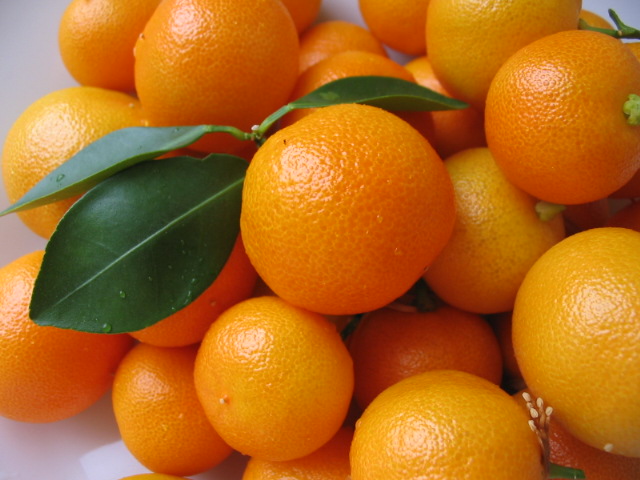
I got the blues thinking of the future, so I left off and made some marmalade. It’s amazing how it cheers one up to shred oranges and scrub the floor.–D. H. Lawrence (1885-1930)

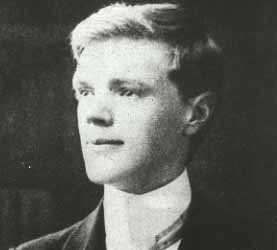
D. H. Lawrence was an English novelist, poet, playwright and literary critic, best known for his novels Sons and Lovers, The Rainbow, Women in Love, and Lady Chatterley’s Lover. Read more on the official D. H. Lawrence website.


Never miss a post
Name: 
Your email address:*
Please enter all required fields
Correct invalid entries

Simon Says: Daily Food Quote, June 3, 2011

Published by Friday, June 3, 2011 Permalink 0

by Simón de Swaan

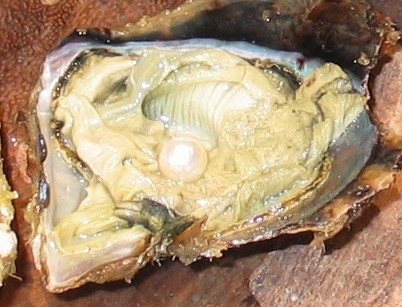
All art is autobiographical; the pearl is the oyster’s autobiography.–Federico Fellini, Italian film director

Federico Fellini (1920-1993) was one of the most influential and widely respected film directors of the 20th century.

More detailed information about Federico Fellini can be read on the Fellini site.

Never miss a post
Name: 
Your email address:*
Please enter all required fields
Correct invalid entries

Food Poetry: 张错: 茶的情诗 / Liebeslyrik des Tees

Published by Thursday, June 2, 2011 Permalink 0

von Dominic Cheung

Deutsche Version von Peter Beicken / Translated from Chinese into English by Karl Zhang

[wpcol_1half id=”” style=””]张错: 茶的情诗[/wpcol_1half] [wpcol_1half_end id=”” style=””]Liebeslyrik des Tees[/wpcol_1half_end]

1

[wpcol_1half id=”” style=””]如果我是开水[/wpcol_1half] [wpcol_1half_end id=”” style=””]Wär ich kochendes Wasser[/wpcol_1half_end] [wpcol_1half id=”” style=””]你是茶叶[/wpcol_1half] [wpcol_1half_end id=”” style=””]und Du Teeblätter,[/wpcol_1half_end] [wpcol_1half id=”” style=””]那么你的香郁[/wpcol_1half] [wpcol_1half_end id=”” style=””]dann hing dein ganzes Aroma ab[/wpcol_1half_end] [wpcol_1half id=”” style=””]必须倚赖我的无味[/wpcol_1half] [wpcol_1half_end id=”” style=””]von meinem Mangel an Geschmack.[/wpcol_1half_end]

2

[wpcol_1half id=”” style=””]让你的干枯柔柔的 [/wpcol_1half] [wpcol_1half_end id=”” style=””]Dass Dein Schrumpeln[/wpcol_1half_end] [wpcol_1half id=”” style=””]在我里面展开,舒散;[/wpcol_1half] [wpcol_1half_end id=”” style=””]sich in mir löste und öffnete;[/wpcol_1half_end] [wpcol_1half id=”” style=””]让我的浸润[/wpcol_1half] [wpcol_1half_end id=”” style=””]lass mein Eindringen[/wpcol_1half_end] [wpcol_1half id=”” style=””]舒展你的容颜。[/wpcol_1half] [wpcol_1half_end id=”” style=””]Deine Falten im Gesicht glätten.[/wpcol_1half_end]

3

[wpcol_1half id=”” style=””]我们必须热,甚至沸[/wpcol_1half] [wpcol_1half_end id=”” style=””]Wir müssten heiß, gar siedend sein,[/wpcol_1half_end] [wpcol_1half id=”” style=””]彼此才能相溶。[/wpcol_1half] [wpcol_1half_end id=”” style=””]um uns ineinander aufzulösen.[/wpcol_1half_end]

4

[wpcol_1half id=”” style=””]我们必须隐藏[/wpcol_1half] [wpcol_1half_end id=”” style=””]Wir müssten uns verbergen[/wpcol_1half_end] [wpcol_1half id=”” style=””]在水里相觑,相缠[/wpcol_1half] [wpcol_1half_end id=”” style=””]Gesicht an Gesicht unter Wasser, als Dreh und Gewinde[/wpcol_1half_end] [wpcol_1half id=”” style=””]一盏茶功夫[/wpcol_1half] [wpcol_1half_end id=”” style=””]in einem Teemoment,[/wpcol_1half_end] [wpcol_1half id=”” style=””]我俩才决定成一种颜色。[/wpcol_1half] [wpcol_1half_end id=”” style=””]bevor wir beschließen, welche Farbe wir annehmen.[/wpcol_1half_end]

5

[wpcol_1half id=”” style=””]无论你怎样浮沉[/wpcol_1half] [wpcol_1half_end id=”” style=””]Wie lang wir auch gleiten und wirbeln,[/wpcol_1half_end] [wpcol_1half id=”” style=””]把持不定[/wpcol_1half] [wpcol_1half_end id=”” style=””]unbeständig;[/wpcol_1half_end] [wpcol_1half id=”” style=””]你终将缓缓的 [/wpcol_1half] [wpcol_1half_end id=”” style=””]schließlich würdest du[/wpcol_1half_end] [wpcol_1half id=”” style=””](噢,轻轻的)[/wpcol_1half] [wpcol_1half_end id=”” style=””](o, sanft)[/wpcol_1half_end] [wpcol_1half id=”” style=””]落下,攒聚 [/wpcol_1half] [wpcol_1half_end id=”” style=””]niedersinken,[/wpcol_1half_end] [wpcol_1half id=”” style=””]在我最深处。[/wpcol_1half] [wpcol_1half_end id=”” style=””]Dich in meinen Tiefen zu versammeln.[/wpcol_1half_end]

6

[wpcol_1half id=”” style=””]那时候[/wpcol_1half] [wpcol_1half_end id=”” style=””]In dem Augenblick[/wpcol_1half_end] [wpcol_1half id=”” style=””]你最苦的一滴泪[/wpcol_1half] [wpcol_1half_end id=”” style=””]würde deine bittereste Träne[/wpcol_1half_end] [wpcol_1half id=”” style=””]将是我最甘美的[/wpcol_1half] [wpcol_1half_end id=”” style=””]mein süßester[/wpcol_1half_end] [wpcol_1half id=”” style=””]一口茶。[/wpcol_1half] [wpcol_1half_end id=”” style=””]Mundvoll Tee werden.[/wpcol_1half_end]

_______________________

Peter Beicken is a poet whose award-winning book of poems and prose about his childhood in Germany Kindheit in W. appeared in 1983 and was reissued in 2009. An editor of journals (literatur-express, 1988-1989; TRANS-LIT, the Journal of the Society for Contemporary American Literature in German, 1998-2002), he is a regular contributor to the sequel journal, TRANS-LIT2. As Professor of German Language, Literature and Film at University of Maryland, College Park, in the U.S. he has published widely on Walter Benjamin, Ingeborg Bachmann, Franz Kafka, Anna Seghers and Film Studies. Since 2010, Beicken has served as consultant for Time Shadows, Time Shadows, A Goethe Institut Poetry Collaboration.

Poem contributed by our poetry editor, Christina Daub.

Never miss a post
Name: 
Your email address:*
Please enter all required fields
Correct invalid entries

News flash: Russia bans raw vegetables from EU

Published by Thursday, June 2, 2011 Permalink 0

by Jonell Galloway

Reuters has just reported that Russia has banned raw vegetables from the E.U. in relation to the E. coli outbreak which seemingly started in Germany which has killed 17 people and made more than 1,500 others ill in 8 European countries. They had already banned imports of vegetables from Germany and Spain after German health authorities blamed Spanish cucumbers for the outbreak.

Spain is preparing the way for legal action over this accusation, claiming compensation for the loss of 200 millions euros (US$287 million) in a matter of a week, putting tens of thousands of people out of work and tainting the image of Spanish produce.

The Russian consumer protection agency Rospotrebnadzor, under pressure to adopt E.U. sanitary legislation, cites this case as demonstrating that the E.U. system is not efficient.

Never miss a post
Name: 
Your email address:*
Please enter all required fields
Correct invalid entries

I’m Spanish, and I DO give a darn about Spanish cucumbers!

Published by Thursday, June 2, 2011 Permalink 0

by SandeeA

Cucumber crisis and E. coli outbreak in Spain? The Spanish defense

The German health authorities finally recognized their error, albeit a week too late. After confirming the results of two out of the four laboratory tests carried out, it was announced that the variant of the Escherichia coli bacteria, commonly known as E. coli, responsible for the deaths in Germany is not the same as the one found in the Spanish cucumbers originally blamed.

What? The Spanish cucumbers are “no longer” the cause of the infection? After all the jokes that went around about them on Twitter, Facebook, and the like. And that’s not even the end of the story: the same social networks ended up condemning the entire agricultural production of a country, i.e. Spain.

But in a country like Spain, in the midst of a dire economic crisis, declaring its cucumbers and then its produce contaminated is no laughing matter, especially when such allegations are far from being proven. Almost all European countries closed the door on Spanish produce. The E.U. ordered that all imports of cucumbers, tomatoes and lettuce coming from Spain be inspected.

How is the Spanish produce industry going to recover these losses? Will it ever be compensated? After a week of being blamed for several deaths due to our cucumbers, boldly proclaimed on the front pages of newspapers around the world, it will be difficult. There is no way to repair the damage, not even the damage done by social networks, where “news” spreads as quickly as unfounded rumors.

The E.U. is now analyzing how to compensate Spanish fruit and vegetable producers for the economic losses caused by this infectious outbreak the Germans attributed to a batch of Spanish cucumbers. The worry is that there are times that nothing can compensate for a loss.

The sad thing is that the innocent Spanish cucumber was never given a chance. German officials hastily proclaimed its guilt before even giving it a fair trial.

Related articles:

“Los pepinos españoles no son los causantes de la epidemia de E.Coli en Alemania”

“La crisis del pepino”

“ Los agricultores españoles y holandeses sufren el colapso de sus exportaciones”

“La crisis del pepino cuesta a España 200 millones de euros a la semana”

“Son ya 14 los fallecidos por la crisis E.coli en Alemania”

“El gobierno afirma que no hay pruebas de que la contaminación de pepinos se haya producido en España”

“La crisis del pepino provoca pérdidas cuantiosísimas a la agricultura española”

“Bruselas recuerda que España puede pedir ayuda por el bloqueo de los pepinos”

“Los 27 barajan una reunión extraordinaria en junio sobre la crisis de los pepinos”

“Germany admits Spanish cucumbers are not to blame”

“Spain says Germany must pay for cucumber damage”

“E. coli cucumber scare”

Never miss a post
Name: 
Your email address:*
Please enter all required fields
Correct invalid entries

Me importa el pepino

Published by Wednesday, June 1, 2011 Permalink 0

by SandeeA

Una semana después, las autoridades sanitarias alemanas han rectificado. Tras comprobar los resultados de dos análisis (de los cuatro) que se van a realizar, se demuestra que la variante de la bacteria Escherichia coli responsable de las muertes en Alemania no es la misma que la que se encontró en los pepinos inculpados. Vaya hombre, ahora resulta que los pepinos españoles no van a ser los culpables de la infección. Con lo bien que lo estábamos pasando haciendo chistes sobre pepinos españoles en Twitter, Facebook, y demás… sí, esas redes sociales que lo mismo acaban con gobiernos que con las exportaciones hortofrutícolas de un país.

Continue Reading…

Never miss a post
Name: 
Your email address:*
Please enter all required fields
Correct invalid entries

Simon Says: Daily Food Quote, June 1, 2011

Published by Wednesday, June 1, 2011 Permalink 0

by Simón de Swaan

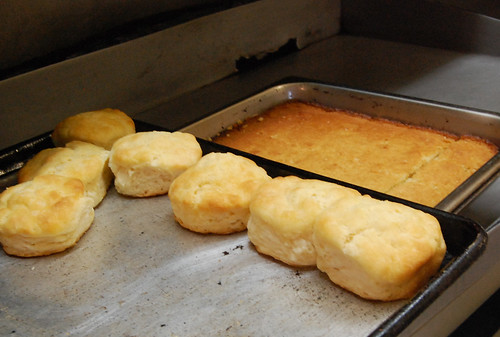
The hot biscuit runs a poor second to cornbread, but is considered of higher social caste. We abrogate and deprecate cornbread when we have guests, but we should consider ourselves deficient in hospitality if we served a company meal without hot biscuits.–Marjorie Kinnan Rawlings, Cross Creek (1942)

Visitors to Florida can see where Marjorie Kinnan Rawlings worked on her farm Cross Creek as well as where she wrote her novel The Yearling, for which she earned a Pulitzer Prize in 1939. She was also the author of Cross Creek Cookery.


Never miss a post
Name: 
Your email address:*
Please enter all required fields
Correct invalid entries

UA-21892701-1