
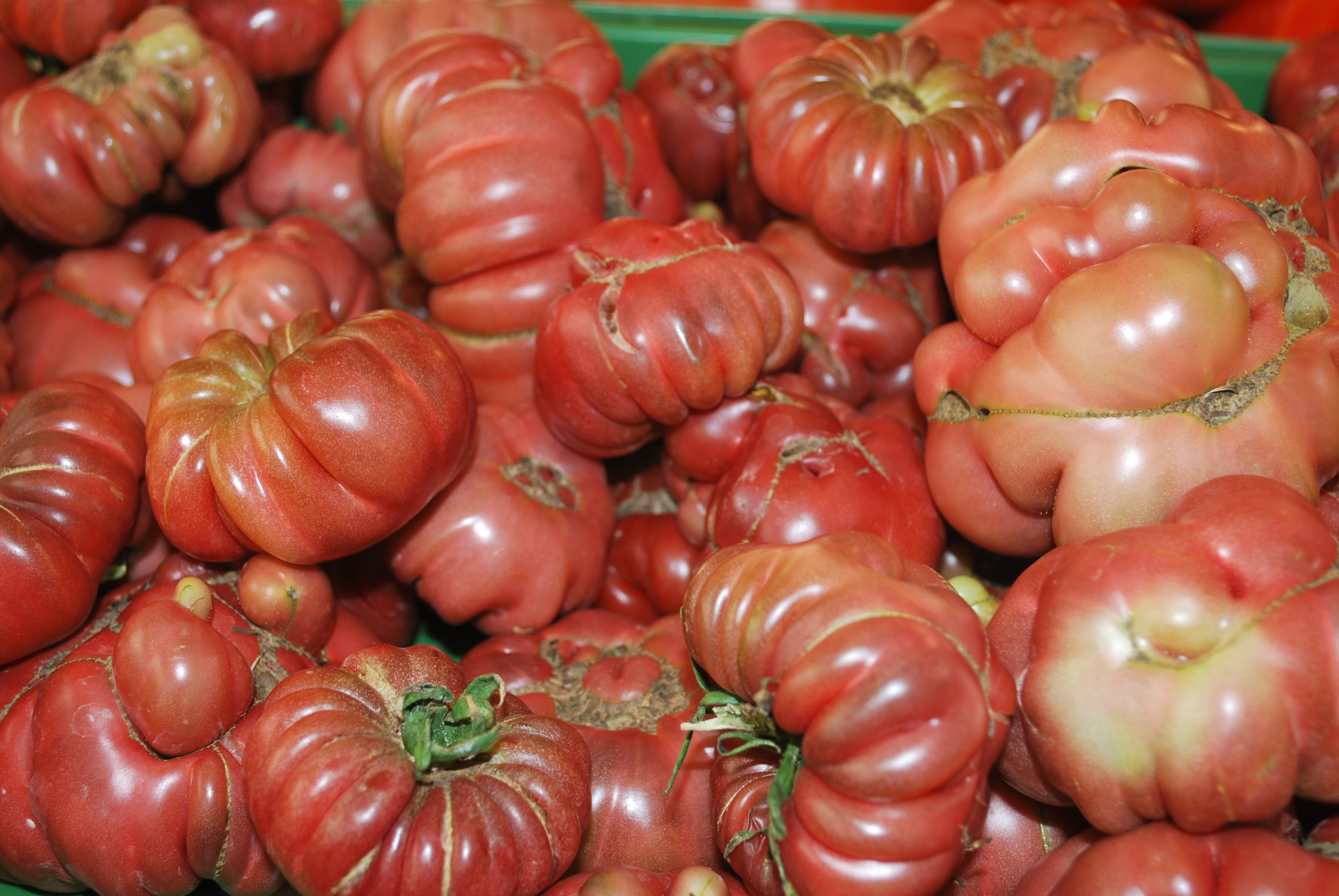
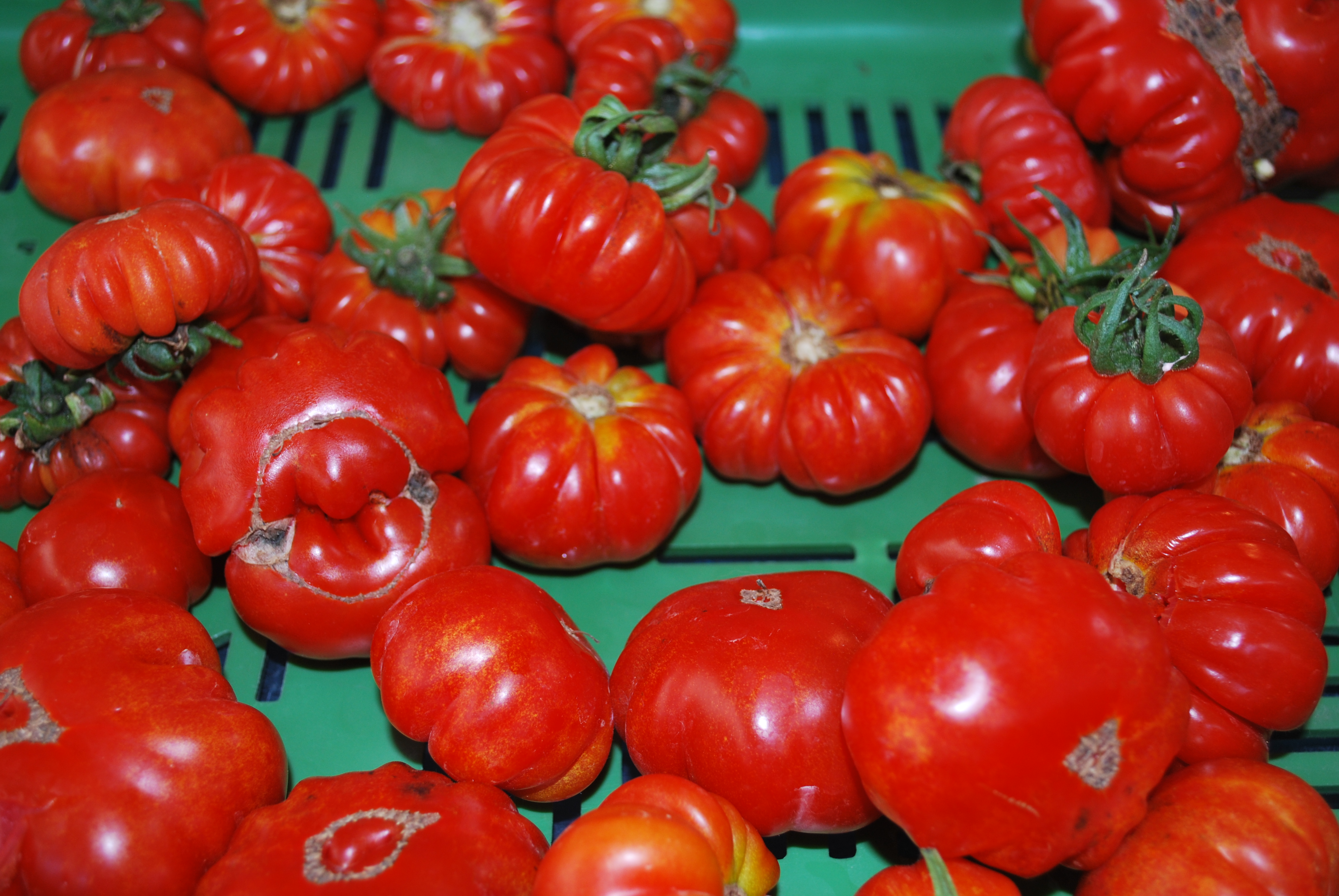
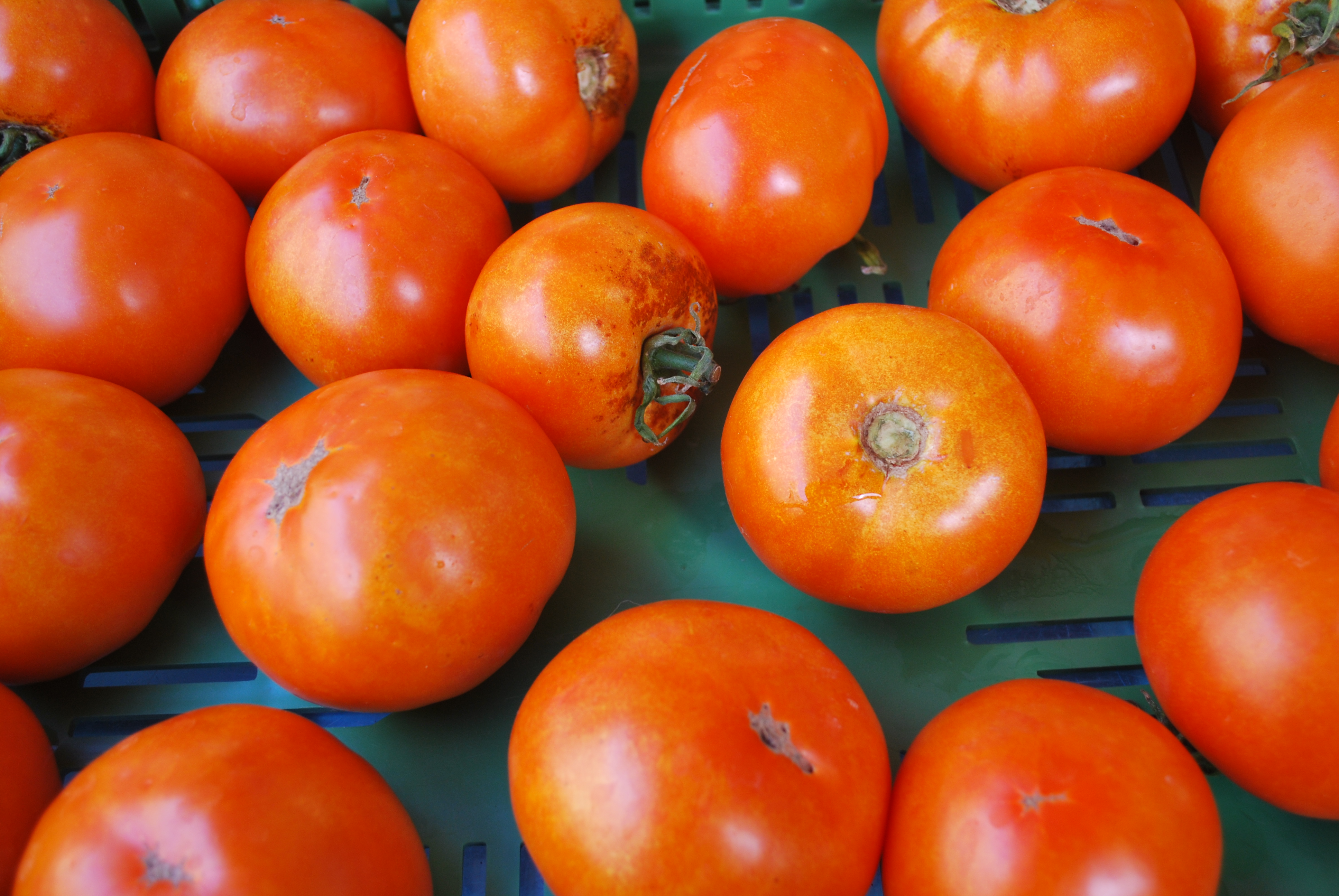
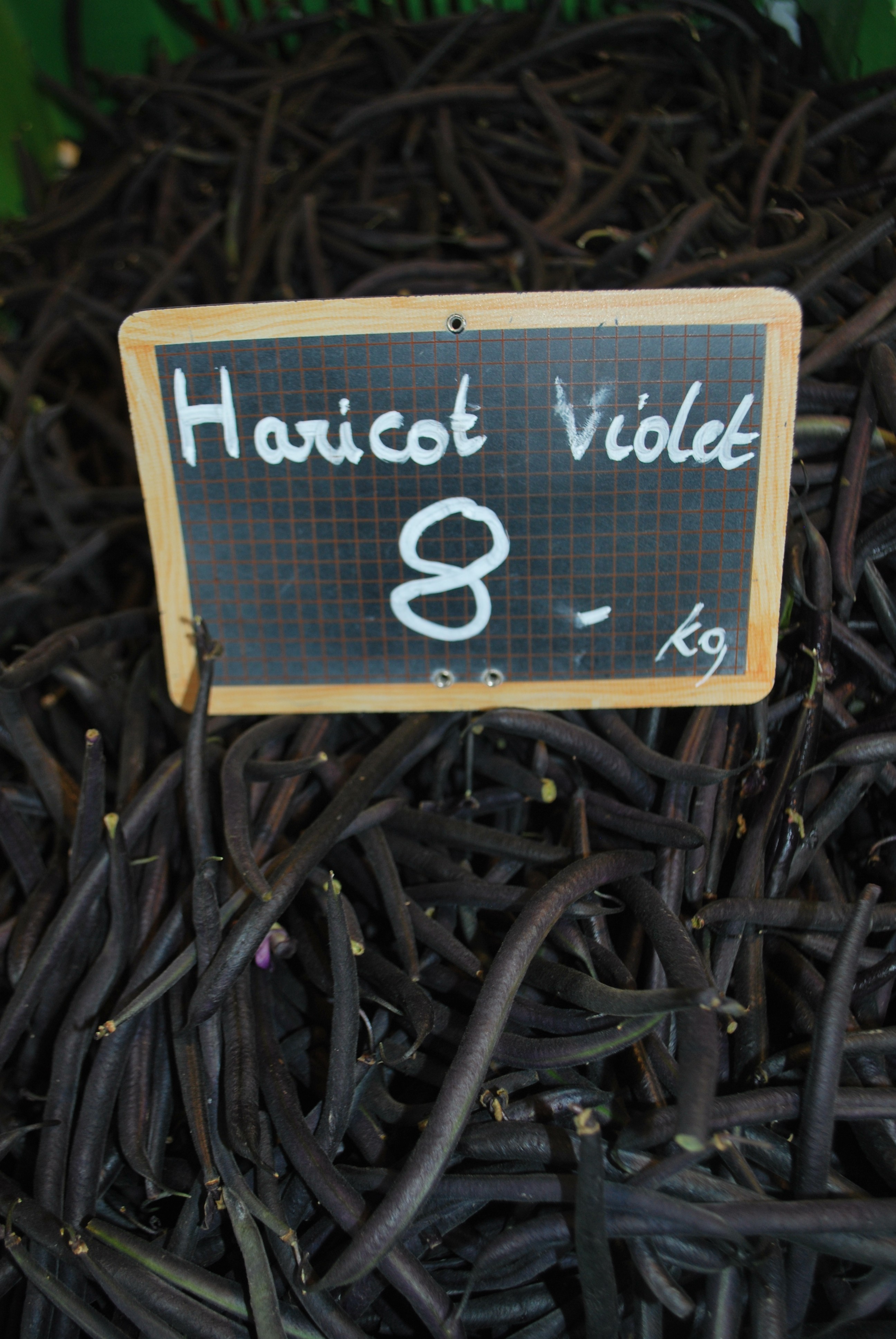
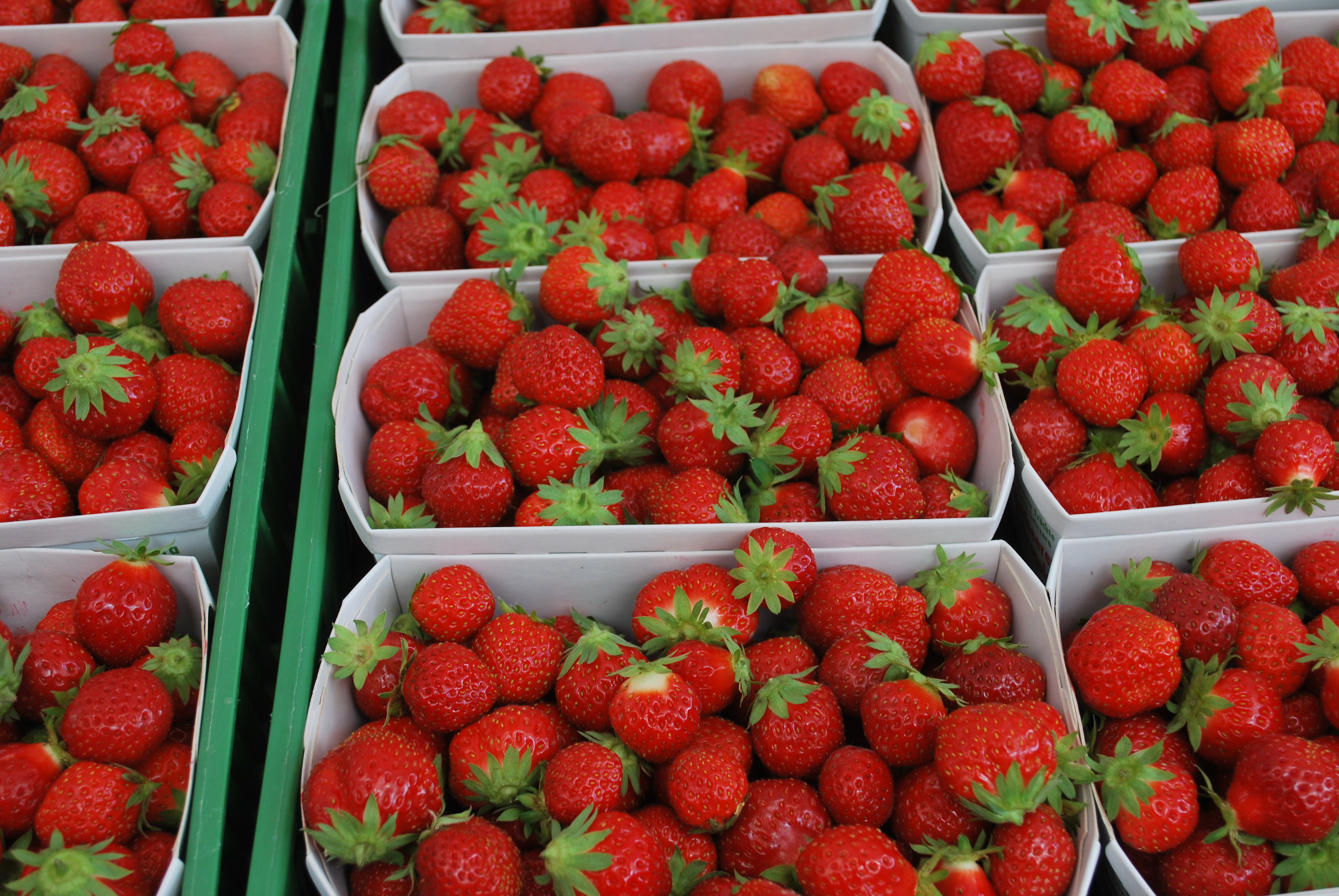
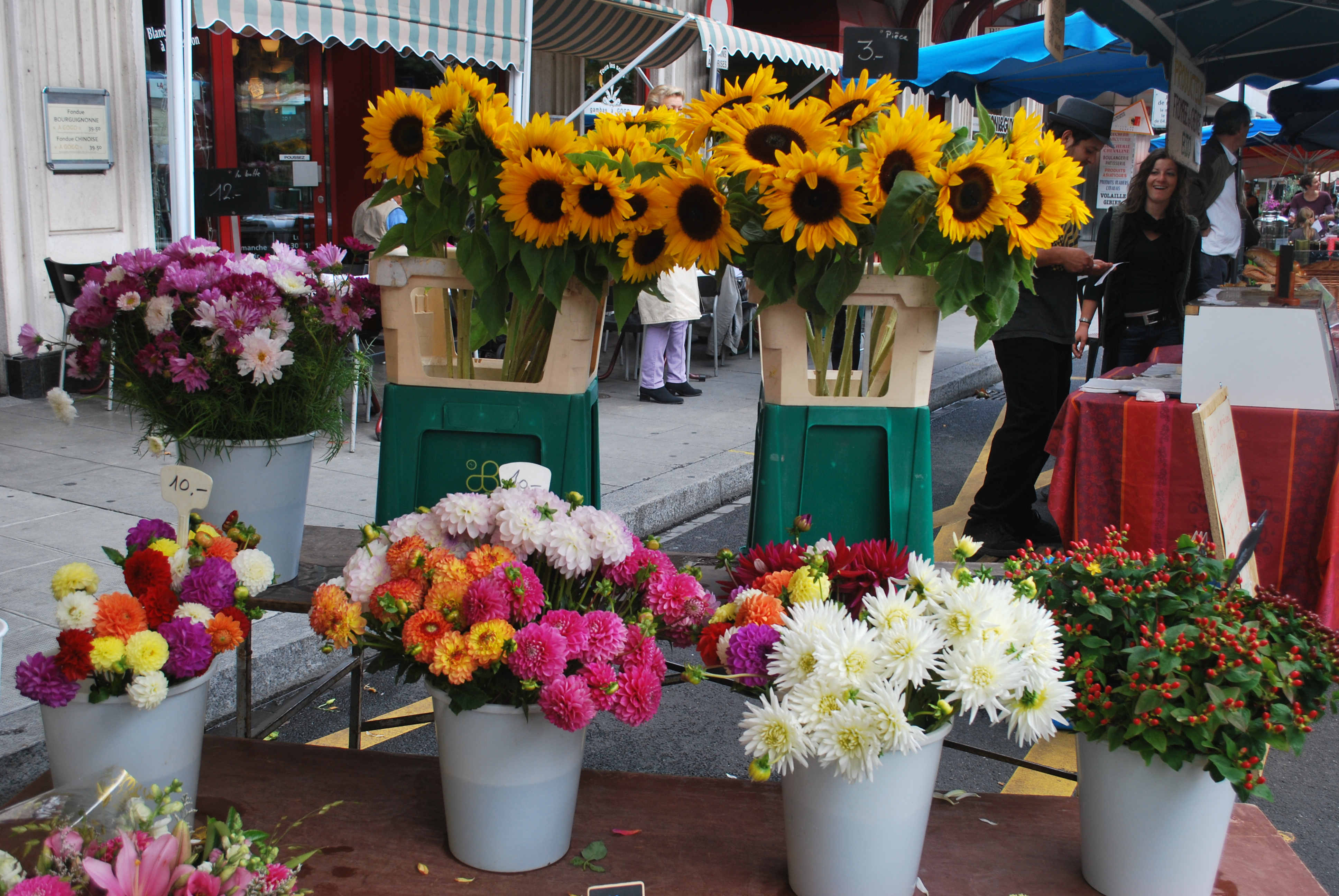
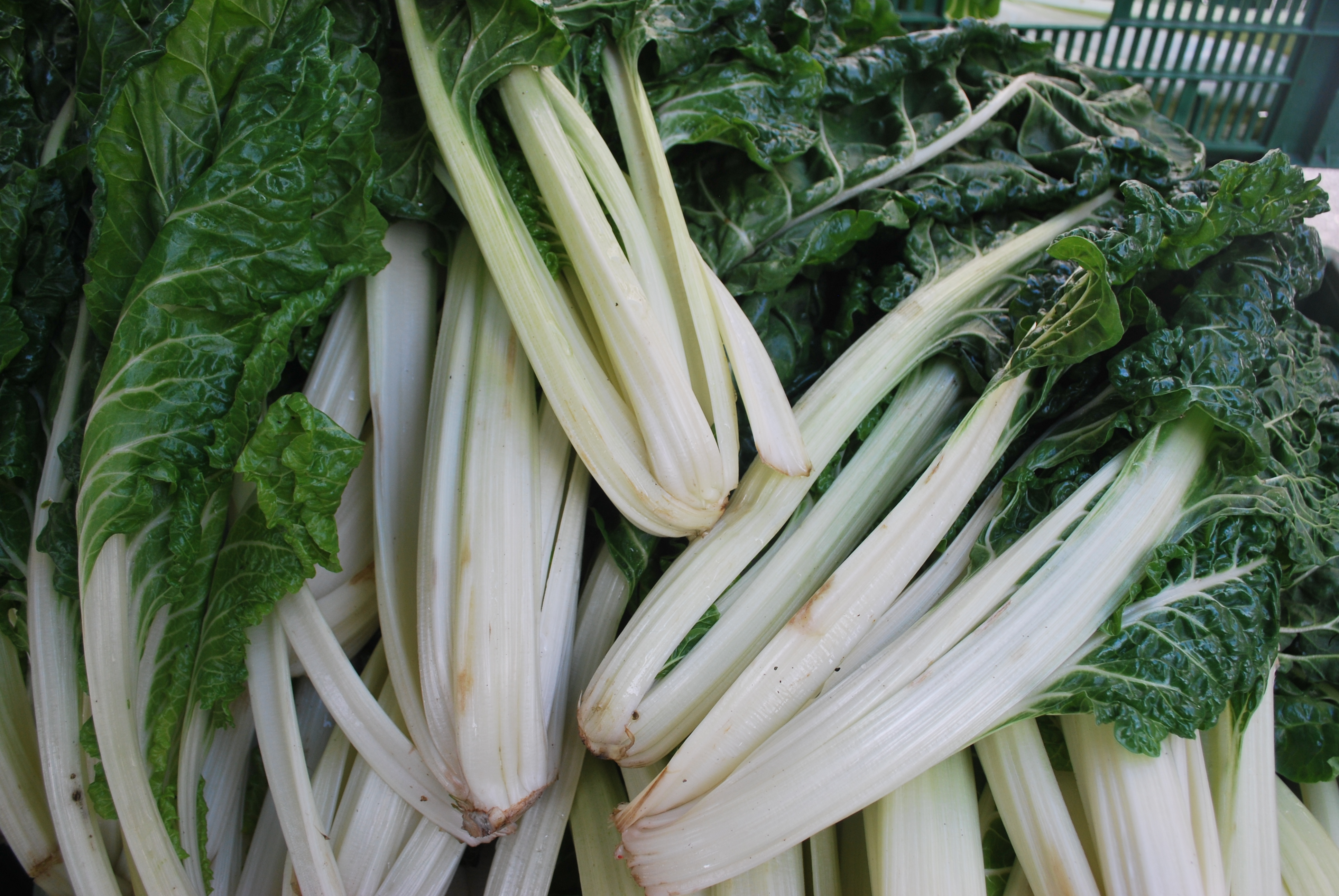
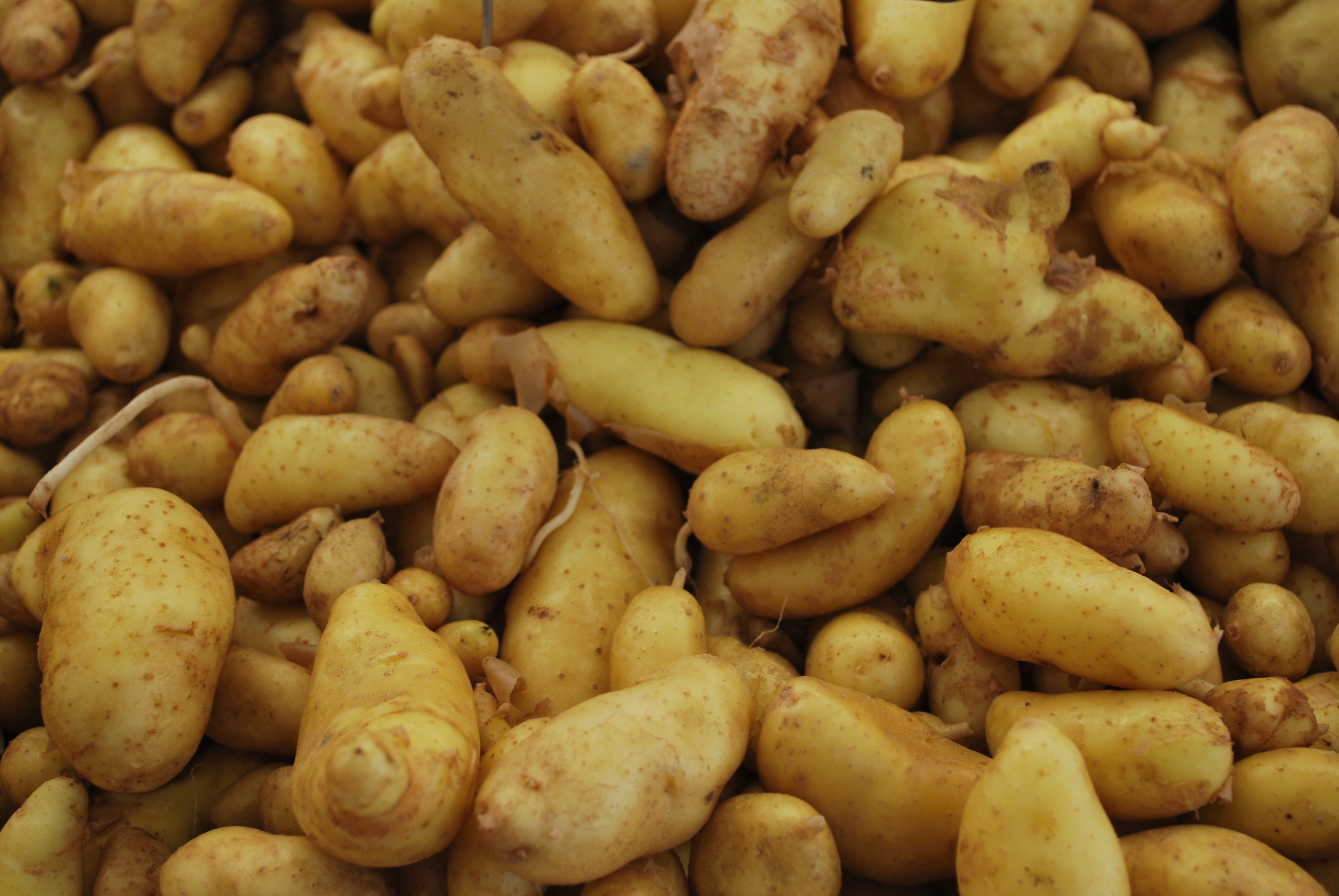
MarketDay: Documentary Photos of a July Farmers Market in Switzerland
Related articles
|
|

A Literary Culinary Journal














|
|

Wendell Berry speaking in Frankfort, Indiana
The Atlantic‘s Corby Kummer interviews Wendell Berry, food philosopher, poet and advocate as well as farmer; Eric Schlosser, author of Fast Food Nation; Carlo Petrini, founder of Slow Food; Vandana Shiva, philosopher, environmental activist, eco feminist, and advocate in the domain of agriculture and food; and Alice Waters, American chef, restaurateur, activist, and humanitarian.
Part 1 of this movie-interview lasts 1 hour 21 minutes, but is broken up into shorter segments, consisting of interviews with the people listed above. Part 2 lasts 53 minutes.
Click here to view documentaries Building a Slow Food Nation, Part 1 and Building a Slow Food Nation, Part 2.
|
|
For 50 or 60 years, we have let ourselves believe that as long as we have money we will have food. This is a mistake. If we continue our offenses against the land and the labor by which we are fed, the food supply will decline, and we will have a problem far more complex than the failure of our paper economy. The government will bring forth no food by providing hundreds of billions of dollars to the agribusiness corporations.
Wendell Berry, “in the op-ed piece he published with his old friend and collaborator Wes Jackson, shortly after the economy crashed in the fall of 2008.” (Michael Pollan, in introduction to Wendell Berry’s Bringing it to the Table: On Farming and Food).

Wendell Berry speaking in Frankfort, Indiana
|
|
 by Rosa Mayland
INCREASE YOUR GASTRONOMIC EXPERIENCE BY EATING IN SYNC WITH THE SEASONS

With the arrival of hotter weather, I am thrilled that some of my favorite fruits are starting to grace (super)market stalls. They are so fabulous that I can never get enough of them. Not one week goes by without me making either pies, pastries, cakes, trifles, crumbles, clafoutis or cobblers in my itsy-bitsy apartment kitchen.
|
|
 by Jonell Galloway
On February 8, 2012, the EU organic farming committee passed new rules regarding the labeling of organic or “biologique” wines. The rules become effective as of the 2012 grape harvest.

Organic wine producers will be required to label their wine as being organic and labels must be marked with the EU’s organic logo as well as the code number of the certifier, but must continue to follow existing rules regarding wine labeling.
Rules for wine obtained using organic raisins already exist, they do not cover wine making practices, covering the entire production process, from raisin to wine.
Sorbic acid and desulfurication will not be allowed. “The level of sulfites in organic wine must be at least 30-50 mg per liter lower than their conventional equivalent and the general wine-making rules defined in the Wine CMO regulation will also apply. As well as these wine-making practices, ‘organic wine’ must of course also be produced using organic grapes,” says the European Commission.
Wine is the only sector to be covered by EU rules regarding organic agriculture.
|
|
Watch this video! An organic produce store opens in a poor neighborhood riddled with liquor stores, and it is selling produce from urban gardens and local farms. I certainly support the cause!
In West Oakland, California, where liquor stores have replaced markets, People’s Grocery is creating a healthy alternative, offering access to organic produce. Through urban gardens and local farms, People’s Grocery supports a culture based on connection to the land, sustainable agricultural practices, and regenerating community.

Related articles
|
|
 Meet Jonell Galloway, a freelance writer and editor specialized in French cuisine.


