Switzerland: Filet of Perch with Parsley/chive Sauce Recipe

Published by Thursday, August 25, 2011 Permalink 1


Spontaneous Cuisine, by Jonell Galloway

Traditional dish in Lake Geneva region: filet of perch with parsley, chives and butter: a recipe with a twist

Recipe

Ingredients

1 kg / 2.2 lbs of filet of perch
1.2 dl / 1/2 cup of white wine
125 g / 1 stick butter
1 large clove of garlic, finely chopped
1 1/2 teaspoons of strong mustard
2 egg yolks
Parsley, 1 large bunch
Chives, 1 large bunch
Salt and pepper to taste

Directions

  1. Preheat oven to 220°C / 425°F.
  2. Butter a baking dish that can also be used on stovetop. Add wine and garlic.
  3. Arrange filets in a baking dish. Salt and pepper.
  4. Bake for about 8 minutes or until fish is cooked but still firm. Carefully remove fish and set it aside.
  5. Use cooking juices in baking dish to make sauce. Add butter, mustard and egg yolk.
  6. Cook over very low heat, stirring constantly with a wire whip. Add parsley. Warning: If you turn the heat too high and quite stirring, you will end up with scrambled eggs instead of sauce!
  7. Arrange perch on serving plates, preferably warm. Pour sauce over fish and serve immediately.


Continue Reading…

Never miss a post
Name: 
Your email address:*
Please enter all required fields
Correct invalid entries

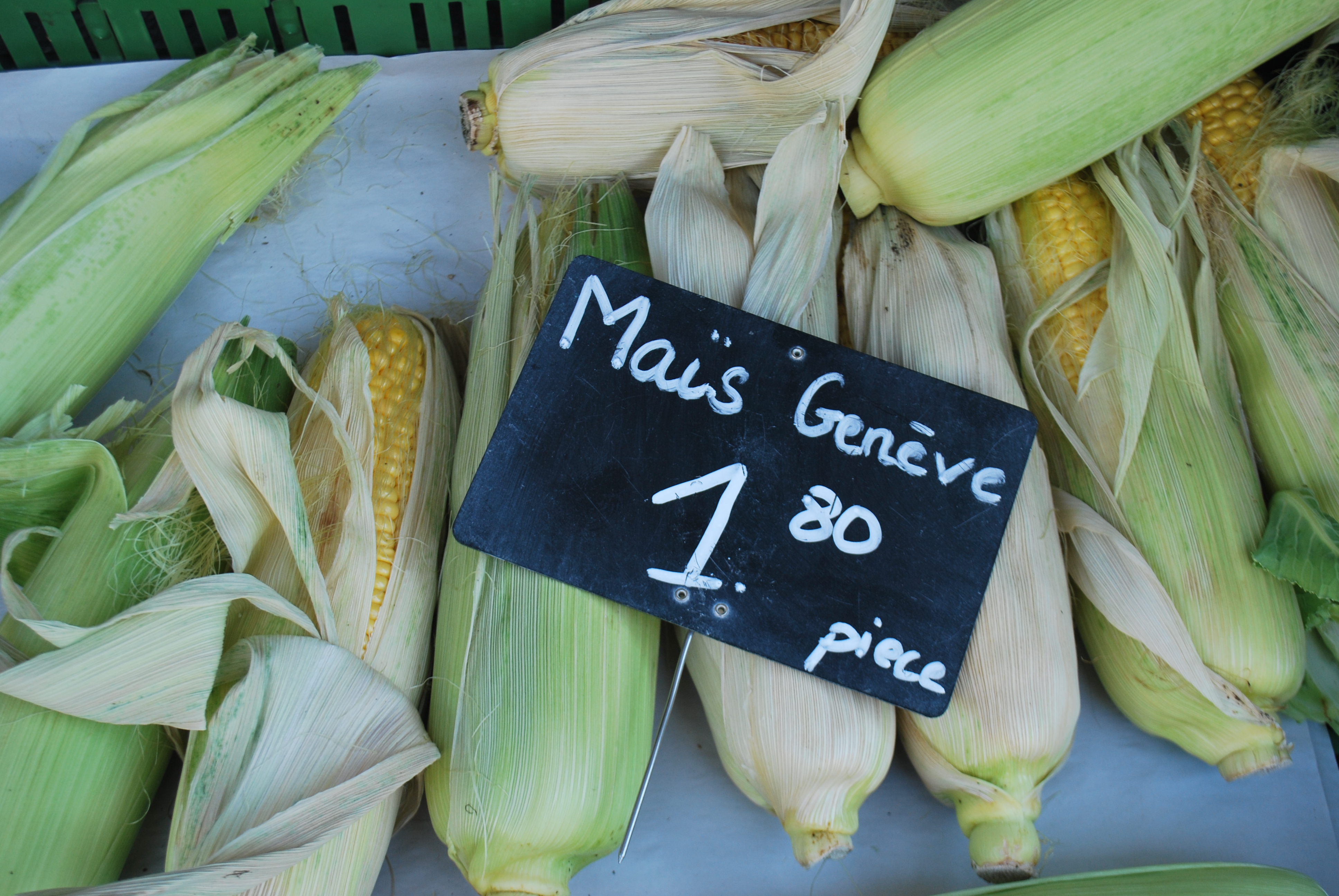
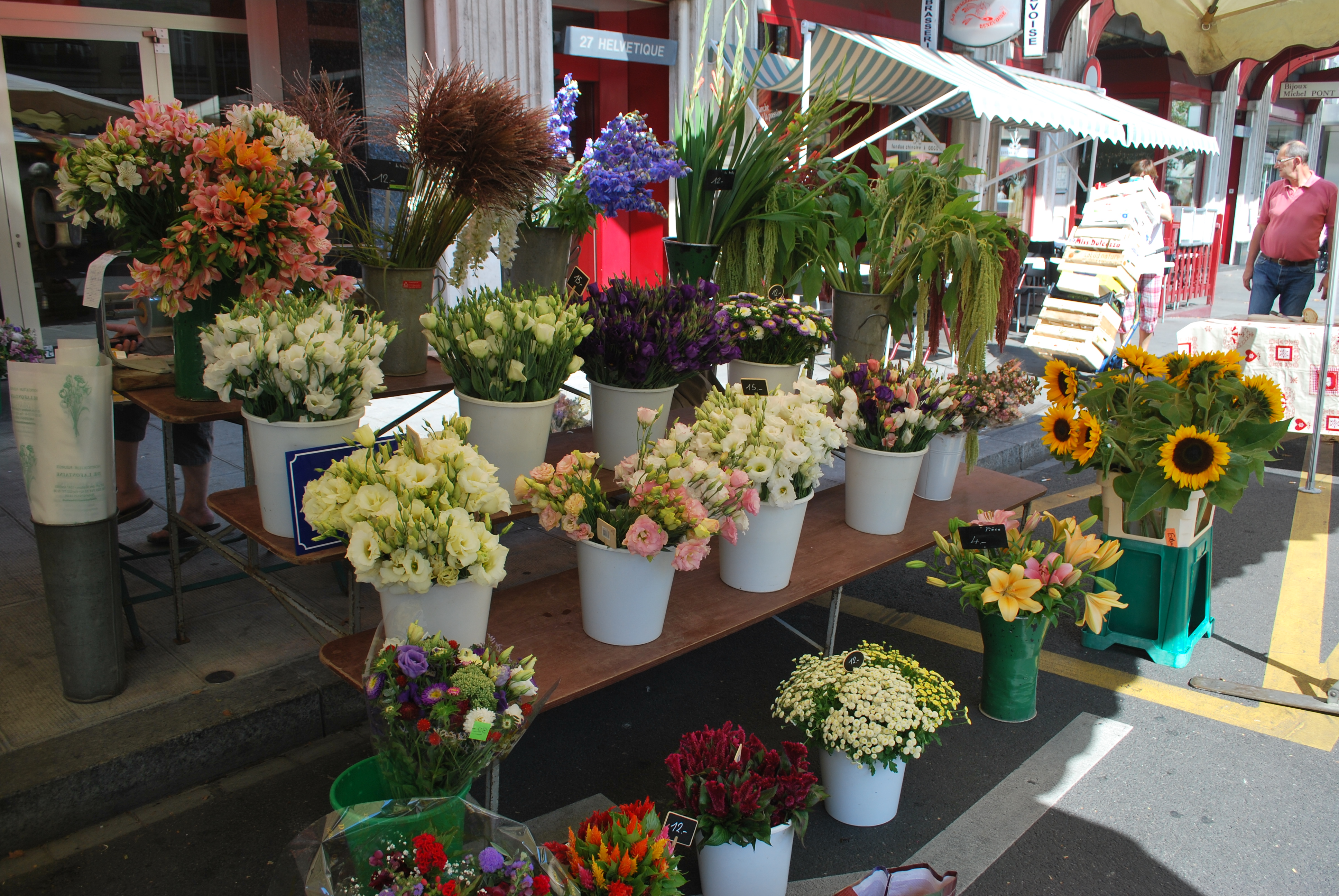
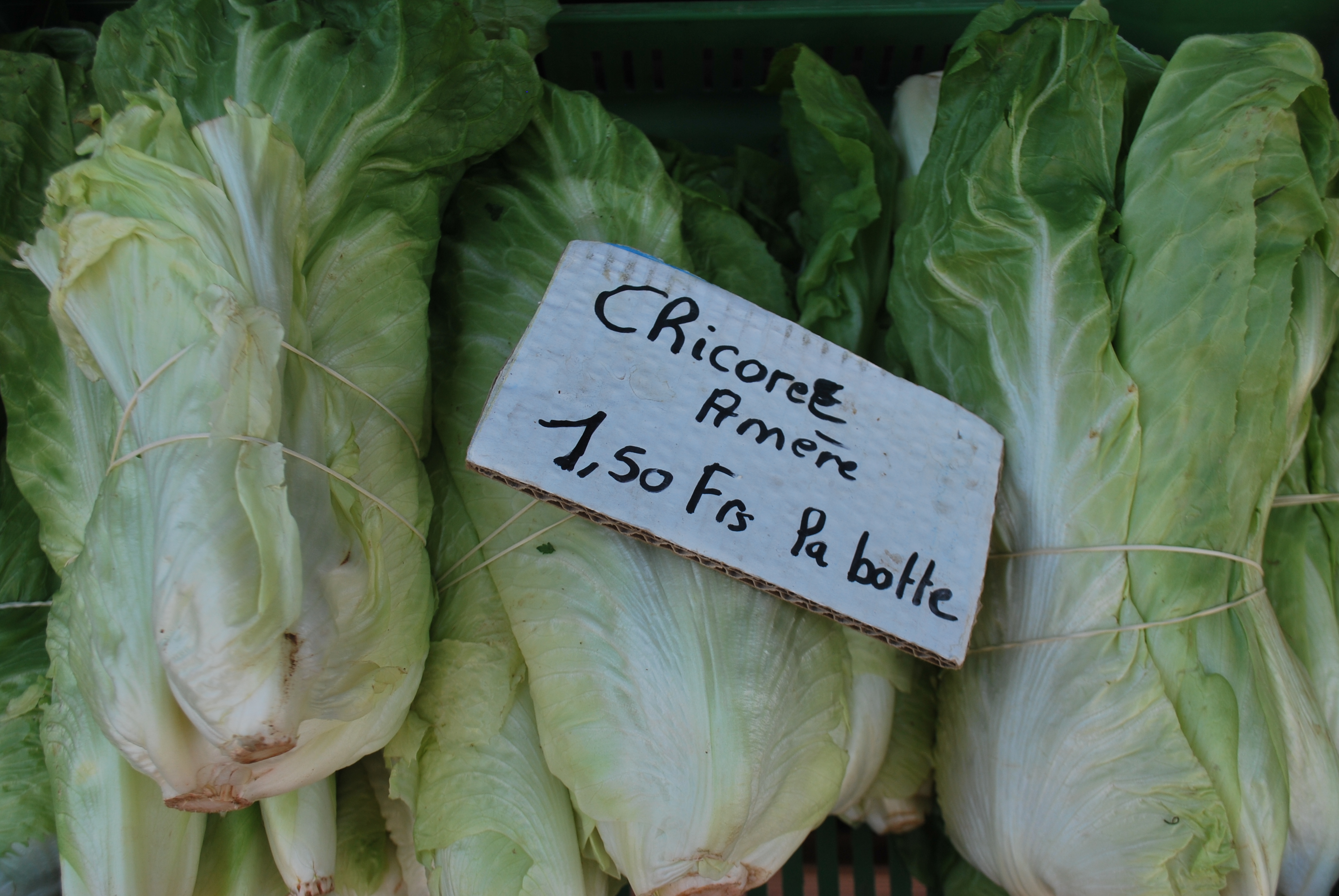
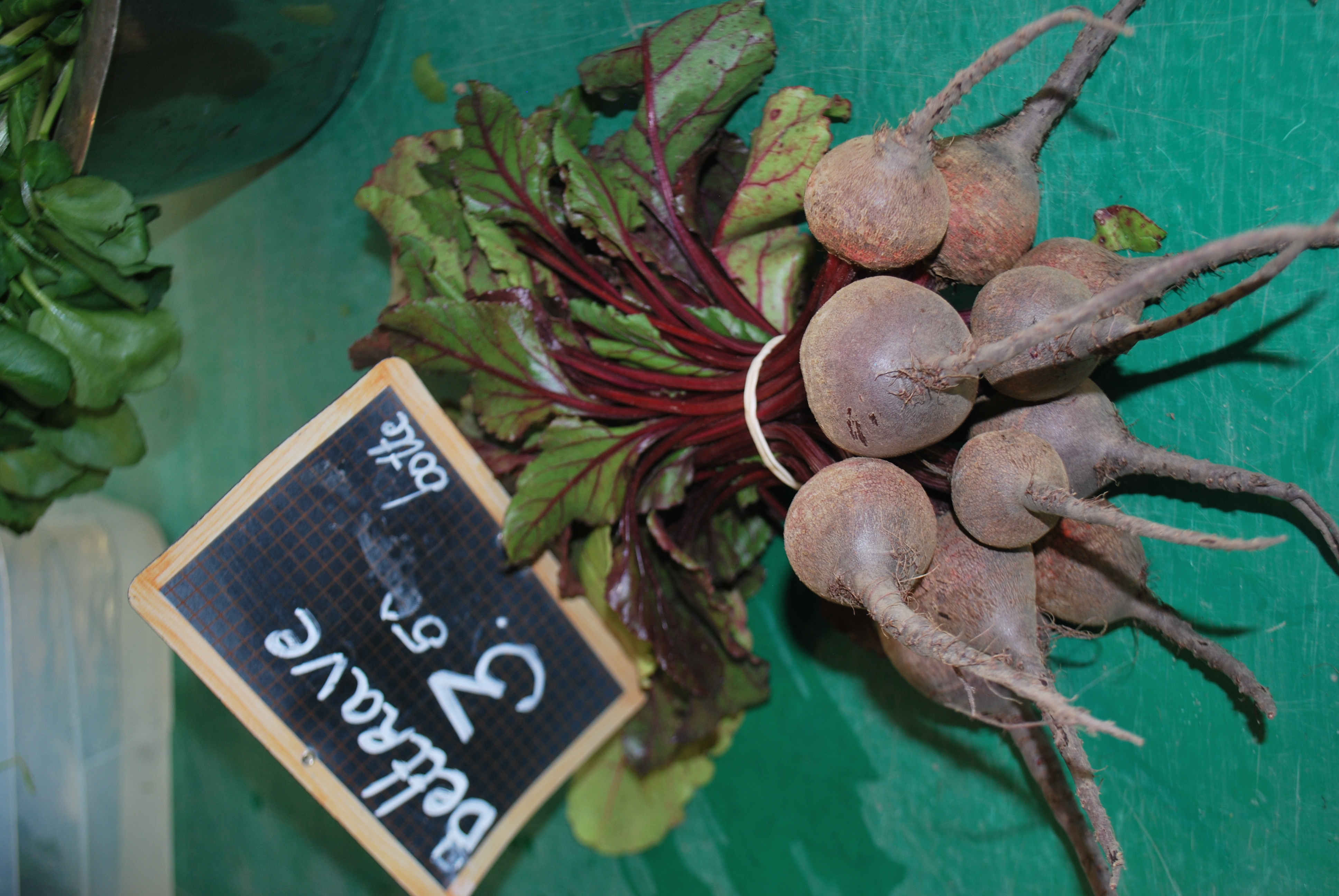
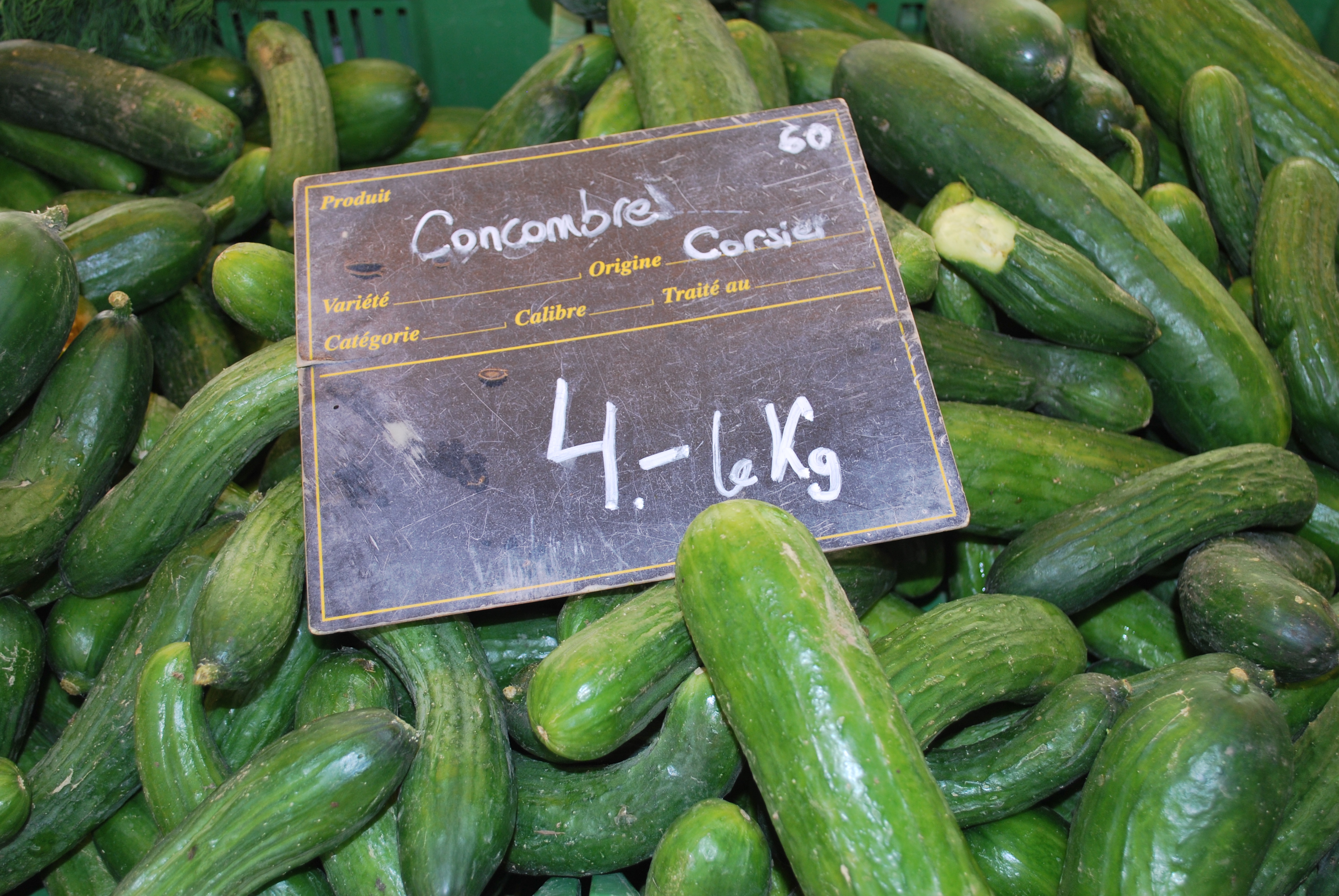
MarketDay in Switzerland, August 24, 2011

Published by Wednesday, August 24, 2011 Permalink 0
Never miss a post
Name: 
Your email address:*
Please enter all required fields
Correct invalid entries

Rosa’s Musings: Swiss Sausage Salad, An Unforgettable Food Experience

Published by Monday, August 22, 2011 Permalink 0

by Rosa Mayland

This year, unlike all preceding years, I decided that I’d serve a Swiss menu for our National Day as I believe there is no better way to feel close to your roots than by cooking the foods that are a part of your identity. I also had the urge to share a traditional and summery Swiss recipe with you.

The date marks the death of the first German Emperor from the house of the Hapsburgs, the independence of Switzerland from the Austrian rulers, the alliance of the rural communes Schwytz, Uri and Unterwalden (central Alps) with a view to protecting themselves from outside attackers or anyone attempting to subject them, and the creation of the Federal Charter of 1291, a pact which ensured free trade and peace on the important mountain merchant routes.

Continue Reading…

Never miss a post
Name: 
Your email address:*
Please enter all required fields
Correct invalid entries

Food News Daily: August 17, 2011

Published by Wednesday, August 17, 2011 Permalink 0

Mainstream Press

School Districts Rediscover Value of From-Scratch Meals, The New York Times
Why the Swiss Don’t Buy Swiss Cheese, Moneyland, Time
Consider chocolate, The Guardian
India Sues Monsanto Over Genetically-Modified Eggplant, Forbes
Why the Government Is Regulating Gluten-Free Foods, The Atlantic
One Man’s Blurry Quest to Cook Every Meal with Beer, BA Daily
Sex on a plate: in Paris, food and seduction are one and the same, The Telegraph

Best of the Anglo Food Blogs and Sites

Mexican Chocolate Pops Recipe, Leite’s Culinaria
{For Jennie & Mikey} Chocolate Peanut Butter Pie, Healthy-Delicious
Search – LocalHarvest, find local produce in your area by in U.S. by clicking on map
Yogurt Ice Pops with Berries Recipe, Leite’s Culinaria
Deliciously Rich Salted Caramel Ice Cream Recipe, Simply Stated

Alternative Press/Sites

2011 James Beard Foundation Leadership Awards – Sustainable Food Awards, The Daily Green
Best Farmers Markets – Big U.S. Farmers Markets, The Daily Green
The 10 (U.S.) Colleges With The Best Campus Food, Huffington Post

World

Masterchef India, playful Bollywood style
Sticky Date Pudding With Toffee Sauce, a Dubai take on a British classic, Sips and Spoonfuls
Ancient Rice Offering Is the Heart of India’s Jewish Community – Jew and the Carrot, Forward
The 7 Most Annoying Ways To Order At A Restaurant, Zagat
Flavors of Brazil: Attn Chocoholics: The World’s Largest Chocolate Fair Is Coming to Brazil, Flavors of Brazil
Keeping Food True: Embrace Pickles, Danish bread and butter pickles
The okra renaissance, the outcast vegetable is back in style, Food Bridge
Japanese Farm Food, Indigo Days
What food cravings say about your health?, IOL Lifestyle
Buttermilk ice cream with basil & Vanilla – Summer, come back!, Munich-based Delicious Days
Homemade Peanut Butter, Indian Country Today Media Network


Never miss a post
Name: 
Your email address:*
Please enter all required fields
Correct invalid entries

Switzerland: Tomatoes and Swiss Chard, and it’s in Season!

Published by Tuesday, August 16, 2011 Permalink 0

by Jonell Galloway

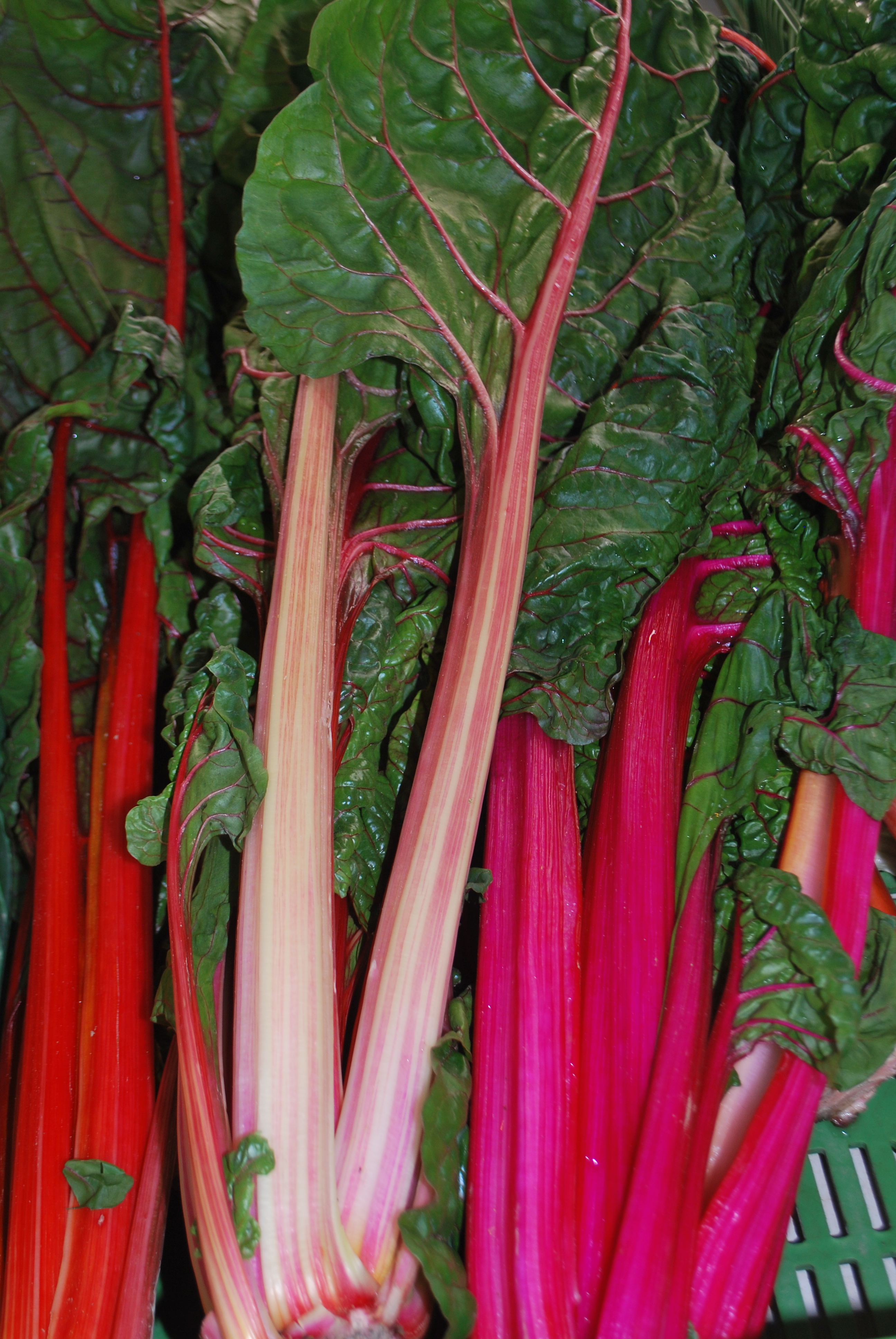
Swiss chard, along with kale, mustard greens and collard greens, is one of several leafy green vegetables often referred to as “greens”. It is a tall leafy green vegetable with a thick, crunchy stalk that comes in white, red or yellow with wide fan-like green leaves.

The Swiss variety tends to have whitish stems not dissimilar to green celery but wider and somewhat fan-shaped, while the varieties found in North America can be red, purpose or yellow. Some say chard is second only to spinach in terms of nutrients, and it is certainly full of fiber and phytonutrients.

When choosing chard, make sure the leaves are not wilted and the stems look fresh and crisp. If it looks limp in any way, pass it up.

It is one of the few vegetables that probably shouldn’t be eaten raw, due to its high acid content.

Although it is referred to as “Swiss” chard, it isn’t actually native to Switzerland. It is a Mediterranean vegetable. Already in the fourth century B.C., Aristotle wrote about “chard”, the common name used in the Mediterranean region. It probably got its name from a vegetable that it resembles, the cardoon. It is thought that the French confused the two and ended up calling them both “charde”.

In modern times, the French call Swiss chard blettes, the Swiss call them côtes de bettes, and, funnily enough, the English-speaking world has kept the name closest to the original used in ancient times: chard.


Swiss chard (Beta vulgaris) with variously col...


Its actual homeland lies farther south, in the Mediterranean region; in fact, the Greek philosopher Aristotle wrote about chard in the fourth century B.C. This is not surprising given the fact that the ancient Greeks, and later the Romans, honored chard for its medicinal properties. Chard got its common name from another Mediterranean vegetable, cardoon, a celery-like plant with thick stalks that resemble those of chard. The French got the two confused and called them both “carde.”

Swiss chard is in season for a good deal of the year in Switzerland, but this recipe takes advantage of summer to use some of those divine tomatoes that embellish the farmers markets.

In winter, it can be mixed with potatoes to make a lovely purée or soup.

Recipe

Tomatoes and Swiss Chard

Ingredients

Click here for recipe measurement converter

1 Tbsp. cooking oil

1 kg Swiss chard

500 g ripe tomatoes

1 tsp. sea salt
Pepper to taste
  1. Heat oil to medium low in a Dutch oven.
  2. In the meantime, bring a large soup pan of water to boil.
  3. Scrape any mud or black spots off Swiss chard. Wash carefully.
  4. Cut stems into 2 cm long chunks.
  5. Add Swiss chard to warm oil.
  6. Sautée for 2 minutes, stirring all the time.
  7. Wash tomatoes.
  8. Drop tomatoes into boiling water for 30 seconds or until skin starts to crack.
  9. Remove tomatoes from boiling water, and run under cold water, carefully removing the skins with fingers.
  10. Squeeze to remove seeds or scrape out seeds with end of a knife.
  11. Chop finely.
  12. Add tomatoes to Swiss chard. Mix well.
  13. Add sea salt and pepper to taste. Continue mixing.
  14. Turn heat down to low and cover Dutch oven. Cook slowly for 20 to 40 minutes, depending on whether you prefer it crunchy or less crunchy.
  15. Serve hot.

Suggestion: For a livelier version, add garlic and garam masala.

Suggestion: To make this in to a vegetarian meal, add borlotti, cannellini beans  or garbanzo beans and sprinkle with grated cheese.

Related articles

Switzerland: Pan-fried Sérac Cheese & Potato Salad Recipe

Published by Friday, August 5, 2011 Permalink 0

Spontaneous Cuisine, by Jonell Galloway

Swiss Sérac cheese, a fresh cow’s milk cheese made with whey

Whey cheese is produced when the curds are separated from the whey to make cheese. Ricotta is also a whey cheese, but unlike Sérac, it is often made with sheep’s milk. As a result, you can use your local cheesemonger’s Sérac in most recipes that call for ricotta.

Photo courtesy of FribourgRegion tourist office.

Photo courtesy of Fribourg Region tourist office.


Sérac is made in most regions of Switzerland, and each region has its own version. Some regions smoke it; others flavor it with herbs, spices or pepper.

Sérac cheese is soft and creamy in texture, so it is easy to spread it on bread to make a healthy sandwich or snack, but Sérac is not only a snack cheese. It can also be used to make healthy, quick meals, such as the recipe below. In the summertime, I often use it like mozzarella, with tomatoes and basil or other Italian-inspired recipes.

It is a great way of teaching your children to eat healthy snacks. Top it with fresh fruit to make a healthy, low-fat dessert, or use it for between-meal snacks on chunky whole-grain bread.

Since it is a fresh milk cheese, it does not keep, and should be eaten shortly after purchasing. Because it is made from fresh milk whey, it is also naturally low in fat. In Switzerland, it would have about a 3.8% fat content, the same as milk.

Continue Reading…

Never miss a post
Name: 
Your email address:*
Please enter all required fields
Correct invalid entries

Cailler Chocolate Museum in Canton of Fribourg, Switzerland

Published by Thursday, August 4, 2011 Permalink 0

Cailler Chocolate Museum in Canton of Fribourg, Switzerland

by Jonell Galloway

The Maison Cailler (Nestlé), in Broc, in the canton of Fribourg in Switzerland recently opened its doors to the public. The factory, built in 1898, and still in operation, has been converted into a chocolate museum and visitor center. It offers an interactive audiovisual and guided walk through the factory-museum which explains everything aspect of chocolate making.

The fact that it’s located in a working chocolate factory enhances the experience, and the guided tour explains the history of the factory from its beginning in 1898 to present.

The 7 million CHF renovation project created nine themed areas, including Aztec temples and Swiss hillsides, says Aus Food News. Since the factory is still up and working, you can actually witness chocolate bars being made.

Continue Reading…

Never miss a post
Name: 
Your email address:*
Please enter all required fields
Correct invalid entries

A chocolate school, and guess where? Switzerland

Published by Wednesday, August 3, 2011 Permalink 0

You can go to chocolate-making school at the Chocolaterie Rapp in Prangins, between Geneva and Lausanne, even if you don’t want to be a professional chocolatier.

The introductory course lasts one hour and a half and consists of:

  • visit of chocolate school
  • presentation and history of chocolate
  • introduction to chocolate making
  • chocolate tasting and drink at the chocolate school
  • issue of a tasting diploma from the Compagnie des fins becs, a Swiss gourmet tasting society

Classes are given on Monday, Tuesday and Thursday, and on reservation only.

Price: 15 CHF per person, with a minimum of 10 people per class.

The school can be visited on Saturday for 25 CHF per head.

The full course lasts 5 hours, and consists of:

  • visit of chocolate school
  • presentation and history of chocolate
  • handling of chocolate
  • chocolate moulding and tempering, depending on the season
  • chocolate desserts
  • praline and truffles
  • chocolate tasting and drink at the chocolate school
  • issue of a Chocolate Know-How diploma and notebook of recipes

Price: 160 CHF per person.

Unfortunately, all classes are fully booked until the end of August 2011. September dates will be announced soon.

If you want classes in English, please request well ahead of time.

For more information, call (41) (0)22 361 92 12 or contact the school by e-mail at  rapp-confiserie@bluewin.ch.


Never miss a post
Name: 
Your email address:*
Please enter all required fields
Correct invalid entries

Jonell Galloway: Mindful Eating Coaching

Published by Monday, August 1, 2011 Permalink 0

by Jonell Galloway

I’m sure many of you have read my articles about Mindful Eating. I like to keep the term in capital letters, to remind me how important it is in all our lives.

I now offer Mindful Eating coaching for those who have problem relationships with food and eating in general, helping them “reconstruct” their lifestyle and attitude to food and eating. This can be done in person, in Switzerland or France, or online, and on an individual or group basis.

For those who live other places on the globe, I offer online “teleconference” coaching for weight loss and eating problems on an individual basis. This consists of a customized program that lasts anywhere from 1 to 6 months, depending on the case, with a consultation at least once a week. This does not consist of nutritional advice per se and I am not a nutritionist; I am a therapist and counselor. It consists of an analysis of your lifestyle and relationship to food and eating, with referrals to medical professionals or physical education specialists when need be, but most of all of a work that you and I will do hand in hand. I will be your guide.

Each case is different, but starts with a thorough analysis of who you are and want to be, your lifestyle and how that might interfere with your eating habits and relationships with food, followed by an analysis and a plan, which we produce together, to lay out a plan for how to concretely work toward changing the things in your lifestyle that work against your weight goals and/or health.

I’m in the process of setting up Mindful Eating workshops and seminars for 2011-12 in Europe. For more information about Mindful Eating or if you’d like to set up a workshop or individual coaching, see my articles on this site, including an interview with Geneva organic farmer David John Kong-Hug.

If you’re interested in organizing or participating in a workshop, or following a Mindful Eating weight loss program, please contact me by clicking on the blue Contact Us button at the top right of our home page.

For more information about my past work and experience, click here.

Related articles


Never miss a post
Name: 
Your email address:*
Please enter all required fields
Correct invalid entries

Jonell Galloway: The many colors of summer tomatoes

Published by Monday, July 18, 2011 Permalink 0

by Jonell Galloway

Red, yellow, green, and orange tomatoes now available in Lake Geneva region

Tomato season is well under way, and here are a few suggestions for using them.

How to choose a tomato

Remember you can’t judge a tomato by its cover. By that I mean, the best tomatoes may well be the ugliest. They have not been sorted to meet some regulation as to size, shape and color. They can even be marked “Geneva,” “Lausanne” or “Vevey”, and never have had a root in the earth. Tomatoes can be grown hydroponically just about anywhere, so the fact that it’s marked with a local name is not absolute assurance that it will be full of flavor like a summer tomato should be and that it has been grown using traditional methods.

There are a lot of resellers in farmers markets, and then there are direct producers. Don’t hesitate to ask the vendors in your farmers market if they grew their tomatoes in a field or if they were grown hydroponically or in a greenhouse (often referred to as sous tunnel or en serre). “Field” tomatoes are obviously likely to have more taste.

The best way to be sure is of course to grow them yourself, but we do not all have the possibility, of course.

The appearance is just one factor. Smell is just as important. A natural, ripe tomato smells fragrant when you put it to your nose. A small tomato can have as much taste as a big one. Tomatoes should be soft, but not blemished or split open. If they are hard and are not aromatic, they are probably not field tomatoes.

A tomato can have hard black “calluses” on it, but that has no effect on its flavor. Simply trim them off.

In general the darker the color, the stronger the taste and the more acidic. Yellow and orange tomatoes are sweet, rather like fruit. Red tomatoes have more pizzazz. The darker, purplish ones are strong-flavored and not to everyone’s taste.

Green tomatoes tend to be more acidic. Most people prefer them cooked rather than raw, but this is a matter of taste.

How to eat a summer tomato

There are million ways to eat tomatoes, but ripe summer tomatoes need very little.

My favorite way of eating them is simply with salt and pepper, and perhaps a drizzle of olive oil. A beautiful addition to any summer lunch is a large plate of sliced tomatoes of different colors, served in this way. It is always a hit, both aesthetically and as a dish.

Tomatoes are also good grilled over the coals. For this, choose medium-size tomatoes, so they won’t fall through the grille. Simply cut them in half and grill for about 3 minutes on each side. This intensifies the flavor, giving it what the French call a confit flavor. What it really does is evaporate most of the water, leaving behind the most flavorful part, the flesh. The natural sugar in the tomato also caramelizes, making it taste sweet rather than acidic.

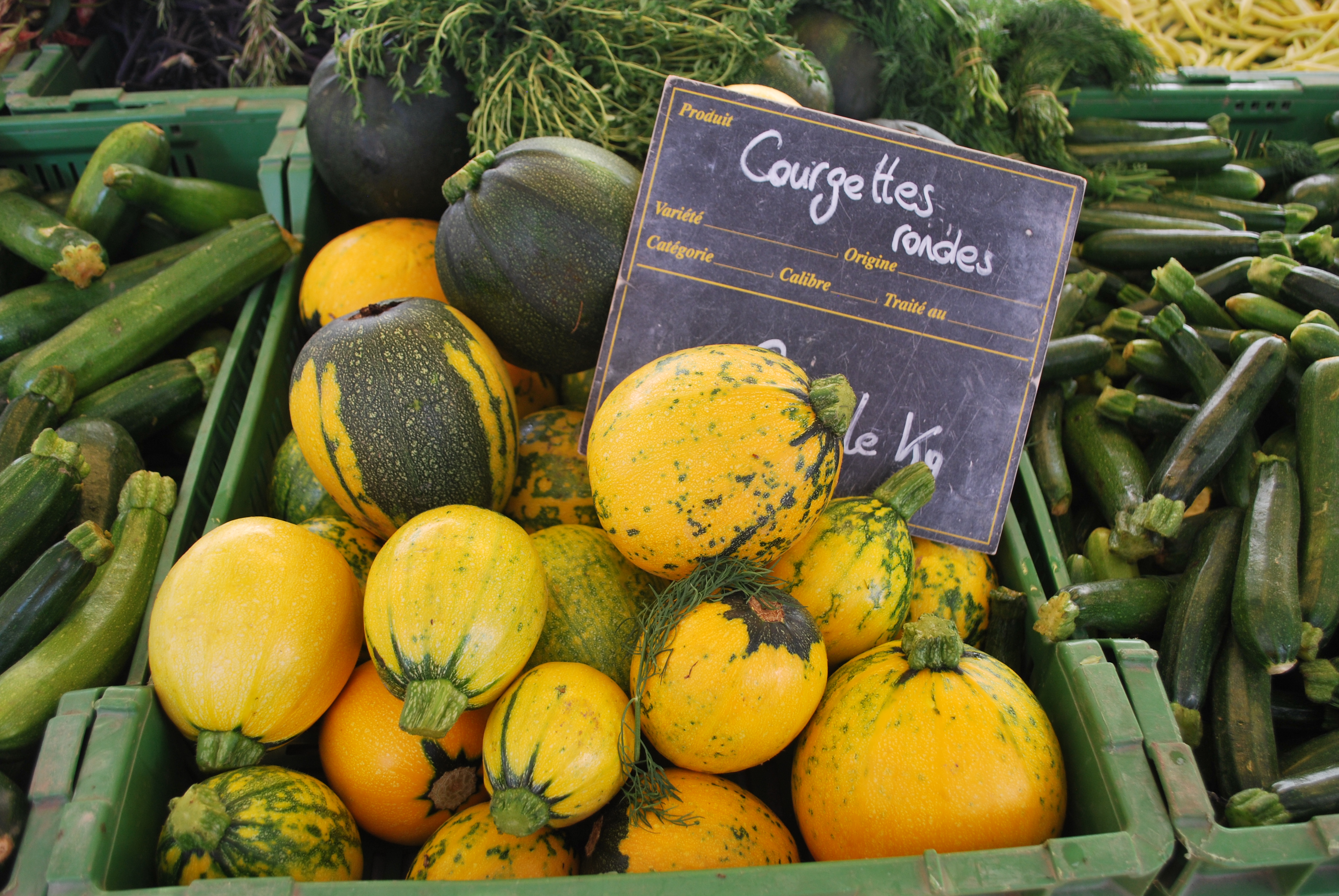
Tomatoes, courgette (zucchini), and aubergines (eggplant) — the classic Mediterranean vegetables — are all in season at about the same time. There are endless recipes one can think up, but one of my favorite is to mix finely diced tomatoes, zucchini and chopped onions marinated in a generous helping of vinaigrette made with Balsamic vinegar, Chardonnay vinegar and olive oil.

And then there’s the all-time favorite: mozzarella served with tomatoes and fresh basil. This too can be livened up by using tomatoes of different colors.

This article was originally published by Geneva Lunch.

Never miss a post
Name: 
Your email address:*
Please enter all required fields
Correct invalid entries

UA-21892701-1