Part 4: Step-by-step Fermentation – How to Ferment Vegetables

Published by Wednesday, August 1, 2012 Permalink 0

Part 4: Step-by-step Fermentation

by Diana Zahuranec

How to Ferment Your Own Vegetables

I said in my first fermentation post that I found a couple of particularly helpful websites:

Sandor Ellix Katz, “Making Sauerkraut”
Mary N. Mennes, “Make Your Own Sauerkraut”
Recipes from a German Grandma, “Make Your Own Sauerkraut”

Katz’s was detailed and informative, and I completely trusted his judgment because he is the undisputed wild fermentation expert. Also, he helped my friends and I make cheese, which turned out edible, if squeaky. The unnamed German Grandma had pictures, which I took too and I’ll provide them here for you fermentin’ folks.

Equipment used:

2 big glass bowls
2 freezer bags
Saran wrap
Big plastic tray

Ingredients used:

Click here for French/British/American converter

1 head of cabbage
1 onion
2-3 hot peppers
2 carrots
Stems from a bunch of catalogna (chicory (or a type of), a leafy green with tough stems that I didn’t want to throw out)
1/3 C mildly spicy coarse hot pepper
Salt, water: 3 T salt per 5 pounds of vegetables
Whey from yogurt

Procedure:

Note: This outlines what I did, and might not be the ultimate, end-all-be-all way to ferment; I’m just sharing the experience and knowledge I gained along the way!

(chicory (or a type of), a leafy green with tough stems that I didn’t want to throw out)
1/3 C mildly spicy coarse hot pepper
Salt, water: 3 T salt per 5 pounds of vegetables
Whey from yogurt

Procedure:

Note: This outlines what I did, and might not be the ultimate, end-all-be-all way to ferment; I’m just sharing the experience and knowledge I gained along the way!

[caption id="attachment_27484" align="alignleft" width="319"] Chopped vegetables


Continue Reading…

Never miss a post
Name: 
Your email address:*
Please enter all required fields
Correct invalid entries

Part 1: Food Fermentation for Beginners

Published by Tuesday, July 24, 2012 Permalink 0

Part 1: Food Fermentation for Beginners

by Diana Zahuranec

Cultures all over the world and for thousands of years have developed fermented foods and drinks. Japanese miso, Korean kimchi, kefir from Eastern Europe and the Middle East, sauerkraut from Germany; yogurt, sourdough bread, and even chocolate are some examples. While scarfing down some quickly “pickled” carrots I had made, I thought, why not make real fermented vegetables? I have a penchant for salty, sour foods, so why not ferment a big batch of it? The nutritional value actually builds and multiplies in fermented foods. I would satisfy my cravings, indulge in a natural, traditional super-food, learn about an ancient practice, and have a project to boot.

To learn the scientific details behind fermenting, I picked up Harold McGee’s On Food and Cooking: The Science and Lore of the Kitchen. For fermentation how-to, I quickly found an article on Sandor Ellix Katz’s blog (who, before, helped my friends and I make cheese). For a fermentation step-by-step picture guide, I found Recipes from a German Grandma.


I wanted to settle the nagging doubt about using equipment no more advanced than big glass bowls picked up in a used goods store. Pickl-It jars, Harsch crocks , and other crocks aren’t found easily in Italy, my home-away-from-home, or if they were I wouldn’t carry them around on my back while biking from store to store in the sweltering heat. Ideally, I would use Pickl-It jars or a Harsch crock over my open crock method, because I’ve never fermented vegetables and believe I’ve already made a few mistakes (ahem…this I will find out in roughly two weeks). Small batches of fermenting veggies are prone to come into contact with air when using the open crock method, causing you to lose some of the precious little you’ve made.

I don’t know which I would choose over the other, but apparently there are Team Pickl-It and Team Harsch Crock sides to this debate.

Too late now. I’ll find out if my haphazard but enthusiastic open crock method works in about two weeks. That will be the turning point in my brief fermentation career in making a major decision: to buy or not to buy a Pickl-It jar.

Pickl-It jars


Along with growing doubts as I read about fermentation, the more fascinating information I find. This post will be just the beginning of a short fermentation series that sort of follows along with my own method: dive right in knowing the basics, then nervously twist a strand of hair as I read more about it, then fixate on all things fermentation.

Harsch crock. I didn’t have strong doubts about the open crock method. No one 500 or 2,000 years ago had Pickl-It jars or a standard Harsch crock. Unfortunately, and after I already had my kraut for a day and a half, the more I read about it, the more uncertain I’ve become. Sandor Ellix Katz’s directions seemed straightforward, but some other articles worried me.


Let the fermentation begin!

Here are some other links I found useful:

Make your own sauerkraut, by Mary E. Mennes
Comparison of Vegetable Fermentation Methods, by Kimi Harris
Homemade sauerkraut, by Jenny
Vegetable Fermentation Further Simplified, by WildAdmin
Fermented Foods Webinair, by Jenny

Never miss a post
Name: 
Your email address:*
Please enter all required fields
Correct invalid entries

Rosa’s Musings: In Sync with the Seasons: Baked Apricots Stuffed with Almond Paste

Published by Tuesday, July 17, 2012 Permalink 0

by Rosa Mayland

INCREASE YOUR GASTRONOMIC EXPERIENCE BY EATING IN SYNC WITH THE SEASONS

Baked Apricots 2 bis The Rambling Epicure Rosa's Musings Rosa Mayland

With the arrival of hotter weather, I am thrilled that some of my favorite fruits are starting to grace (super)market stalls. They are so fabulous that I can never get enough of them. Not one week goes by without me making either pies, pastries, cakes, trifles, crumbles, clafoutis or cobblers in my itsy-bitsy apartment kitchen.

Continue Reading…

Never miss a post
Name: 
Your email address:*
Please enter all required fields
Correct invalid entries

Switzerland: Looking for a Farmers Market in Geneva?

Published by Saturday, July 14, 2012 Permalink 0

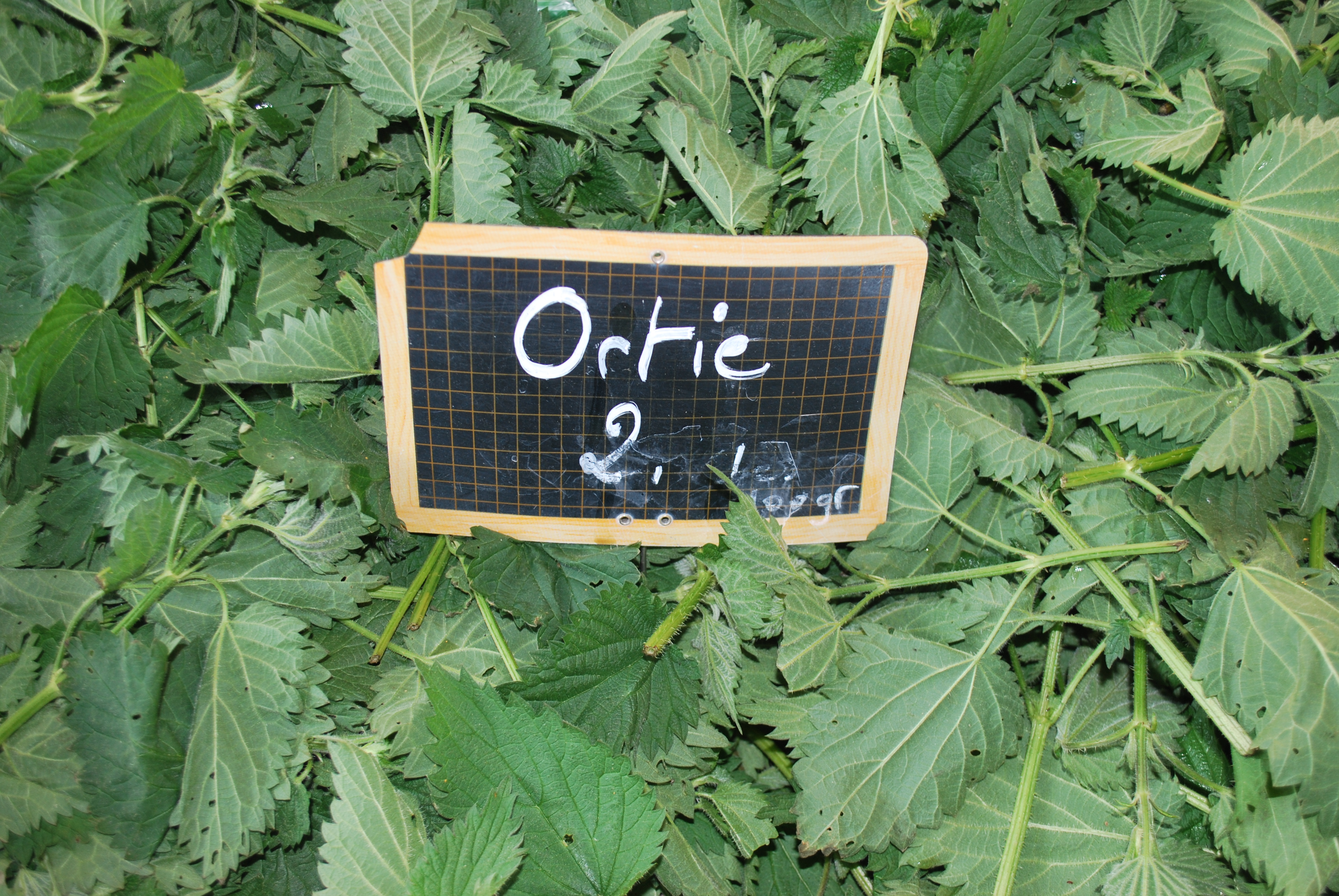
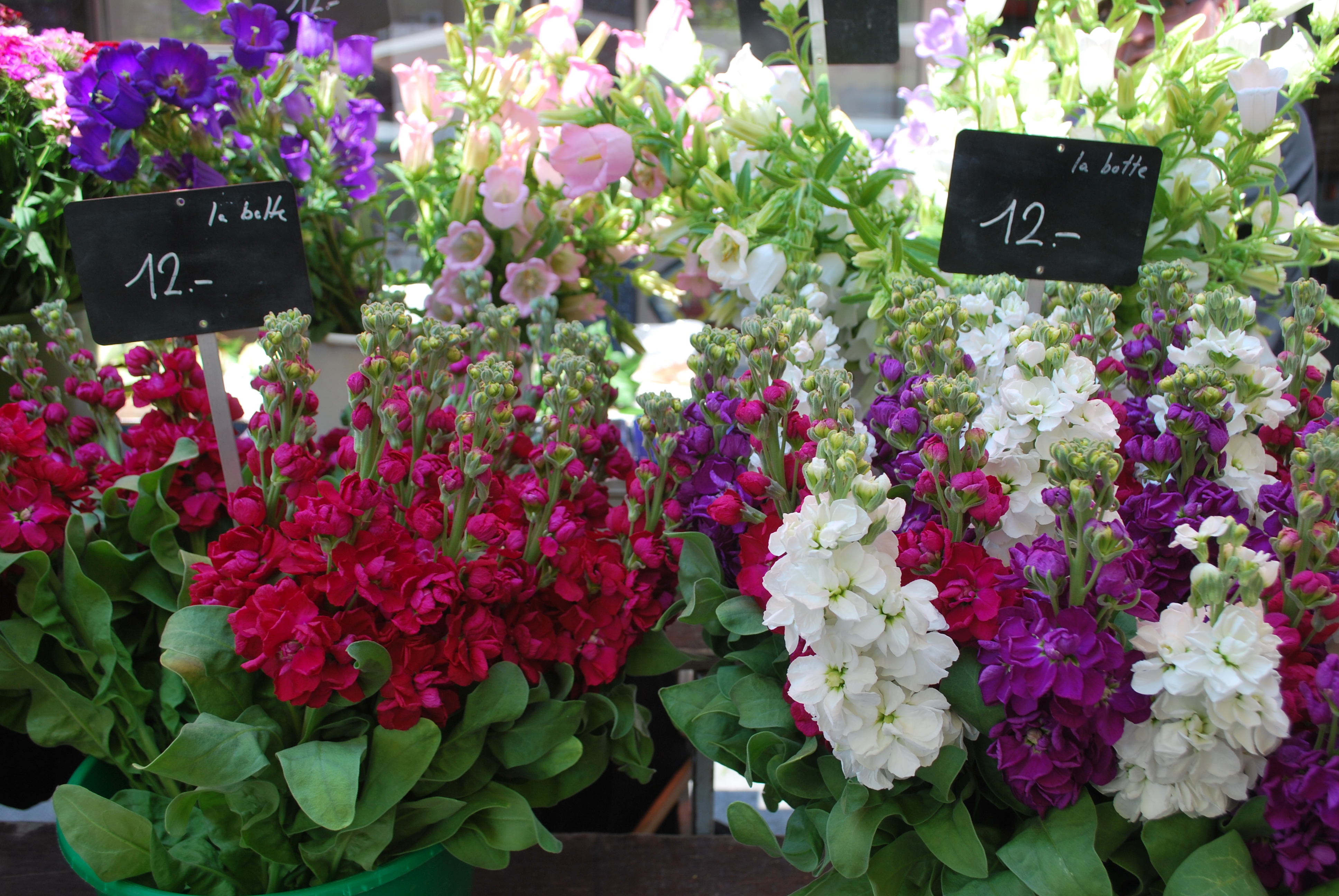
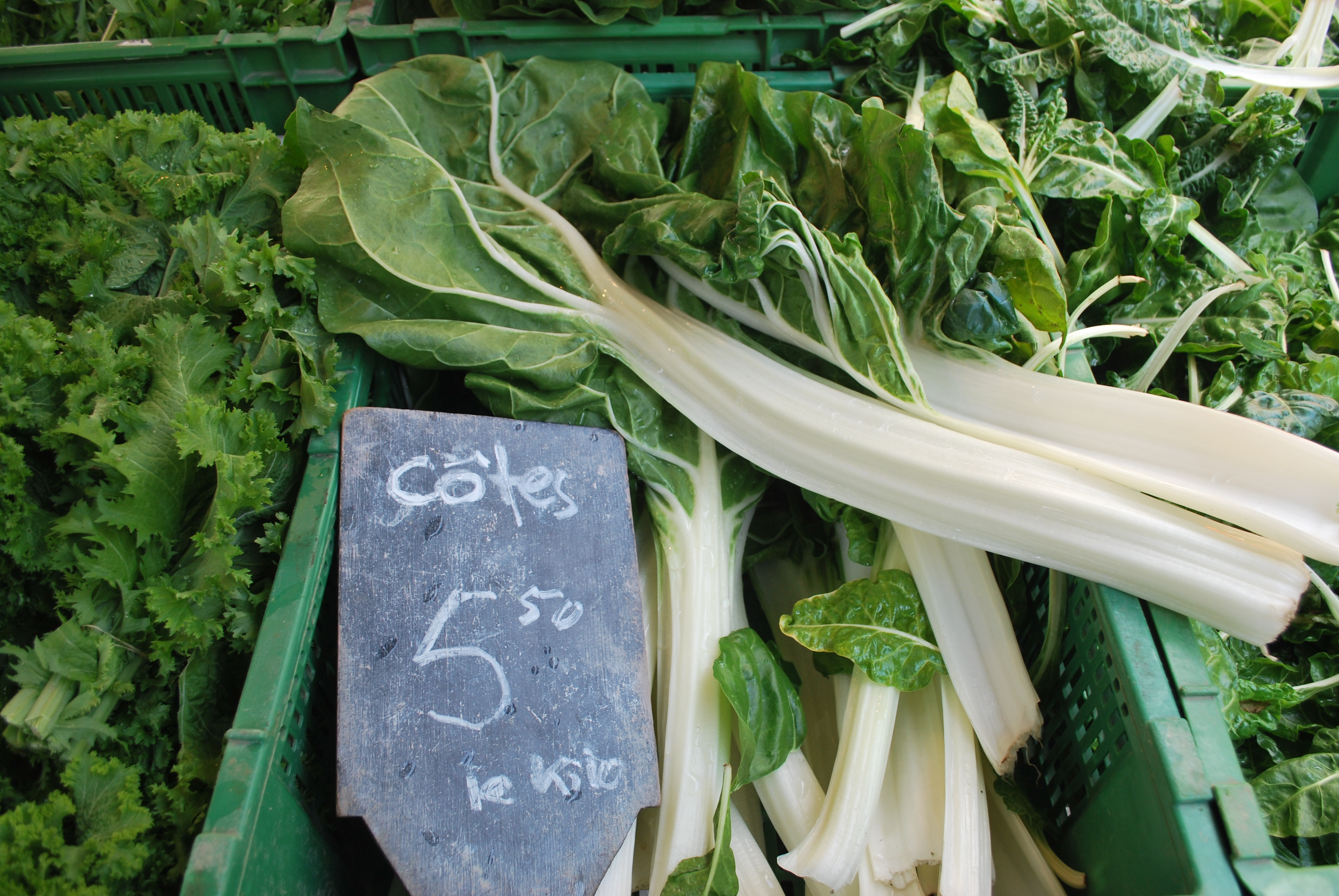
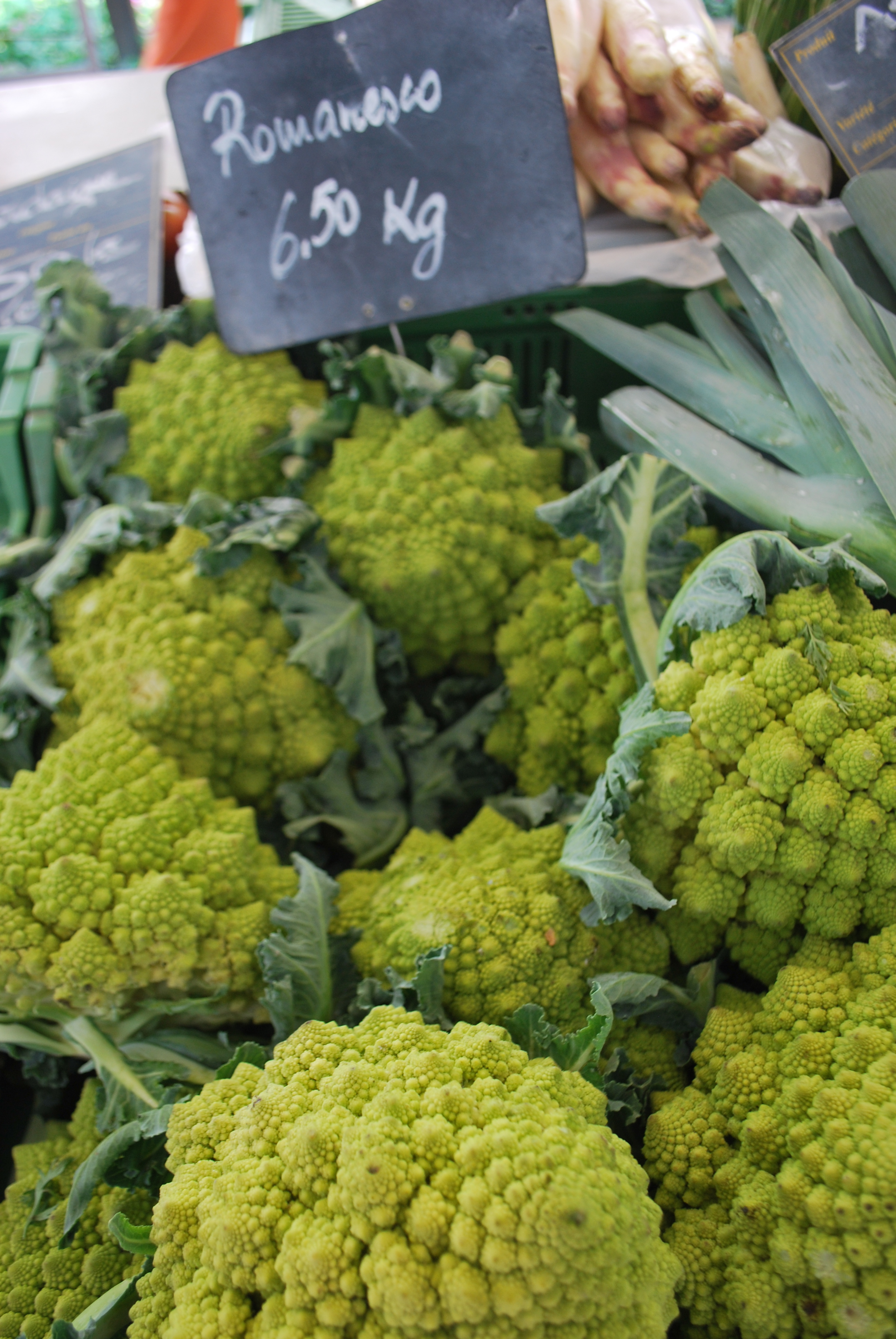
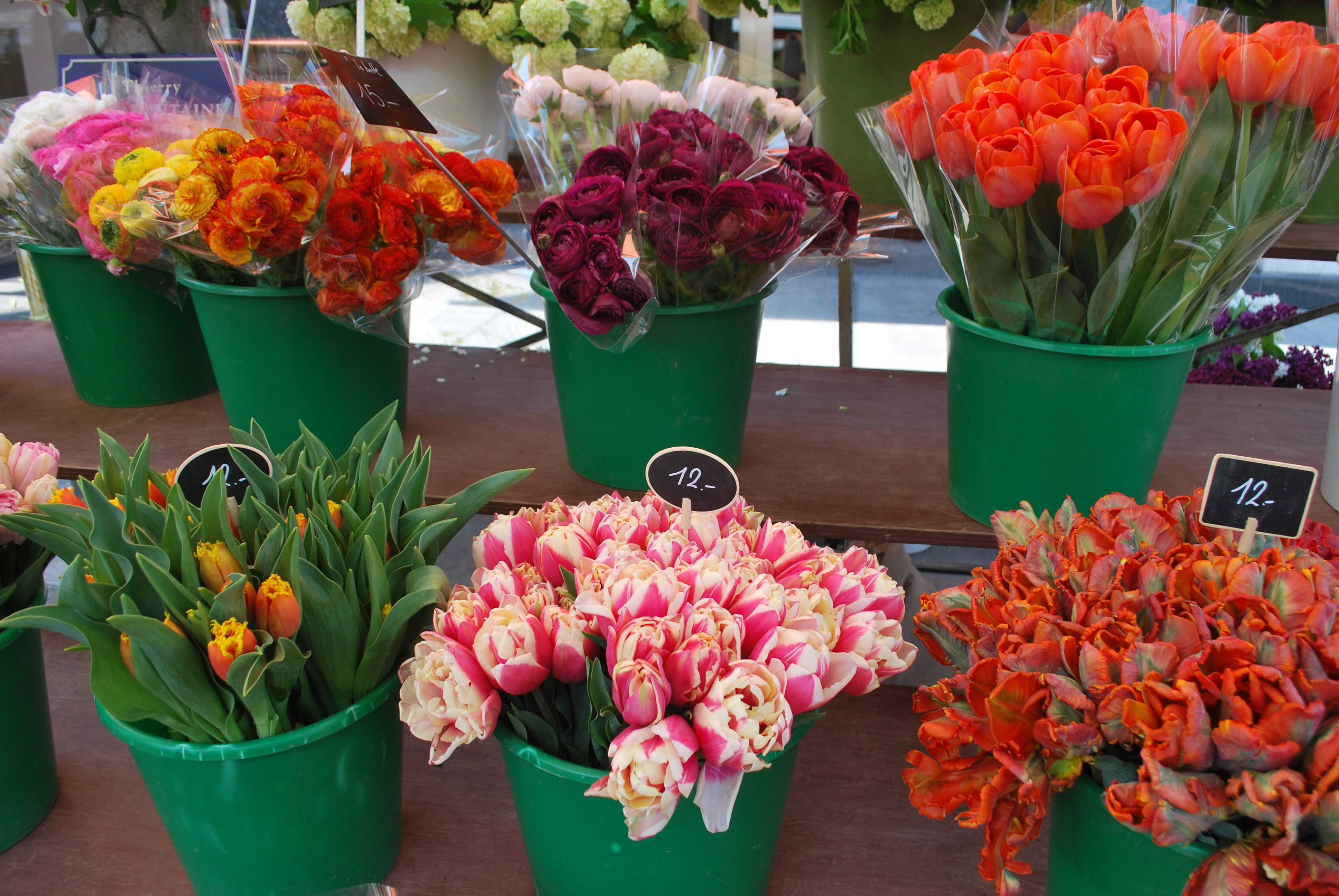
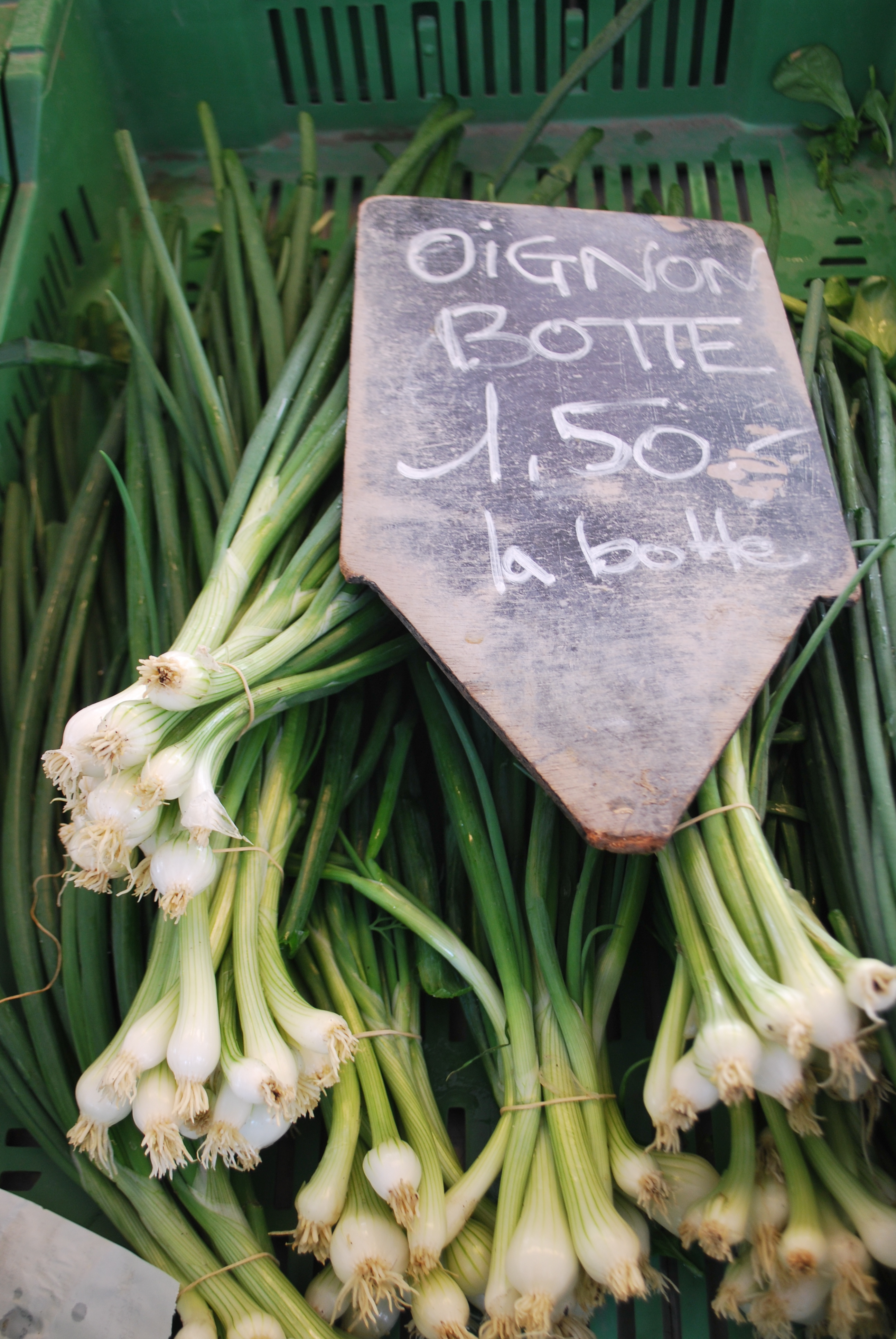
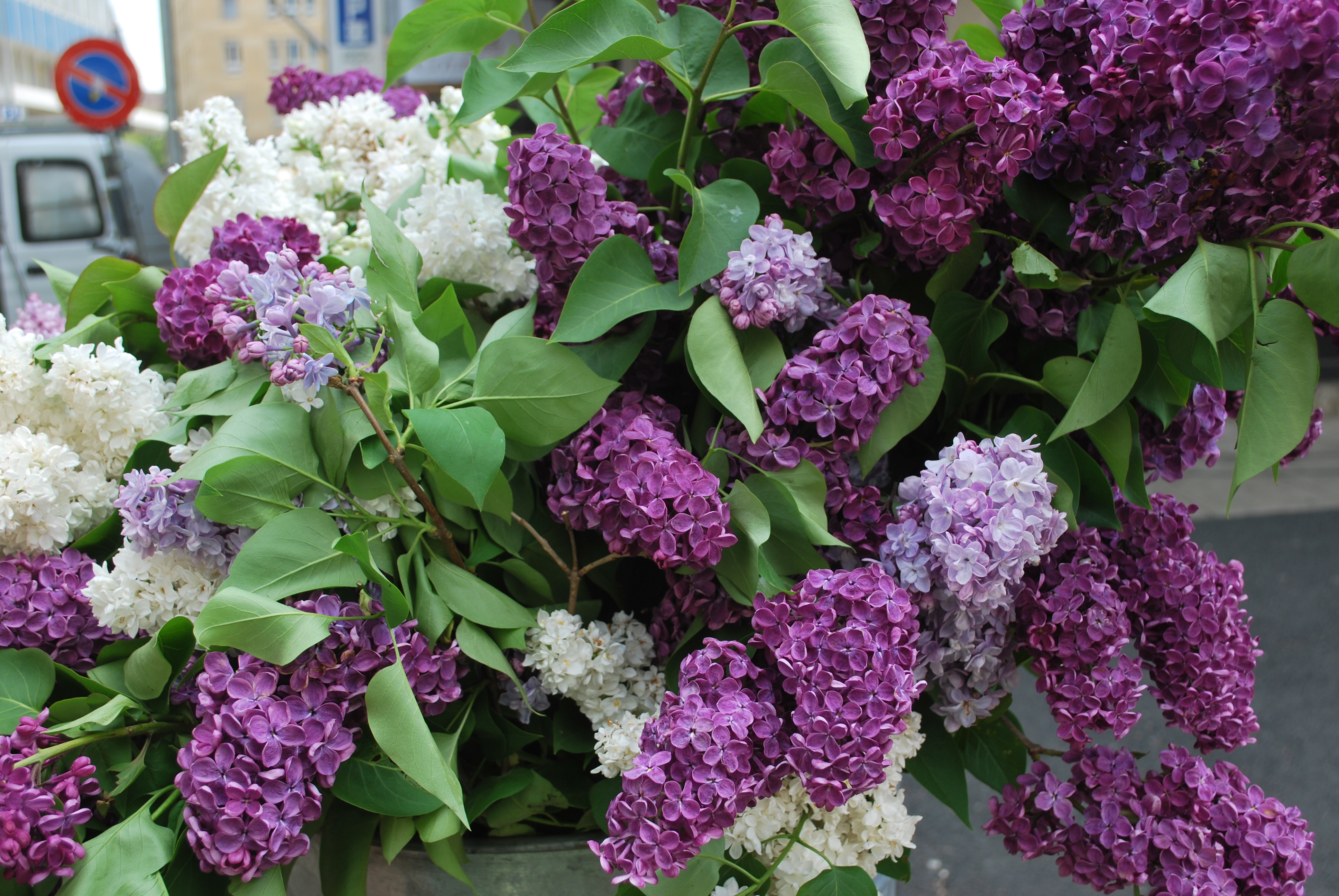
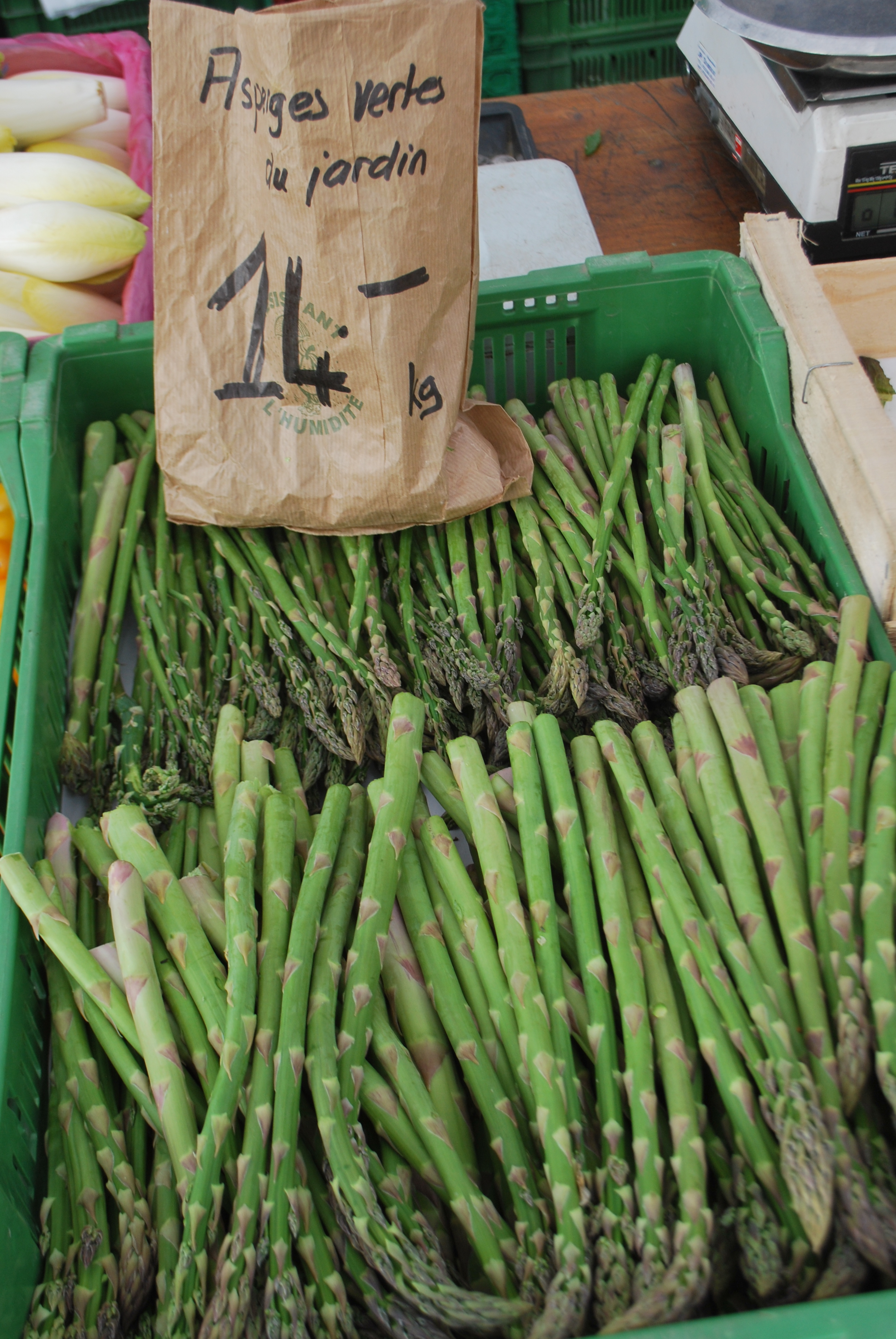
Click here for Geneva Tourism’s list. Take a look at this photo documentary of what’s on offer at Swiss farmers markets.


Never miss a post
Name: 
Your email address:*
Please enter all required fields
Correct invalid entries

Simple Sustenance: Green Goodness — Broccoli and Pepita Pesto

Published by Tuesday, April 10, 2012 Permalink 0

by Renu Chhabra

“When you’re green inside, you’re clean inside.” – Dr. Bernard Jensen

Today it’s all about green goodness in our diet. Yes, I mean green vegetables. We all know they are good for us, but why do some of us ignore them? Maybe, we just don’t like their taste, or they sound like diet food. In that case, we should try making them different ways than we usually do — something out of the box. Give them a new twist and explore a little. Who knows, they may surprise us.

Speaking of green vegetables, broccoli comes to my mind instantly. Its health benefits are several. But I know, it’s not an exciting vegetable for many of us. We have memories of eating bland steamed broccoli that we wished we could throw under the table. At times, it was topped with some plastic-like yellow cheese to make it more enticing. Even then it wasn’t very appealing. Since Mom insisted it was good for us, there wasn’t anyway to escape it except to wolf it down as fast as possible and forget about it until next time it showed up at the dinner table, staring at us.

Continue Reading…

Never miss a post
Name: 
Your email address:*
Please enter all required fields
Correct invalid entries

1.3 kg black truffle for sale in Perigord, France

Published by Thursday, February 23, 2012 Permalink 0

The Daily Mail in the U.K. says what is possibly the world’s biggest black truffle went on sale in the Sarlat truffle market last week.

Black truffles are the most sought-after and expensive mushrooms in existence, and are said to be an aphrodisiac, due to a “compound within the truffle similar to androstenol, the sex pheromone of boar saliva, to which the sow is keenly attracted.”

Click here to read more.

Truffle 3


Continue Reading…

Never miss a post
Name: 
Your email address:*
Please enter all required fields
Correct invalid entries

Switzerland: leshop.ch: Migros Full-Service Home Delivery, Perfect for Bad Weather or Illness

Published by Thursday, February 2, 2012 Permalink 0
by Jonell Galloway

Migros’s home delivery service is perfect during this period of icy, snowy streets

Since I live in the old town in Geneva, I walk everywhere. A few years ago, I had shoulder and wrist injuries from carrying too many heavy shopping bags, and ever since, I’ve had to do my heavy grocery and household shopping with a trolley. A couple of years ago, after regularly hearing the leshop.ch ads on WRS, I decided to try and avoid pulling my heavy trolley, filled with milk, detergents, and other heavy products, up the hill from the Coop 2000 and the Boulevard Helvétique market to the Russian Church, so I tried leshop.ch. With the ice and snow on the streets, home delivery can definitely be a godsend.


Continue Reading…

Never miss a post
Name: 
Your email address:*
Please enter all required fields
Correct invalid entries

Switzerland: About Cardoons, Geneva’s Favorite Winter Vegetable

Published by Monday, December 19, 2011 Permalink 0

by Jonell Galloway

Anyone living in Geneva really should know how to prepare cardoons, since it is Geneva’s favorite winter vegetable, and even has a right to an AOC, i.e. an official certified appellation, the “Geneva cardoon.” The problem is it is time-consuming and tedious, namely due to its prickly thistles.

Cardoons are one of Geneva’s favorite Christmas dishes, when it is most often served au gratin, but they are served in a variety of ways all winter long.

Viviane Bauquet Farre gives a wonderful explanation on how to prepare and blanch those tasty but thistly dears.

The Chapuis family, who does the Boulevard Hélvétique market in Geneva on Wednesday and Saturday, started preparing them and sealing them in vacuum packs a couple of years ago, and it has been so successful that everyone is following suit.

So if you’re brave enough, prepare them yourself. Otherwise, know you have an alternative. More and more sellers are copying the Chapuis and removing the thorns for you.

Originally published on GenevaLunch.

Never miss a post
Name: 
Your email address:*
Please enter all required fields
Correct invalid entries

Market Analysis: Organic Food from Supermarket vs. Straight from the Producer

Published by Thursday, April 28, 2011 Permalink 0

by Eric Burkel

Don’t allow the wool to be pulled over your eyes by supermarket organic food!

While discussing the issue of sustainable agriculture and the virtuous model of direct-channel (straight from the producer) with a friend the other day, she told me proudly that she usually buys organic food at her supermarket.

It made me think that most of us do the same and therefore we are content in the knowledge that we have most duly earned some sacrosanct “organic” brownie points!

However, it is a pact with the devil for dupes, when you boil it down. In a direct-channel model, whereby middlemen are cut out, the producer/breeder/grower gets decent compensation for his or her efforts. In a supermarket chain, the same “squeeze-the-supplier-till-he-squeals (or dies!)” modus operandi applies. How else can you explain that the major chains in France are offering organic deals at 1 € a day, for instance?

Organic growing is inherently risky and mechanically more expensive than intensively grown food. Weeds? They have to be pulled out by hand, not sprayed with the latest and greatest herbicide. Bugs? You can’t just spray the nasty freeloaders with a new-fangled pesticide.

When I asked our favourite organic Bordeaux wine-grower if he had sold out of his 2007 production (there was none to be found on his price list), he responded matter-of-factly: “We had a fungus that year and lost our whole crop.” You can imagine that it would have been soooooo much easier to spray some fungicide and make it all go away.

After factoring in such vagaries of organic farm life (without forgetting that yields are invariably lower on organic farms), someone needs to explain how in an ideal world you can have the cut-price organic prices we see in commercials all the time. Unless of course, someone is still getting shrift in the loop, as is often par for the course in our zero-sum world.

Some supermarket chains have understood the nuance and are trumpeting their programs to promote “local” procurement. This is a step in the right direction, no doubt.

So great, the chains have brought organic food to forefront our collective conscious and that must be goodness. But we must keep them on their toes to ensure that they are not just surfing the latest fad and using it their sole advantage, to sucker us once again.

Or better yet, go out of our way and support the direct-channel by joining a CSA (Community-Supported Agriculture) or buying directly from local producers.

Never miss a post
Name: 
Your email address:*
Please enter all required fields
Correct invalid entries

MarketDay in Switzerland: April 13, 2011, a Documentary Slide Show

Published by Thursday, April 14, 2011 Permalink 0

by Jonell Galloway

What’s in season: the farmers market in Switzerland this week, well, I cheat a little by slipping in the first Indian mangoes. I admit I can’t pass them up!

Never miss a post
Name: 
Your email address:*
Please enter all required fields
Correct invalid entries

UA-21892701-1